

The Pinnacle at 300m is set to be completed in 2023 in Nairobi and will become the tallest tower in Africa. The project will cost Hass Petroleum, owned by two Somali brothers, $220m.
Somalis are known for their business acumen throughout the African continent.
Somalis are known for their business acumen throughout the African continent.


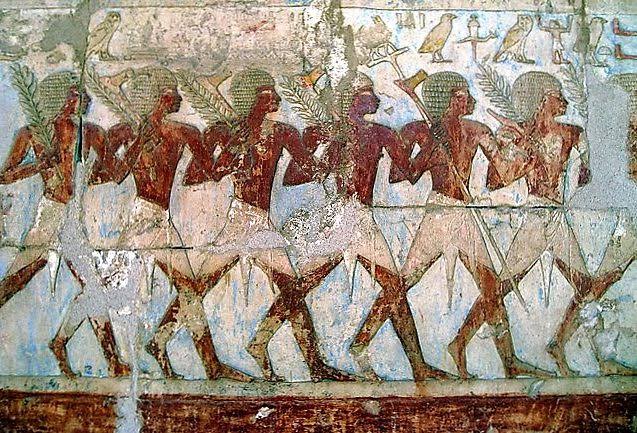
They have been documented as traders as far back as 25th century BC, the inhabitants of land of Punt. In fact, the English term for trader is punter.
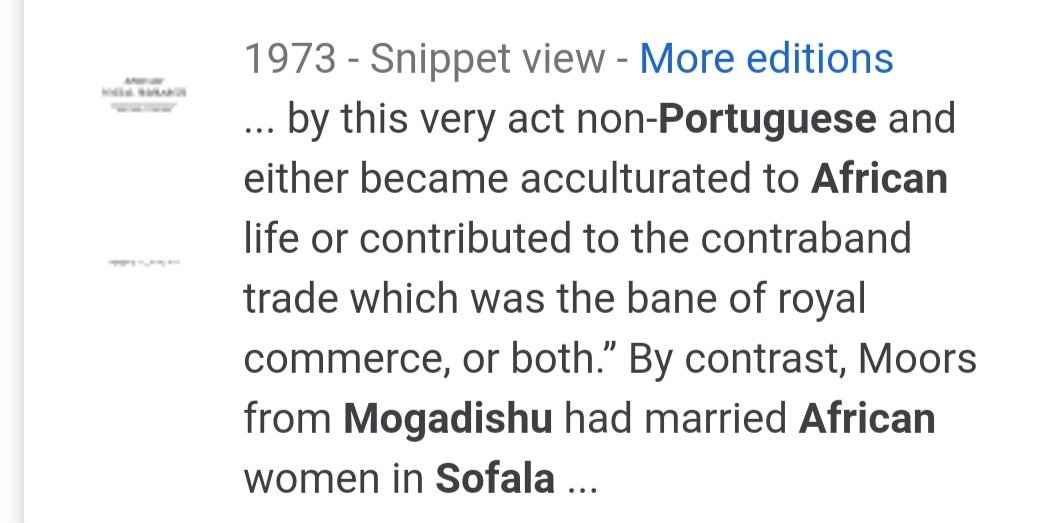
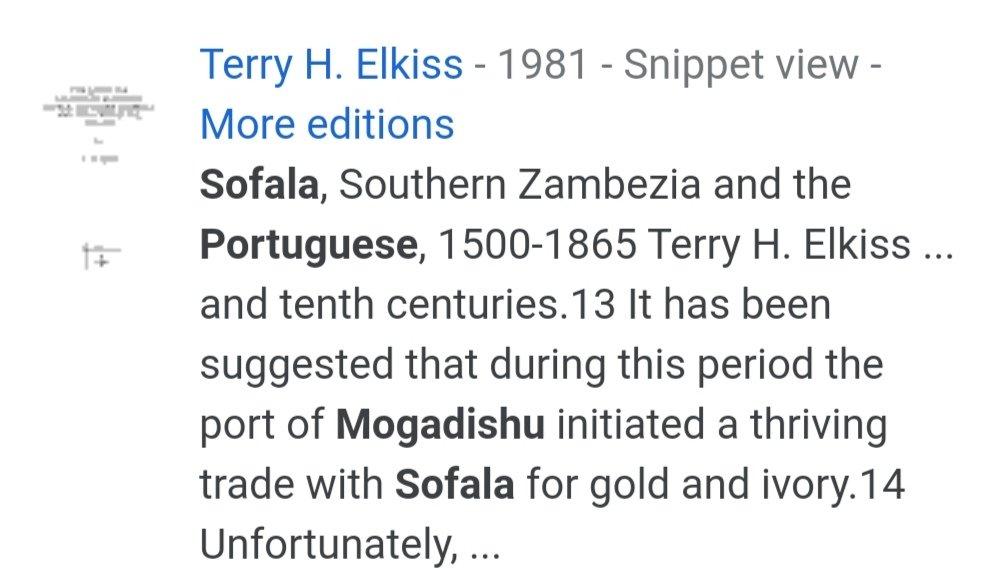
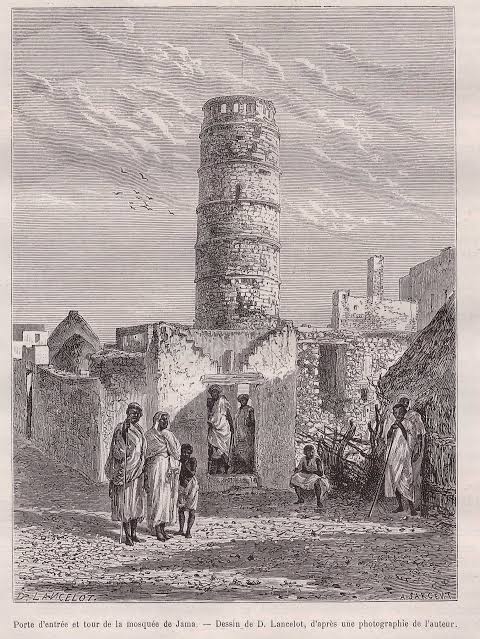
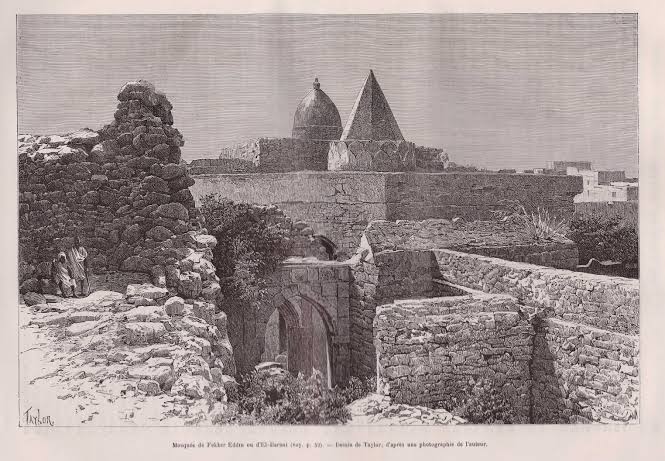
In 1400s, they were so successful they ran major trades that covered much of east Africa from Sofala in Mozambique to Mogadishu.
In 1400s, they were so successful they ran major trades that covered much of east Africa from Sofala in Mozambique to Mogadishu.
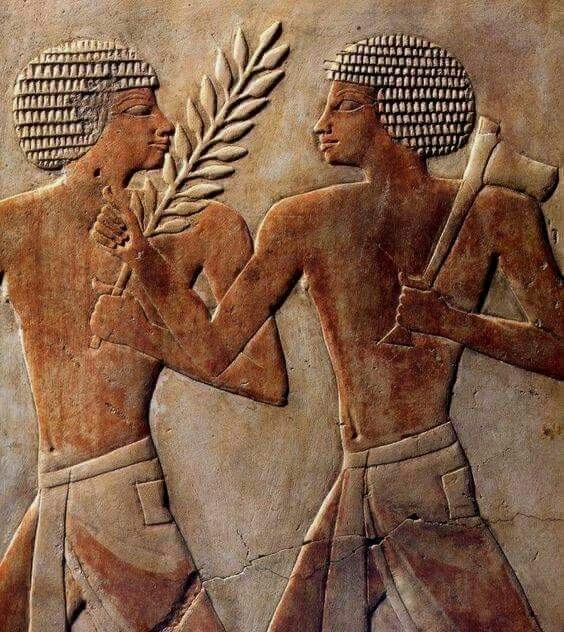
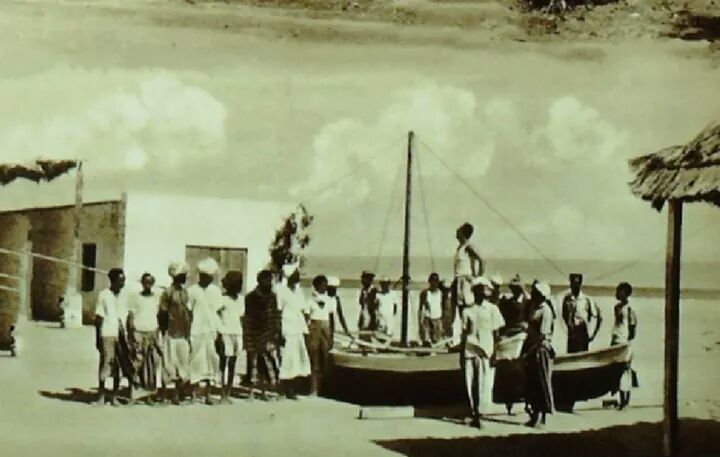
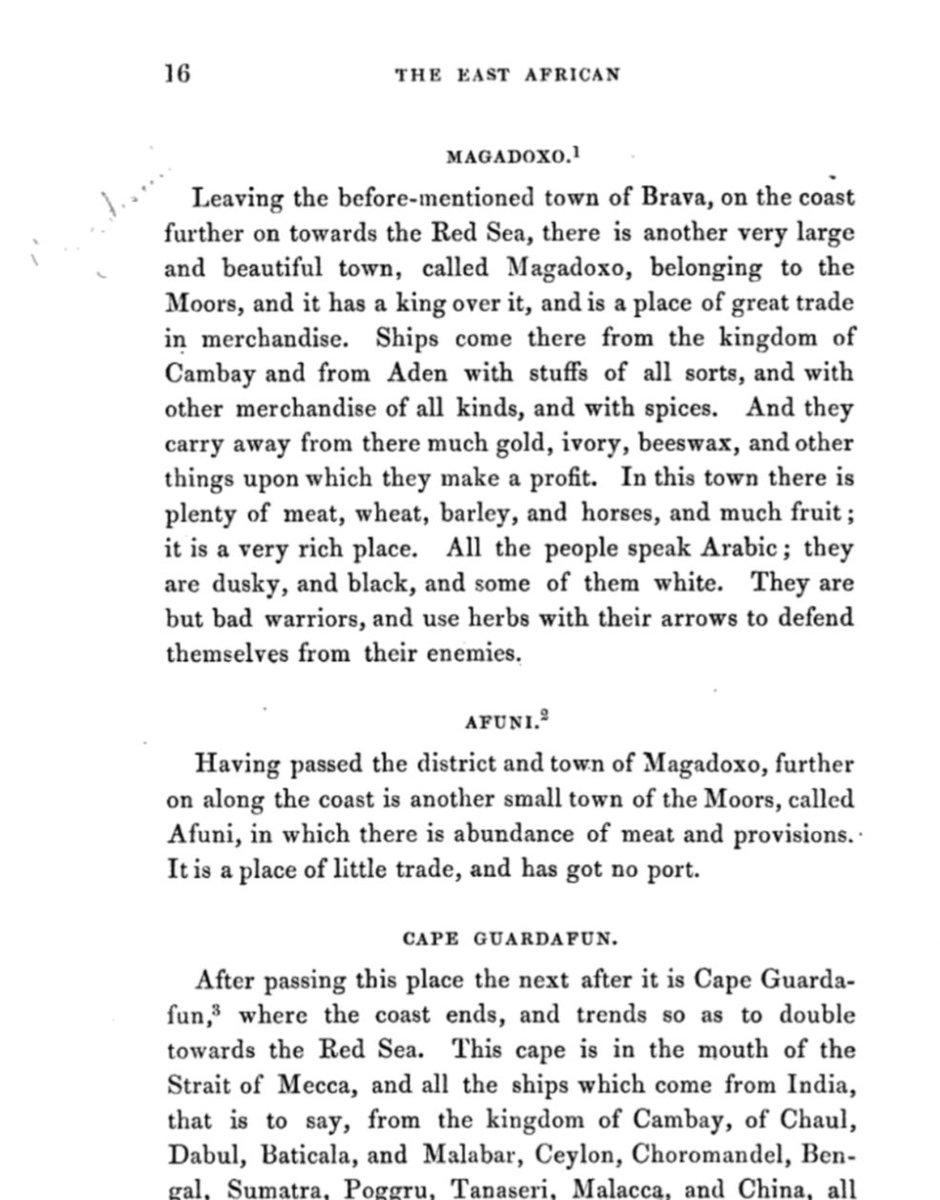
The Portuguese writer, Duarte Barbosa, records them in his book in 1514 as he traveled throughout east Africa and the Indian Ocean. He describes them as major traders who even chased out Arab traders who tried to compete with Mogadishu by building trade centres along east Africa
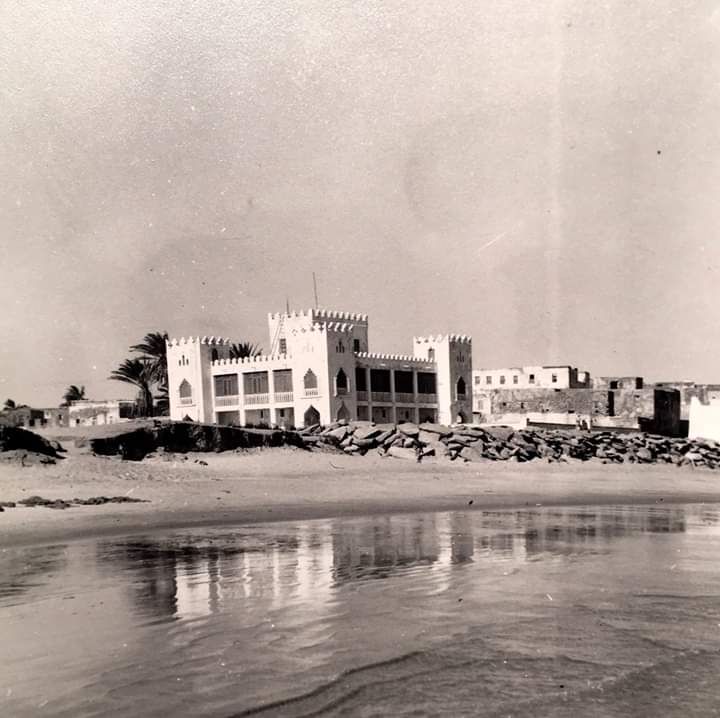
Mogadishu (Magadoxo), Barawe (Brava), Berbera, Zeila are all documented as well as Somali traders in Sofala, who sold gold and other valuables.
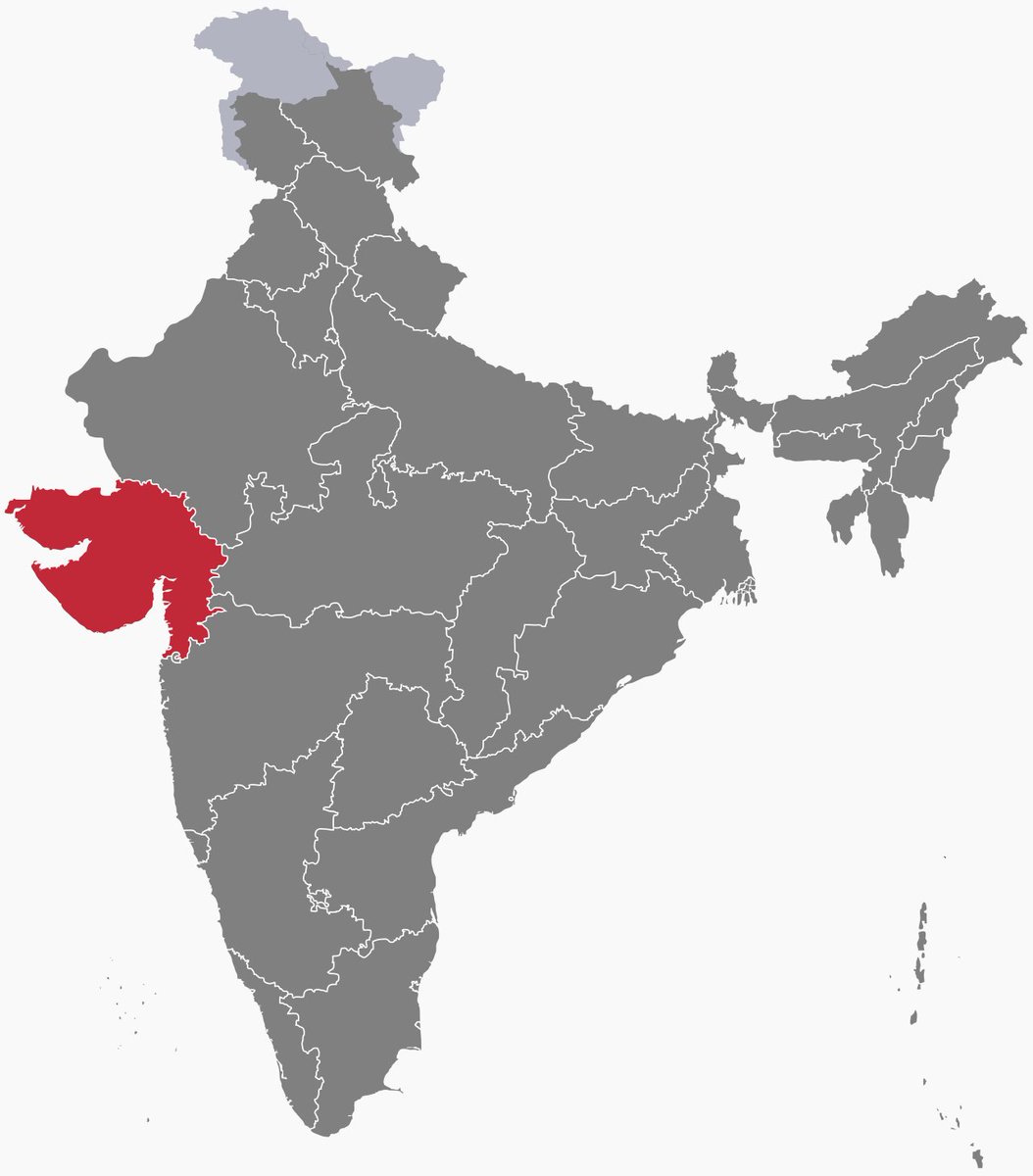
Cambay also known as Khambhat was a city in the Indian state of Gujarat, meaning Somalis traded with Indians for centuries.
Will share more sources. By "Moors" they mean Muslims because the Portuguese were familiar with the Moors of North Africa and Al Andulus (Spain).
In the 15th and 16th centuries, the Portuguese were the leaders of Europe and the "Age of Discovery".
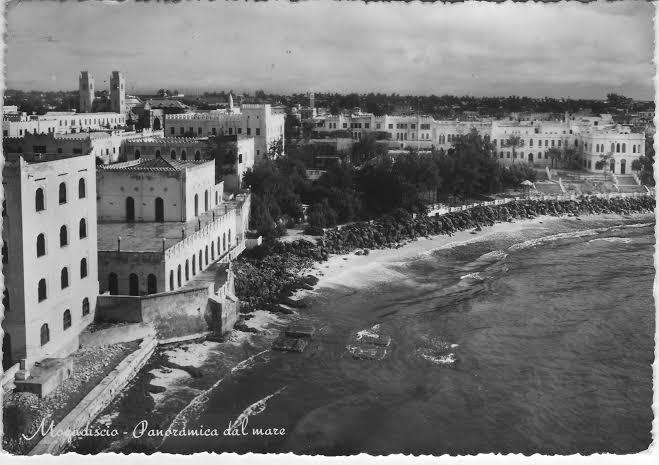
Vasco da Gama (1460-1524) passed through Mogadishu on 2nd Jan 1499 describing it as big prosperous city with houses of 4 or 5 stories high.
Somalis defeated the Portuguese.
Vasco da Gama (1460-1524) passed through Mogadishu on 2nd Jan 1499 describing it as big prosperous city with houses of 4 or 5 stories high.
Somalis defeated the Portuguese.

And so the Somali coast remained free and Somalis continued trading. Even Indian ships docked in Somali ports in order to bypass Portuguese blockade, who tried to monopolize trade.
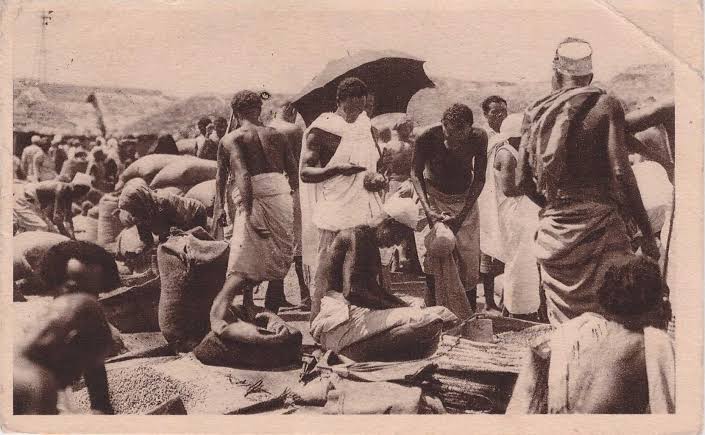
The textiles, spices from India would make their way to the African interior through Somalis. An example of these textile included white cotton sheets that later became known as Calcutta or Banadiri. Banadir is the Somali coast while Kolkata was a leading textile centre (India
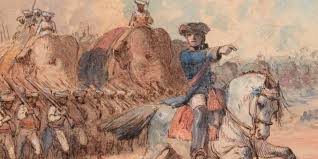
The British would eventually conquer Kolkata for its textile (East India Company) and years later the Americans would beat the British in their acquired skills and richness hence "American Apparels".
The Calico Acts (1700, 1721) banned the import of most cotton textiles into England, followed by the restriction of sale of most cotton textiles. It was a form of economic protectionism, in response to India (Bengal), which dominated world cotton textile markets at the time.
In another words, Somalis were trading premium cotton textiles long before Europe had discovered them. India not only gave the Europeans a lot but it taught them civilization itself. Queen Victoria never heard of mangoes before conquest of India.
Wool continued to dominate the European markets, but cotton prints were introduced to Britain by the East India Company in the 1690s.
British colonization also forced open the large Indian market to British goods, which could be sold in India without tariffs or duties.
British colonization also forced open the large Indian market to British goods, which could be sold in India without tariffs or duties.
By the time the British has disrupted the trade, Somalis began to make the textiles in house themselves. They imported workers from all east Africa and Oman, who supervised production. It was taboo for the "classic" Somali to get into weaving.
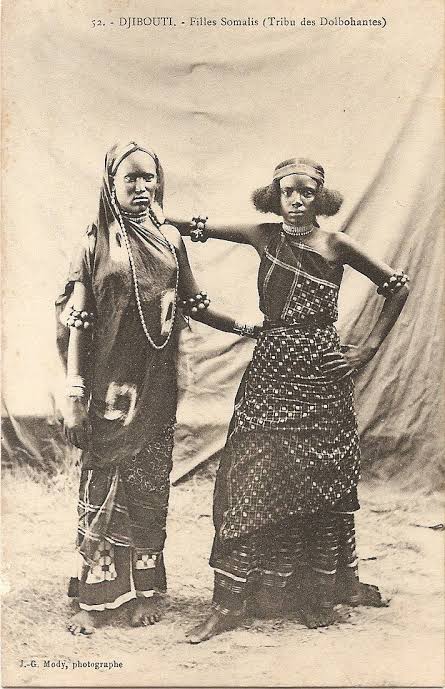
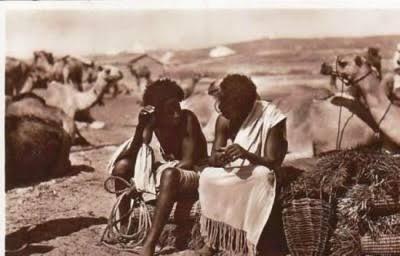
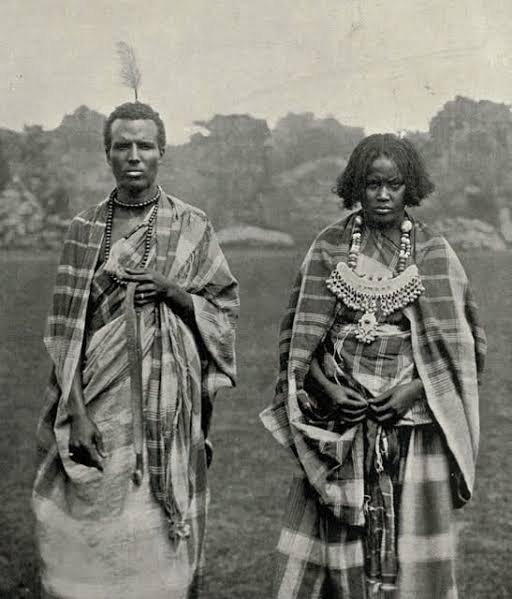
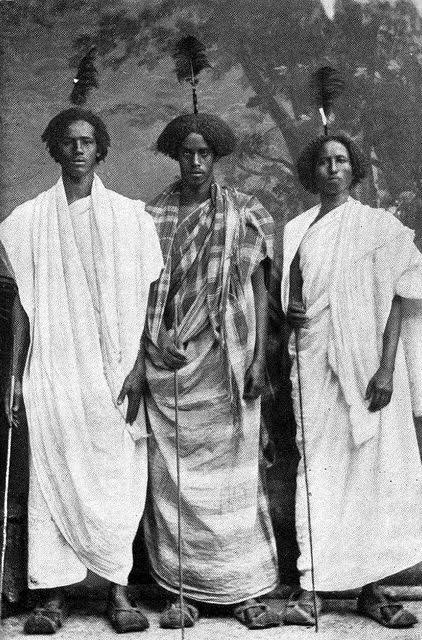
When the British expanded beyond India and came to the Somali coast, Somalis signed treaties with them in offshore ships. Again they were in business. They became interpreters and navigators. Eventually coming to places like Eastleigh, Kampala and Dar es Salaam.
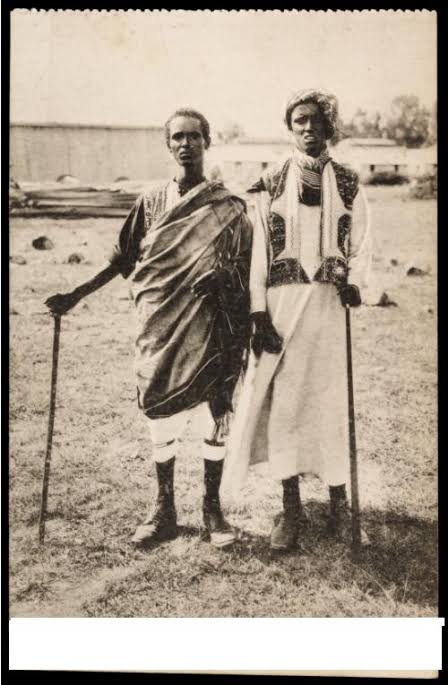
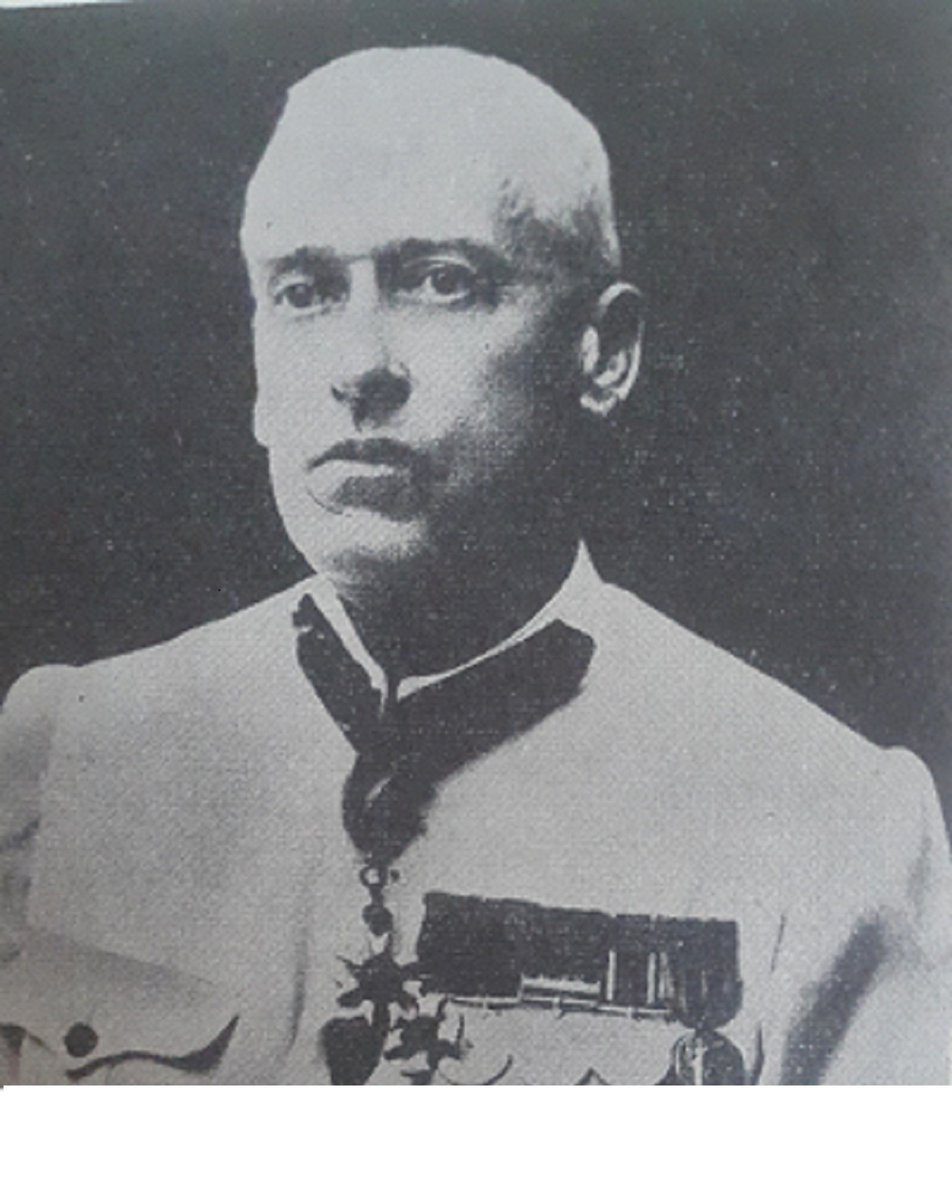
Naivasha boarding school (Rift Valley) by Somalis meet with the colonial British Gov in Kenya
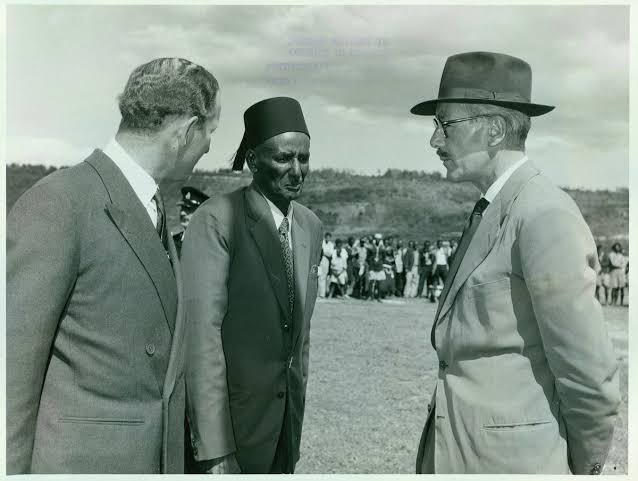
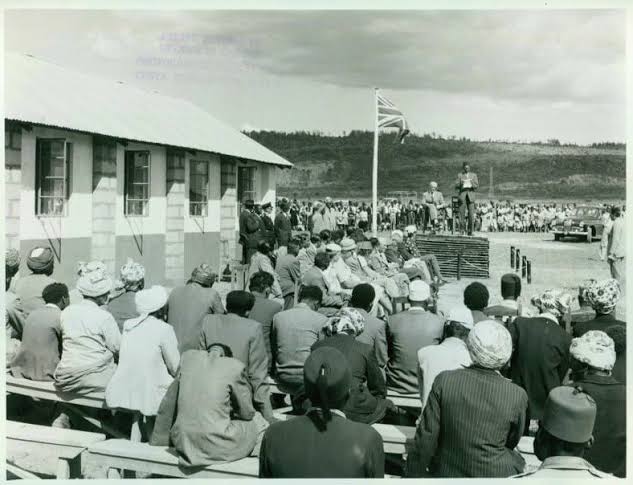

The Somalis have lived in northeastern Kenya for centuries but during British colonial rule, Eastleigh was Asian neighbourhood. The British had segregation in place. The Somalis bought their residency rights in Eastleigh by offering to pay taxes.
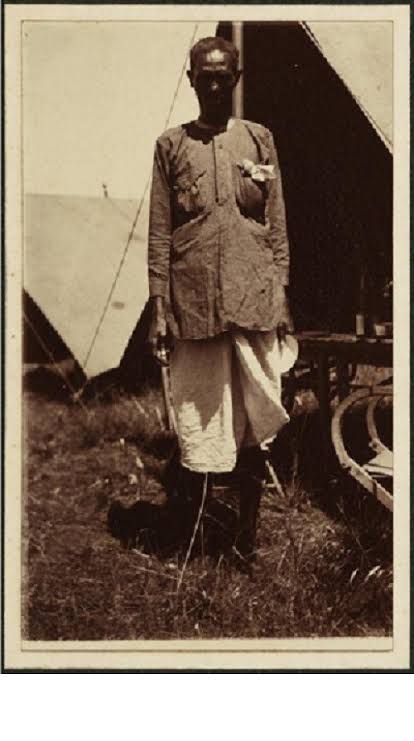
The British tried to be technical with the Africans by separating "taxpayers" from none payers. Natives were not required to pay basically they provided services to "taxpayers". So Somalis wouldn't go away. The colonial Gov accepted them as same status as Asians and Arabs.
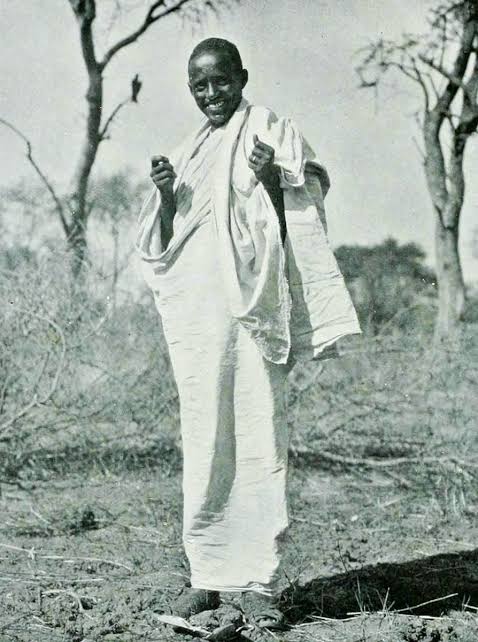
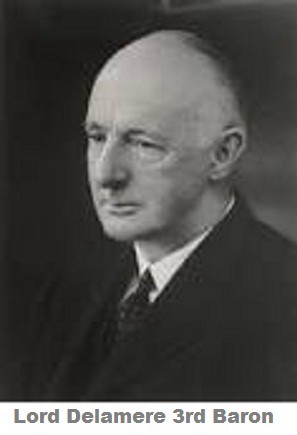
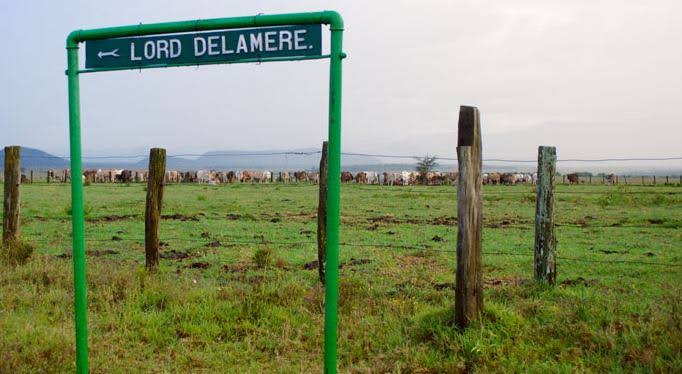
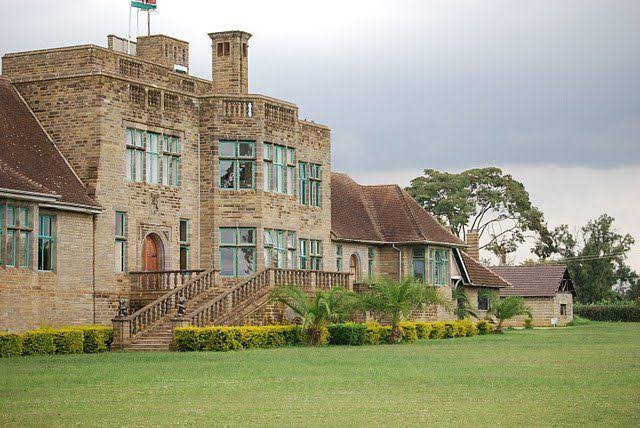
The British colonial residents resented the Somalis but the British elites liked the Somalis. For eg Lord Delamere not only worked with them but allowed them to use his massive land. Somalis traded sugars, tea, soap and the likes for livestock from Kenyan tribes.
They then exported the animals to Aden (Yemen) which was important British military garrison who needed mutton. They took it further inland to Arabia.
Loading suggestions...