

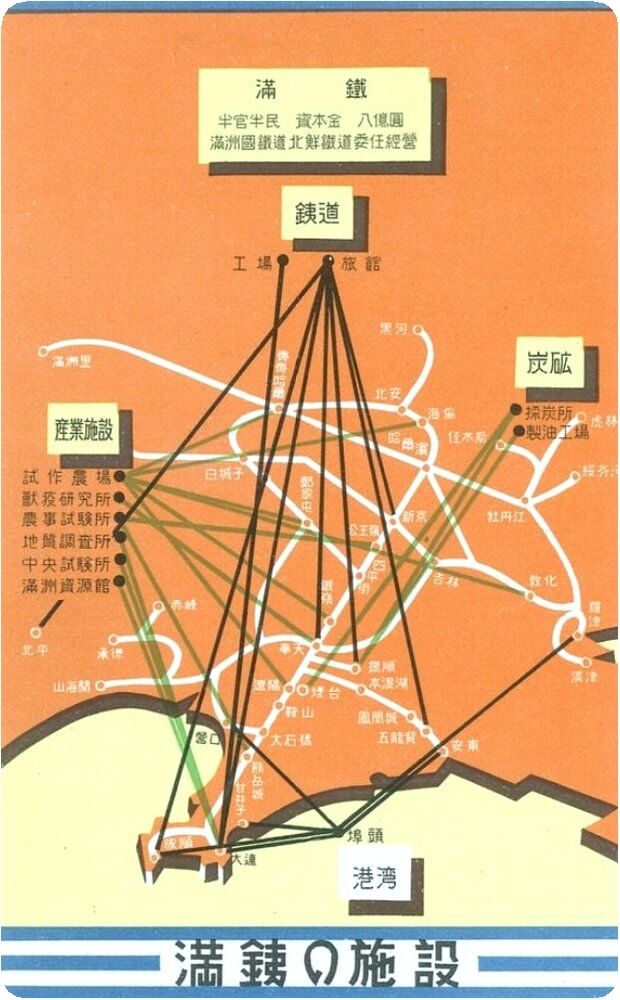
1/ In 1895-1945, Manchuria was the Balkans of the east. There in 1931 Japan created the Manchukuo state, the fastest growing economy in Asia until 1945.
This is a story about how rival post-war KMT/CCP planners were "together in electric dreams" to rebuild the devastated region.
This is a story about how rival post-war KMT/CCP planners were "together in electric dreams" to rebuild the devastated region.

2/ Manchukuo, being a single-party state under the Concordia Association whose cadres wore Concordia Suits; with total collectivised agriculture and industrial development guided by Five-Year Plans, was probably the most successful Soviet-styled state outside the USSR before 1945


3/ Even before Manchukuo, warlord Zhang Zuolin who controlled the region and briefly the Peking govt, had championed State Socialism. Under his son Zhang Xueliang, Manchuria embarked on an aggressive railway construction policy which irritated Japan.
4/ Japan had a long State Socialist tradition since the 1890s. When Japan's Kwantung Army set up Manchukuo in 1931, they decided that its economy would be "anti-capitalist". They were also inspired by the National Socialist ideas of Kita Ikki and others.
5/ Preparations for planning began in Jan 1932, and in July 1932-Aug 1933 the "Phase One Plan for Manchurian Economic Construction" was gradually implemented. From 1936 onwards Manchukuo implemented two Five-Year Plans and even made a number of them for occupied North China.
6/ Under Miyazaki Masayoshi who studied in Russia - later credited for having created "Japan Inc." - the South Manchuria Railway Investigation Department, a RAND Corporation-like institution, employed vast numbers of leftwing intellectuals fleeting domestic repression in Japan.

7/ Tachibana Shiraki and SMRID officer Sato Daishiro, an ex-Japanese Com. Youth League member, set out to establish cooperatives for the Han peasantry and to materialise a "Neo-Physiocratic" "Agrarian Democracy". Their enemy was the trio of "landlords-merchants-loan sharks".
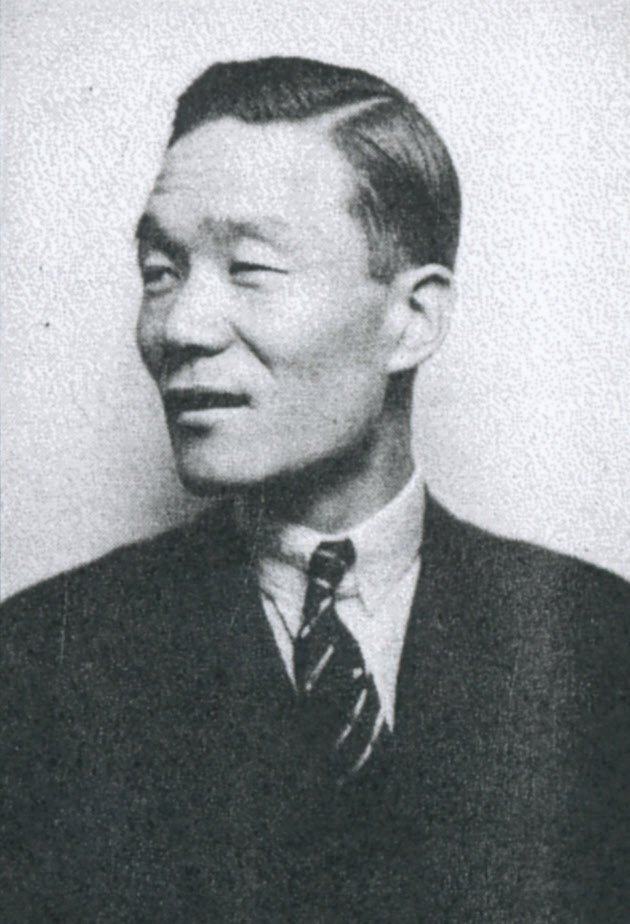
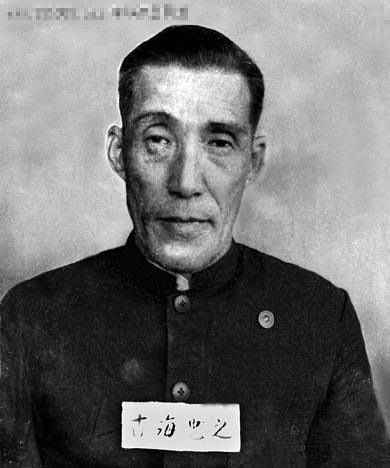
8/ Topping the Manchukuo governing hierarchy were of course the so-called "reform bureaucrats" like Kishi Nobusuke, Shiina Etsusaburo and Furumi Tadayuki, who believed in non-democratic and non-class conflictual technocratic solutions for the needs of economic development and war
9/ Meanwhile KMT China also trained a large corpus of "reform bureaucrats", concentrating in the so-called "Political Science Clique" (PSC), controlling Central Planning Board and the Resources Commission which directed the state-run industries.
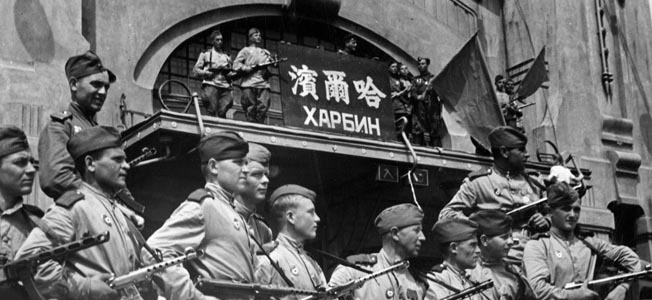
10/ When the war suddenly ended in August 1945 after the USSR invaded Manchuria and the US dropped the A-bombs, China already possessed the personnel needed to take over Manchuria's industries. The question hinged on Soviet cooperation and how much China was willing to concede.
11/ By then Manchuria was already in a state of fatigue. The cooperatives became a tool of brutal extraction, and many of the targets of the Second Five-Year Plan were not met. Originally envisaged as a "Partially Planned Economy", Manchuria ended up adopting draconian controls.
12/ Yet Manchuria & N Korea were uniquely positioned in 1945 to accept a Stalinist economic policy. The region became by 1947 the main CCP base from which the liberation of the rest of China was launched
This however was not predestined. It was the result of KMT miscalculations
This however was not predestined. It was the result of KMT miscalculations
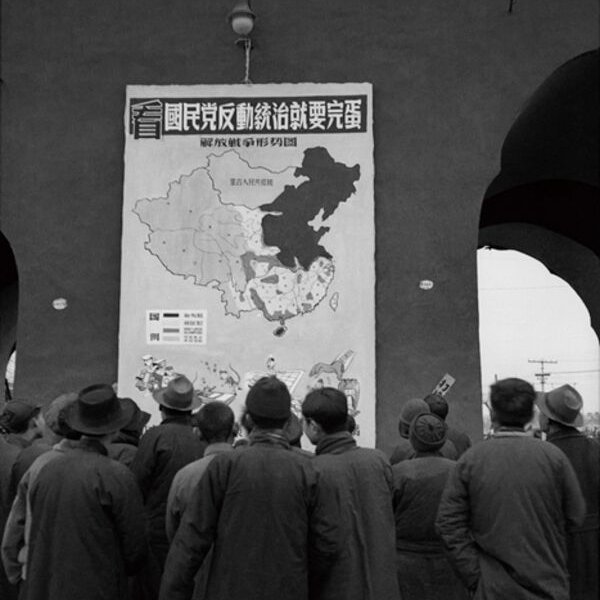
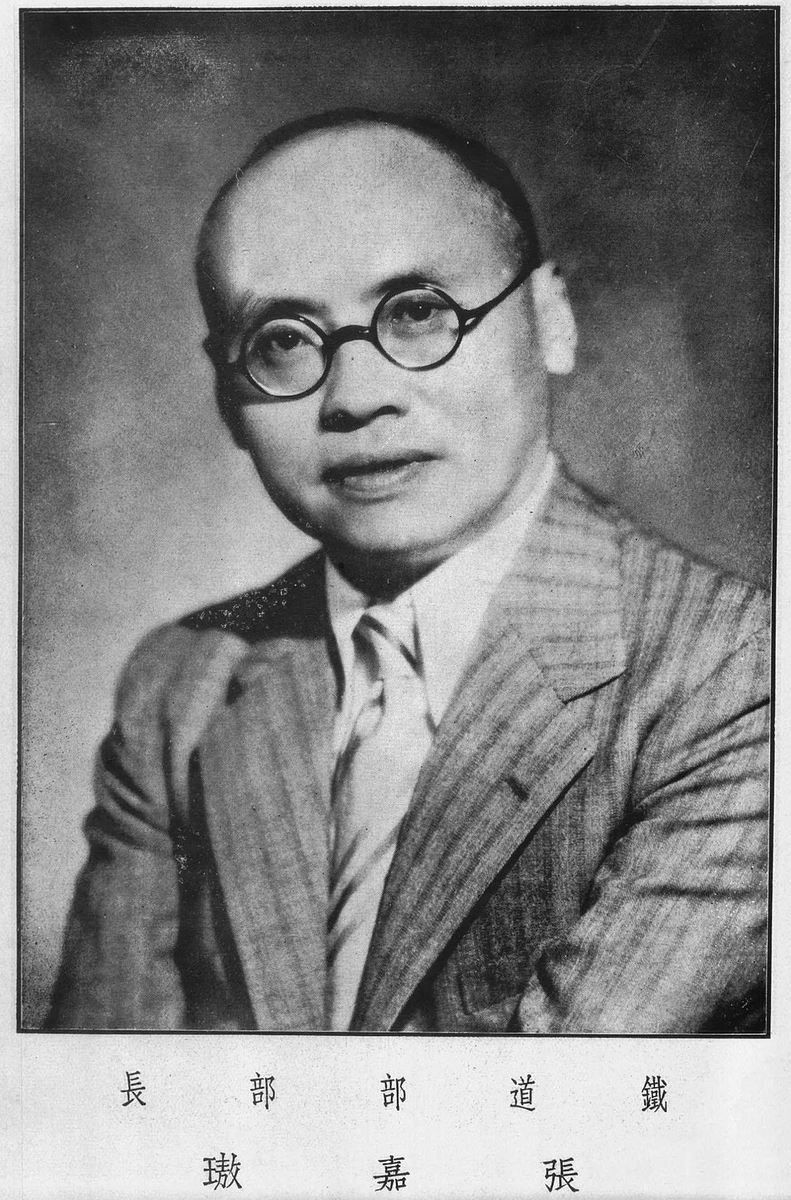
13/ Chiang Kai-shek chose two PSC leaders educated in Japan to direct the recovery of Manchuria. Xiong Shihui (Japan Army War College) was made NE Garrison Chief, and Chang Kia-ngau (Keio) became head of the NE Econ Commission and Director of the Changchun Rly (the ex-S. Man Rly)
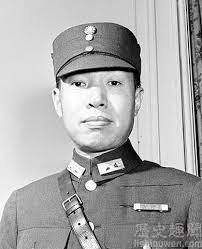
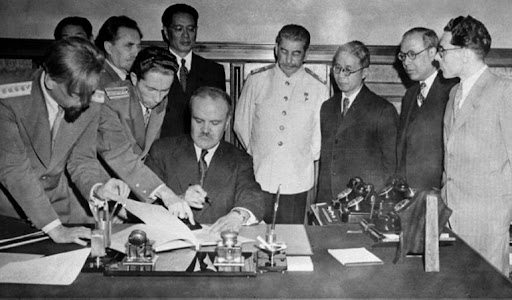
14/ Stalin had told TV Soong, when signing the Sino-Soviet Treaty in Aug 1945, that Manchukuo's strategic industries would be considered as Soviet war trophies. Some removal of machinery had already taken place in October 1945. The question was how much the USSR would hand over.
15/ Chang Kia-ngau met Col. Mikhail I. Sladkovsky, econ advisor to the Soviet forces. Sladkovsky had previously been posted to Nanking and Shanghai in 1935 and Chang described him as "intelligent and capable". Sladkovsky informed Chang that the USSR was intent on econ cooperation
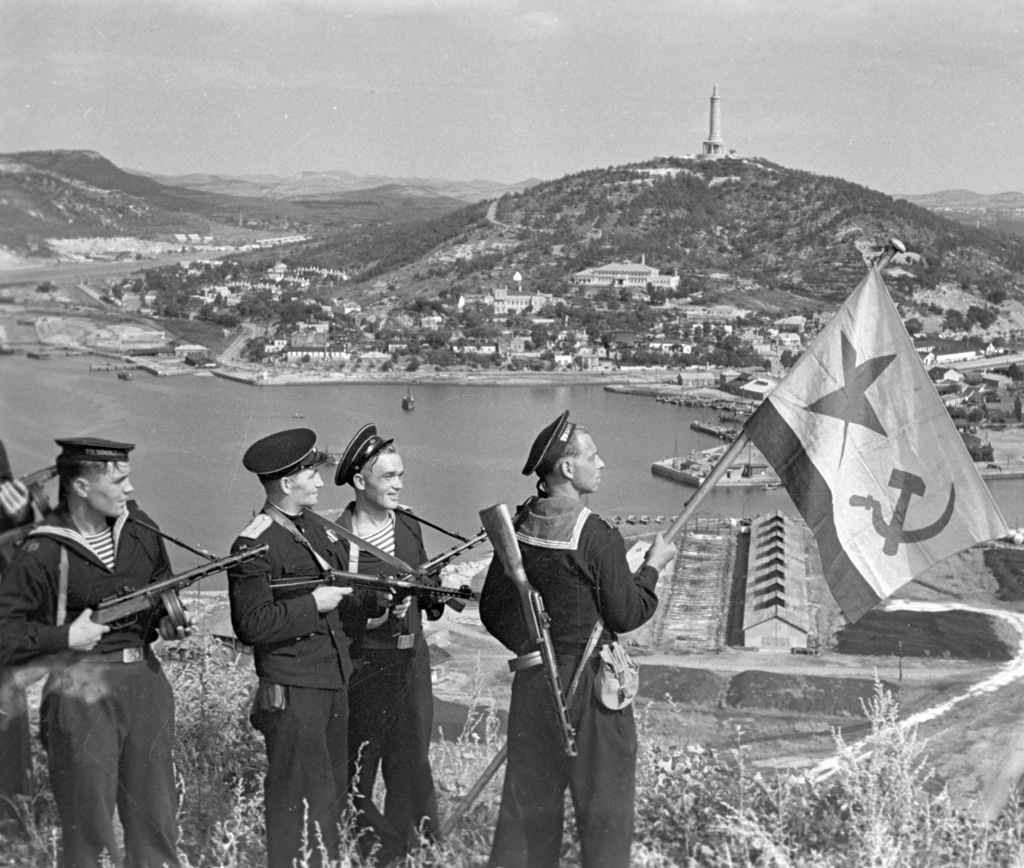
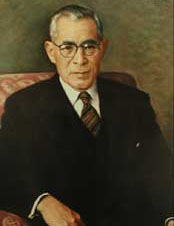
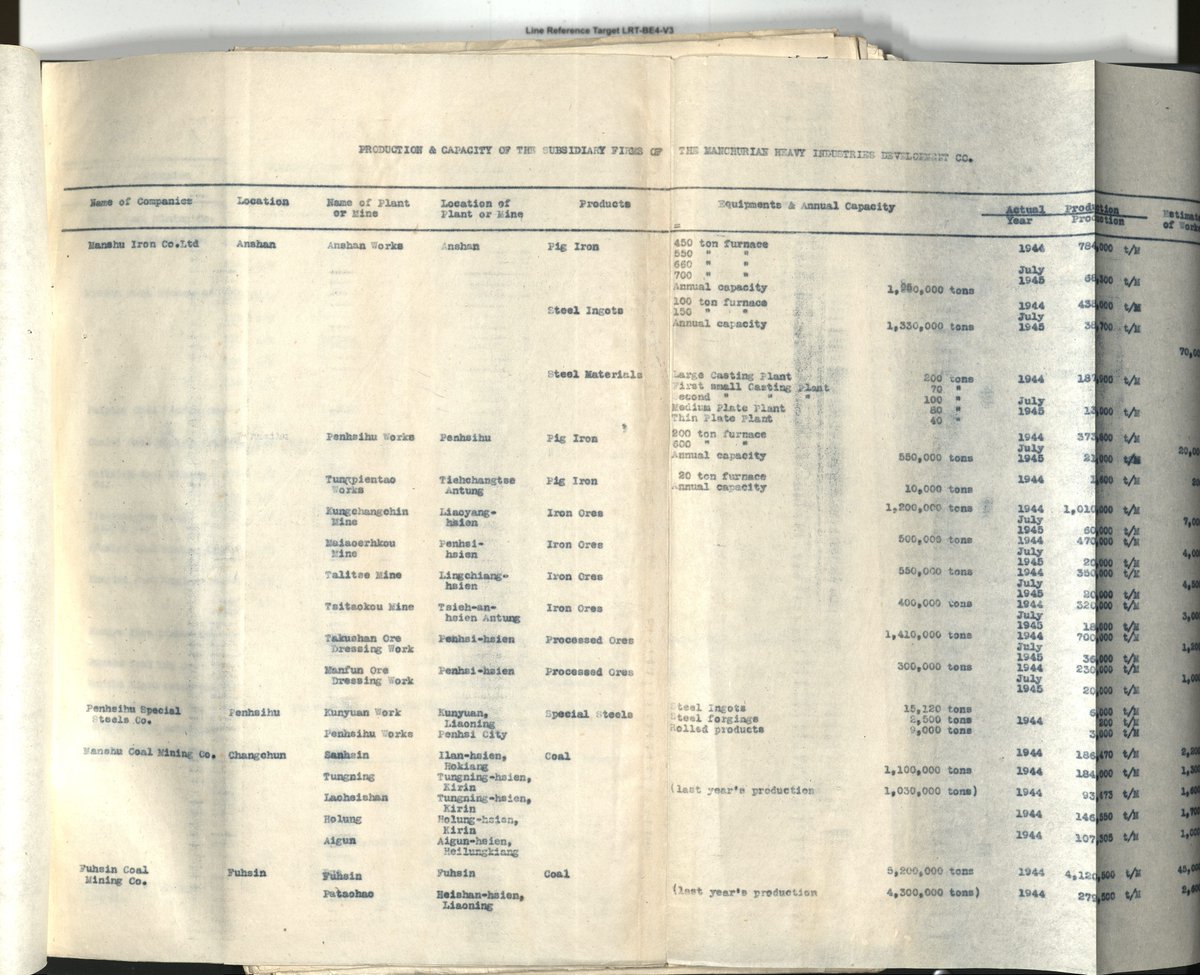
16/ Sladkovsky forced the Japanese heads of Manchukuo's strategic industries - the President of Manchuria Electric, and President Takasaki Tatsunosuke of Manchuria Heavy Industrial Development Corporation, to hand over their assets to Soviet forces. Both men resisted to no avail.
17/ Chang and Slad. then debated the historical nature of Manchukuo's industries. Slad. argued that Japanese funds made up 70% of the capital, but Chang argued that such "Japanese capital" had in fact been made up of Chinese deposits taken out as loans from the state-run banks.
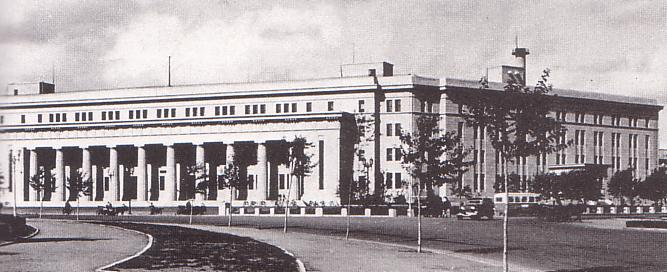
18/ Chang pleaded Slad. to not let China suffer a serious loss of face, and compared Soviet tactics to Japanese imperialism. Angered, Slad. reminded Chang that "Manchurian capital" had been a façade for Japan zaibatsu investment. Even the machinery had been moved over from Japan.
19/ Slad offered to limit Soviet capital in the joint enterprises at 50% despite Japanese capital having been much more. Back in Nanking there were rowdy debates between those who opposed joint enterprises like TV Soong, and those who acquiesced to it, such as Chiang Ching-kuo.
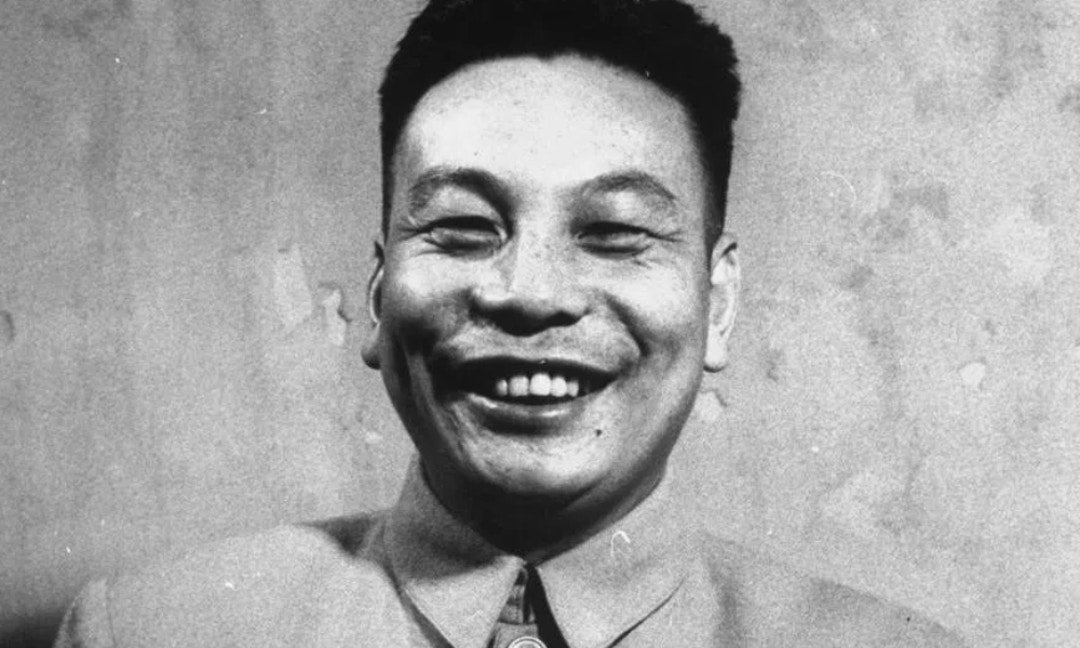
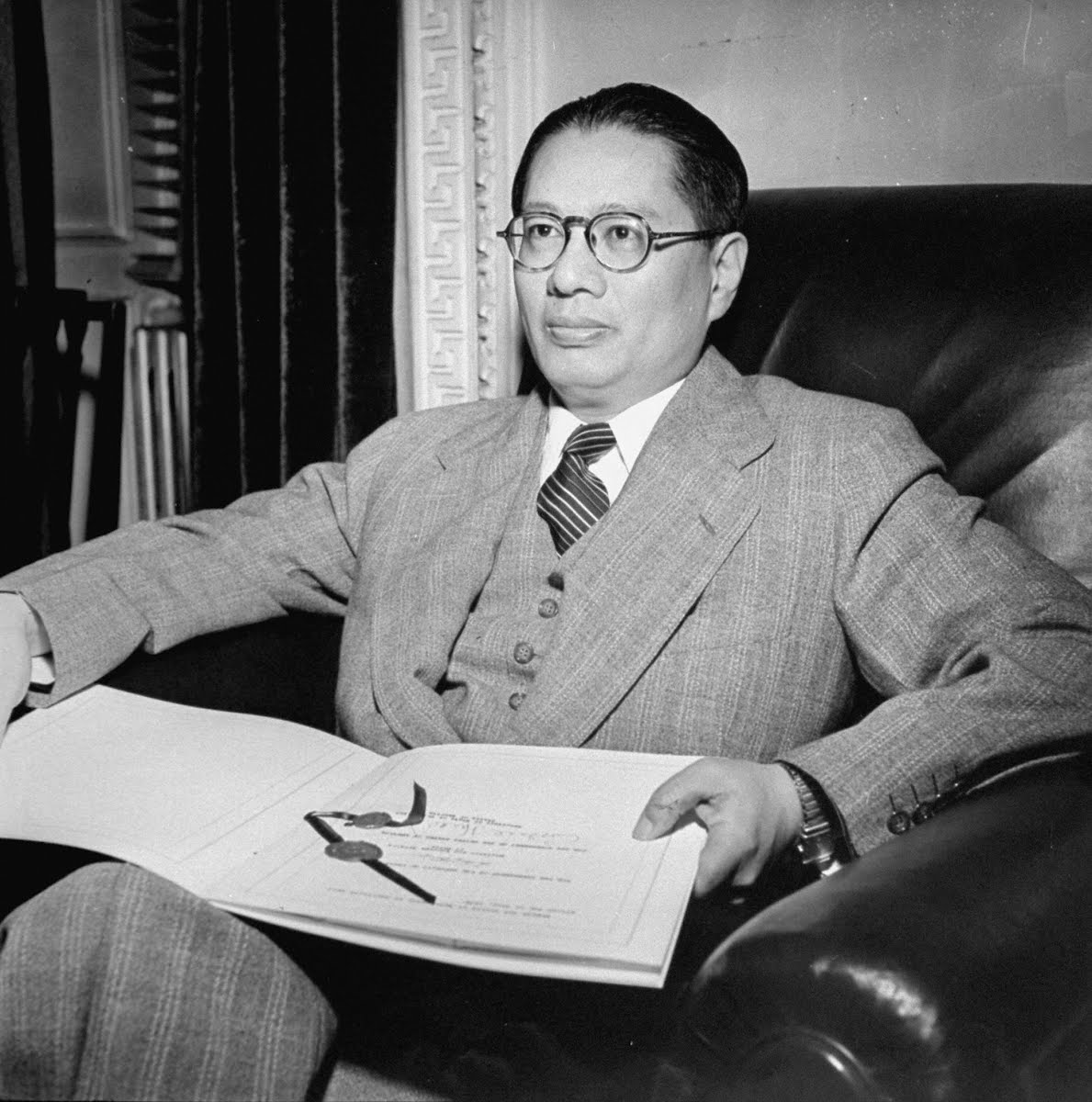
20/The main reason that some were willing to let the USSR gain a share in Manchuria was the hope that Soviet troops would quickly evacuate from Manchuria if its economic objectives were reached. Slad. had argued that joint ownership was important to Soviet national defence.
21/ Yet TV Soong insisted on US capital gaining
access to Manchuria. Representatives of the US State Dept had warned Chang Kia-ngau in Sept 1945 not to let the Resources Commission nationalise Manchuria's industries, which would be against the "US policy of private enterprise"
access to Manchuria. Representatives of the US State Dept had warned Chang Kia-ngau in Sept 1945 not to let the Resources Commission nationalise Manchuria's industries, which would be against the "US policy of private enterprise"
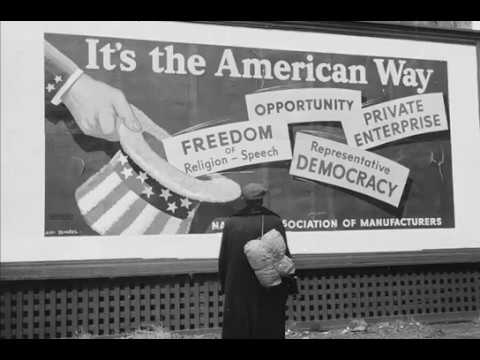
22/ In Mar 1946 the US cautioned China that Sino-Sov cooperation would violate the open door principle and place US commercial interests at a disadvantage. Chang started to write reports on Manchuria for an English audience. The Soviets warned Chang not to be "swayed by the buck"
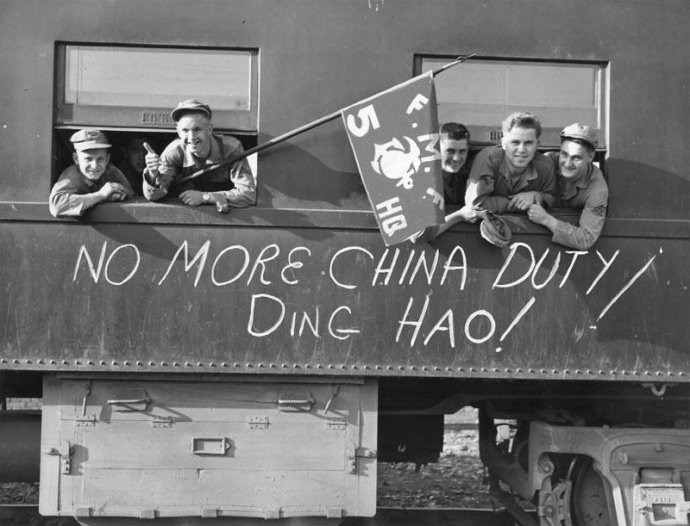
23/ Making things worse was the KMT's reliance on US landing craft and aircraft to transport troops into Manchuria. The USSR threatened not to withdraw its troops from Manchuria until the US had also withdrawn its own from China Proper. And then the Zhang Xinfu Incident happened.
24/ Fushun Colliery was part of the S. Man Rly, which the KMT accepted was to be jointly run with the USSR. However Chang decided in Dec 1945 that it would be taken over by the Chinese Resources Commission. Technocrat Zhang Xinfu was sent to takeover the colliery, and was killed
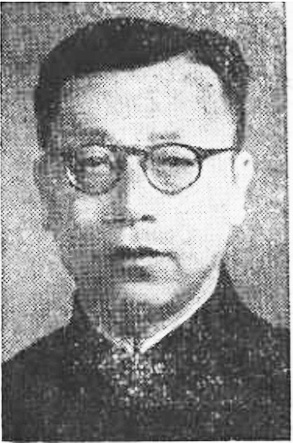
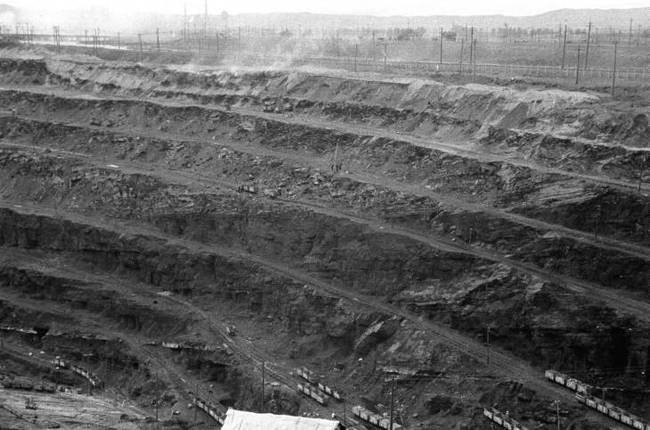
25/ Amidst national outrage, at the KMT Central Com. Plenum in Mar 46, rival factions accused the PSC of appeasement & treason; they would rather "bargain to the heavens" with the USSR. In any case the USSR knowing cooperation was impossible had started to remove entire factories
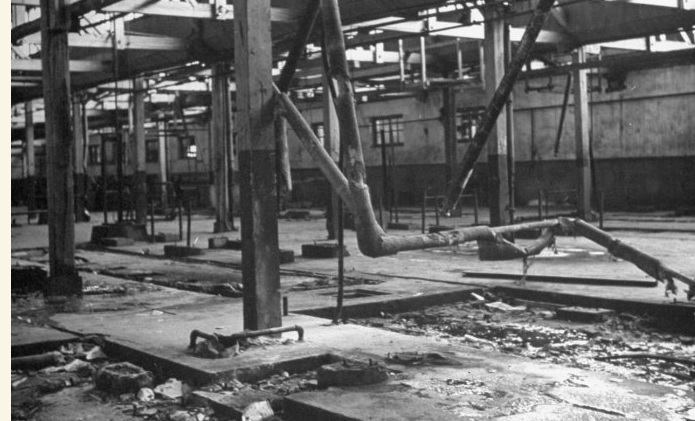
26/ The Plenum resolved to cancel the agreement between the KMT, CCP and third force parties over a joint govt, dashing CCP's hopes of gaining power democratically. Soviet troops began to aid the CCP to take over vast areas in Manchuria, often with the help of Japanese equipment.
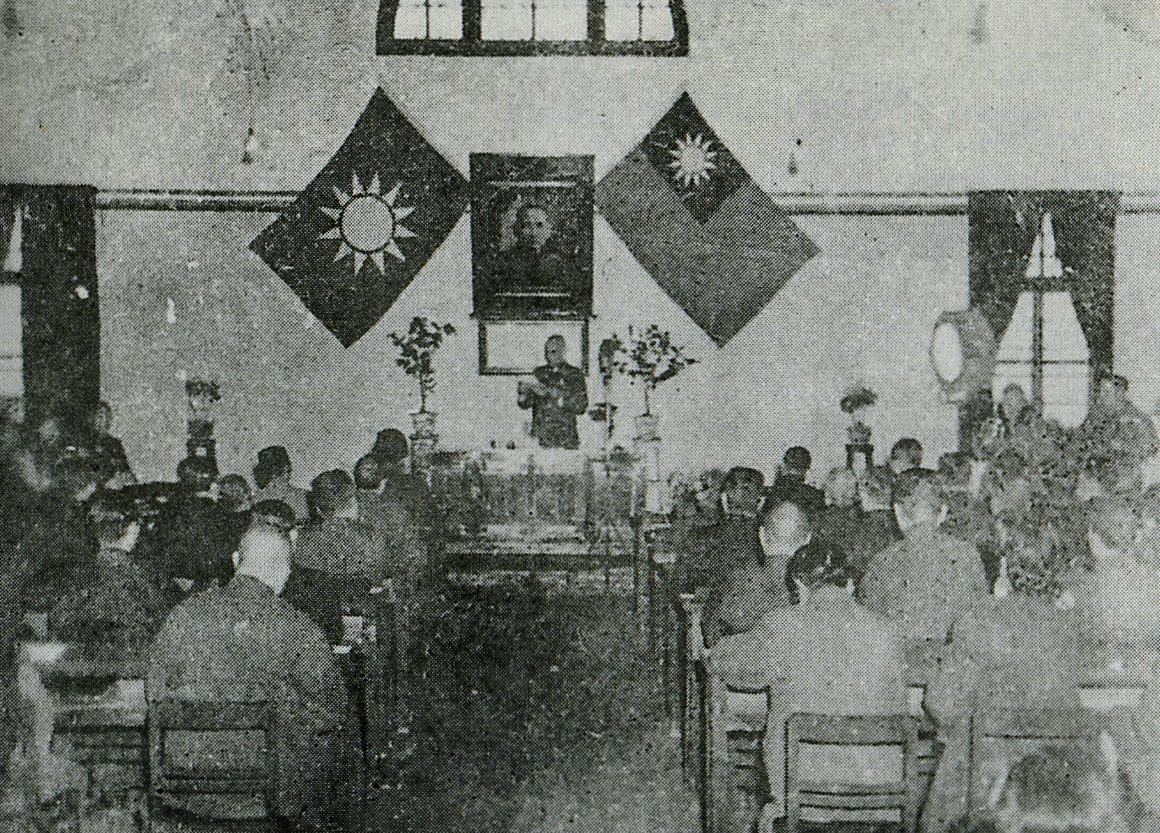
27/ Chang Kia-ngau, faced with Soviet scorched earth policy, had to start rebuilding Manchuria almost from scratch. He enlisted as advisors Takasaki Tatsunosuke, ex-President of SMR Yamazaki Motoki, and thousands of other Japanese staff. Production resumed in certain factories.
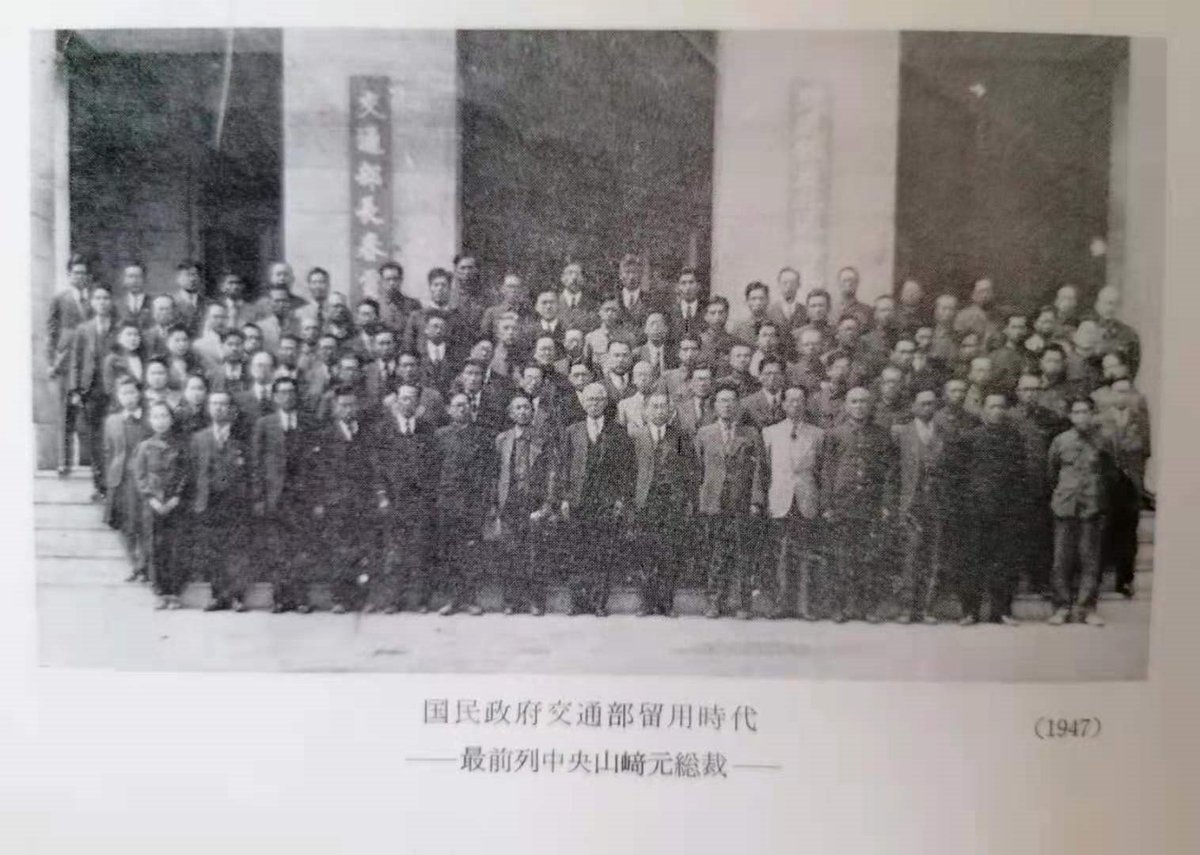
28/ KMT and CCP fiscal policy in Manchuria is the subject of a fascinating thread by Simon Lee, appended below. Meanwhile Japanese technical staff organised themselves into the Northeastern Technical Association and sent their reconstruction plans to Chang
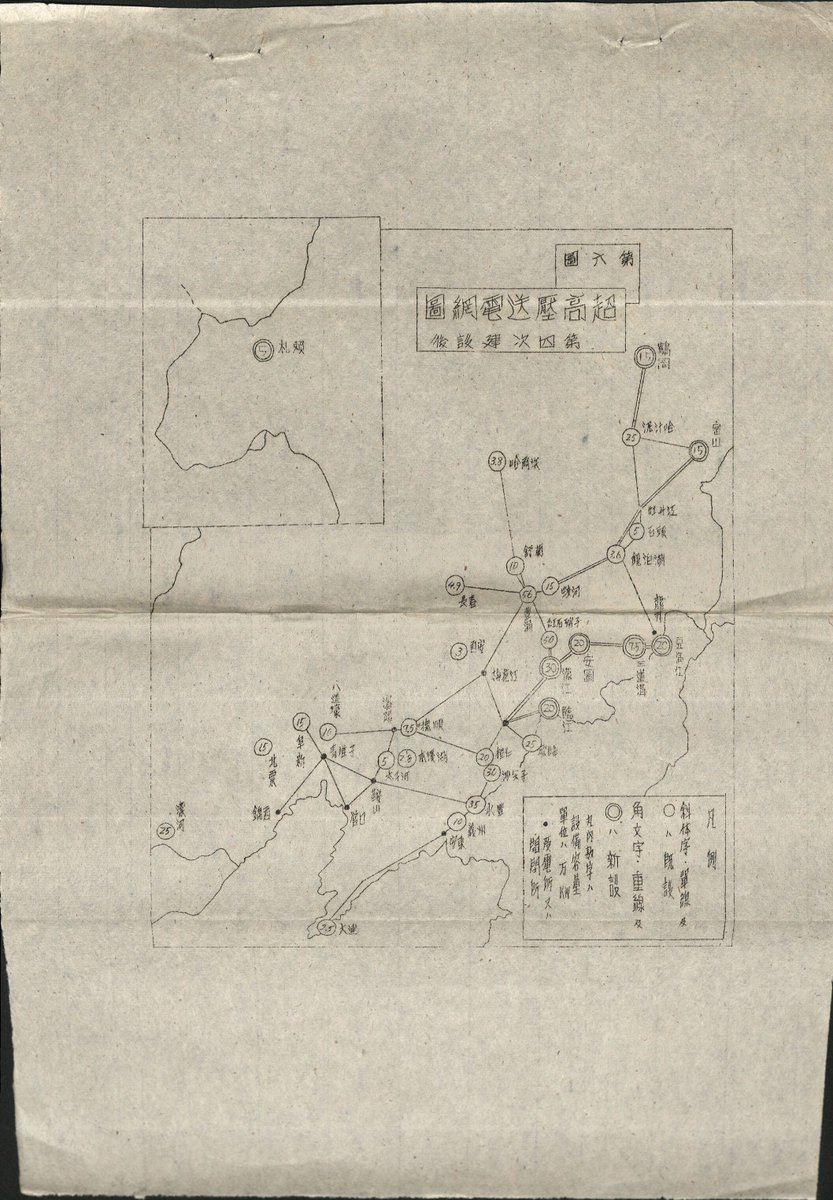
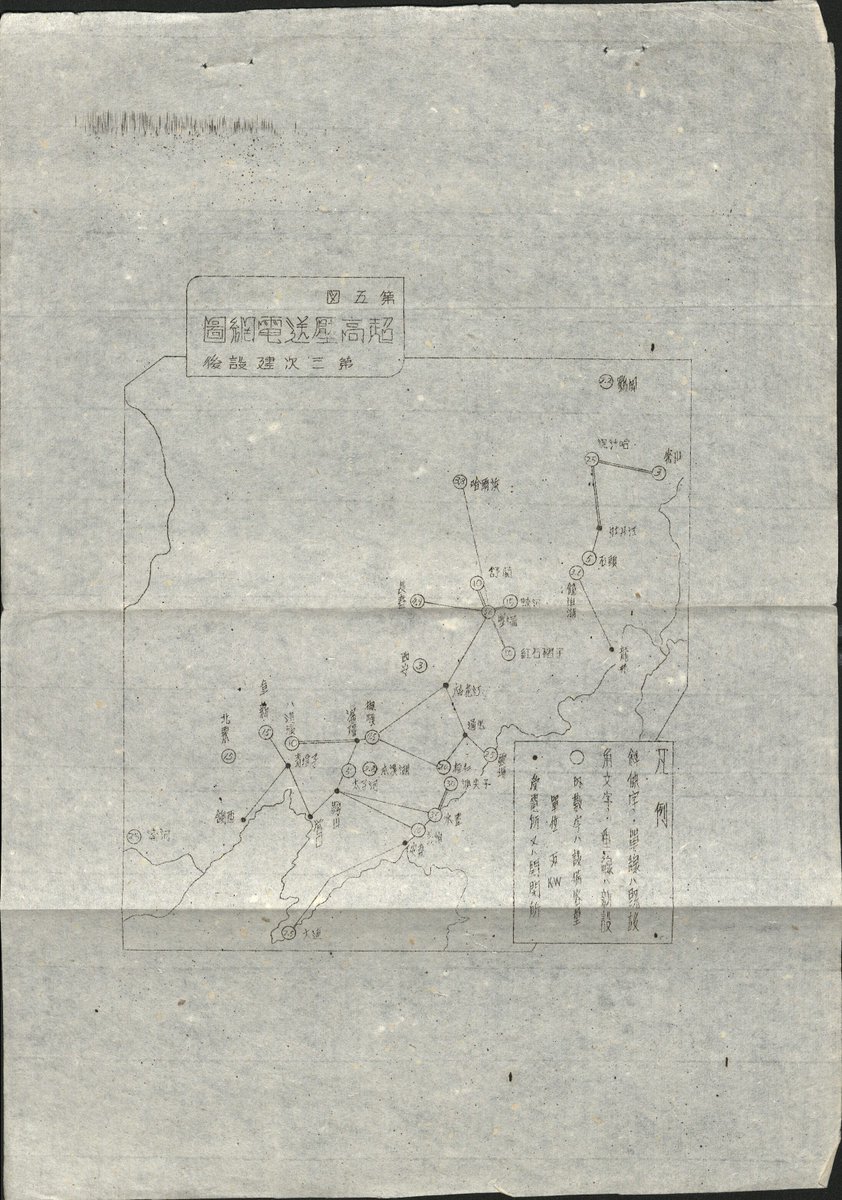
29/ Maegawa Kazu, ex-Construction Bureau Chief of Manchuria Electric, proposed expanding Manchuria's already extensive electrical grid over four phases by 2325km. Total capacity to reach 5GW. Each of Manchuria's eight regions had a growth target. 74% would be hydro-electricity.
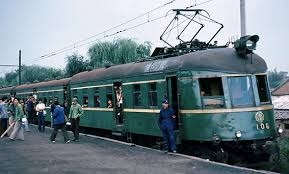
30/ Kobayashi Nao, ex-Kirin Municipal Office Public Works Bureau Chief, drew up plans for a new Shenyang to rival Peking or Guangzhou in future. Highways with spaghetti junctions were envisaged, as well as an intl airport and a Fushun-Shenyang-Anshan high speed electric railway
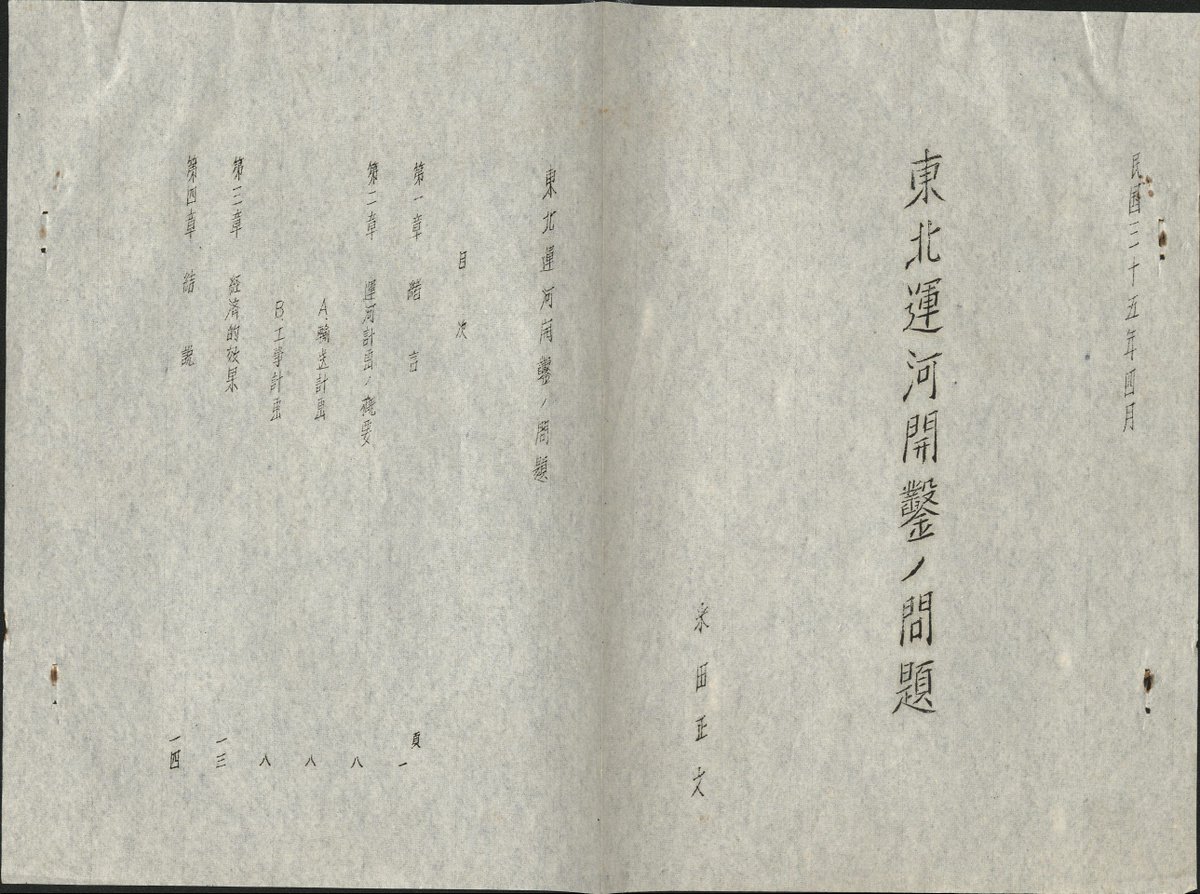
31/ Yoneda Masafumi, ex-Chief of the Great Eastern Port Construction Board and an associate of Kishi Nobusuke's, argued for a 264km-long canal network for 100m-long vessels, by dredging the Liao River and the Taizi River. It would run from Yingkou to Fushun and carry 5 mil tons/y
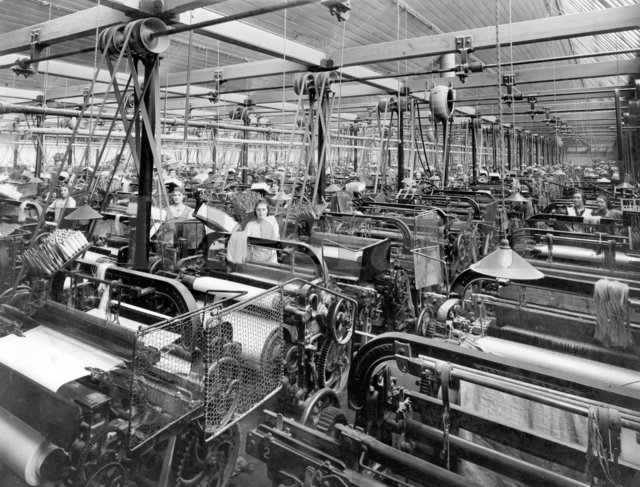
32/ Noguchi Kondo wrote a memorandum in English on the rehabilitation of the textile industry, noting that because many Japanese technical staff were being repatriated, it was imperative that rehabilitation plans should immediately begin in order to make good use of the personnel
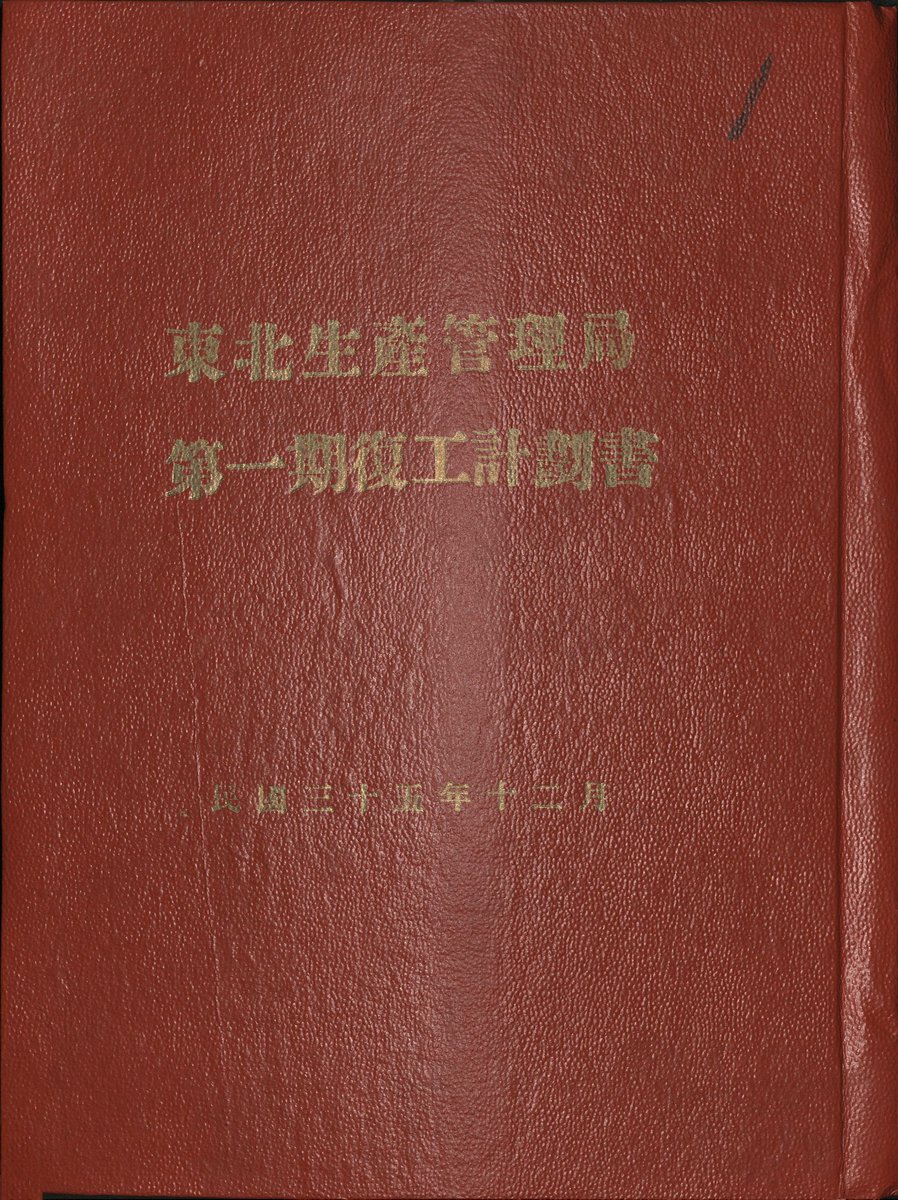
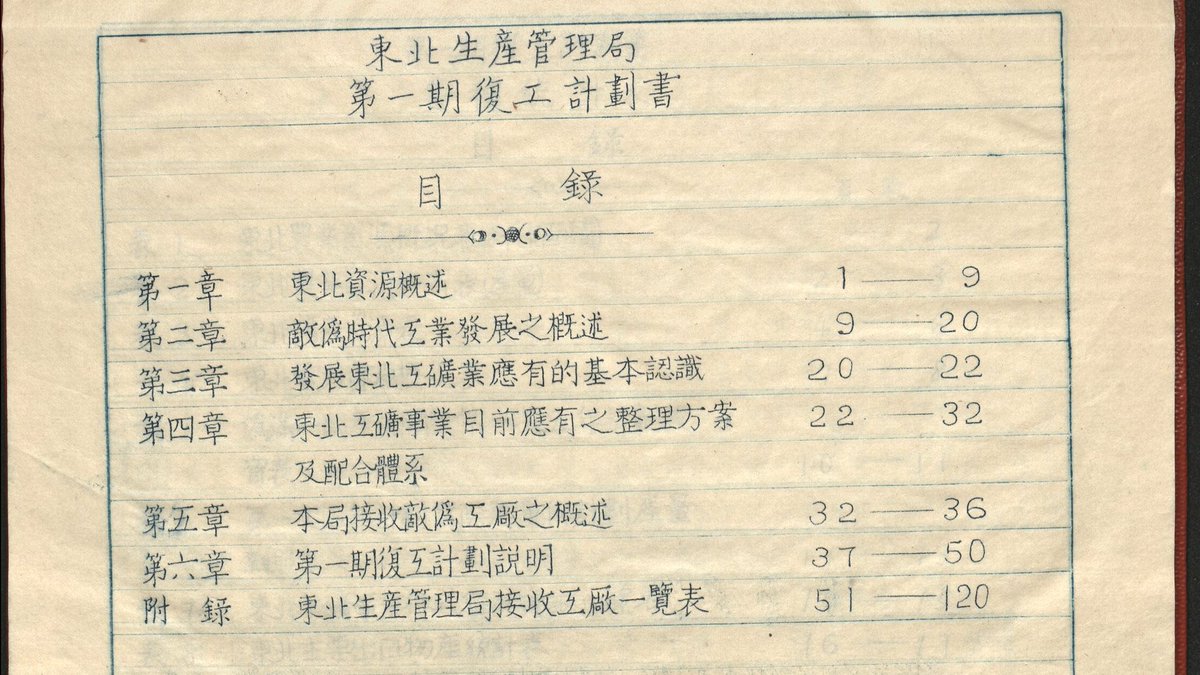
33/ By Dec 1946, the US/French-educated chemist Hu Ankai was able to submit a "Phase One Proposal for the Resumption of Industrial Operations". It argued that a "Planned Free Economy" is needed and a total planned economy would be phased in in future.
34/ Hu made use of stats by Tsiang Sho-chieh, who had studied at Keio, Cambridge and then LSE under Hayek, and was leading the Stat Survey Unit. They drafted a four phase programme which included a number of two-year plans and decided that full private ownership was not feasible.
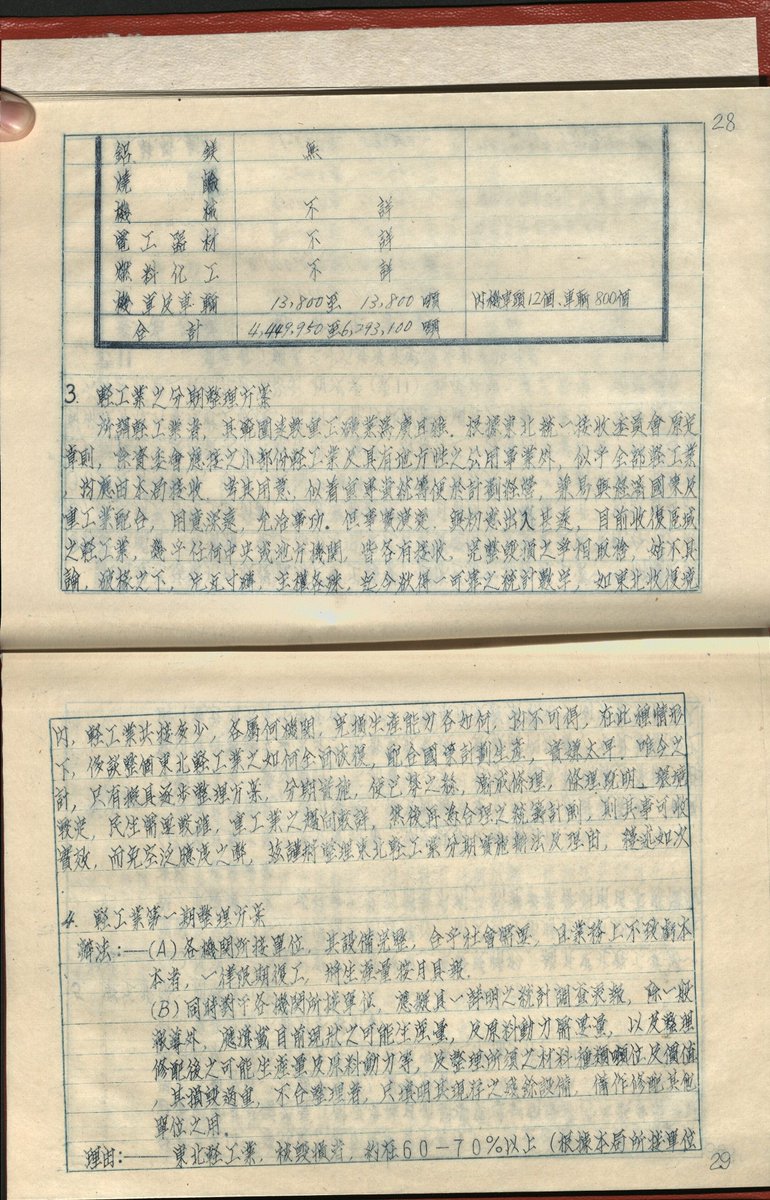

35/ Phase One of the plan would restore the main factories. Phase Two, being the 1st Two-Year Plan would make use of Japanese reparations to build new factories. Phase Three, or the 2nd Two-Year Plan, would aim at creating a planned economy and plants with advanced machinery.
36/ Needless to say, the plans were never implemented. Hyperinflation was everywhere, as Simon Lee shows. Major battles between the CCP and KMT had already started. And Chang Kia-ngau was relieved of his duty as NE Economic Commissioner in Dec 1946.
37/ The CCP initially had a chaotic policy for taking over Northeastern cities. The Manchukuo collective system retained by the KMT was ordered to disband by the CCP in a number of places - it was only later that the CCP realised the value of Manchukuo's institutions and legacies
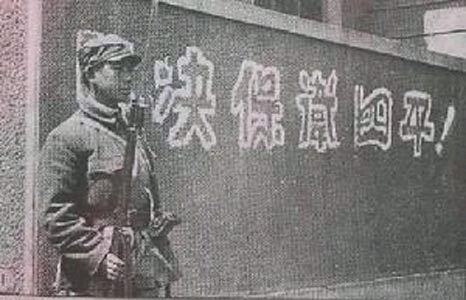
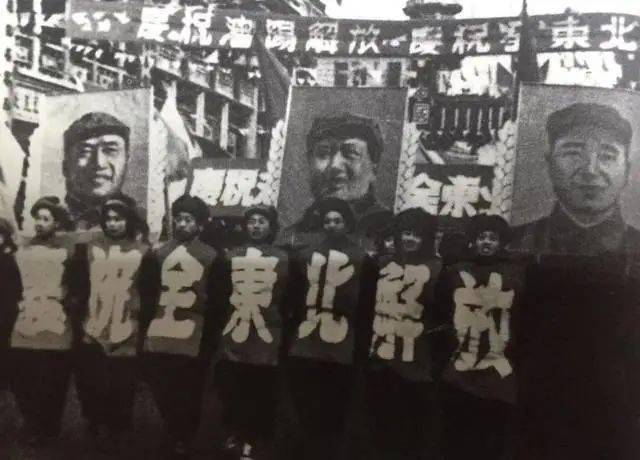
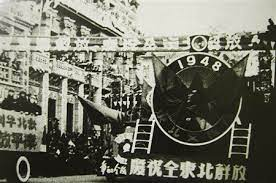
38/ Yet in Nov 1948, the CCP's capture of Shenyang was done in an orderly fashion. Chen Yun, an economic bureaucrat who rose to fame for having contained inflation in Yan'an, restored industrial production in the city. I recommend Solieri's paper below
jstor.org
jstor.org
39/ CCP had started to amass Manchukuo economic documents in Nov 47. A CCP delegation to mines and factories in E Manchuria reported that they collected 200 boxes of reports and charts. As @guo_xuguang 's research shows, Wang Sihua's role as Stat Survey Unit head was instrumental
40/ Wang had in the 1920s studied in France & UK and was one of the first to translate Das Kapital. He had also served under Chen Yun. His staff in the Stat Survey Unit included Japanese, Korean and Soviet personnel. In 1949 they produced a huge vol. of Manchukuo era econ stats.
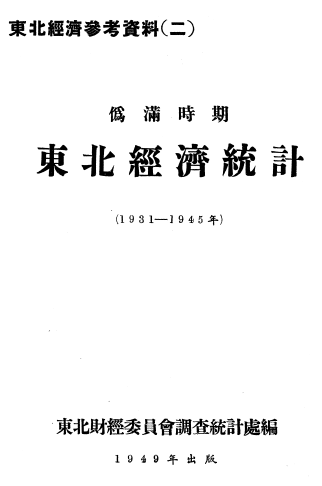
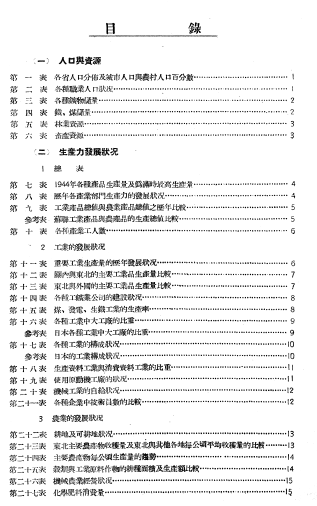
41/ On this basis, Gao Gang, Chairman of the Northeastern People's Govt, was able to continually refer to Manchukuo stats. He decreed that 1944 levels of production and the 1943 agricultural-industrial ratio be restored by 1952. The 1943 Manchukuo Yuan was the unit of account.
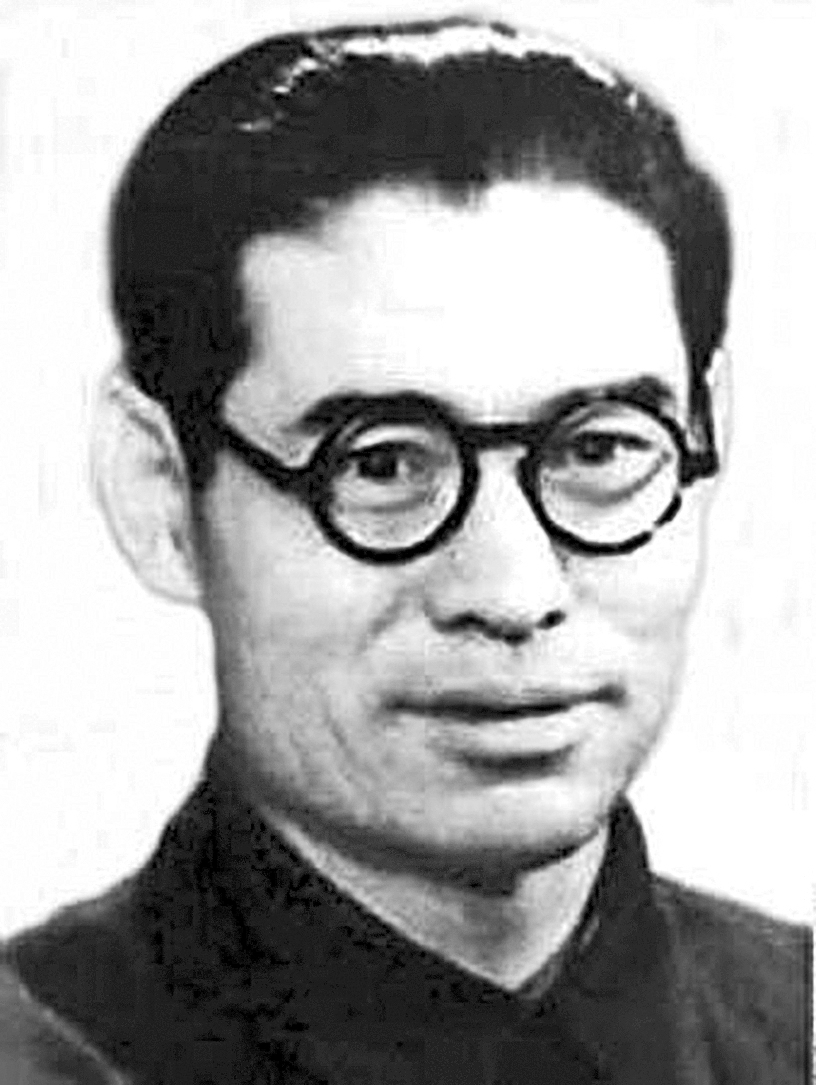
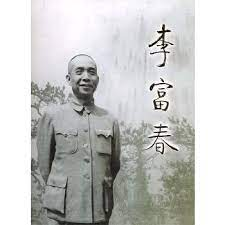
42/ The French-educated Northeastern Financial and Economic Commissioner Li Fuchun, reported to Mao on the basis of such stats however a more grim picture, of a difficult transition between the wartime and peacetime economy, and "horrifying" wastage in state-run industries.
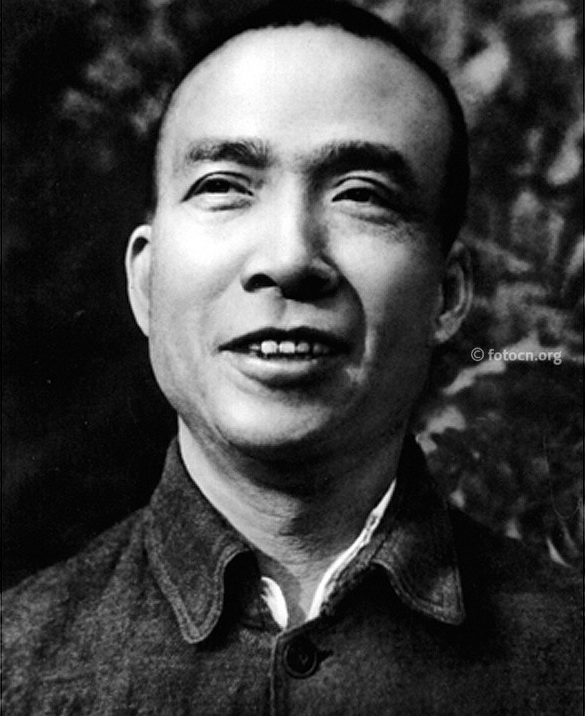
43/ Despite this, there were significant gains. Private industry grew by 23% and industrial workers by 18%. Gao, who admitted that Manchukuo's share of Chinese industry had been "overwhelming", now argued that New Democracy was the way ahead, and Manchuria was reaching success.

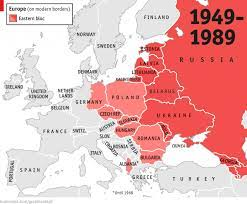
44/ New Democracy was first created for Soviet-occupied Eastern Europe, where feudalistic land ownership was ended but private ownership of industries not abolished. In CCP theory this translates as a united front with the Chinese bourgeoisie against imperialists and compradors.
45/ Yet New Democracy meant different things for Gao and Liu Shaoqi. Path dependency since Manchukuo meant Gao was reliant on state-run industries. Liu instead made a speech in 1950 arguing that private capital exploitation was constructive. "The more one exploits the better"
46/ The very fact that PRC had inherited from the KMT a chaotic financial system also meant that any attempt to combine market mechanisms and profit incentives with state planning was doomed to be extremely difficult. This was known even to KMT planners like Tsiang Sho-chieh.
47/ When the Korean War broke out (N Korea quickly recovered under economic planning) Manchuria was 1st to start a Production Conservation Campaign, as a way of reducing the wastage that Li had found in the state-run industries. It was also to raise quality and reduce costs.
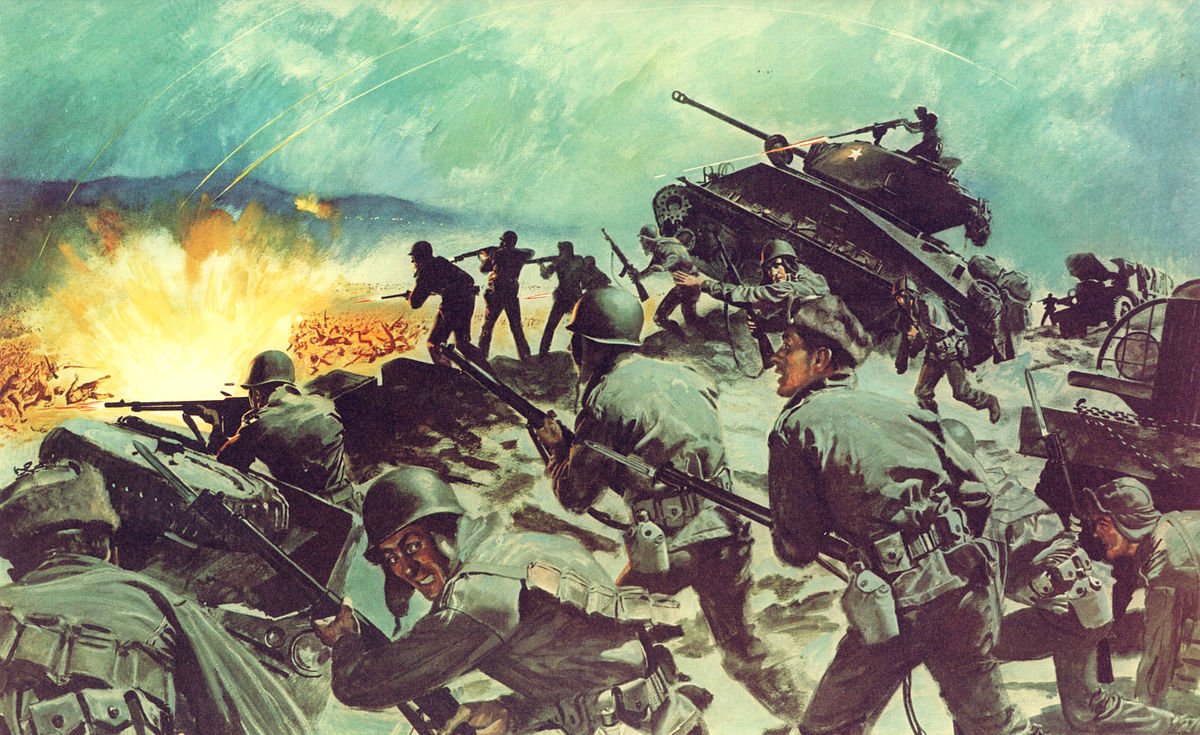
48/ Yet this unwittingly led to the 3-Anti 5-Anti Campaign against profiteering & corruption, eventually decimating China's bourgeoisie. The nationalisation of industries, meant to require 15 years, suddenly became a possibility. On this basis China drafted the 1st Five-Year Plan

49/ Given Manchuria's excellent mobilisation for the Korean War, it was logical that Gao was made State Planning Commissioner. Yet his conflicts with Liu Shaoqi persisted. One question was whether cooperativisation, successful in Manchuria but untried elsewhere, should be adopted
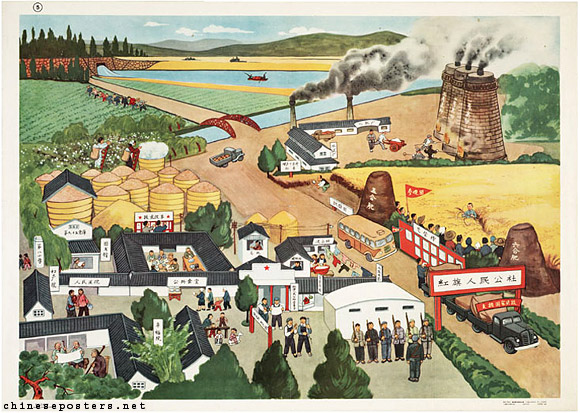
50/ Gao lost out in a power struggle and committed suicide in 1954, but most of his policies were retained and expanded. Li Fuchun became St Planning Commissioner & continued to argue for scientific planning, trying to rein in the excesses of the Great Leap Forward - to no avail
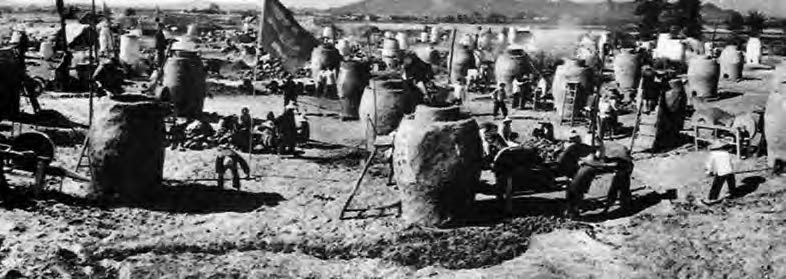
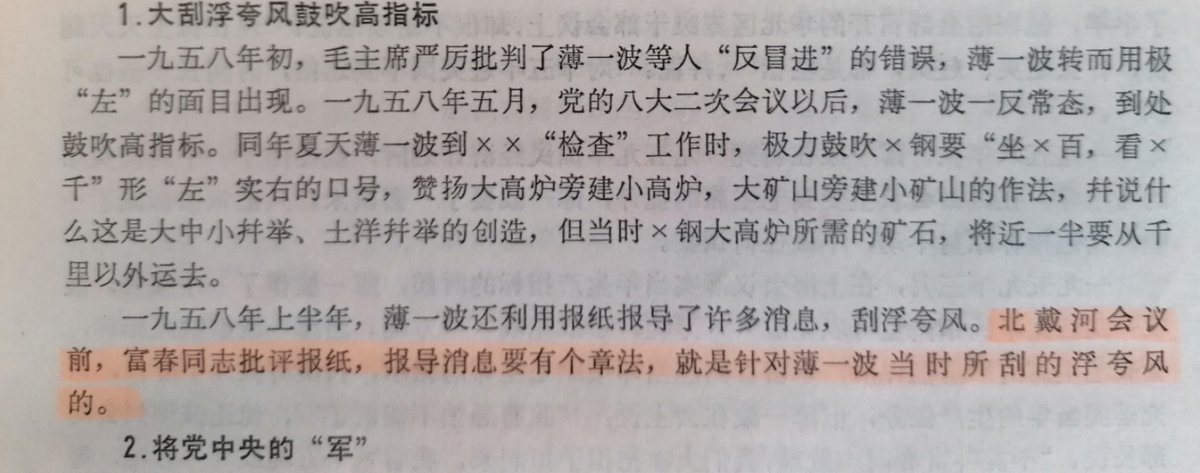
51/ What was later revealed during the 1960s was the contradiction between Li Fuchun, whom despite having acquiesced to inflated production targets, were opposed to the N China guerilla tactics of Bo Yibo, who advocated mass mobilisational strategies such as backyard furnaces
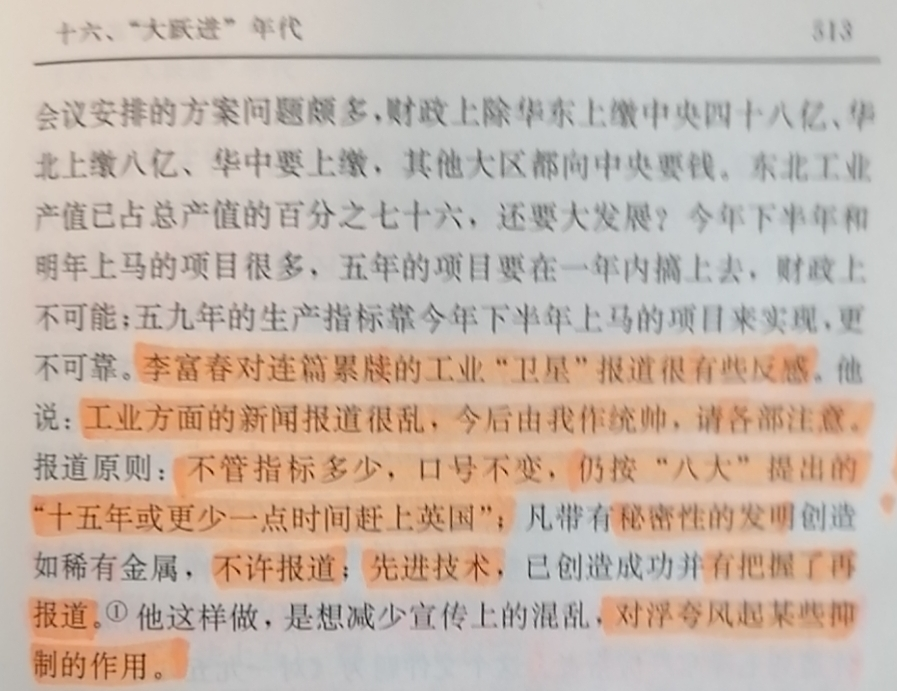
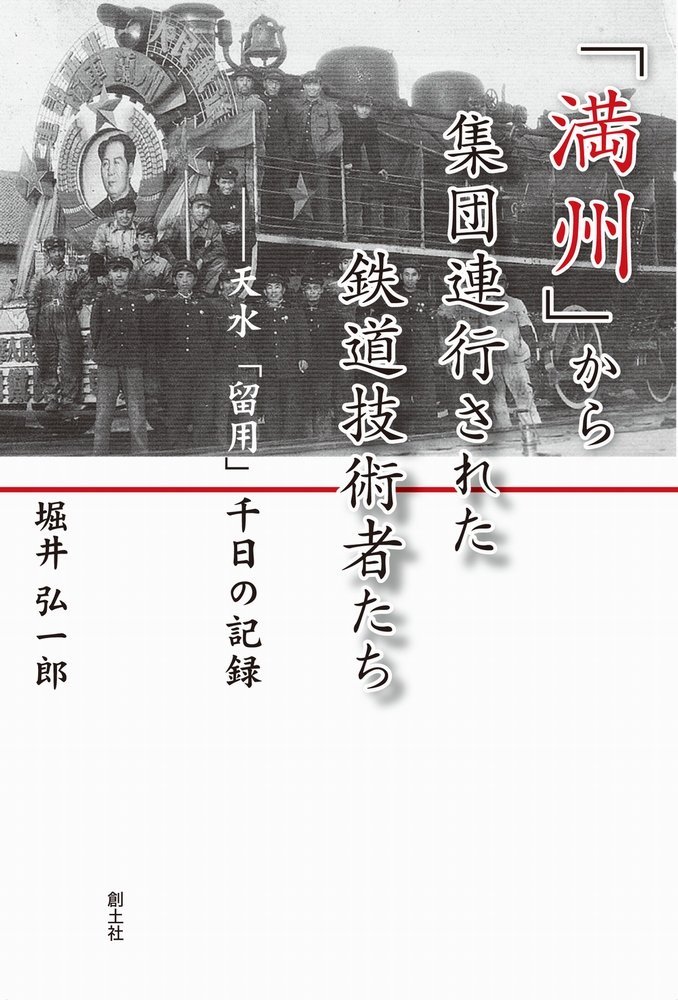
52/ But perhaps the real undisputed heroes were the thousands of Japanese technical staff who stayed and helped the reconstruction of China. 900 SMR technical staff and their family members worked in Tianshui in 1950-52 on the first section of the railway to Lanzhou and Xinjiang.
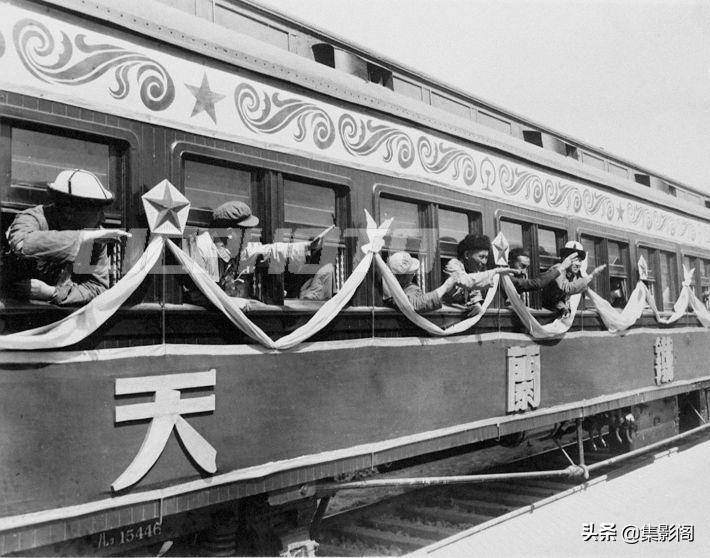
53/ So to wrap up - in 1945-53, the "Manchurian Way" -total planned economics - gained prominence in N Korea and the PRC. It defeated the "Planned Free Economy"/"New Democracy". Briefly challenged by "Maoist Laissez Faire" in 1958-62, it was revived and maintained until the 80s
In a way, this was how the People's Communes would later be seen. In the early 1950s Mao and others debated the name of the "unified purchase and marketing system" for grain+other produce. It was decided not to use the "scary" Japanese term "output" 出荷
Loading suggestions...