
There's a village 20 Kms from DHA phase 5 in Lahore with a rich history. It was visited thrice by Guru Nanak because his maternal grandparents were settled nearby. The largest protest against Bhagat Singh's execution was held in the same village in 1931.
🧵on village Jhaman:
🧵on village Jhaman:
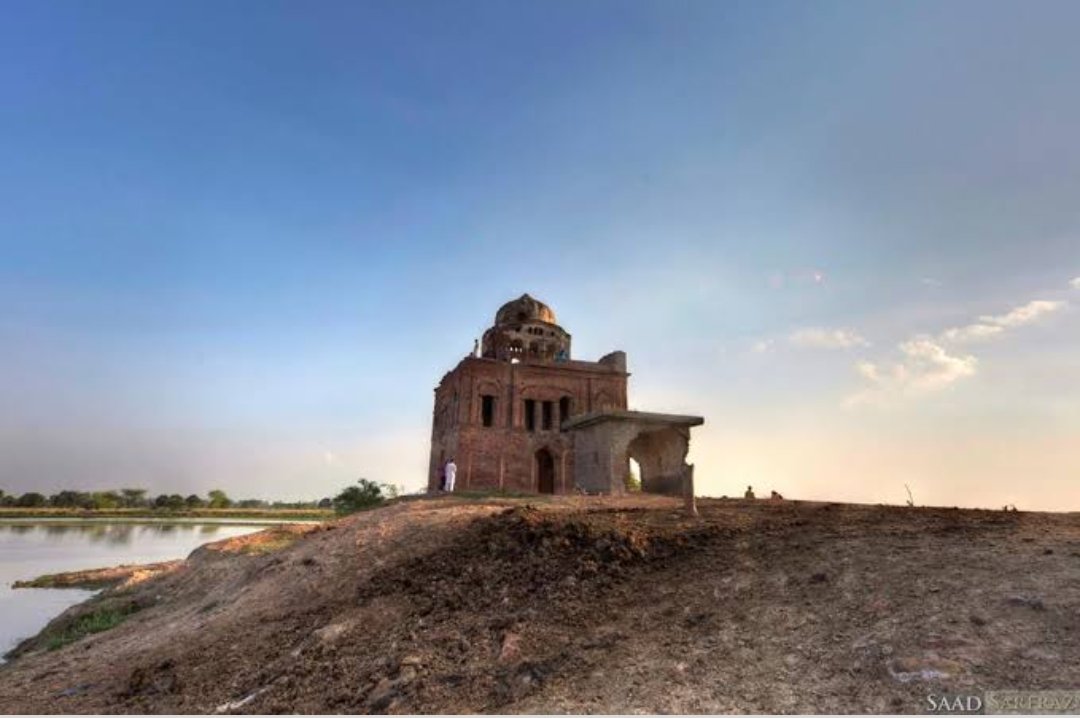
The history of Jhaman dates back to ancient times. According to the Archaeological Survey of Pakistan, there are three ruins here which date back to the sixth and seventh century CE. The village that stands today was first established in the thirteenth century by a man who...
had arrived here from the region of Malwa, located in Madhya Pradesh. According to Sikh tradition, Guru Nanak visited this place thrice in his lifetime. Instead of staying in village Nanak, along with his companion, Mardana, he chose to stay outside the village on a mound.
Since there were shards of pottery and archaeological artefacts found in large numbers, the name of gurdwara that was built here later, to commemorate the visit of the Guru, became Gurdwara Rori Sahib. Rori’ in Punjabi is used to refer pieces of a broken utensil or small rocks.
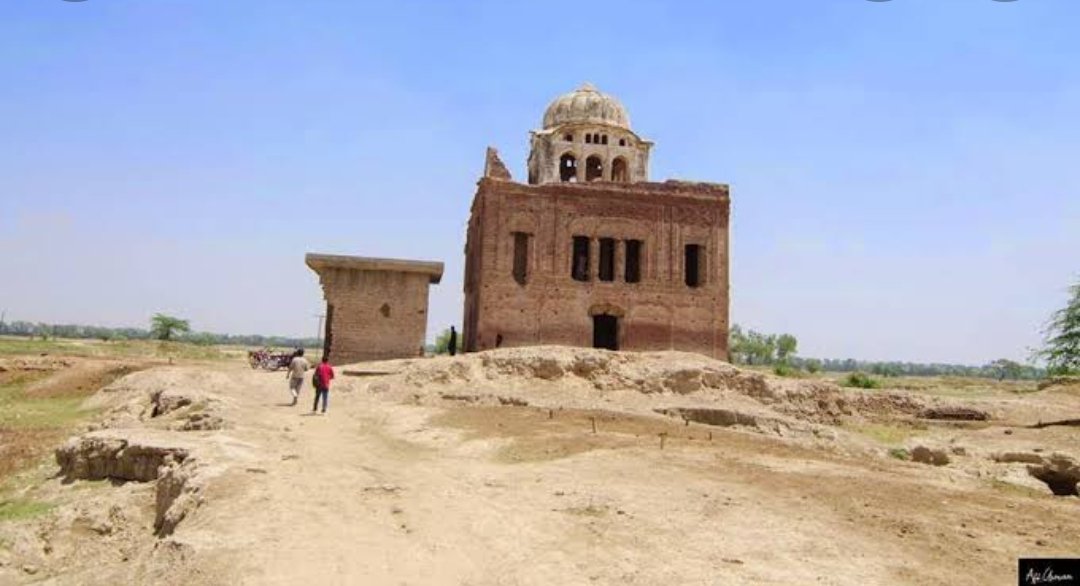
It is believed that Nanak, along with his companion Mardana, rested here under a tree. Nanak made a rubab for his friend out of the branches of this tree. This musical instrument has acquired a particular significance in the Sikh tradition because of its association with Mardana.
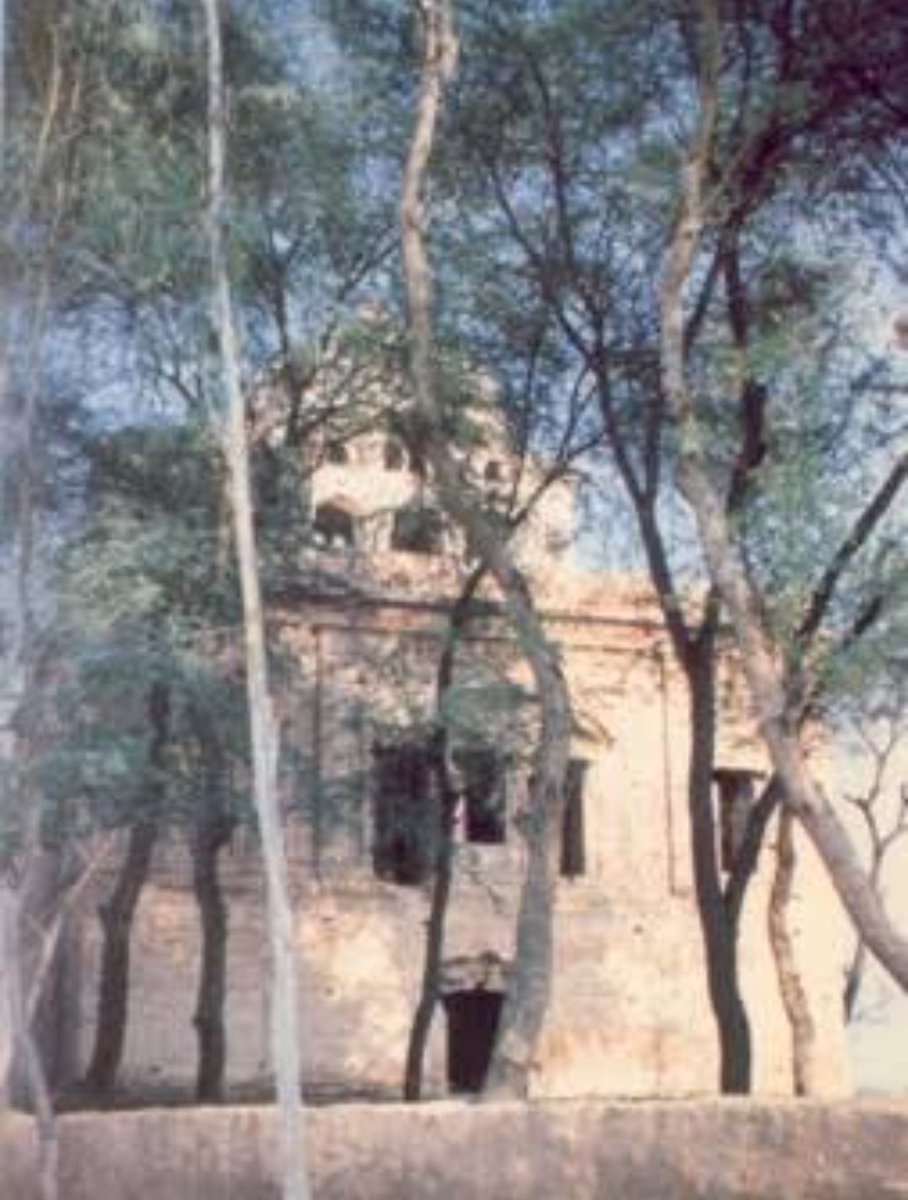
In 1931, Bhagat Singh, along with his comrades, Rajguru and Sukhdev, were hung at Lahore jail. There was widespread unrest. In order to avoid protests, the British Govt banned demonstrations in large cities, as a result of which villages became the focus of attention.
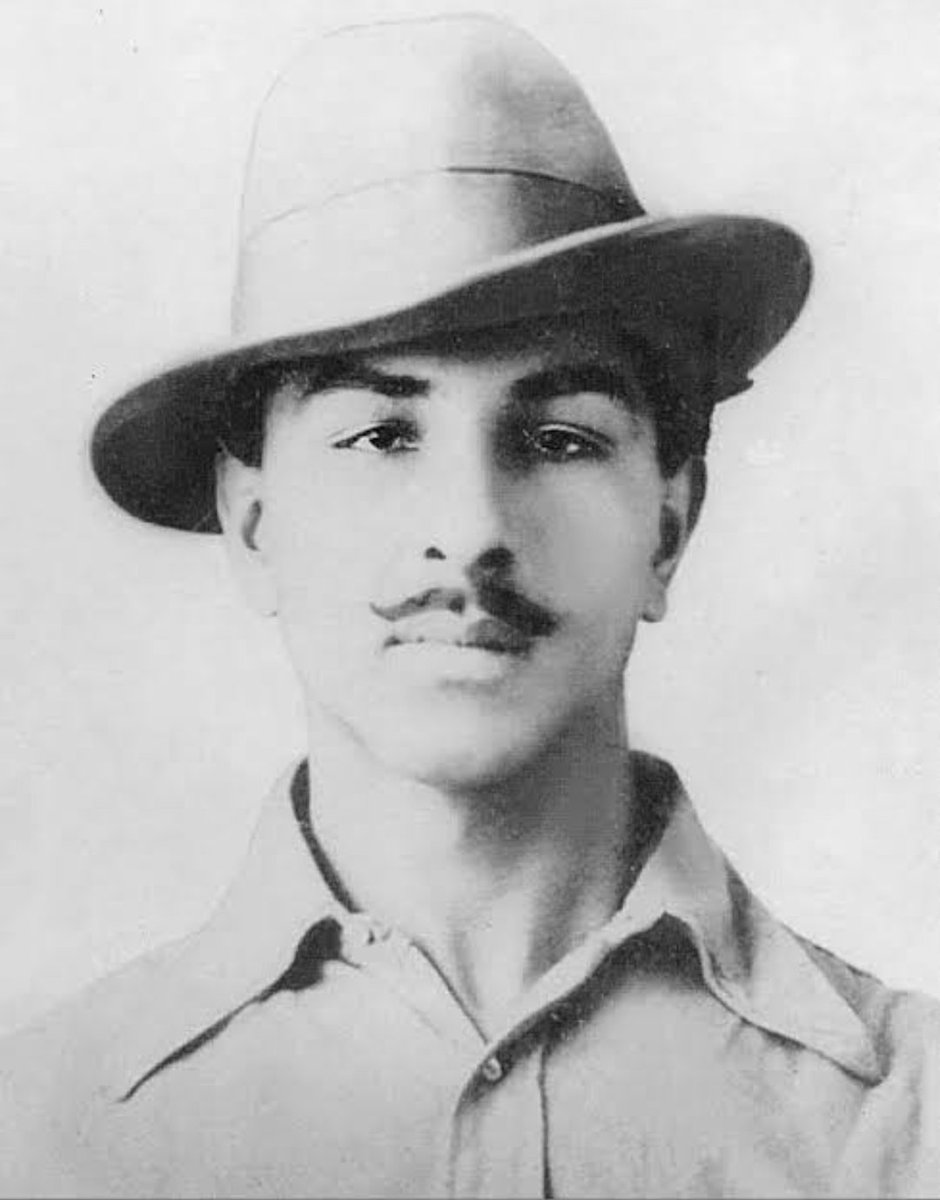
The Naujawan Bharat Sabha, the political organization of Bhagat Singh, had an office in this village. A large demonstration was organised against the the assassination of Bhagat Singh, which at that time was reported to be the largest protest rally held in British India.
Reference:
“Walking with Nanak” by Haroon Khalid
“Walking with Nanak” by Haroon Khalid
Loading suggestions...