
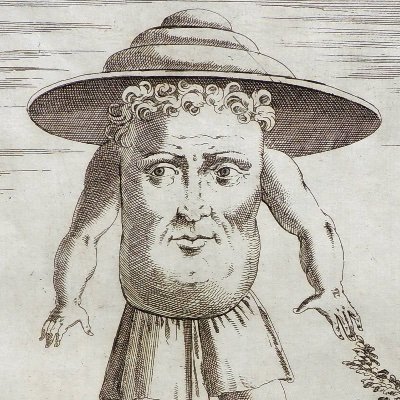
Today, April 26, is the feast day of Stephen of Perm, and is celebrated as Old Permic Alphabet Day in Syktyvkar, capital of the Komi Republic.
Old Permic (Важ Перым гижӧм) is one of the most remarkable and least known scripts of medieval eastern Europe. 1/
Old Permic (Важ Перым гижӧм) is one of the most remarkable and least known scripts of medieval eastern Europe. 1/
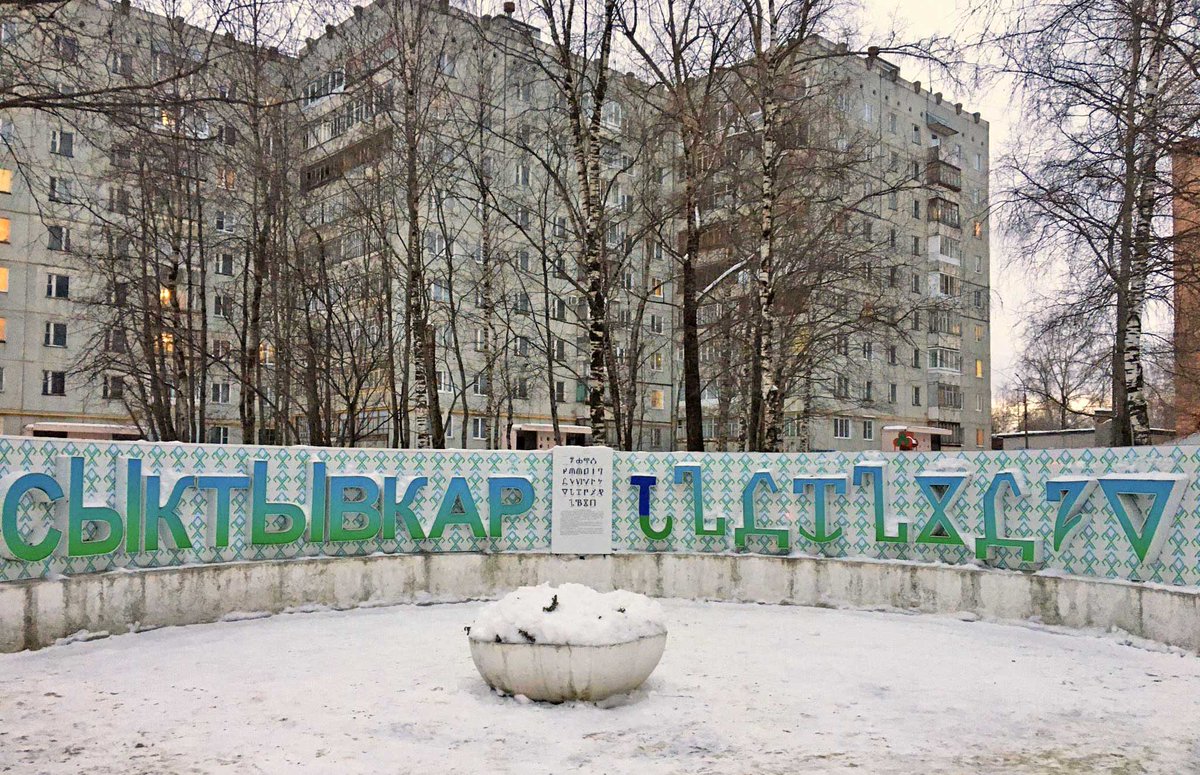
Old Permic, sometimes also called Anbur, was used to write medieval Komi, a Uralic language spoken by the Komi peoples in the northeastern European part of Russia. 2/
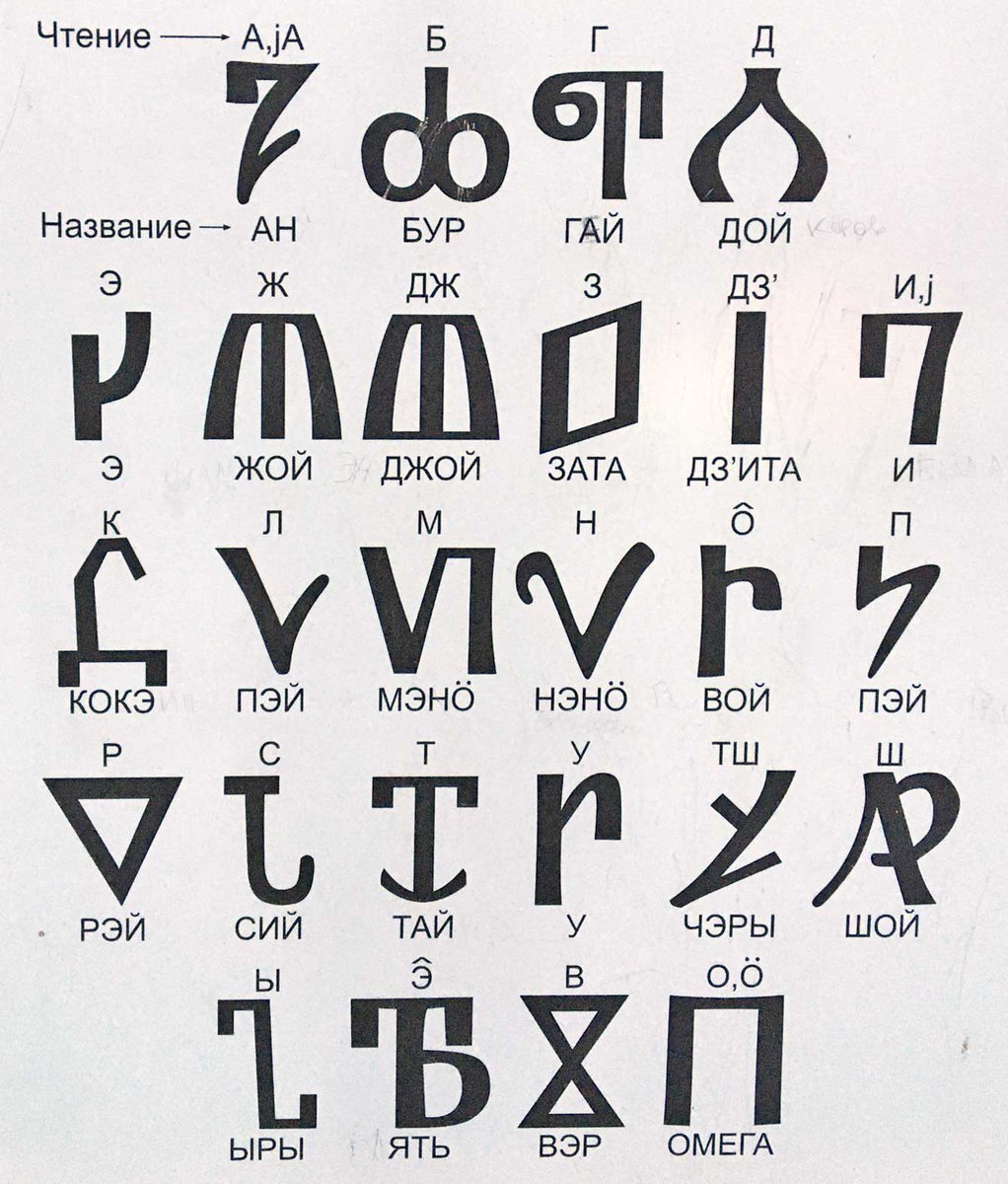
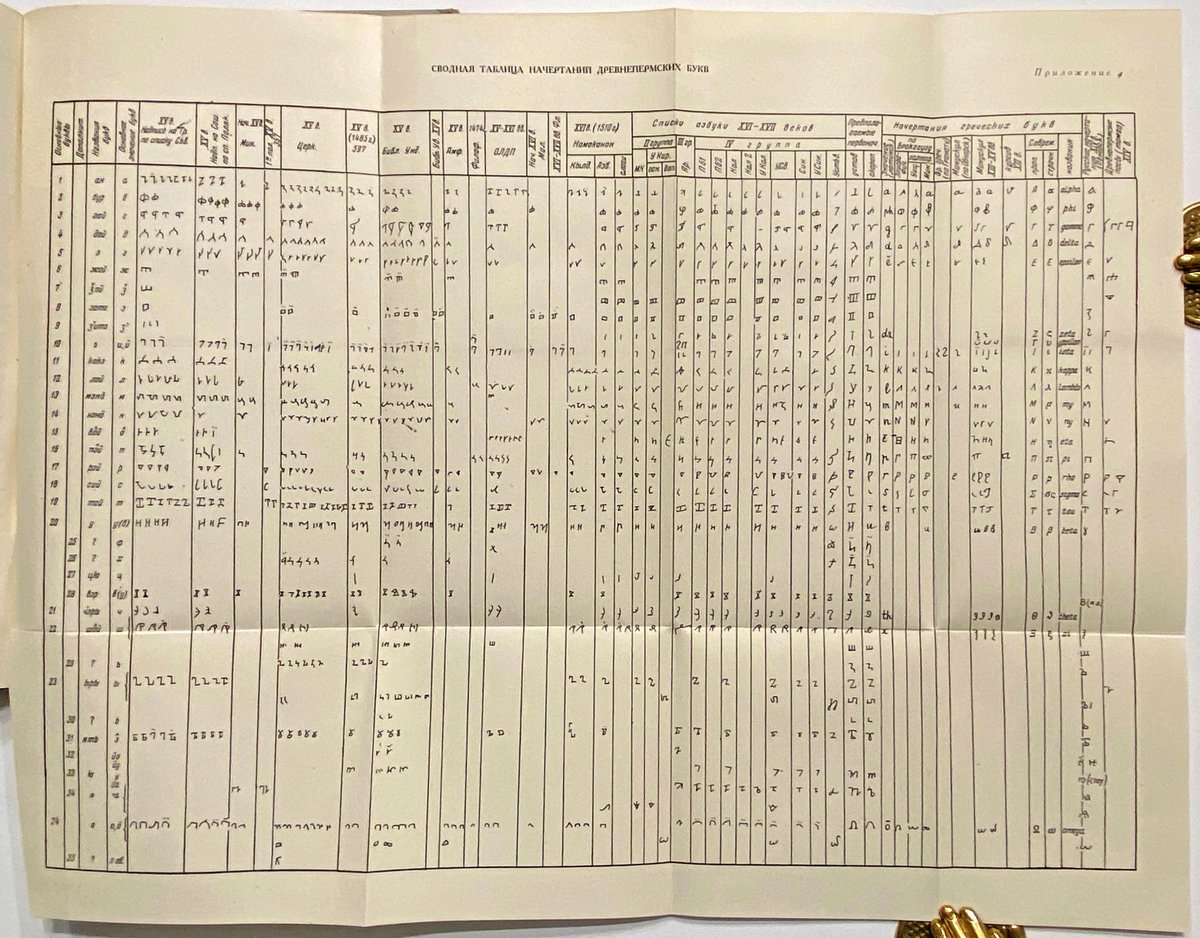
Old Permic was developed by the Russian missionary, St Stephen of Perm (Степан Храп, св. Стефан Пермский) in 1372. The name Anbur is derived from the names of the first 2 characters: An and Bur. The script is derived from Cyrillic, Greek, and runic-style Komi "Tamga" glyphs. 3/
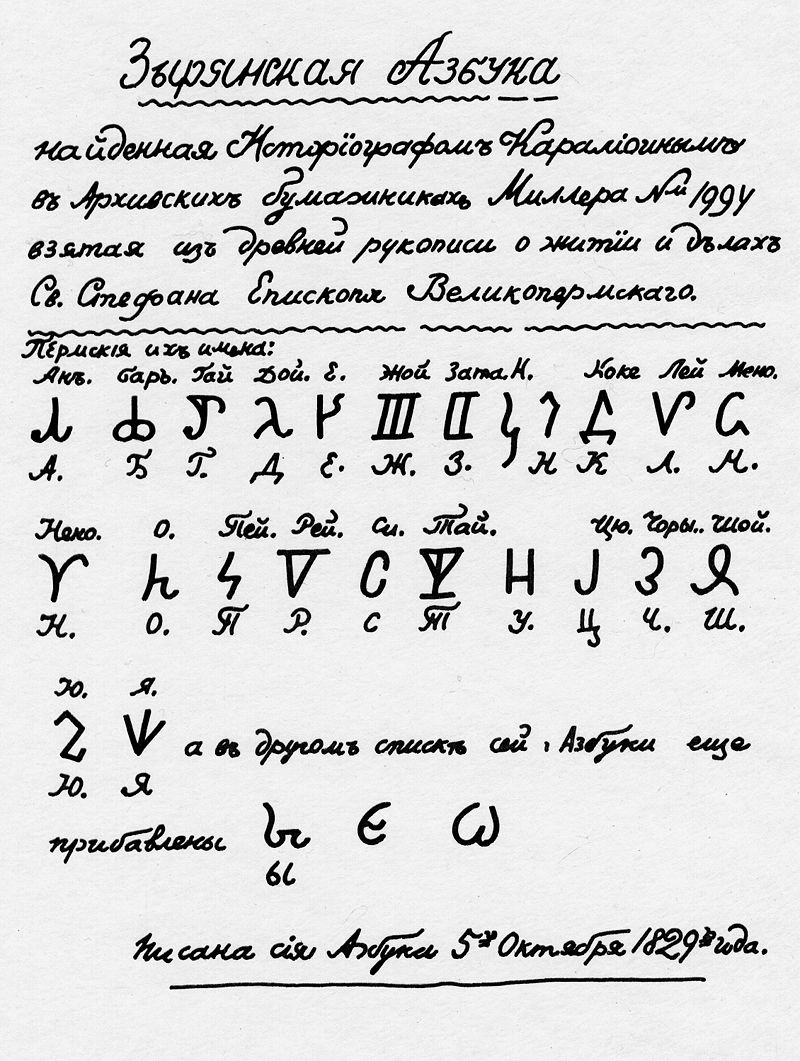
The script was in use until the 17th century, when it was superseded by Cyrillic script. 4/
Old Permic inscriptions are among the oldest relics of any Uralic language. Only one of them has earlier documents: Hungarian, which was written using the Old Hungarian script before 1000 AD. Finnish as a written language is recorded only after the Reformation in 1543. 5/
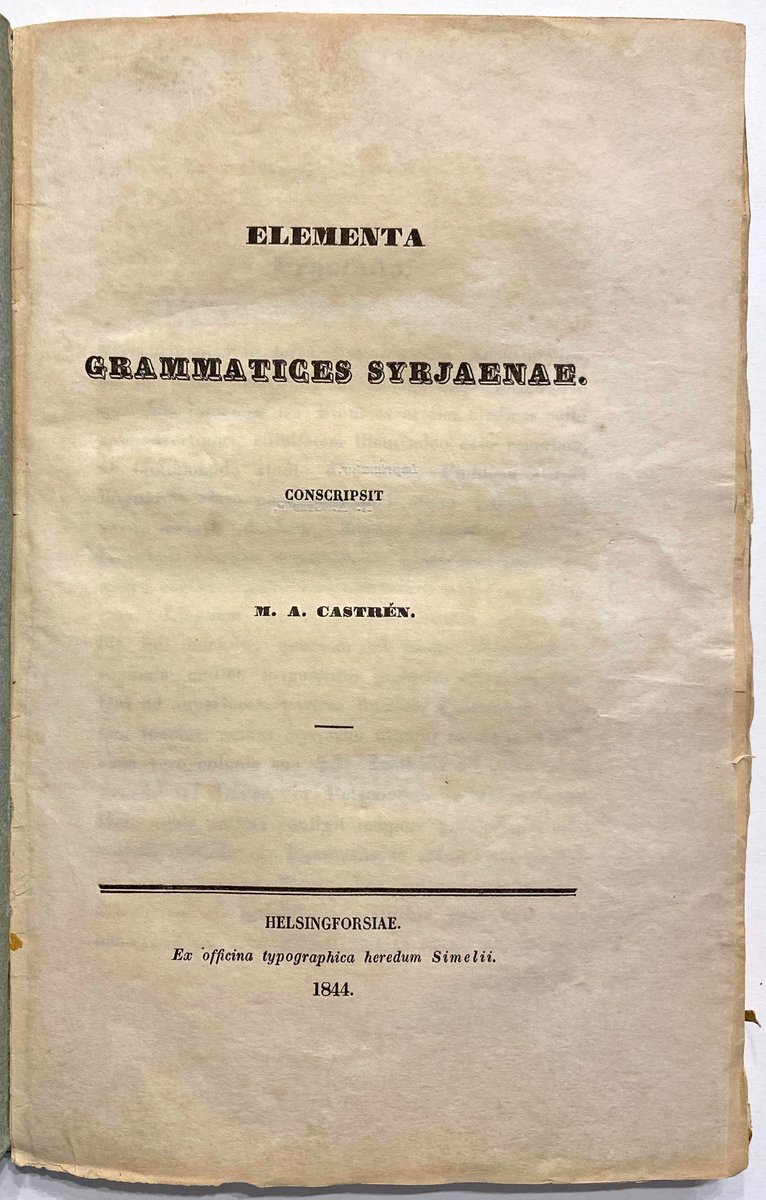
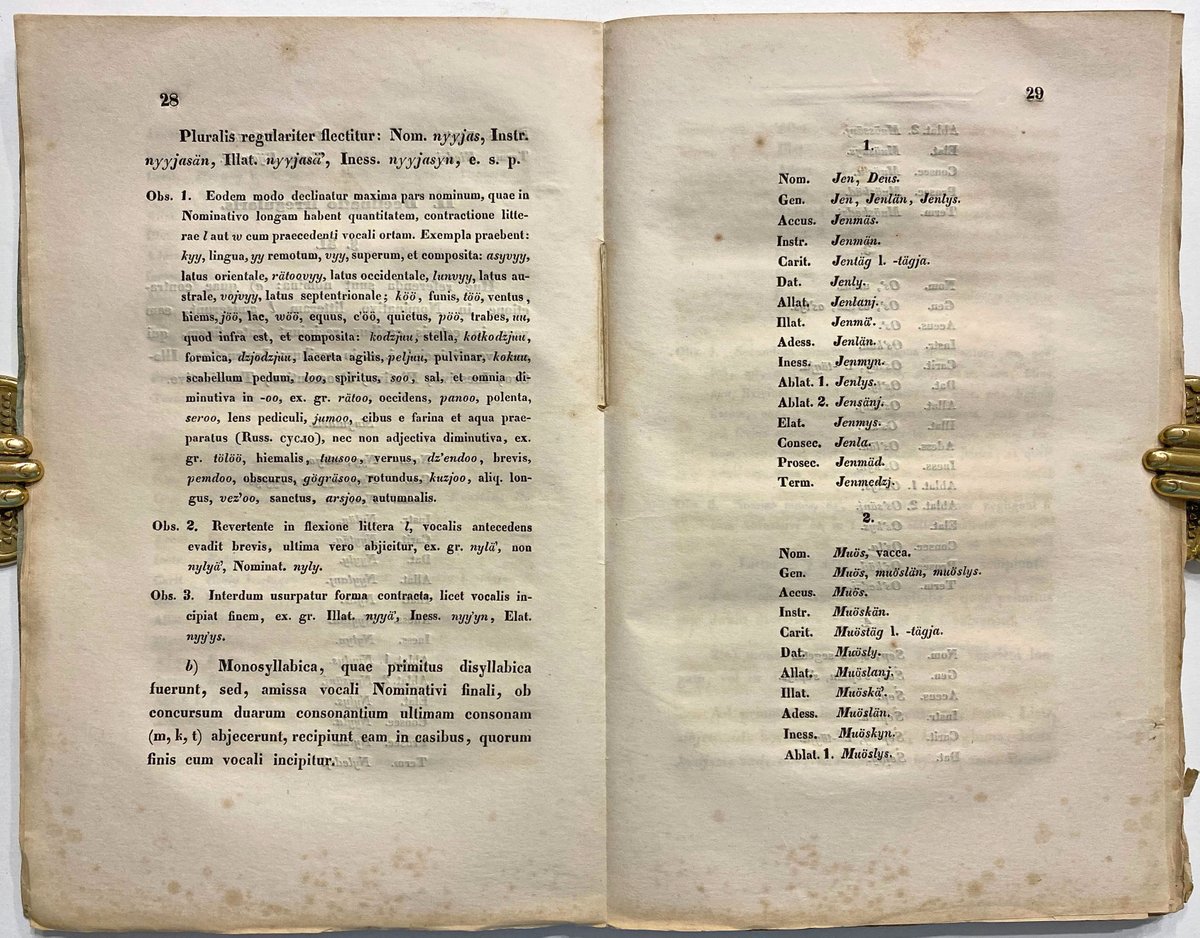
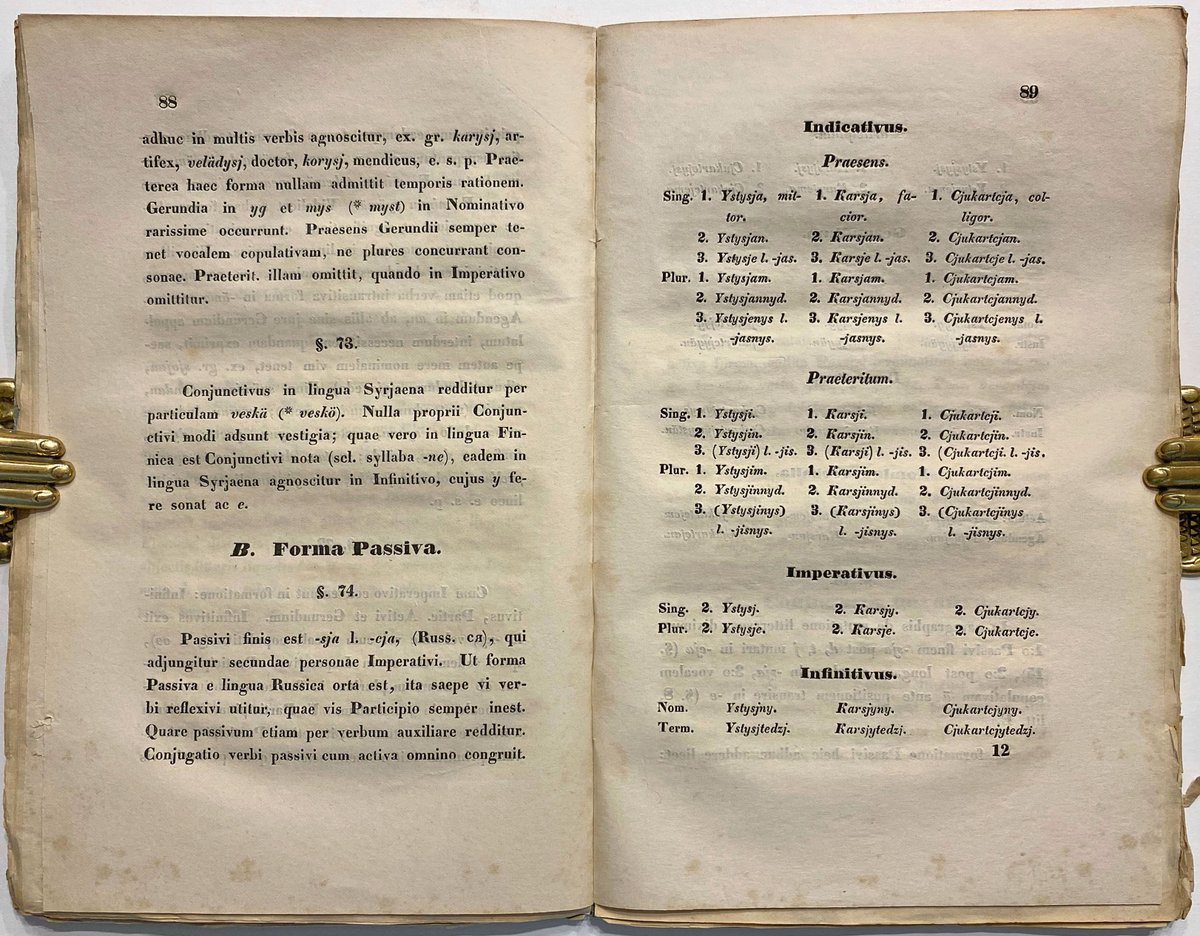
The first grammar of the Komi language (in Cyrillic, not Old Permic script), was Matthias Castrén’s Elementa grammatices Syrjaenae, published in Helsinki in 1844. Castrén (1813–1852) was a Finnish ethnologist & philologist and a pioneer in the study of the Uralic languages. 6/
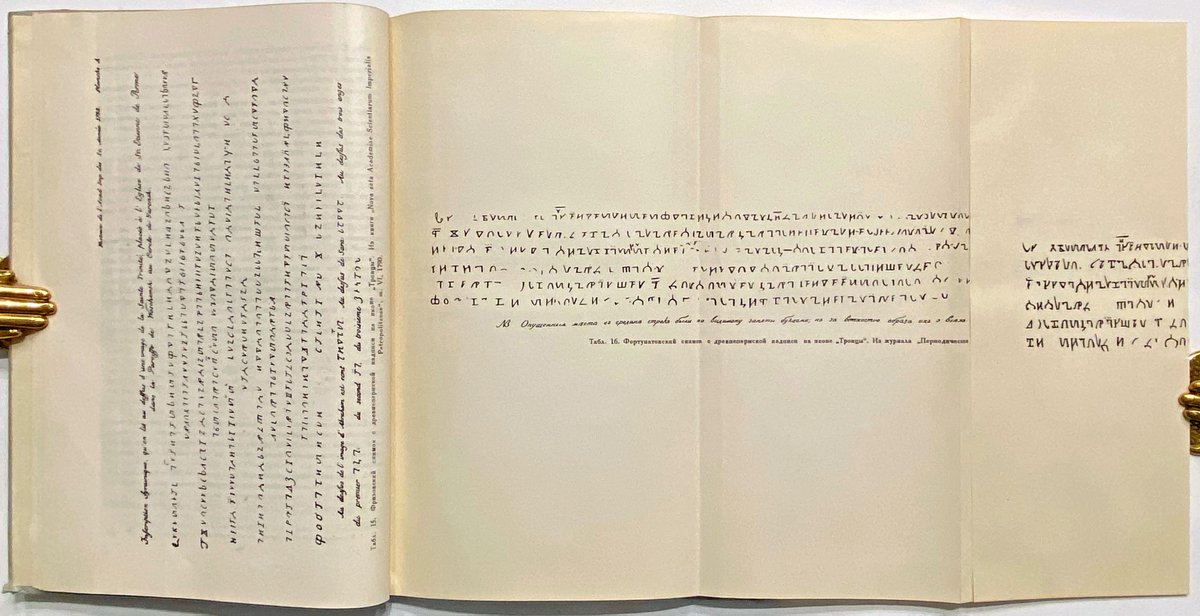
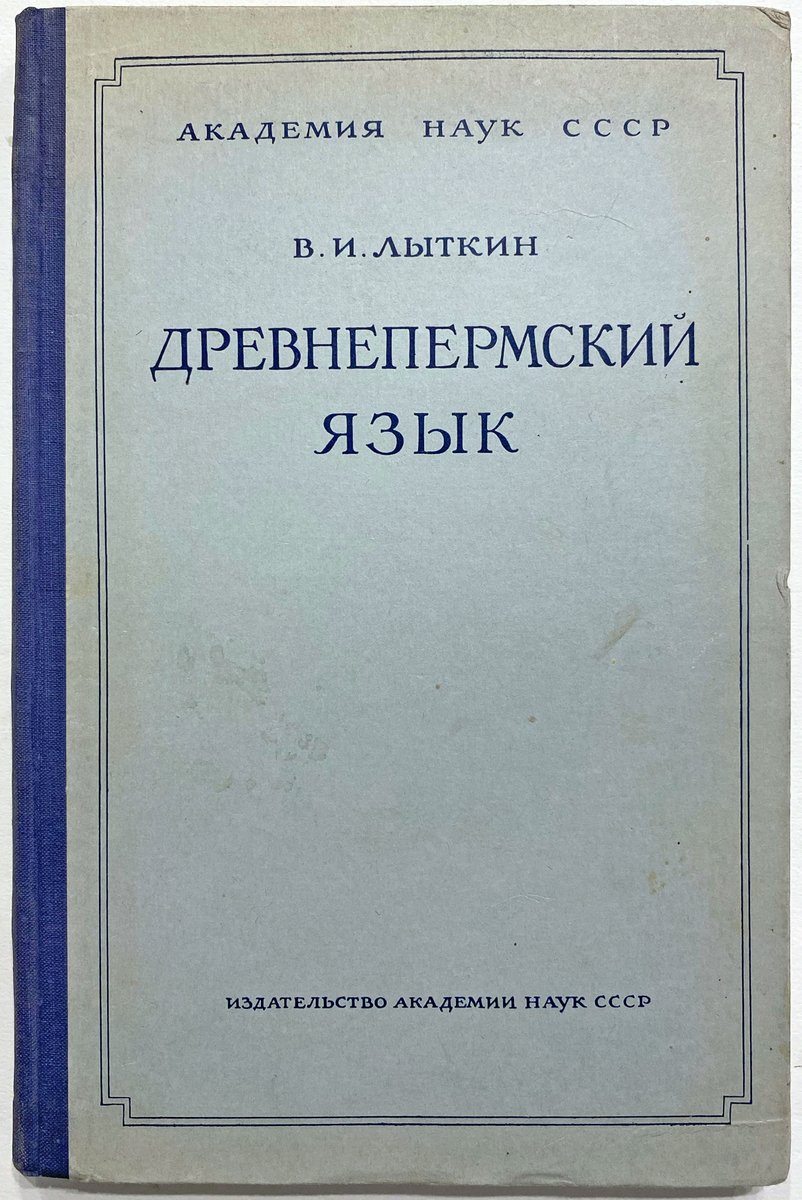
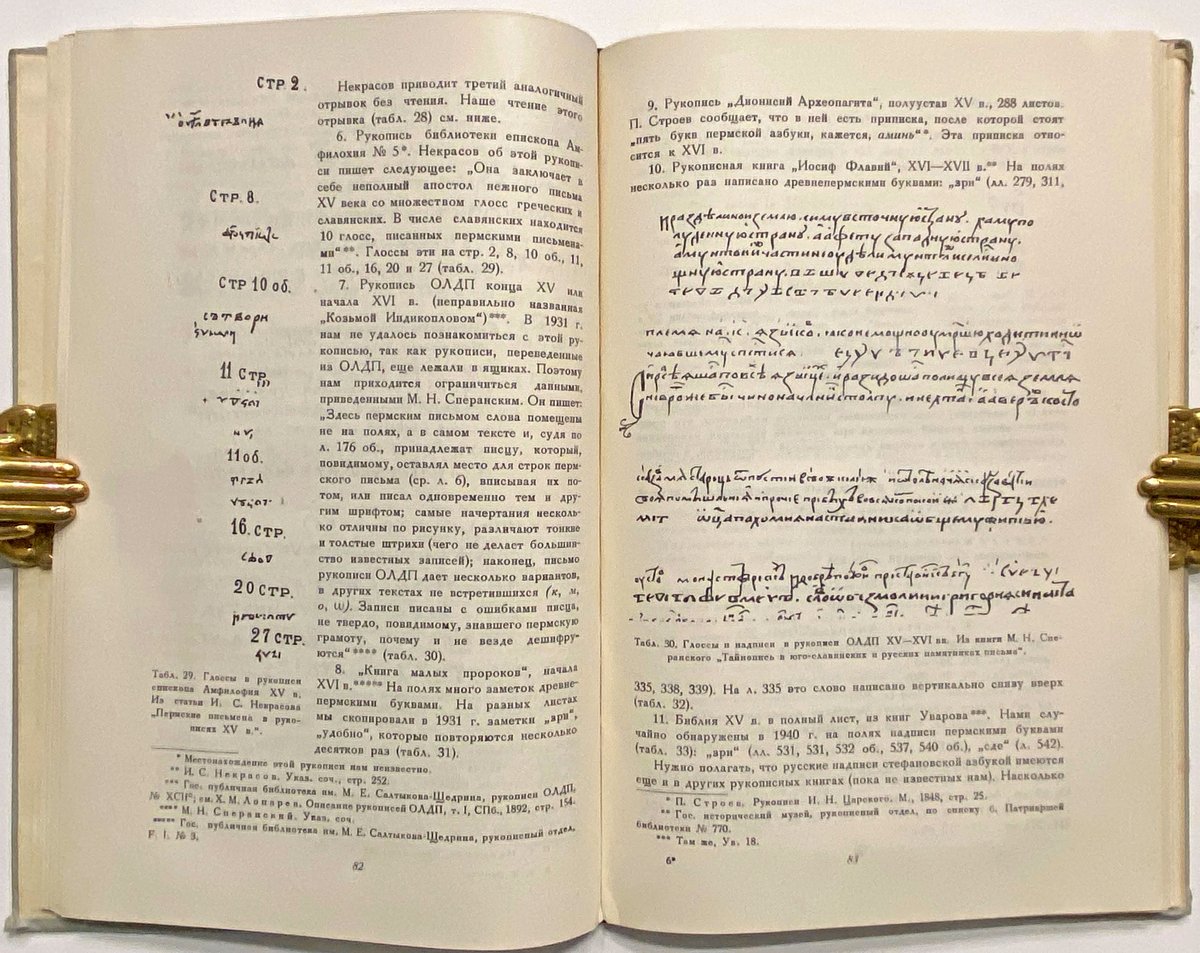
The most important account of Old Permic is V. I. Litkin’s "Old Permic Language. Reading Texts, Grammar, Dictionary" [Древнепермский Язык. Чтение текстов, грамматика, словарь], published by the USSR Academy of Sciences in Moscow in 1952, printed in an edition of 1700 copies. 7/
Loading suggestions...