

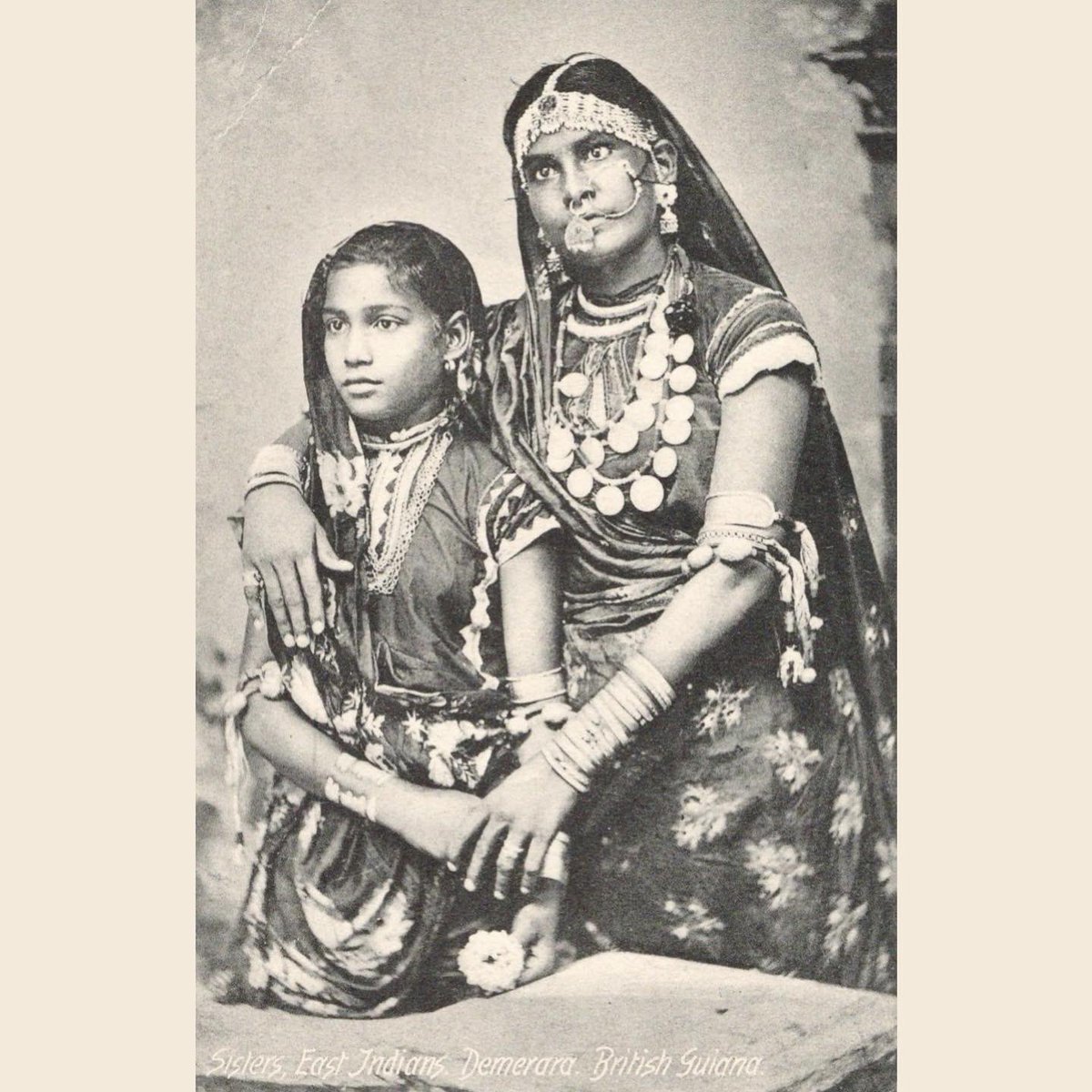
May 5th marks Indian Survival Day in Guyana. When slavery ended in 1834, the British wasted no time looking for a new group to exploit. In then British Guiana, Indian indentureship began in 1838 with John Gladstone, the owner of the Vreed-en-Hoop and Vreed-en-Stelin estates.
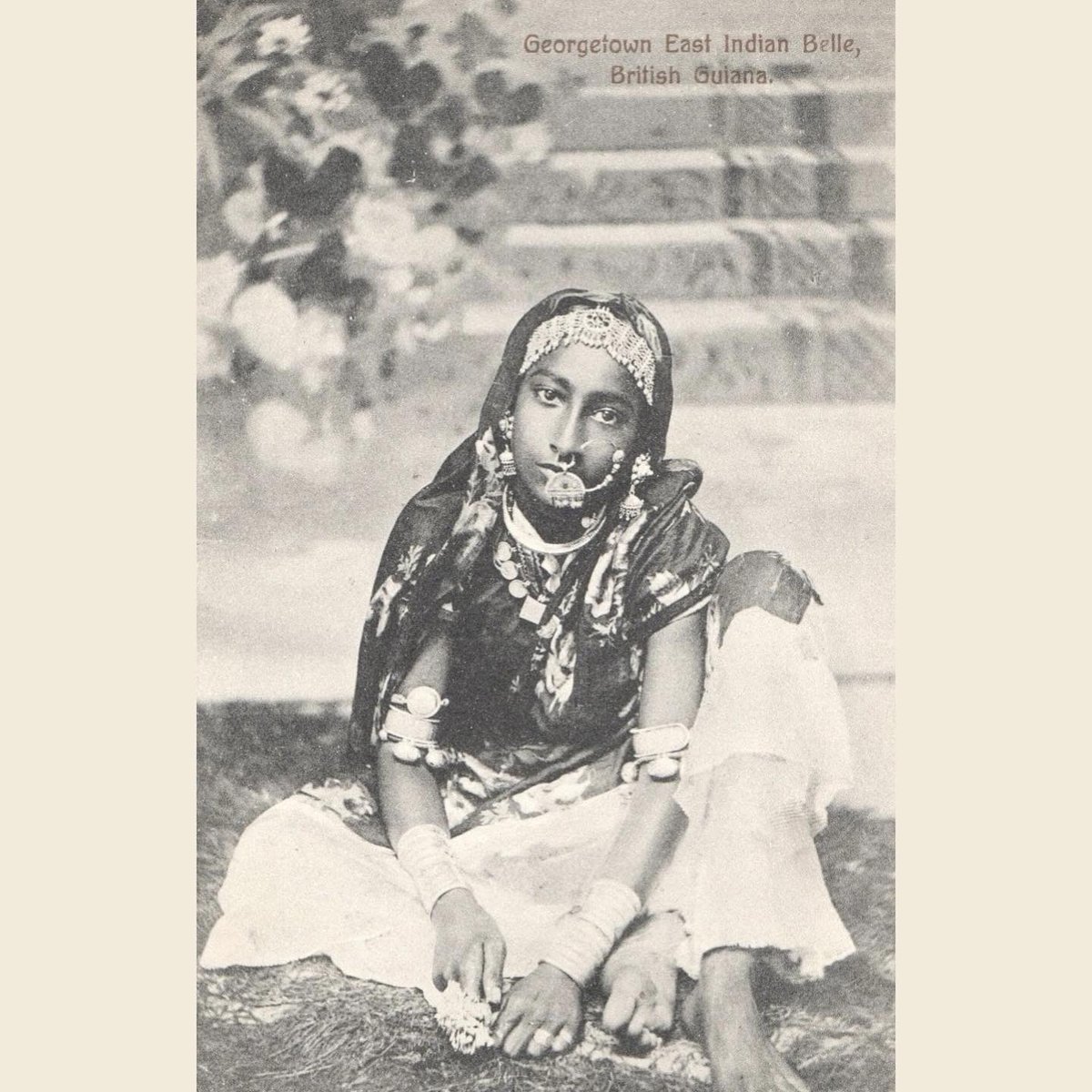
These plantations, located in West Demerara, were dealing with labor shortages after the slaves fled. He wrote to Gillanders, Arbuthnot, and Company, a Calcutta-based recruiting firm, to plead for relief after hearing of the Indians who had been sent to Mauritius.
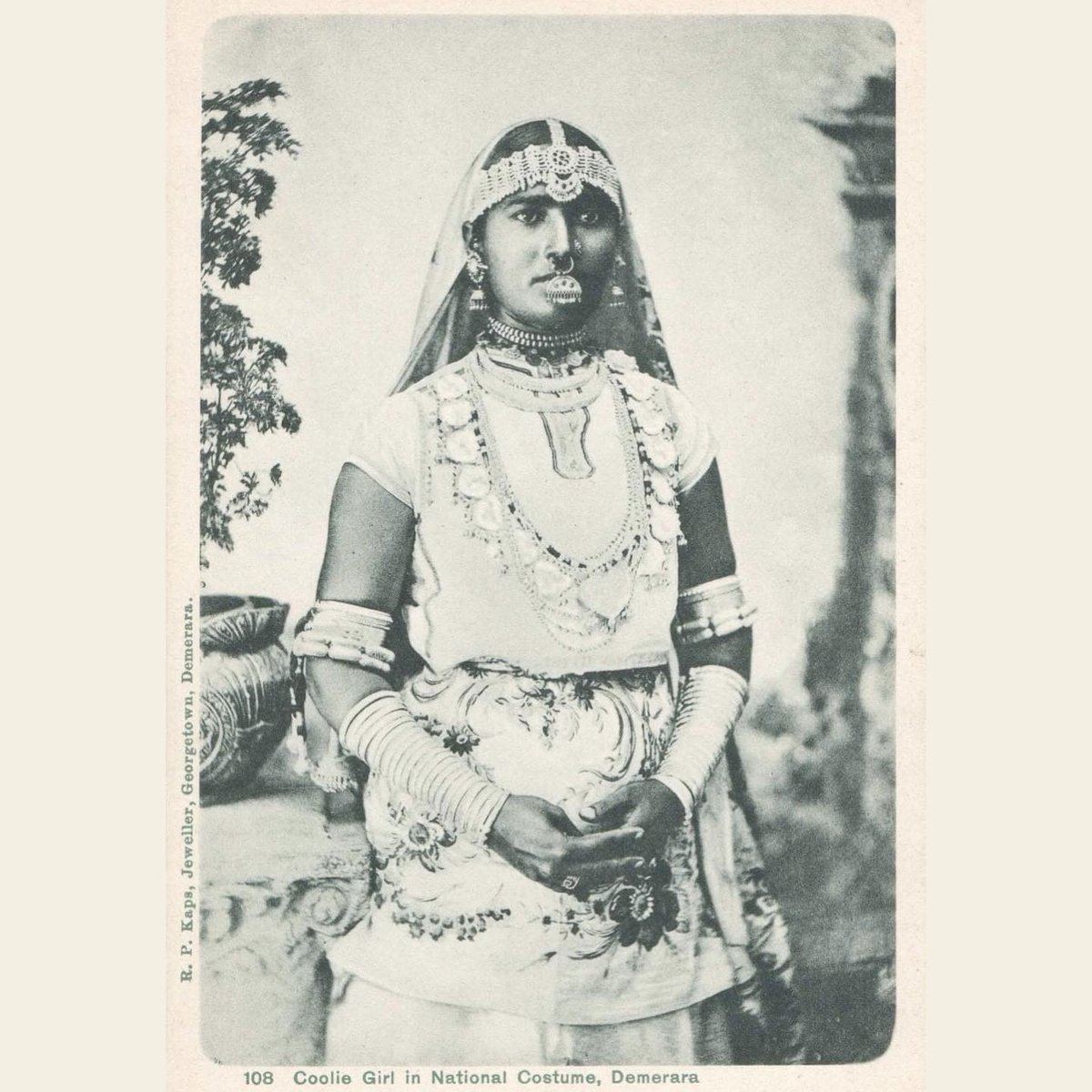
The first labourers arrived on the ships Whitby and Hesperus, tied to an initial five-year contract. This Gladstone experiment proved to be quite lucrative for estate owners and spread to Essequibo Coast, Berbice, Anna Regina, Belle View, and West Bank Demerara.
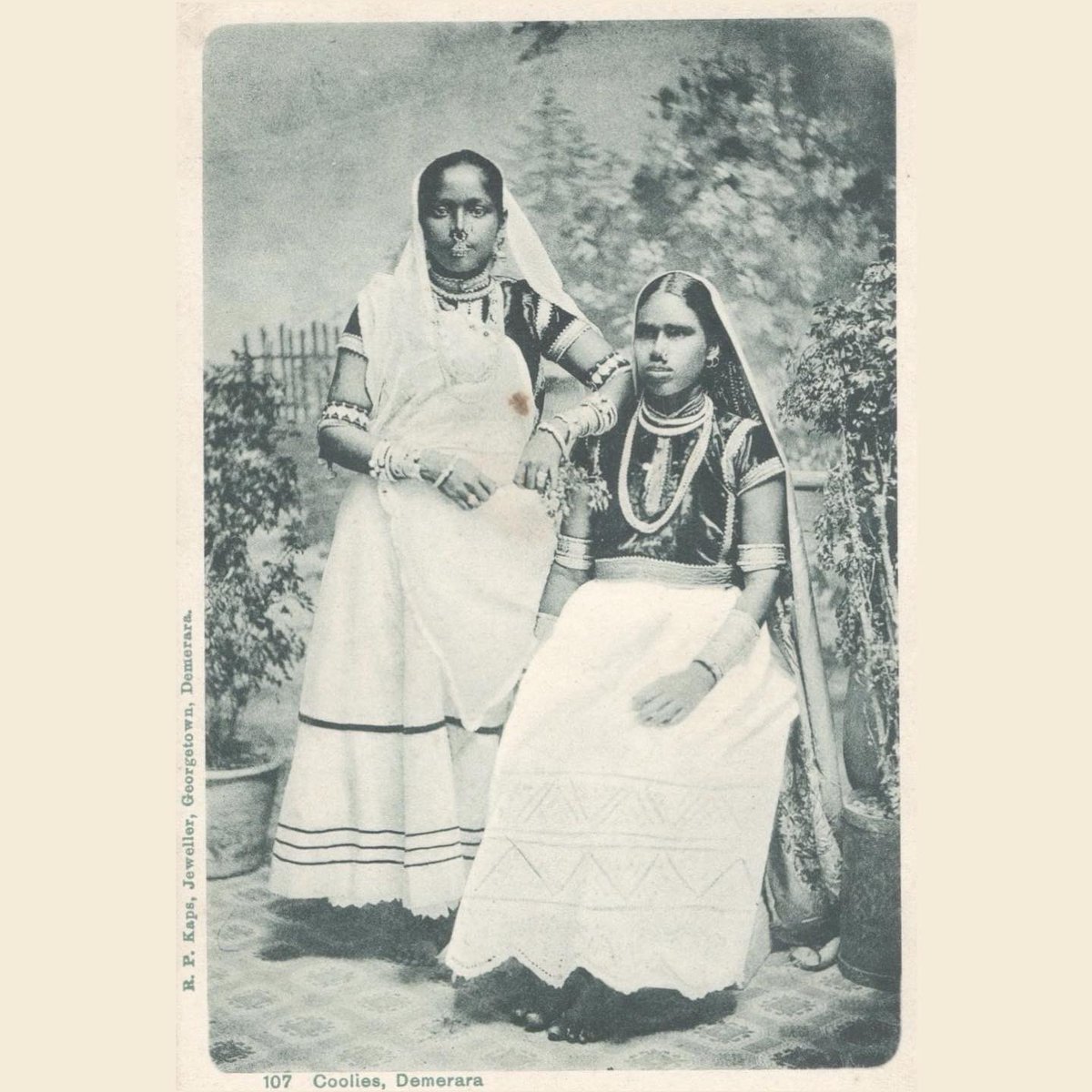
After a brief halt in transportation of “bound coolies” from 1839 to 1845, indentureship continued until 1917. Nearly 240,000 were taken across the “kala pani“ (dark waters) to Guyana. While most left from the Calcutta Port, a minority departed via the Madras Port in South India.
Loading suggestions...