

Apple used this marketing tactic to sell 13 million iPhones in the first year:
Scarcity.
Here's the science behind it and how to use it: 🧵
Scarcity.
Here's the science behind it and how to use it: 🧵
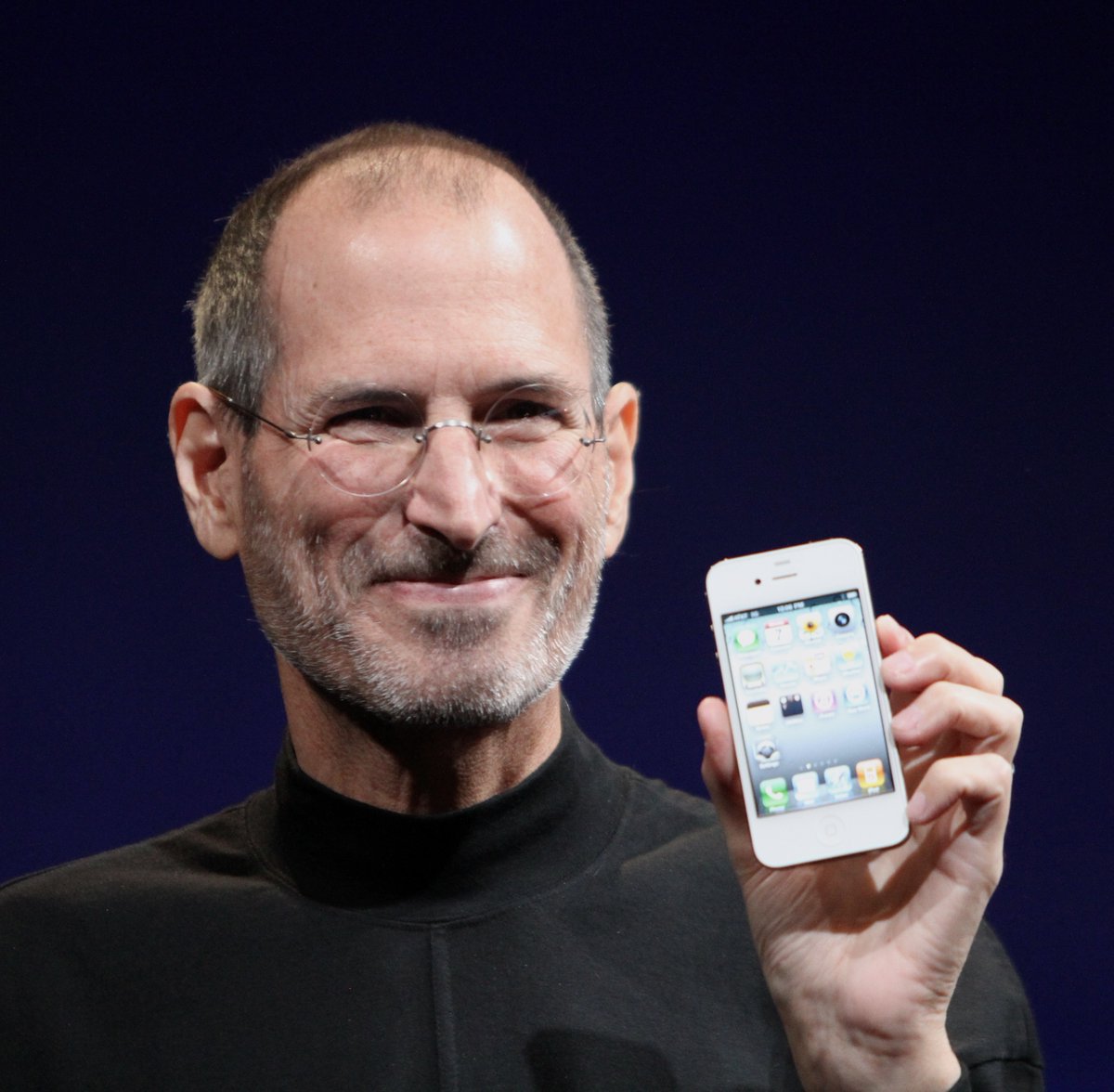
The perception of scarcity has powerful influence over decision making.
It stems from the heuristic or mental shortcut that causes the brain to assign value based on availability, not utility.
When an item is thought to be rare, the perceived value skyrockets.
It stems from the heuristic or mental shortcut that causes the brain to assign value based on availability, not utility.
When an item is thought to be rare, the perceived value skyrockets.
This causes consumers to act irrationally and buy on impulse instead of logic.
Why is this important?
Because world-class marketers can get customers to pay more AND pay now!
Its power is derived from our natural desire to control more resources than others.
Why is this important?
Because world-class marketers can get customers to pay more AND pay now!
Its power is derived from our natural desire to control more resources than others.
Some items, like Da Vinci's "Salvator Mundi" painting are truly scarce.
The original painting sold for $450M in 2017 to Saudi investors who clearly wanted it badly.
But usually scarcity isn't real... it's manufactured for profit.
Here are the tools Apple used:
The original painting sold for $450M in 2017 to Saudi investors who clearly wanted it badly.
But usually scarcity isn't real... it's manufactured for profit.
Here are the tools Apple used:
Social proof:
In 2007 the iPhone was a new concept, so creating social proof would be difficult.
But that didn't stop Steve Jobs.
He cleverly held secret events for media influencers during the 6-month hype period from Jan. to June to show off the new product.
It worked!
In 2007 the iPhone was a new concept, so creating social proof would be difficult.
But that didn't stop Steve Jobs.
He cleverly held secret events for media influencers during the 6-month hype period from Jan. to June to show off the new product.
It worked!
Harvard Professor David Yoffie estimates Apple earned over $400M in FREE press from these media outlets.
That meant they got thousands of articles from trusted news sources endorsing the product.
Consumers couldn't WAIT for the iPhone to be released in late June 2007.
That meant they got thousands of articles from trusted news sources endorsing the product.
Consumers couldn't WAIT for the iPhone to be released in late June 2007.
Uniqueness:
On January 9th 2007 at the Macworld Expo, Steve Jobs said about the iPhone:
"It is a revolutionary and magical product that is literally 5 years ahead of any other phone."
The iPhone was one-of-a-kind and missing out meant living in the past with the losers!
On January 9th 2007 at the Macworld Expo, Steve Jobs said about the iPhone:
"It is a revolutionary and magical product that is literally 5 years ahead of any other phone."
The iPhone was one-of-a-kind and missing out meant living in the past with the losers!
Commitment:
Millions of people were ready to become iPhone users.
Why?
The combination of hype, differentiated product and reputable brand made it easy for millions of people to buy in.
Mentally, they had become iPhone customers. All they had to do was purchase it!
Millions of people were ready to become iPhone users.
Why?
The combination of hype, differentiated product and reputable brand made it easy for millions of people to buy in.
Mentally, they had become iPhone customers. All they had to do was purchase it!
Restrict access:
Once the demand was established someone (Apple) leaked information to the media...
There may be delays after the initial set of iPhones were sold.
Suddenly the iPhone became rare and would now be valued by the difficulty to obtain one.
Once the demand was established someone (Apple) leaked information to the media...
There may be delays after the initial set of iPhones were sold.
Suddenly the iPhone became rare and would now be valued by the difficulty to obtain one.
The result:
Apple stores nationwide had customers CAMPING outside for days before launch.
Additionally, they were more than happy to pay $599 for the iPhone which was $200 more than any phone at the time.
(A nice profit boost)
Within weeks they had sold millions of units.
Apple stores nationwide had customers CAMPING outside for days before launch.
Additionally, they were more than happy to pay $599 for the iPhone which was $200 more than any phone at the time.
(A nice profit boost)
Within weeks they had sold millions of units.
Apple has routinely used this playbook since 2007 with great success.
Which is incredible because it doesn't make sense -- here's why:
Apple makes money by selling to the masses. If their products were rare they wouldn't be in business!
But every launch, we fall for it.
Which is incredible because it doesn't make sense -- here's why:
Apple makes money by selling to the masses. If their products were rare they wouldn't be in business!
But every launch, we fall for it.
In addition to Apple's build-then-restrict strategy, scarcity tactics can take many different forms.
Here are other ways to use it to supercharge sales:
Here are other ways to use it to supercharge sales:
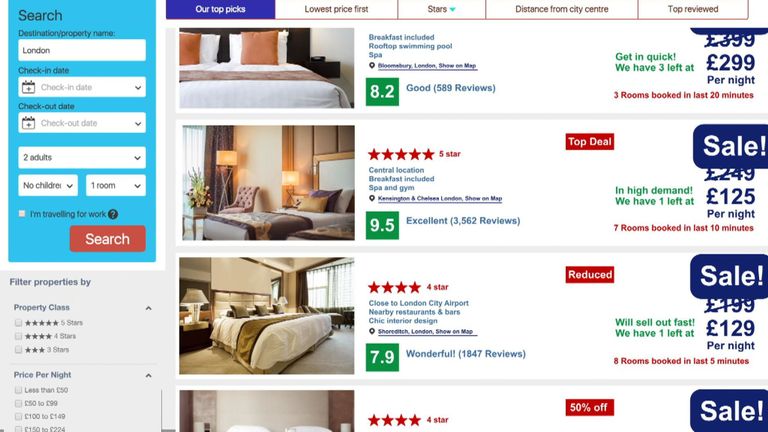
Time deadlines:
Booking sites do this exceptionally well.
Encourage customers to take action by warning them about the downsides of waiting.
The goal is to ramp up the urgency by introducing the idea that their desired booking options will no longer be available.
Booking sites do this exceptionally well.
Encourage customers to take action by warning them about the downsides of waiting.
The goal is to ramp up the urgency by introducing the idea that their desired booking options will no longer be available.
Introductory pricing:
When acquiring new customers, brands will offer better-than-normal pricing to get prospects to switch.
The increase in perceived value comes from getting the same resource at a lower price relative to others.
The deal won't last forever!
When acquiring new customers, brands will offer better-than-normal pricing to get prospects to switch.
The increase in perceived value comes from getting the same resource at a lower price relative to others.
The deal won't last forever!

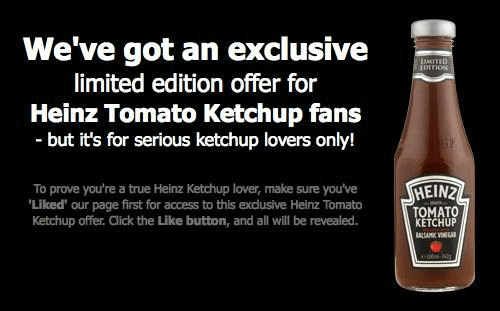
Limited edition:
Even the slightest variation on an otherwise ubiquitous product increases the assigned value.
Why?
Because others can have something similar, but not exactly the same.
It empowers the bearer to enjoy the upside of comparison, reducing price sensitivity.
Even the slightest variation on an otherwise ubiquitous product increases the assigned value.
Why?
Because others can have something similar, but not exactly the same.
It empowers the bearer to enjoy the upside of comparison, reducing price sensitivity.
Limited Quantity:
When selling a high-ticket product, putting a hard cap on production will dramatically increase the perceived value.
This is fundamental to the sharp rise in the value of NFT assets like Bored Apes
With a known cap (10k) -- each unit becomes more scarce.
When selling a high-ticket product, putting a hard cap on production will dramatically increase the perceived value.
This is fundamental to the sharp rise in the value of NFT assets like Bored Apes
With a known cap (10k) -- each unit becomes more scarce.

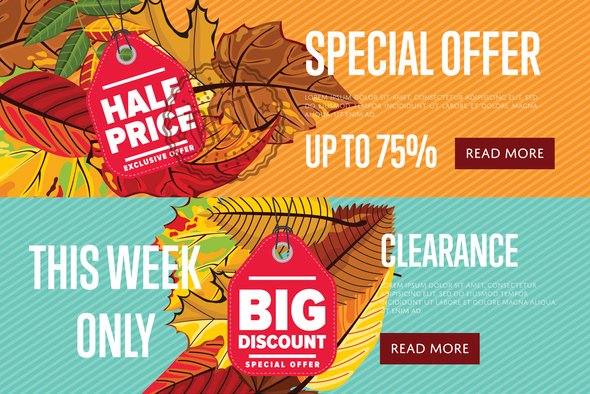
Two-Tiered:
If you really want to ramp up the urgency, combine two scarcity tactics:
A percentage discount AND an expiration.
The consumer will be incentivized to act because if they wait they'll miss out on not only savings, but the chance to buy altogether.
If you really want to ramp up the urgency, combine two scarcity tactics:
A percentage discount AND an expiration.
The consumer will be incentivized to act because if they wait they'll miss out on not only savings, but the chance to buy altogether.
You're subjected to scarcity tactics on a daily basis or maybe even have used them yourself.
But now, like Apple, you understand the heuristics that drive irrational buying.
And you can crank up the pressure.
But now, like Apple, you understand the heuristics that drive irrational buying.
And you can crank up the pressure.
And if you want to learn more about scarcity (and other persuasion tactics) read:
"Influence" by Dr. Cialdini.
This book is responsible for most of the assets I have -- and it's guaranteed to help you sell more.
"Influence" by Dr. Cialdini.
This book is responsible for most of the assets I have -- and it's guaranteed to help you sell more.
If you found this helpful please RT the first tweet so others can learn about scarcity!
Follow me @barrettjoneill for content on business, growth, and SEO.
Follow me @barrettjoneill for content on business, growth, and SEO.
Read a great case study on Kanye West & Adidas using scarcity to launch Yeezy’s.
They created 9k pairs of the original shoe.
Shoppers had to create a username and sign up for the list on the Adidas app.
They sold out within minutes.
And has huge pent up demand!
They created 9k pairs of the original shoe.
Shoppers had to create a username and sign up for the list on the Adidas app.
They sold out within minutes.
And has huge pent up demand!
Loading suggestions...