

The era of vitamin C in the ICU comes to an ignominious end.
The #LOVITrial of vitamin C in septic shock finds that #VitaminC was associated with an *INCREASED* risk of death:
44.5% (191/429) vs 38.5% (167/434)
RR 1.21; (CI, 1.04 to 1.40; P=0.01).
nejm.org
1/
The #LOVITrial of vitamin C in septic shock finds that #VitaminC was associated with an *INCREASED* risk of death:
44.5% (191/429) vs 38.5% (167/434)
RR 1.21; (CI, 1.04 to 1.40; P=0.01).
nejm.org
1/

For years, I’ve been skeptical about the miraculous claims made about vitamin C in septic shock.
I argued that VitaminC was unlikely to work and that the approach to it was fundamentally pseudoscientific.
pulmccm.org
2/
I argued that VitaminC was unlikely to work and that the approach to it was fundamentally pseudoscientific.
pulmccm.org
2/
At the time, I thought that vitamin was harmless but ineffective.
Turns out I may have been wrong about the second part:
#LOVITtrial shows a clear harm signal with vitamin C:
- increased mortality (NNH 16!)
- cases of anaphylaxis & hypoglycemia in the VitC group
3/
Turns out I may have been wrong about the second part:
#LOVITtrial shows a clear harm signal with vitamin C:
- increased mortality (NNH 16!)
- cases of anaphylaxis & hypoglycemia in the VitC group
3/
I'll put together a longer thread reviewing the details of the #LOVITtrial; for now I'll just say that it's well done and very convincingly shows that vitamin C doesn't work in septic shock.
As the 5 year vitamin C misadventure ends, what lessons can we learn from it?
4/
As the 5 year vitamin C misadventure ends, what lessons can we learn from it?
4/
Minor correction: this is the rate death + persistent organ failure (composite outcome).
1. Extraordinary claims require extraordinary evidence
We should be extremely skeptical of small n studies with unbelievably large effect sizes. These studies *rarely* turn out to be real & the effect size is *almost always* vastly overstated.
5/
We should be extremely skeptical of small n studies with unbelievably large effect sizes. These studies *rarely* turn out to be real & the effect size is *almost always* vastly overstated.
5/
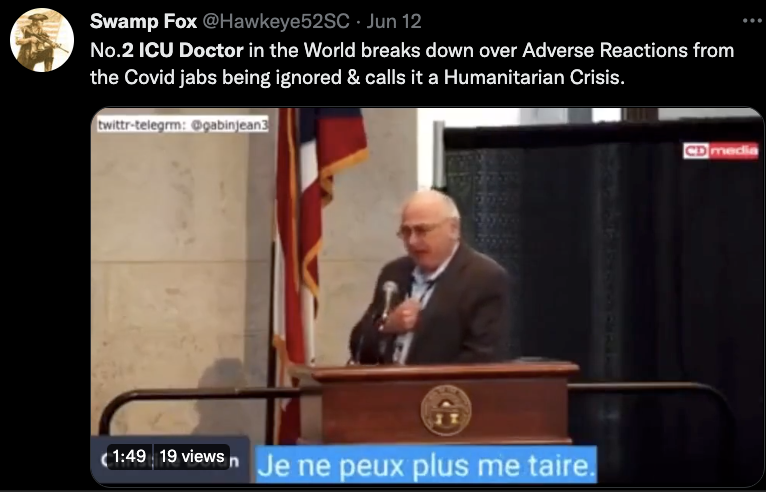
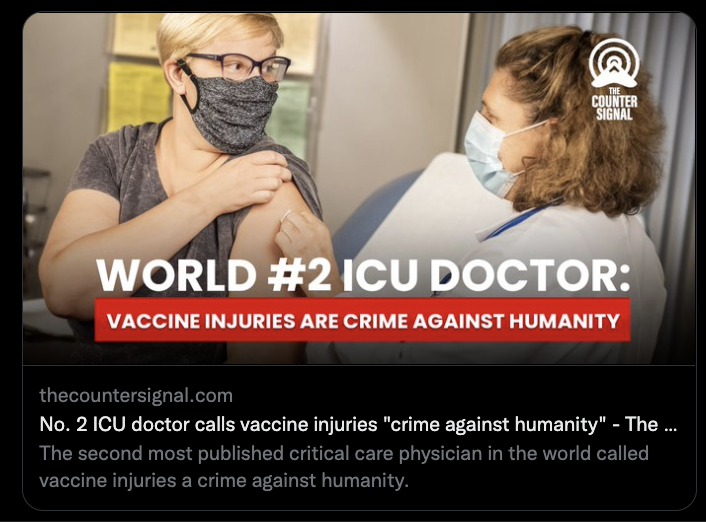
2. Beware of "eminence based medicine"
The standard of evidence doesn't depend on the authors impact factor. If the author's eminence is required to justify the therapy, it's probably not justified...
Btw the moniker "World's #2 critical care doctor" just makes me think of 💩
6/
The standard of evidence doesn't depend on the authors impact factor. If the author's eminence is required to justify the therapy, it's probably not justified...
Btw the moniker "World's #2 critical care doctor" just makes me think of 💩
6/
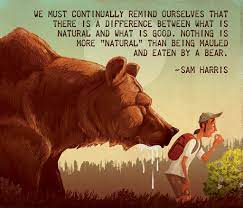
3. Don't fall for the "naturalistic fallacy"
Not everything "natural" is good.
Vitamins are medications. Like all meds they have side effects & can be harmful.
Just because something is a vitamin doesn't mean a high intravenous dose is beneficial (or safe) in critical illness
7/
Not everything "natural" is good.
Vitamins are medications. Like all meds they have side effects & can be harmful.
Just because something is a vitamin doesn't mean a high intravenous dose is beneficial (or safe) in critical illness
7/
4. It's hard to be "just a little pseudoscientific"
Embracing new non-evidence based practices is a gateway to embracing more pseudoscience.
"Whats the harm in vitamin C?" leads to far worse...
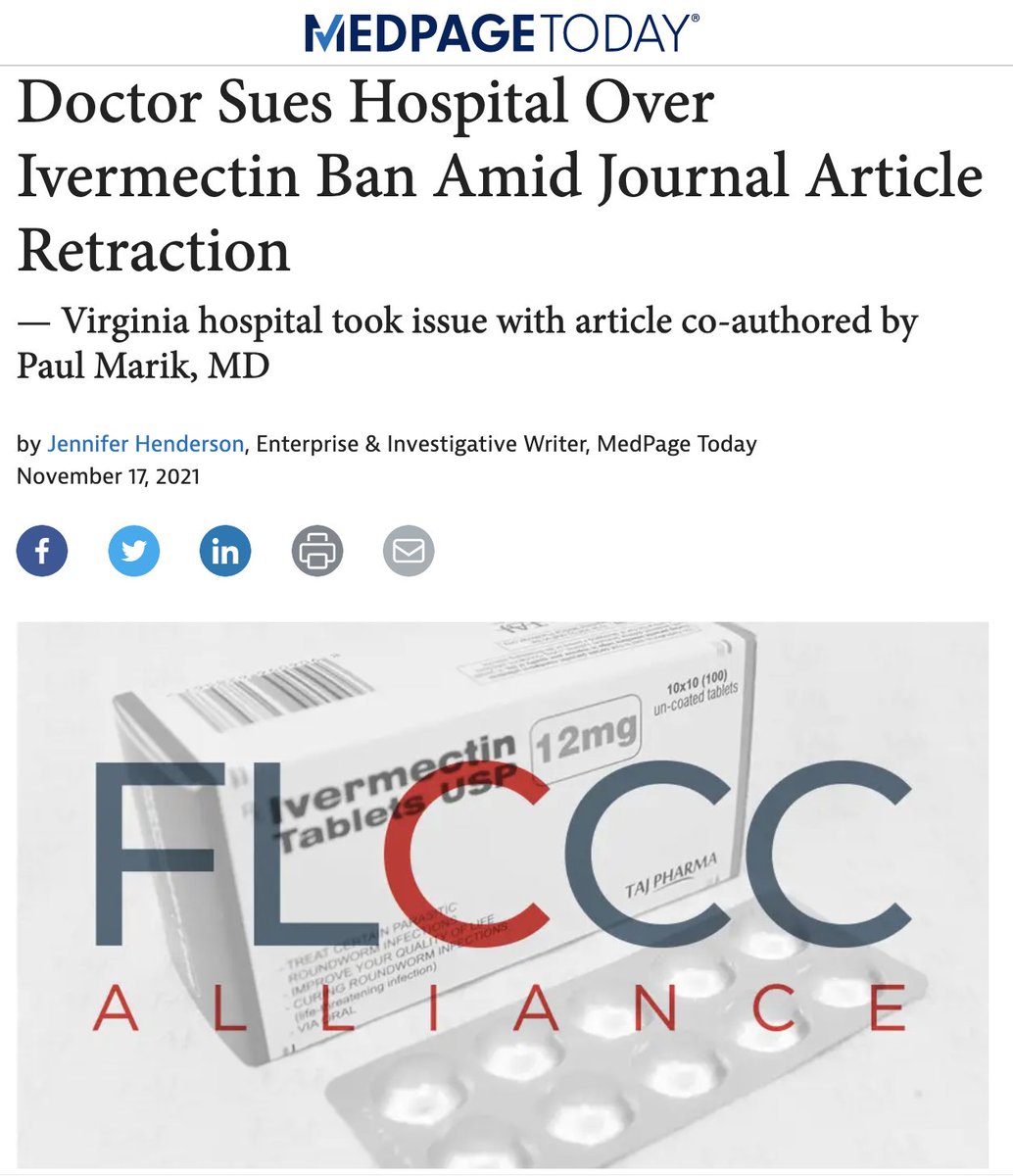
Note the swift transformation of the #cultOfVitaminC into the #CultOfIvermectin.
8/
Embracing new non-evidence based practices is a gateway to embracing more pseudoscience.
"Whats the harm in vitamin C?" leads to far worse...
Note the swift transformation of the #cultOfVitaminC into the #CultOfIvermectin.
8/

5. It's important to call out bogus science
The credulity of @accpchest in publishing the first paper (& certain influencers in promoting it) led to vitC being widely adopted. This has wasted huge effort & may have caused harm.
We must speak up to prevent this happening again
9/
The credulity of @accpchest in publishing the first paper (& certain influencers in promoting it) led to vitC being widely adopted. This has wasted huge effort & may have caused harm.
We must speak up to prevent this happening again
9/
As as side note, I'll just point out that some of the same people who credulously believed & promoted the "metabolic cure" are uncharacteristically silent about ivermectin & refuse to say it doesn't work. It's truly sad if a desire clicks is more important that accuracy...
10/
10/
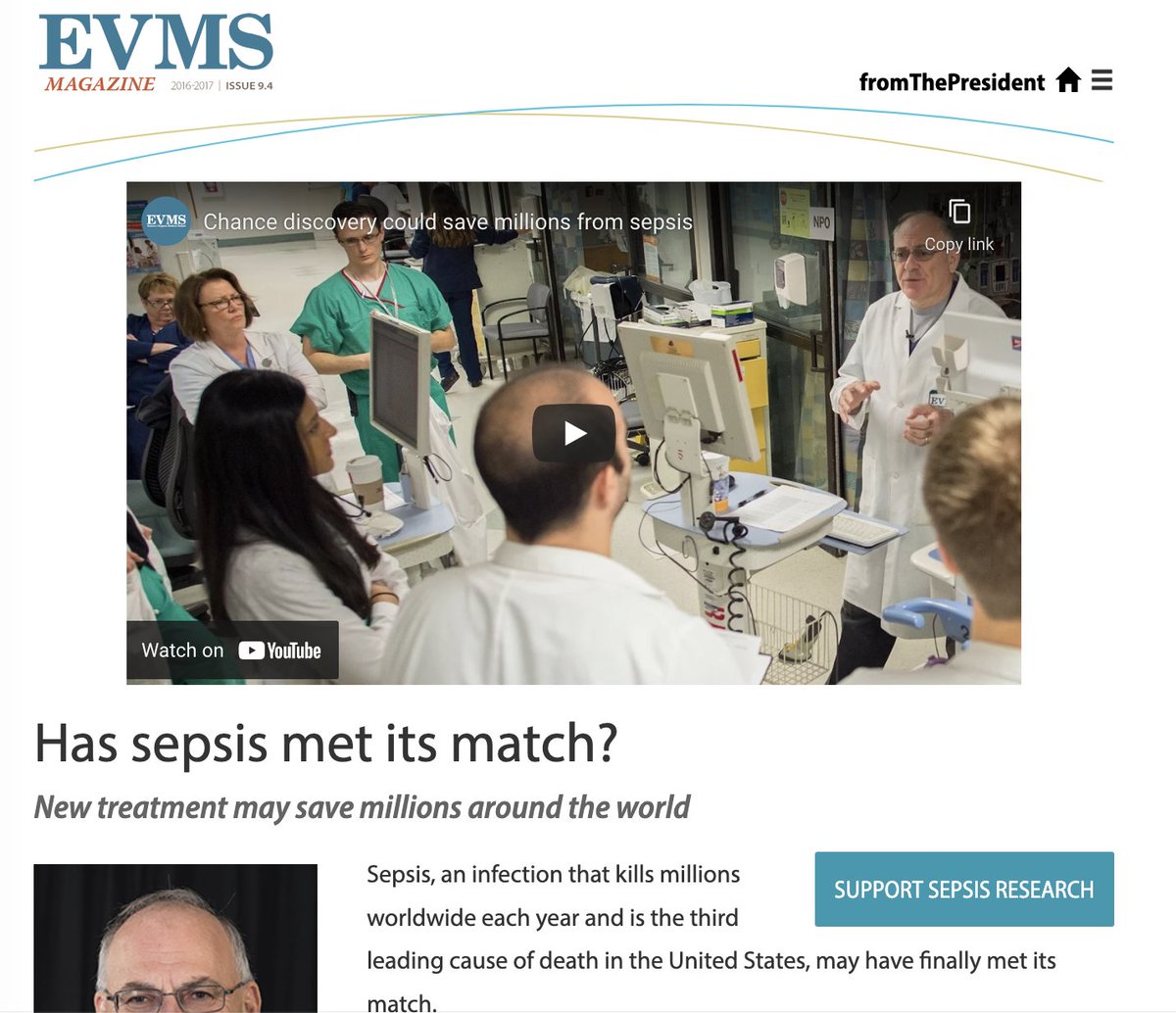
6. Institutions that promoted pseudoscience should do some soul searching
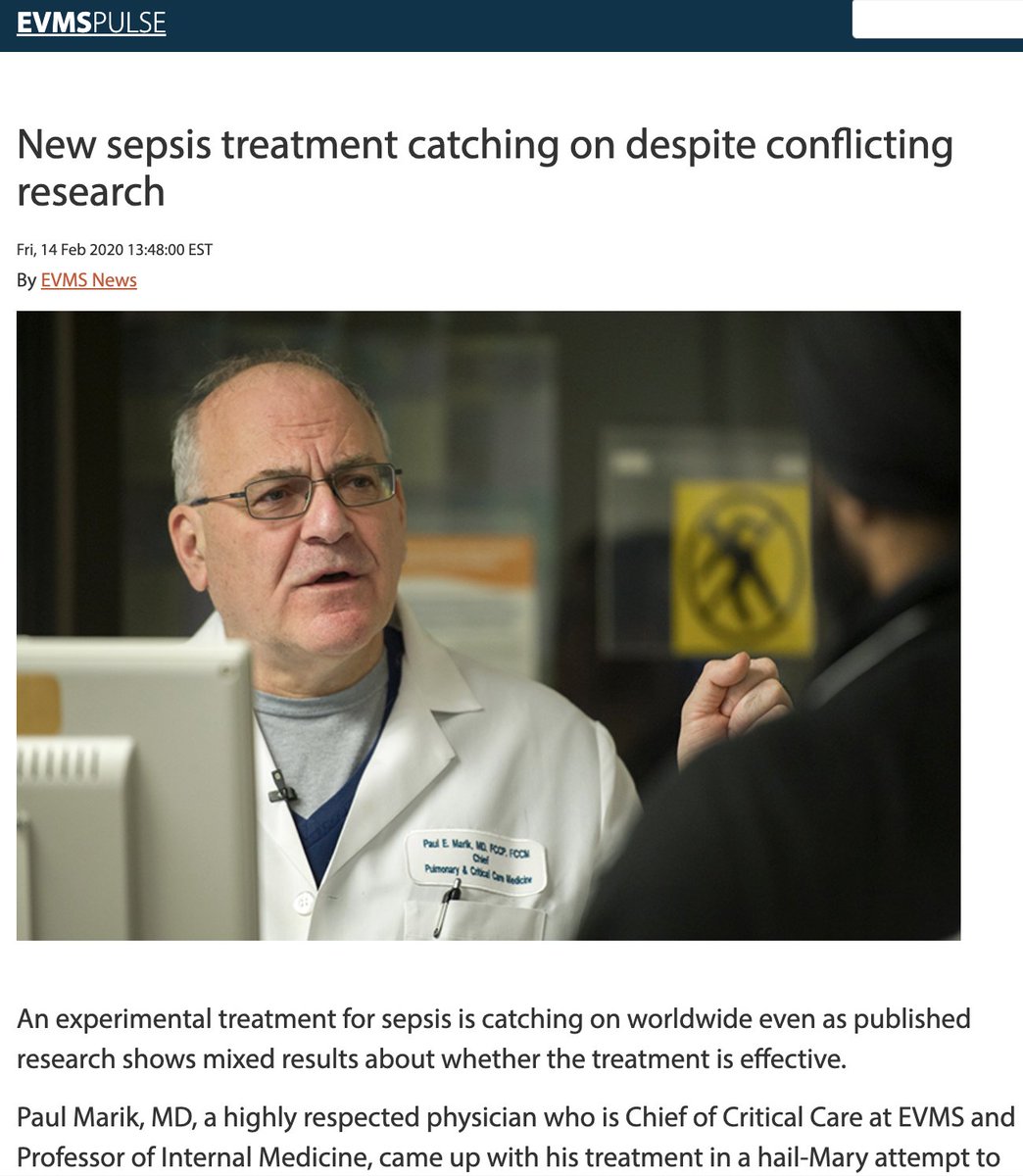
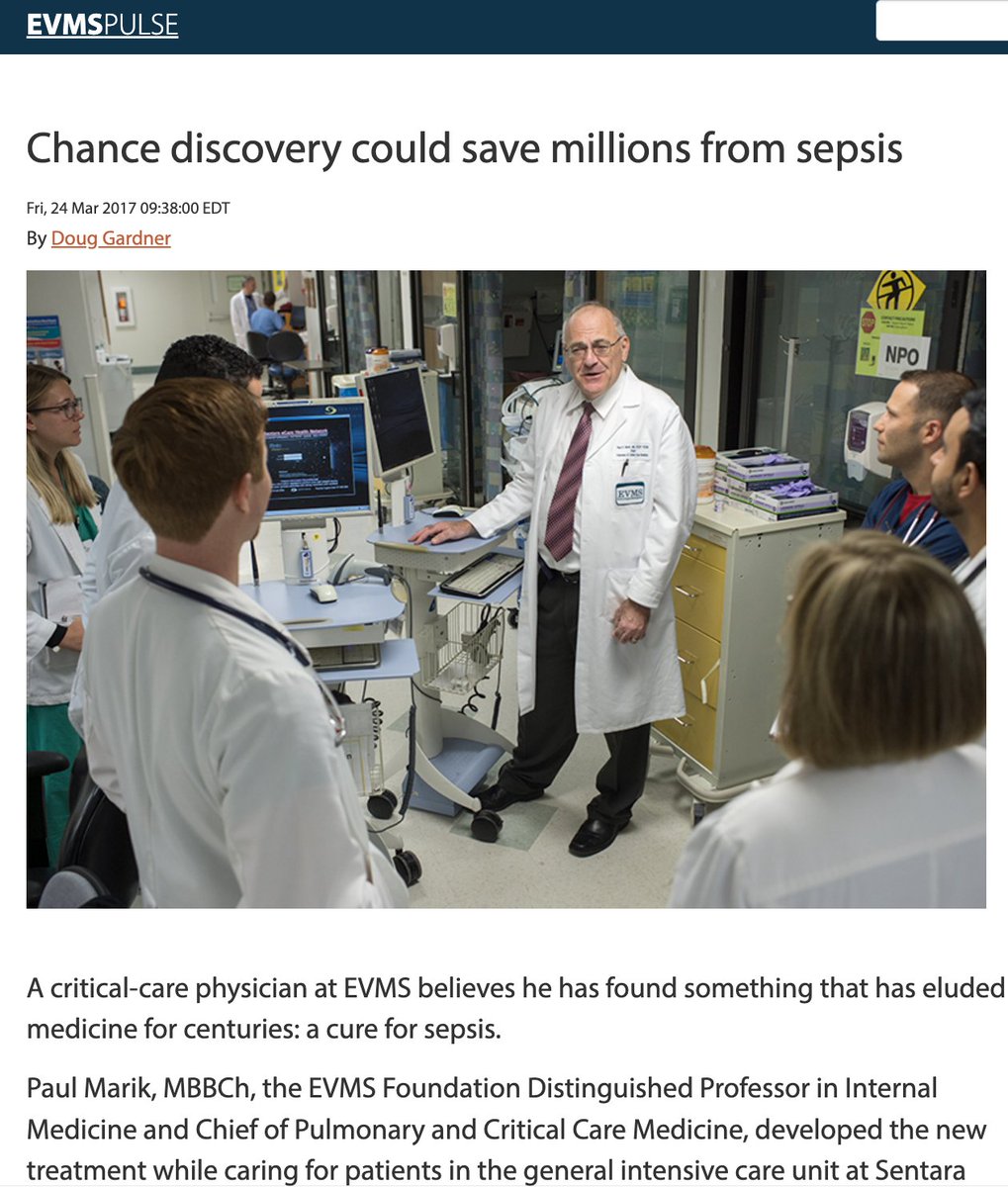
EVMS shamelessly promoted vitaminC as a miracle cure. This helped fundraise but ultimately it blew up in their face.
Institutions should take a long view about the costs of sensationalizing bad science
11/
EVMS shamelessly promoted vitaminC as a miracle cure. This helped fundraise but ultimately it blew up in their face.
Institutions should take a long view about the costs of sensationalizing bad science
11/
Loading suggestions...