
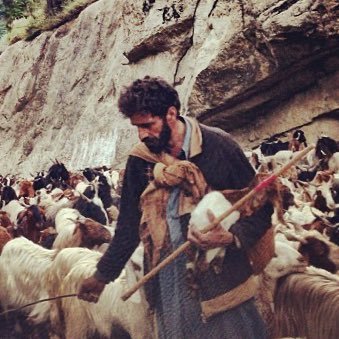
𝐓𝐡𝐞 𝐞𝐚𝐫𝐥𝐢𝐞𝐬𝐭 𝐮𝐬𝐞 𝐨𝐟 ‘𝐊𝐡𝐚𝐧’ 𝐢𝐧 𝐏𝐚𝐧𝐣𝐚𝐛:
The mention of ‘Khan’ vis-à-vis Panjab likely occurs first in the 9th century, but not in the Turkic titular meaning of ‘qaɣan’ (𐰴𐰍𐰣), but rather in the Bactrian tribal meaning of ‘alkhāna’ (αλχονο).
*THREAD*
The mention of ‘Khan’ vis-à-vis Panjab likely occurs first in the 9th century, but not in the Turkic titular meaning of ‘qaɣan’ (𐰴𐰍𐰣), but rather in the Bactrian tribal meaning of ‘alkhāna’ (αλχονο).
*THREAD*
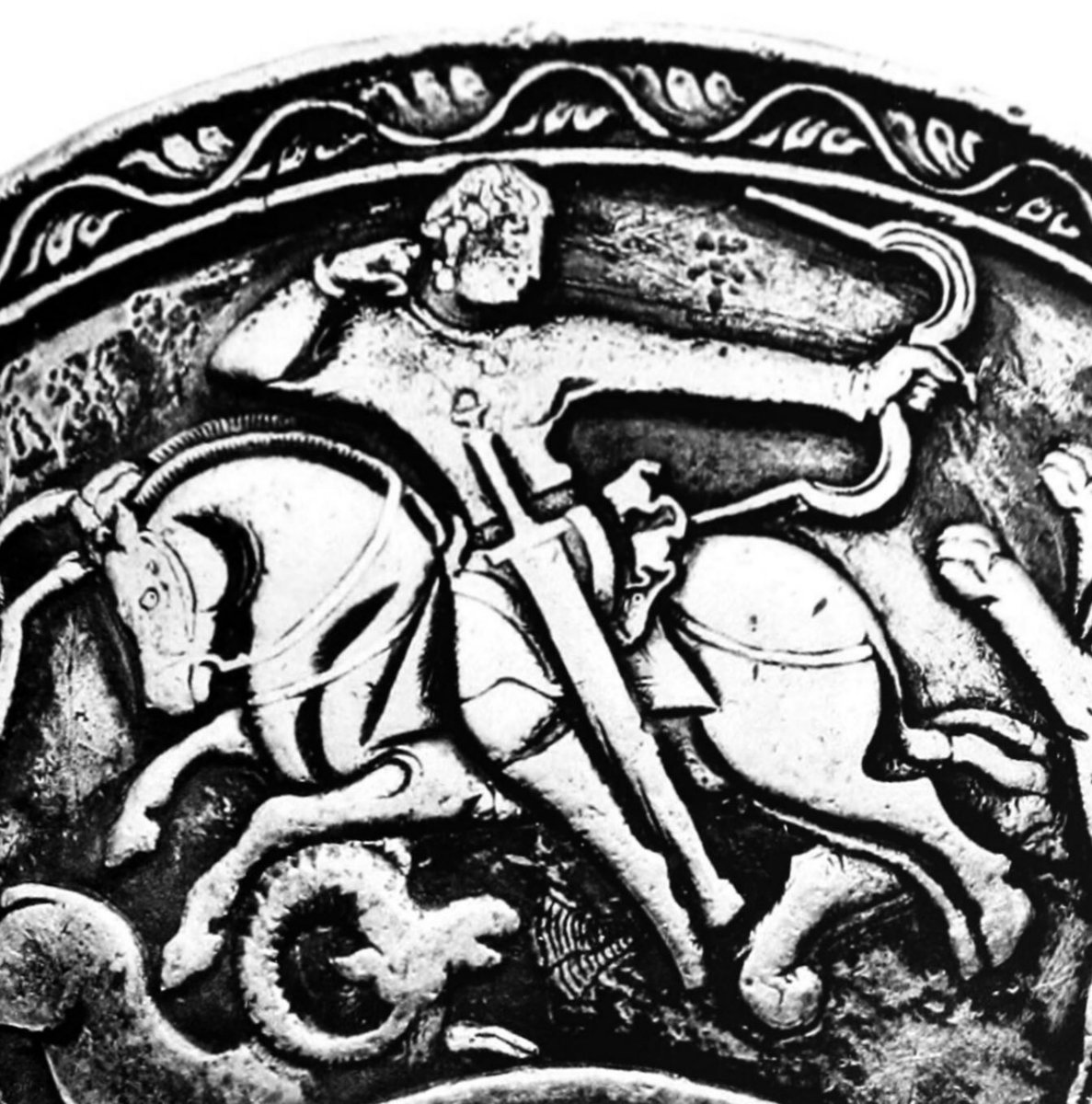
The Turkic ‘Khan’ (خان) which is both a shortened & Persianised form of the Old Turkic term ‘qaɣan’ to denote a ruler or chief came to be used in Panjab (& South Asia) as a title in the Mughal era (16th-19th cen.) which was conferred on nobles for their service to the empire.
However, long before the Turko-Mongol invasion of Eurasia, another steppe group collectively termed the Hunas held sway. They were divided into 4 groups:
•Kedarites
•Nezaks
•Hephtalites
•Alkhans
The last of these, the Alkhans, would invade Afghanistan, Panjab, & N. India.
•Kedarites
•Nezaks
•Hephtalites
•Alkhans
The last of these, the Alkhans, would invade Afghanistan, Panjab, & N. India.

The Alkhans would contribute significantly to the genetic pool of Panjab in the form of the (Panjabi) Gujjar tribe, in whose ethnogenesis they seem to have been the parent group. They primarily established colonies in Panjab, later expanding into Rajasthan.
(WH’s=Alkhans here)
(WH’s=Alkhans here)
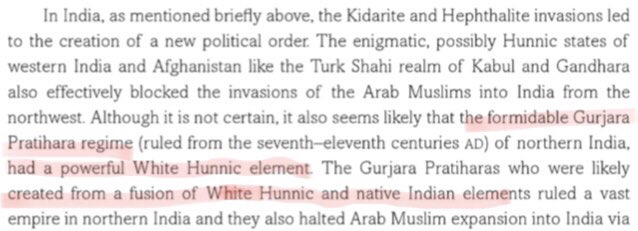
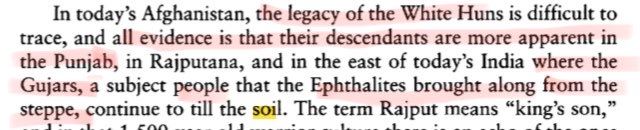
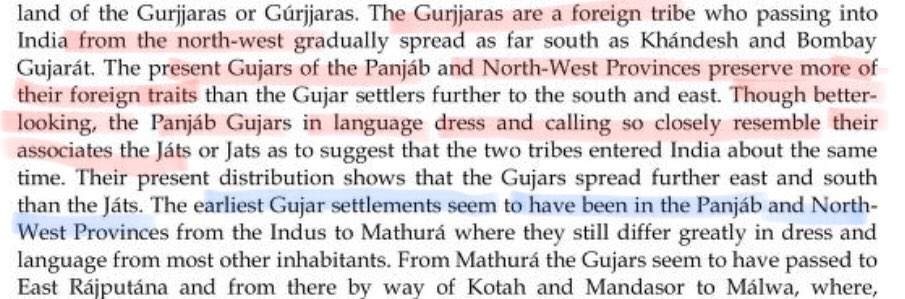

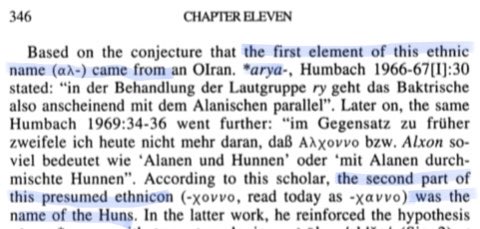
The term ‘Alkhan’, on the other hand, was used both as a name & a tribal designation, & seemingly not as a title. The ‘Khan’ element in ‘Alkhan’ likely means ‘hun’.

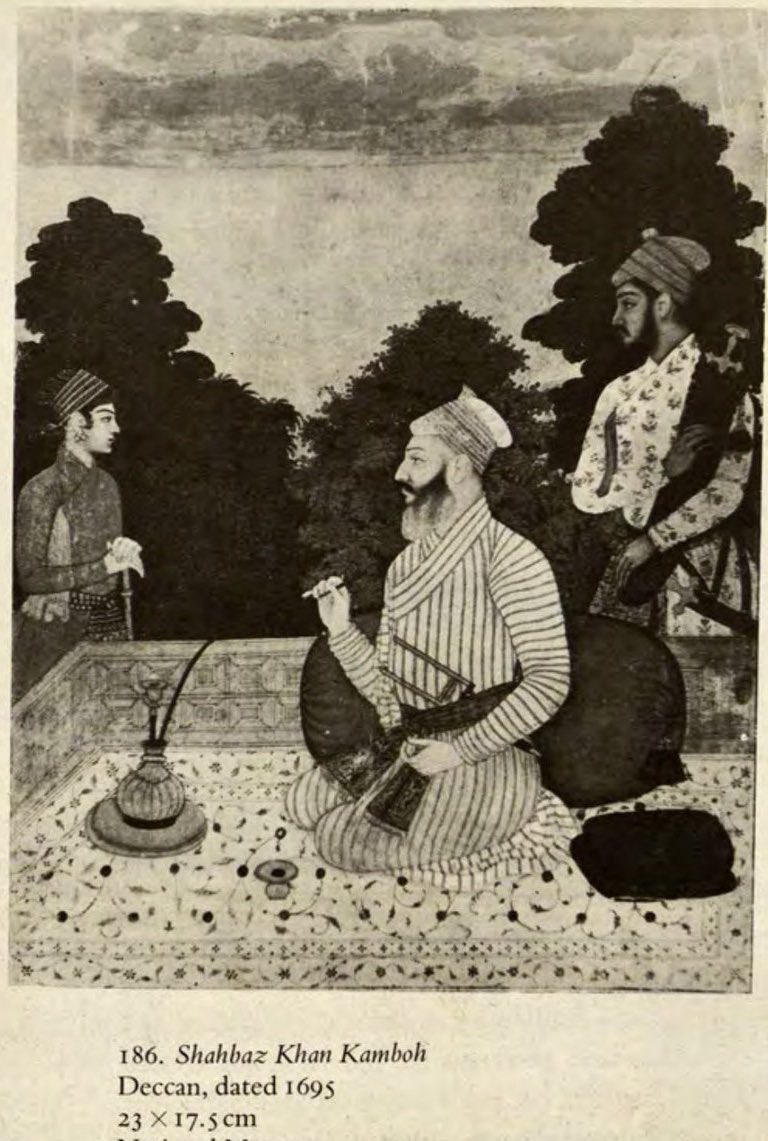
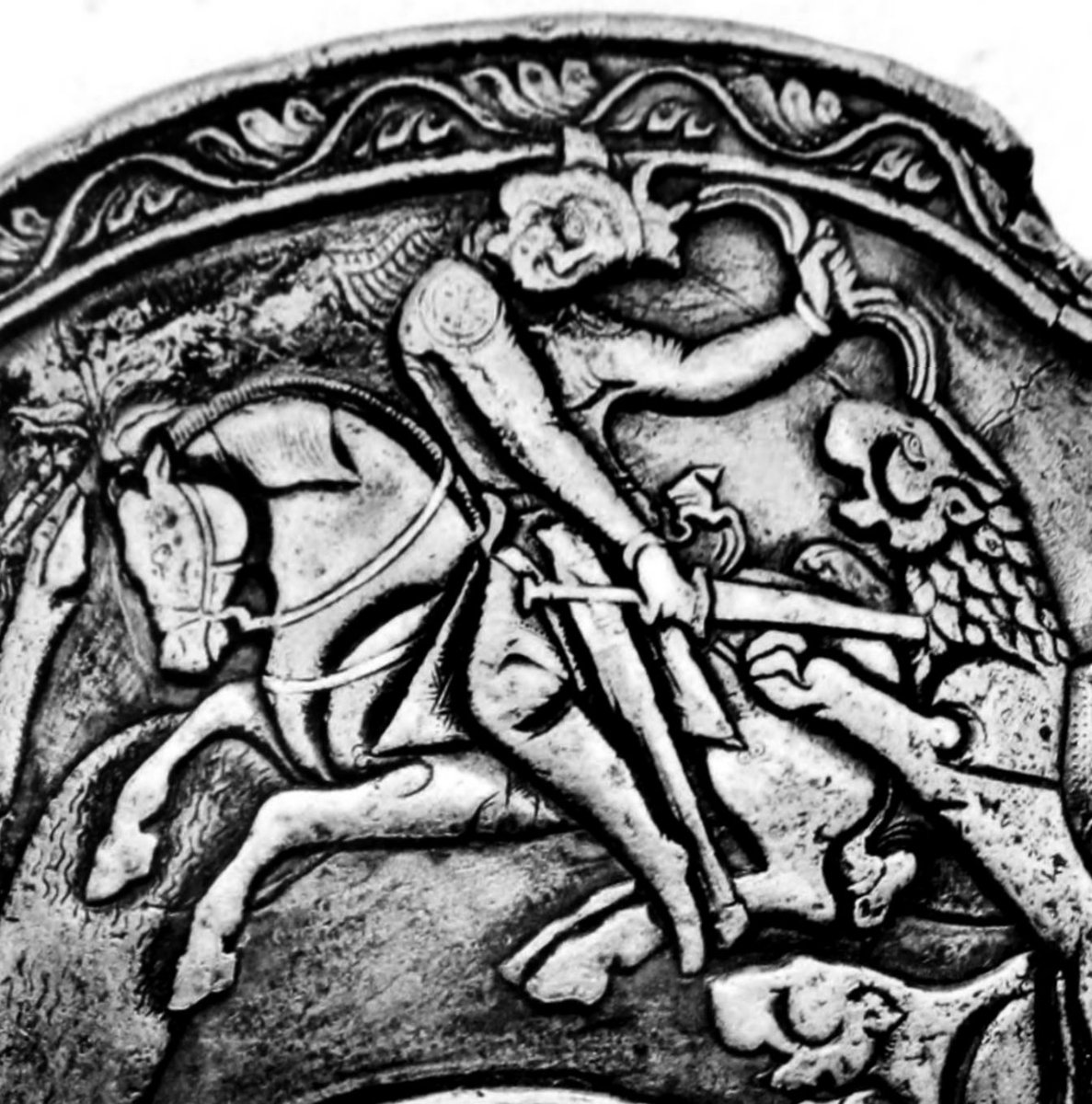
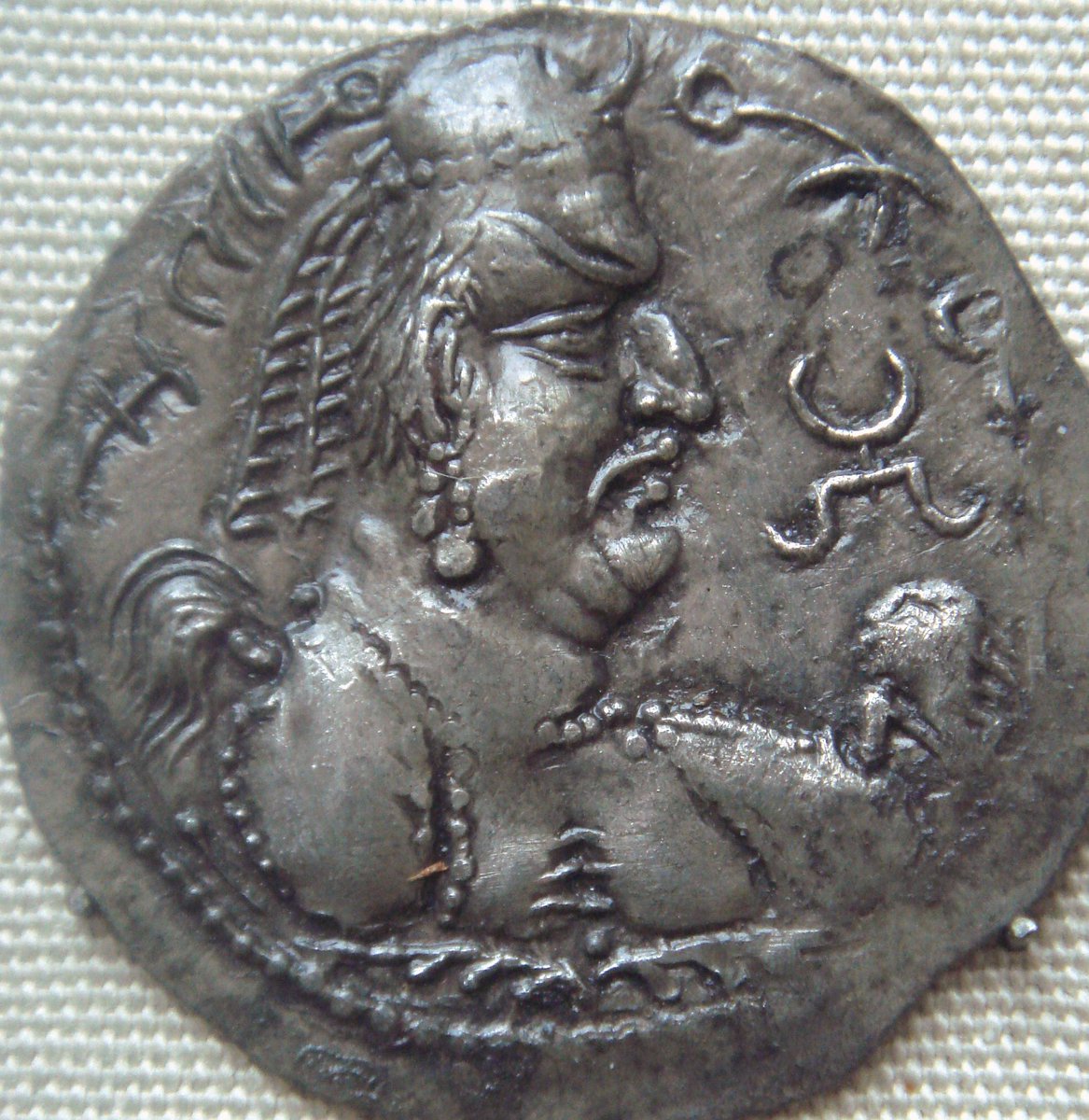
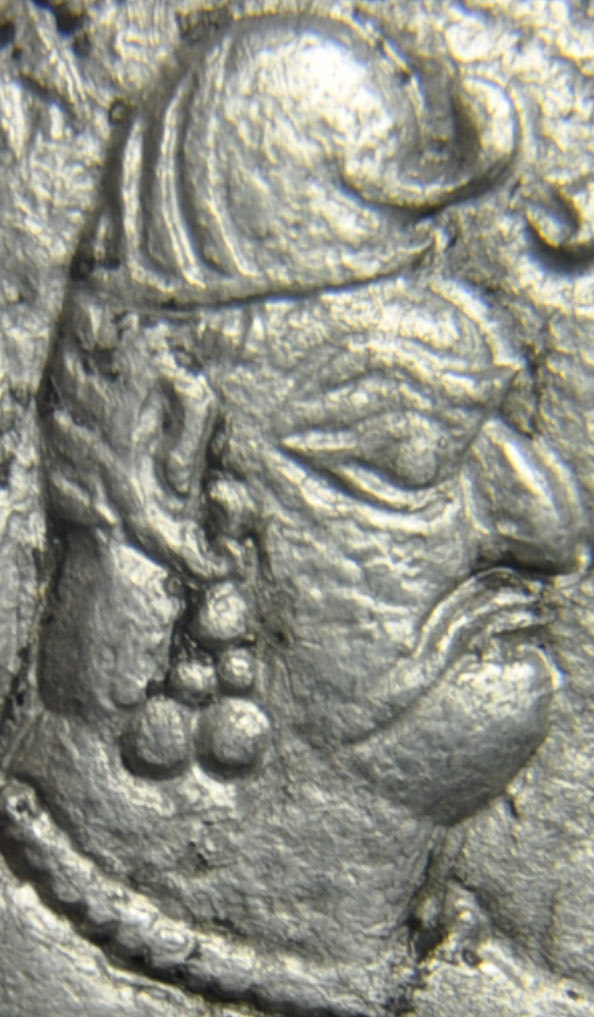
This is a contemporaneously minted Alkhan coin (460 CE). In it is portrayed ‘Khingila’, chief of the Alkhans. The inscribed legend in Greco-Bactrian script reads: ‘χιγγιλο αλχονο’.
Here transliterated in the Latin & Perso-Arabic scripts:
‘Khingila Alkhana’
‘خنگلہ الخانہ’
Here transliterated in the Latin & Perso-Arabic scripts:
‘Khingila Alkhana’
‘خنگلہ الخانہ’
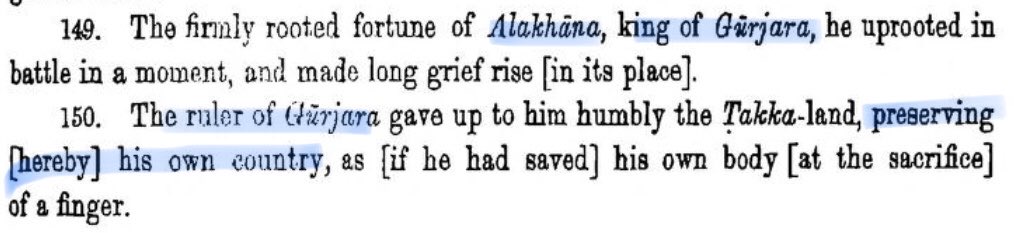
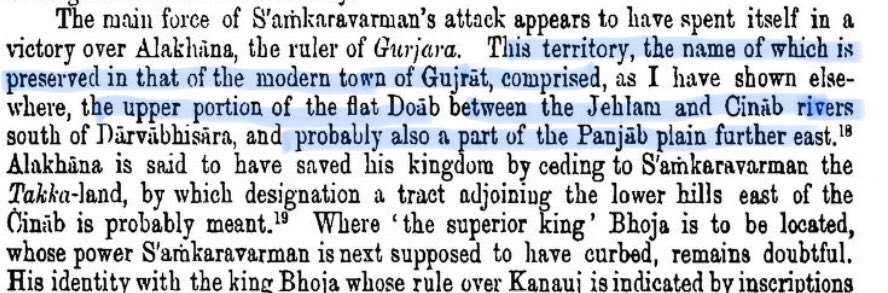
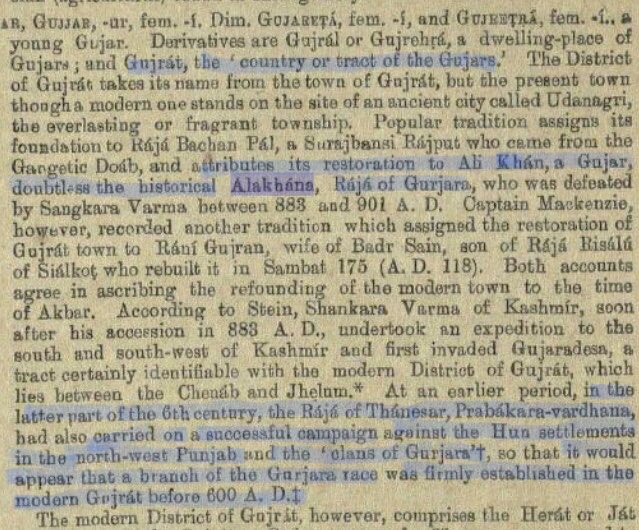
The Rajatarangini, a 12th cen. Sanskrit work detailing the history of Kashmir, N. Panjab, & the Kabul valley in the 9th cen., makes mention of a Gujjar chieftain of Gujrat, Panjab bearing the name ‘Alakhāna’, whom it refers to as ‘uchcha-kHaana’ ‘the great Khan (Hun)’.

Translit.:
(‘uchchakhaana*alakhaana*sya sankhye *gurjar*bhuumujaha’)
‘Alakhana, the king of Gurjara’
The Sanskritised form of الخانہ is used for the Gujjar chieftain:
‘AlakHaana’
الکھانہ
(The Bactrian خ phoneme has naturally switched to its Indic phonological equivalent, کھ)
(‘uchchakhaana*alakhaana*sya sankhye *gurjar*bhuumujaha’)
‘Alakhana, the king of Gurjara’
The Sanskritised form of الخانہ is used for the Gujjar chieftain:
‘AlakHaana’
الکھانہ
(The Bactrian خ phoneme has naturally switched to its Indic phonological equivalent, کھ)

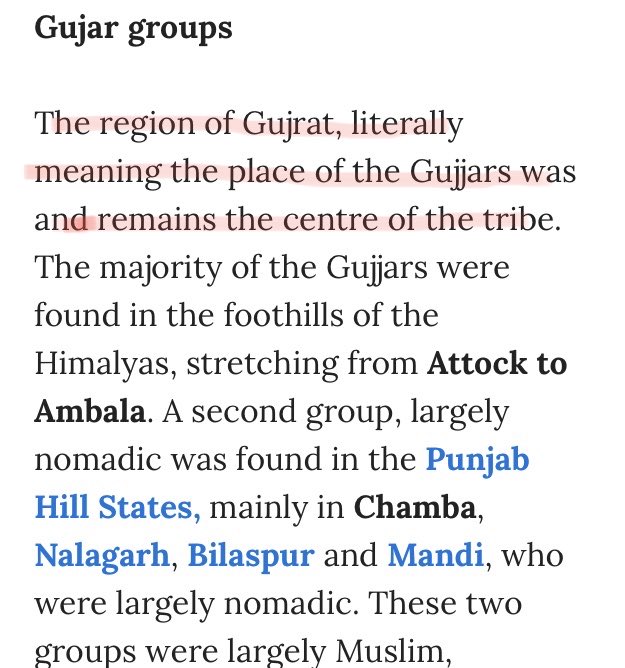
The region of Gujrat, Panjab down to the modern day continues as the seat of the Gujjars, which is still the most populated Gujjar area.
The table shows the distribution of the Panjabi Gujjars in the 1901 census, with Gujrat being the obvious headquarters of the tribe.
The table shows the distribution of the Panjabi Gujjars in the 1901 census, with Gujrat being the obvious headquarters of the tribe.

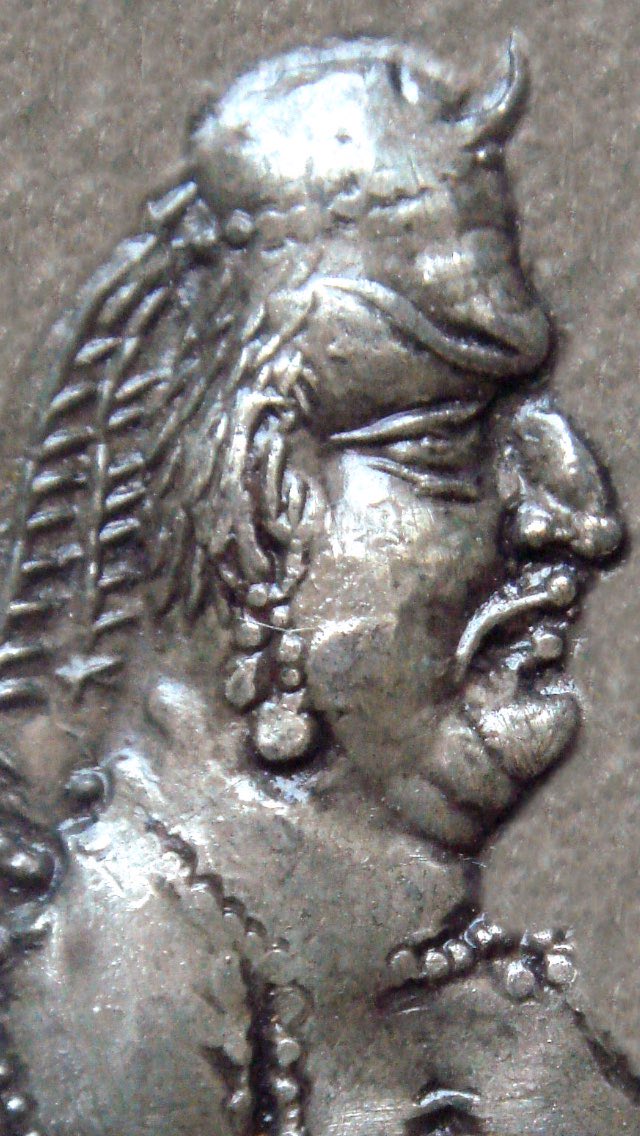
Found the following resemblance uncanny:
A: Khingila, the chief & uniter of the Alkhan Huns, circa 460 CE
B: Panjabi Gujjar, 2021 CE
A: Khingila, the chief & uniter of the Alkhan Huns, circa 460 CE
B: Panjabi Gujjar, 2021 CE

Some extra elucidatory information:
•the Rajatarangini was written by Kalhana who was at the court of Sankaravarman’s court so the account is likely exaggerated in the latter’s favour.
•Kalhana states no victory of his patron over Lalliya the Shahi king who would…
•the Rajatarangini was written by Kalhana who was at the court of Sankaravarman’s court so the account is likely exaggerated in the latter’s favour.
•Kalhana states no victory of his patron over Lalliya the Shahi king who would…
•…fly to the aid of Alakhana indicates a strong alliance between the two, its nature we can only presume. It also indicates that Lalliya had established a powerful polity since Sankarvarman was unable to best him.
•the Hephtalites are often termed the White Huns & in…
•the Hephtalites are often termed the White Huns & in…
•…earlier scholarship the Alkhans were included within them, but the latter now are regarded as separate, as perhaps some sort of extension of the White Huns.
•the Hephtalites interestingly had wrangled with the Sassanians & killed their Shah, Peroz. They likely wouldve…
•the Hephtalites interestingly had wrangled with the Sassanians & killed their Shah, Peroz. They likely wouldve…

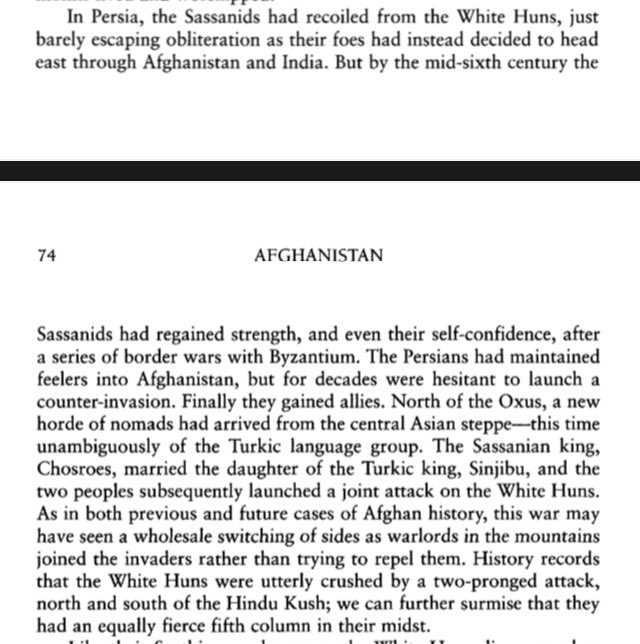
•…pulverised the Sassanians completely had they not turned east. Later the Göktürks would arrive, their chief Sinjibu would offer both his daughter & his services to the Sassanian Shah to tackle & overwhelm the Hephtalites, which they managed via a fifth column.
Sources:
•Rajatarangini by Kalhana
•Afghanistan by Tanner
•The Huns by Kim, Hyun Jin
•Gujarat gazetteer
•newpakhistorian
•Sources on the Alans: A Critical Compilation
By Agusti Alemany
•Rajatarangini by Kalhana
•Afghanistan by Tanner
•The Huns by Kim, Hyun Jin
•Gujarat gazetteer
•newpakhistorian
•Sources on the Alans: A Critical Compilation
By Agusti Alemany
Loading suggestions...