
I'd like to share some learnings on small-city China.
For 4 days, I've been in southern Hunan in the city of Chenzhou (郴州).
Chenzhou is not a big or famous city. But its stories are worth telling anyway.
I'll tell you why in this thread:🧵
For 4 days, I've been in southern Hunan in the city of Chenzhou (郴州).
Chenzhou is not a big or famous city. But its stories are worth telling anyway.
I'll tell you why in this thread:🧵

Let me start with a framing question:
Where do most CN people live? Big cities? Small cities? Villages?
I was curious. So I summed the populations of all 19 1st & "New 1st" Tier cities in CN, and posted a quiz yesterday.
The sum was 293M, or just 20.7%:
Where do most CN people live? Big cities? Small cities? Villages?
I was curious. So I summed the populations of all 19 1st & "New 1st" Tier cities in CN, and posted a quiz yesterday.
The sum was 293M, or just 20.7%:
Besides those 19 biggest cities, , we have:
- 30 2nd tiers: avg. foreigner should know most
- 70 3rd tiers: avg. Chinese will know >half. Foreigners fairly few.
- 90 4th tiers: Avg. Chinese will know a few.
- 128 5th tiers: “有这个城市吗?"
China's urbanized population is ~914M.
- 30 2nd tiers: avg. foreigner should know most
- 70 3rd tiers: avg. Chinese will know >half. Foreigners fairly few.
- 90 4th tiers: Avg. Chinese will know a few.
- 128 5th tiers: “有这个城市吗?"
China's urbanized population is ~914M.

Subtracting the population of the 1st & 2nd tiers, that's ~600M people living in these 3rd-6th tier cities, (plus about 500M more in the REAL countryside).
So the "median Chinese citizen" across 1.4 billion people should actually be a resident of a small, mostly-unknown city.
So the "median Chinese citizen" across 1.4 billion people should actually be a resident of a small, mostly-unknown city.
Annnnd that brings us back to 4th-tier Chenzhou.
Officially it has 4.5M people, but like most prefecture-level cities in China, that can be misleading.
The 2 urbanized districts of Chenzhou have about 1M people. The rest is suburbs/rural areas.
Officially it has 4.5M people, but like most prefecture-level cities in China, that can be misleading.
The 2 urbanized districts of Chenzhou have about 1M people. The rest is suburbs/rural areas.
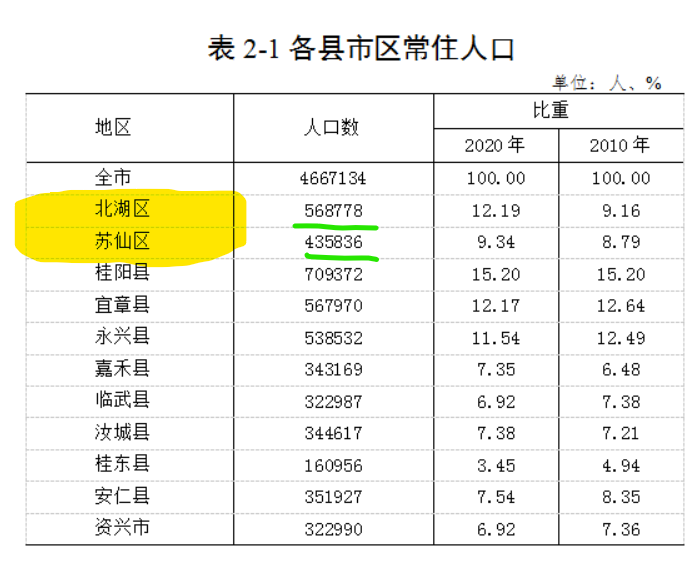
IMO if you do China Studies and ever talk about "average Chinese citizens" (if such a concept even exists) when you discuss e.g., sociocultural phenomena, or Chinese political priorities, you'd MUST be sure to think about Chenzhou and cities like it. Because here they are.
People here invariably describe their city as poor (vs. 1st and 2nd tiers, they are) and slow-paced (again, vs. 1st and 2nd tiers, they are).
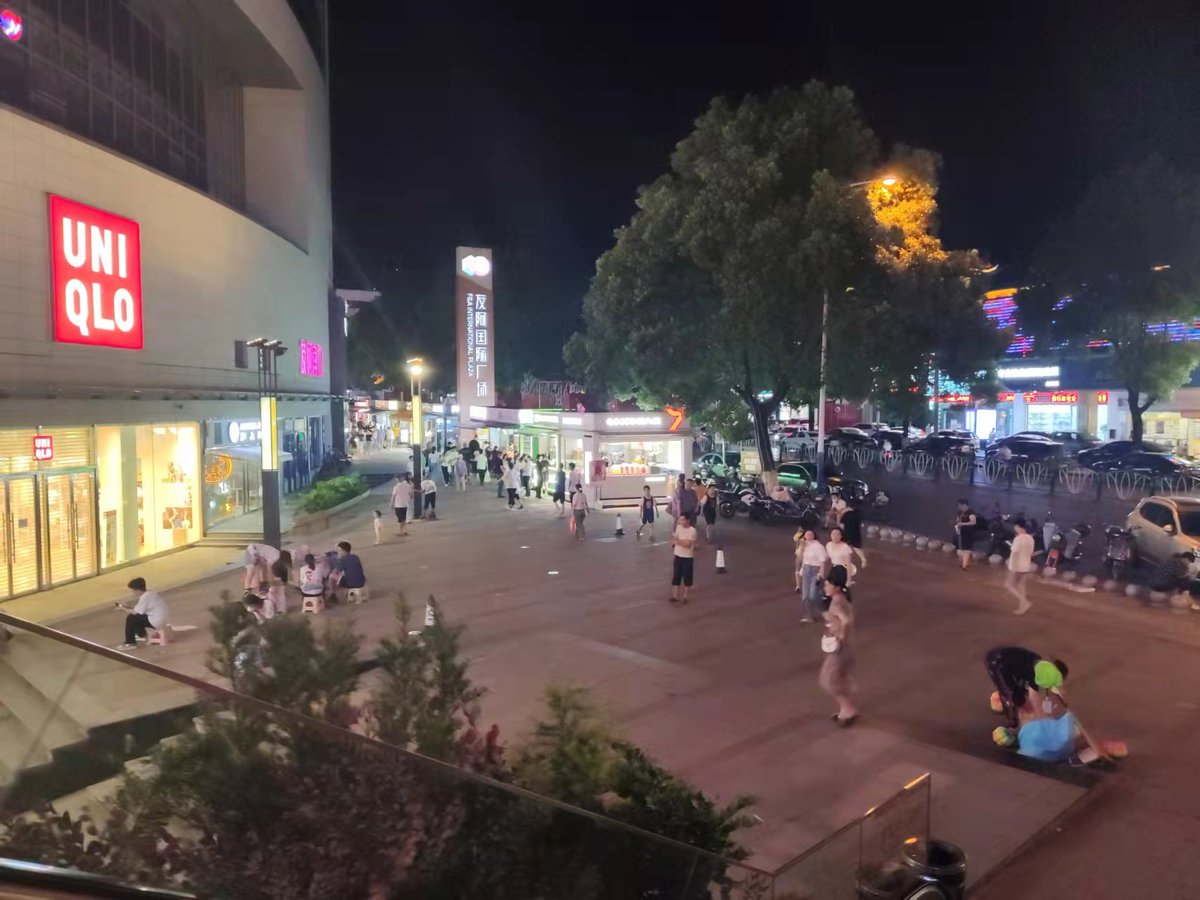
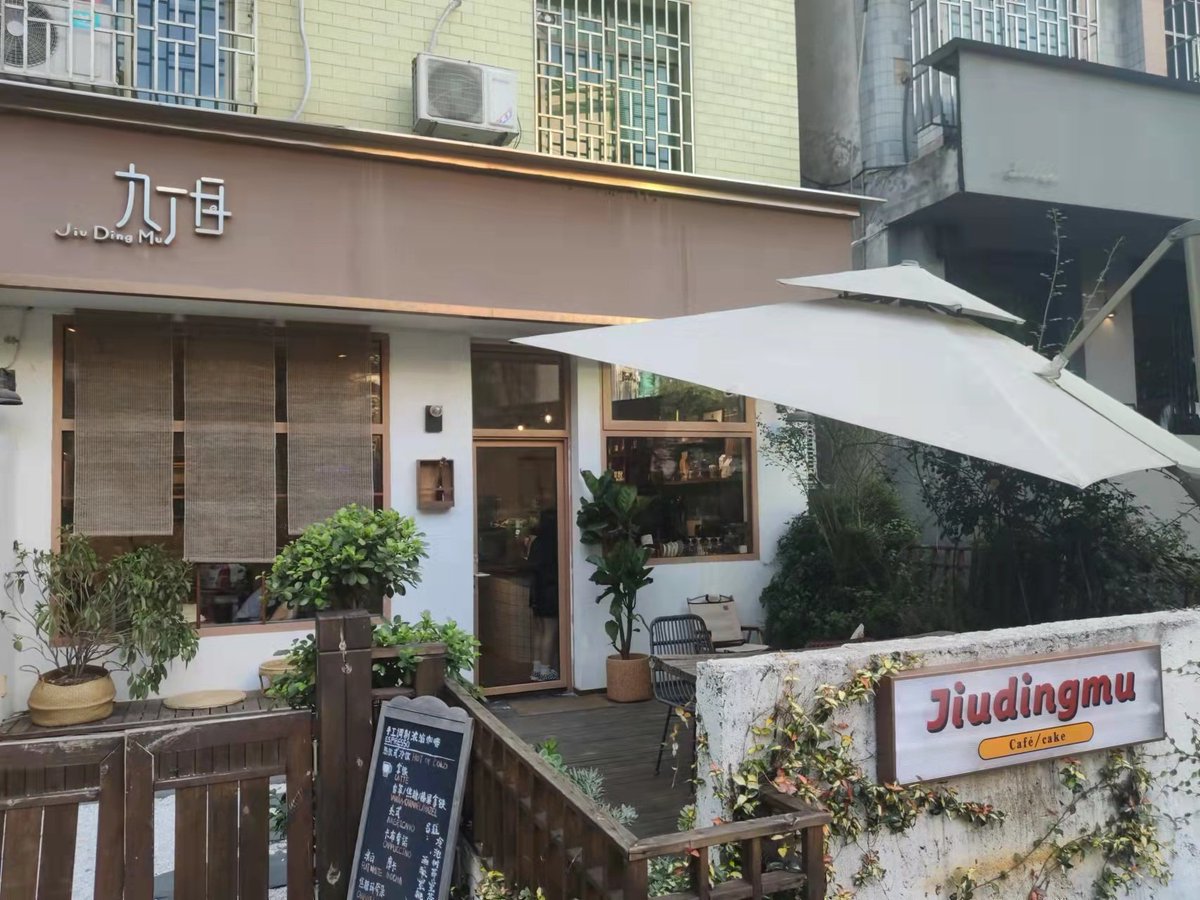
But even here, there are new shopping malls, clean roads, nice tea shops, universities, well-manicured parks and plazas...
But even here, there are new shopping malls, clean roads, nice tea shops, universities, well-manicured parks and plazas...
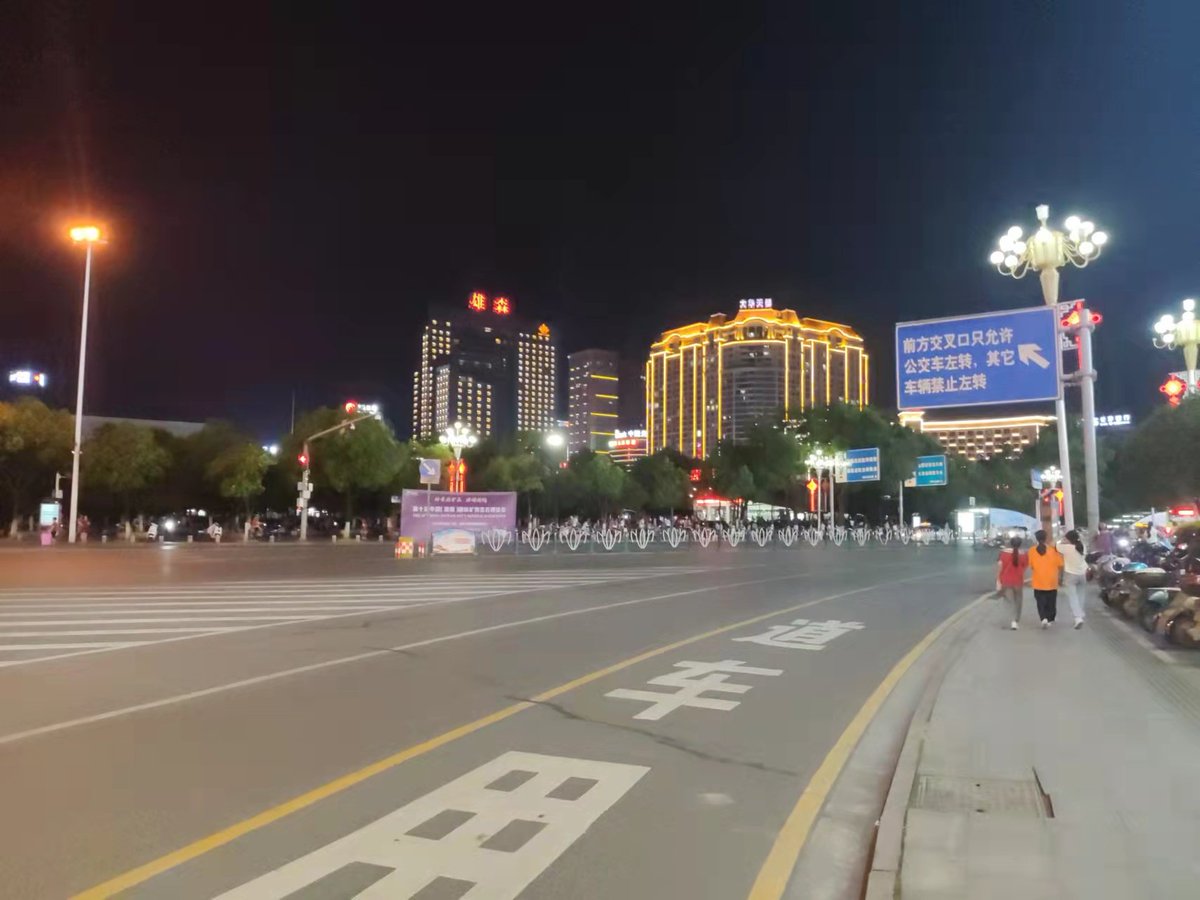
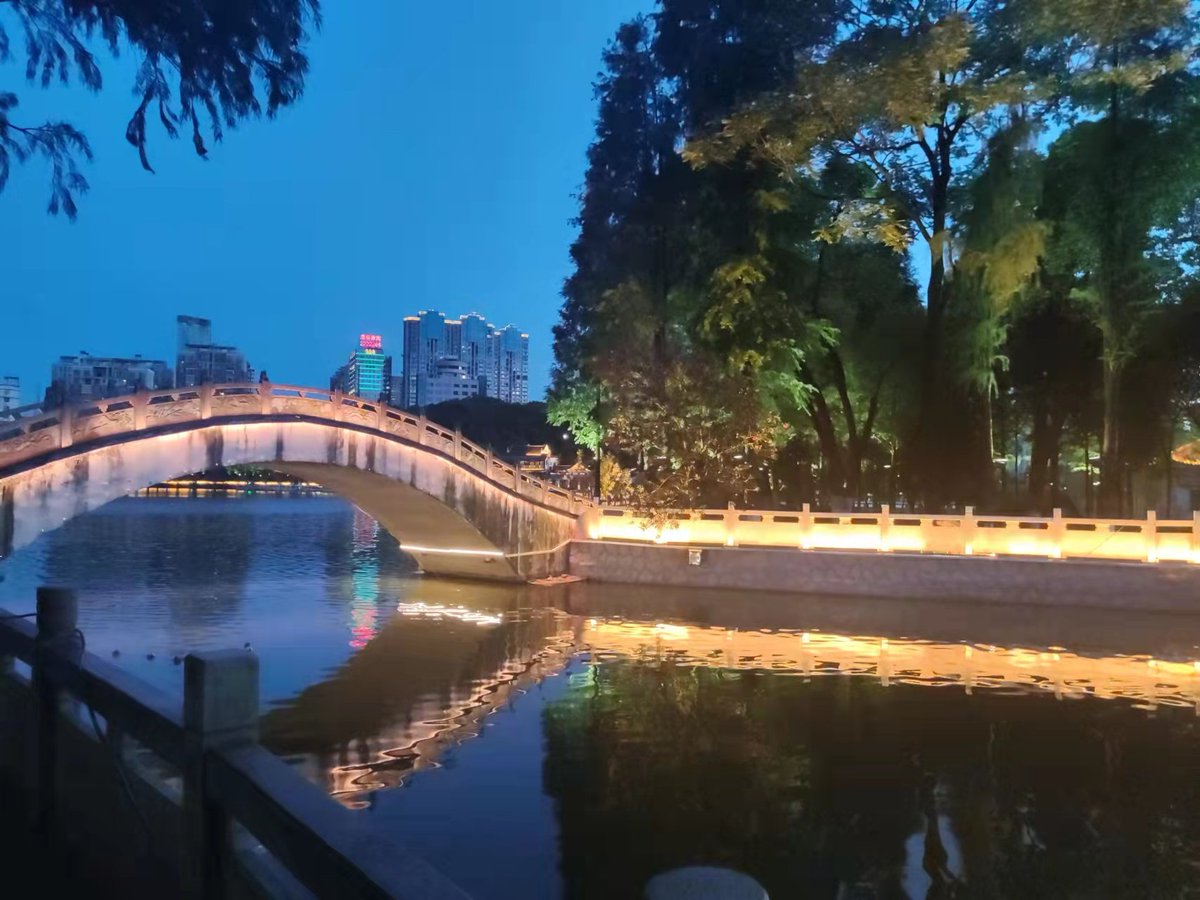
Just as Chn people habitually do when traveling, I ask everyone about house prices.
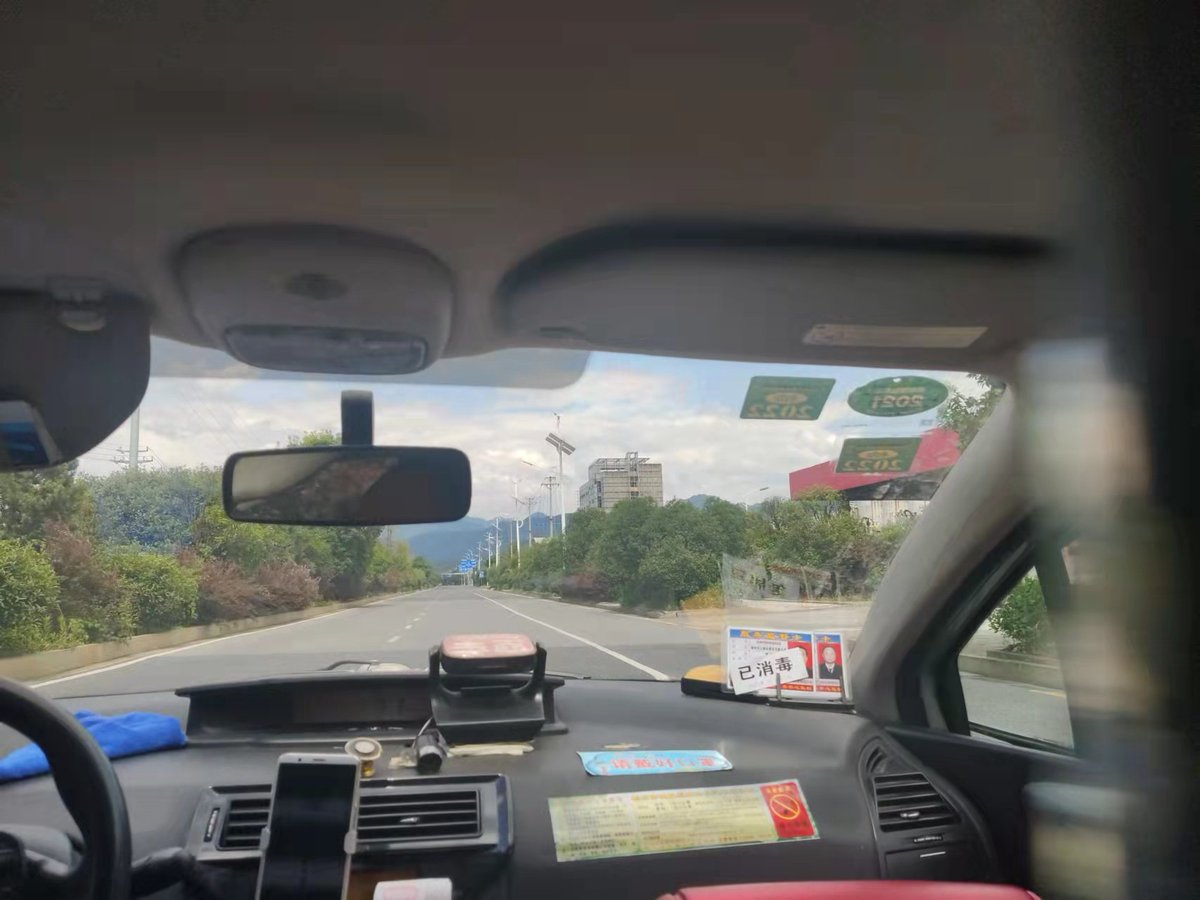
"Our wages...they aren't high. House prices...they aren't high either. But still expensive, because low wages." says my cab driver. "Chenzhou is poor you know. We aren't wealthy like Changsha."
"Our wages...they aren't high. House prices...they aren't high either. But still expensive, because low wages." says my cab driver. "Chenzhou is poor you know. We aren't wealthy like Changsha."
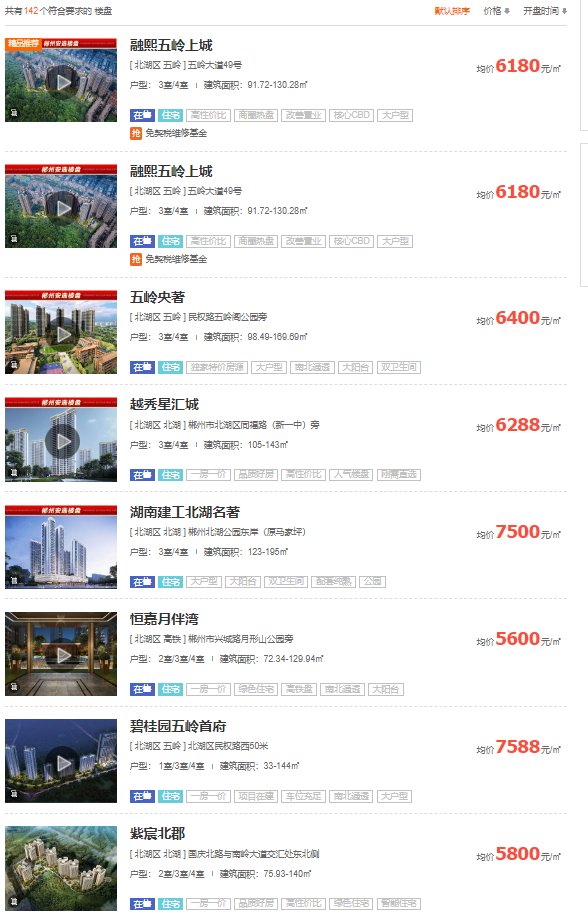
I check some real estate apps. Chenzhou real estate averages ~5-6k RMB/sqm. Nicer places cost 10k RMB/sqm. The fanciest, newest luxury apartment building in town is 21k RMB/sqm.
This is ONE FIFTH the price you'll pay for an old construction, secondhand apartment in Shanghai.
This is ONE FIFTH the price you'll pay for an old construction, secondhand apartment in Shanghai.
"This machine is broken. The machine on the first floor is broken too. We have to go to the second floor. The hospital is too poor." the nurse at the Chenzhou First People's Hospital tells me, as I try to scan my barcode to pick up the results of my 16 RMB PCR test.
"It's good you speak Chinese" she adds. "No one here speaks English. Last year we had a foreigner here for a test, it was very difficult to communicate". (1/year eh?)
I figure there's <15 foreigners in the city. I wonder how they got here. Has this girl really been here 8yrs?
I figure there's <15 foreigners in the city. I wonder how they got here. Has this girl really been here 8yrs?

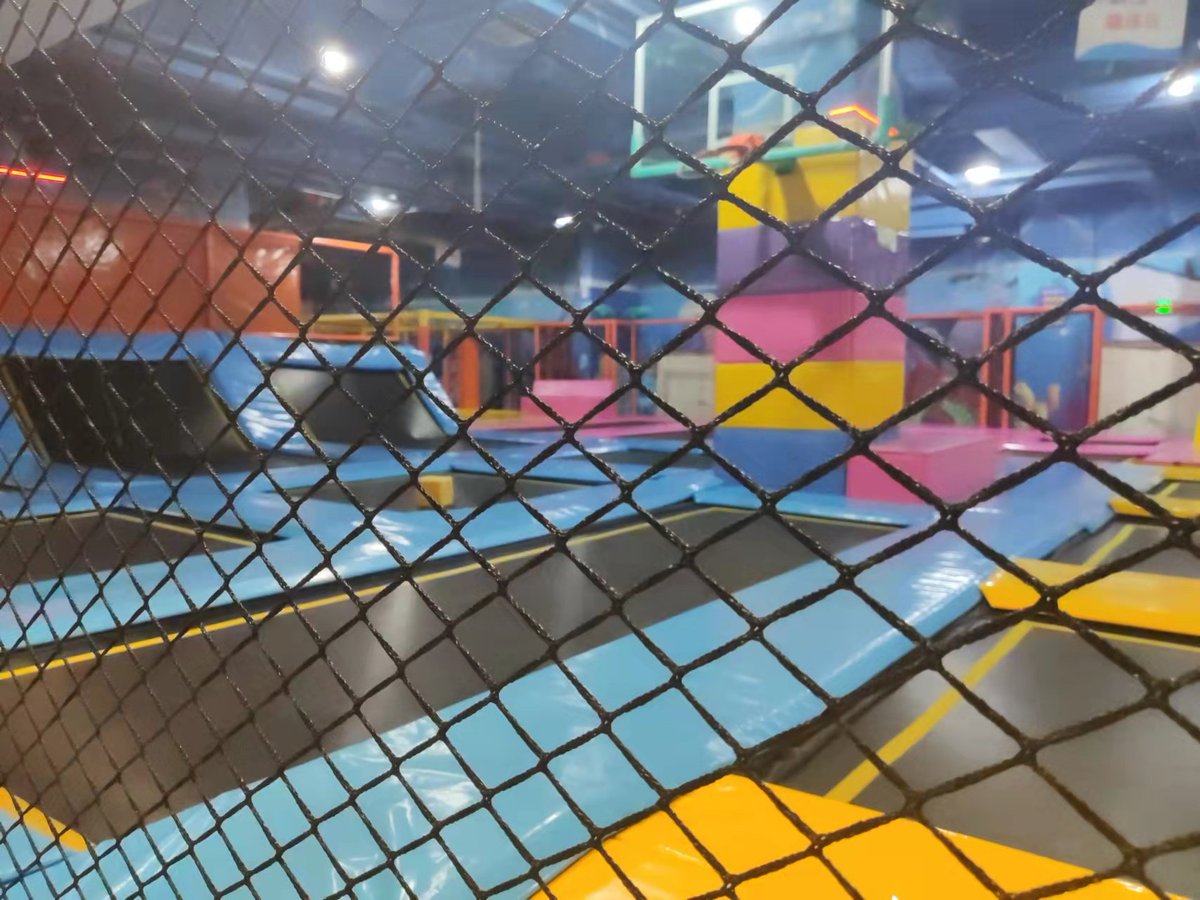
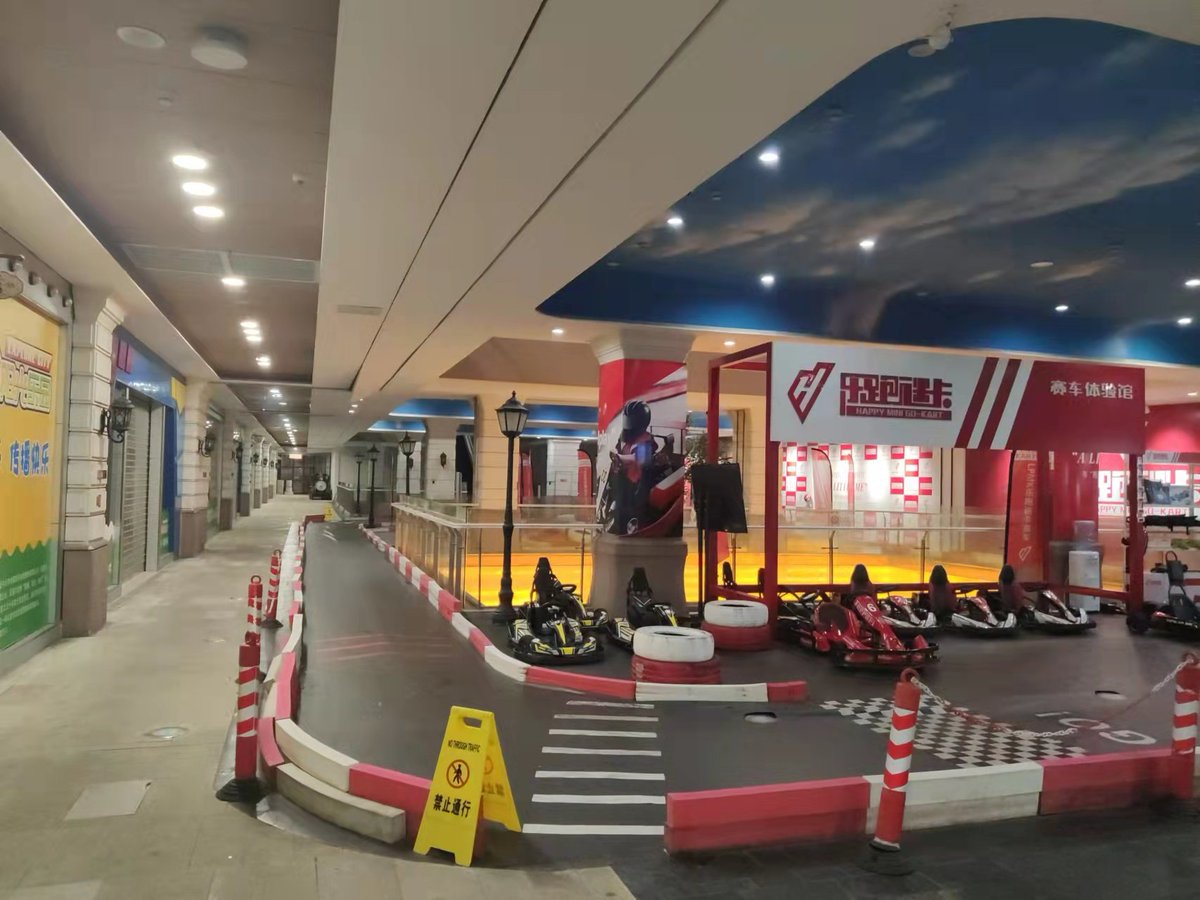
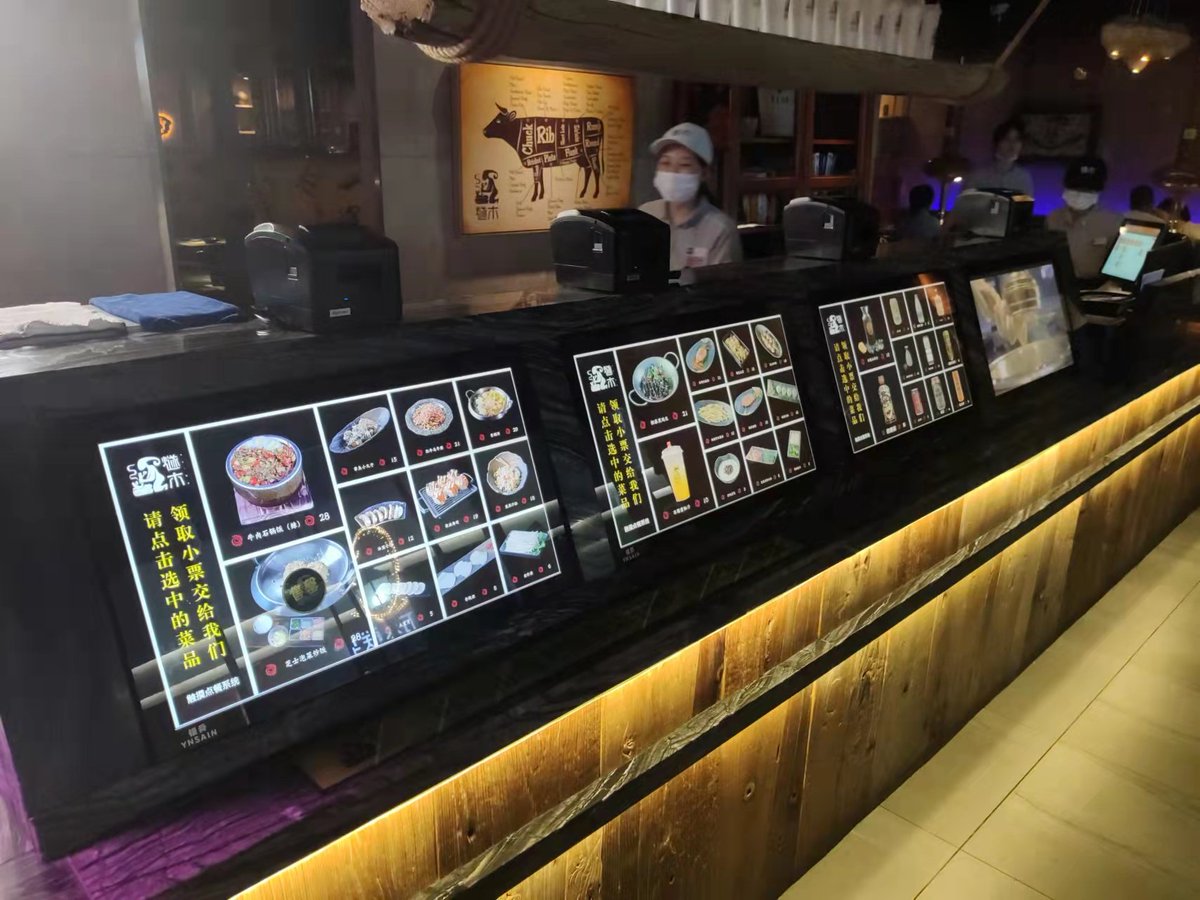
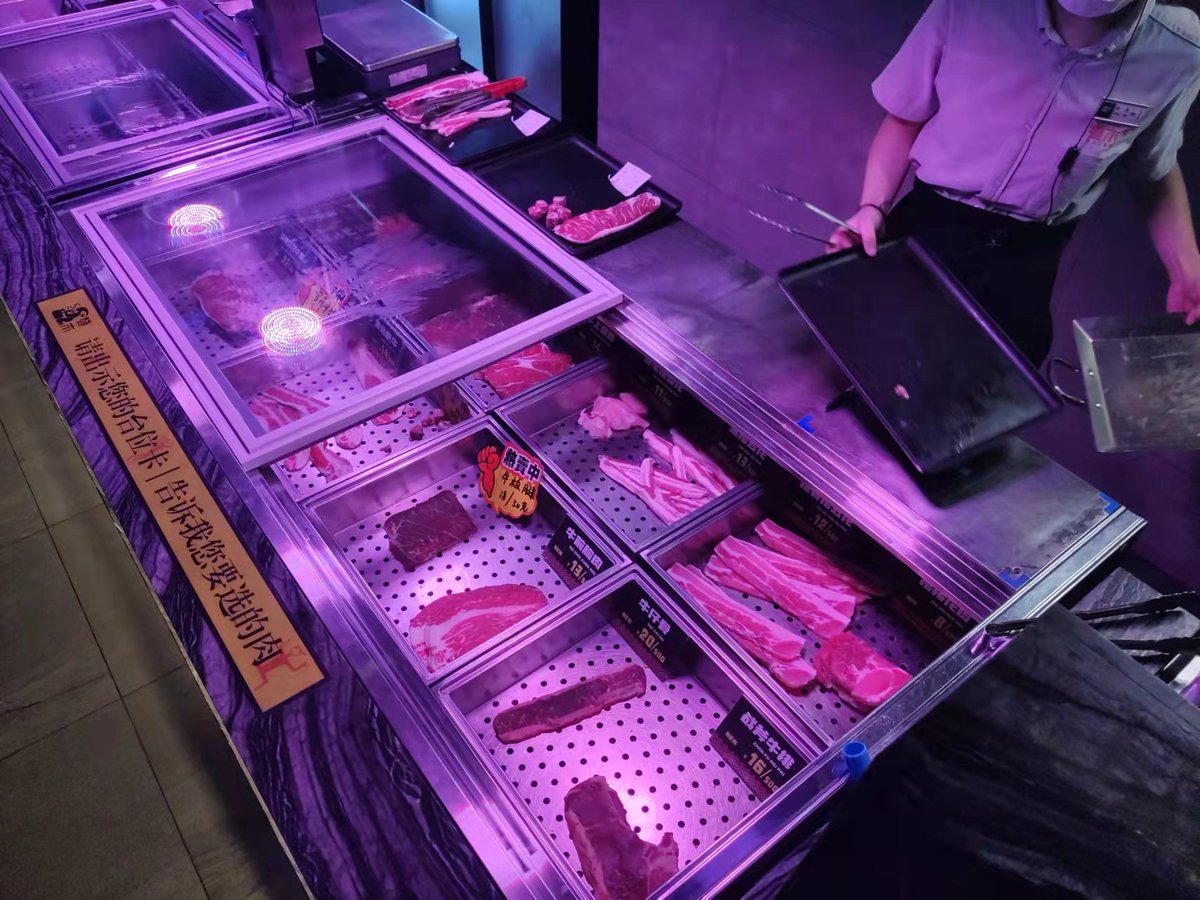
We go out for dinner. The Korean BBQ restaurant has touchscreen ordering. The mall has a trampoline park and a go-kart track and ball pit.
"It's so much more fun to be a kid now in China" is my wife's comment (she grew up in the 90s in a Hubei city even smaller than Chenzhou).
"It's so much more fun to be a kid now in China" is my wife's comment (she grew up in the 90s in a Hubei city even smaller than Chenzhou).
The fanciest mall in town has an H&M, a Uniqlo, and a bevy of domestic brands I've NEVER seen in malls in any large cities. There's a wall of street food outside.
No Starbucks, but there's Pacific Coffee. No LV or Gucci; If you can afford those, you have to go to Changsha.
No Starbucks, but there's Pacific Coffee. No LV or Gucci; If you can afford those, you have to go to Changsha.
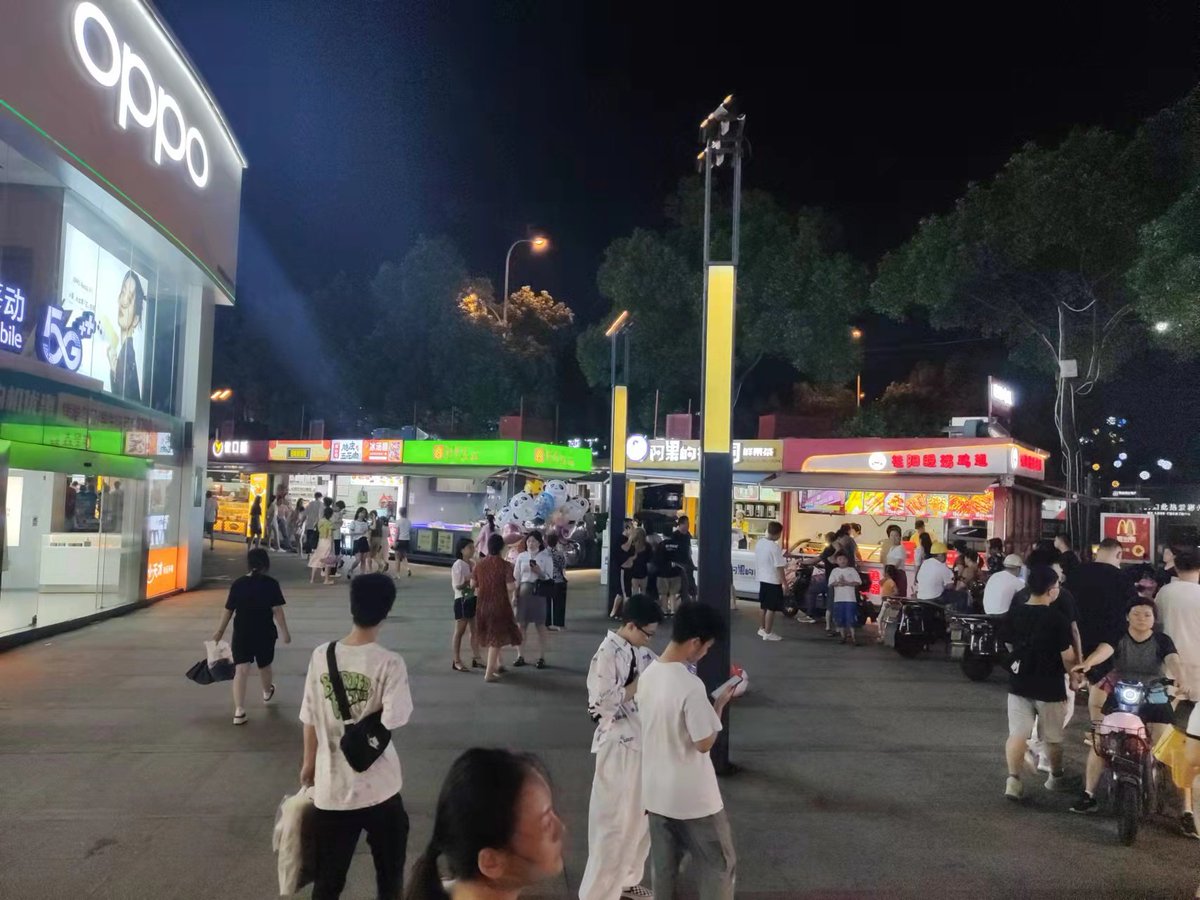
Out on the pedestrian street near the mall, the ancient tradition of giving no fucks about registered trademarks (that has mostly faded away from the bigger cities) is still practiced loudly and proudly. I guess small cities are now the sweet spot for these products.


Not even domestic brands are safe.
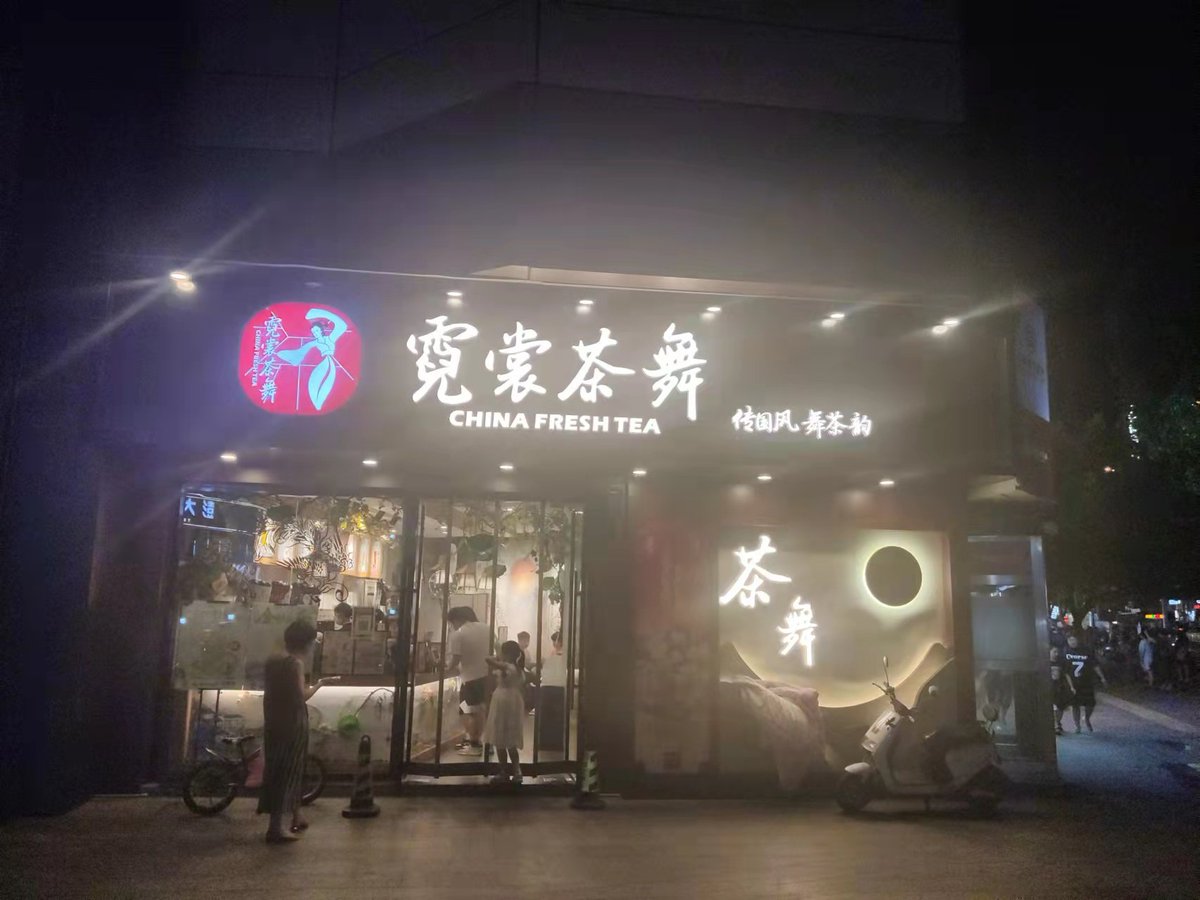
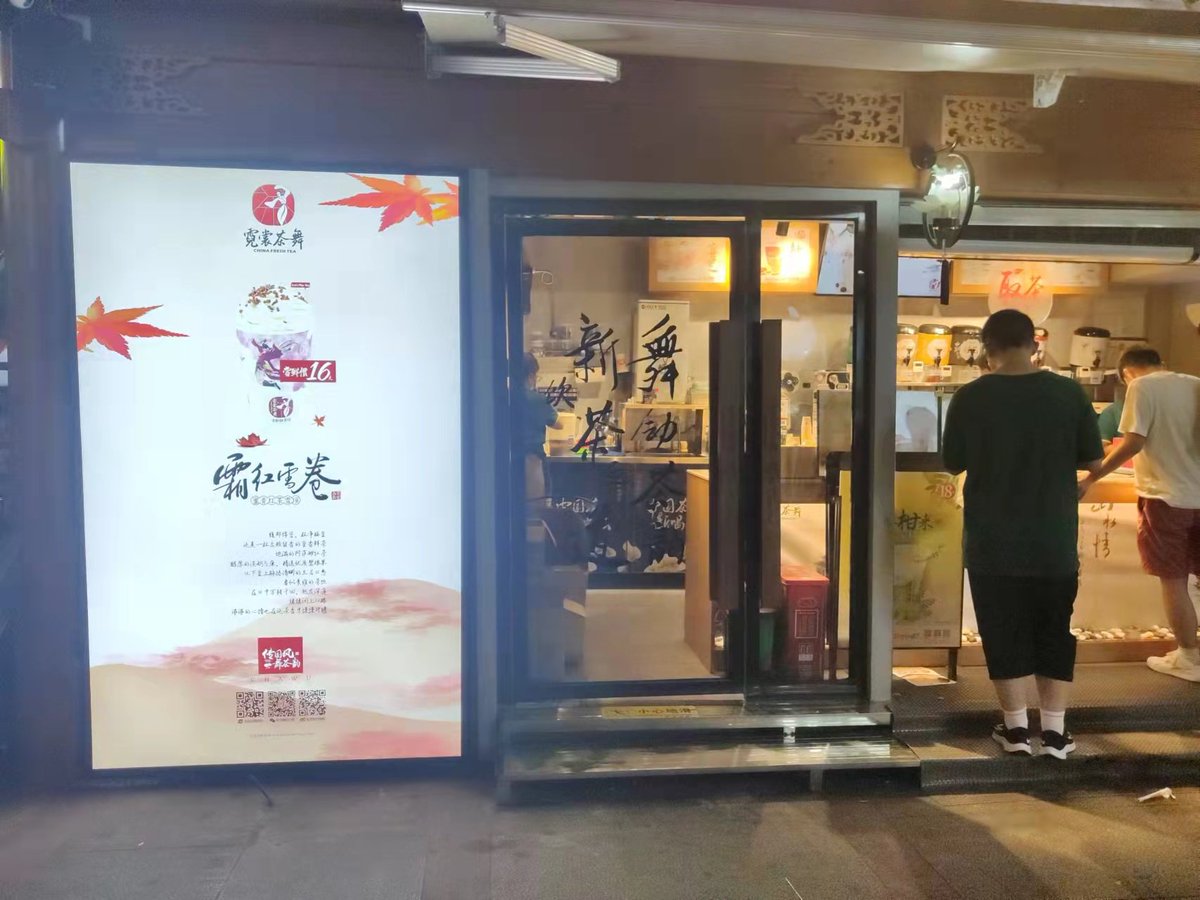
This local "ode" to a certain famous Changsha tea chain has 26 locations in Chenzhou, according to Dazhong Dianping.
One online review: " 霓裳茶舞 looks similar to SexyTea...isn't it TOO similar?"
This local "ode" to a certain famous Changsha tea chain has 26 locations in Chenzhou, according to Dazhong Dianping.
One online review: " 霓裳茶舞 looks similar to SexyTea...isn't it TOO similar?"
The streets of Chenzhou are an overwhelming cacophony of car horns, recordable mics screaming shop discounts, and wizened chain-smoking uncles dragging up a half-century of tar from their lungs every 5 seconds.
It smells of stinky tofu and motorcycle exhaust and 95% humidity.
It smells of stinky tofu and motorcycle exhaust and 95% humidity.
But everyone is intensely friendly. Everywhere I go, a chorus of "Hello! How are You!" & "外国人!” follows. People stare openly until you stare back (except kids; they keep staring).
To my surprise, I hear mostly Mandarin, even from adults. Only old folks are speaking Hunanese.
To my surprise, I hear mostly Mandarin, even from adults. Only old folks are speaking Hunanese.
Now allow me to offer a subjective statement here: of all the regions I've traveled to in China, Hunanese efforts to speak Mandarin (i.e. 湖普) yield some of the most labored, garbled results I've EVER heard.
Ethnic minorities in remote villages in Guangxi speak clearer Mandarin.
Ethnic minorities in remote villages in Guangxi speak clearer Mandarin.
Chenzhou itself is only known for a few things:
1. Having a funny name. 郴 chēn is a very rare character that only appears in this city's name. It means "a town in a forest" (林中之邑).
2. A few natural scenic areas that are "Hunan famous" but not quite "China famous".
1. Having a funny name. 郴 chēn is a very rare character that only appears in this city's name. It means "a town in a forest" (林中之邑).
2. A few natural scenic areas that are "Hunan famous" but not quite "China famous".
Example: About 30km north of downtown is the new tourist town of Zixing - population 320,000.
In 2015, the provincial government got the local Dongjiang Lake upgraded to a 5A tourist attraction. Now Zixing is on its way to becoming a Real Destination. That's why we're here.
In 2015, the provincial government got the local Dongjiang Lake upgraded to a 5A tourist attraction. Now Zixing is on its way to becoming a Real Destination. That's why we're here.
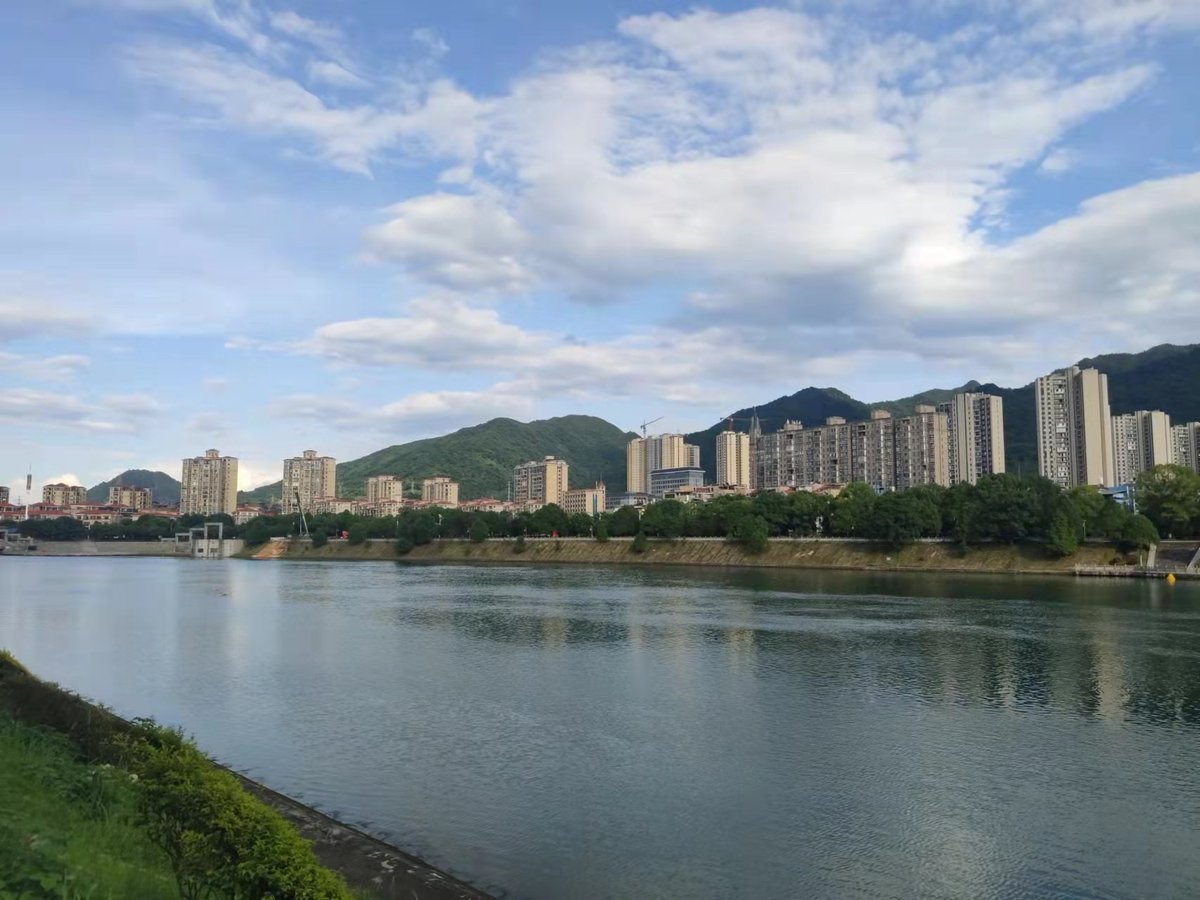
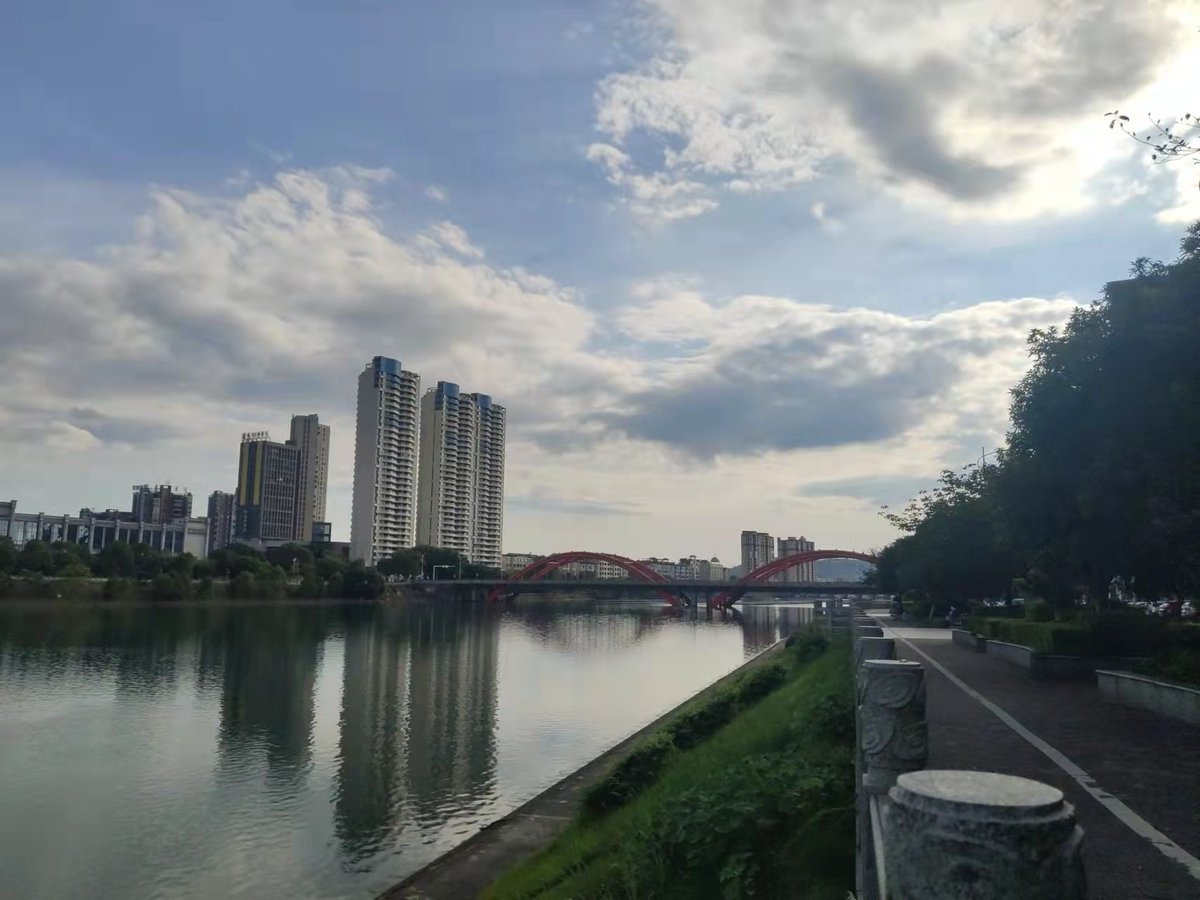
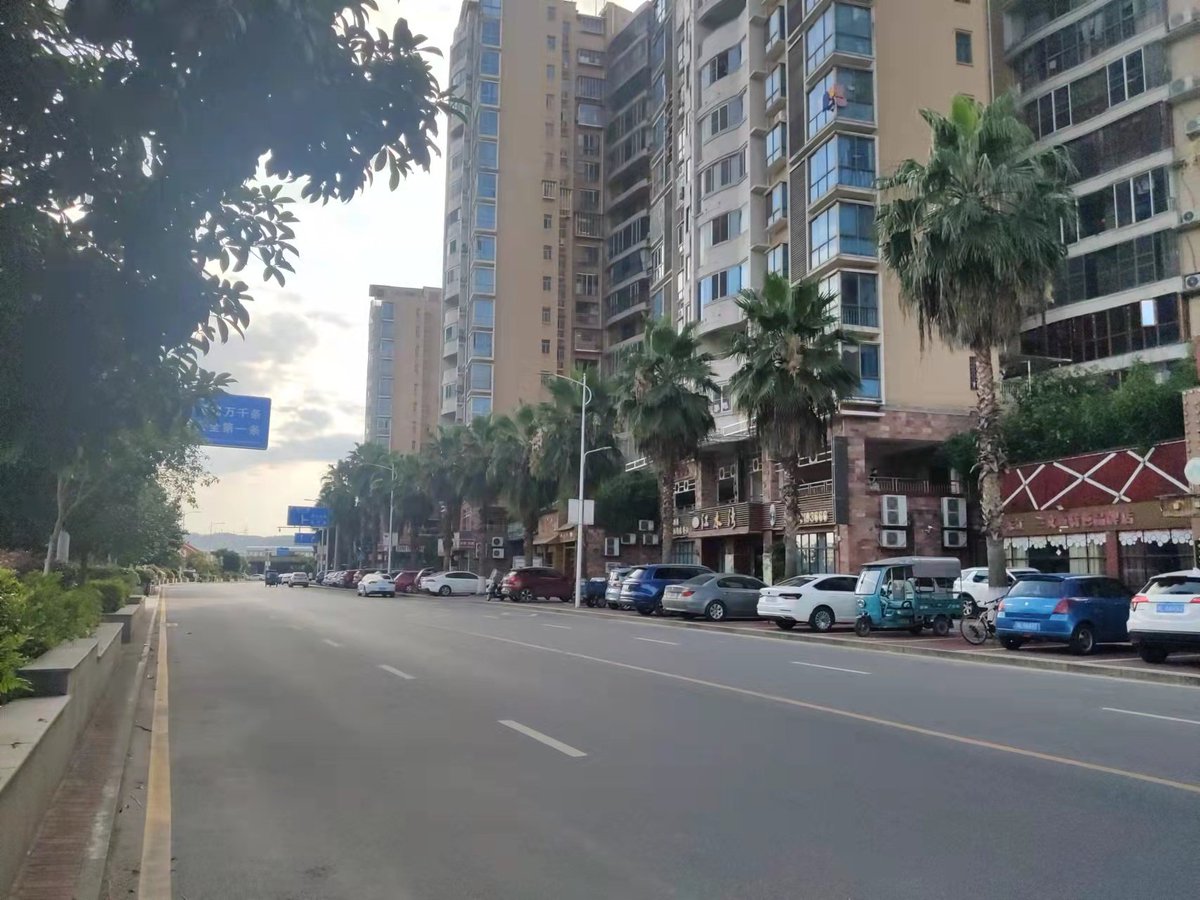
The receptionist at our guesthouse is a local. She says all the new guesthouses and restaurants on the river are owned by Changsha bosses, including this one.
She thinks the tourism has been good for the river - it's better maintained and prettier now. But lots of construction.
She thinks the tourism has been good for the river - it's better maintained and prettier now. But lots of construction.
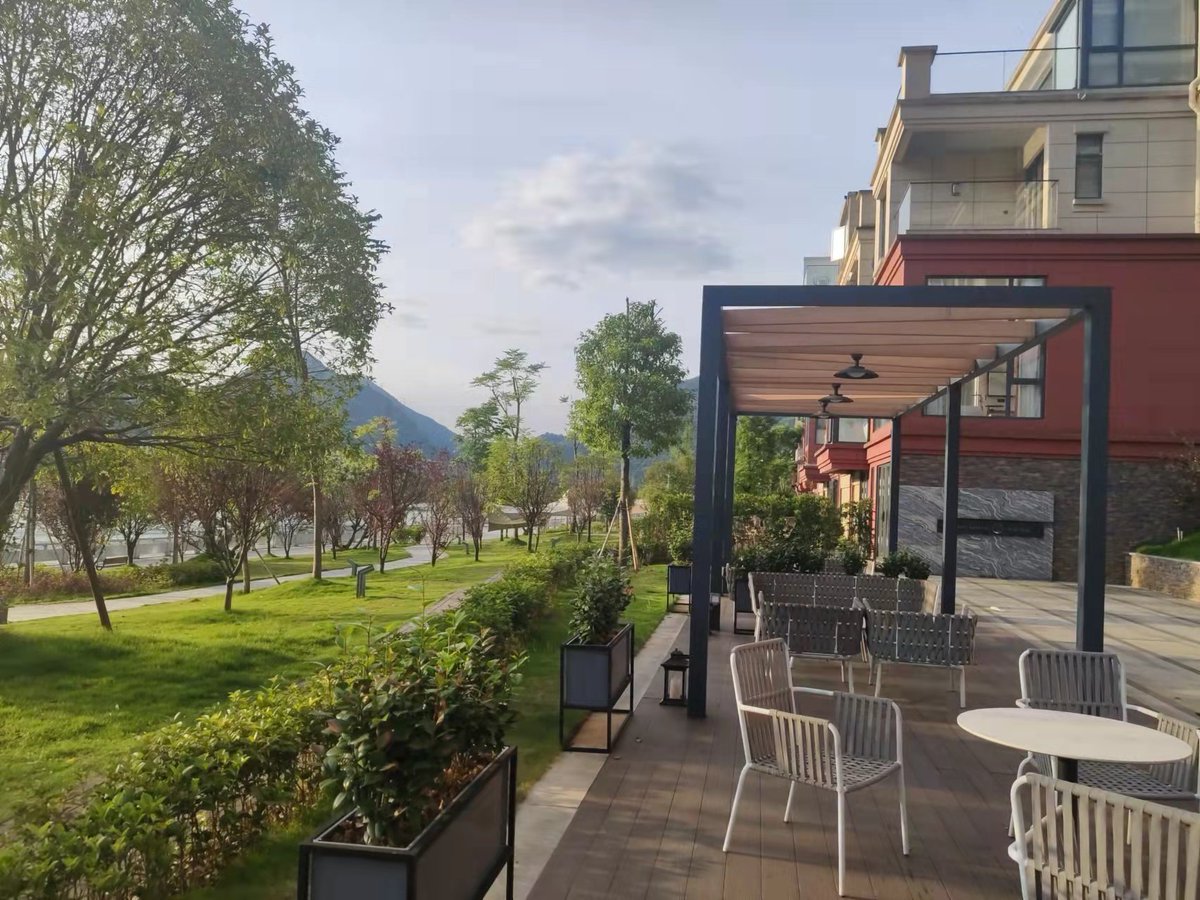
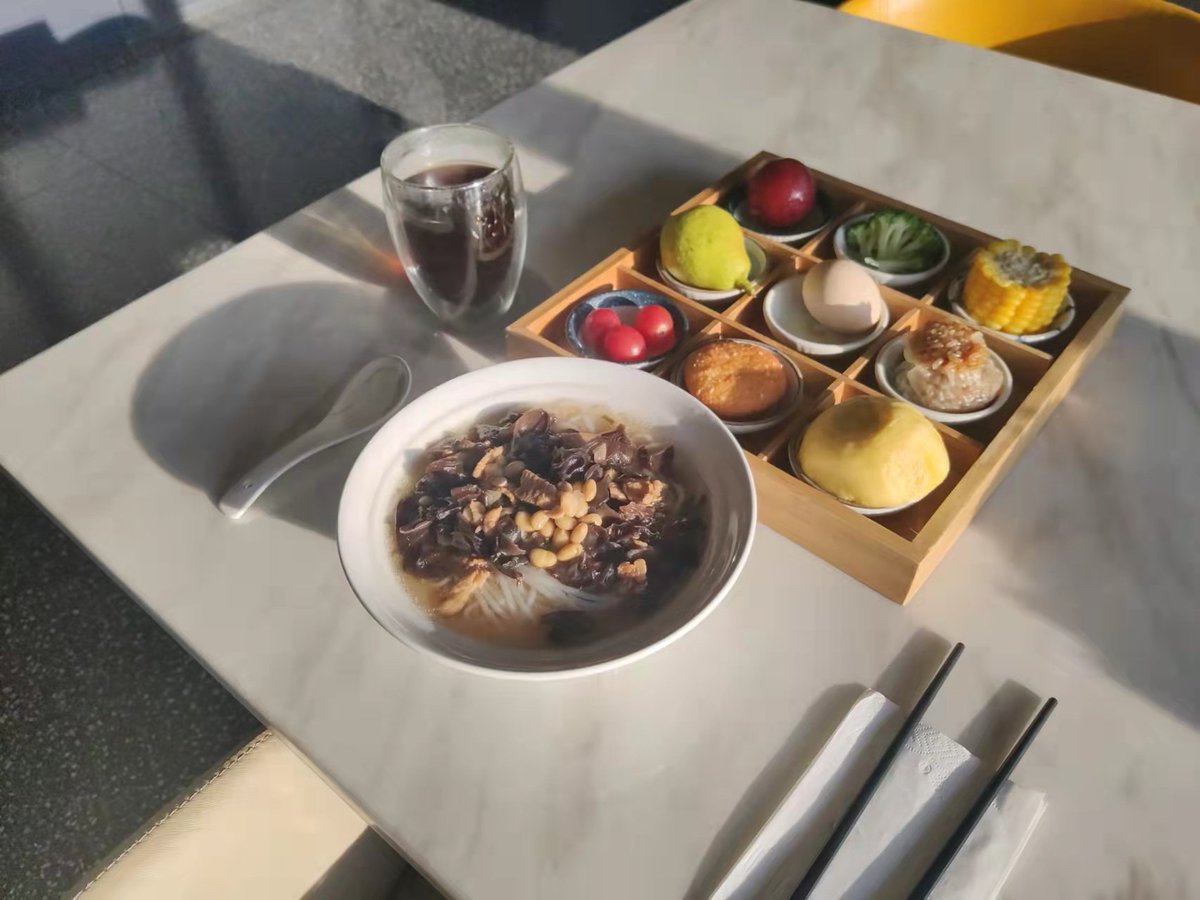
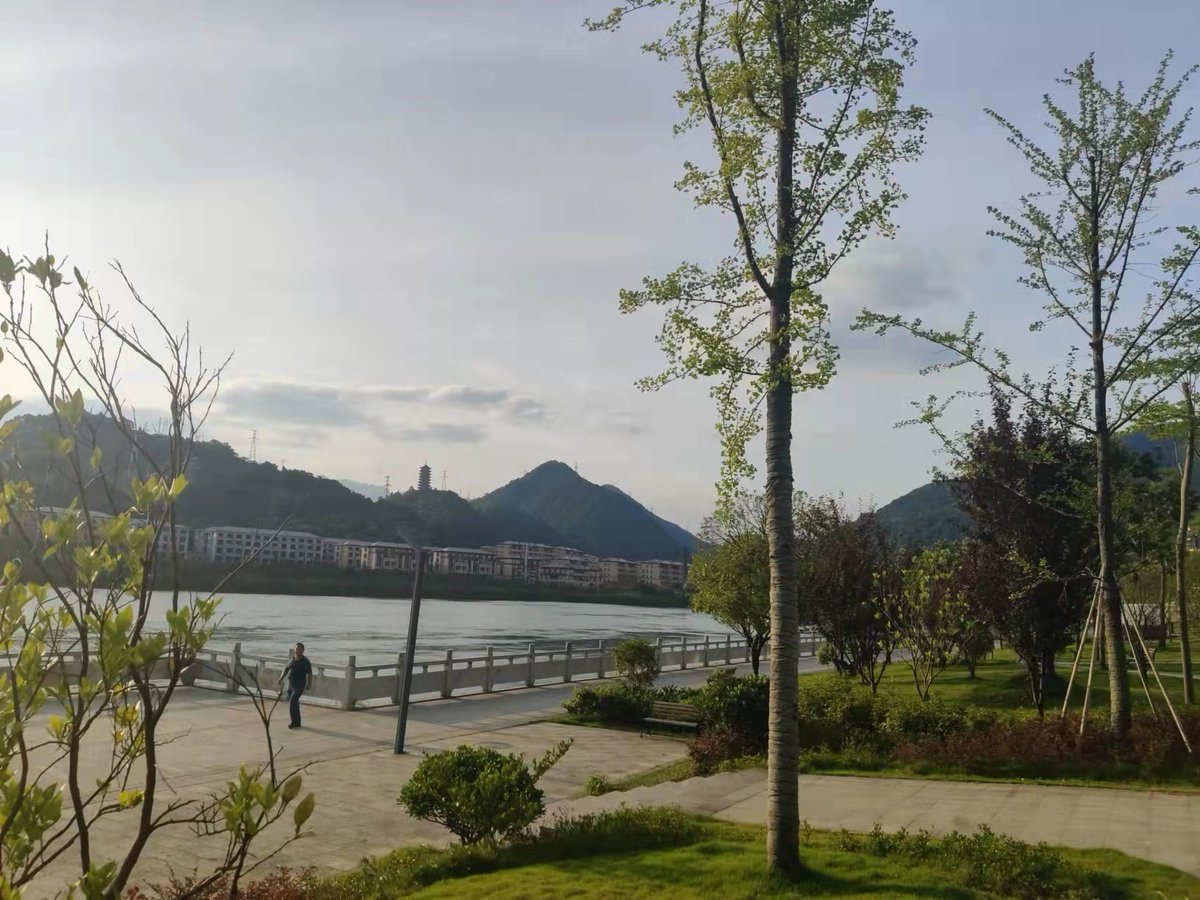
But the new restaurants opened by Changsha bosses are too expensive. They charge the same prices for locals as they do to tourists, which isn't very nice.
She makes just 2k RMB/month (incl. housing) but it's better than going to work 12 hours a day at the electronics factory.
She makes just 2k RMB/month (incl. housing) but it's better than going to work 12 hours a day at the electronics factory.
At the factory she could get 3-4k, but it's harder work. Having a tourism industry is a nicer way to stay in her hometown. Otherwise you must leave, like most of her classmates. One went to Changsha and came back after a month. Missed home.
She's never been. Went to SZ once tho.
She's never been. Went to SZ once tho.
I am intensely thankful for the privilege of being able to travel & work at the same time, exploring the country, filling in bits of knowledge like a paint-by-numbers.
The countryside, the small cities, the big cities, all part of the patchwork of the modern Chinese existence.
The countryside, the small cities, the big cities, all part of the patchwork of the modern Chinese existence.
Too often, I think the conception of the modern Chinese citizen is reduced to a limited cast of stereotyped characters visible in first tier cities: The tech worker. The artist. The migrant worker.
There's a whole different cast of humanity in smaller cities.
There's a whole different cast of humanity in smaller cities.
Like my receptionist - the small town local who doesn't want to move to the big city, away from her family, but also doesn't want to work in a factory, and is delighted that tourism created a job that lets her sit in an AC lobby and watch videos on her phone lol.
Okay I took a break for a day. Now ready to keep going!
Today I had a really nice chat with one of the cleaners at the hotel, Mrs. Xu.
I was asking some questions of a different receptionist and she didn't know how to answer, but Mrs. Xu overheard! And was very happy to talk.
Today I had a really nice chat with one of the cleaners at the hotel, Mrs. Xu.
I was asking some questions of a different receptionist and she didn't know how to answer, but Mrs. Xu overheard! And was very happy to talk.
Basically I was asking the receptionist what conditions in Zixing were like before the 5A tourist rating in 2015 and she was like "Sorry I'm 18 years old...I was a child"
...and then Mrs. Xu the star was like "I WOULD LIKE TO SHARE NOW" and talked nonstop for almost an hour.
...and then Mrs. Xu the star was like "I WOULD LIKE TO SHARE NOW" and talked nonstop for almost an hour.
So Mrs. Xu was born in the “库区” i.e. "reservoir zone" and moved down from the mountain into Zixing city when she was 5 years old.
That's what the old locals call Dongjiang Lake, because before it was rebranded as a tourist lake, it was just a reservoir. I made a map:
That's what the old locals call Dongjiang Lake, because before it was rebranded as a tourist lake, it was just a reservoir. I made a map:
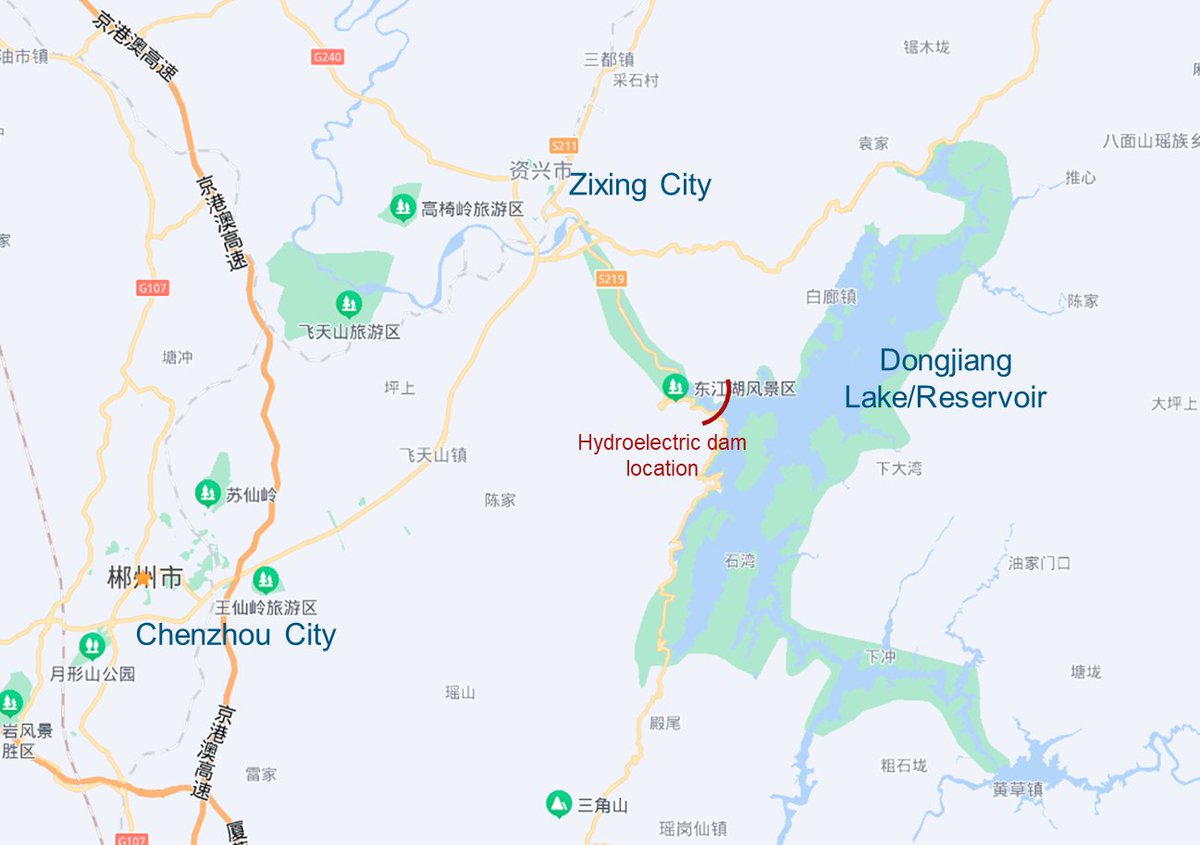
The dam was planned back in the 60s but halted and didn't end up completing until 1986, from a Russian architect's design.
1986-1989 were very hard years for the local villages. There was originally no lake here, so the damming of the river flooded their fields and they starved.
1986-1989 were very hard years for the local villages. There was originally no lake here, so the damming of the river flooded their fields and they starved.
That's when Mrs. Xu came down to Zixing City - it was too hard to live in the "reservoir area" as the lake was still forming.
This aerial shot is from dongjianghu.com and faces south, with the dam/lake to the east, and the river slicing northwest down through the canyon.
This aerial shot is from dongjianghu.com and faces south, with the dam/lake to the east, and the river slicing northwest down through the canyon.
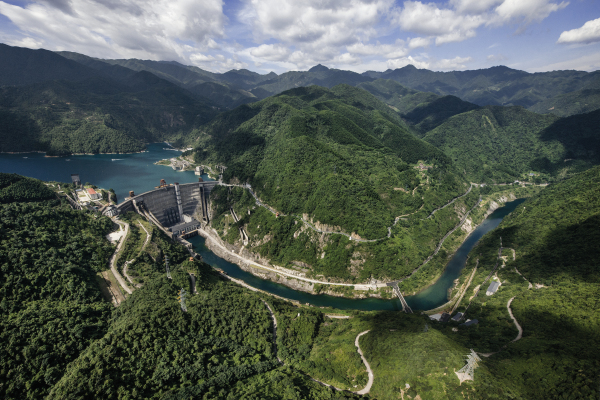
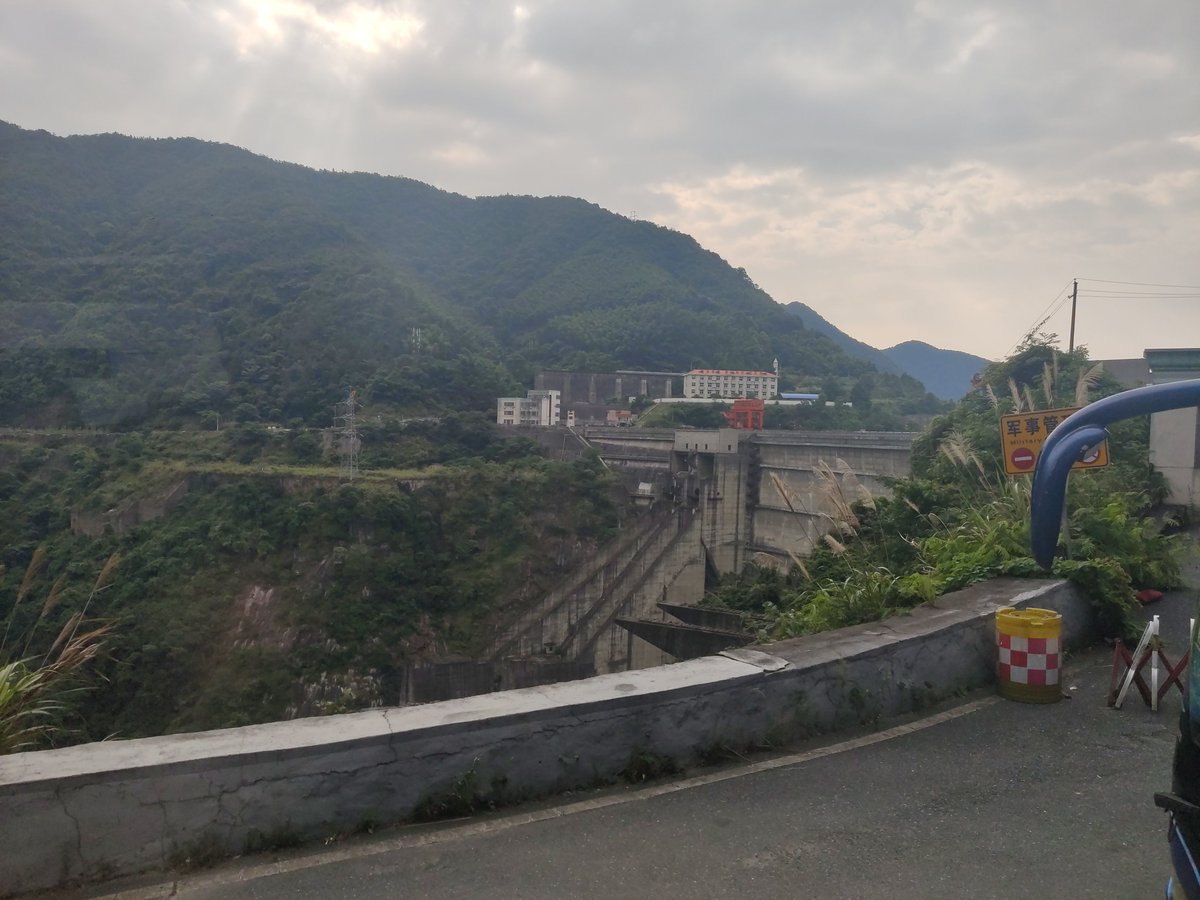
On the tourist bus coming in (the road is visible on the canyon wall), the guide introduced the dam,including Dongjiang Lake's role as a clean water reservoir and the dam's role as a peaking power station for the Central Grid.
I took shots from the bus and the boat later.
I took shots from the bus and the boat later.
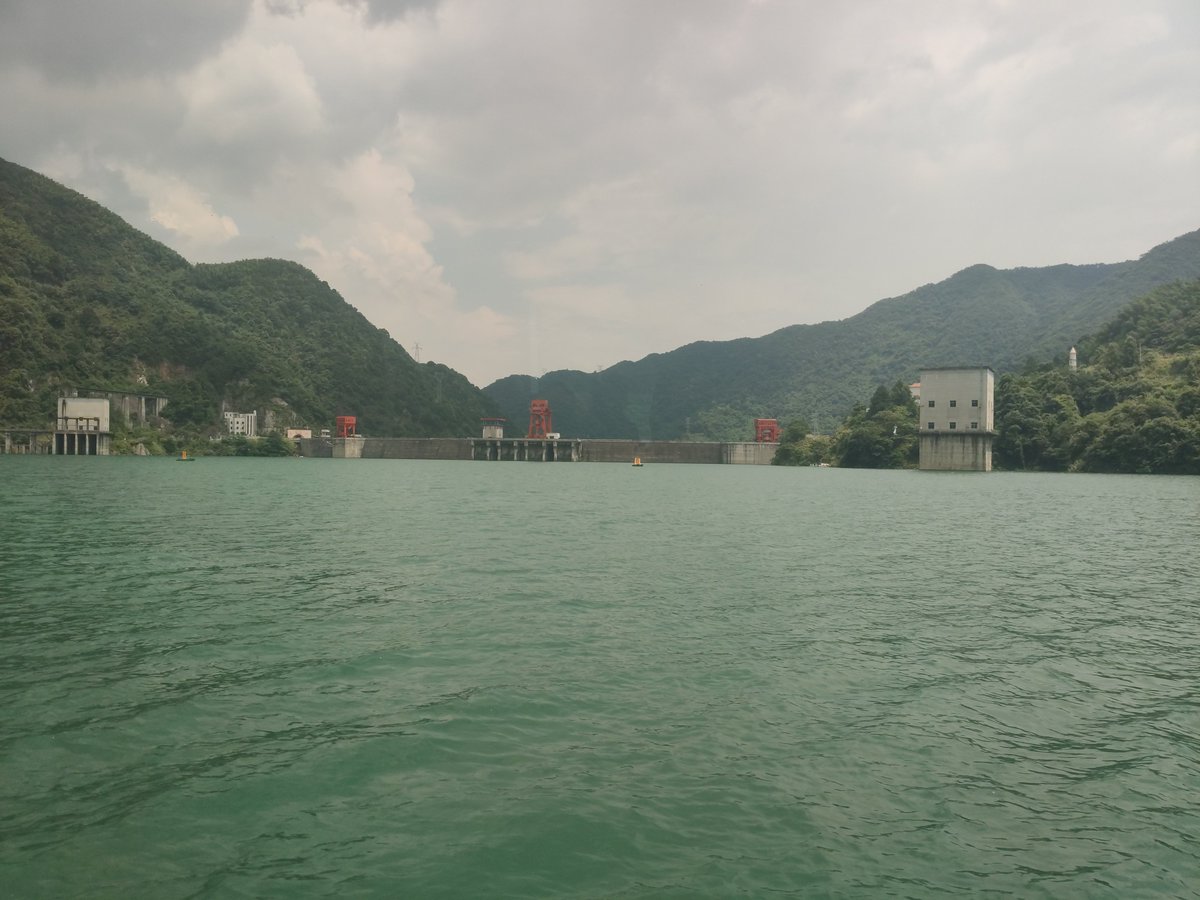
Mrs. Xu said that the gov't tried to help the flooded village economies by introducing new industries. First they tried silkworm cultivation, but those didn't take very well.
Then researchers from a state-owned fruit company came and said the climate was good for fruit.
Then researchers from a state-owned fruit company came and said the climate was good for fruit.
Fishing in the new reservoir and fruit cultivation became the new industries.
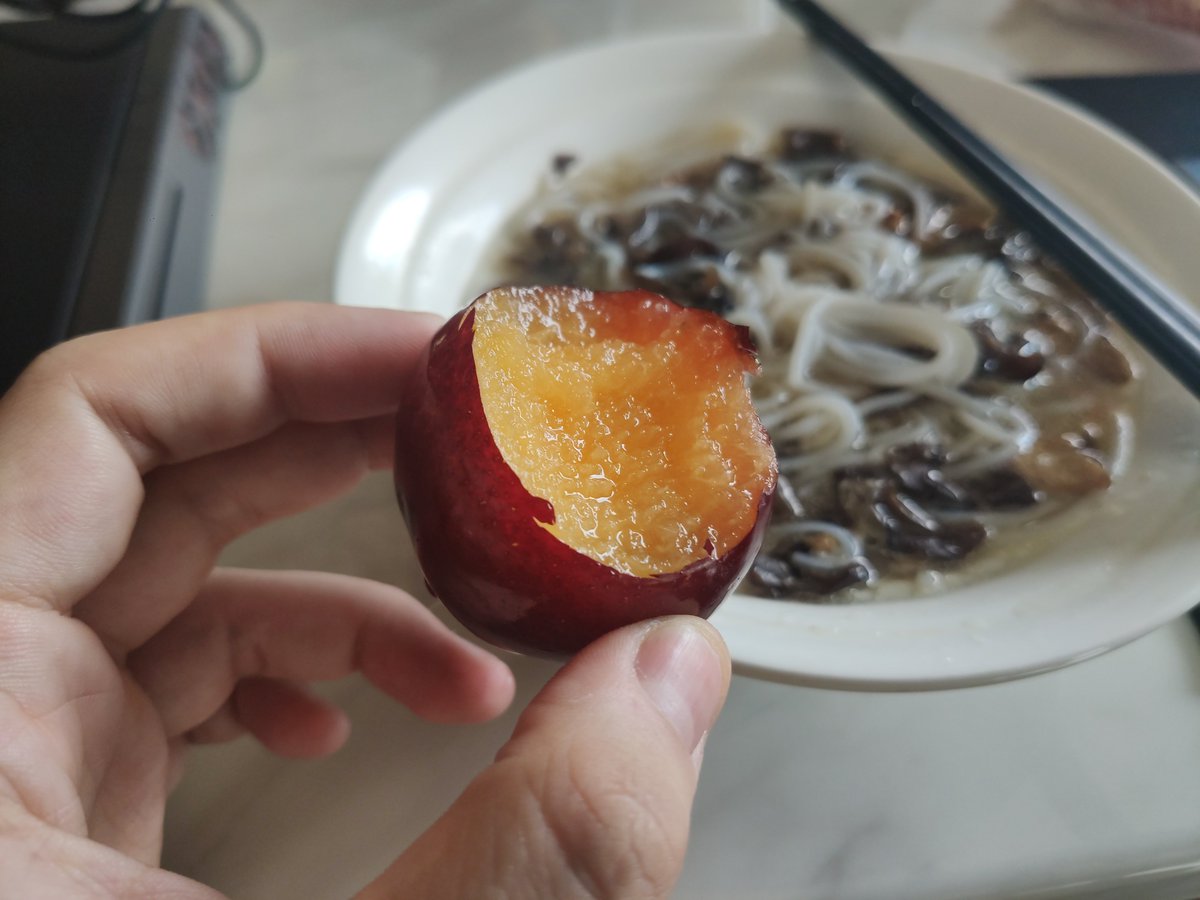
At first the fruit sold poorly because it had no brand, then the gov't arranged large fruit companies to buy the fruit produced and sell it in the coastal provinces. I had a local plum at breakfast:
At first the fruit sold poorly because it had no brand, then the gov't arranged large fruit companies to buy the fruit produced and sell it in the coastal provinces. I had a local plum at breakfast:
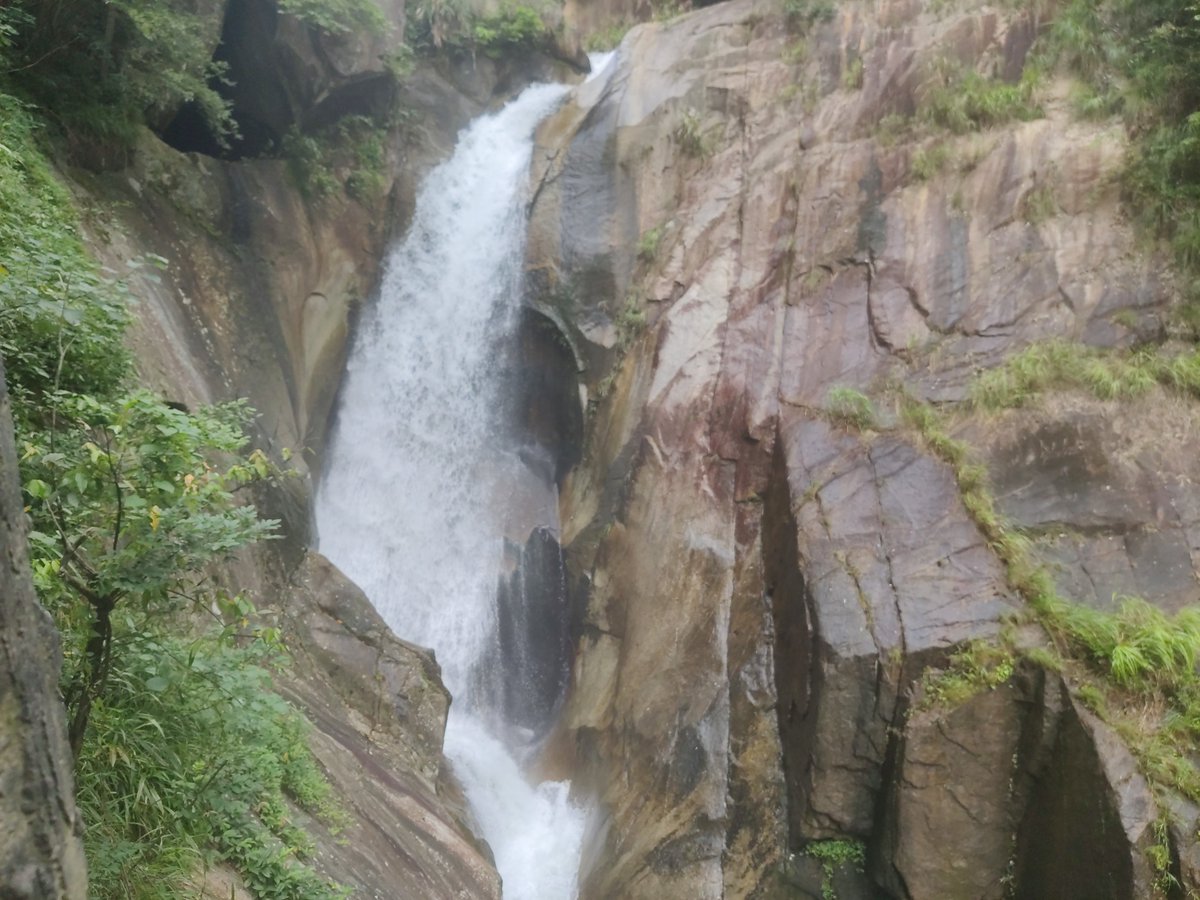
When you arrive inside the tourist zone, you have the option of taking an ~1hr hike through the Dragon Vista Canyon or a boat ride out to the island and back. The canyon path is a really nice little hike. Fairly steep, but that means less people. Dam visible in the last pic.
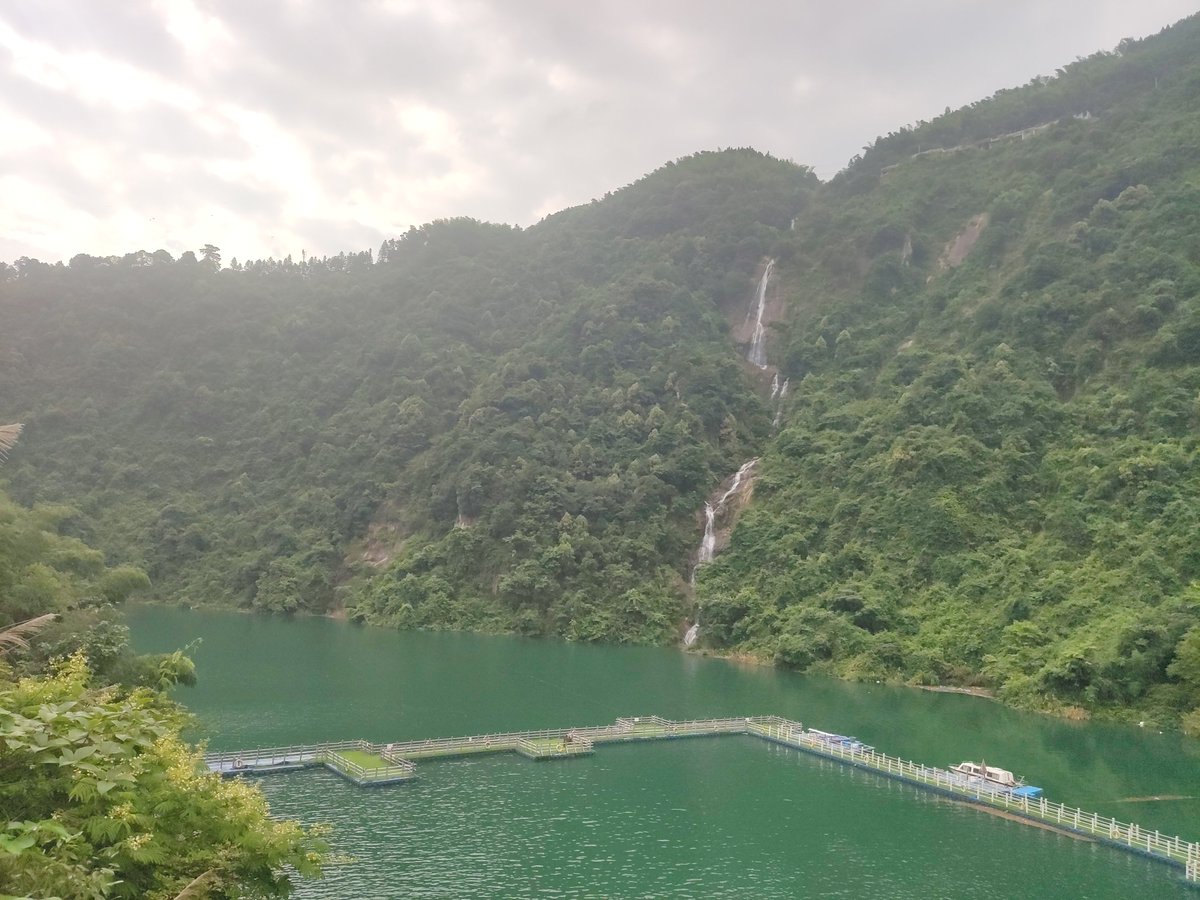
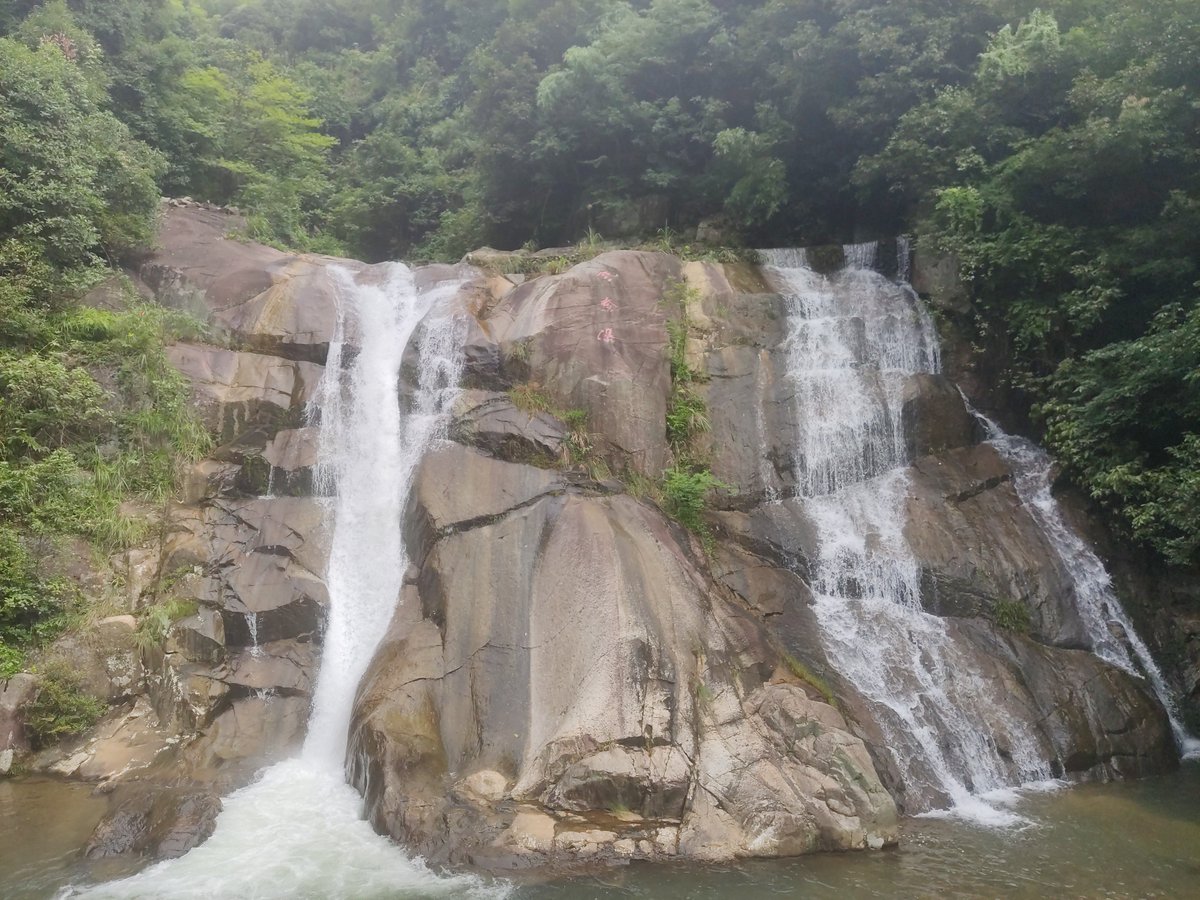
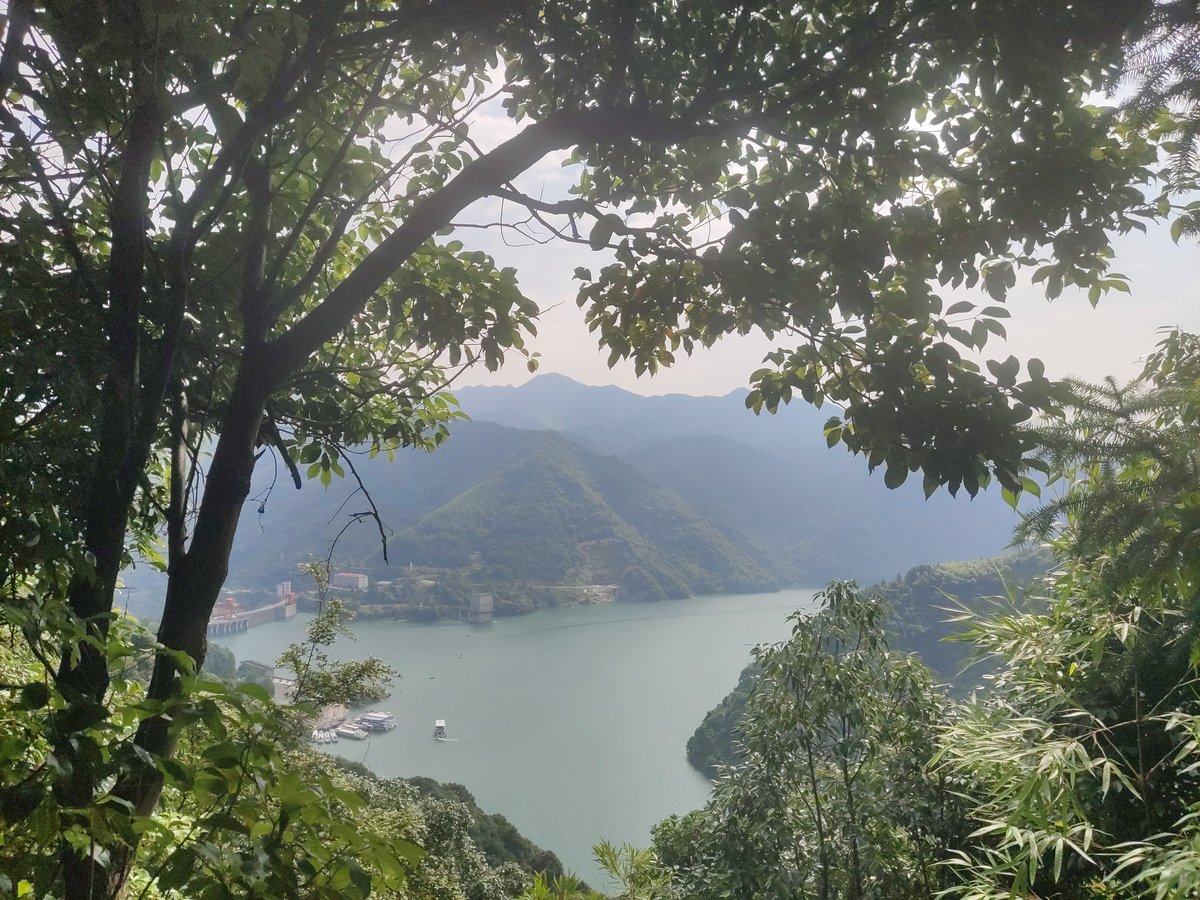
The boat ride on the other hand...
This is a good time to talk about one of the great negatives of travel in China: package tour groups. We had the the severe misfortune of sharing the ferry with a tour group of middle-aged women out on a tour group and my GOD they are loud.
This is a good time to talk about one of the great negatives of travel in China: package tour groups. We had the the severe misfortune of sharing the ferry with a tour group of middle-aged women out on a tour group and my GOD they are loud.
My head was ringing after 5 min. Douyin videos, ringtones, shouting into cell phones held at arm's length, all punctuated by barks from the guide's microphone.
It was claustrophobic and actually anxiety-inducing. It's worth planning your whole trip around avoiding tour groups.
It was claustrophobic and actually anxiety-inducing. It's worth planning your whole trip around avoiding tour groups.
Bad sound-related experiences are common in tourist zones. Hiking the canyon, enveloped in the musty smell of earth and water, & the buzz of frogs and cicadas, I round a bend and find a speaker concealed as a stump, blaring a bassy electronic song with a children's chorus. WHY?!?
Some of this can be attributed to cultural differences. There's a Chinese word 热闹 that means like...bustling, active, full of energy.
Certain places are supposed to be 热闹, like restaurants, plazas, shopping centers. That's why you see restaurants designed as one giant room.
Certain places are supposed to be 热闹, like restaurants, plazas, shopping centers. That's why you see restaurants designed as one giant room.
But I find this craving for 热闹 goes too far for my tastes. I don't want my nature trail to be 热闹. I don't need a misty riverfront to be 热闹.
And the 热闹 that a group of excited middle-aged aunties on vacation brings to the party is always too much.
And the 热闹 that a group of excited middle-aged aunties on vacation brings to the party is always too much.
The lake itself is...pretty nice. Halfway through the boat ride, you can go to the upper deck and take pictures. There are small villages on the banks with fruit orchards. There's a cave on the island but we want to escape the tour group so we skip it and take the next boat back.
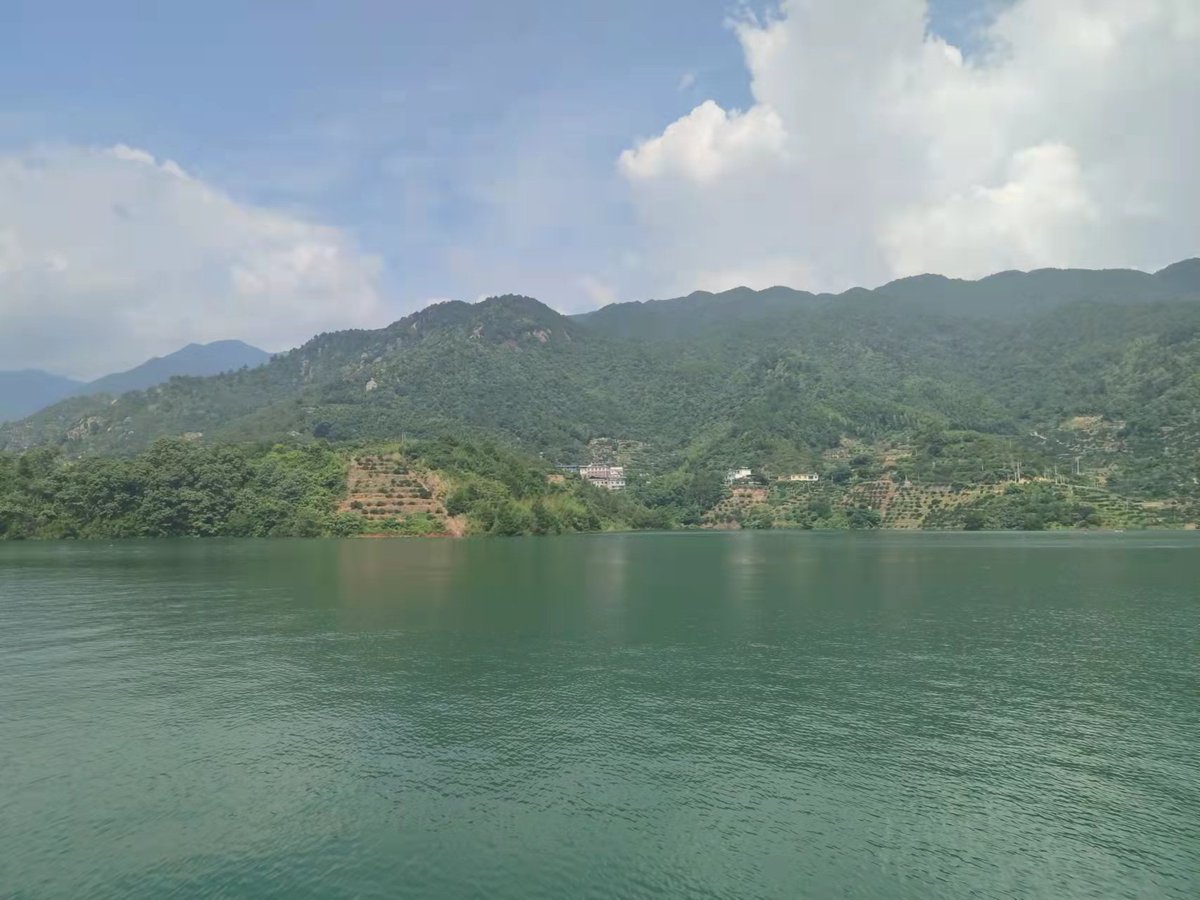
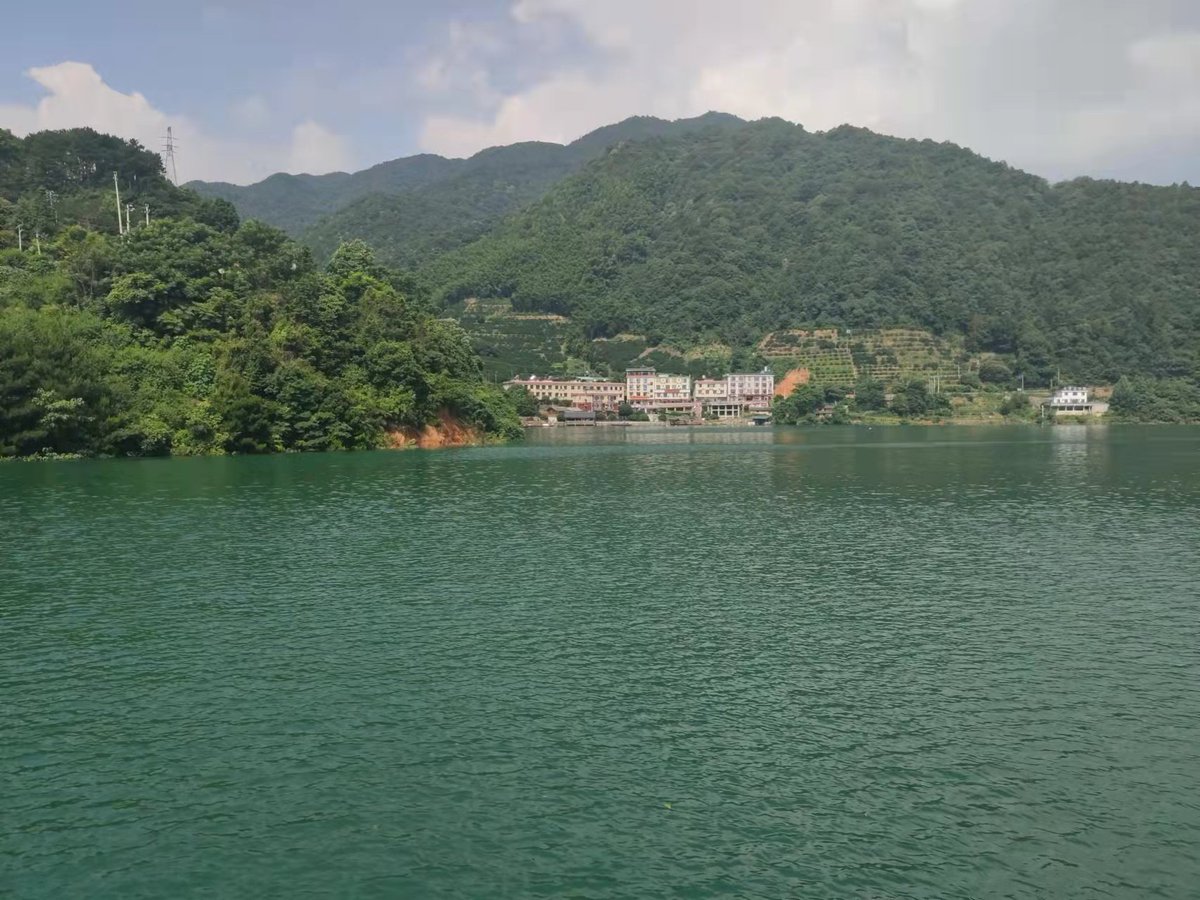
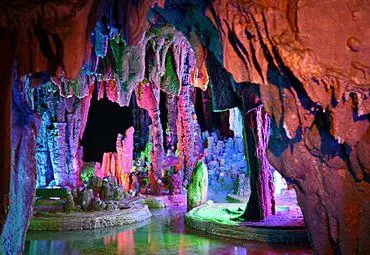
Mrs. Xu says the cave on the island is natural and she remembers visiting it as a kid. You used to have to take a flashlight in & it was scary. When the tourist area was built, they expanded the cave and installed lights. I've been to a lot of caves in CN. They all look the same:
On the way back, we catch a few glimpses of the mist on the river. Where the canyon narrows, it piles up like chunky clouds. Mrs. Xu says the area got famous a decade ago because a photographer from BJ stayed here for a year and took pictures of the fishermen in the mist.
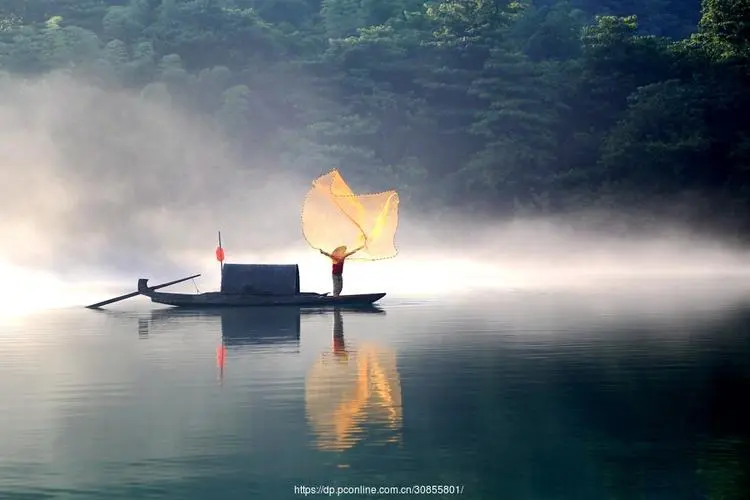
I check up on the details of this story, which of course is totally true cause Mrs. Xu is the best.
The photographer's name is Cao Guangwen and his photography basically created Dongjiang Lake as a travel destination.
czs.gov.cn
The photographer's name is Cao Guangwen and his photography basically created Dongjiang Lake as a travel destination.
czs.gov.cn
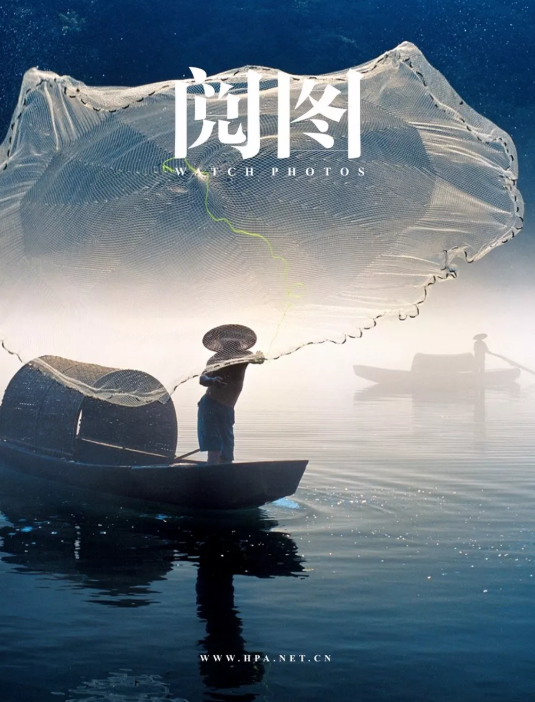
But funny thing - the fishing doesn't happen here anymore. Mrs. Xu says it's staged, because they don't want fishing boats driving around and polluting the water.
Mrs. Xu doesn't know where the "local fish" on all the restaurant menus come from. Not Dongjiang Lake though.
Mrs. Xu doesn't know where the "local fish" on all the restaurant menus come from. Not Dongjiang Lake though.
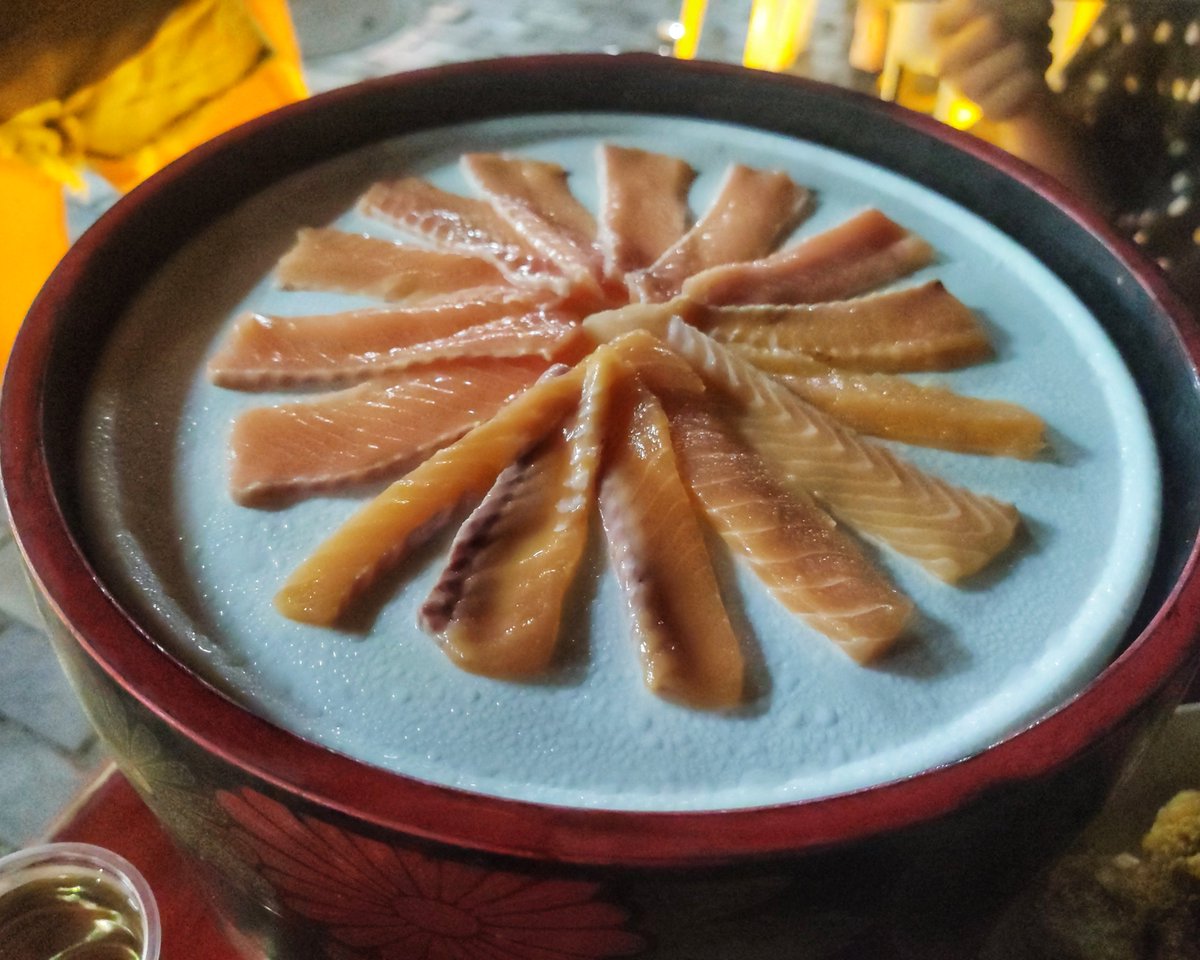
Fortunately my driver on the way back to Chenzhou train station knows: These days, the fish are cultivated on fish farms in the river downstream from the tourist area. In particular the "Dongjiang Salmon".
Yes that's right, salmon. Zixing is famous for its salmon sashimi(!!)
Yes that's right, salmon. Zixing is famous for its salmon sashimi(!!)
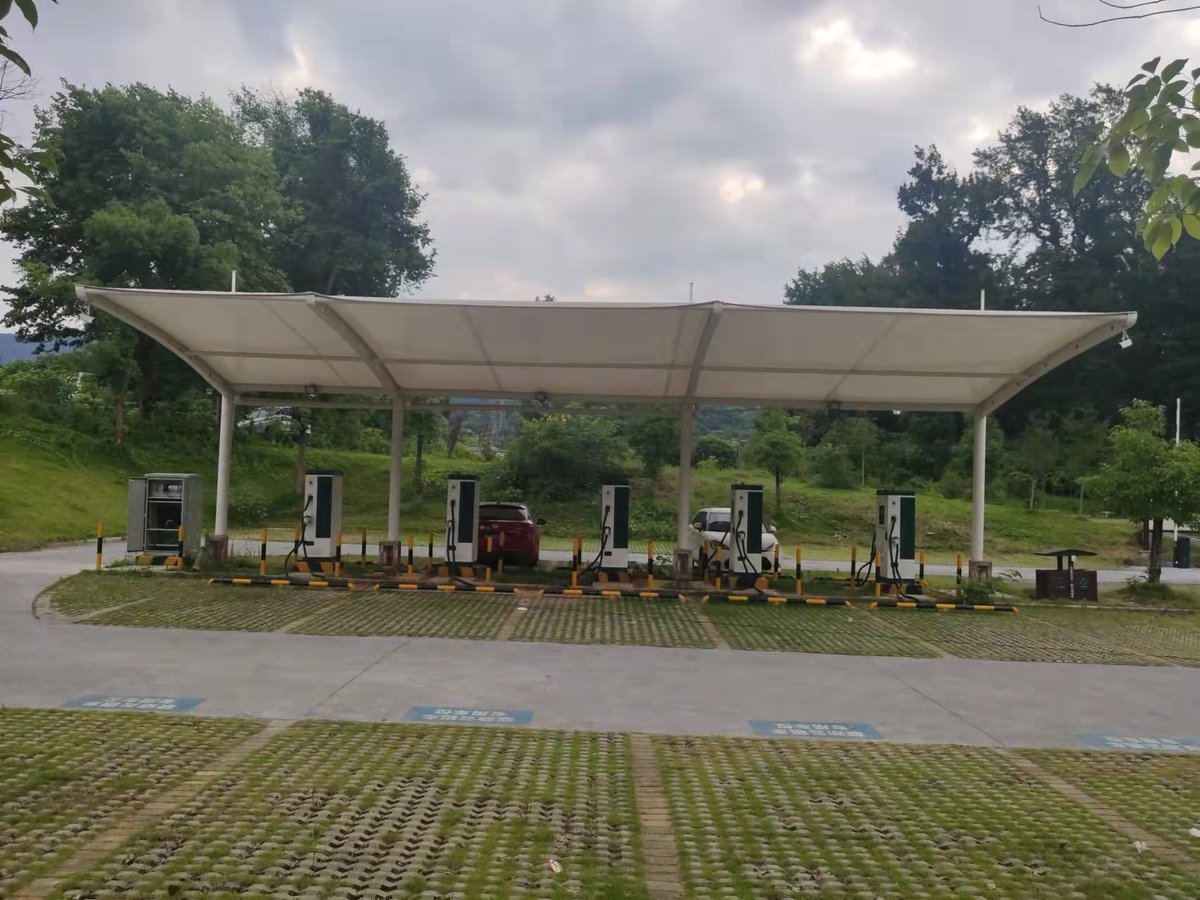
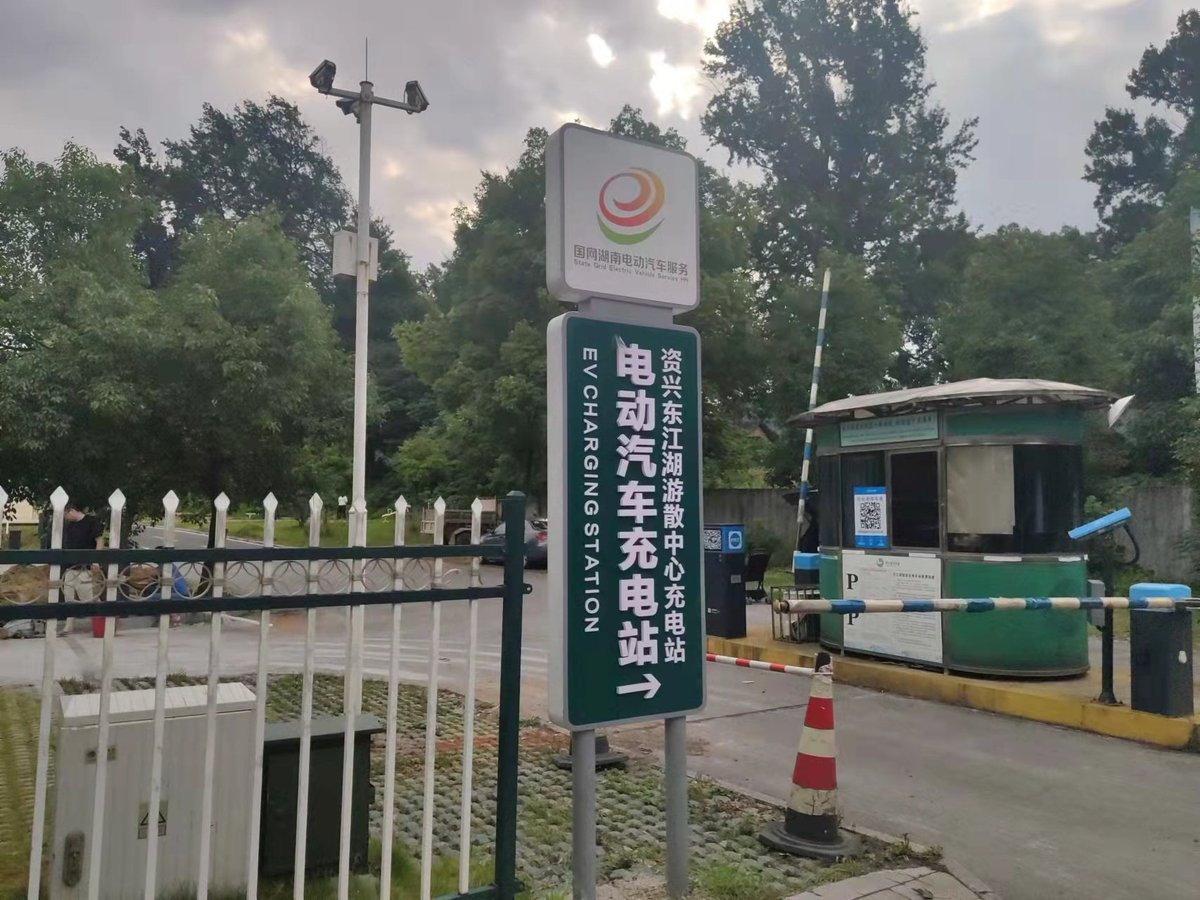
On the way out, I spot more efforts to keep the natural environment as clean as possible: all the tour buses are electric, and the EV parking lot is located directly next to the entrance. Nice perk in the 34-degree weather. The other parking lots are at least 400m away.
I mention to Mrs. Xu something I've noticed: many people in this area are REALLY short, especially elders. She's quite short herself.
Sometimes you'll see 3 generations of the family walking together & the tallest person in the group will be a 12-year old girl.
Sometimes you'll see 3 generations of the family walking together & the tallest person in the group will be a 12-year old girl.
She answers with a big smile "That's because children eat well now!"
Continuing with the same smile, oblivious to its unsettling contrast with the words she's speaking:
"When I was young, it wasn't that we ate poorly...it was that there was nothing to eat at all"
Continuing with the same smile, oblivious to its unsettling contrast with the words she's speaking:
"When I was young, it wasn't that we ate poorly...it was that there was nothing to eat at all"
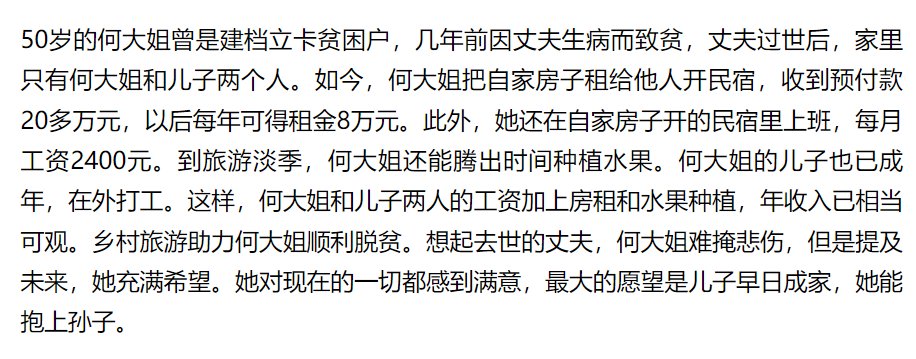
But, she adds, thanks to tourism and fruit cultivation, replacing fishing, (which was forbidden in 2015) the villages of the "reservoir area" are now some of the wealthiest in Zixing.
Villagers grow fruit and can rent their properties to entrepreneurers who open guesthouses.
Villagers grow fruit and can rent their properties to entrepreneurers who open guesthouses.
I am struck strongly by the complexity and depth needed if you want to faithfully and honestly tell the story of Chinese economic transformation.
Rarely, if ever do you find a story that is clearly black or white, success or failure, an easy framing for a lazy summary report.
Rarely, if ever do you find a story that is clearly black or white, success or failure, an easy framing for a lazy summary report.
It’s a story of gradual improvement, picking out a path by trial and error.
"Crossing the river by feeling for the stones underfoot" as some would say. 😉
In these meandering, tricky journeys, there are surely lessons to learned for other developing countries though.
"Crossing the river by feeling for the stones underfoot" as some would say. 😉
In these meandering, tricky journeys, there are surely lessons to learned for other developing countries though.
I have one more section to write about Zixing - a look at how Covid has affected the tourist city over the last two years, plus some gratuitous restaurant and food pics.
But that will have to be later. I'm on a hotspot, on my phone, on a train, and we keep going through tunnels.
But that will have to be later. I'm on a hotspot, on my phone, on a train, and we keep going through tunnels.
Here is the final section about Chenzhou and Zixing, if you're reading this whole thead from the top:
Loading suggestions...