
Technology
Environmental Issues
Energy
Environment
nuclear energy
Nuclear Technology
Nuclear Waste Management

MYTH: We don't have a solution to nuclear's "waste problem"
REALITY: Nuclear waste isn't a problem. In fact, it’s the best solution we have to meeting our energy needs while protecting the natural environment!
Here's what you need to know:
REALITY: Nuclear waste isn't a problem. In fact, it’s the best solution we have to meeting our energy needs while protecting the natural environment!
Here's what you need to know:
Nuclear waste concerns are overwhelmingly focused on “high-level waste”, which is almost entirely spent nuclear fuel.
Nuclear fuel is made up of metal tubes containing small pellets of uranium. These tubes are gathered into bundles for loading and unloading into the reactor.
Nuclear fuel is made up of metal tubes containing small pellets of uranium. These tubes are gathered into bundles for loading and unloading into the reactor.
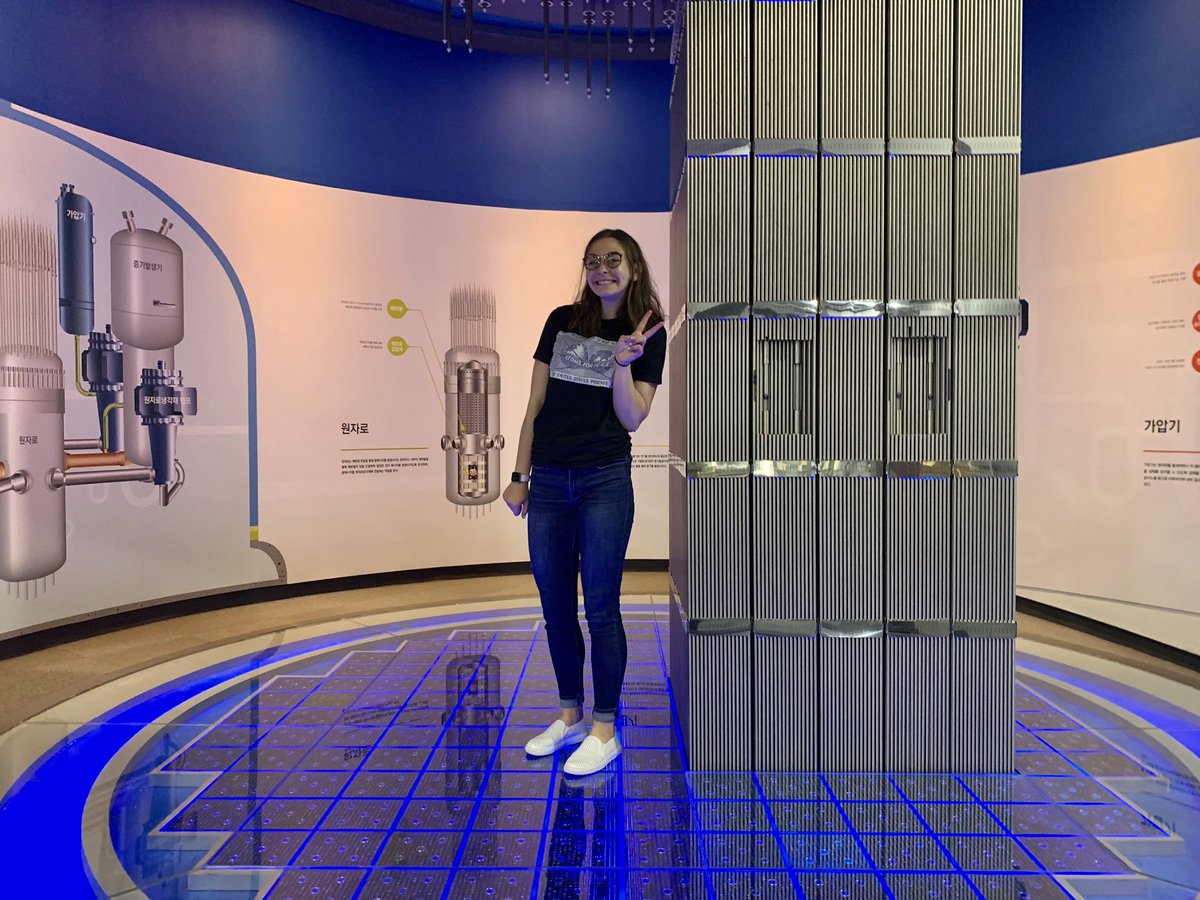
After nuclear fuel has spent about five years in a reactor making energy, it's placed into a pool of water to cool off for another five years.
(Storage pool at Palo Verde Nuclear Generating Station)
(Storage pool at Palo Verde Nuclear Generating Station)

After that, several bundles are placed inside concrete and steel "casks" and placed in rows next to the reactor.
(Dry cask storage at Palo Verde)
(Dry cask storage at Palo Verde)
Because uranium is very energy dense, the amount of waste is relatively small.
All of the fuel rods ever used by the commercial nuclear industry since the late 1950s could fit on a single football field stacked about 50 feet high.
All of the fuel rods ever used by the commercial nuclear industry since the late 1950s could fit on a single football field stacked about 50 feet high.

The best part: when the fuel rods are done in the reactor, over 90% of the potential energy from the uranium is still left in them!
That means we can recycle the spent fuel and turn it into new fuel, which is already routinely done in Europe, Russia, and Japan.
That means we can recycle the spent fuel and turn it into new fuel, which is already routinely done in Europe, Russia, and Japan.
In summary, nuclear waste:
- is solid (not glowing green goo)
- is tiny compared to the waste from all other energy technologies
- is easily contained
- has a perfect safety record
Nuclear waste does have a problem, however...
- is solid (not glowing green goo)
- is tiny compared to the waste from all other energy technologies
- is easily contained
- has a perfect safety record
Nuclear waste does have a problem, however...
...which is that policymakers and the public think that nuclear waste has a problem!
The prevailing belief is that nuclear waste is uniquely dangerous and that the industry doesn't know what to do with it.
The prevailing belief is that nuclear waste is uniquely dangerous and that the industry doesn't know what to do with it.
Let's start with uniquely dangerous.
The main concern associated with spent nuclear fuel – radioactivity – diminishes with time.
About 40 years after it's done making power, the heat and radioactivity of the fuel bundle will have fallen by over 99%.
The main concern associated with spent nuclear fuel – radioactivity – diminishes with time.
About 40 years after it's done making power, the heat and radioactivity of the fuel bundle will have fallen by over 99%.

Most of the industrial waste we manage never gets less toxic over time.
Not in a million years. Not even in a billion.
Mercury, lead, cadmium, arsenic, etc. are all dangerous and remain so forever.
In rich countries, this waste is gathered up and stored without fanfare.
Not in a million years. Not even in a billion.
Mercury, lead, cadmium, arsenic, etc. are all dangerous and remain so forever.
In rich countries, this waste is gathered up and stored without fanfare.
There’s nothing special about radiation that would prevent us from doing this with high-level waste.
The only difference is that high-level waste is much easier to detect and thus easier to monitor.
The only difference is that high-level waste is much easier to detect and thus easier to monitor.
Rather than being honest and explaining that 1) radiation does not make nuclear waste uniquely dangerous and 2) dry cask storage at the plant is safe, cheap, and has a flawless record, the industry has attempted to offer technical solutions to what is a political problem.
Yucca Mountain is an anti-scientific dumpster fire, eating up public wealth.
It would save 0 lives, protect against 0 injuries, avoid 0 cancer, and give the false impression that nuclear waste is the most dangerous waste.
$15 billion flushed for no benefit.
It would save 0 lives, protect against 0 injuries, avoid 0 cancer, and give the false impression that nuclear waste is the most dangerous waste.
$15 billion flushed for no benefit.

Scientists and engineers abuse public trust when they pretend we must bury nuclear waste deep underground or put it in the middle of a desert.
Any "expert" who believes this is, at best, confused about the role of science and engineering in advising public policy.
Any "expert" who believes this is, at best, confused about the role of science and engineering in advising public policy.
So what to do about the true nuclear waste problem?
The Netherlands offers a compelling solution: encourage people to visit!
Their facility is open to the public, contains an educational museum, and is decorated with large-scale art installations.
The Netherlands offers a compelling solution: encourage people to visit!
Their facility is open to the public, contains an educational museum, and is decorated with large-scale art installations.
The U.S industry gives off creepy vibes when it comes to waste.
People should be allowed to check it out for themselves! At worst, they'll be bored. At best, we can find a way to make it more interesting like the Dutch do.
People should be allowed to check it out for themselves! At worst, they'll be bored. At best, we can find a way to make it more interesting like the Dutch do.
I love getting asked about the waste. I never get tired of seeing people relax when they hear me explain it.
I think the impatience with the question is what has led the industry and advocates to support ill-advised, "technical" fixes for problems of trust and openness.
I think the impatience with the question is what has led the industry and advocates to support ill-advised, "technical" fixes for problems of trust and openness.
Glad to be hearing from so many of you in response to this thread!
If you like what you read here, there’s a lot more coming and I would definitely appreciate your support.
patreon.com
If you like what you read here, there’s a lot more coming and I would definitely appreciate your support.
patreon.com

Loading suggestions...