

Lesser Known Fact:
The 1857 war of independence is a famous event in Pakistan, though it saw little support here as compared to northern India.
However, there was another uprising 40 years later when the frontier rose up in arms against the British. The uprisings of 1897. (🧵)
The 1857 war of independence is a famous event in Pakistan, though it saw little support here as compared to northern India.
However, there was another uprising 40 years later when the frontier rose up in arms against the British. The uprisings of 1897. (🧵)

The revolt of 1897 was a series of uprisings against the British colonial forces by Pashtun tribes, which spread over parts of today’s Khyber Pukhtunkhwa province. The uprisings lasted for a year & led to some of the most strenuous British expeditions in the north west.

Many factors contributed to this sense of rebellion. The demarcation of the Durand line which left all the tribal territories at the mercy of the British, stories of Ottoman victories against the Greeks, new taxes, occupations of lands, movement of British troops -
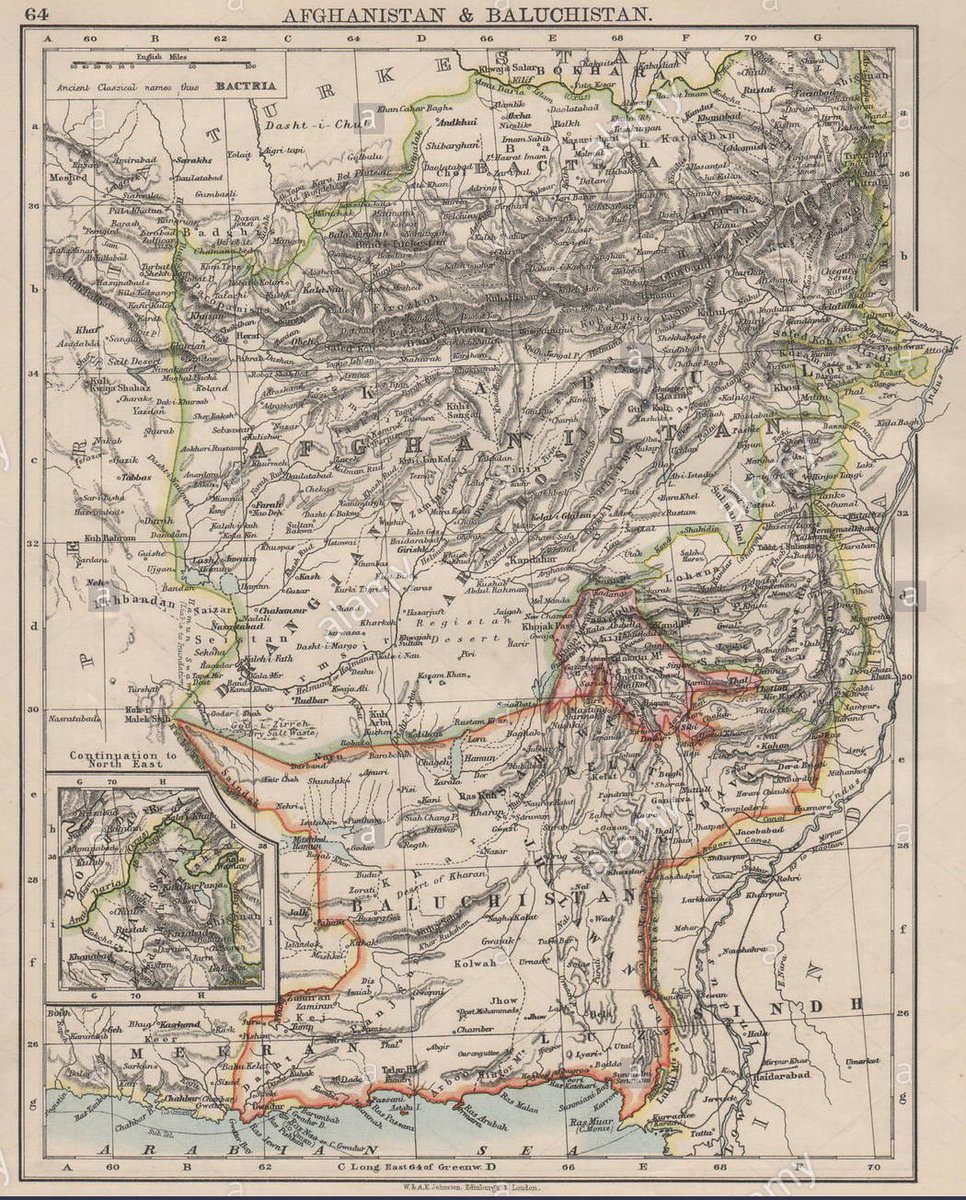
and incitement by Mullahs all added to grievances of the people. These factors together led to a situation where all that was left was a wait for a spark to start the fire, a spark which occurred in the area of Tochi in Waziristan.
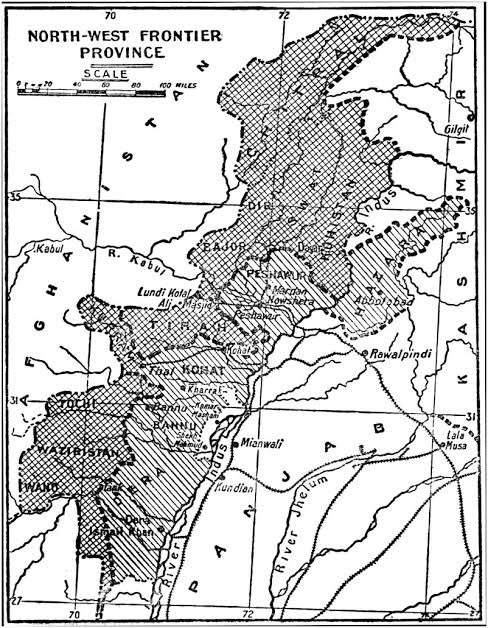
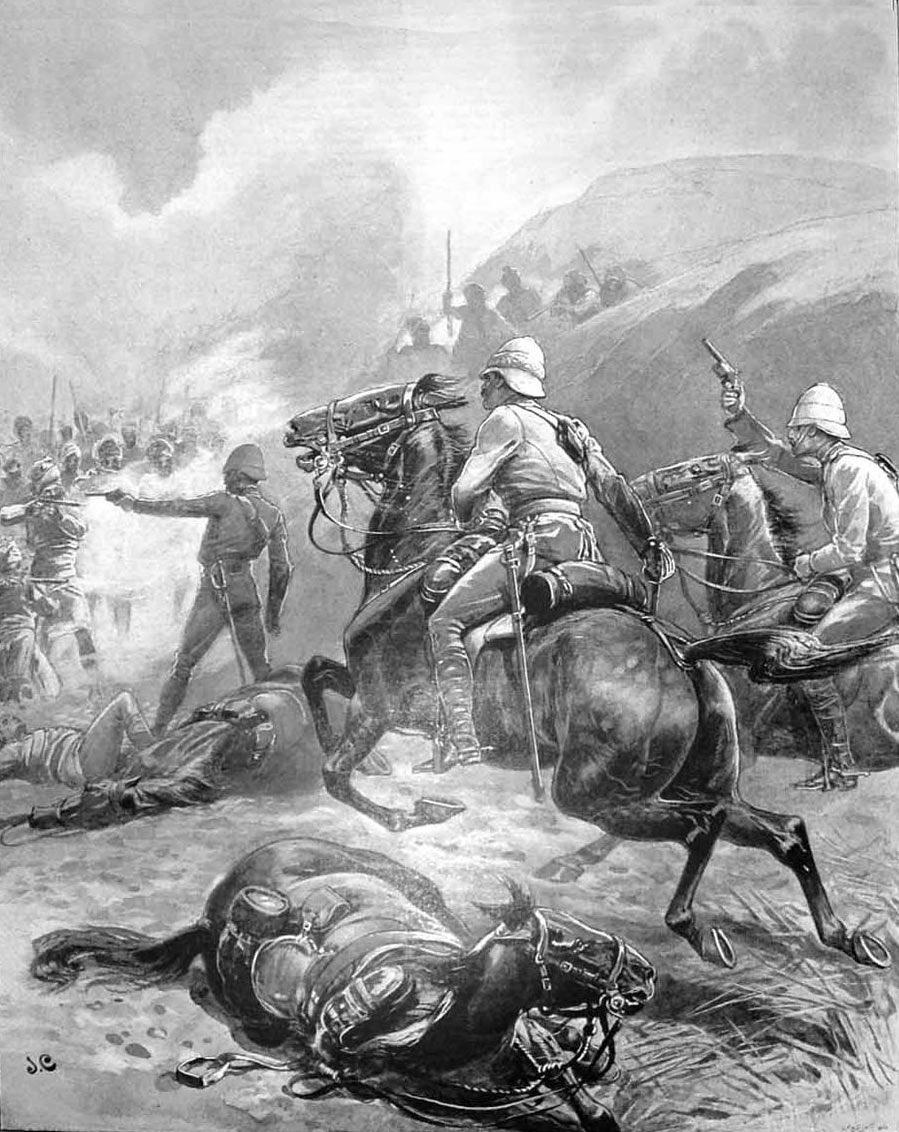
In June of 1897, a political officer visited a village in Waziristan with an extraordinarily large military escort. This precipitated the already aggrieved locals into attacking the escort. Not a soldier remained in the escort who wasn’t killed or wounded save a few.
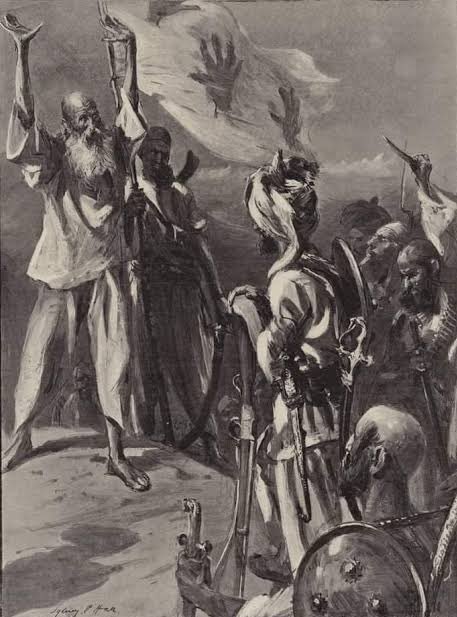
As news spread the reins of the revolt in the north were taken by a cleric from Buner referred to as Mullah Mastan - The Mad Mullah. He announced his revolt and began a march towards Malakand and people started swelling his ranks as he inched closer to the military positions.
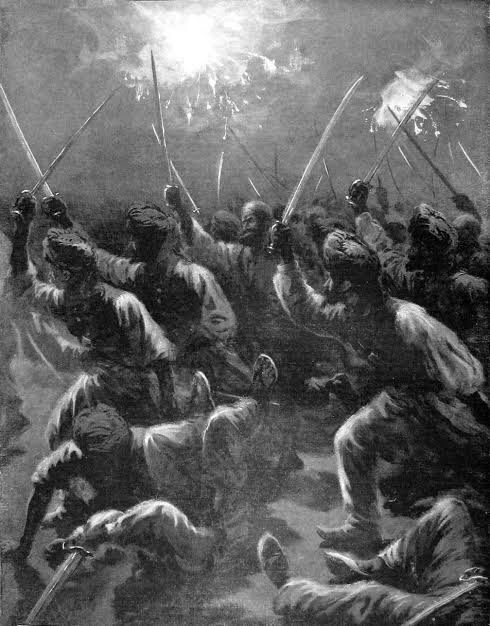
By the time he reached Malakand he divided his forces with 12000 focused on Malakand and 8000 focused on Chakdara. The British officers were playing polo when the news reached them of an approaching army. They assumed positions as the first shot was fired and thus commenced hell.
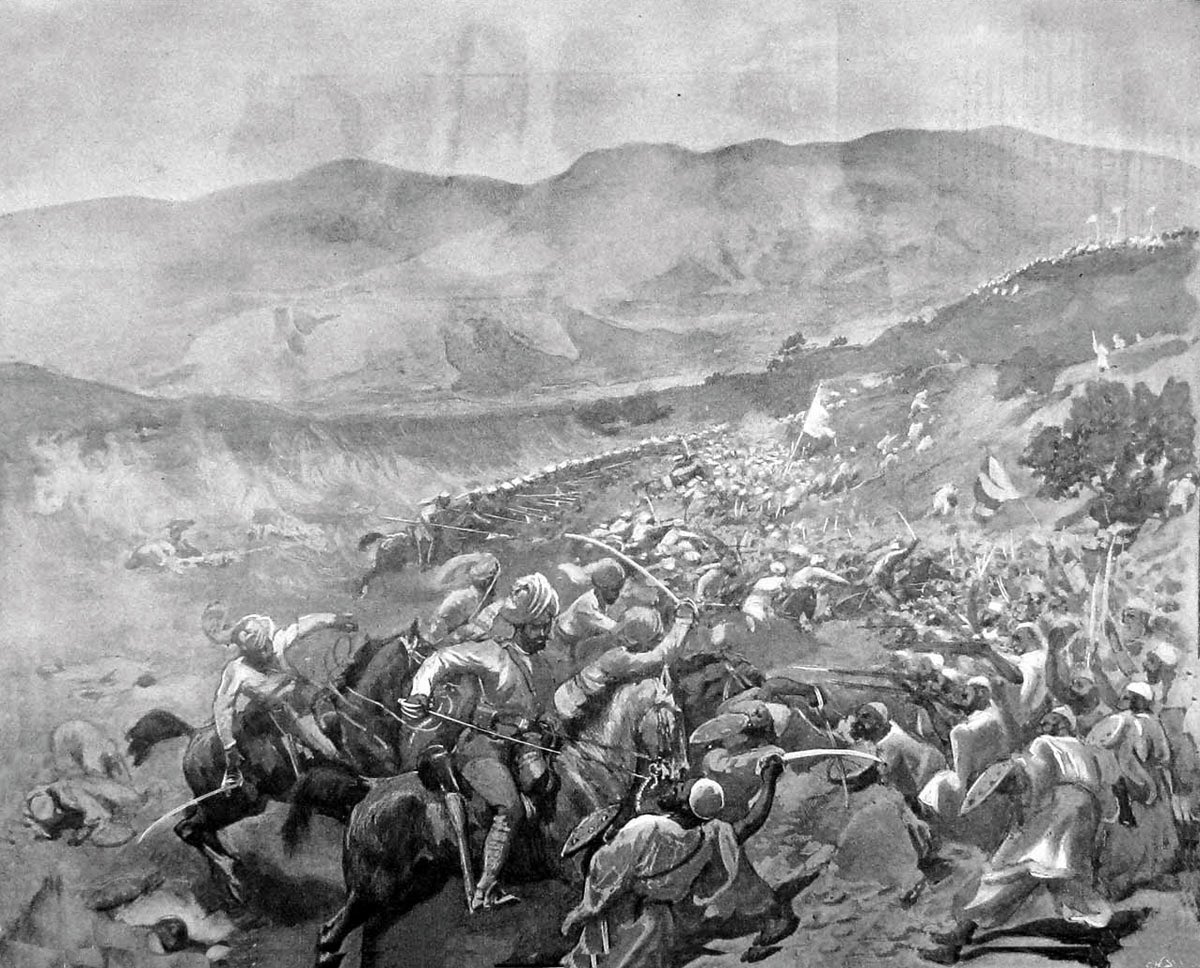
Soon the Mohmands mobilised and descended with their forces on Peshawar valley under the banner of a cleric called Adda Mullah. The 5000 strong Mohmands descended on Shabqadar in Charsadda and armies against them were dispatched from Peshawar.
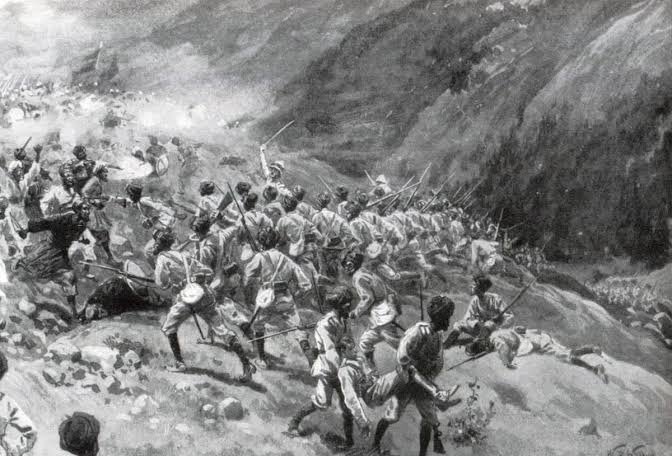
Meanwhile the Afridis and Orakzais of Khyber let go of their inter tribal feuds and joined hands. Like an uncontrollable sea, a wave of 15000 men tore through the British control in Khyber and went on to fight them over the hills of the Shinwaris as well as the Samana mountains.
The horrendous policies taken by the colonising forces against the locals were proudly recorded by a newspaper’s young war correspondent, a boy by the name of Winston Churchill. The boy, who would someday lead Britain through the Second World War, wrote:
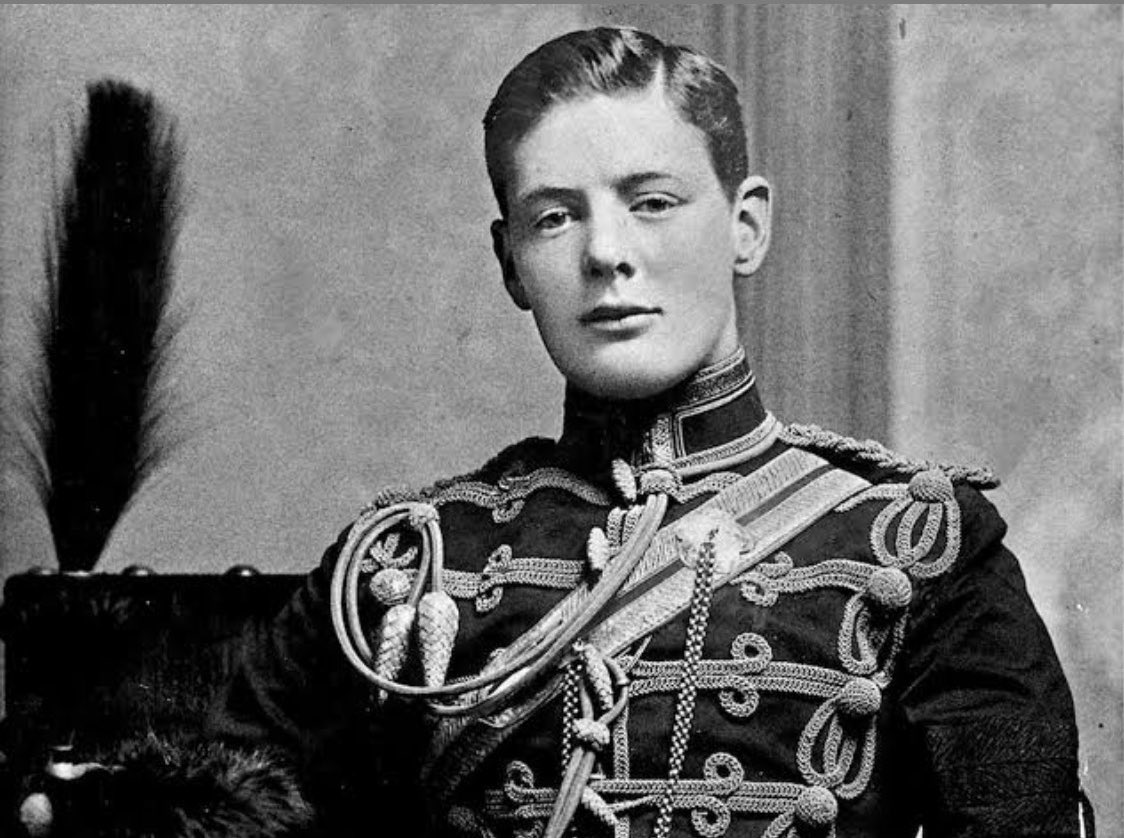
“We proceeded systematically, village by village, and we destroyed the houses, filled up the wells, blew down the towers, cut down the great shady trees, burned the crops and broke the reservoirs in punitive devastation.”
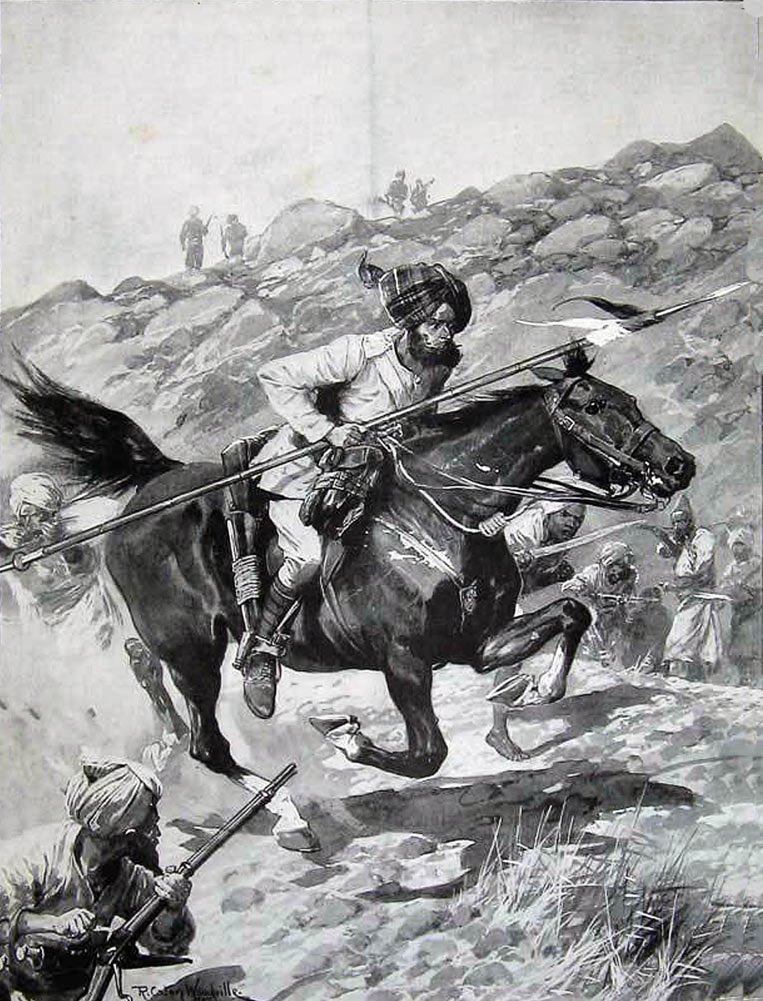
In the end of course the Tribesmen lost. They weren’t a match for the larger trained armies of the British. It took a year and several expeditions to completely quell the uprisings. Though soon they’d have to resume expeditions and this turbulence shall last till 1947.
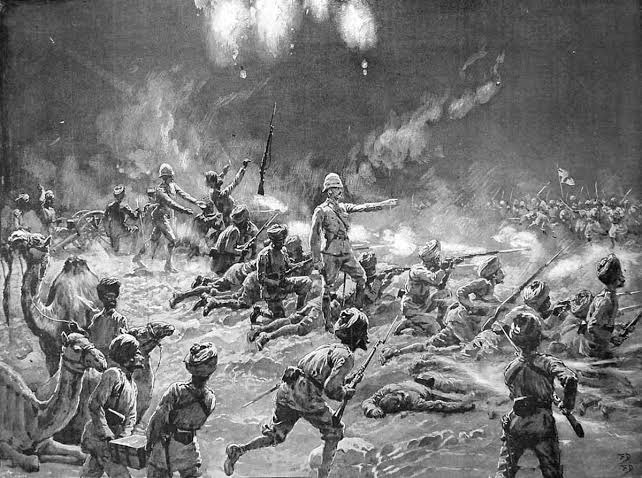
The uprisings of 1897 are not common knowledge in Pakistan, not even in the area where these occurred. It is our duty to learn about these events and learn from them too. Those who don’t remember their history are bound to be forgotten themselves.
There are other stories from of this manner too. Rai Ahmed Kharral’s attacks on the British in 1857, Sher Ali Talpur’s guerilla warfare against British forces after retreating into Balochistan, the Siege of Chitral etc. We shall cover those too.
If you liked it, share it :)
If you liked it, share it :)
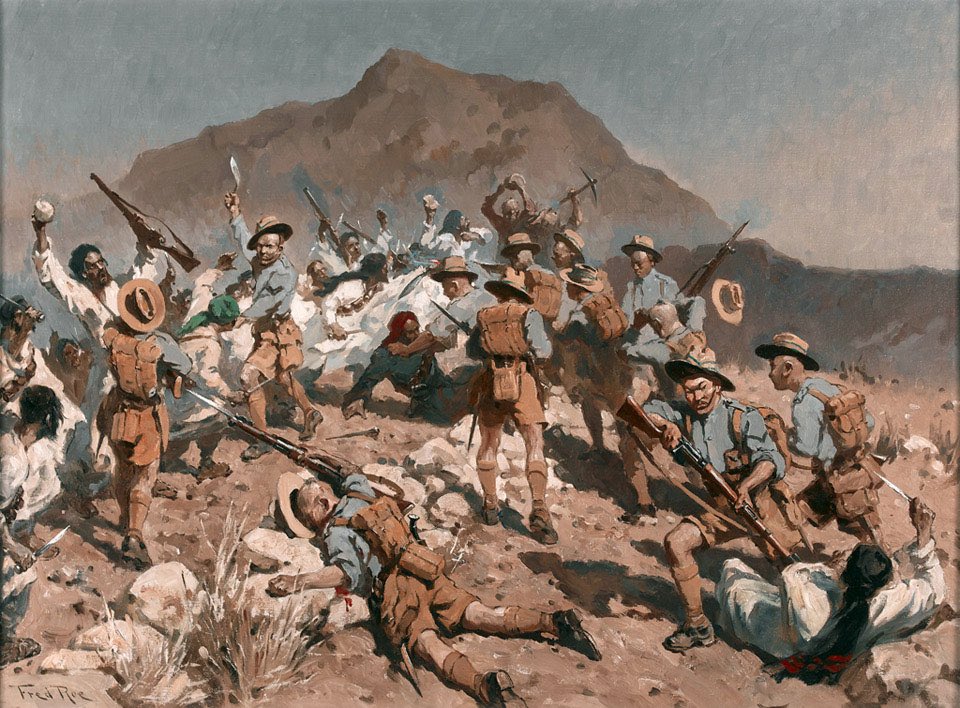
Note: the photo in the first tweet is of British troops fighting against Mehsud tribesmen in Waziristan some 23 years after the revolt.
Loading suggestions...