

How to make yourself a super freak athlete through training:
A HUGE, HIGH INFO 🧵 on how I developed to a world class level from ~ slightly above average
(And how you can too)
A HUGE, HIGH INFO 🧵 on how I developed to a world class level from ~ slightly above average
(And how you can too)
Let’s first cover - “what makes someone athletic?”
Most people say “training can help but it’s mostly genes”
Genes matter a lot but *specifically short term*
Why is this? Well ask yourself why do certain genes help?
What *EXACTLY* do they do?
That is where the secret lies
Most people say “training can help but it’s mostly genes”
Genes matter a lot but *specifically short term*
Why is this? Well ask yourself why do certain genes help?
What *EXACTLY* do they do?
That is where the secret lies
We all live in the same world
Even the most elite athlete in the world obeys the same laws of physics as you
So when that person can run faster, jump higher, and hit harder than you - what is directly causing that?
Not genes -> something *physical* is different with their body
Even the most elite athlete in the world obeys the same laws of physics as you
So when that person can run faster, jump higher, and hit harder than you - what is directly causing that?
Not genes -> something *physical* is different with their body
Genes might affect that - and may give one person that structure and another a different one, of course
But the body is very, VERY adaptable
But the body is very, VERY adaptable
So the secret to all of this is finding out where someone has an advantage over you or where someone you want to emulate has something you don’t
Then find a way to recreate that structure on your own frame
This can be tricky without knowledge however
Then find a way to recreate that structure on your own frame
This can be tricky without knowledge however
I’ve said many times:
A lot of my training is training things you don’t quite see in the mirror
This is because many elements that make one perform well aren’t ultra visually apparent
That’s why it can be deceiving how athletic someone is at times when just looking at them
A lot of my training is training things you don’t quite see in the mirror
This is because many elements that make one perform well aren’t ultra visually apparent
That’s why it can be deceiving how athletic someone is at times when just looking at them
For example, when an elite sprinter runs faster than everyone else
With enough testing, you can find the places they are stronger & more mobile, elastic, or explosive than the people they beat
This is GOOD news
Because it means you can find the things that are holding you back
With enough testing, you can find the places they are stronger & more mobile, elastic, or explosive than the people they beat
This is GOOD news
Because it means you can find the things that are holding you back
By identifying the structural differences
And bringing them up to the levels that the “ideal” athlete would have
You now possess the same hardware as that athlete -> which makes a similar performance possible
And bringing them up to the levels that the “ideal” athlete would have
You now possess the same hardware as that athlete -> which makes a similar performance possible
The ONLY thing genes did was make it so you might have to work harder
That’s why genes help more *short term*
It’s an elevated start position but for every quality that can be built up (muscle/tendon, neural drive, skill, etc)
The gap can close if your weakness is targeted
That’s why genes help more *short term*
It’s an elevated start position but for every quality that can be built up (muscle/tendon, neural drive, skill, etc)
The gap can close if your weakness is targeted
Most sprinters have several qualities that set their sprint ability apart:
On the “structural” level -> strength in the foot/ankle, lower hamstring, lower quad, & hip extensors AND flexors
Not only muscle strength but TENDON strength (this makes you elastic)
On the “structural” level -> strength in the foot/ankle, lower hamstring, lower quad, & hip extensors AND flexors
Not only muscle strength but TENDON strength (this makes you elastic)
On a more “neural” level ->
They have a super strong nervous system ability to apply force and apply it quickly
This *can* be developed
There are a reasons people claim you can’t do this but elite sport coaches do it all the time
See here:
They have a super strong nervous system ability to apply force and apply it quickly
This *can* be developed
There are a reasons people claim you can’t do this but elite sport coaches do it all the time
See here:
Movement quality & technique also matters significantly
It’s very likely that through learning HOW to jump, sprint, throw, & lift better would transform you significantly
Skill is what defines the amount of power and strength that you “leak”
High skill = low leak
It’s very likely that through learning HOW to jump, sprint, throw, & lift better would transform you significantly
Skill is what defines the amount of power and strength that you “leak”
High skill = low leak
It should be noted that almost all of these qualities are “invisible“ to the naked eye and would require an MRI or other machines to notice without prior knowledge
There are easy physical test of strength to measure and train these elements (“how to” below)
There are easy physical test of strength to measure and train these elements (“how to” below)
Before I explain a practical “process” – it’s important we understand the takeaway so far:
1) The difference between a “natural” & poor athlete is a *physically real* + measurable group of strength qualities on the body
2) many of these qualities are not highly visual and thus
1) The difference between a “natural” & poor athlete is a *physically real* + measurable group of strength qualities on the body
2) many of these qualities are not highly visual and thus
are not frequently trained well or consistently
3) almost *all* of these qualities do respond to training -> and can respond greatly to training if *targeted well* and *CONSISTENTLY* over a long period of time
See here:
3) almost *all* of these qualities do respond to training -> and can respond greatly to training if *targeted well* and *CONSISTENTLY* over a long period of time
See here:
In summary:
The difference between *YOU* & an elite athlete is that they are STRONG (muscularly & neurally) in the right areas
READ THAT AGAIN
This means YOU can TRAIN THOSE ELEMENTS to get to *THEIR STRENGTH* levels & have a shot at replicating their ability
Simple analogy:
The difference between *YOU* & an elite athlete is that they are STRONG (muscularly & neurally) in the right areas
READ THAT AGAIN
This means YOU can TRAIN THOSE ELEMENTS to get to *THEIR STRENGTH* levels & have a shot at replicating their ability
Simple analogy:
Remember if you develop your body “like an athlete” - at the end of the day - BOTH guys have the same strength in the areas that matter wether or not they trained for it or were born with it
Physics doesn’t care how it got there when your moving
It *only* cares about the MATH
Physics doesn’t care how it got there when your moving
It *only* cares about the MATH
So you read this far -> you know you need the right HARDWARE (muscle & tendon) + we know you need the right SOFTWARE (neural drive & skills)
Let me go thru the most undervalued, powerful training exercises & methods to gain the strength you need *in the areas an athlete needs*
Let me go thru the most undervalued, powerful training exercises & methods to gain the strength you need *in the areas an athlete needs*
Here is a list of the body’s most undertrained qualities & structures:
> Foot/ankle
>“Top range” strength in quads
> Lower hamstring
> Hip mobility + strength *together*
>“true” rotator cuff strength
> muscular proprioception
> dynamic trunk control
> ELASTICITY
> Neural “drive”
> Foot/ankle
>“Top range” strength in quads
> Lower hamstring
> Hip mobility + strength *together*
>“true” rotator cuff strength
> muscular proprioception
> dynamic trunk control
> ELASTICITY
> Neural “drive”
Looking at the above - You can probably see why a “bodybuilding” program isn’t a complete athletic development program
Below I’m going to list key exercises, training methods, and resources to develop all of these qualities as well as strength standards to shoot for long term
Below I’m going to list key exercises, training methods, and resources to develop all of these qualities as well as strength standards to shoot for long term
Here is the central concept about “building from the ground up”
1) your feet are the foundation for the rest of the body bc in nearly all activities your foot is what makes contact with the ground
A weak foot “leaks force”
> pogo hop variations
> Calf raises three full range of motion including on to the toes
> tibial strength
Read here:
A weak foot “leaks force”
> pogo hop variations
> Calf raises three full range of motion including on to the toes
> tibial strength
Read here:
Ankle “Elasticity” test here:
More of training the foot/ankle concepts here:
2) your quads help you create power in almost any movement
But it specifically needs to be strong in the “top range“ because most action and power is generated with smaller knee bend angles (jump, run, strikes etc)
By getting stronger with:
DEEP squats AND partial squats..
But it specifically needs to be strong in the “top range“ because most action and power is generated with smaller knee bend angles (jump, run, strikes etc)
By getting stronger with:
DEEP squats AND partial squats..
The quadriceps gets *full development*
You allow the structure of the muscle & knee joint to develop with the “Olympic style deep squats”
& promote the “neural strength” + top range muscles of the quad to fully develop as well since the bottom of a squat mostly tests the leg
You allow the structure of the muscle & knee joint to develop with the “Olympic style deep squats”
& promote the “neural strength” + top range muscles of the quad to fully develop as well since the bottom of a squat mostly tests the leg
Deep “Olympic style” squats at 1.8x body weight or higher is great for overall leg strength & increasing overall maximal strength in the lower body
Partial squats can be used but I prefer single leg variations for this as well
Partial squats can be used but I prefer single leg variations for this as well
A “side step up on a box” with a 6-10in height is 👍🏻
It can also be done by raising your heel and pressing through your toes to develop and test the stability and strength from the foot and ankle up as well
Slowly going from bodyweight only to ~bodyweight on your back is A+
It can also be done by raising your heel and pressing through your toes to develop and test the stability and strength from the foot and ankle up as well
Slowly going from bodyweight only to ~bodyweight on your back is A+
Watch this video on the best way to develop strength with heavy lifts here (it’s free) -> or watch directly on YouTube:
hybridathletetraining.substack.com
hybridathletetraining.substack.com
Read here to understand “tension range“ for training muscles and tendons for full development:
hybridathletetraining.substack.com
hybridathletetraining.substack.com

3) lower hamstring work is necessary as the lower hamstring is responsible for “pulling the ground“ in all horizontal activities
See example here:
See example here:
And more explanation here:
Hitting a *FULL Nordic curl with a dead stop at the bottom* (strict form) is a great goal to shoot for
HOWEVER
I do think leg curl variations also work great
Leg curl machines (seated) & glute ham machines are solid
Make use of them as Nordic curls take a long time to develop
HOWEVER
I do think leg curl variations also work great
Leg curl machines (seated) & glute ham machines are solid
Make use of them as Nordic curls take a long time to develop
Use this method on leg curls
4) Hip strength in EVERY AREA
This means the whole glute/ham and hip complex
They are the powerhouse of the body and necessary for peak strength and power in any activity
Easy answers here:
RDL & SLDL -> 1.75x bodyweight (lbs) is a good target (use a wide grip for more ROM)
This means the whole glute/ham and hip complex
They are the powerhouse of the body and necessary for peak strength and power in any activity
Easy answers here:
RDL & SLDL -> 1.75x bodyweight (lbs) is a good target (use a wide grip for more ROM)

As well as a “parallel” or 45deg back extension for 20 perfect reps with 0.45x bw weight added and a 2 second isometric hold at the top
Both of those will create tons of strength in each range for the posterior chain
However the front of the hips are CRITICAL as well
Both of those will create tons of strength in each range for the posterior chain
However the front of the hips are CRITICAL as well
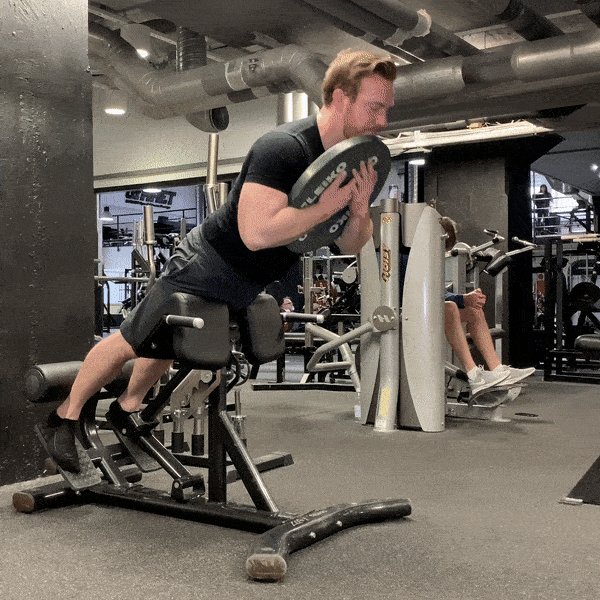
Hip flexor exercises like a “leg raise” with 20% of bodyweight for 20 perfect controlled reps is good
This allows you to “pick up” your legs with ease
By lifting them with ease that = more speed and power + kick dexterity and agility if that’s your thing
This allows you to “pick up” your legs with ease
By lifting them with ease that = more speed and power + kick dexterity and agility if that’s your thing
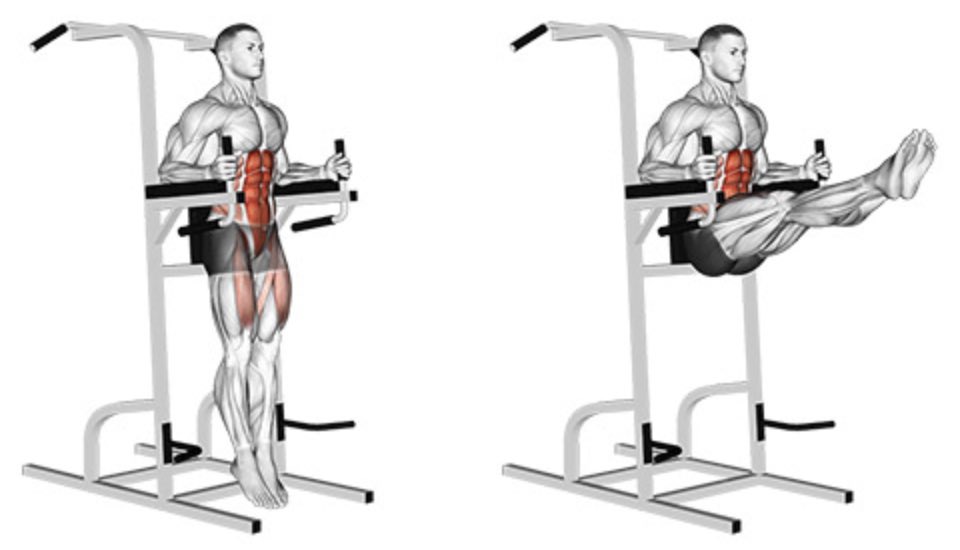
I believe in using both upright and lying leg raises for the hip to be strong at all ranges (see “tension range” essay from earlier to understand)
And finally the groin and outside of the hip need attention to “complete the hips”
Deep “Cossack squats” & “Sumo RDLs/good mornings” work excellent for the adductors & lateral slings of the hip and leg
Deep “Cossack squats” & “Sumo RDLs/good mornings” work excellent for the adductors & lateral slings of the hip and leg
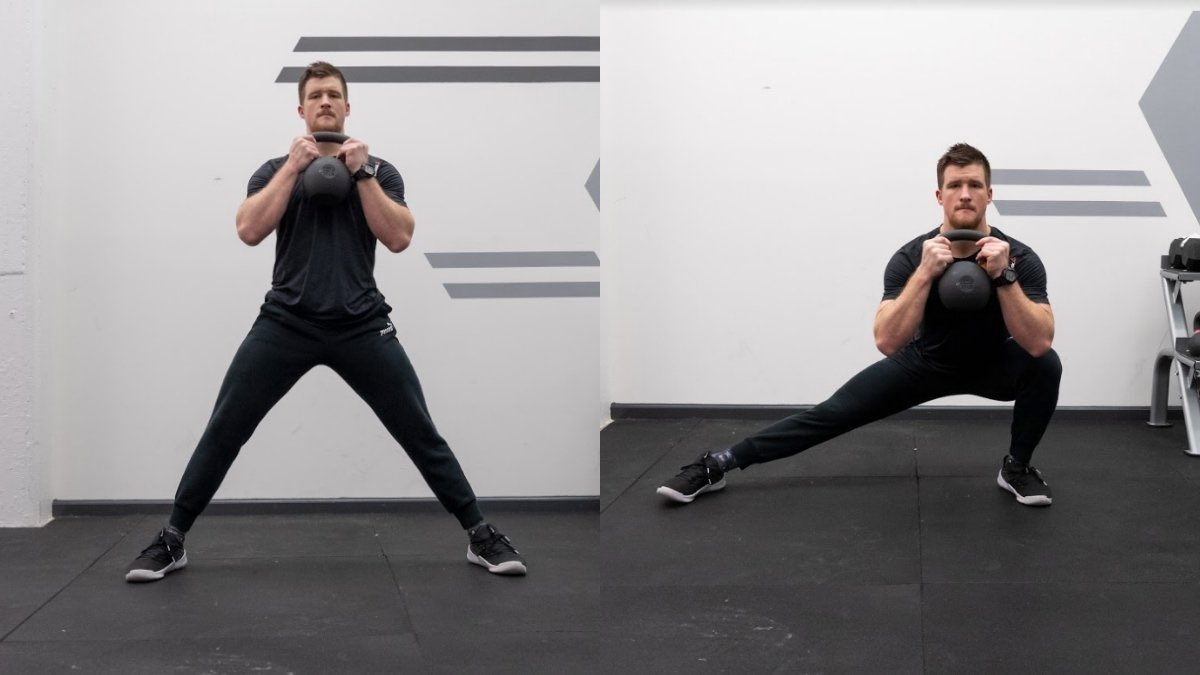
Note: “sumo RDL” is not the same thing as a sumo deadlift like a powerlifter
It’s an “RDL” with legs *outside shoulder width* and toes pointed slightly out
See here:
youtu.be
It’s an “RDL” with legs *outside shoulder width* and toes pointed slightly out
See here:
youtu.be
Some Olympic lifters use this variation as well -> sometimes I prefer this option for programming depending on the individuals needs
youtu.be
youtu.be
5) TRUE rotator cuff & shoulder girdle strength
The shoulders can only move as powerfully and dexterously as they are stable
Many’s coordination/power output in the upper body is held back by the fact that the ball + socket shoulder joint is easily destabilized through weakness
The shoulders can only move as powerfully and dexterously as they are stable
Many’s coordination/power output in the upper body is held back by the fact that the ball + socket shoulder joint is easily destabilized through weakness
While I do appreciate exercises like facepulls and encourage you to utilize them I have found that they are not high stimulus enough to some of the more crucial “weak points“ (see the theme?)
While you will not be using a “high” absolute weight -> shoulder rotations are CRUCIAL
While you will not be using a “high” absolute weight -> shoulder rotations are CRUCIAL
I perform them in between sets of bench press or other pressing movements so it doesn’t cost any more time and my shoulders stay healthy
(While the “front gets stronger” The back does too)
10% of bodyweight for STRICT 10 reps is your baseline to aim at
youtu.be
(While the “front gets stronger” The back does too)
10% of bodyweight for STRICT 10 reps is your baseline to aim at
youtu.be
With a strong rotator cuff your body is safe to “whip“ the shoulder with maximum force and velocity safely
Lacking strength and stability will create a neurological inhibition to keep you from getting injured
You not only can throw and hit harder with your shoulder…
Lacking strength and stability will create a neurological inhibition to keep you from getting injured
You not only can throw and hit harder with your shoulder…
But coordination and accuracy improves as well because you can absorb & redirect force better when it comes to manipulating your shoulder movement and absorbing impact
Tennis, baseball, boxing, wrestling, javelin etc ALL become easier and FEEL GOOD when your shoulder is healthy
Tennis, baseball, boxing, wrestling, javelin etc ALL become easier and FEEL GOOD when your shoulder is healthy
6) muscular proprioception and dynamic control of the body are the “center” of natural athletes
A “natural athlete”, not in the sense of their power output but in terms of skill, simply has great control over their body
A “natural athlete”, not in the sense of their power output but in terms of skill, simply has great control over their body
Being able to control dynamic and explosive movement at the ankles, hips, torso, hands, and shoulders with great speed and power allows you to execute techniques with maximum efficiency
This also prevents small errors and can make the difference between success and failure
This also prevents small errors and can make the difference between success and failure
There are multiple ways to tackle skills and coordination that will go far beyond what I can fit in this thread (will go deep on Substack with academic research as well)
Here are a few notes on general approach:
Here are a few notes on general approach:
See here:
On top of baseline strength movements to move and control your own body weight being able to coordinate sequences of faster and more dynamic movements with momentum is what finalizes translation to athleticism
By creating variety & always incorporating new activities/physical tasks that require “physical problem-solving“ you will challenge your mind + body‘s coordination to learn how to use the body you have to overcome novel physical challenges
I call this “physical literacy”
I call this “physical literacy”
See example here:
Here are some easy ways to begin to incorporate this concept into your training:
1) begin training sessions with open ended and creative coordination and “strength/power“ tasks
Simple obstacle courses + jump/Sprint/throw sequences etc that u make different all the time is great
1) begin training sessions with open ended and creative coordination and “strength/power“ tasks
Simple obstacle courses + jump/Sprint/throw sequences etc that u make different all the time is great
Tasks like this allow you to train the mind and body to see a new physical challenge and learn to coordinate the body to overcome it as effectively as possible without necessarily practicing it before
Real life challenges aren’t always scripted and you need to adapt on the fly
Real life challenges aren’t always scripted and you need to adapt on the fly
2) in between rest periods for heavy strength work (longer rest usually)
Create coordination games like juggling or “horseshoe“/darts
Try to balance on something that’s difficult (be safe)
This keeps the nervous system engaged & not locked into a “wooden pattern”(& saves time)
Create coordination games like juggling or “horseshoe“/darts
Try to balance on something that’s difficult (be safe)
This keeps the nervous system engaged & not locked into a “wooden pattern”(& saves time)
3) experiment with different exercises for the sake of it and challenge yourself sensibly
Dynamic lifts also work very well for this and it is one reason I am a fan of Olympic style lift variations (however not everyone needs to perform them)
See here for more:
Dynamic lifts also work very well for this and it is one reason I am a fan of Olympic style lift variations (however not everyone needs to perform them)
See here for more:
UNDERRATED point
I should also know that technical coordination is not only the ability to *contract* muscles at the same time in sequence but also to *relax* them in sequence when necessary
How hard/explosive the contraction is matters as well
Moving your body is a “symphony” & needs practice
How hard/explosive the contraction is matters as well
Moving your body is a “symphony” & needs practice
It is also wise to challenge yourself to develop new athletic abilities with specific practice drills
This seems obvious if improving for a particular sport but it is healthy for the brain & human to be doing this throughout life
Keeps brain activity high & plasticity engaged
This seems obvious if improving for a particular sport but it is healthy for the brain & human to be doing this throughout life
Keeps brain activity high & plasticity engaged
6) ELASTICITY is the secret of natural athletes
I can & will continue to go on about this with my fitness education material
Elasticity is the ability to absorb & rebound force quickly
Specifically loading the joint tendon strength
This is a MUST READ
hybridathletetraining.substack.com
I can & will continue to go on about this with my fitness education material
Elasticity is the ability to absorb & rebound force quickly
Specifically loading the joint tendon strength
This is a MUST READ
hybridathletetraining.substack.com
Search my profile with the terms:
> Plyos
> plyometrics
> tendon
> elastic / elasticity
> stiffness
And read this ->
hybridathletetraining.substack.com
> Plyos
> plyometrics
> tendon
> elastic / elasticity
> stiffness
And read this ->
hybridathletetraining.substack.com
7) Neural drive/explosiveness
This is the most fun and underused training method/style I’ve ever implemented
Working on neural drive allows you to be stronger/faster + more powerful w/o needing more muscle or to gain weight
You want to understand this: youtu.be
This is the most fun and underused training method/style I’ve ever implemented
Working on neural drive allows you to be stronger/faster + more powerful w/o needing more muscle or to gain weight
You want to understand this: youtu.be
And chaining it together with “integration”
hybridathletetraining.substack.com
hybridathletetraining.substack.com
The simplest place to start is:
A) lifting with appropriately heavy loads in the 1-8 rep range with large compound movements
B) Sprint, jump, and throw with maximum intent + other plyos
C) Use a smart combination of slow eccentric & fast eccentric strength exercises
Also use:
A) lifting with appropriately heavy loads in the 1-8 rep range with large compound movements
B) Sprint, jump, and throw with maximum intent + other plyos
C) Use a smart combination of slow eccentric & fast eccentric strength exercises
Also use:
I had to learn all of this the hard way but I am blessed to have learned & implemented it all
I had a great athletic career and was able to compete with very gifted people through the right training methods applied above
My athletic transformation will be documented more soon
I had a great athletic career and was able to compete with very gifted people through the right training methods applied above
My athletic transformation will be documented more soon
I know this is a huge thread but thanks to those that are passionately interested & read all the way here
If you made it to the end thank you for reading all of this (lol) & all I ask is a like + retweet of the 1st tweet for exposure so I can teach u guys how to do ALL OF THIS
If you made it to the end thank you for reading all of this (lol) & all I ask is a like + retweet of the 1st tweet for exposure so I can teach u guys how to do ALL OF THIS
With enough exposure I can make an increasing amount of content every week
This includes tons of FREE video content on YouTube and other platforms
So I really appreciate the support and I hope you all got something out of this let me know what you think
Questions are welcome
This includes tons of FREE video content on YouTube and other platforms
So I really appreciate the support and I hope you all got something out of this let me know what you think
Questions are welcome
Also if you like and rt the first tweet + are following me DM me and I’ll give you a free month of substack so you can steal / read all of my essays on becoming freakishly athletic for free
Like + RT + follow + DM me and it’s all yours
Thank you
Like + RT + follow + DM me and it’s all yours
Thank you
If you want a program to help with this I have a couple
But vote for which new program you want released when I reach 2k followers
But vote for which new program you want released when I reach 2k followers
Loading suggestions...