Incunabula
Incunabula

@incunabula

22 Tweets 135 reads Dec 18, 2022
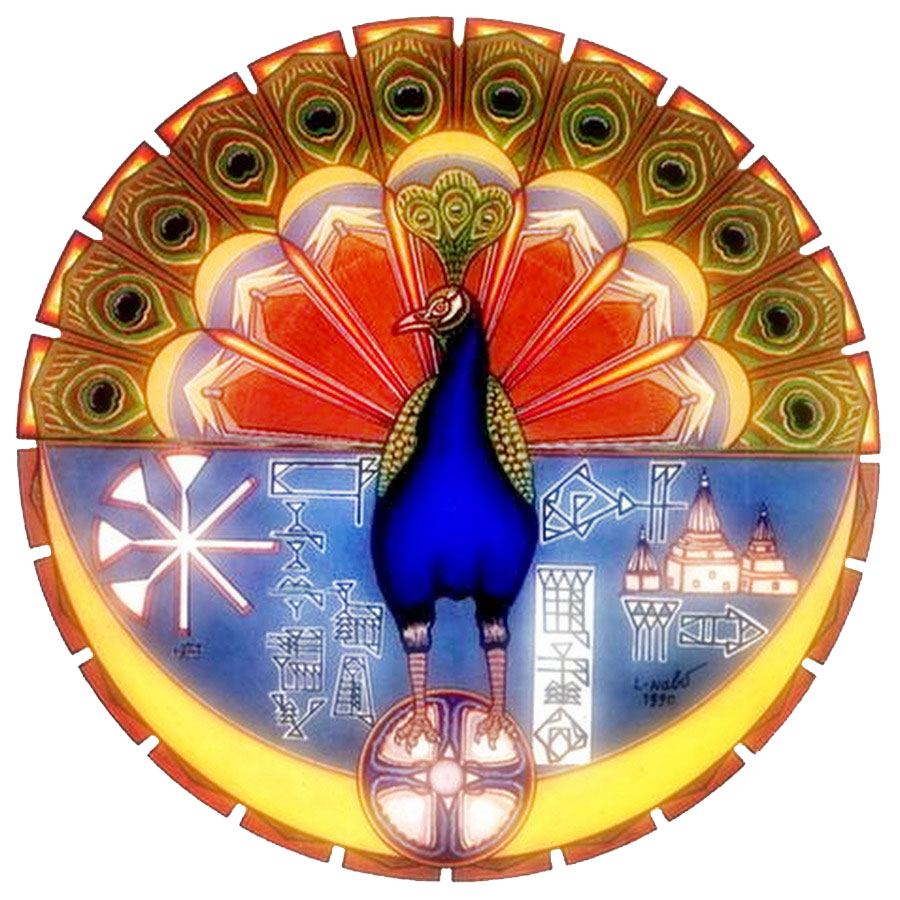
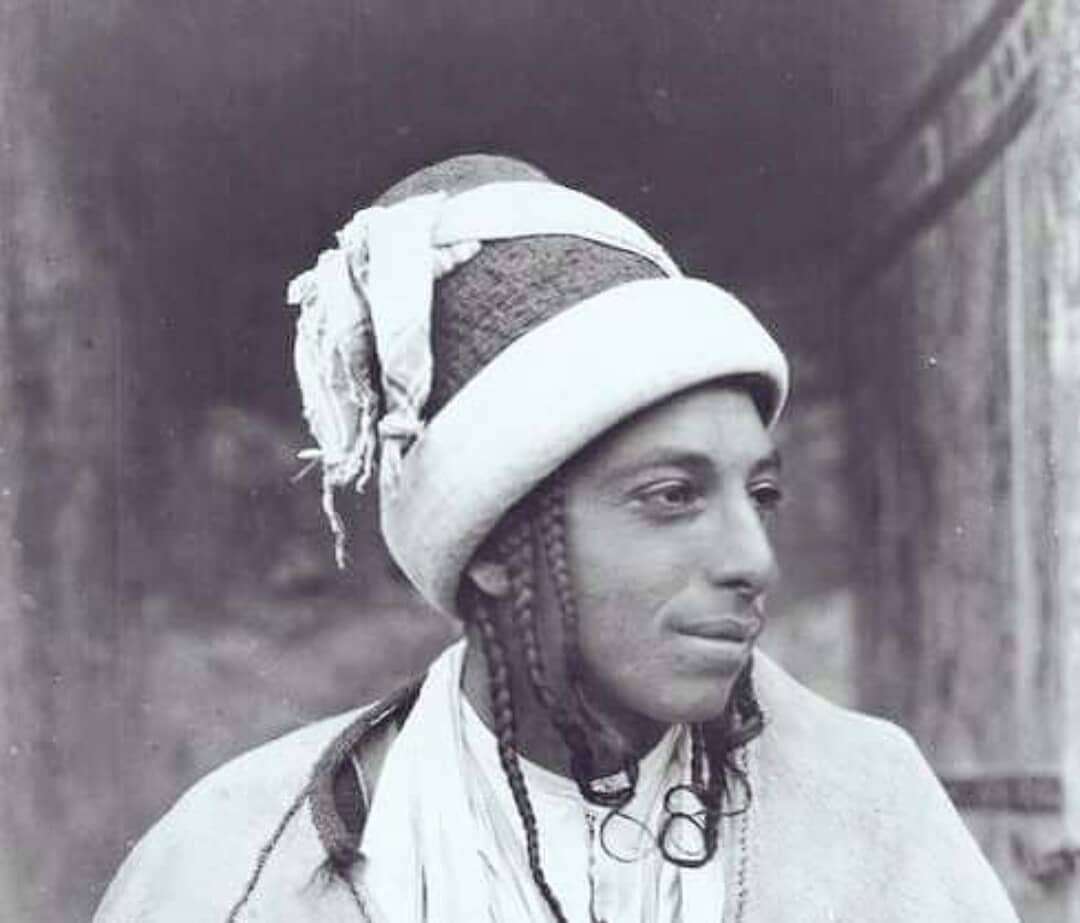
Yazidism - the ancient faith of the Yazidi people - is based on belief in one God, who created the world and entrusted it into the care of a Heptad of seven Angels or heft sirr. Preeminent among these is Tawûsê Melek (also known as Melek Taûs), the Peacock Angel. 1/
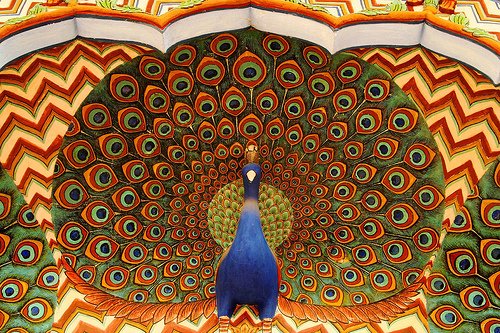
Peacocks are not native to the Kurdish lands where Tawûsê Melek is worshipped. Amongst early Christians, the peacock represented immortality because of a folk belief that its flesh does not decay after death, and this might explain the peacock imagery seen on Yazidi shrines. 2/
The Yazidis (or Yezidis) are a historically much-persecuted Kurmanji-speaking minority group who are indigenous to Kurdistan. Some identify as a sub-group of the Kurdish people, others as an entirely distinct ethnic group of older origin. 3/
Yazidis only intermarry with other Yazidis; those who marry non-Yazidis are expelled from their community and are not allowed to call themselves Yazidis. 4/
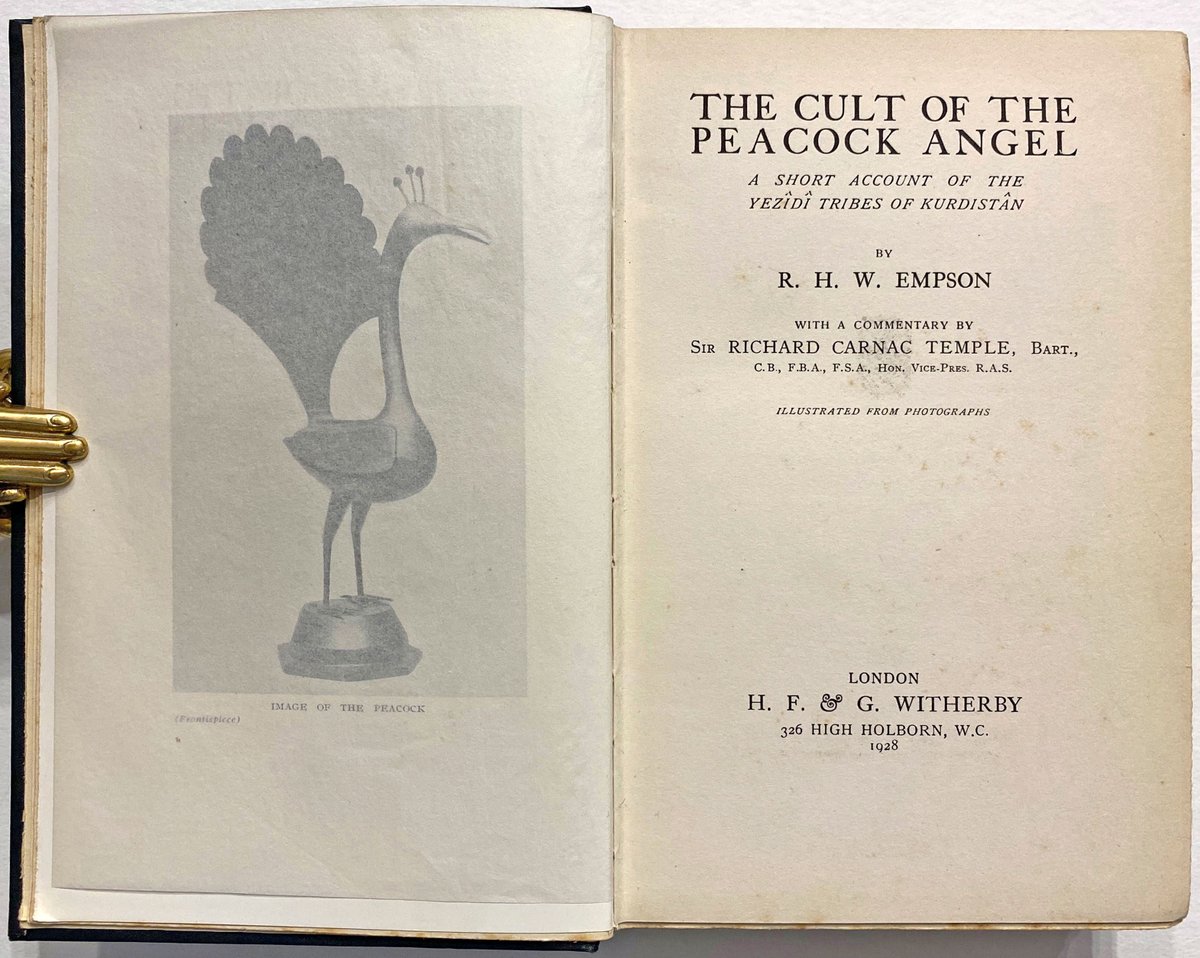
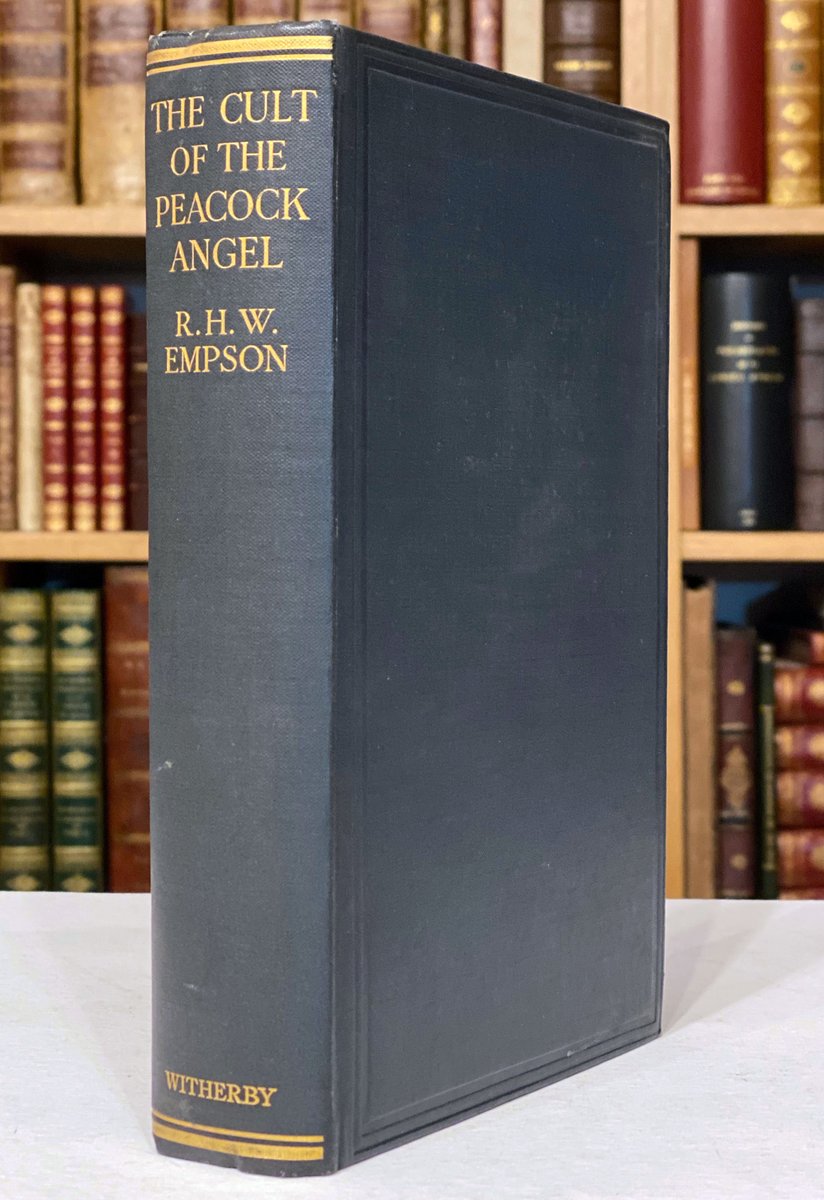
The first widely read book in English specifically on the Yazidis was Ralph Empson's "The Cult of the Peacock Angel - A Short Account of the Yezidi tribes of Kurdistan", published in London in 1928. 5/
In this book Empson sought to shed light on the religious practices of the Yazidis, and to dispel the then widely held negative perception of their faith as a form of devil worship. 6/
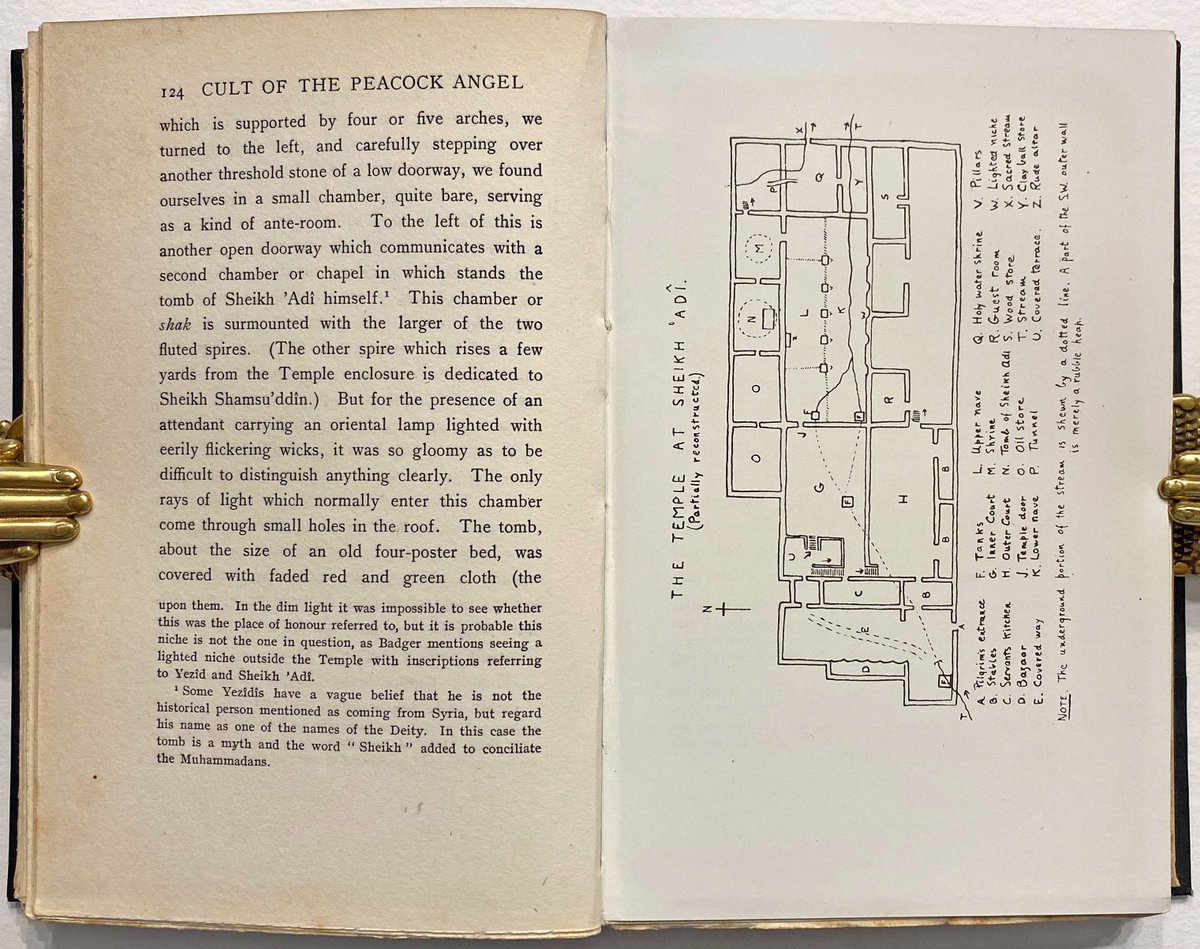
Although a book very much of its time, Empson’s study does this well: drawing on first-hand experience to describe a complex religion in which Melek Taus, the Peacock Angel - often misunderstood as Satan by outsiders - is the leader of the archangels and an emanation of God. 7/
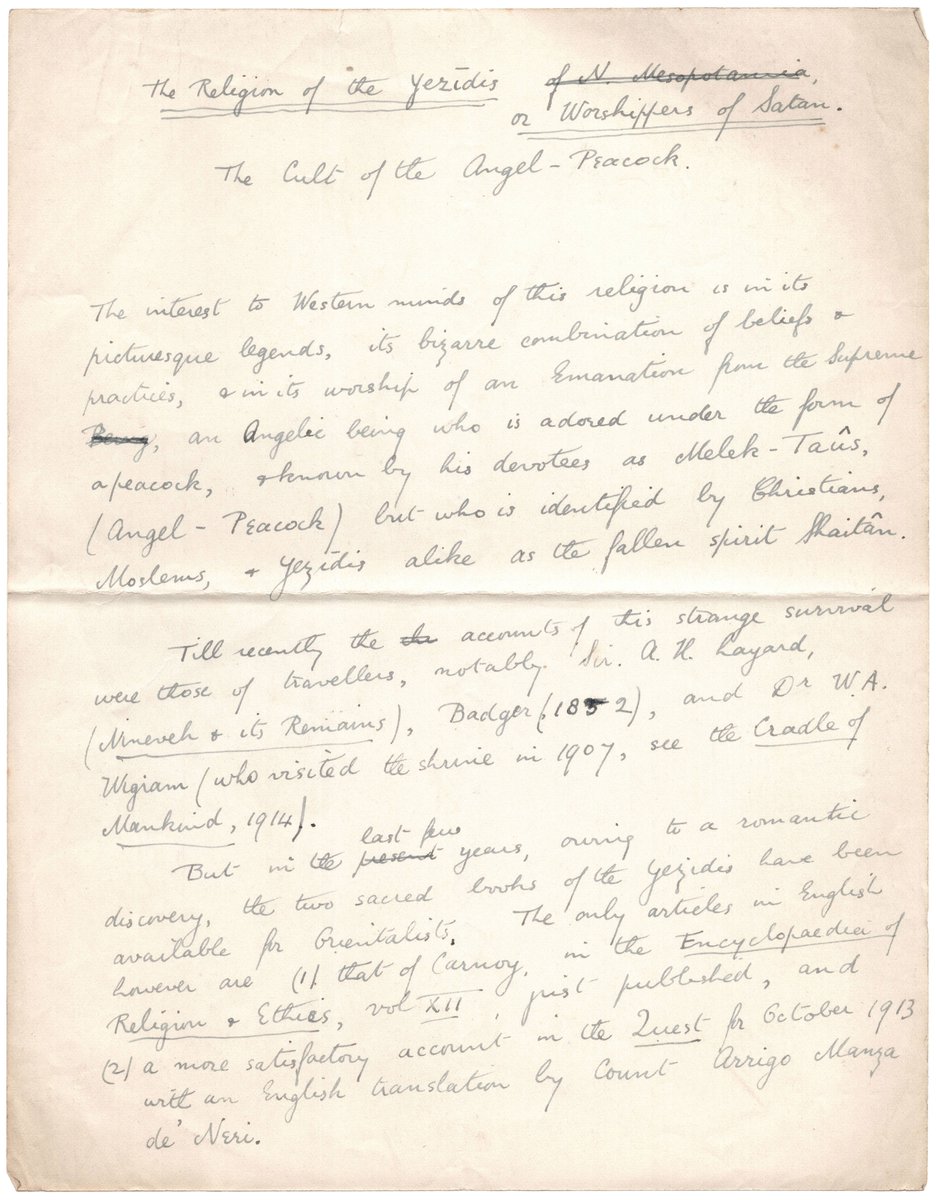
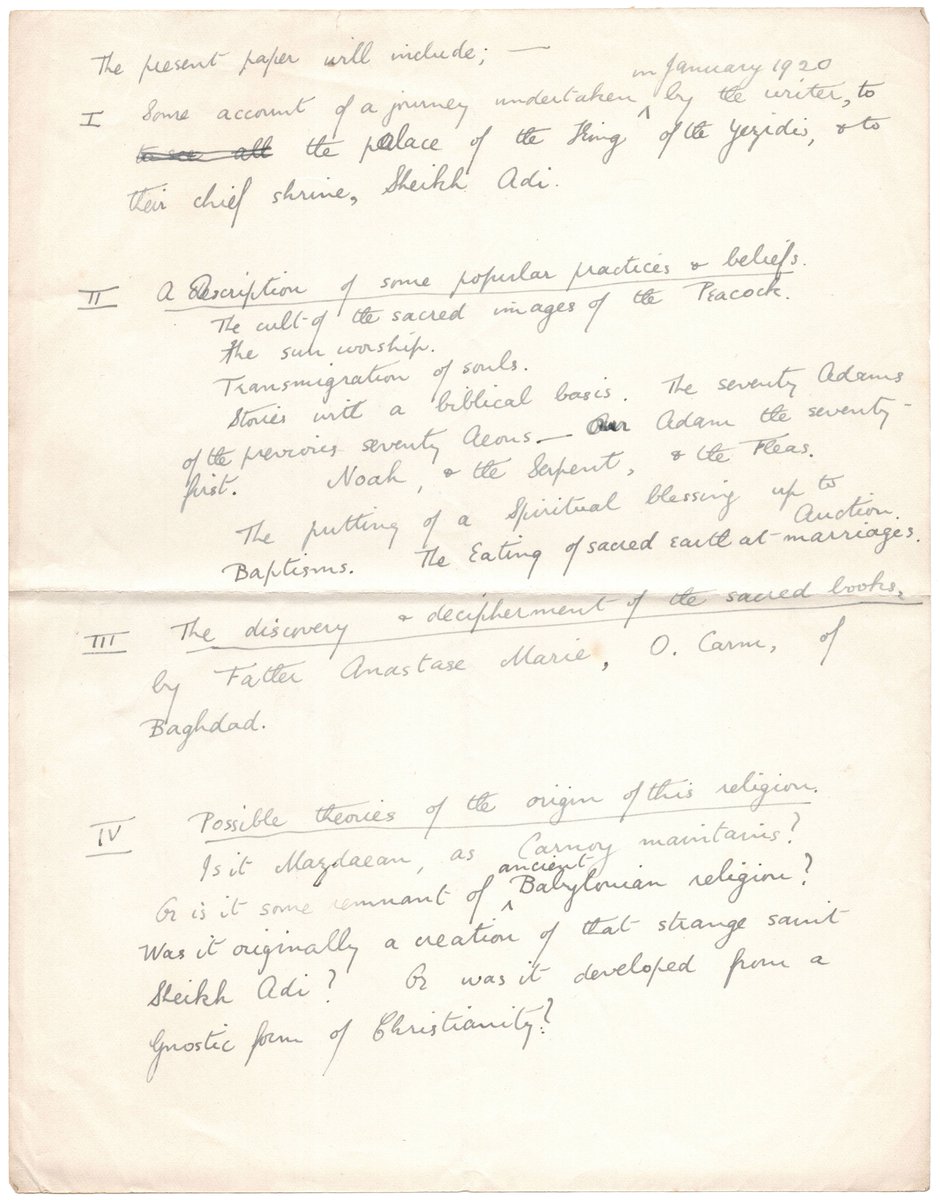
Found folded-up and tucked into my copy of the book, are some notes on the Yazidis by a contemporary reader, which give us an idea of how they and their religion were perceived in the 1920s. 8/
When foreigners first began studying the Yazidis in the 1830s, they believed that the Yazidis must have sacred books and thus tried to find them. While Yazidis oral traditions do attest to sacred literature, it's not clear if any such books truly still survive today. 9/
Copies of the Yazidi "Book of Revelation" were found in the 1880s and copies purporting to be authentic circulated in Iraq from the late 19th century to the early 20th century. Jeremiah Shamir, a former monk and known manuscript dealer was implicated in these discoveries. 10/
Another text, the Yazidi "Black Book", was described by Dr. Frederick Forbes when he visited Sinjar in 1838. He ascribed the authorship of the book to Sheikh Adi ibn Musafir. 11/
It's possible that both the Book of Revelations and the Black Book are a fusion of authentic Yazidi traditions and beliefs with additional forged material added to make the original manuscripts more attractive to 19th century Western buyers. 12/
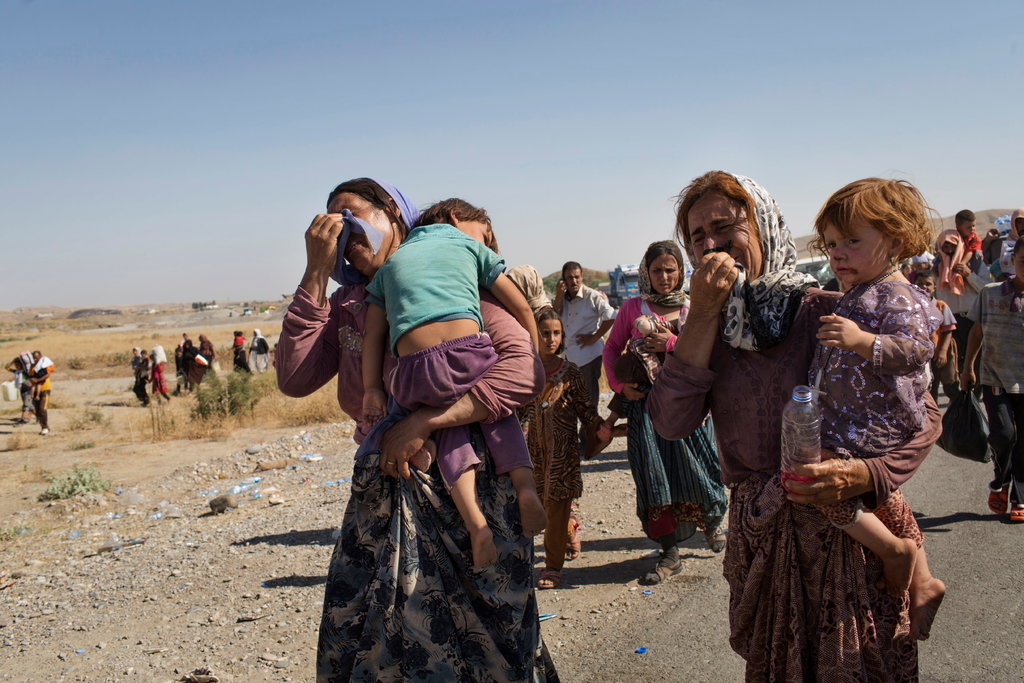
In the mid 2010's, when Iraqi forces and Peshmerga largely withdrew from northern Iraq, over 5000 Yazidi civilians were killed during what has been called a "forced conversion campaign" carried out by ISIL/Islamic State, and is now widely referred to as the Yazidi Genocide. 13/
Thousands of Yazidis are still missing today. Former captives and local business owners, assisted in some cases by Western charities and NGOs, have used their contacts to buy back Yazidi women sold into sex slavery and return them to their family. 14/
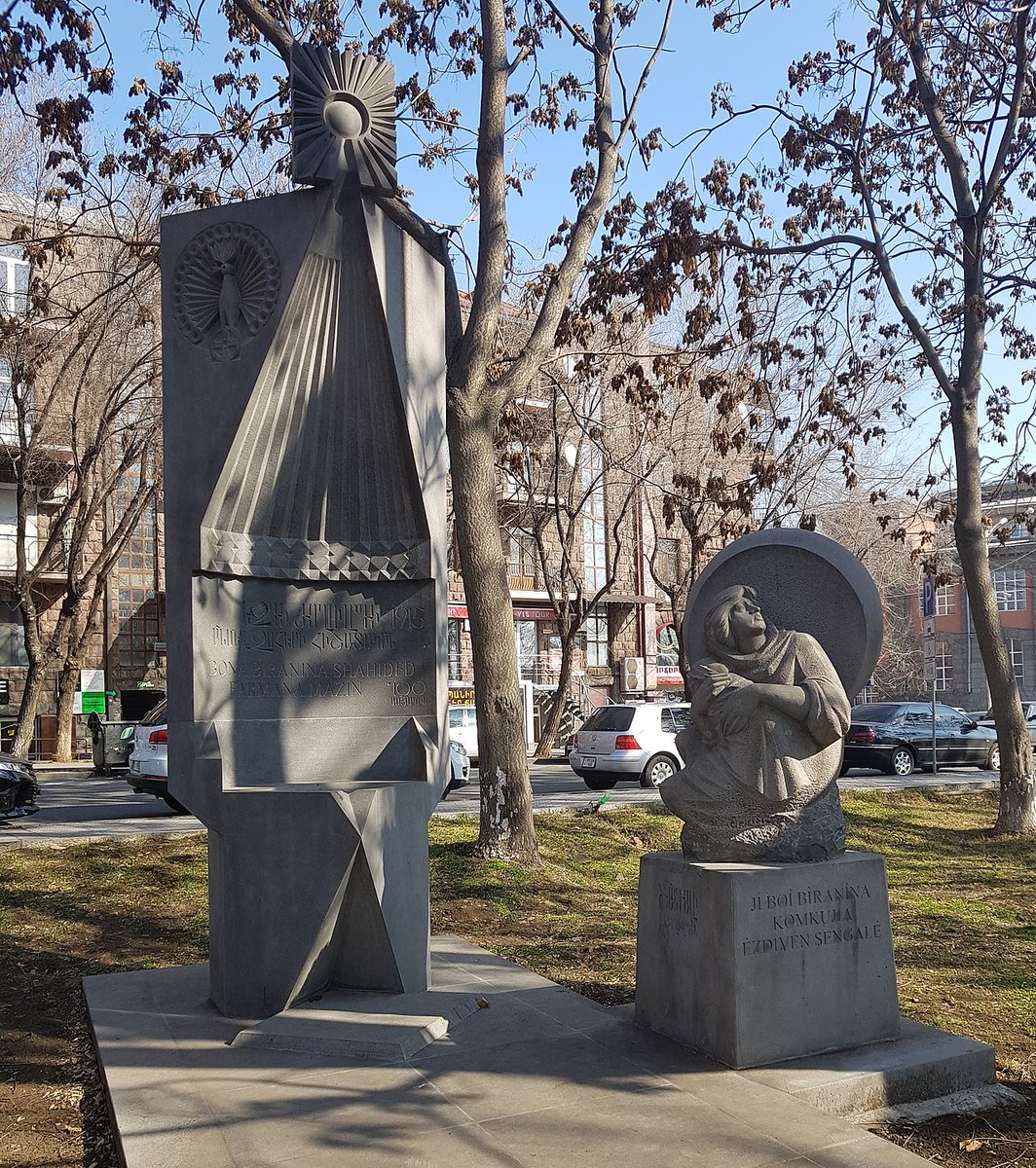
This is monument to the Yazidi Genocide in Yerevan, Armenia. 15/
There are a number of charities actively working in the region, and helping Yazidi communities rebuild their shattered lives. One that I can recommend if you're interested in making a donation is @AMARLondon. 16/
amarfoundation.org
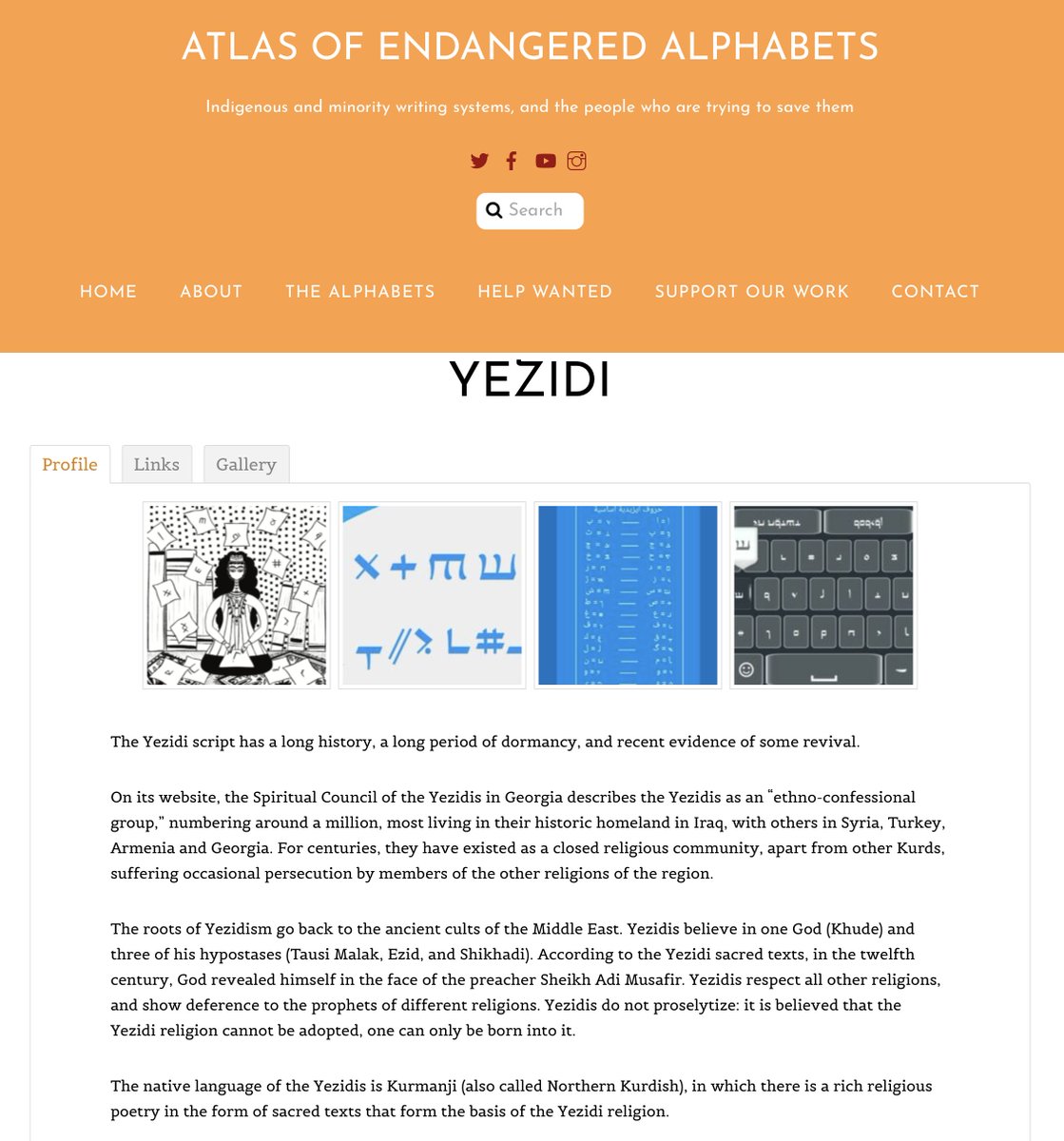
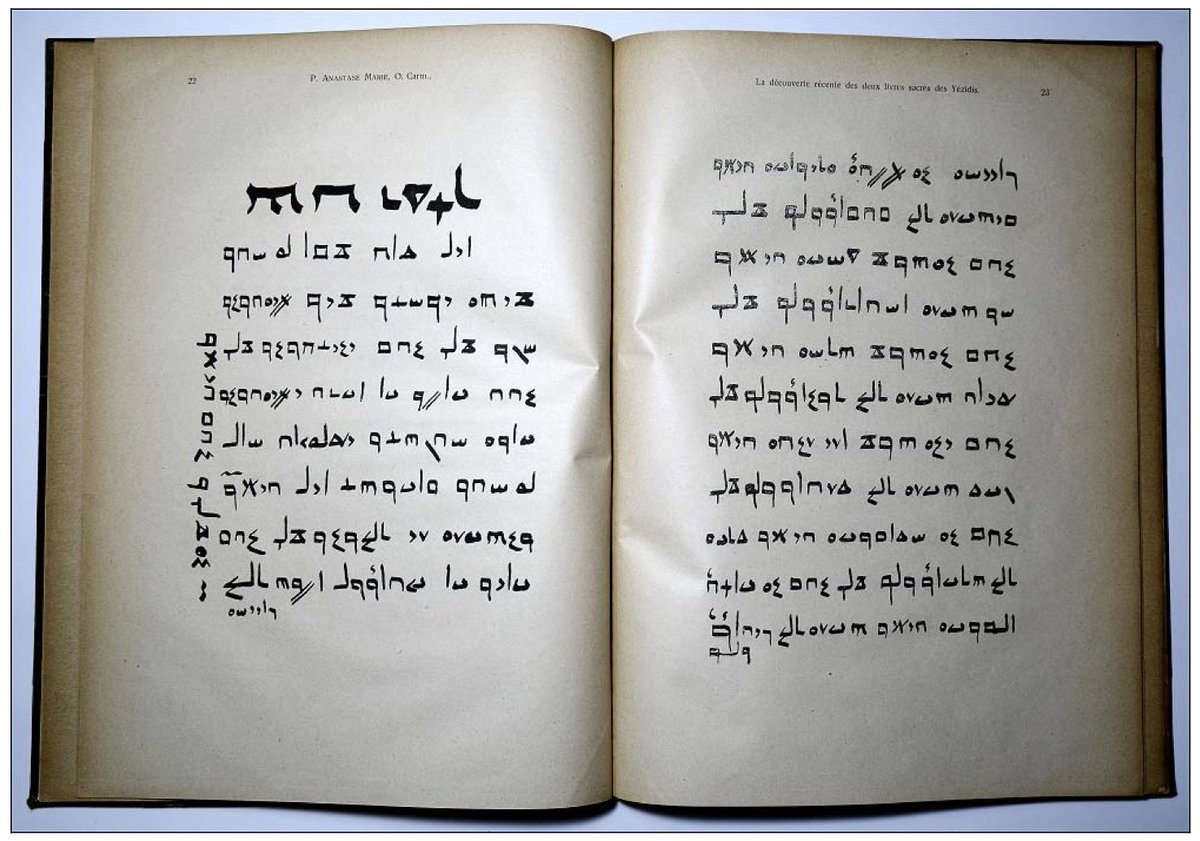
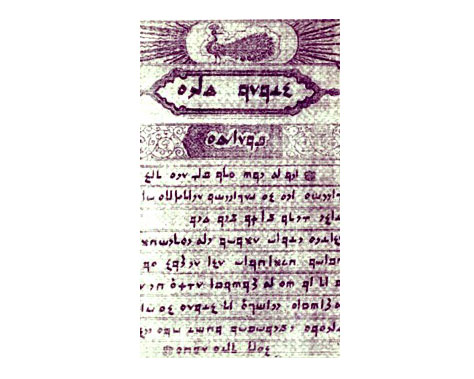
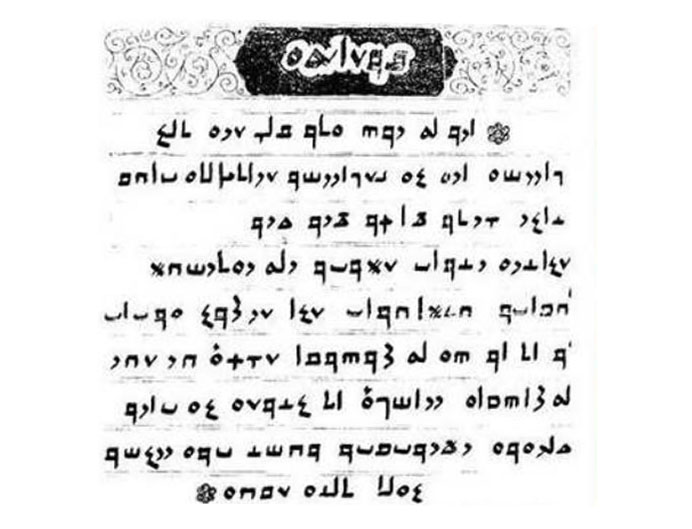
Remarkably, even though so little authentic Yazidi written material survives, there is an original Yazidi alphabet used to write the Kurmanji language, which may date from as early as the 12th or 13th century. Effectively extinct by the 19th cent, it's been recently revived. 17/
You can read more about the Yazidi alphabet, and the efforts since 2013 to revive it, at @EndangeredAlpha's wonderful "Atlas of Endangered Alphabets". 18/
endangeredalphabets.net
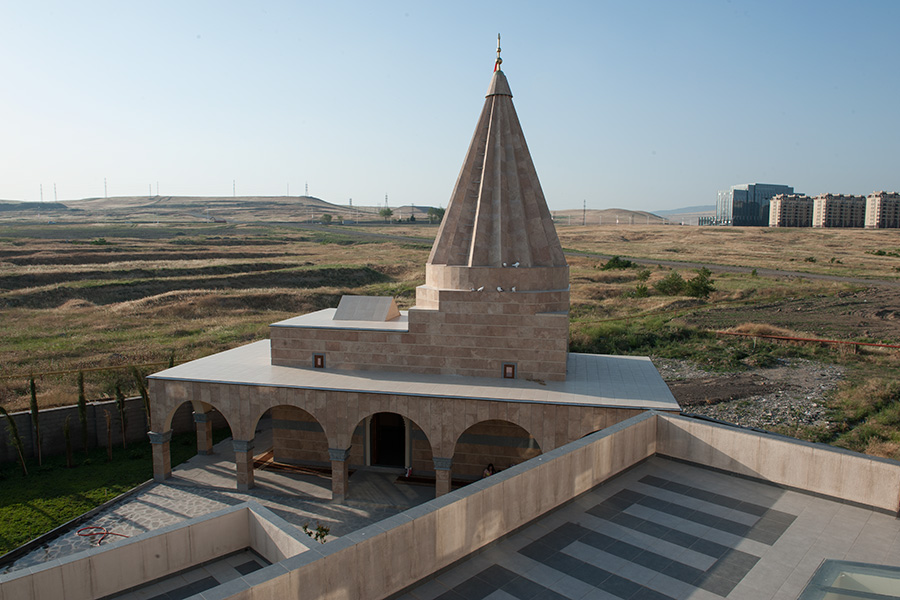
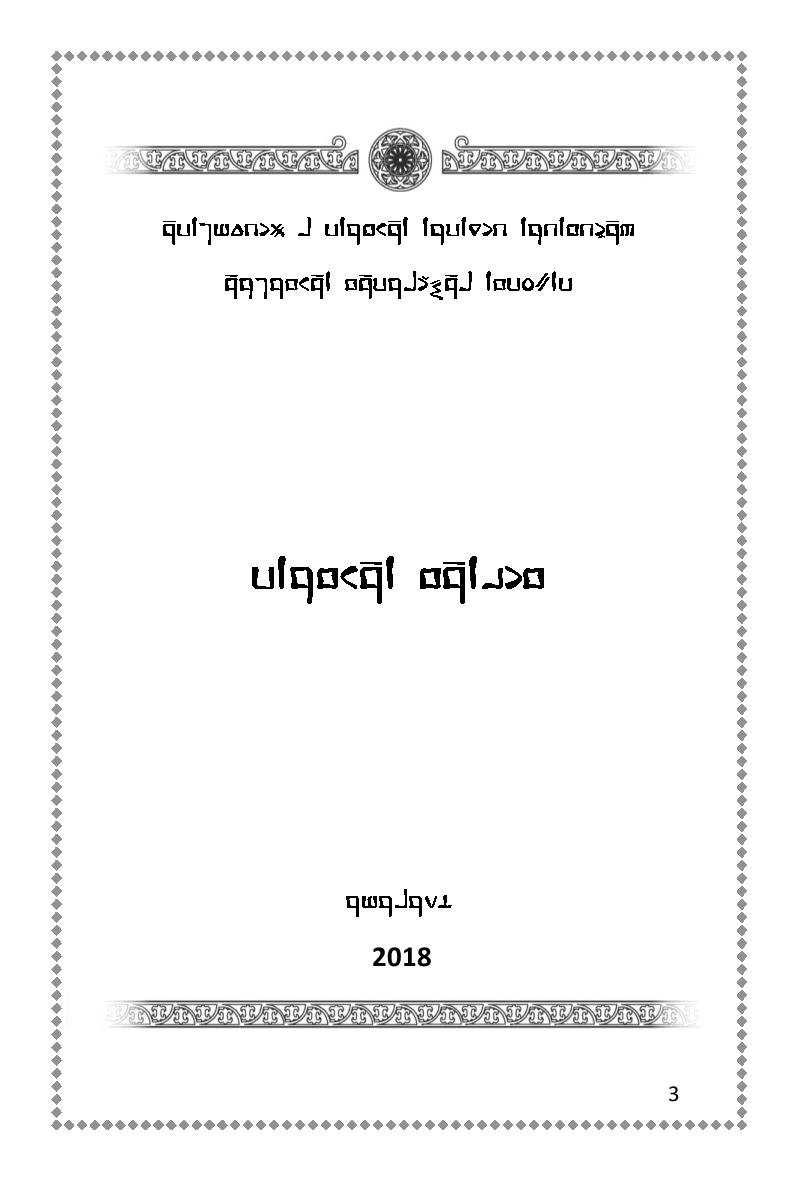
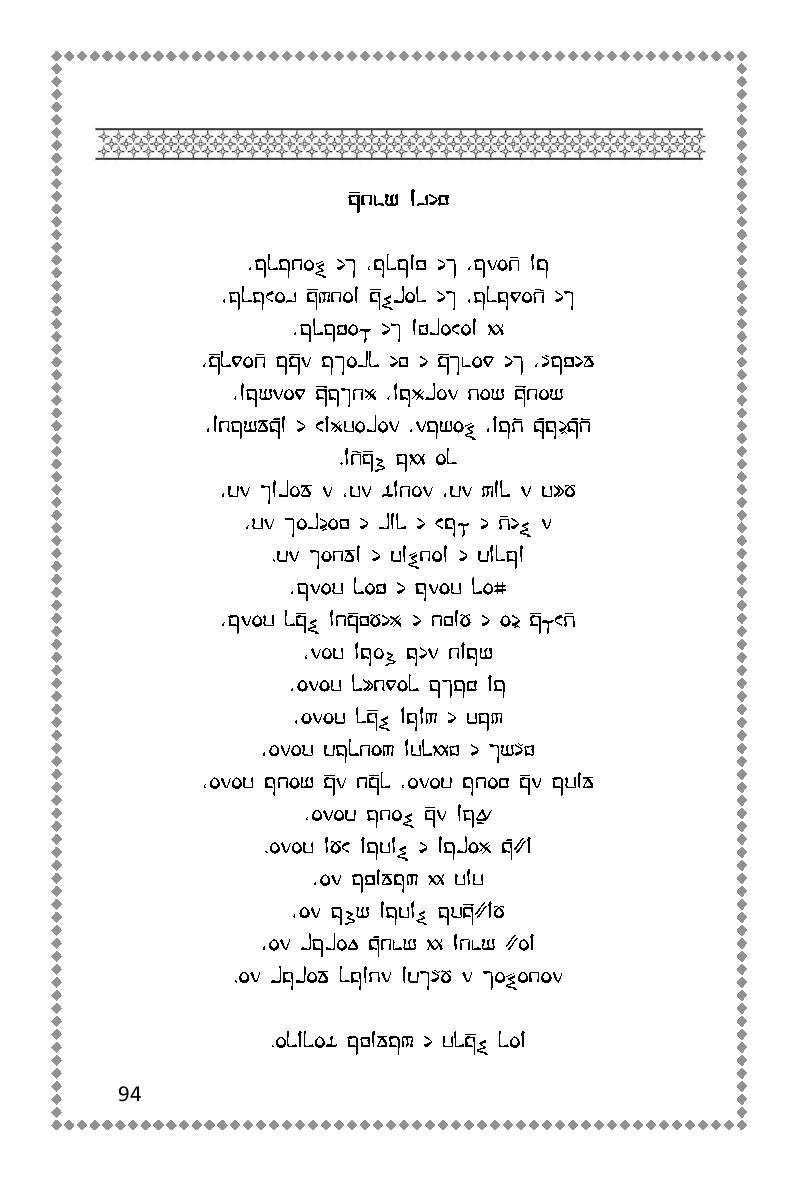
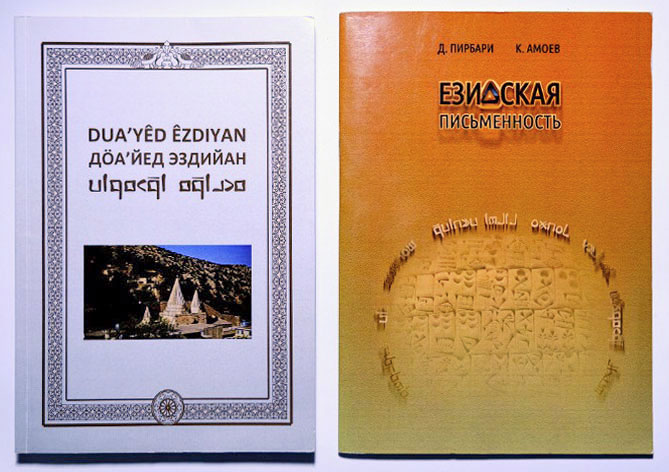
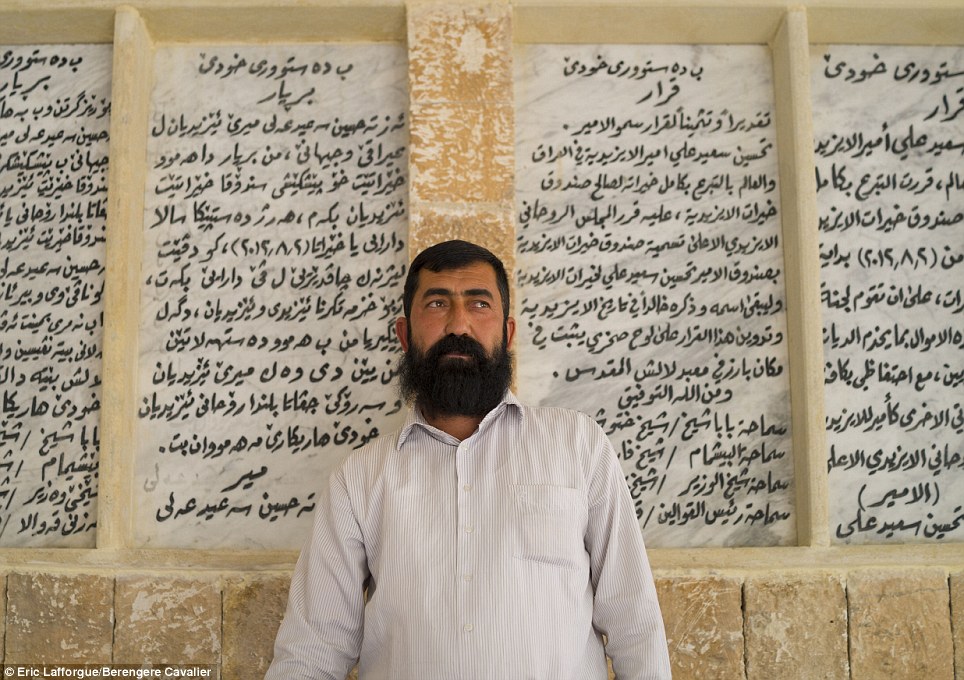
Today the Yezidi script is used by clergymen in the Yezidi temple in Tbilisi. On the walls of the temple, the names of saints are also written in this alphabet. A book of prayers "Dua’yêd Êzdiyan" in the Yezidi script has been published recently. 19/
Here is the title page and a sample page from the book of prayers in the Yazidi script "Dua’yêd Êzdiyan" published in 2018. 20/
This is the front cover of Dua’yêd Êzdiyan, together with another post-2013 publication featuring the Yazidi alphabet. 21/
Whether the Yazidi alphabet is of medieval origin, or whether - as may well be the case - it's a 19th century creation, it has certainly now been enthusiastically adopted by many sectors of Yazidi society, including the Spiritual Council based at the Yazidi temple in Tbilisi. 22/

Loading suggestions...