

Discourse in the media doesn’t always have to be loud and bombastic to get its message across. Sometimes, they can humor you. This tactic was used in the years during and after the great Indian Mutiny, with a few up and coming unconventional comic magazines. A Thread. 1/16

In the early 1830s, French lithographer and caricaturist, Charles Philipon, and his brother-in-law, Gabriel Aubert, came out with an illustrated magazine titled ‘Le Charivari’. The aim was to produce humorous content, sometimes light-hearted and at times satirical. 2/16
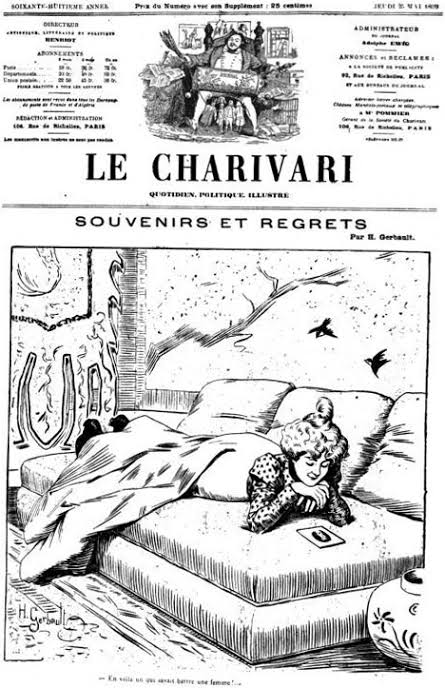
The name came from the folk practice of ‘holding a charivari’ – a loud, riotous parade, to shame or punish wrongdoers. At the time, Le Charivari became quite popular among Parisians and inspired a new kind of humor and journalism not popularly seen before. 3/16
Inspired by the Le Charivari, Ebenezer Landells, a British wood-engraver and illustrator, decided to start his own magazine. Soon enough, London’s Fleet Street, first home to the world’s most notorious scandals, now also housed ‘The Punch’. 4/16
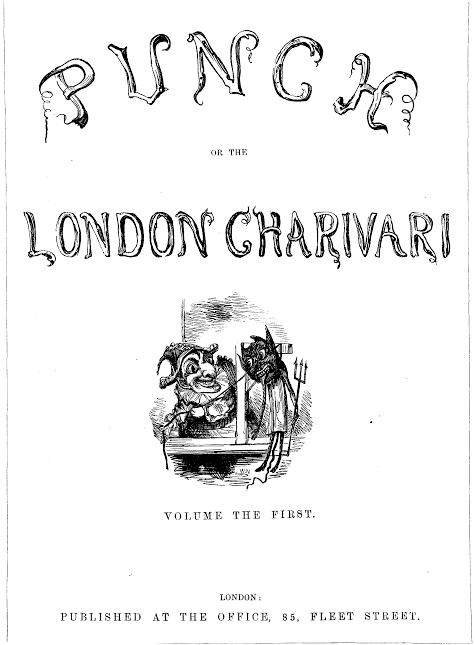
‘The Punch’ or the London Charivari was widely quoted as ‘current, cheap, and literature of the rib-tickling kind’. To Victorian England, it was a thing of marvel. Though it mostly depicted politics, its stunning visuals and hint of satire were a huge success. 5/16
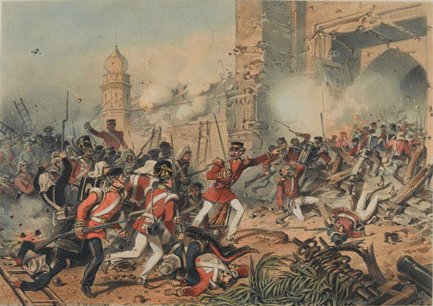
Then came the mutiny. In 1857, the Indian subcontinent was shaken by unprecedented events and their tremors were felt all the way up in the British Isles. It was during this unrest that Punch cartoonist, John Tenniel, came up with his famous cartoons from the 1857 series. 6/16
There were the Cawnpore cartoons and several others including one with the British Lion against a Bengal Tiger titled ‘Vengeance’. It not only depicted happenings around the colonies but also subtly imprinted British superiority. 7/16
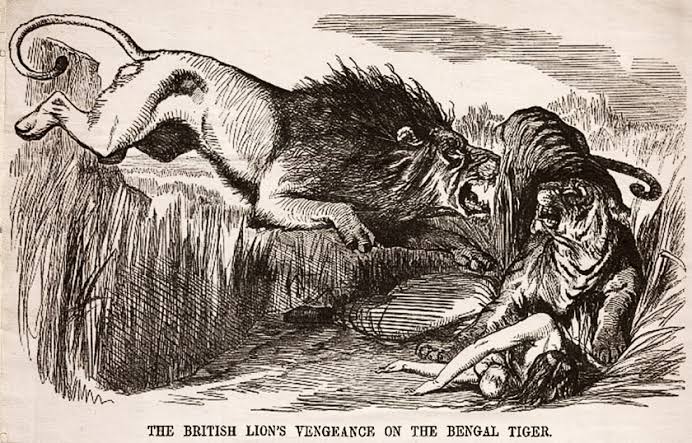
The New York Daily Times commented on the Cartoon of the Lion and the Tiger: ‘The temper of the British Nation has been fully aroused and sooner or later a terrible retribution will be visited upon the heads of the rebel Indians’. 8/16
The aim to glorify the Empire’s colonial mentality pretty much manifested itself on the Punch during that time. Additionally, this mentality was pushed in India when a couple of Punch magazines popped up. 9/16
The Indian Charivari formed in Calcutta in the 1870s. Modeled based on its London namesake, it was spiteful towards the Indian populace and used its comic caricatures to peddle hysteria and racial bigotry, especially against the Bengali intelligentsia. 10/16
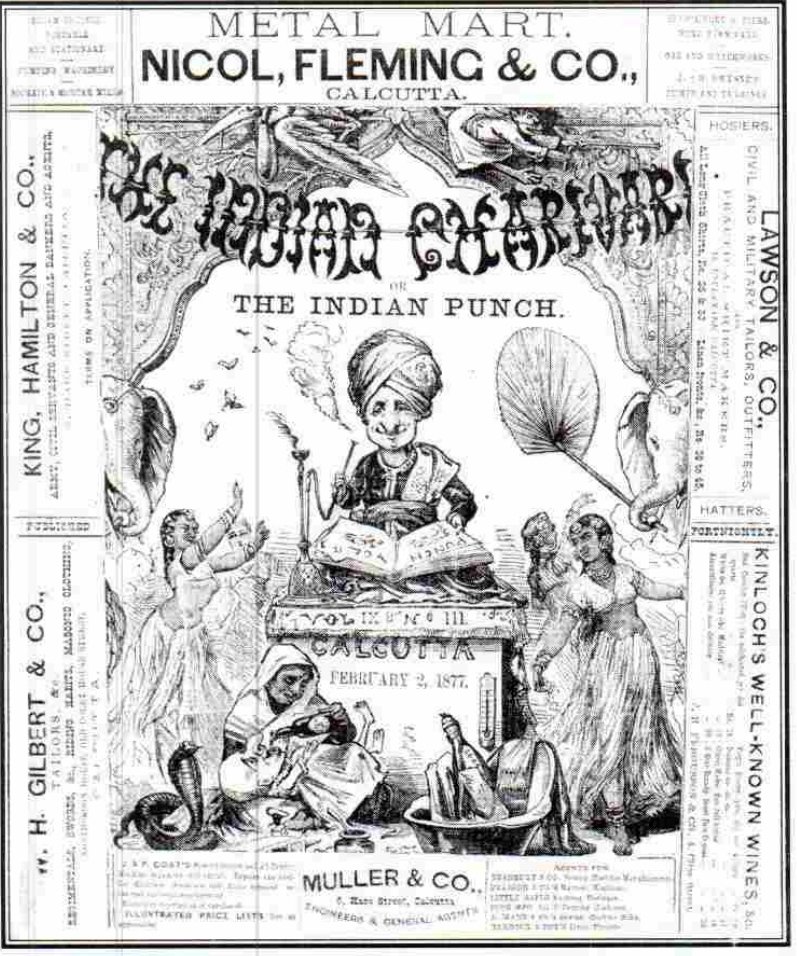
Contrary to what may have been insinuated, the British Masters didn’t always like their highly educated Bengali clerks and babus. When Queen Victoria proclaimed that all her subjects would be treated equally, discomfort stirred among the British elites. 11/16
They were not comfortable sharing higher government offices with their Indian counterparts. The Indian Punch took to this and in their series of caricatures known as The Baboo Ballads, they ridiculed the Bengali Bhadralok (gentleman). 12/16
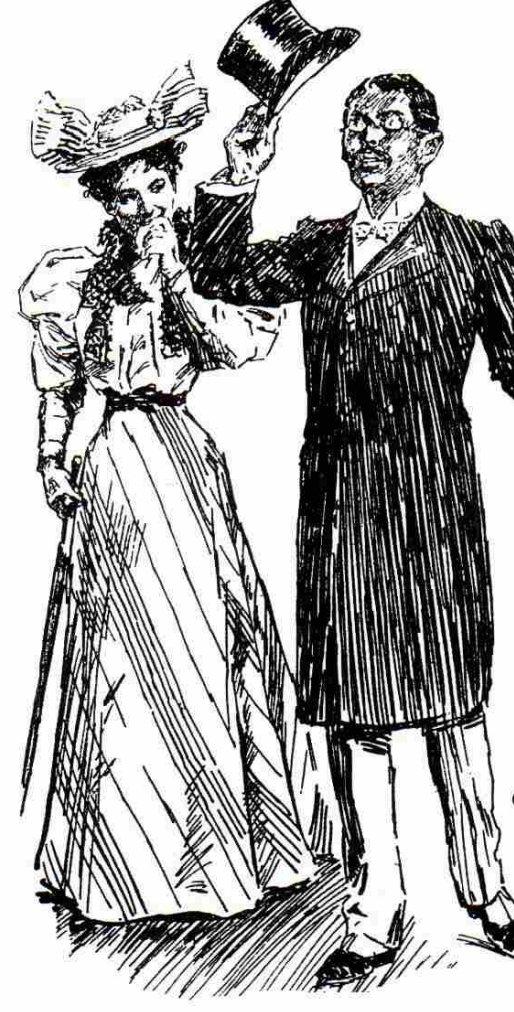
They created a couple Bengali Characters and serially published a series not only ridiculing them but also demanding, humorously of course, that not only the ICS even the Poet Laureateship should also be made open to the Indians. 13/16
There were, however, other Punch magazines like the Delhi Punch, Hindi Punch, Oudh Punch, and the Parsi Punch. Many of them worked on similar topics and were more inclined towards making commentary on various social issues. 14/16
These magazines also supported the nationalist movement in their own way. Due to the to-and-fro humorous propaganda war going on, the British authorities saw fit to bring all of them under surveillance giving birth to the Vernacular press act of 1878. 15/16
Punches and humor, much like other conventional media forms, can often serve to be powerful tools for manipulation and propaganda. So, if you ever happen to step over the line, you can either get bought off or if you’re lucky, jailed. 16/16
Sources: csus.edu, Caricaturing Culture in India: Cartoons and History in the Modern World by Ritu Gairola Khanduri
Loading suggestions...