

Here are the 10 most common logical fallacies that the government, media, and big corporations are using on you to keep you angry, confused, and terrified.
There’s a reason these aren’t taught in school
Once you recognize them, you’ll no longer be so easy to manipulate.
There’s a reason these aren’t taught in school
Once you recognize them, you’ll no longer be so easy to manipulate.
1) False Dichotomy
“Either you’re with us or against”
This fallacy presents the illusion of only two extreme choices when more options exist.
It’s a powerful tool to polarize. If you always have an "enemy," you'll never focus on the real villain and the damage they're doing
“Either you’re with us or against”
This fallacy presents the illusion of only two extreme choices when more options exist.
It’s a powerful tool to polarize. If you always have an "enemy," you'll never focus on the real villain and the damage they're doing
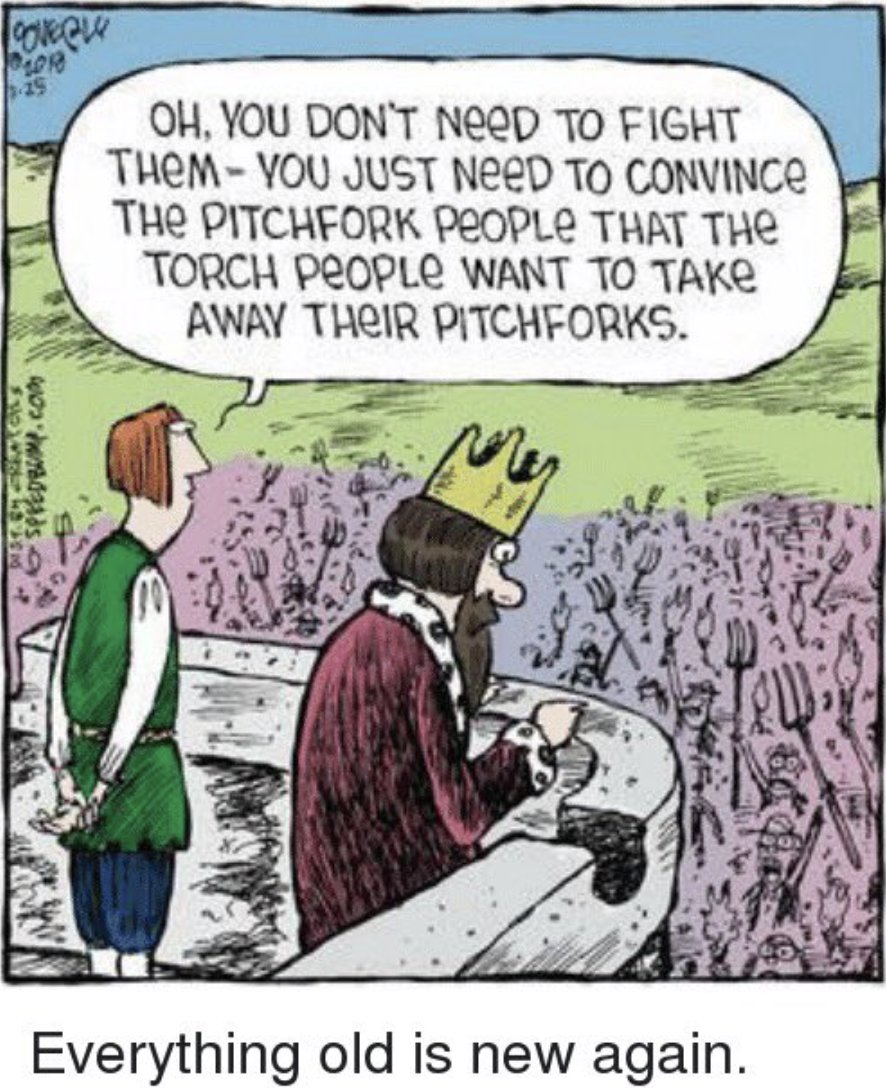
2) Straw man
“You want to kill Grandma because you don't wear a mask.”
Straw-man arguments attack either a more extreme or simplified version of the counterargument.
People feel superior by attacking a weaker version of your stance, which only leads to divisive pride.
“You want to kill Grandma because you don't wear a mask.”
Straw-man arguments attack either a more extreme or simplified version of the counterargument.
People feel superior by attacking a weaker version of your stance, which only leads to divisive pride.
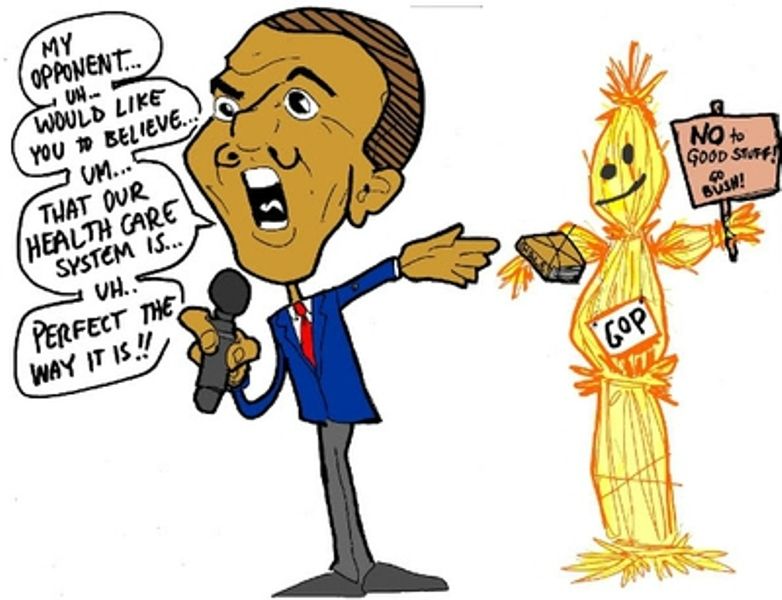
3) Ad Hominem
"You can't be racist if you're black."
Ad hominem fallacy attacks the person rather than their argument. It's classic "shooting the messenger."
It's also allowing an inferior argument to stand because of who makes it.
"You can't be racist if you're black."
Ad hominem fallacy attacks the person rather than their argument. It's classic "shooting the messenger."
It's also allowing an inferior argument to stand because of who makes it.
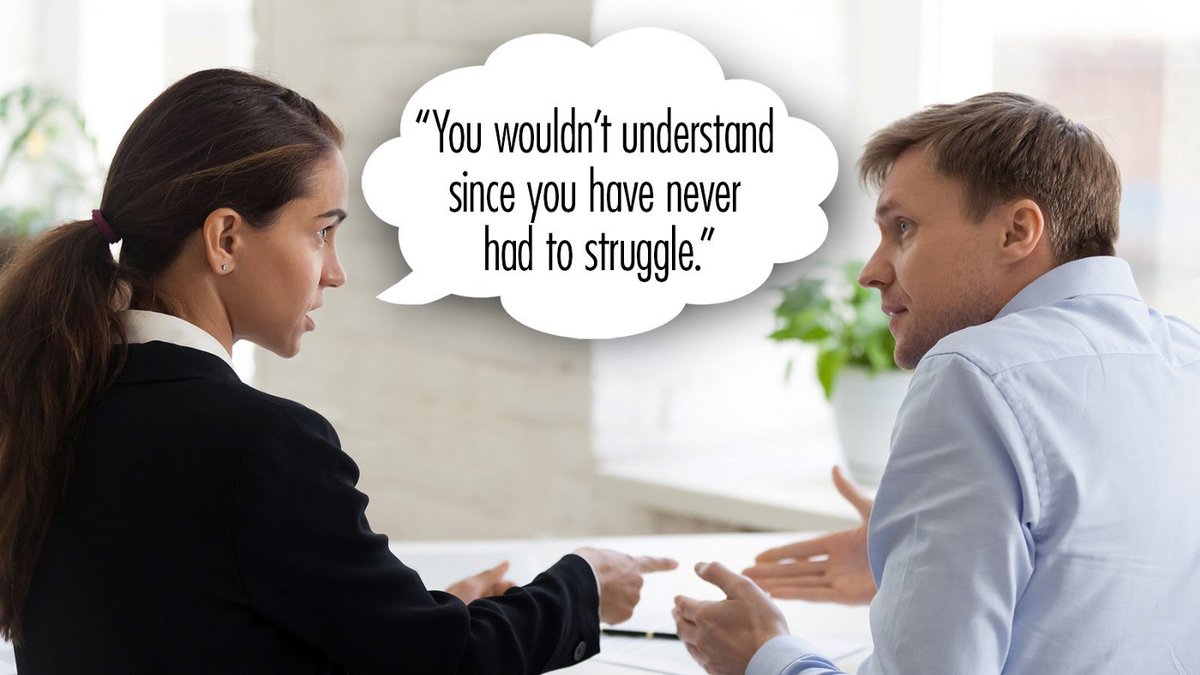
4) Circular Reasoning
"Violent games cause teens to be violent because violent teens play video games."
Circular arguments repeat the argument without arriving at a new conclusion.
Shout out to @ScottAdamsSays for creating this wonderful example of circular reasoning.
"Violent games cause teens to be violent because violent teens play video games."
Circular arguments repeat the argument without arriving at a new conclusion.
Shout out to @ScottAdamsSays for creating this wonderful example of circular reasoning.

5) Hasty generalization
"The police killed another black dude. They must all be racist."
Hasty generalizations often take this form: “If it’s true in this case, it is true in all cases.”
Stereotypes are rooted in this fallacy
Another @ScottAdamsSays gem of a demonstration
"The police killed another black dude. They must all be racist."
Hasty generalizations often take this form: “If it’s true in this case, it is true in all cases.”
Stereotypes are rooted in this fallacy
Another @ScottAdamsSays gem of a demonstration

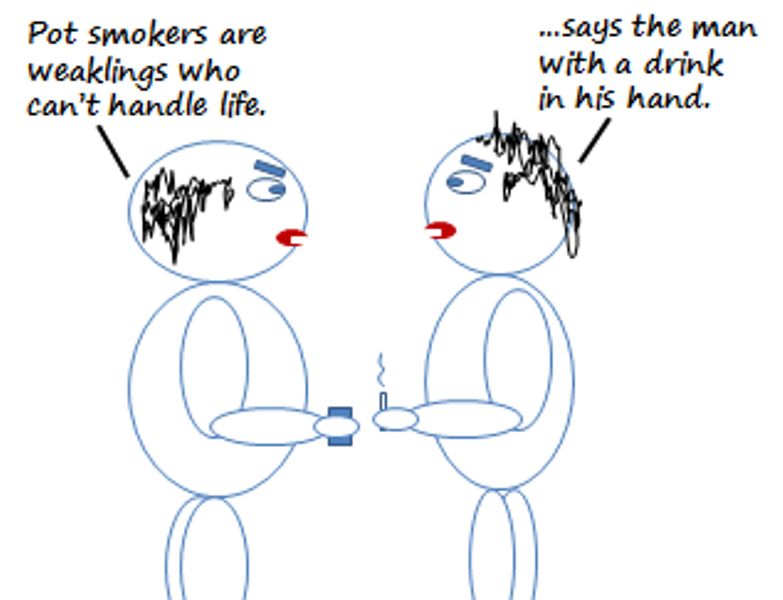
6) Appeal to hypocrisy
"You smoke weed every day. How dare you call me an alcoholic."
This fallacy focuses on the apparent hypocrisy of the opponent.
It's used to deflect criticism away from oneself by accusing the other person of the same problem or something comparable.
"You smoke weed every day. How dare you call me an alcoholic."
This fallacy focuses on the apparent hypocrisy of the opponent.
It's used to deflect criticism away from oneself by accusing the other person of the same problem or something comparable.
7) Causal Fallacy
"The streets are wet. It's raining. Wet streets cause rain."
A silly example from Michael Crichton, but it makes the point.
The Causal fallacy incorrectly matches cause and effect.
"The streets are wet. It's raining. Wet streets cause rain."
A silly example from Michael Crichton, but it makes the point.
The Causal fallacy incorrectly matches cause and effect.
8) Appeal to authority
"You must follow these health guidelines because the FDA said so."
Appeal to authority is misusing an authority's opinion to support an argument.
Expertise is valuable, but it is not a suitable defense or an attack on a logical argument.
"You must follow these health guidelines because the FDA said so."
Appeal to authority is misusing an authority's opinion to support an argument.
Expertise is valuable, but it is not a suitable defense or an attack on a logical argument.

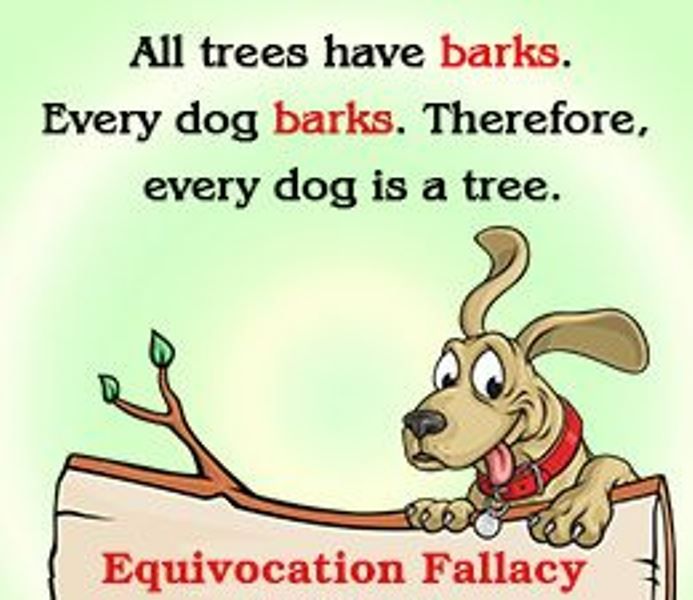
9) Equivocation
"I don't know why you're so mad. I said I wouldn't talk to her and I didn't. I only sent her text and some pictures."
Equivocation is when a word, phrase, or sentence is used to mislead.
When it's poetic or comical, it's a "play on words."
"I don't know why you're so mad. I said I wouldn't talk to her and I didn't. I only sent her text and some pictures."
Equivocation is when a word, phrase, or sentence is used to mislead.
When it's poetic or comical, it's a "play on words."
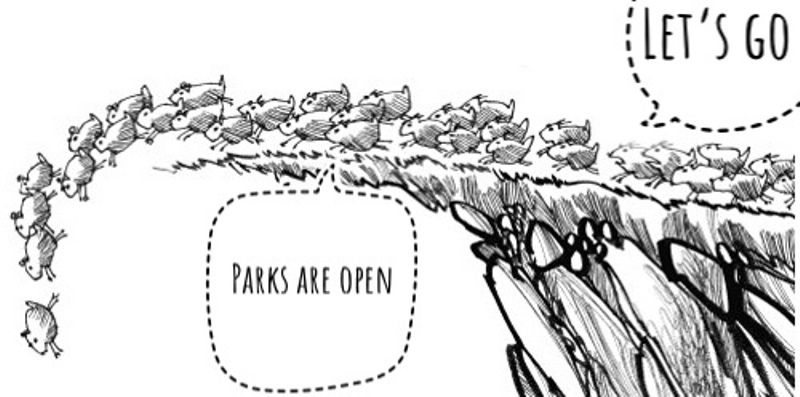
10) Bandwagon fallacy
"Everyone is watching this new Netflix series so it must be good."
The bandwagon fallacy assumes something is right or good because everyone agrees with it or is doing it.
In other words, if everyone else thinks a certain way, you should also.
"Everyone is watching this new Netflix series so it must be good."
The bandwagon fallacy assumes something is right or good because everyone agrees with it or is doing it.
In other words, if everyone else thinks a certain way, you should also.
If you spot how these thinking traps are being used against you, then you can stop being divided by them.
They don't want you to think though. The attached thread explains "they."
RT the parts you loved and follow @edlatimore for more content like this.
They don't want you to think though. The attached thread explains "they."
RT the parts you loved and follow @edlatimore for more content like this.
Loading suggestions...