

✨MOST POPULAR ML MODELS FOR BEGINNERS✨
Are you trying to get started in this awesome field called ML? I know it can get overwhelming with all those models and techniques
so I'm going to make a list of the models that a beginner should definitely learn:
Are you trying to get started in this awesome field called ML? I know it can get overwhelming with all those models and techniques
so I'm going to make a list of the models that a beginner should definitely learn:
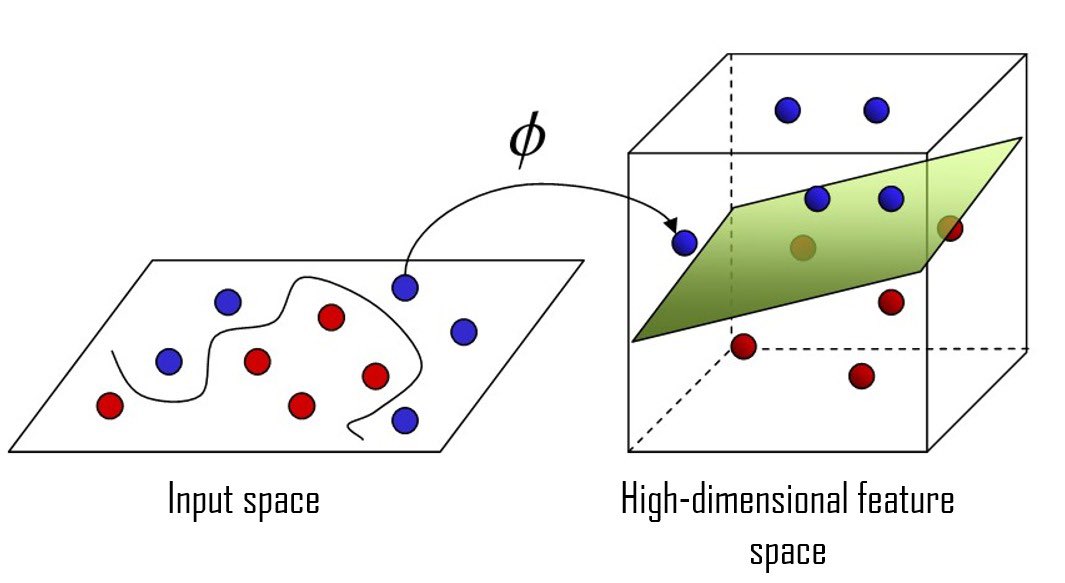
First, let's start off mentioning that ML models do pretty much two things:
1) Quantitative Predictions
2) Classification
I know some people might disagree with me, but I feel like that's a good way to classify the purpose of *most* (if not all) ML models
1) Quantitative Predictions
2) Classification
I know some people might disagree with me, but I feel like that's a good way to classify the purpose of *most* (if not all) ML models
There's also two concepts regarding the way we train our models:
Supervised and Non-supervised learning
In short, supervised learning is when you work with tagged data
you know what that piece of data represents beforehand and the model can adjust accordingly if mislabeled
Supervised and Non-supervised learning
In short, supervised learning is when you work with tagged data
you know what that piece of data represents beforehand and the model can adjust accordingly if mislabeled
Non-supervised learning is when you supply your model with untagged data and expect it to learn from the patterns it might have
it's like guessing whether a person could become a client or not depending on some data you might have
it's like guessing whether a person could become a client or not depending on some data you might have
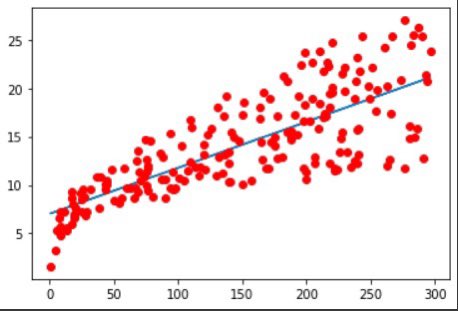
1) Linear Regression
Linear regression is by far the easiest yet very insightful model out there. There's also ridge regression, lasso, polynomial… depending on the way you “adjust” your data
This is the model beginners should start with in my opinion
Linear regression is by far the easiest yet very insightful model out there. There's also ridge regression, lasso, polynomial… depending on the way you “adjust” your data
This is the model beginners should start with in my opinion
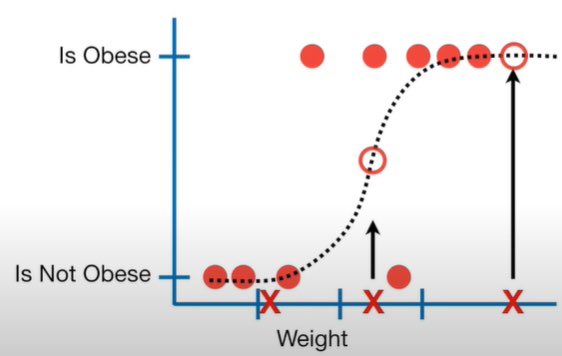
2) Logical Regression
This is a model used for classification only (as far as I know) it's not only used in ML, you can also find similar concepts in other fields like differential equations
I recommend this model to start with supervised classification models
This is a model used for classification only (as far as I know) it's not only used in ML, you can also find similar concepts in other fields like differential equations
I recommend this model to start with supervised classification models
3) Clustering
This is a fun non-supervised classification model. It's not math heavy and depending on your data's dimension, you could be able to do awesome visualizations
There's k-means, hierarchical clustering, affinity propagation (this one is my favorite), …
This is a fun non-supervised classification model. It's not math heavy and depending on your data's dimension, you could be able to do awesome visualizations
There's k-means, hierarchical clustering, affinity propagation (this one is my favorite), …

4) Random Trees
This is another cool model because it can be used for both classification and regression! It's not math heavy and it's widely used
There's random trees, random forest, regression trees, …
This is another cool model because it can be used for both classification and regression! It's not math heavy and it's widely used
There's random trees, random forest, regression trees, …

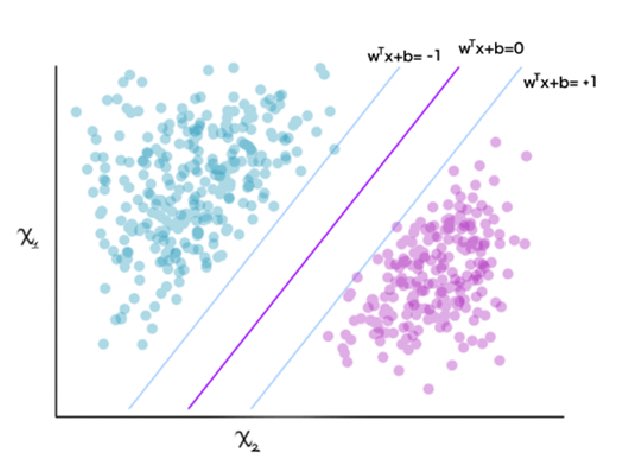
5) Support Vector Machines
This one is totally optional imo. It's very math heavy (requires linear programming, linear algebra and multi-calc knowledge) yet very interesting (kernels are 💯)
This is a model that can be used for both supervised classification and regression
This one is totally optional imo. It's very math heavy (requires linear programming, linear algebra and multi-calc knowledge) yet very interesting (kernels are 💯)
This is a model that can be used for both supervised classification and regression
Loading suggestions...