
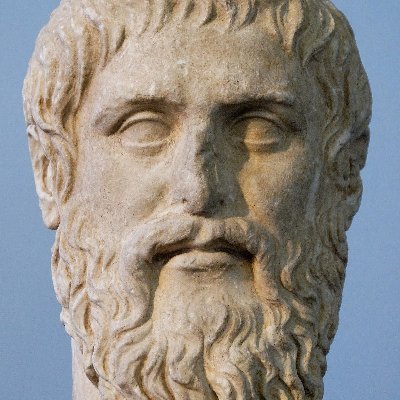
If you want to understand a society then just look at its heroes.
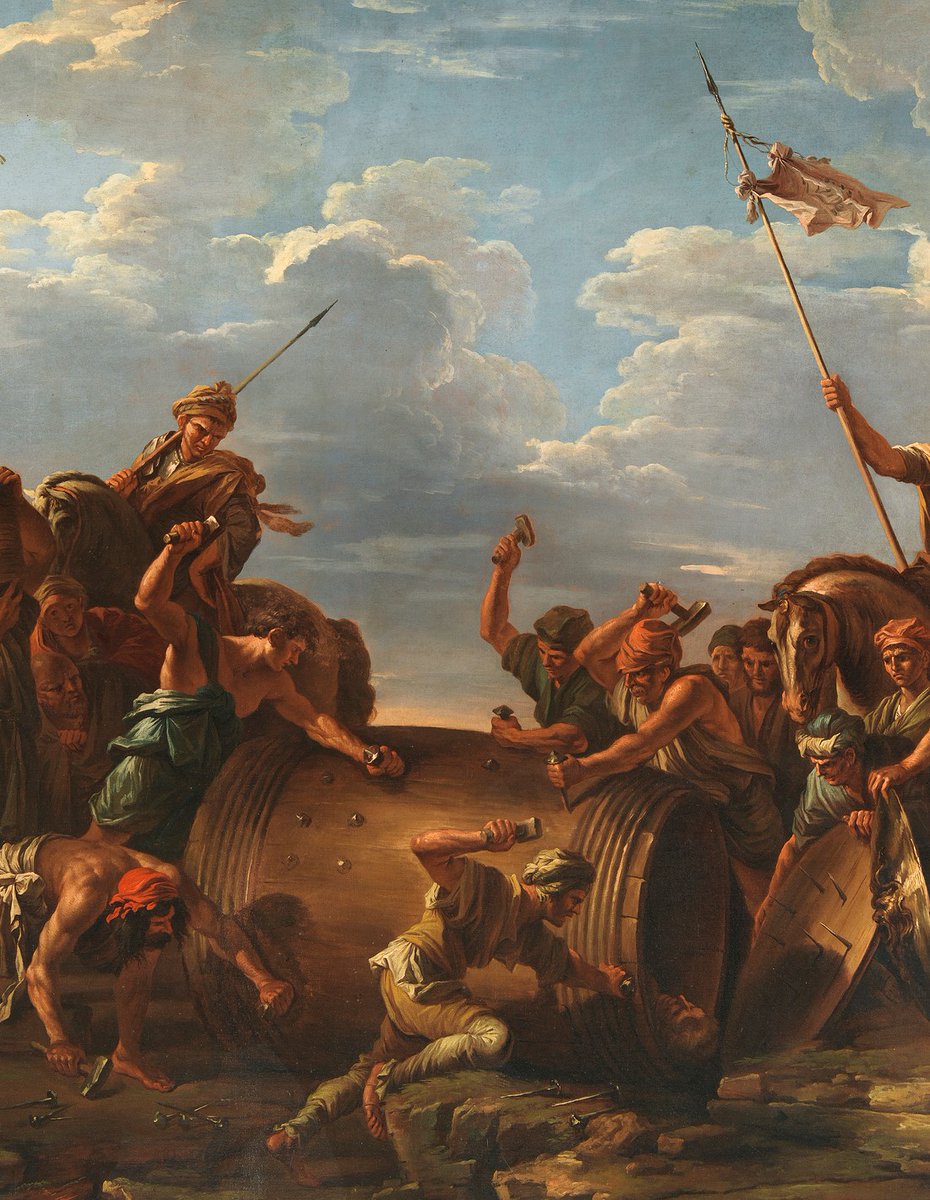
So here is the story of a lesser-known Roman hero, Marcus Atilius Regulus, whose fate was to be thrown down a hill in a barrel full of iron spikes.
A fate he willingly went to...
So here is the story of a lesser-known Roman hero, Marcus Atilius Regulus, whose fate was to be thrown down a hill in a barrel full of iron spikes.
A fate he willingly went to...
Marcus Atilius Regulus (307-255 B.C.) was a Roman consul who served during the First Punic War.
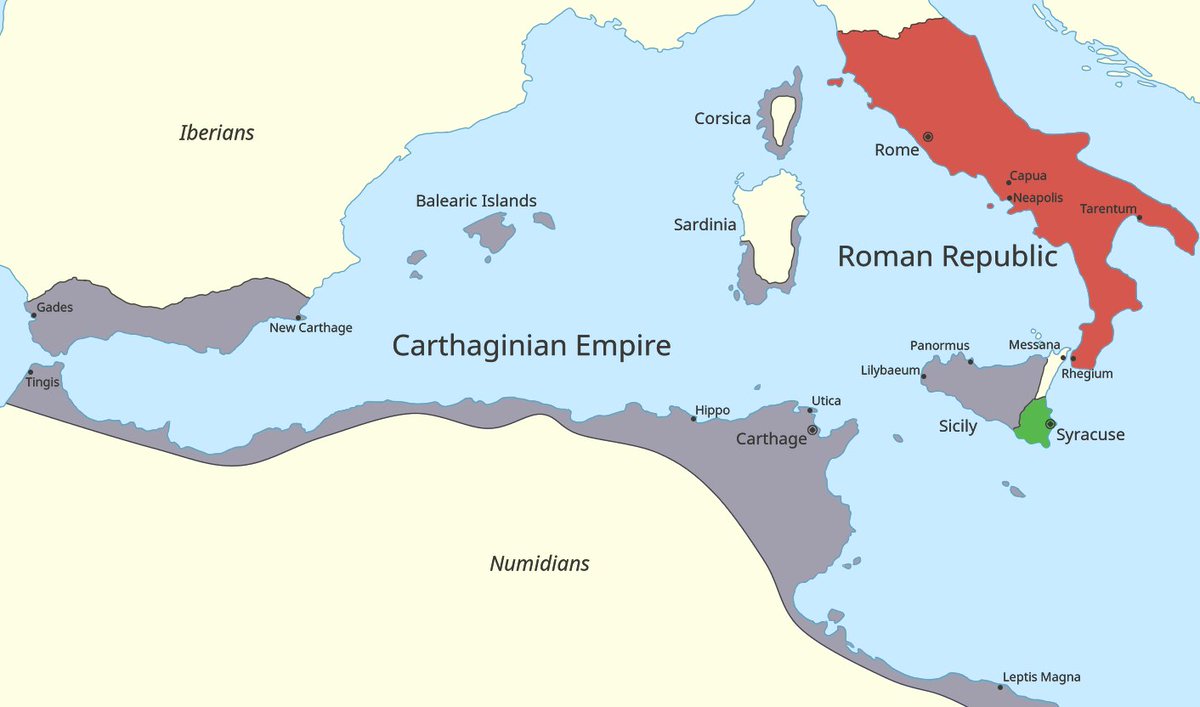
Between 264 and 241 B.C. Rome and Carthage fought for supremacy over Sicily. It was the first time the Romans ever went beyond the Italian peninsula.
Between 264 and 241 B.C. Rome and Carthage fought for supremacy over Sicily. It was the first time the Romans ever went beyond the Italian peninsula.
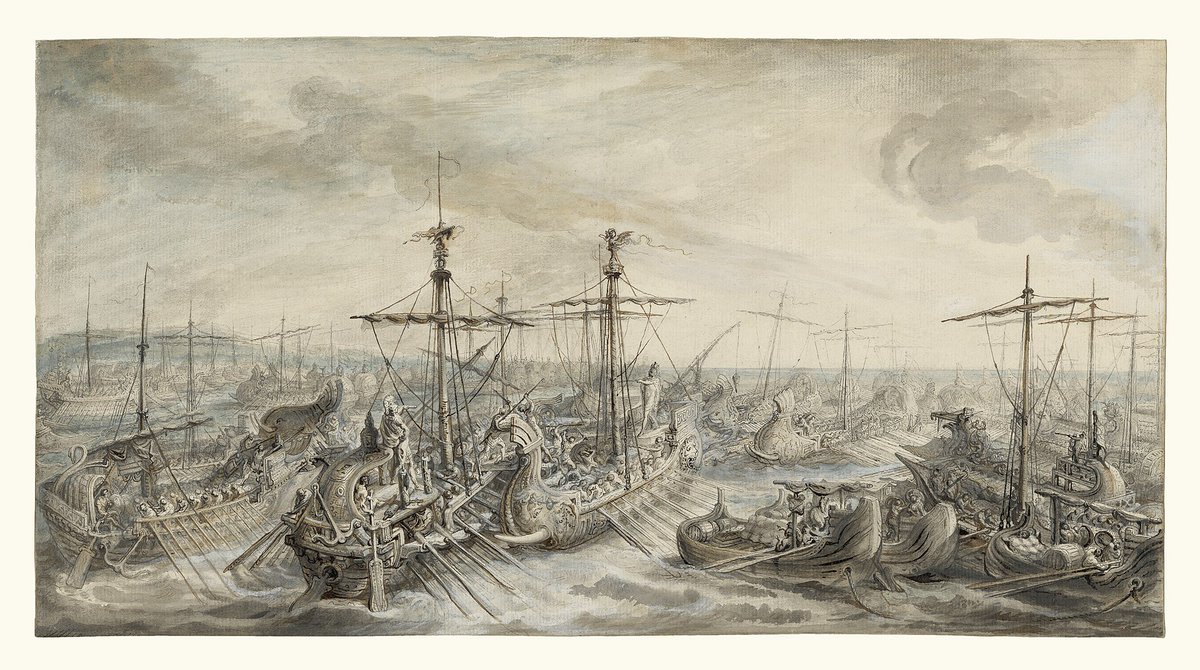
And it was the first time they ever built a navy, too.
As Polybius says, when the Romans chose to do something - even when they had no experience of it - they threw everything at it.
They were determined to beat the Carthaginians - a naval superpower - at their own game.
As Polybius says, when the Romans chose to do something - even when they had no experience of it - they threw everything at it.
They were determined to beat the Carthaginians - a naval superpower - at their own game.
And they did. The new Roman navy was victorious at the Battle of Cape Ecnomus, which was - according to some historians - the largest naval battle ever fought in terms of total combatants involved.
Regulus, as consul, commanded the Roman forces.
Regulus, as consul, commanded the Roman forces.
This victory paved the way for a Roman invasion of Carthaginian territory itself.
Led by Regulus, they landed in North Africa and laid waste to the land.
The main army then returned to Sicily for the winter, while Regulus remained in North Africa with 15,000 soldiers.
Led by Regulus, they landed in North Africa and laid waste to the land.
The main army then returned to Sicily for the winter, while Regulus remained in North Africa with 15,000 soldiers.
Regulus didn't remain inactive. He pushed ahead and captured the city of Tunis.
In despair, the Carthaginians sued for peace. But Regulus proposed incredibly harsh terms which they refused.
And so they gave command of their armies to a Spartan general called Xanthippus.
In despair, the Carthaginians sued for peace. But Regulus proposed incredibly harsh terms which they refused.
And so they gave command of their armies to a Spartan general called Xanthippus.
Xanthippus was a brilliant general, who - unlike the Carthaginians - truly understood land warfare.
Under his command they convincingly defeated the invading Roman force at the Battle of the Bagradas River in 255 B.C. - and Regulus was captured.
Under his command they convincingly defeated the invading Roman force at the Battle of the Bagradas River in 255 B.C. - and Regulus was captured.

The Carthaginians released him on parole. They said he could return to Rome if he attempted to negotiate a peace treaty.
So he left Carthage and made his way to Rome, where he urged the Senate *not* to end the war. He believed they could defeat Carthage if they kept on fighting.
So he left Carthage and made his way to Rome, where he urged the Senate *not* to end the war. He believed they could defeat Carthage if they kept on fighting.
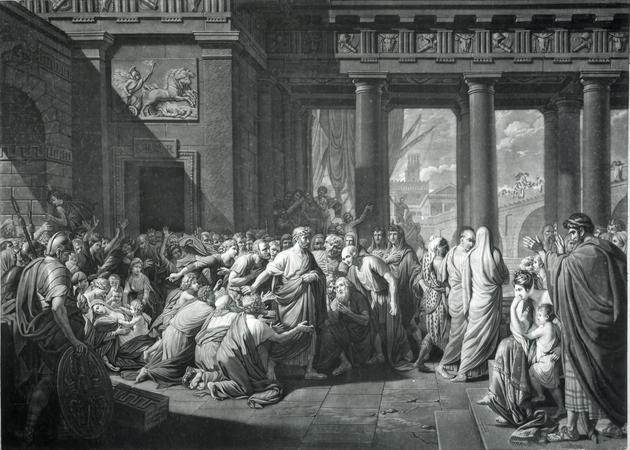
But Regulus had given his word to the Carthaginians that he would return.
And, for him, any possible fate that awaited him was worse than the dishonour of breaking his word.
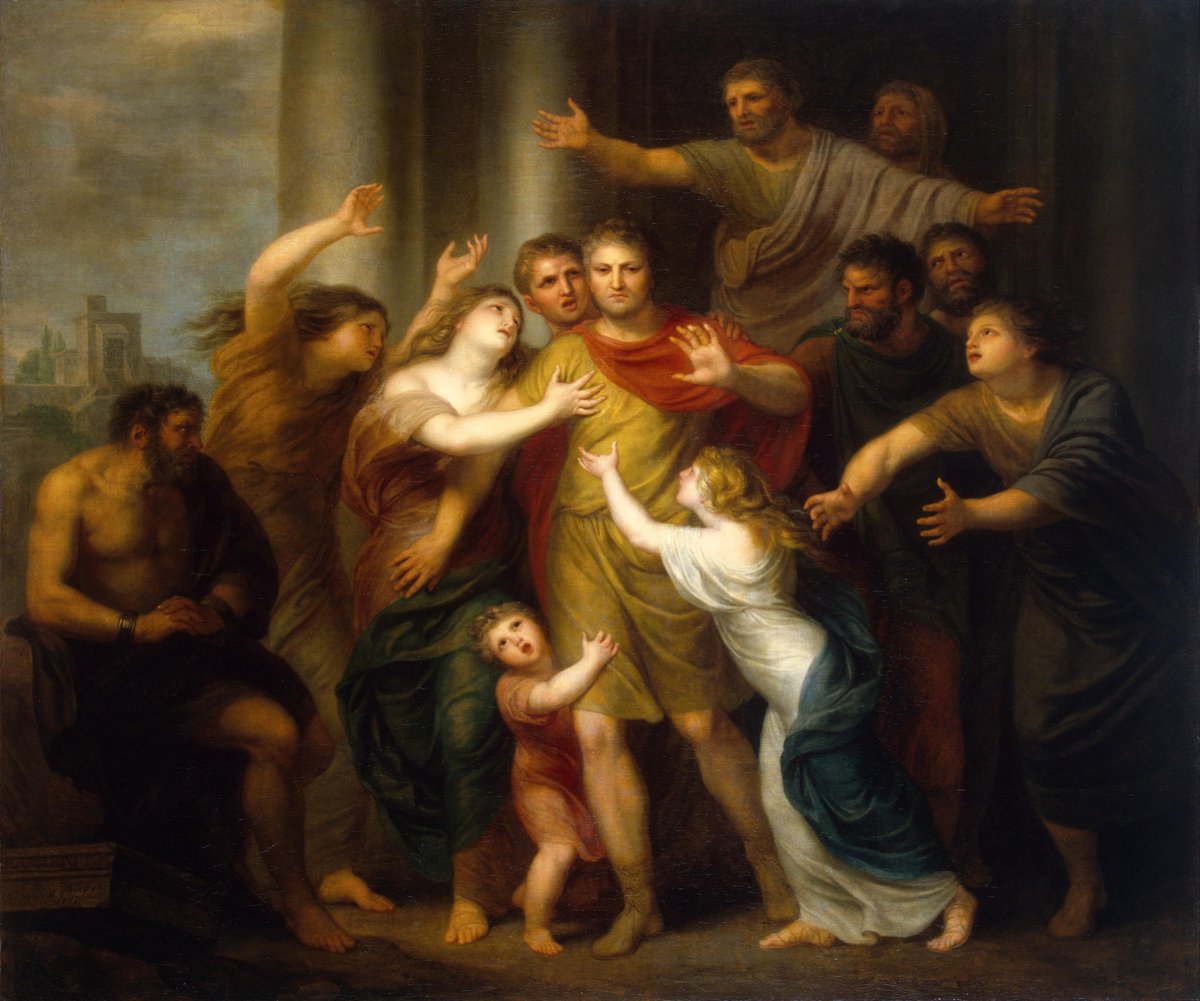
His family and others implored him to stay, but Regulus was determined...
And, for him, any possible fate that awaited him was worse than the dishonour of breaking his word.
His family and others implored him to stay, but Regulus was determined...
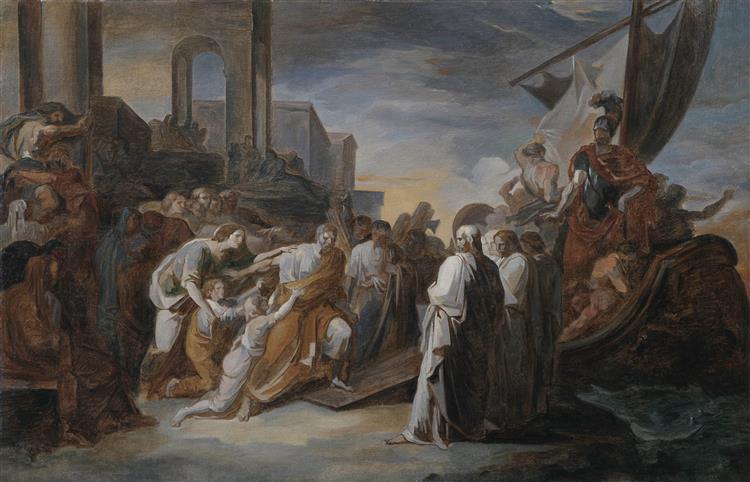
This 1791 painting by Andries Lens captures that moment rather well:
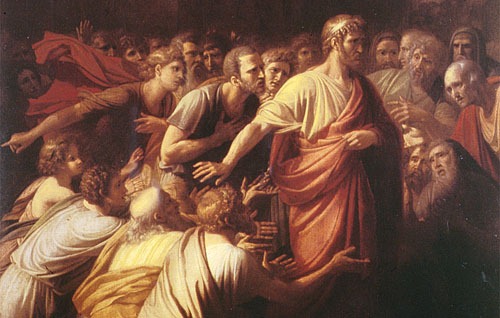
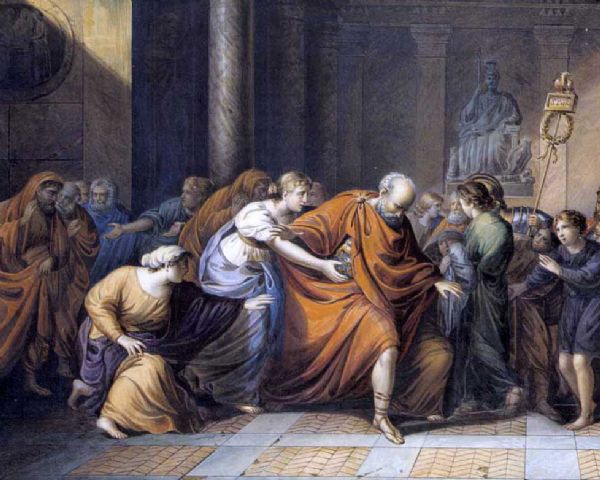
Indeed, the moment of Regulus leaving Rome, resolved to uphold his honour, has been the subject of many works of art down the centuries:
So Regulus returned to Carthage and explained that the Romans would not sign a peace treaty.
Enraged, the Carthaginians sentenced him to death.
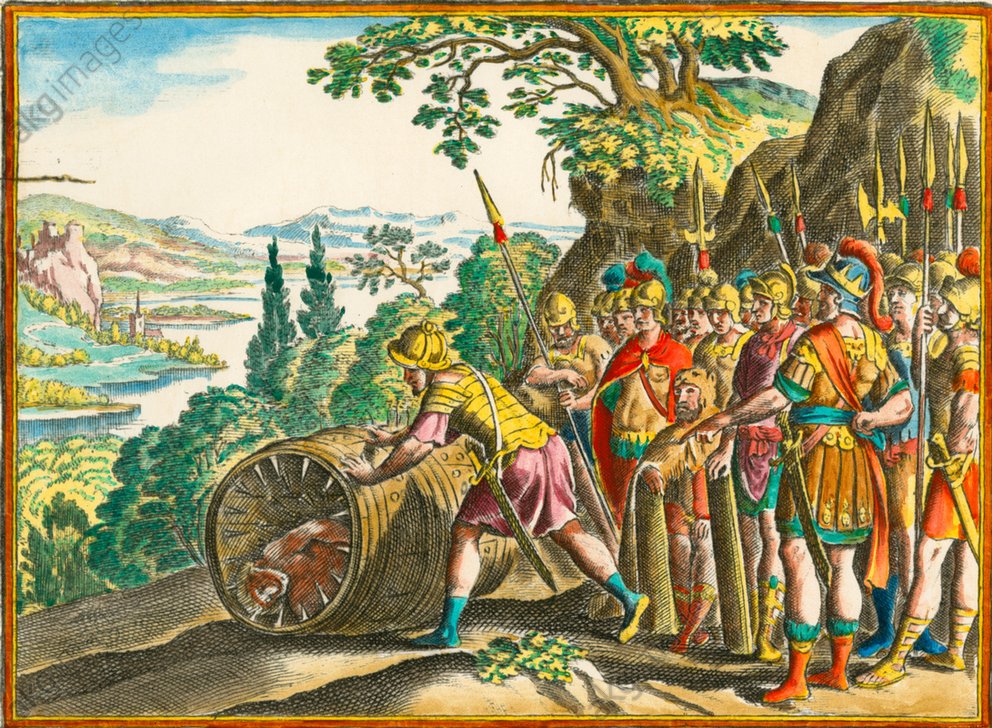
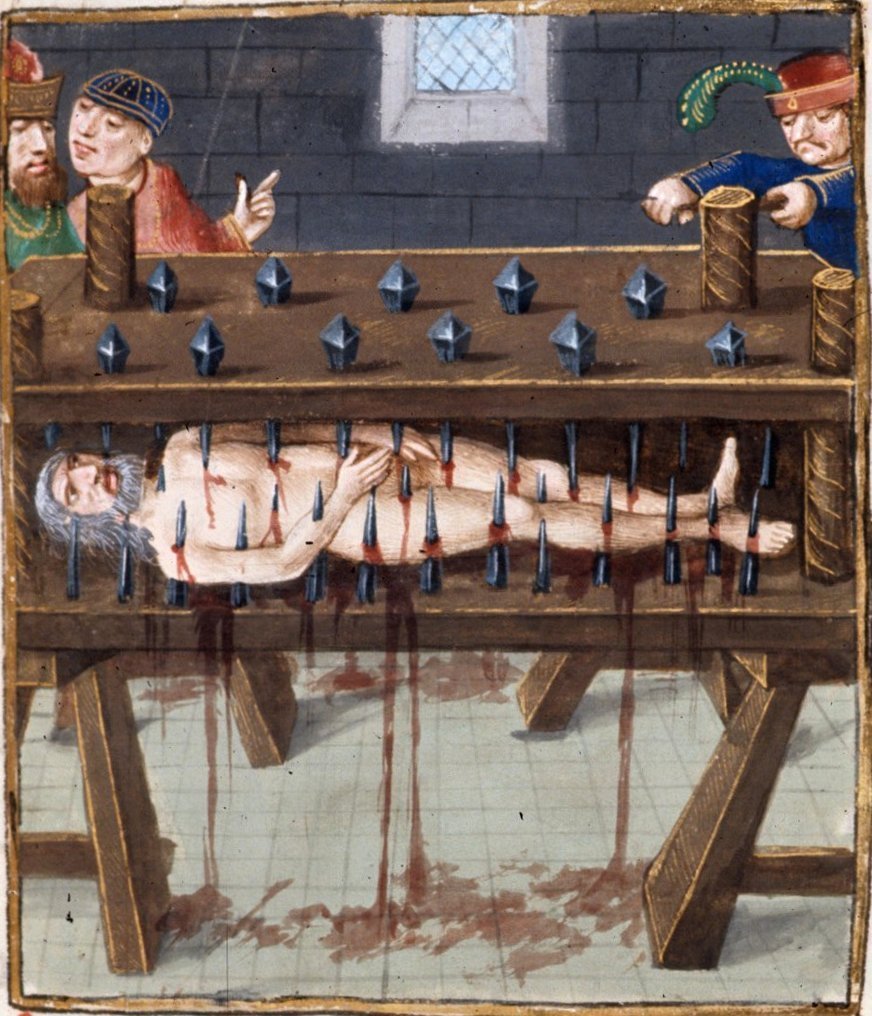
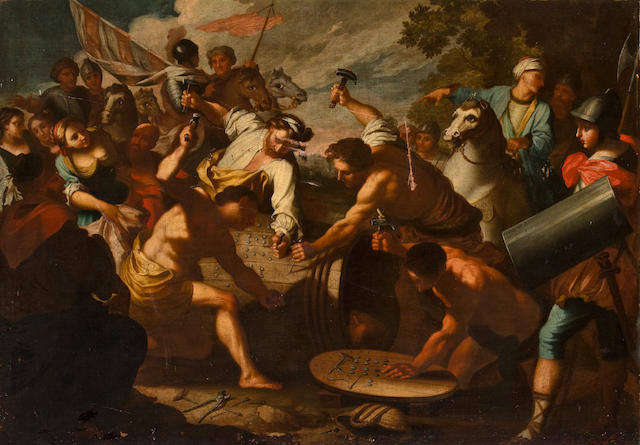
They put him a wooden barrel and hammered iron spikes into it before rolling the barrel down a hill. Brutal.
Enraged, the Carthaginians sentenced him to death.
They put him a wooden barrel and hammered iron spikes into it before rolling the barrel down a hill. Brutal.
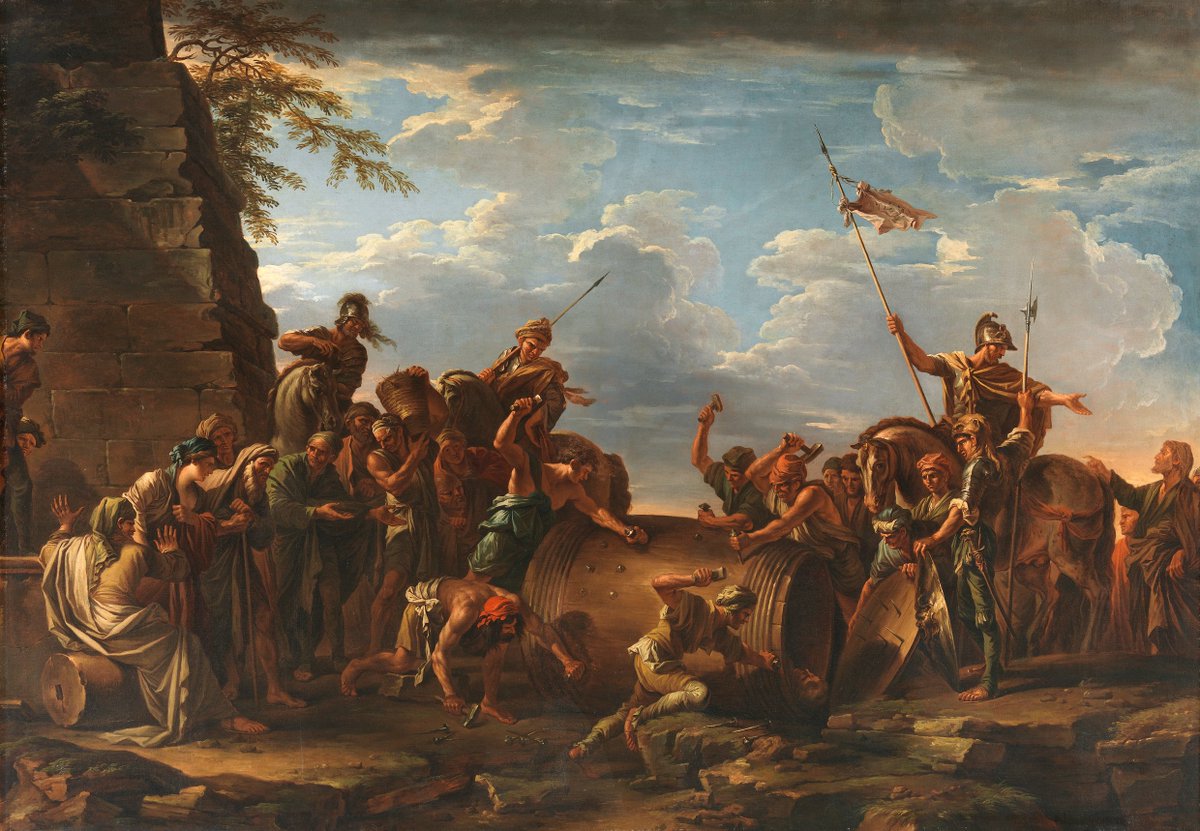
This scene, too, had been depicted many times:
Regulus' story comes to us from historians such as Livy, who wrote in the 1st century B.C.
Polybius, however, who was active a hundred years before him and also wrote a history of the First Punic War, makes no mention of this particular event in Regulus' life.
Polybius, however, who was active a hundred years before him and also wrote a history of the First Punic War, makes no mention of this particular event in Regulus' life.
But that doesn't matter here.
The point is that, for the Romans, this story - true or false - represented the height of civic virtue, of honour, of patriotism, and of bravery; Regulus was an ideal Roman.
This should tell you plenty about how the Romans viewed themselves.
The point is that, for the Romans, this story - true or false - represented the height of civic virtue, of honour, of patriotism, and of bravery; Regulus was an ideal Roman.
This should tell you plenty about how the Romans viewed themselves.
The First Punic War ended with a Roman victory - Regulus was right. Sicily was theirs, and the Carthaginians were forced to pay major reparations.
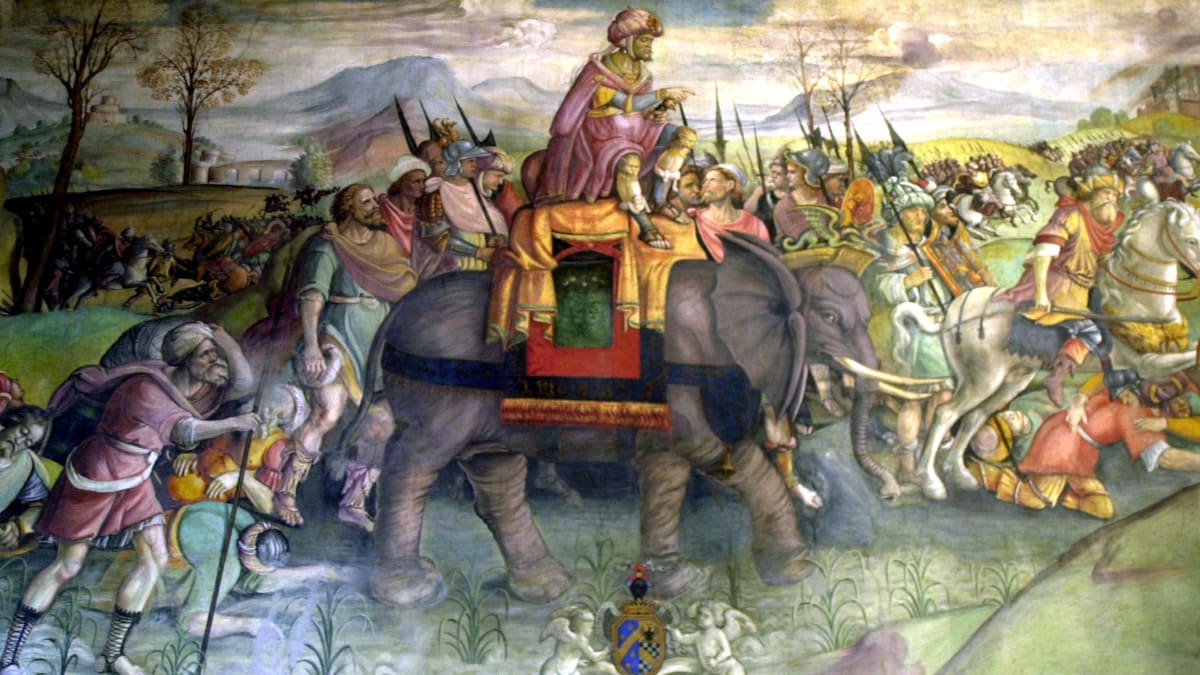
But much was left unresolved. And just over twenty years later a certain Hannibal would take revenge on Rome...
But much was left unresolved. And just over twenty years later a certain Hannibal would take revenge on Rome...
Loading suggestions...