
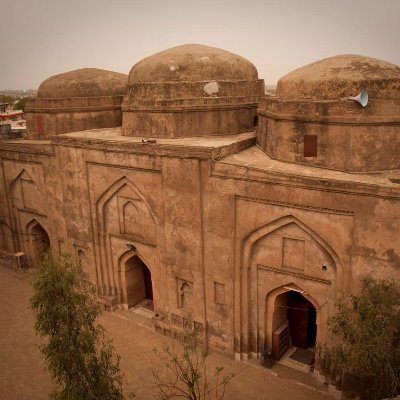
.:Who are the Zutt?:.
The Zutt, الزط, are a people who lived in Arab and were recorded to have resided therein prior to and for centuries after the establishment of the Islamic Caliphate.
They are a people who were explicitly mentioned by the Prophet ﷺ, but who are they?
The Zutt, الزط, are a people who lived in Arab and were recorded to have resided therein prior to and for centuries after the establishment of the Islamic Caliphate.
They are a people who were explicitly mentioned by the Prophet ﷺ, but who are they?
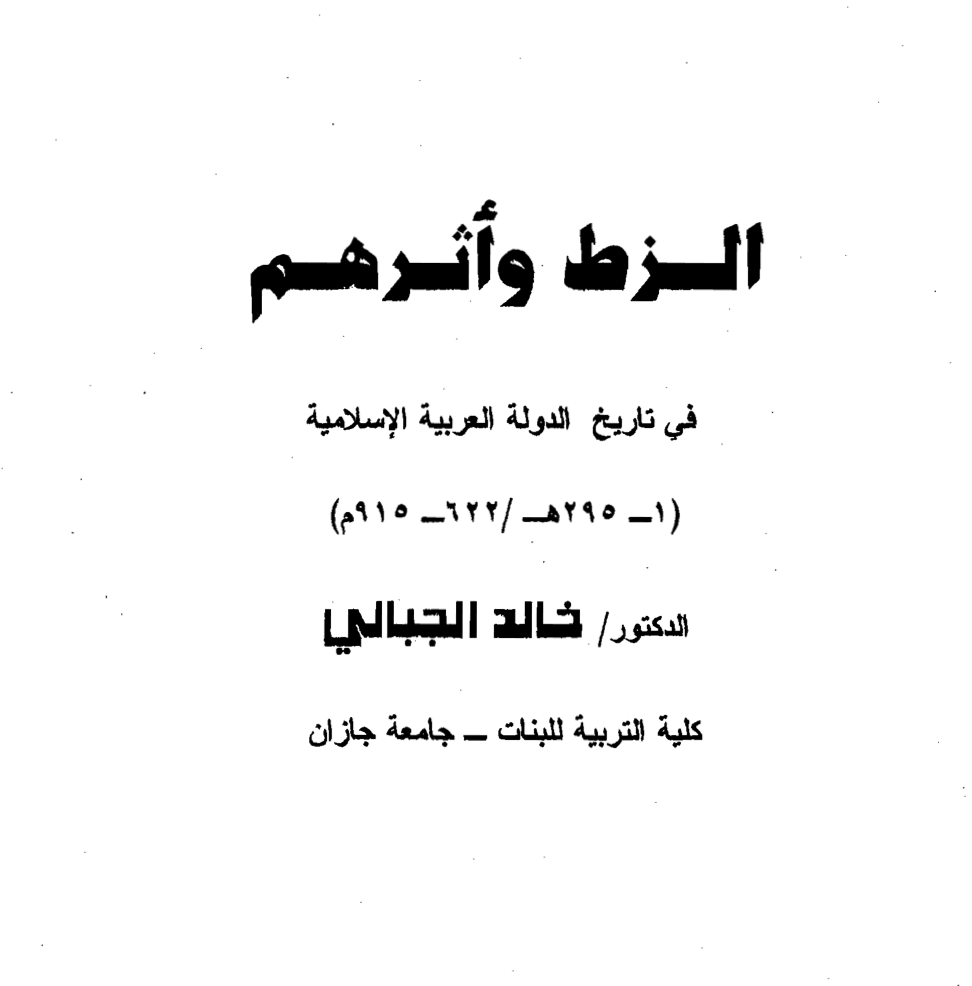
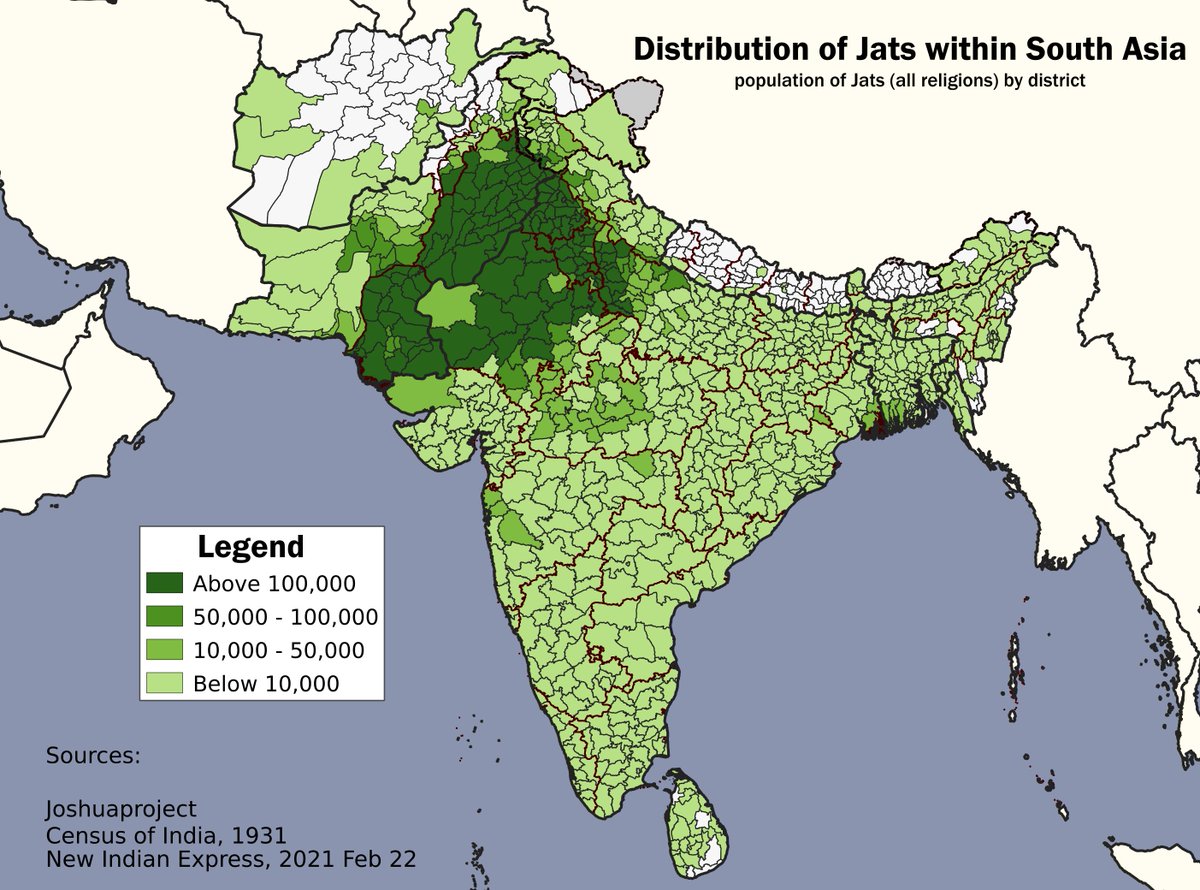
The most famous and widely-accepted opinion is that the Zutt are the Jatt people found in modern-day South Asia, predominantly in Panjāb, and that Zutt is an Arabisation of the word Jatt, جٹ.
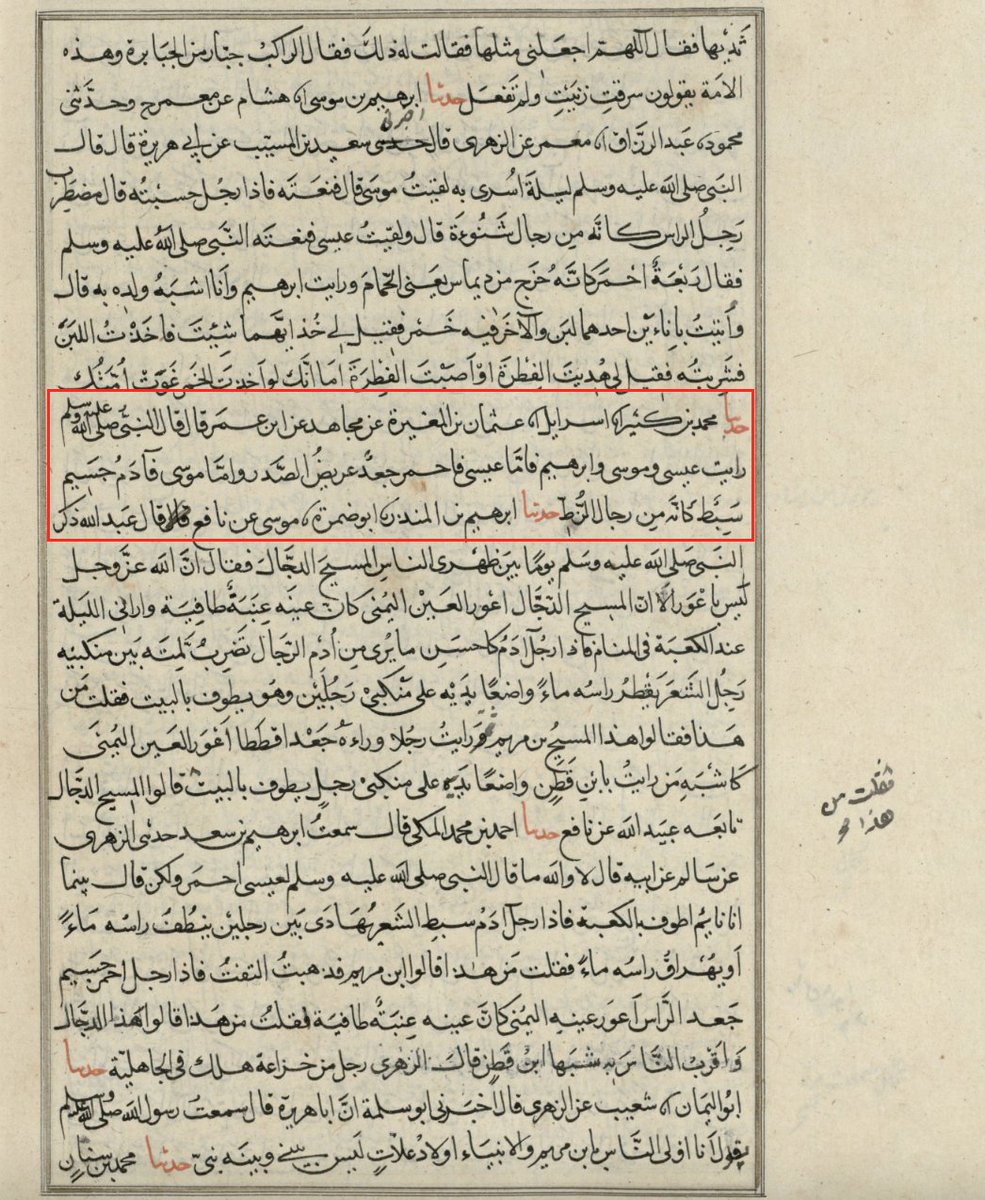
The most famous mention of them being the words of the Prophet ﷺ himself, in an authentic narration, wherein he likened the appearance of the Prophet Mūsā, upon him be peace, to the appearance of the Zutt people.
“I saw 'Īsā, Mūsā, and Ibrāhīm. As for 'Īsā, then he was of white complexion, curly-haired, and had a broad chest, and as for Mūsā, then he was of a wheatish complexion, big-bodied, and straight-haired, as though he was from the men of the Zutt.”
— Bukhārī, #3438
— Bukhārī, #3438
Not only do we learn that the Prophet Musā, upon him be peace, resembled the Zutt people, but we are also given the typical physical characteristics of the Zutt people, namely being of a wheatish complexion, big-bodied, and straight-haired.
Muftī Sharīfu’l Ĥaqq Amjadī [1340-1421 AH / 1921-2000 CE], a Sunni Ĥanafī scholar, mentions in his commentary of Bukhārī:
“Zutt: The name of a people from among the Hindustani peoples. It is most likely an Arabisation of Jatt.”
— Nuzhatu’l Qārī, 4/457
“Zutt: The name of a people from among the Hindustani peoples. It is most likely an Arabisation of Jatt.”
— Nuzhatu’l Qārī, 4/457
![Muftī Sharīfu’l Ĥaqq Amjadī [1340-1421 AH / 1921-2000 CE], a Sunni Ĥanafī scholar, mentions in his c...](https://pbs.twimg.com/media/FfV35ptXwAIsxS_.jpg)
It is also authentically narrated that a Zutt physician successfully diagnosed that magic had been done upon the Mother of the Believers, Sayyidah Áāyishah, may Allāh be pleased with her, by her slave-girl who was not to be set free till her passing.
Ámrah narrated:
“Áāyishah had made one of her slave-girls a mudabbar. Then Áāyishah became ill and her nephews consulted a physician from the Zutt, he said, ‘You are informing me about a woman upon whom magic has been done. A slave-girl of hers has done magic upon her.’
“Áāyishah had made one of her slave-girls a mudabbar. Then Áāyishah became ill and her nephews consulted a physician from the Zutt, he said, ‘You are informing me about a woman upon whom magic has been done. A slave-girl of hers has done magic upon her.’
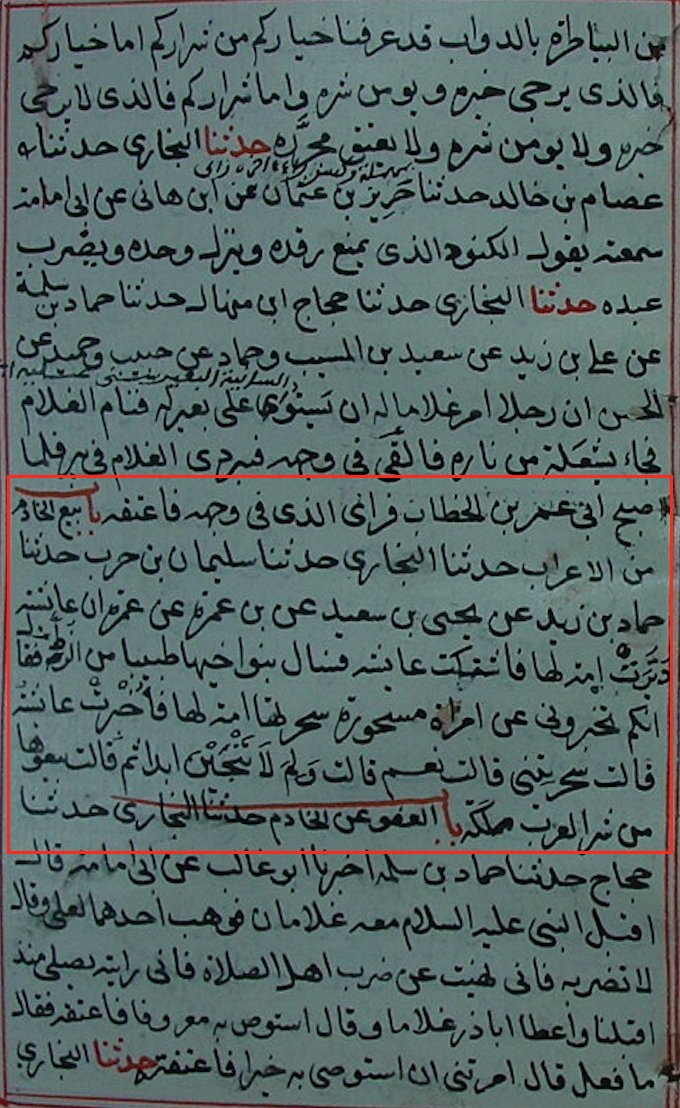
Áāyishah was informed, she asked, ‘Have you done magic upon me?’ She replied, ‘Yes.’ She asked, ‘Why?’ She replied, ‘You shall never set me free.’ Then she stated, ‘Sell her to the worst of masters among the Arabs.’”
— Adab al-Mufrad #162
— Adab al-Mufrad #162
Ibn Manżur [630-711 AH / 1232-1311 CE], the famous Arab lexicographer, writes:
“It is said: Zutt is an Arabisation of Jatt from the Indian language, and they are a race of men from the people of Hind.”
— Lisān al-Árab, 7/308
“It is said: Zutt is an Arabisation of Jatt from the Indian language, and they are a race of men from the people of Hind.”
— Lisān al-Árab, 7/308
![Ibn Manżur [630-711 AH / 1232-1311 CE], the famous Arab lexicographer, writes:
“It is said: Zutt is...](https://pbs.twimg.com/media/FfXdiI2XkAAi51n.jpg)
It is also mentioned in such lexicons that the Zutt had a specific haircut, which resembled the shape of a cross, and also had a specific garment, both of which were referred to with attribution to the Zutt.
The question naturally arises as to how exactly this South Asian group found its way into the region. It is mentioned that members of this group were transported to the Persian Gulf by the Sasanid emperors.
Thereafter, more were brought in the Umayyad period by Hajjāj.
Thereafter, more were brought in the Umayyad period by Hajjāj.
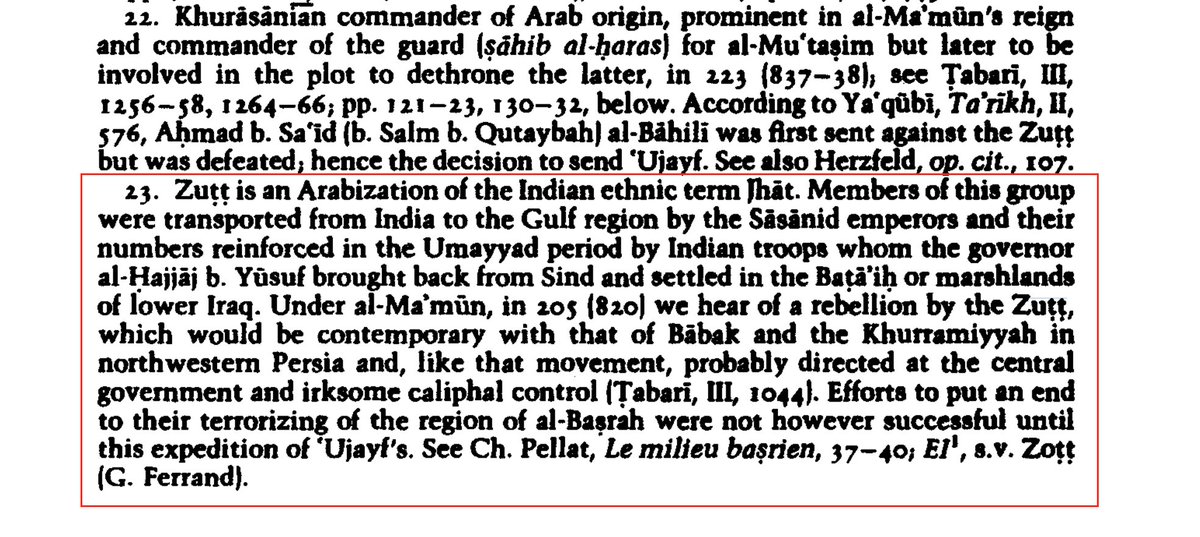
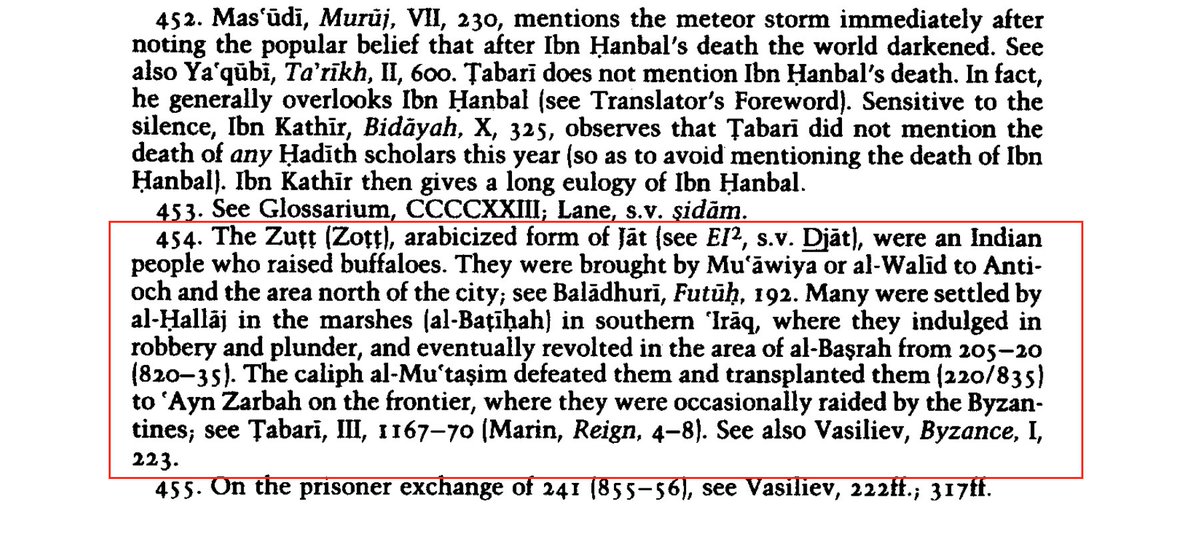
It is also mentioned that they were settled by Amīr Muáāwiyah, may Allāh be pleased with him, and by Caliph Walīd ibn Ábd al-Malik, to the ancient city of Antioch, which is now Antakya in modern-day Turkey.
They were also settled in the marshes of southern Iraq by Hajjāj.
They were also settled in the marshes of southern Iraq by Hajjāj.
Ahmad ibn Yahyā al-Balādhurī [d. 279AH / 892 CE], the famous historian writes:
“Abū Hafs al-Shāmī narrated to me, from Muhammad ibn Rāshid, from Makhūl, he said, ‘In the year 49 or 50, Muáāwiyah settled some of the Zutt from Basrah to the coast [of the Levant],
“Abū Hafs al-Shāmī narrated to me, from Muhammad ibn Rāshid, from Makhūl, he said, ‘In the year 49 or 50, Muáāwiyah settled some of the Zutt from Basrah to the coast [of the Levant],
![Ahmad ibn Yahyā al-Balādhurī [d. 279AH / 892 CE], the famous historian writes:
“Abū Hafs al-Shāmī n...](https://pbs.twimg.com/media/Ffa3RynXoAE9mWh.png)
![Ahmad ibn Yahyā al-Balādhurī [d. 279AH / 892 CE], the famous historian writes:
“Abū Hafs al-Shāmī n...](https://pbs.twimg.com/media/Ffa3TTKXwAA3Xnr.png)
and some in Antioch.’
Abū Hafs said, ‘In Antioch there is a neighbourhood known as Zutt and in Buqa there is a people from their offspring known as Zutt. Walīd ibn Ábd al-Malik settled some people of the Zutt from Sind, among those whom Muhammad ibn al-Qāsim brought to Hajjāj.
Abū Hafs said, ‘In Antioch there is a neighbourhood known as Zutt and in Buqa there is a people from their offspring known as Zutt. Walīd ibn Ábd al-Malik settled some people of the Zutt from Sind, among those whom Muhammad ibn al-Qāsim brought to Hajjāj.
Thus he sent Hajjāj with them to the Levant.’”
Futūh al-Buldān, pp. 221-222
Futūh al-Buldān, pp. 221-222
In the year 205 AH / 820-821 CE, during the reign of Caliph al-Ma'mūn [170-218 AH / 786-833 CE], the Zutt people began to revolt and began to raid the region of Basrah, Iraq.
'Isā ibn Yazīd al-Julūdī was appointed by the Caliph al-Ma'mūn to combat them. Imām Tabarī writes:
'Isā ibn Yazīd al-Julūdī was appointed by the Caliph al-Ma'mūn to combat them. Imām Tabarī writes:
![In the year 205 AH / 820-821 CE, during the reign of Caliph al-Ma'mūn [170-218 AH / 786-833 CE], the...](https://pbs.twimg.com/media/FfXQt6BX0AAIoFQ.jpg)
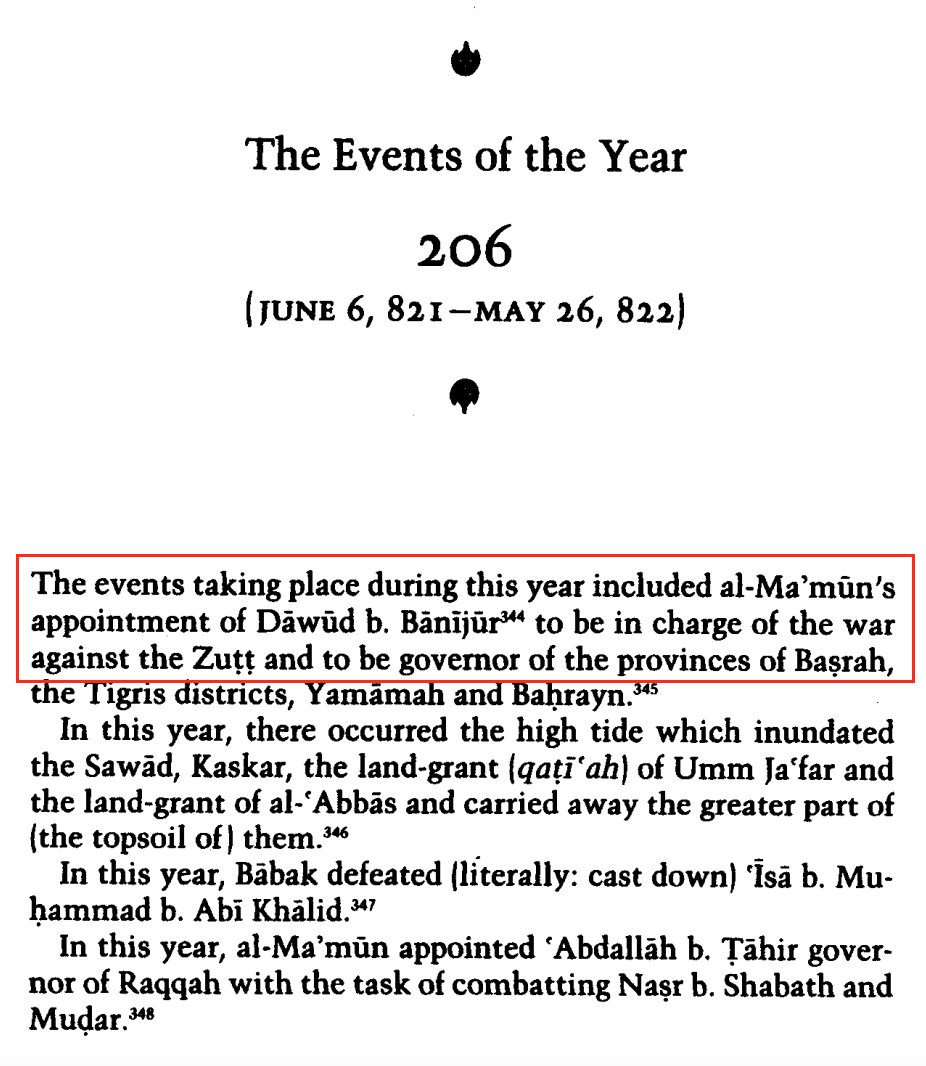
Yet, they still were not crushed, and so Dāwūd ibn Bānījūr was appointed by the Caliph al-Ma'mūn to be in charge of the war against the Zutt people in the year 206 AH / 821-822 CE.
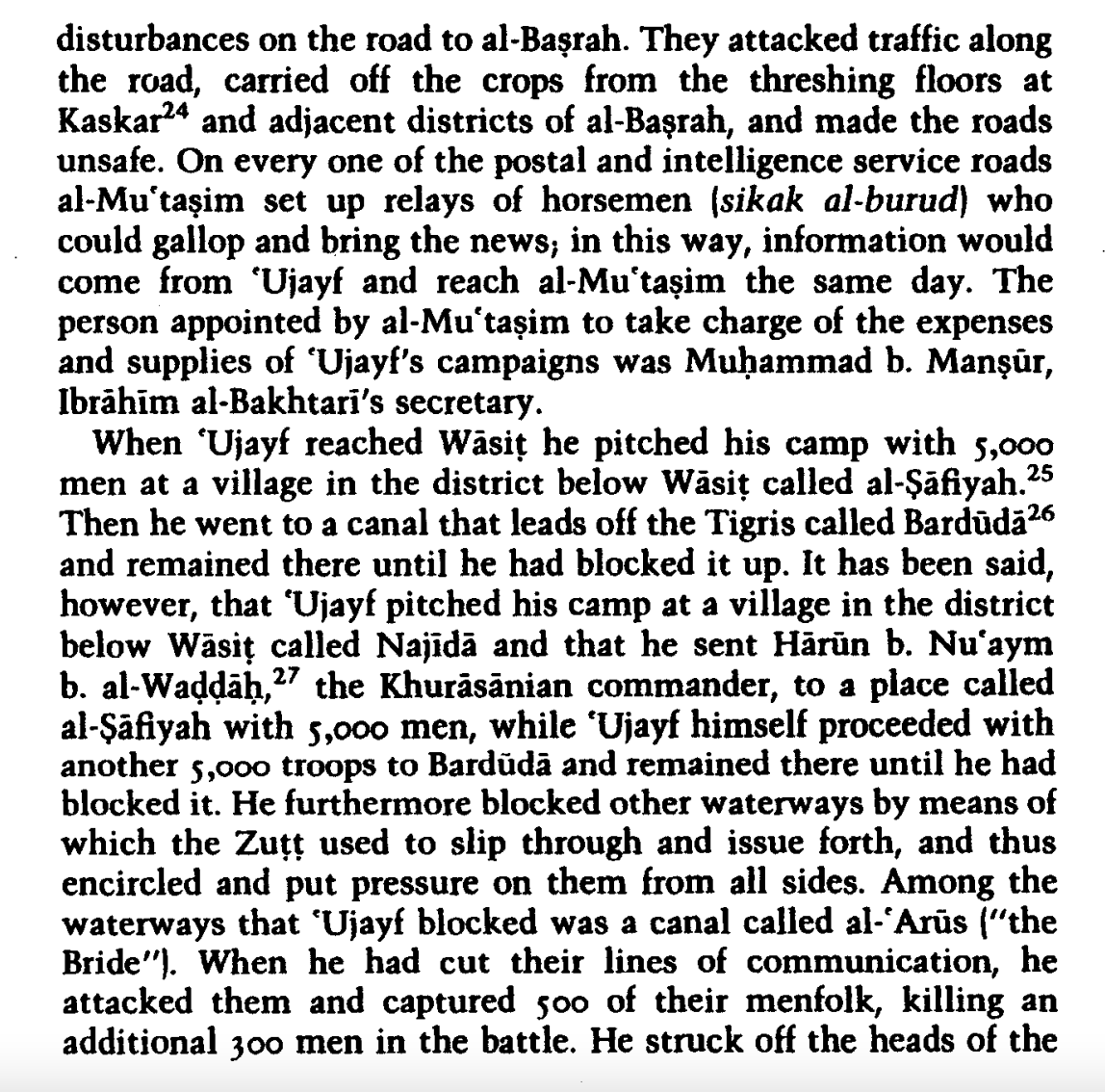
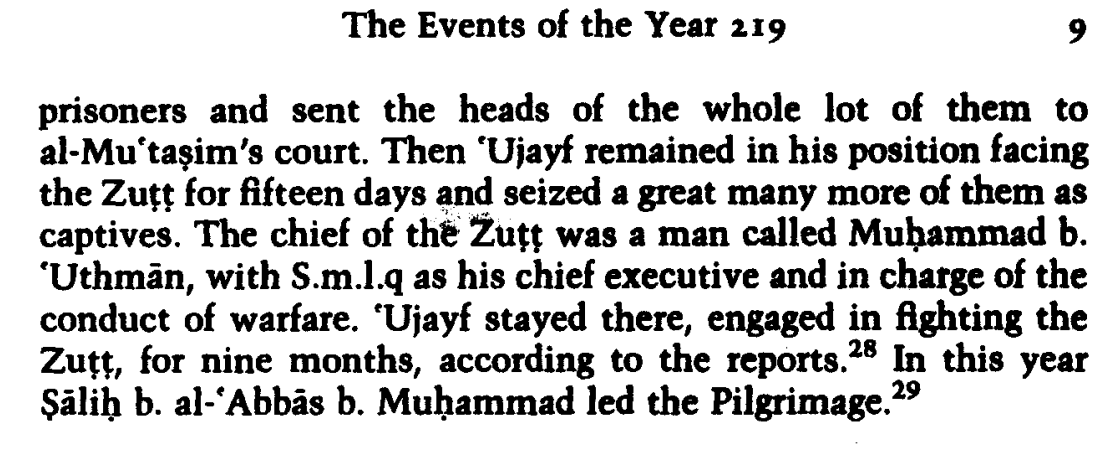
The Zutt people remained undefeated over a decade later and continued in their ways until the Caliph al-Mútasim [179-227 AH / 796-842 CE] sent Újayf ibn Ánbasah to quell them. This took place in Jamād al-Ākhir, 219 AH / June-July 834 CE. Imām Tabarī records:

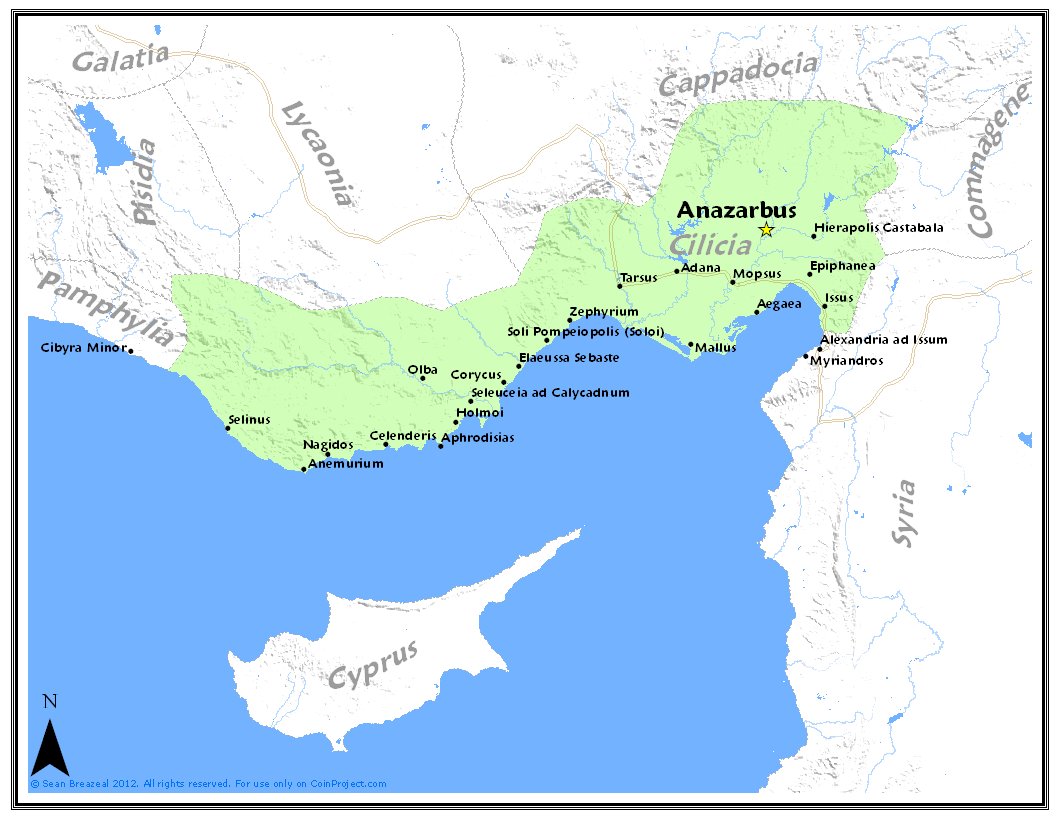
After the Caliph had defeated them, he transplanted them to the ancient Anatolian city of Áyn Zarbah, Anavarza in Turkish, know more famously as Anazarbus.
Here, they were occasionally raided by the Byzantines.
Here, they were occasionally raided by the Byzantines.
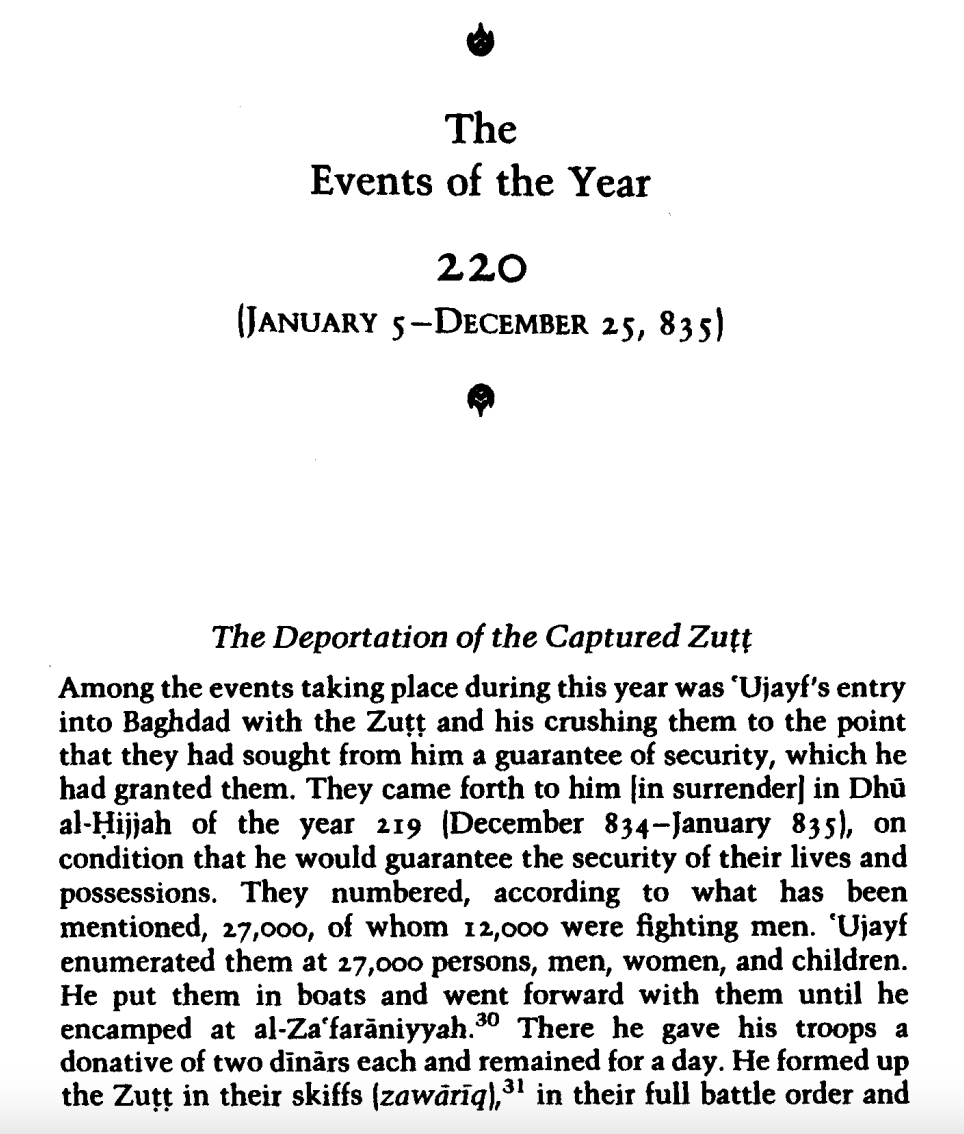
Regarding their deportation after having been captured, Imām Tabarī writes:
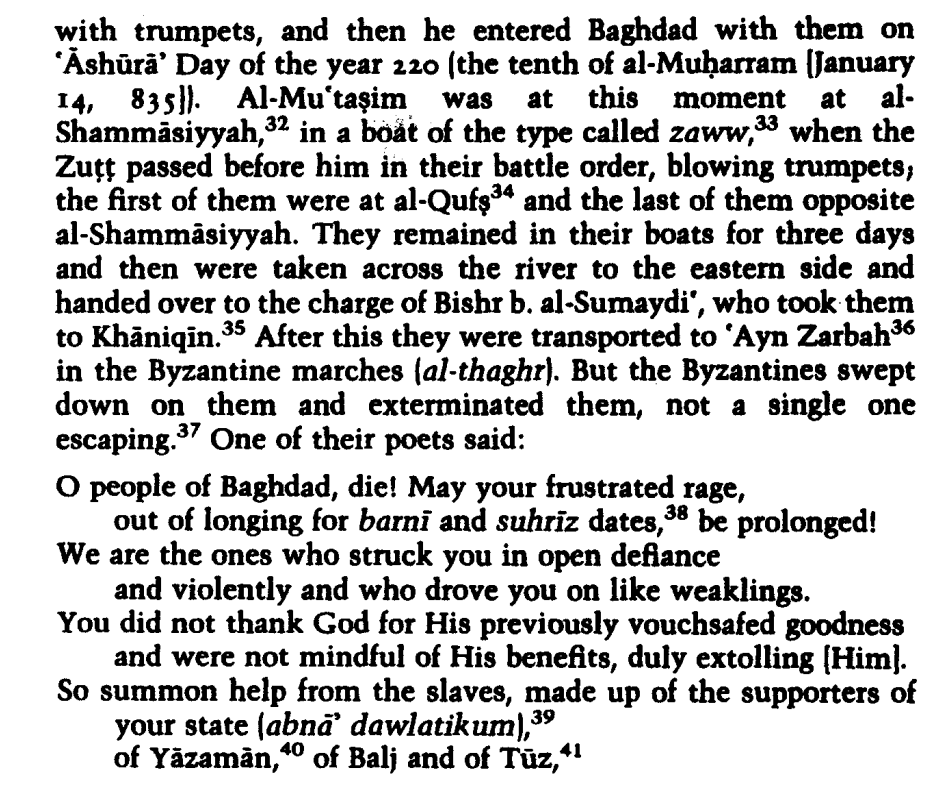
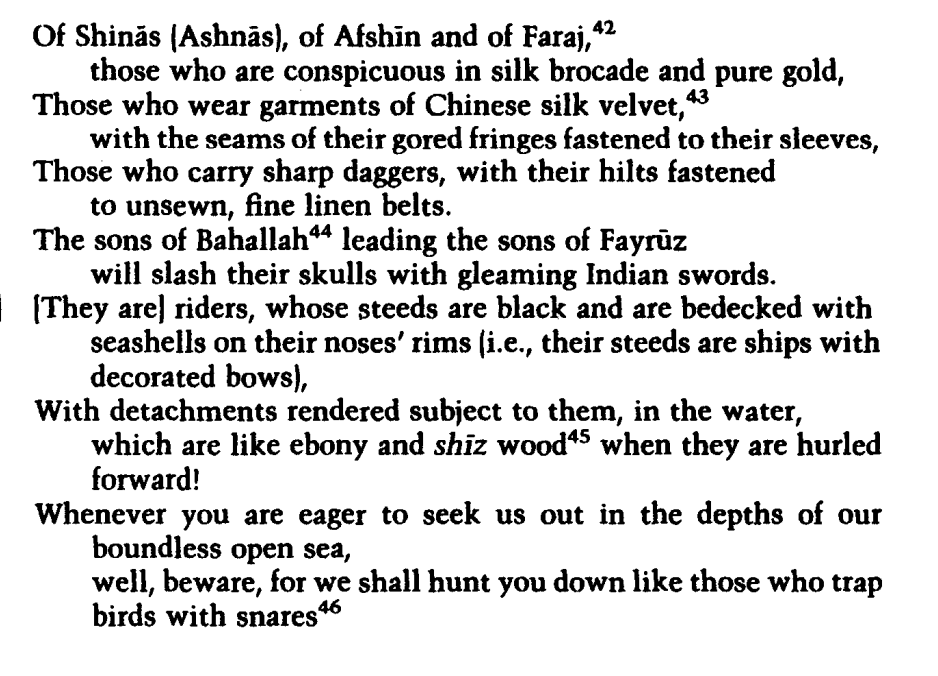
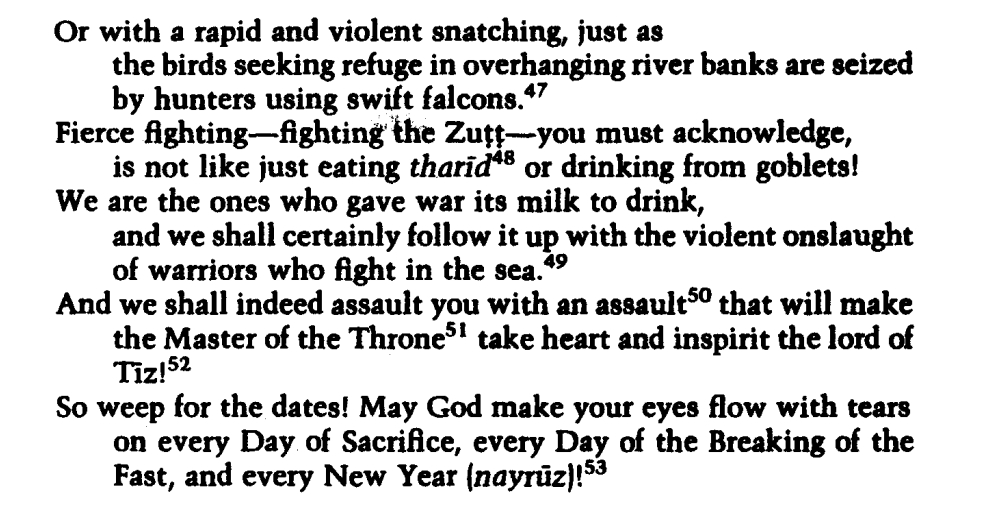
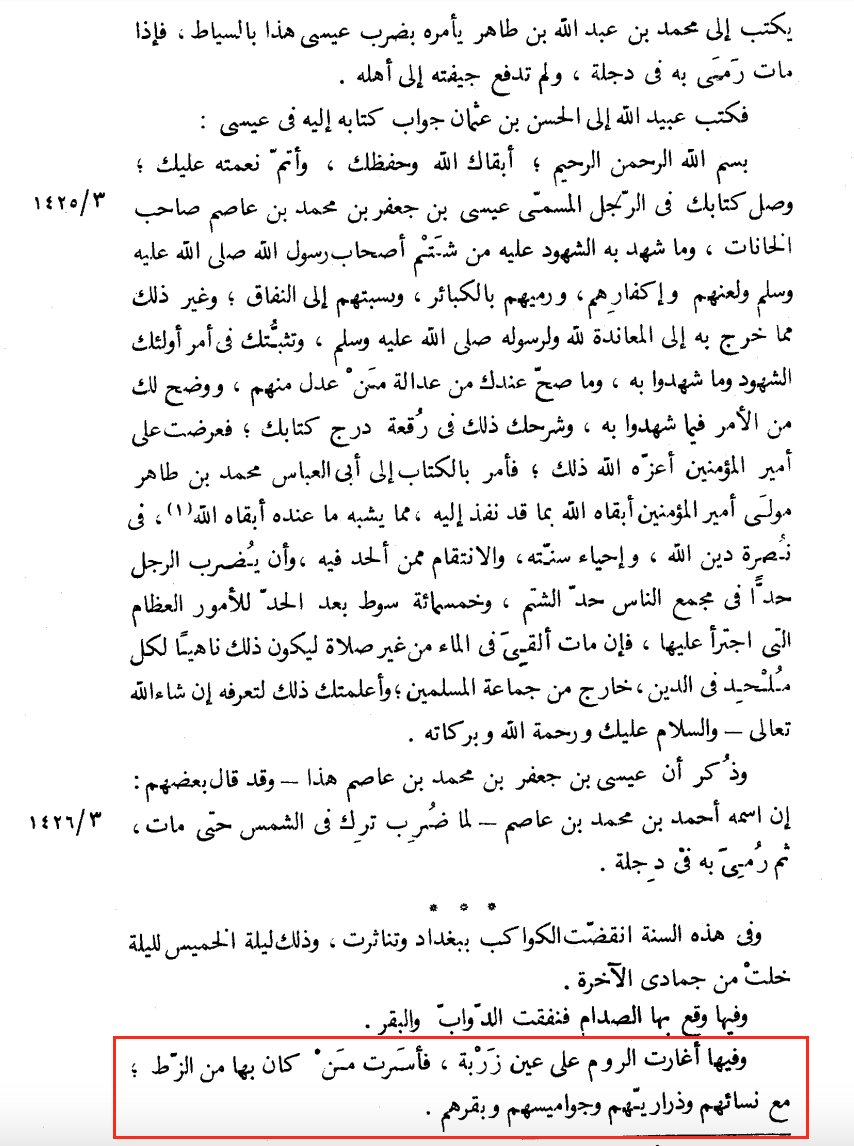
Imām Tabarī writes, in the section of the year 241 AH / 855-856 CE:
“In this year, the Byzantines raided Áyn Zarbah and took captive the Zutt who were there along with their wives, children, buffaloes, and cattle.”
“In this year, the Byzantines raided Áyn Zarbah and took captive the Zutt who were there along with their wives, children, buffaloes, and cattle.”
From this we learn:
The Zutt were most likely the Jatt people
Prophet Mūsā, upon him be peace, is described as resembling them in appearance
Some of them were highly-skilled physicians
They were a fierce people, whom the Abbasid Caliph could not subdue for over a decade
The Zutt were most likely the Jatt people
Prophet Mūsā, upon him be peace, is described as resembling them in appearance
Some of them were highly-skilled physicians
They were a fierce people, whom the Abbasid Caliph could not subdue for over a decade
Loading suggestions...