

"Can you lose your money in mutual funds investment like UTT AMIS ?"
People will tell you to Invest in Mutual funds(MFIs), with a promise to get some % gains but they will NEVER tell you the DARK SIDE of it.
⛔YES! You may lose some or all of the money you invested
A thread🧵
People will tell you to Invest in Mutual funds(MFIs), with a promise to get some % gains but they will NEVER tell you the DARK SIDE of it.
⛔YES! You may lose some or all of the money you invested
A thread🧵
In this thread, I will explain
📍What are mutual funds?
📍How do mutual funds work?
📍Types of Mutual funds
📍Benefits and Risks of Mutual Funds
Disclaimer: This thread is not a Financial/Investment Advice
📍What are mutual funds?
📍How do mutual funds work?
📍Types of Mutual funds
📍Benefits and Risks of Mutual Funds
Disclaimer: This thread is not a Financial/Investment Advice
What are mutual funds?
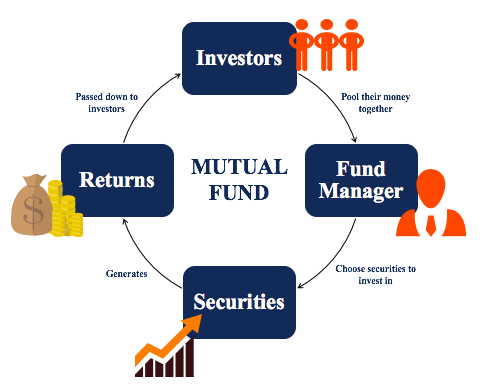
-A mutual fund is a company that pools money from many investors and invests the money in securities such as stocks, bonds, and short-term debt.
-In Tanzania, the popular one is UTT AMIS
Research scholar.mzumbe.ac.tz
-A mutual fund is a company that pools money from many investors and invests the money in securities such as stocks, bonds, and short-term debt.
-In Tanzania, the popular one is UTT AMIS
Research scholar.mzumbe.ac.tz
What are the Types of Mutual Funds ?
• Equity Funds.
• Debt Funds.
• Money Market Funds.
• Hybrid Funds.
• Growth Funds.
• Income Funds.
• Liquid Funds.
• Tax-Saving Funds and others
But I will explain it into 4- Categories 👇
• Equity Funds.
• Debt Funds.
• Money Market Funds.
• Hybrid Funds.
• Growth Funds.
• Income Funds.
• Liquid Funds.
• Tax-Saving Funds and others
But I will explain it into 4- Categories 👇

1. Money market funds - have relatively low risks. By law, they can invest only in certain high-quality, short-term investments issued by government corporations
2. Bond funds- have higher risks than money market funds.The risk-Reward ratio depends on the types of bonds
2. Bond funds- have higher risks than money market funds.The risk-Reward ratio depends on the types of bonds
3. Stock funds- invest in corporate stocks. Here it involves different types of stocks like DSEs, the ones that pay/do not pay regular dividends, the S&P 500 index, income tax, etc
4. Target date funds- hold a mix of stocks, bonds, and other investments. Over time, the mix gradually shifts according to the fund’s strategy.
-Target date funds, sometimes known as lifecycle funds, are designed for individuals with particular retirement dates in mind
-Target date funds, sometimes known as lifecycle funds, are designed for individuals with particular retirement dates in mind
How do mutual funds work?
- Because mutual funds invest in a variety of different assets, income can be earned from dividends on stocks and interest on bonds held within the fund's portfolio.
- Because mutual funds invest in a variety of different assets, income can be earned from dividends on stocks and interest on bonds held within the fund's portfolio.
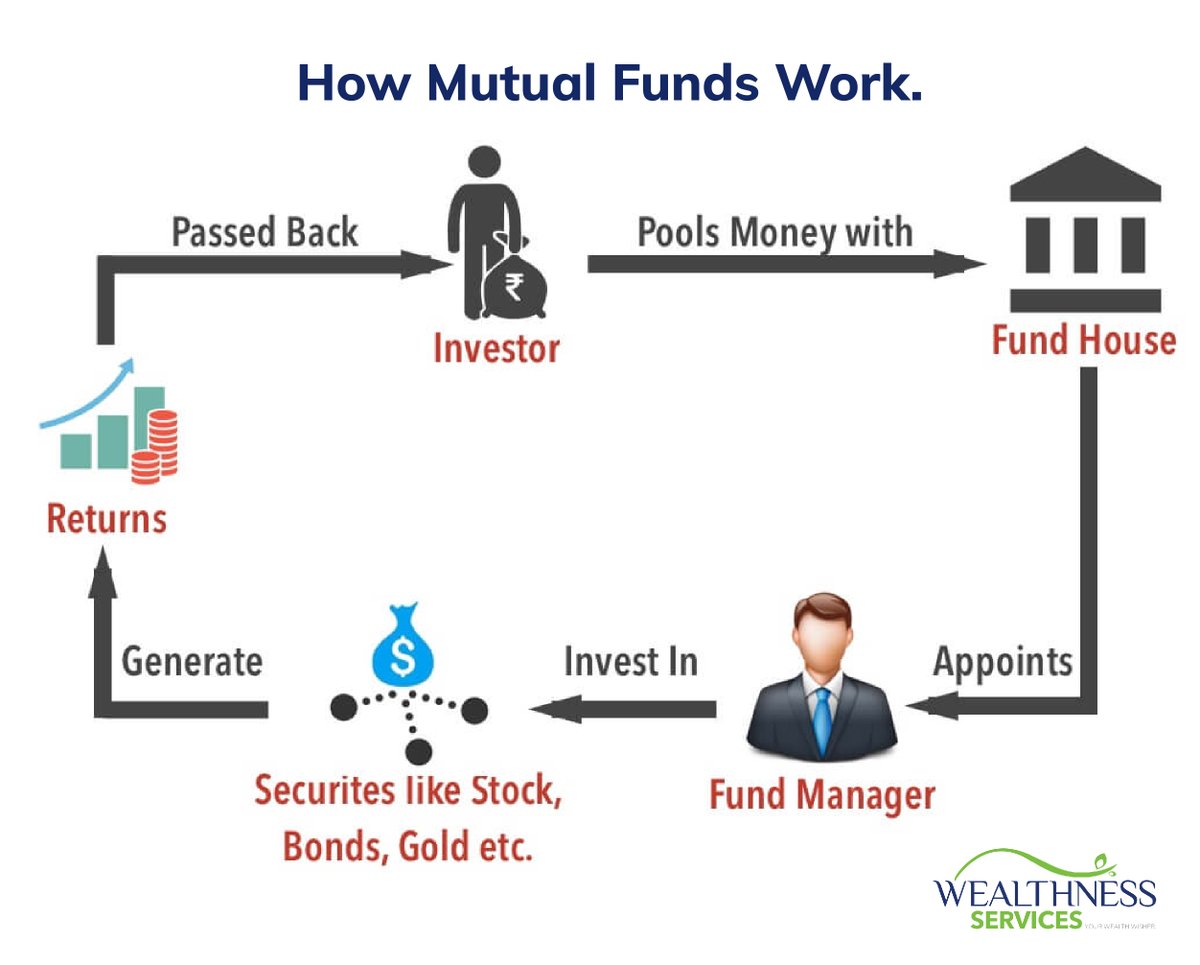
- A fund will typically pay out a portion of the income it receives over the year to fund owners.
-Also, if the fund sells securities that have increased in price, most will pass on these gains to investors in the form of a distribution
-Also, if the fund sells securities that have increased in price, most will pass on these gains to investors in the form of a distribution
- Distributions may be in the form of capital gains, interest income, foreign source income, or “taxable dividends”.
-Mutual funds charge annual fees, expense ratios, or commissions, which may affect their overall returns.
-Mutual funds charge annual fees, expense ratios, or commissions, which may affect their overall returns.
"CAN I LOSE MONEY IN MUTUAL FUNDS INVESTMENTS LIKE UTT AMIS funds??"
Ans: YES! You can lose money.
When it comes to Mutual Funds Investment. TIMING IS EVERYTHING. Your broker may not tell you this
Here is How👇
Ans: YES! You can lose money.
When it comes to Mutual Funds Investment. TIMING IS EVERYTHING. Your broker may not tell you this
Here is How👇
- It’s important to remember that a mutual fund isn’t an investment in and of itself, but rather a vehicle for investing in assets such as stocks and bonds. If the assets held in the mutual fund decline in value, the mutual fund’s net asset value (NAV) will also decline.
- Stocks, bonds, and other securities can all lose value and there’s nothing unique about the mutual fund structure that would prevent you from experiencing those losses.
- The majority of the investors buy when the market has already run up and is valued expensively.
- The majority of the investors buy when the market has already run up and is valued expensively.
-This often leads to disappointment when the market either goes down or sideways for years. Investors turned into BAG HOLDERS
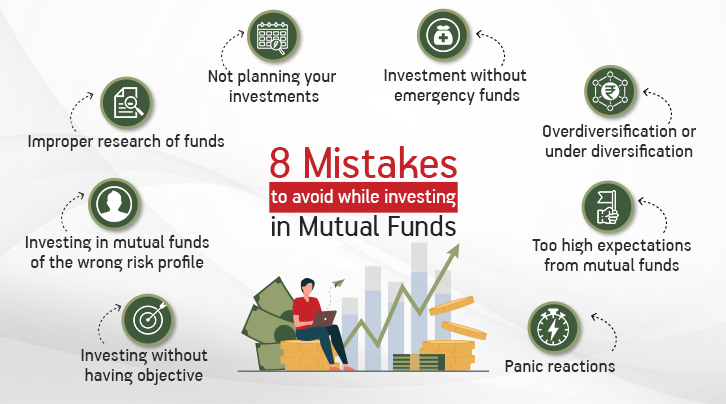
The followings are ways you can LOSE money in Mutual Funds Investments (MFIs)
The followings are ways you can LOSE money in Mutual Funds Investments (MFIs)
1. Trading Losses/ Buy High -Sell Low
- Because of Wrong Timing. You bought high and you sell it low
-Some mutual fund categories are more volatile. This means, while they might offer great returns, they can also offer higher risk
- Because of Wrong Timing. You bought high and you sell it low
-Some mutual fund categories are more volatile. This means, while they might offer great returns, they can also offer higher risk
2. Inflation
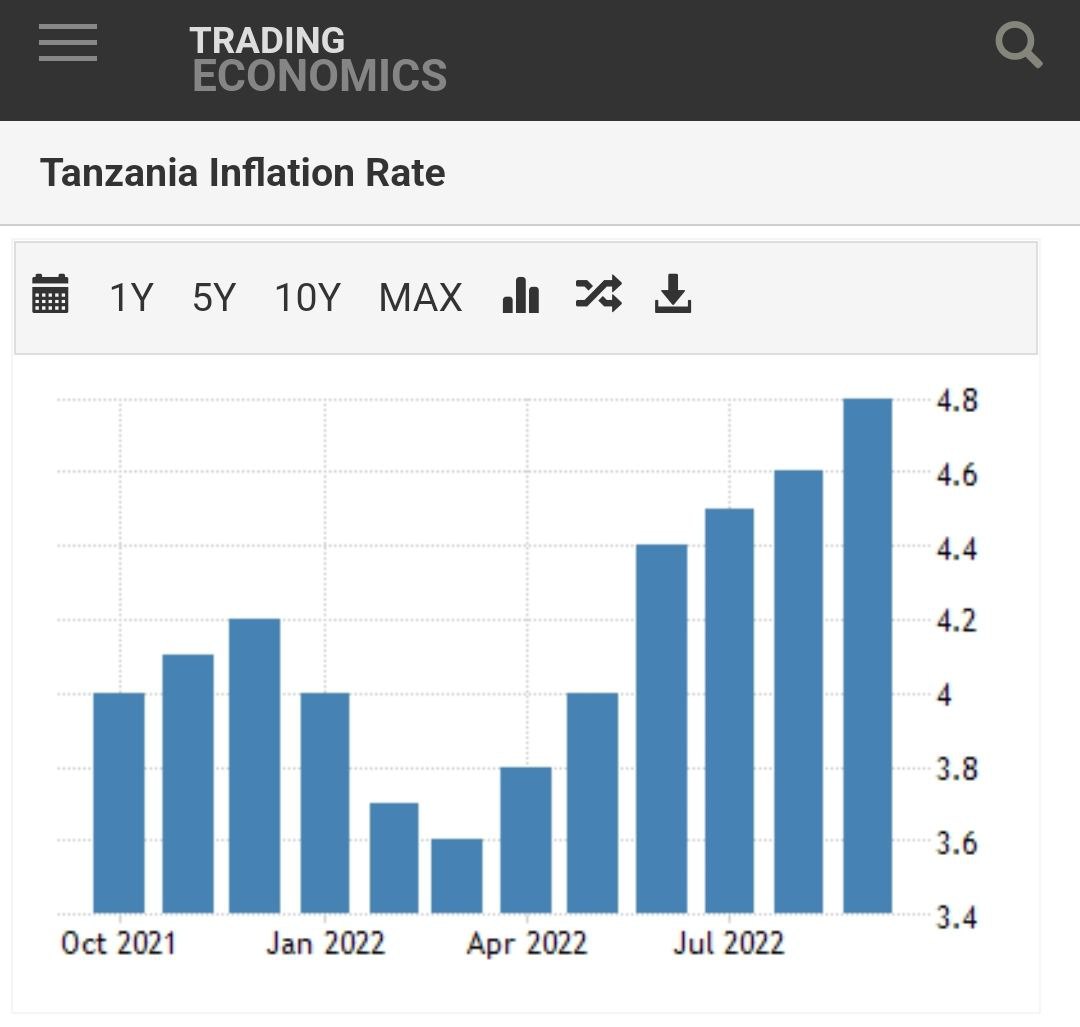
-If you're earning 5% per year in your fixed-income portfolio, and inflation is running at 6%, you're losing money. It's as simple as that.
-Changes in the calculation of the Consumer Price Index (CPI) could also bring losses
-If you're earning 5% per year in your fixed-income portfolio, and inflation is running at 6%, you're losing money. It's as simple as that.
-Changes in the calculation of the Consumer Price Index (CPI) could also bring losses

3. High Fees/ Hidden Fees
-All mutual funds have fees and expenses that reduce your investment return.
- Many of them carry costs through sales charges, annual expense fees, and penalties for early withdrawal.
-All mutual funds have fees and expenses that reduce your investment return.
- Many of them carry costs through sales charges, annual expense fees, and penalties for early withdrawal.
- You may also be charged a commission for each mutual fund purchase and redemption.
4. Lack of Control
- You have no control over the investment holdings since the fund is managed by a professional fund manager.
4. Lack of Control
- You have no control over the investment holdings since the fund is managed by a professional fund manager.
5. Not guaranteed
- There is no guarantee in the performance of your mutual fund and it could technically go to $0 if the underlying holdings all went to zero.
- There is no guarantee in the performance of your mutual fund and it could technically go to $0 if the underlying holdings all went to zero.
6. Volatility
- Mutual funds can experience market fluctuations and sometimes provide returns below the overall market. The level of risk and return depends on what the fund invests in.
- Mutual funds can experience market fluctuations and sometimes provide returns below the overall market. The level of risk and return depends on what the fund invests in.
7. Taxation
- One potential downside of mutual funds happens due to rebalancing within the fund. When a mutual fund buys and sells a stock, it triggers capital gains and losses.
- These capital gains are passed on to the investor.
- One potential downside of mutual funds happens due to rebalancing within the fund. When a mutual fund buys and sells a stock, it triggers capital gains and losses.
- These capital gains are passed on to the investor.
However, there are also advantages to investing in mutual funds.
1. Affordability- Easy to start with a small amount of money
2. Diversification- When you invest in MF, you're investing in a diversified portfolio with a mixer of a variety of assets with different categories
1. Affordability- Easy to start with a small amount of money
2. Diversification- When you invest in MF, you're investing in a diversified portfolio with a mixer of a variety of assets with different categories
3. Professional management
-A portfolio manager does the research and analysis required to find quality investments to hold in a portfolio.
4. Flexibility
-You can buy and sell mutual funds with relative ease. You can also reinvest your distributions in additional fund units.
-A portfolio manager does the research and analysis required to find quality investments to hold in a portfolio.
4. Flexibility
-You can buy and sell mutual funds with relative ease. You can also reinvest your distributions in additional fund units.
The Bottom Line
There are advantages and disadvantages of mutual funds as there are advantages and disadvantages to each and every investment
Most of MFIs Companies will never tell you the DARK SIDE of their fund services.
Before Investing, Read their prospectuses
There are advantages and disadvantages of mutual funds as there are advantages and disadvantages to each and every investment
Most of MFIs Companies will never tell you the DARK SIDE of their fund services.
Before Investing, Read their prospectuses
If you find this thread helpful, follow me @galus_titanium @galus_titanium for more threads and Financial market updates
Would also greatly appreciate ❤ & RT to reach more people
Credits: Investopedia, U.S gov(SEC)
#mutualfunds #UTT #UTTAMIS #Investment #Finance #Stocks
Would also greatly appreciate ❤ & RT to reach more people
Credits: Investopedia, U.S gov(SEC)
#mutualfunds #UTT #UTTAMIS #Investment #Finance #Stocks

Loading suggestions...