

A fun thread about how tailored garments are finished with a neat trick one of my tailors came up with at the end 🧵
So I'm having a bespoke polo coat made, and I've been struggling with deciding on how the lapels should be finished.
So I'm having a bespoke polo coat made, and I've been struggling with deciding on how the lapels should be finished.
First, some basics about sewing. Since you can't sew fabric right at the edge, a tailor has to sew the seam a little away from the edge (this is known as the seam allowance). Once sewn, the fabric is then folded over to protect the edge from fraying, and then pressed.
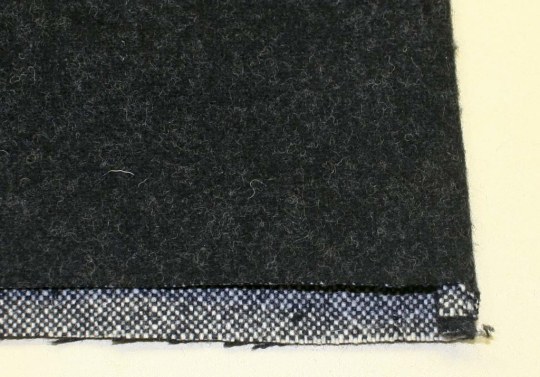
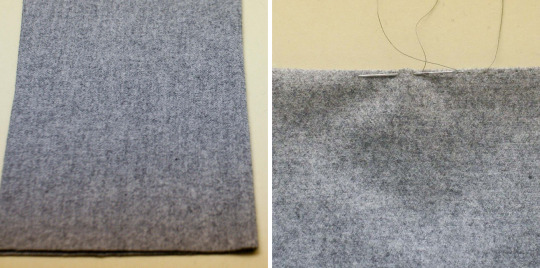
Once pressed, the tailor has to find a way to "finish" the lapels, so that edge doesn't get distorted over time. The most common solution is to stitch the fabric about 1/16" from the edge. This keeps the edge flat and crisp and prevents lapel from rolling over to the wrong side
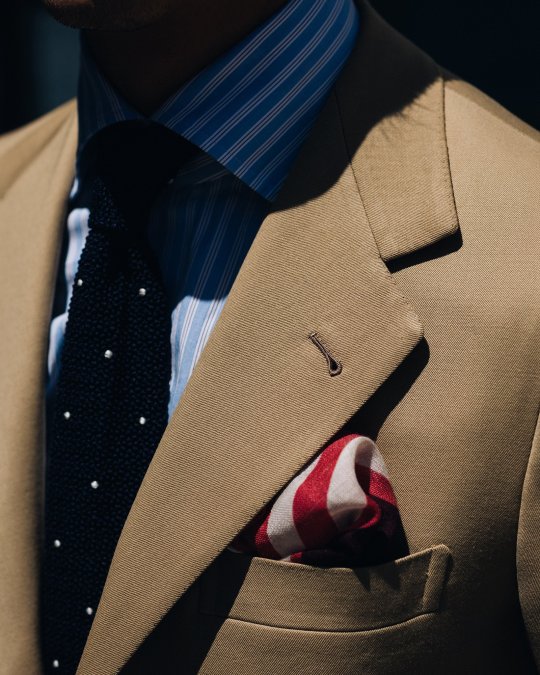
There's also a pick stitch, which results in dimpling. This can be done by hand or machine. You can tell when a suit is hand-finished (likely bespoke) if the pick stitching is soft & subtle (first 2 pics). Machine pick stitching can look like it was done w/ a nailgun (3rd pic)😔

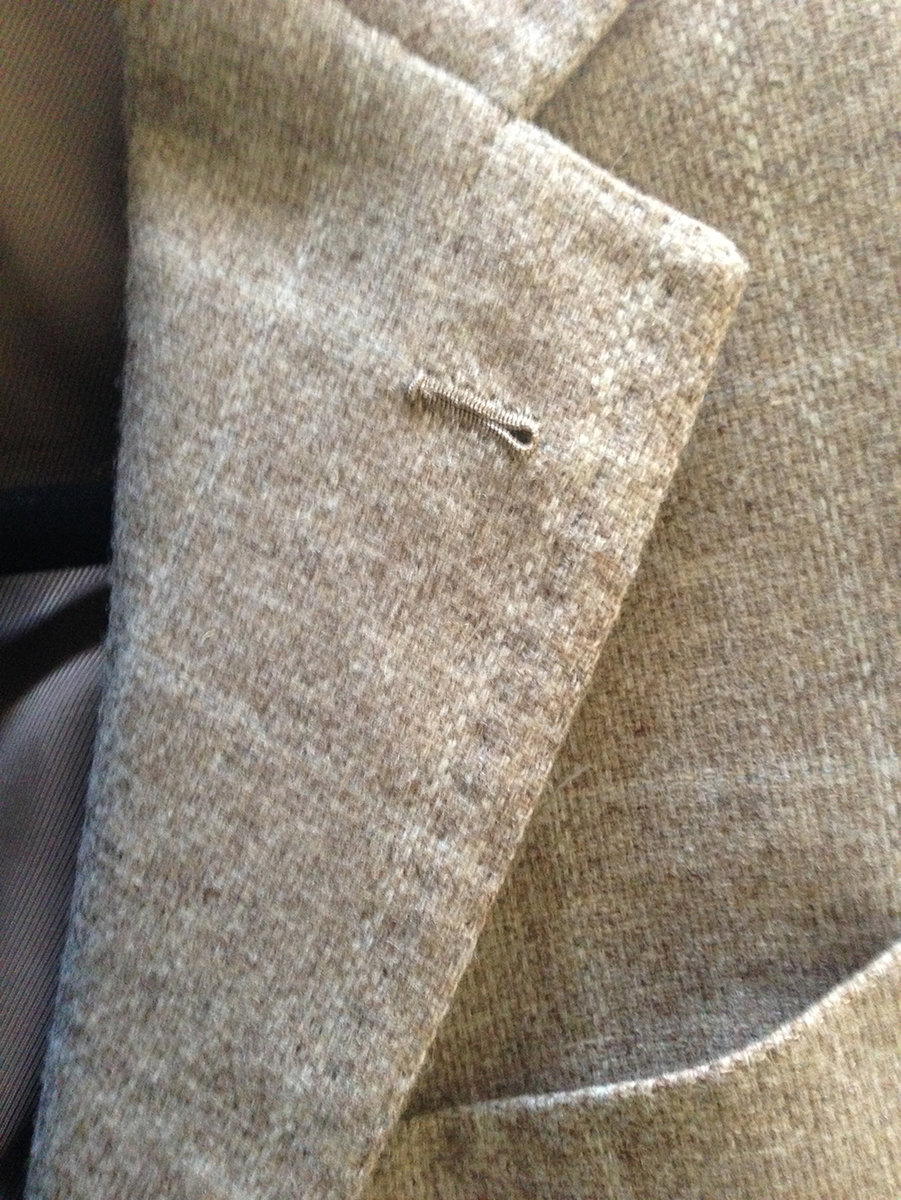
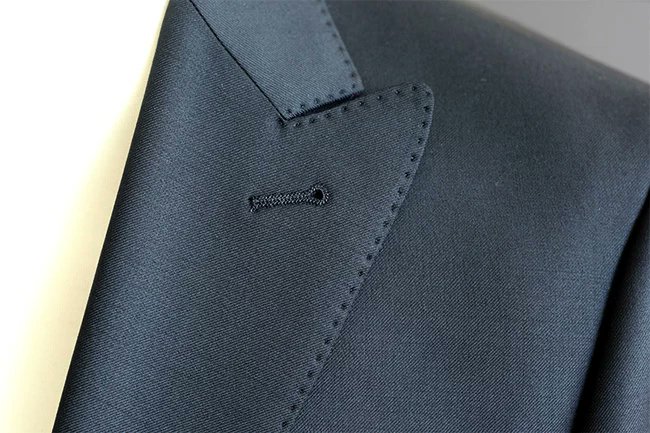
In Southern Italy, tailors will do a double row of pick stitching with a thicker buttonhole twist thread to really show off the fact that the suit was handmade.
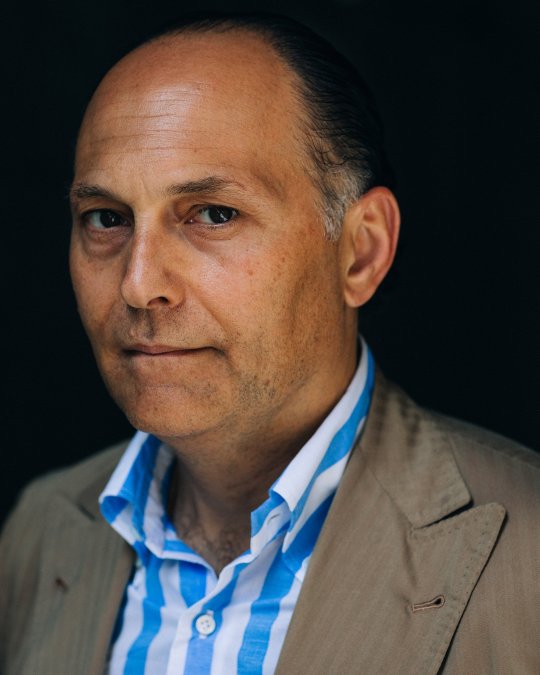
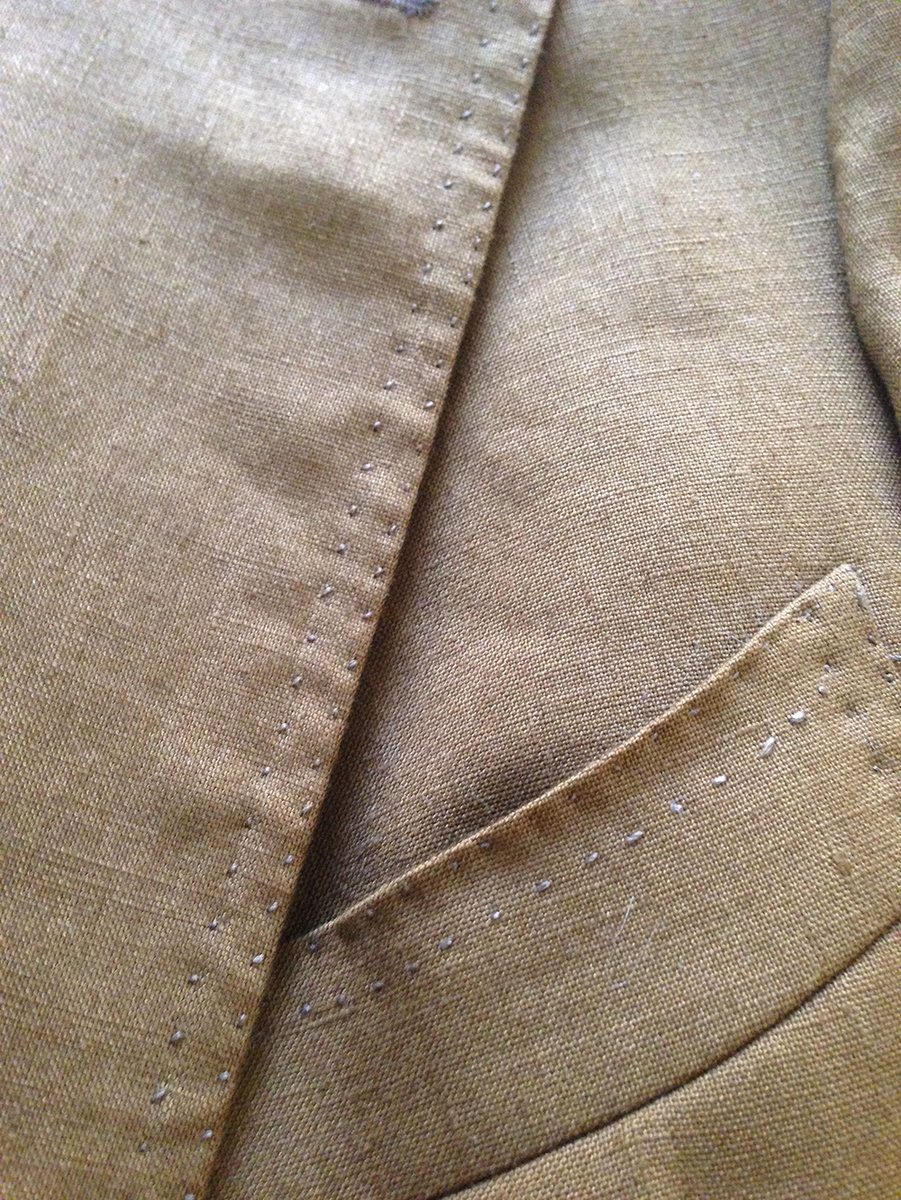
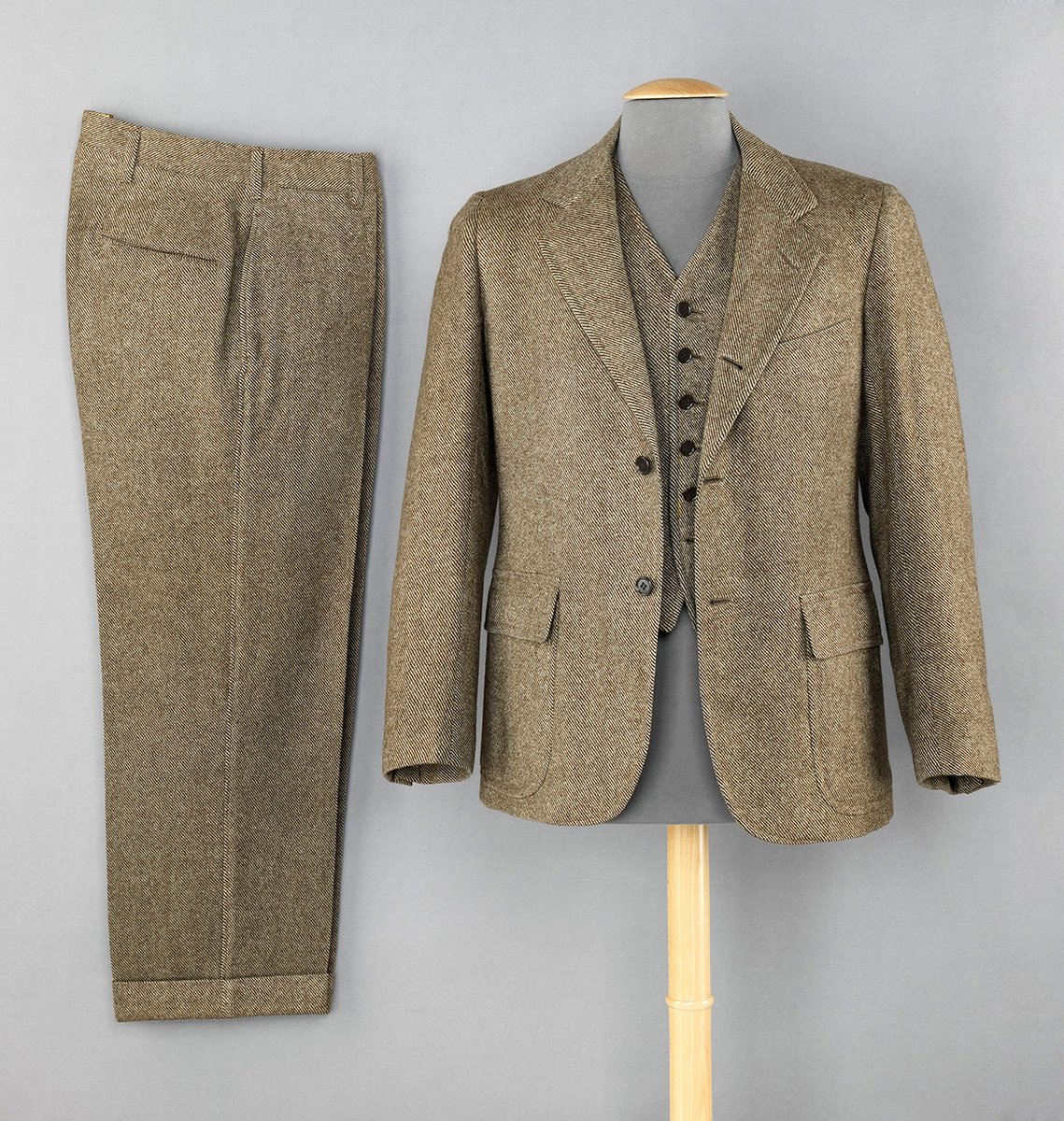
One of the interesting things about American tailoring is that it has always been more machine-made than its European counterparts, even during its heyday of Ivy style. The classic Ivy suit was finished with a machine-sewn lapel
A 1955 Brooks Brothers suit:
A 1955 Brooks Brothers suit:
Remember: underneath the edge is two layers of fabric. When you sew down this edge by machine, it results in a tighter stitch and plumper edge. If you sew it by hand, the fabric underneath is less "pressed down" and thus less plump.
L: hand; R: machine
L: hand; R: machine
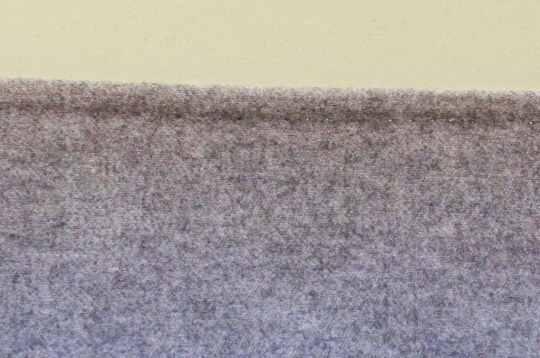
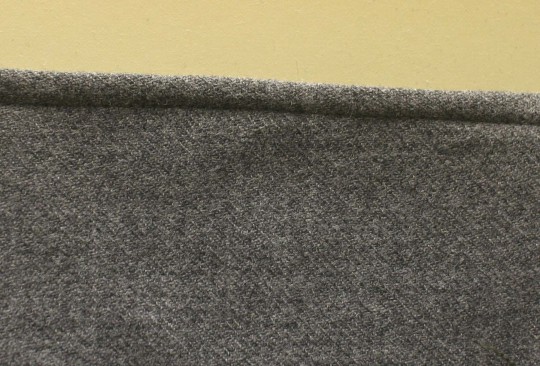
OK, back to my coat.
The polo coat is an American classic. It originated with polo players wearing a wrap-style coat in between matches, but later became something people wore even outside of sport. Popular with Brooks Brothers customers, and of course, later Ralph Lauren.
The polo coat is an American classic. It originated with polo players wearing a wrap-style coat in between matches, but later became something people wore even outside of sport. Popular with Brooks Brothers customers, and of course, later Ralph Lauren.
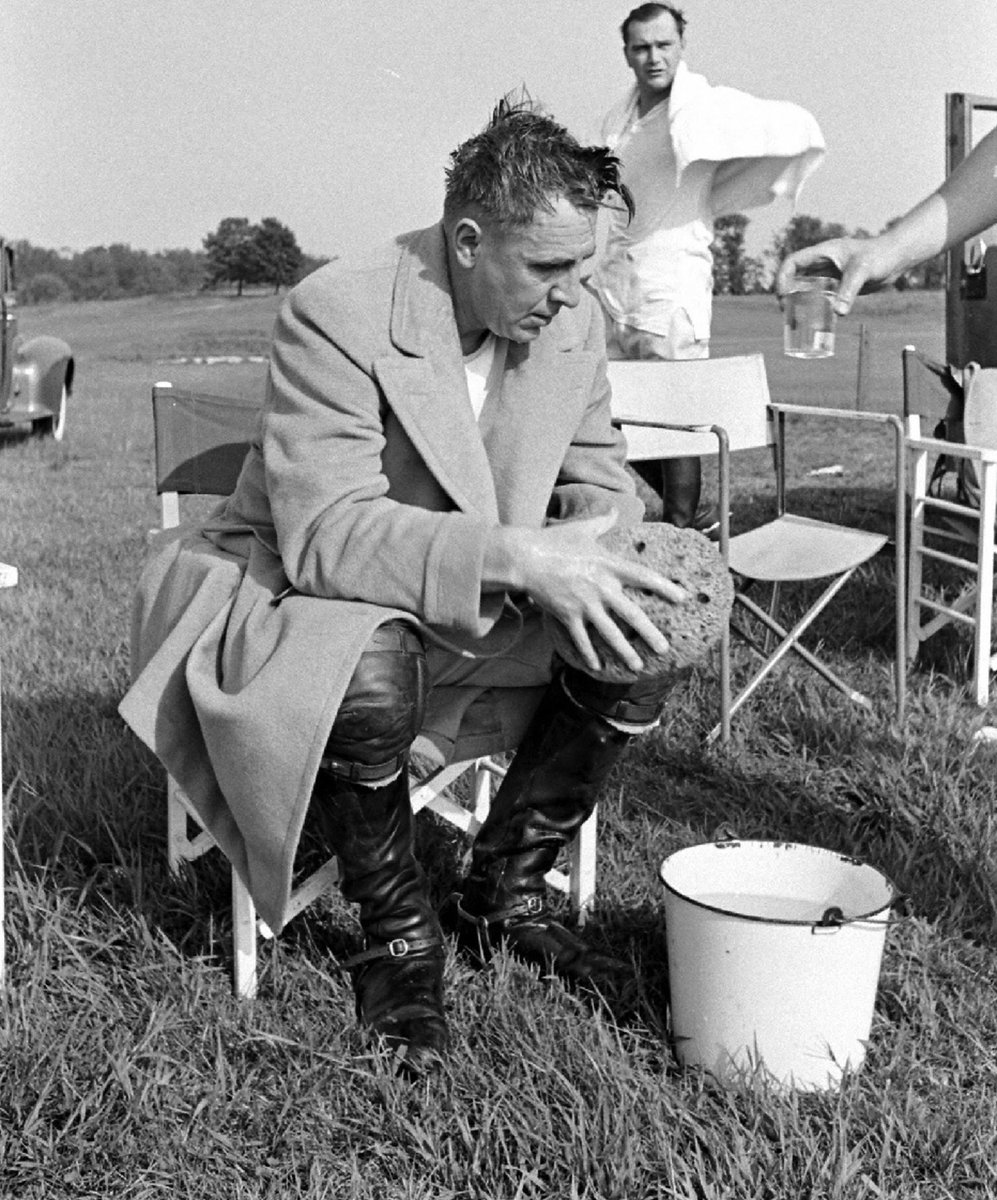
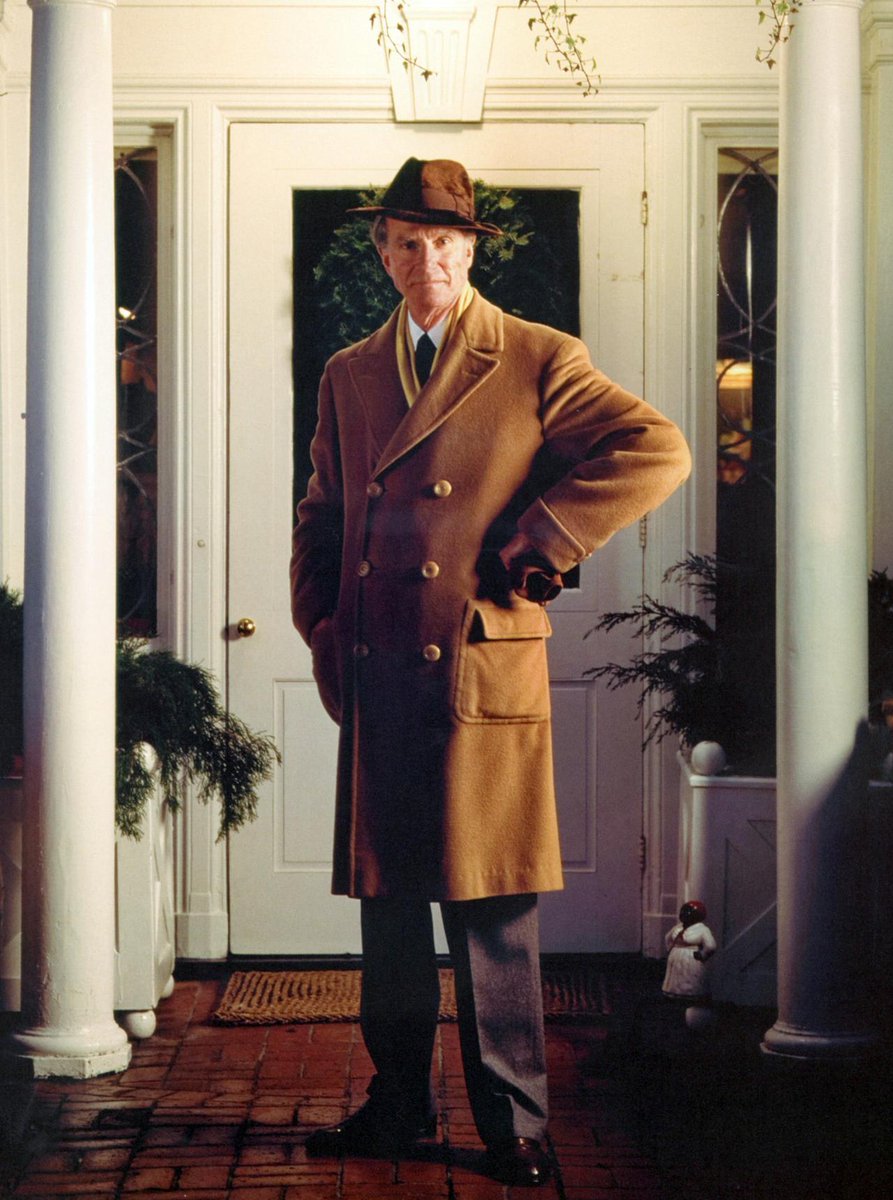
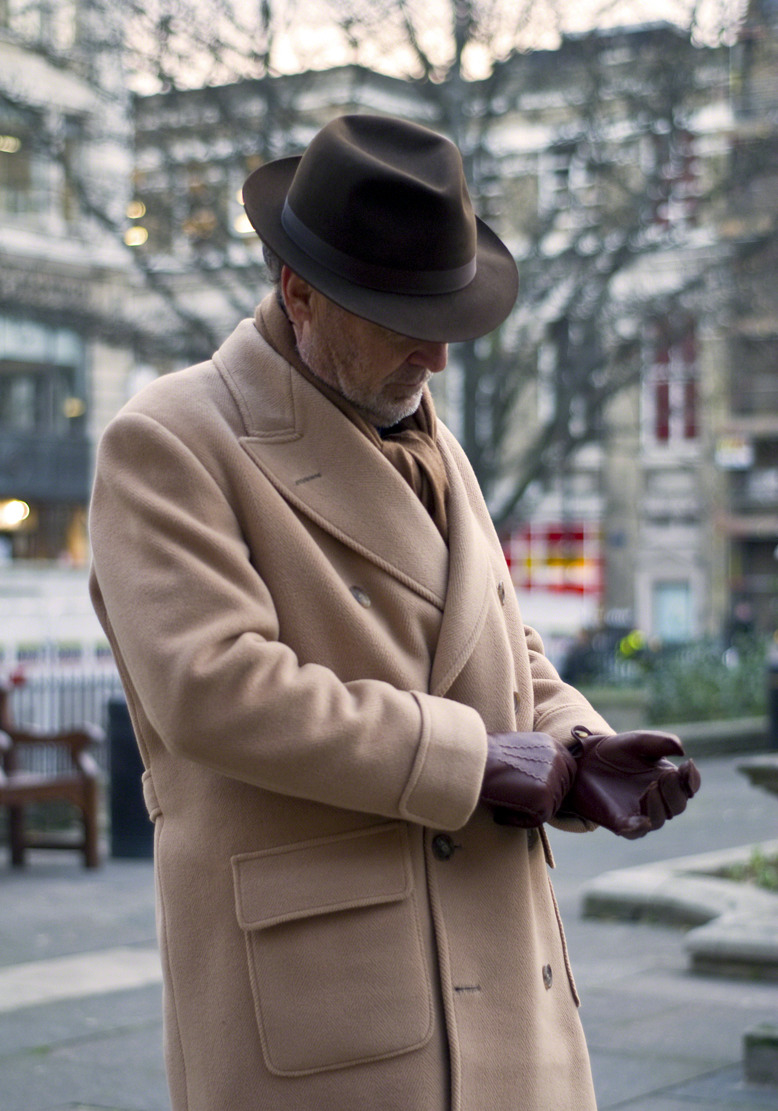
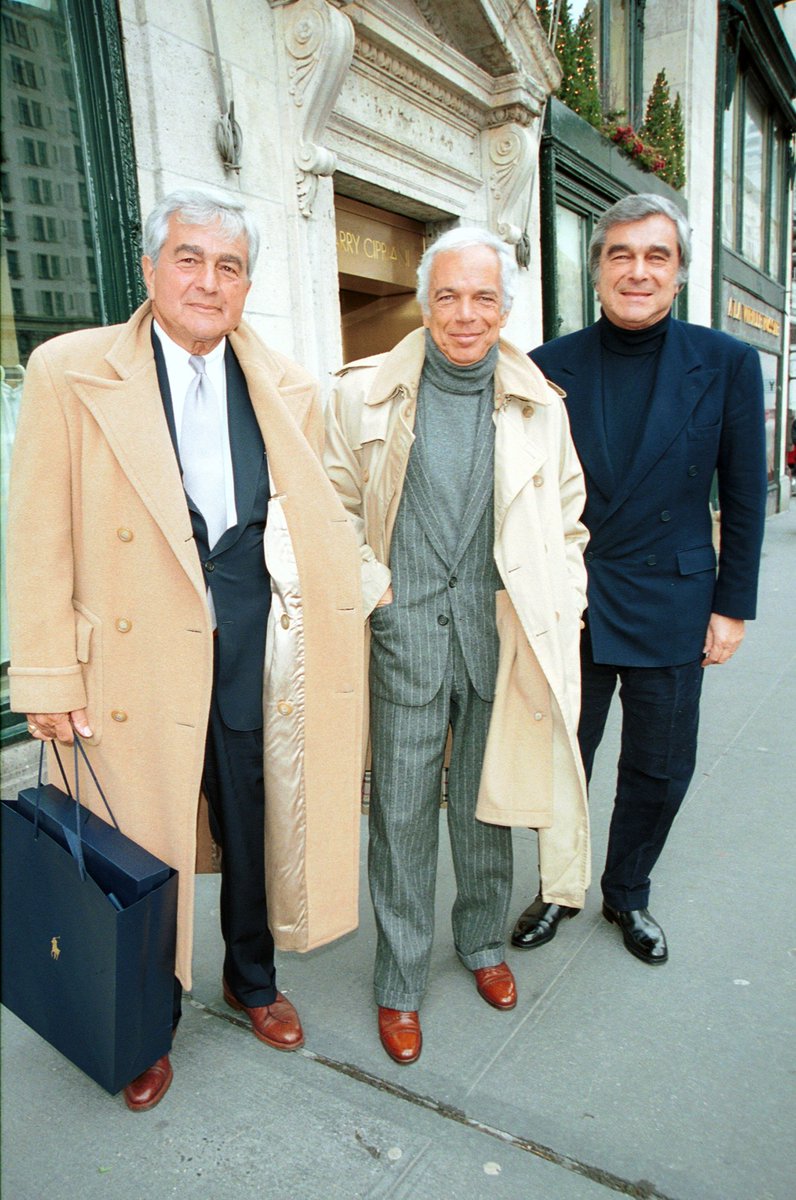
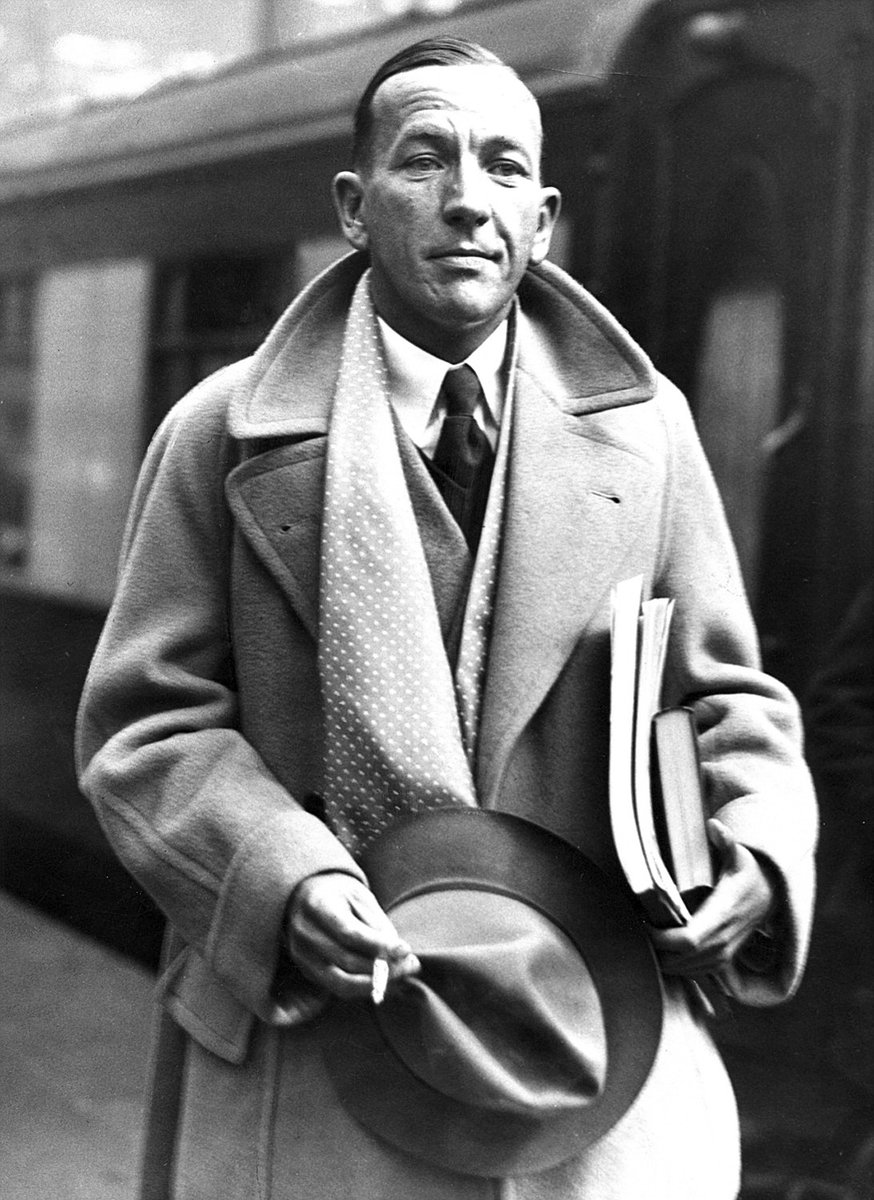
When you look at old photos of polo coats, almost all of them have a machine-stitched edge.
I wanted my coat to look like the classics, but bespoke coats are typically finished with a hand pick stitch, which results in a much fainter line 😔
I wanted my coat to look like the classics, but bespoke coats are typically finished with a hand pick stitch, which results in a much fainter line 😔
My tailor, @SteedTailors, came up with this solution: a backstitch that results in that harder line and plumper edge, but still retains the artisanal quality of a handmade coat.
The stitch basically forms a continuous line.
The stitch basically forms a continuous line.
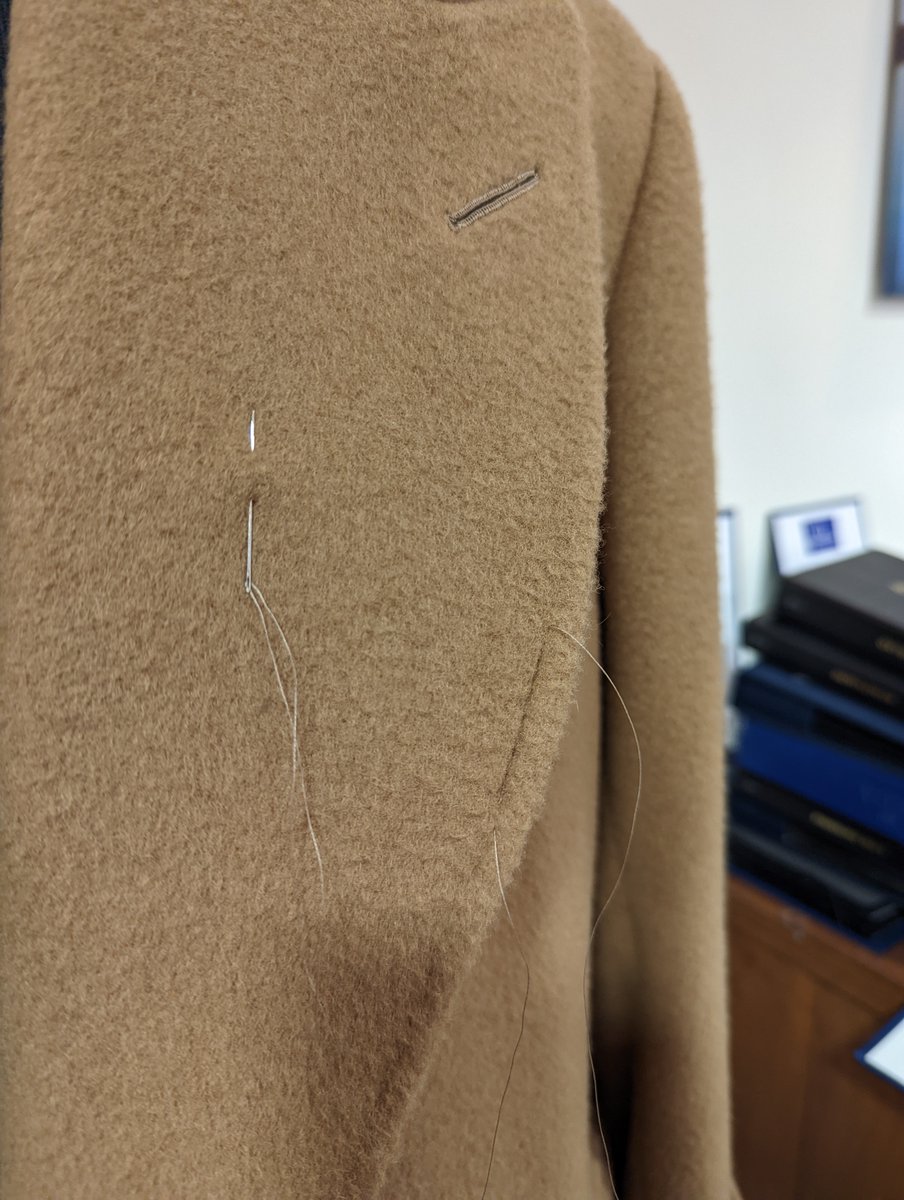
I thought it was a clever solution and have never seen it done on a bespoke coat before, so I thought I'd share.
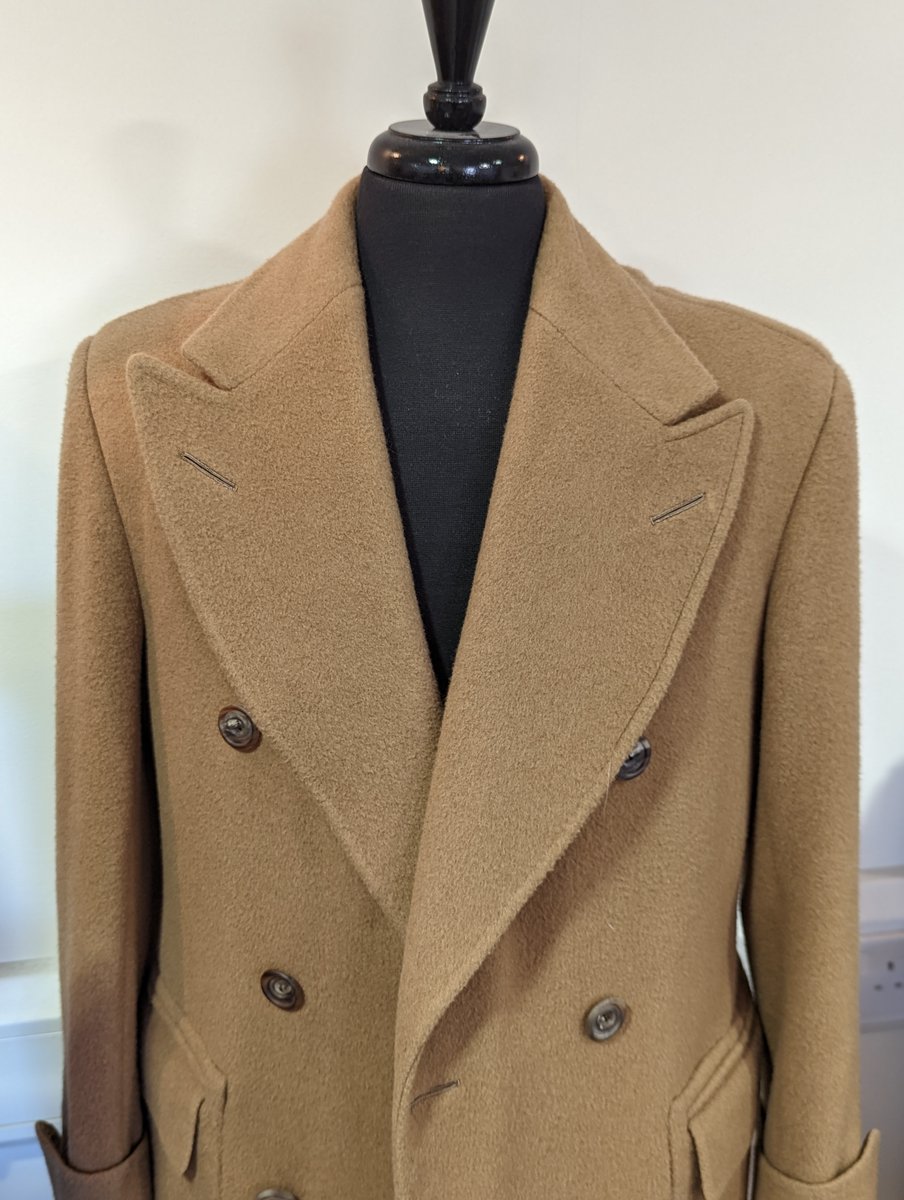
Here are the two stitches side-by-side on a test coat (not my coat). Left lapel is hand pick stitched; right lapel is hand back stitched.
/end
Here are the two stitches side-by-side on a test coat (not my coat). Left lapel is hand pick stitched; right lapel is hand back stitched.
/end
I had trouble earlier uploading this video, where Pam from @SteedTailors shows the technique. Trying again.

Loading suggestions...