

The Great Famine in India of 1876–78 is one of the most unacknowledged cases of British colonial genocide. With a death toll of at least 10 million, the famine covered an area of 670,000 square kilometres and affected 59 million people. 🧵
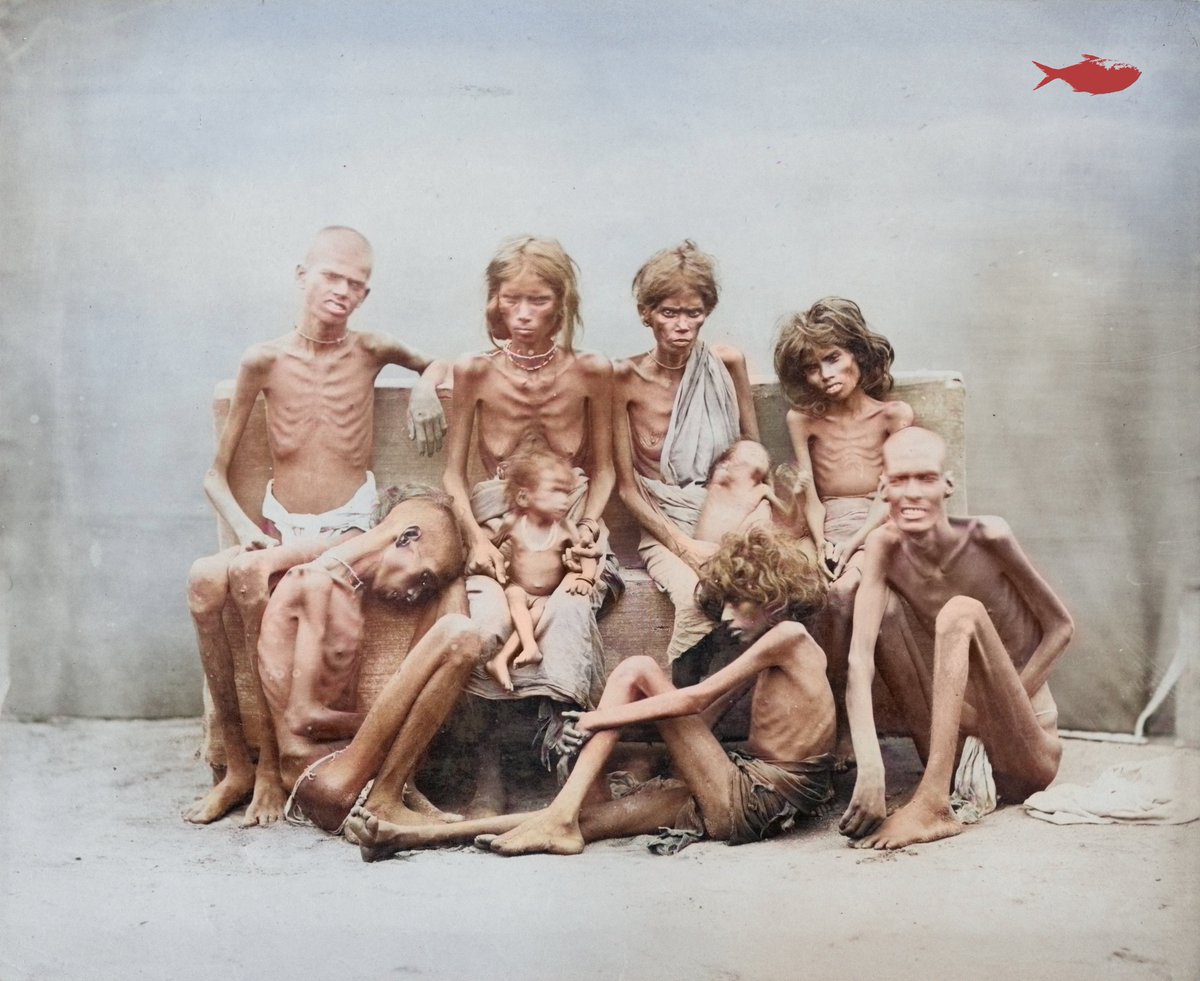
Mainstream narratives today often blame the famine on a "freak climate event", and back then because of "nature's response to Indian over-breeding". Both ignore the complicity of the British empire, whose imposition of free-market economics violently transformed India.
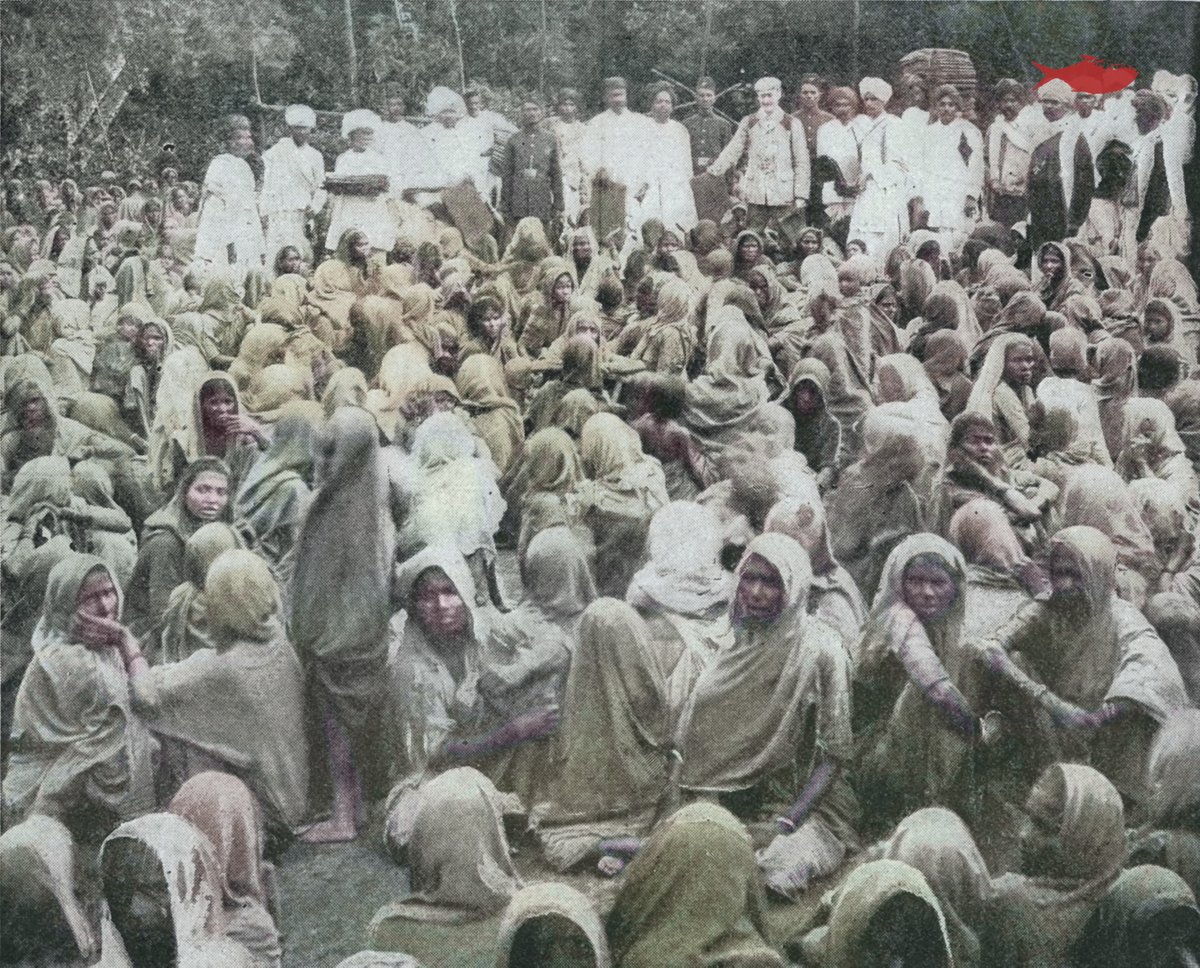
Karl Marx called this the "destruction of the self-sufficient village society of India" for "English free trade." Millions of acres traditionally used for domestic subsistence were seized to produce export crops like wheat and cotton, making Indians at risk of food shortages.
In the early days of the famine, the Viceroy of India, Lord Lytton, who was widely suspected to suffer from psychosis and opium addiction, rejected every call to ease the suffering of millions instead focusing on getting ready for Queen Victoria's coronation as Empress of India.
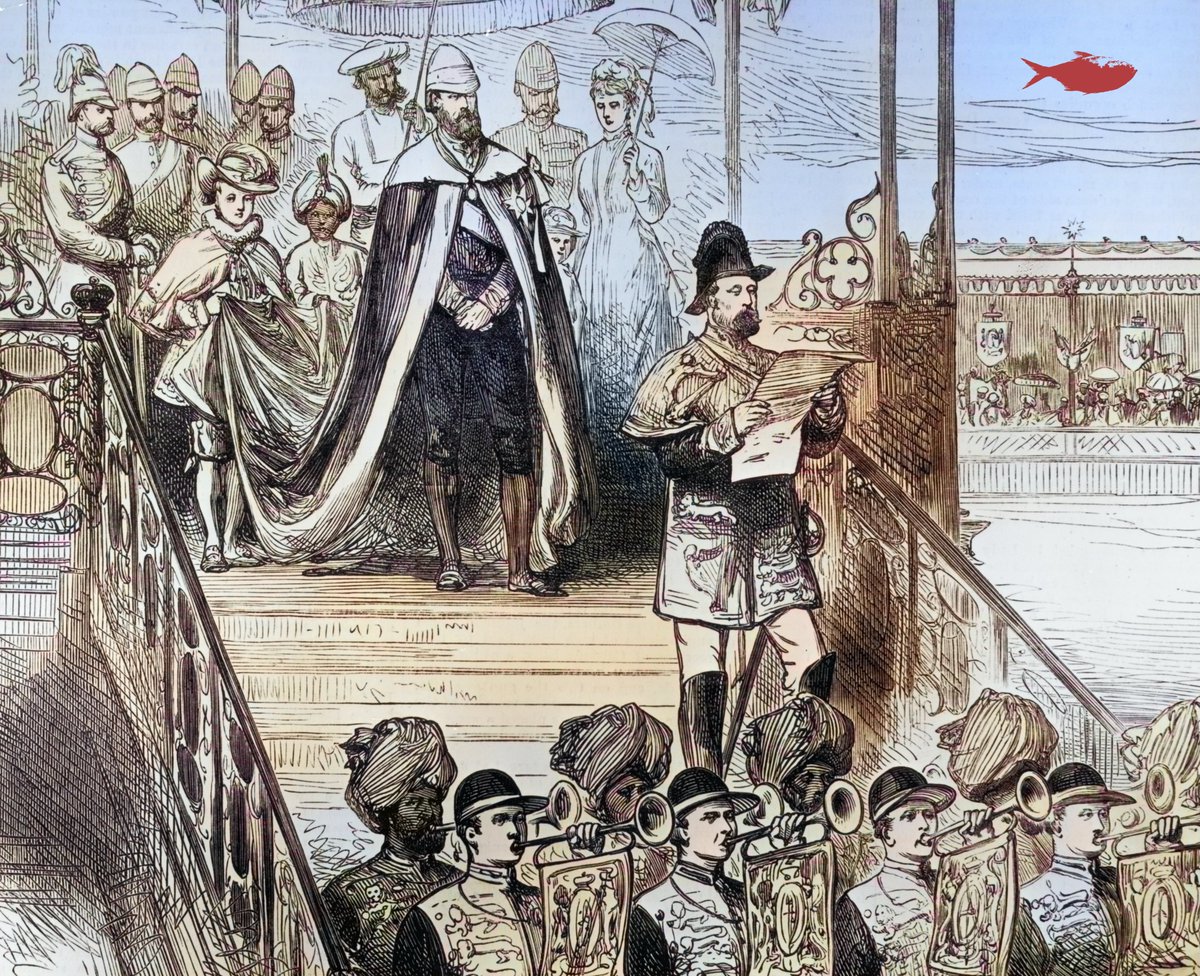
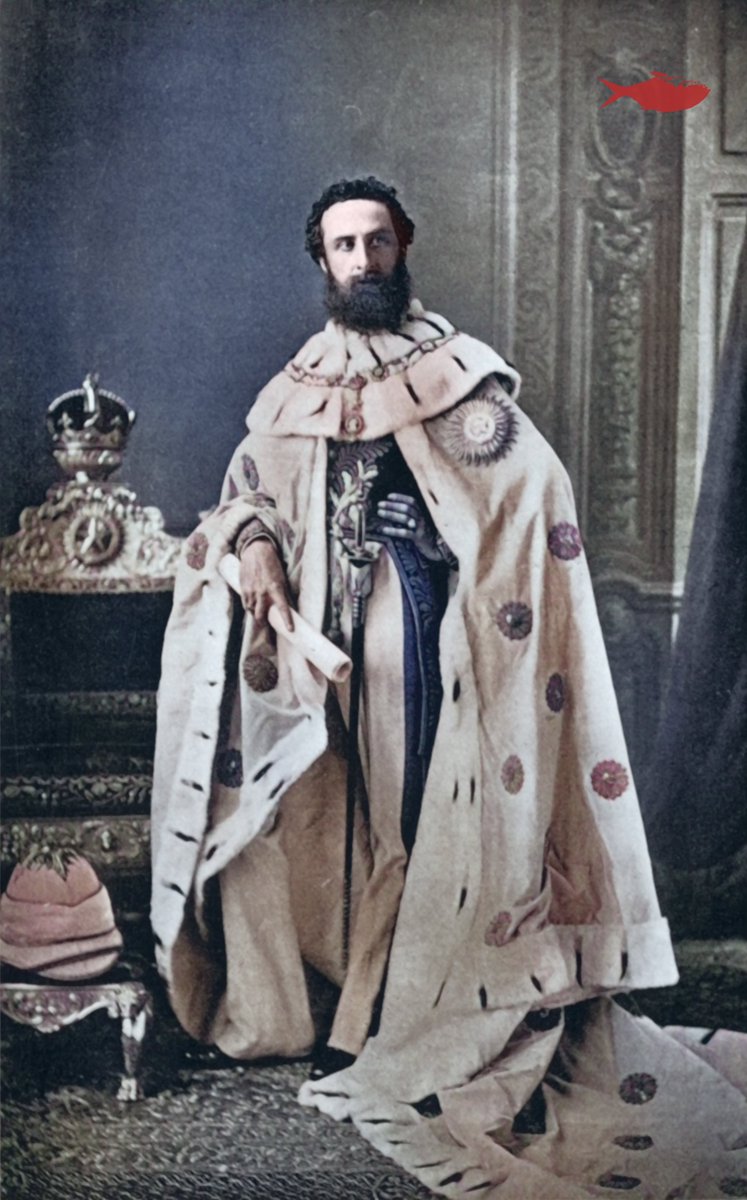
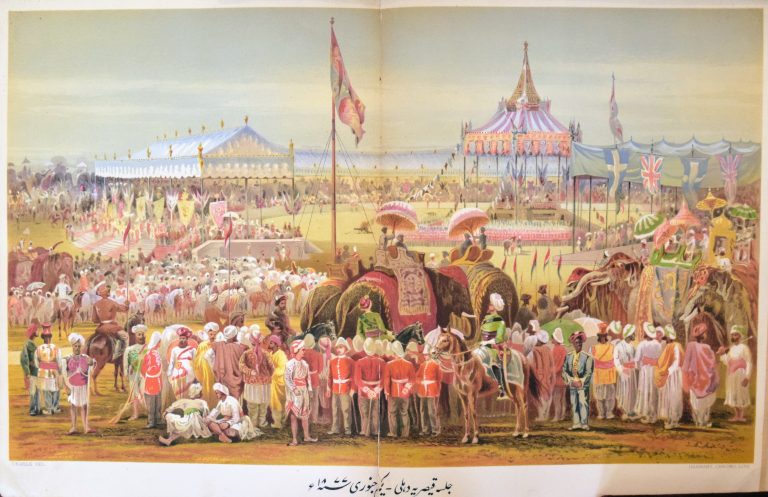
The highlight of Queen Victoria’s coronation was a week-long feast for 68,000 dignitaries which at the time was the most expensive meal in world history. 100,000 people starved to death in Madras and Mysore in the course of Lytton's festivities.
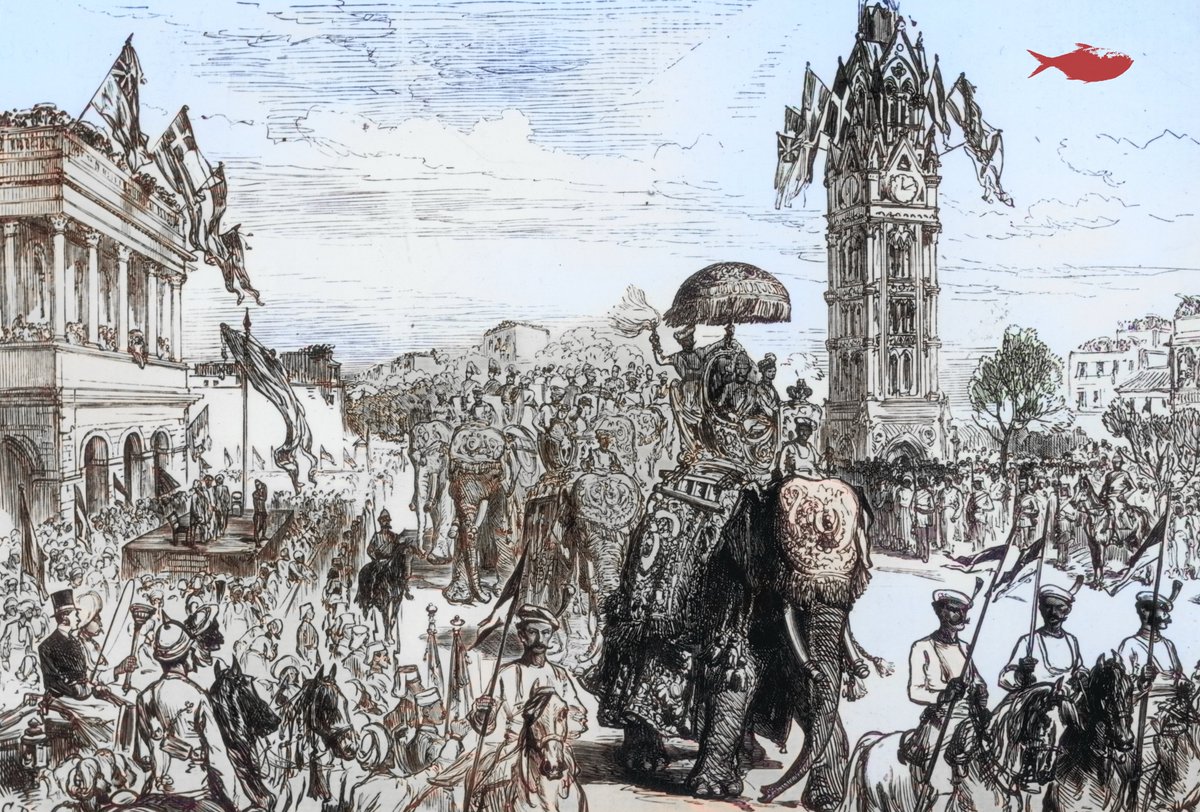
Meanwhile, Lytton tried to cover up the famine to the rest of the world. Local press reported that starving deaths were being deliberately misreported as cholera or dysentery fatalities to hide the famine's true scale.
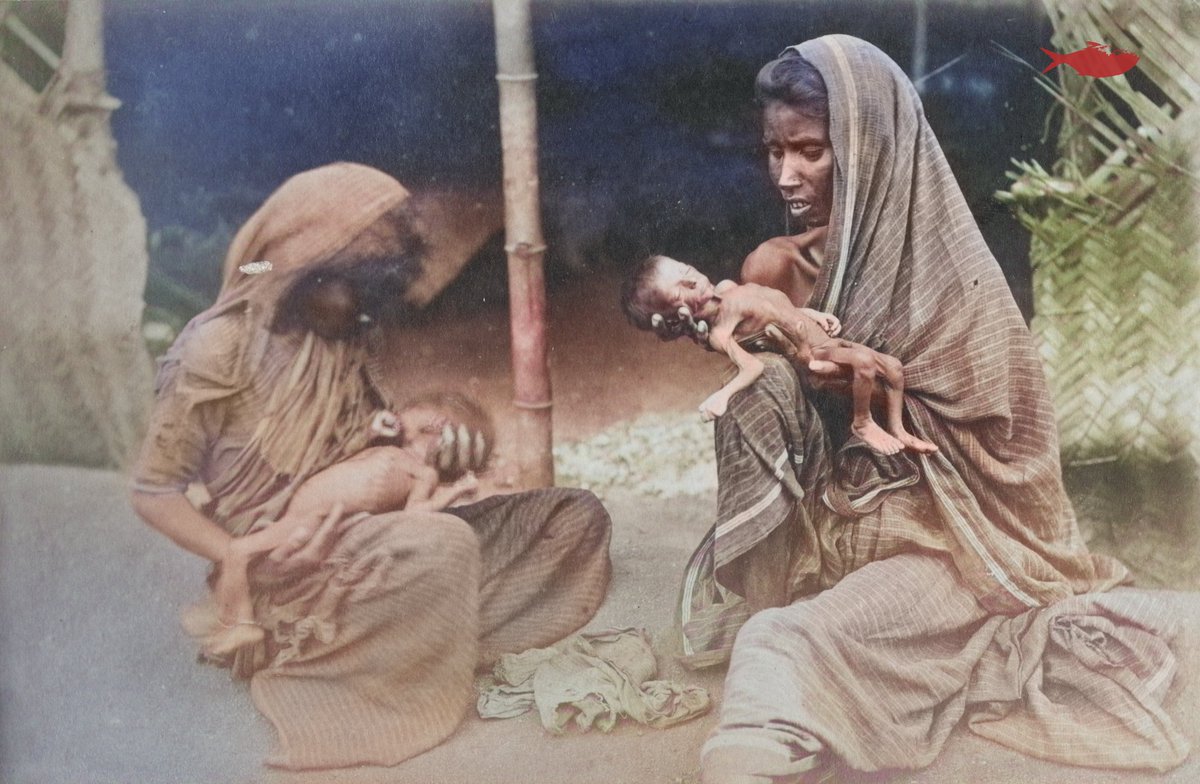
As the famine raged, Britain's top economists argued government intervention would be harmful. At the same time capitalists were encouraged to speculate on grain - causing prices to soar out of reach for Indian peasants and workers, and profits to pour into speculators' pockets.
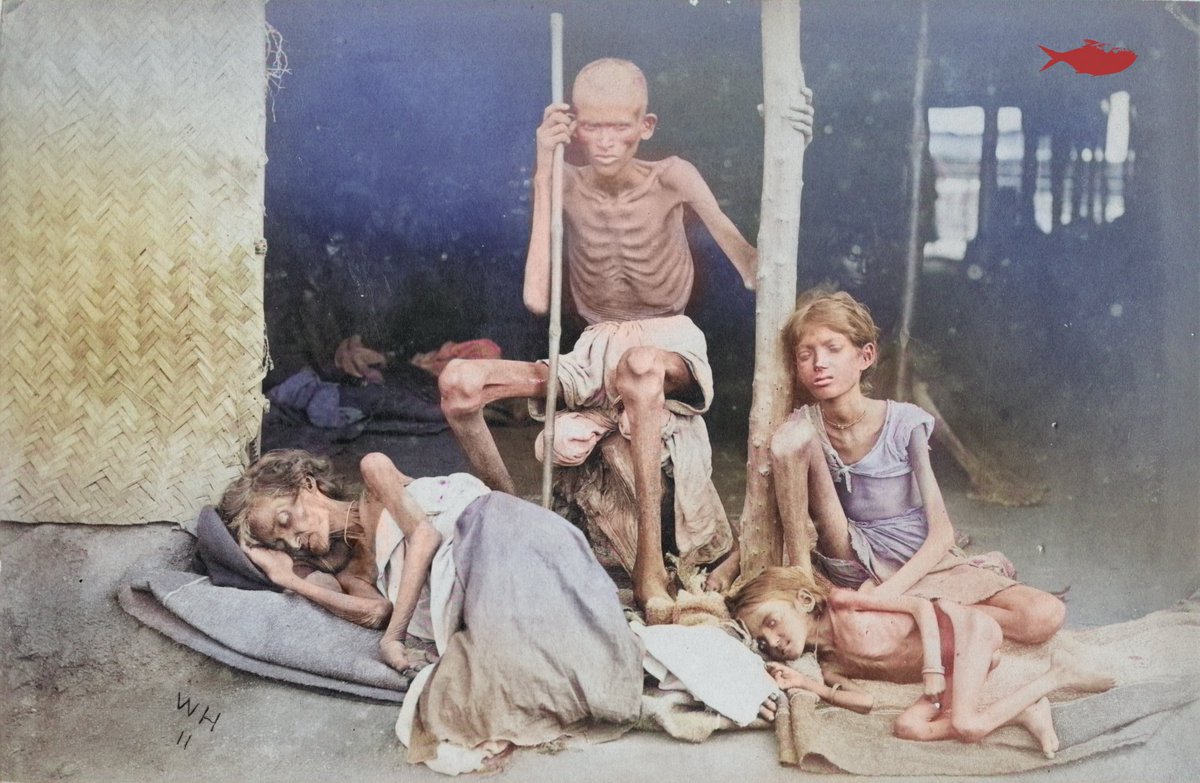
The British claimed the famine was caused by intense drought that resulted in crop failure. But as the bodies piled up in the last year of the famine, Lytton oversaw the export of a record 320,000 tonnes of wheat to European markets from under the noses of starving Indians.
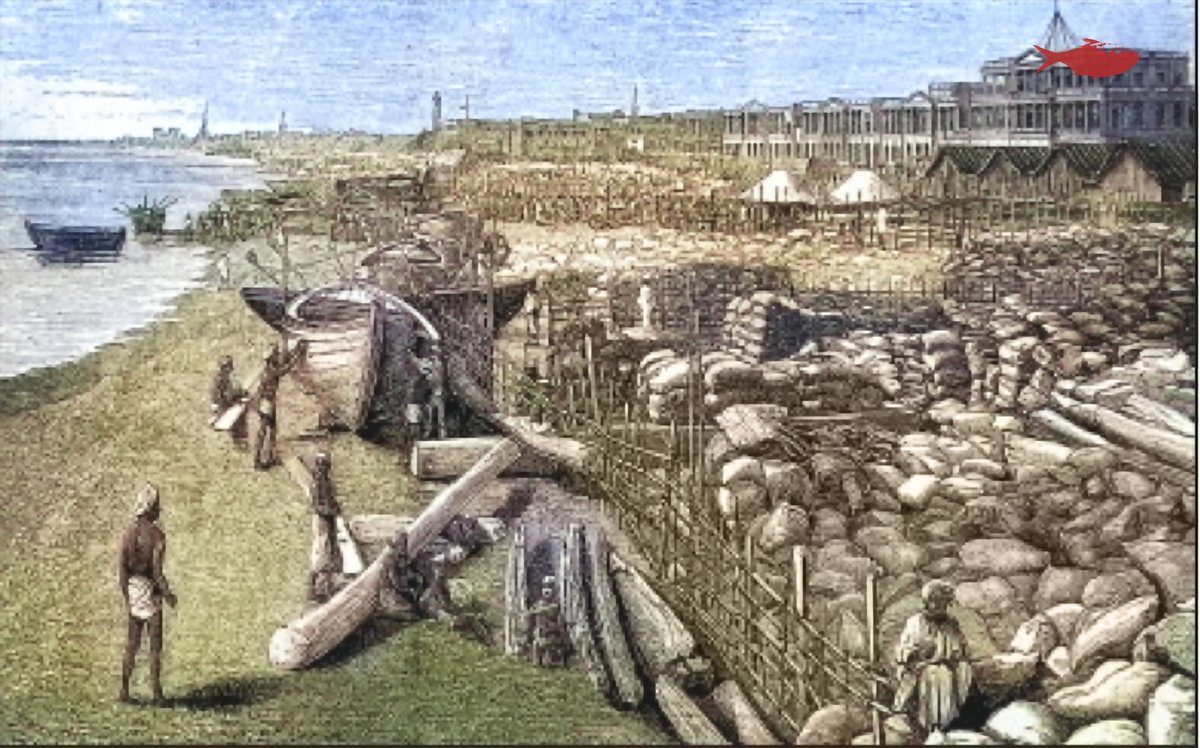
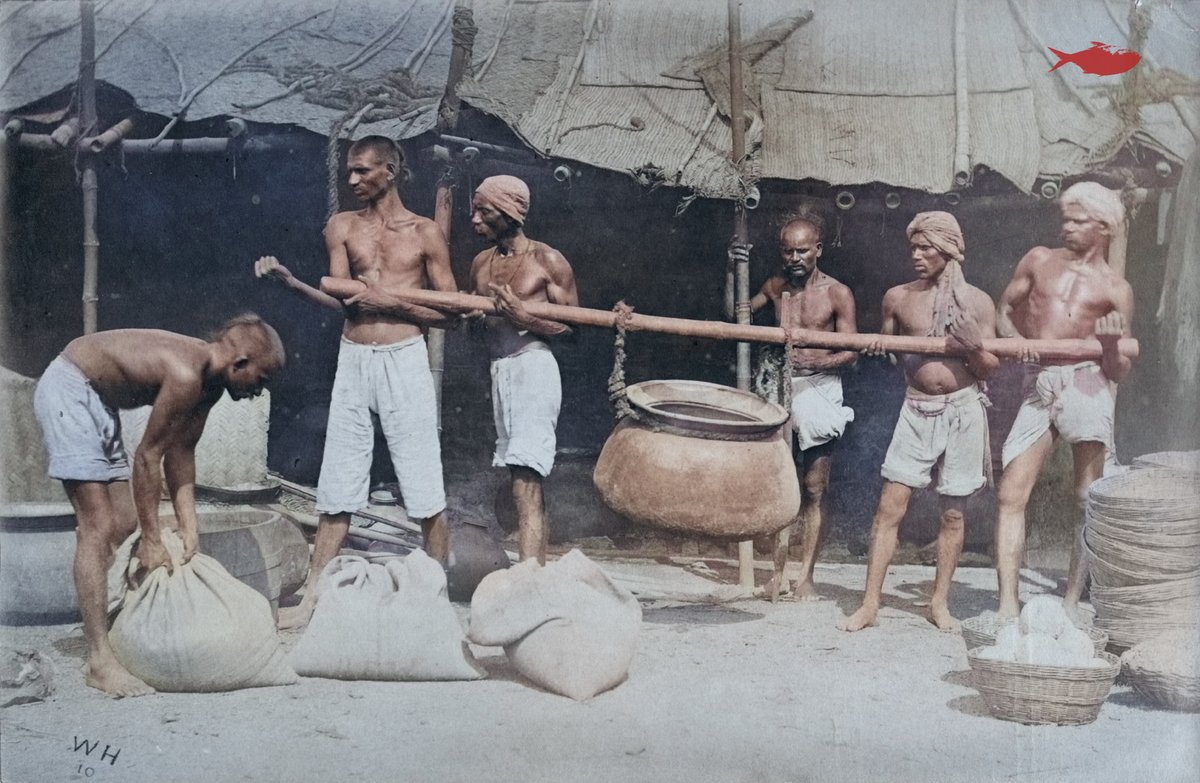
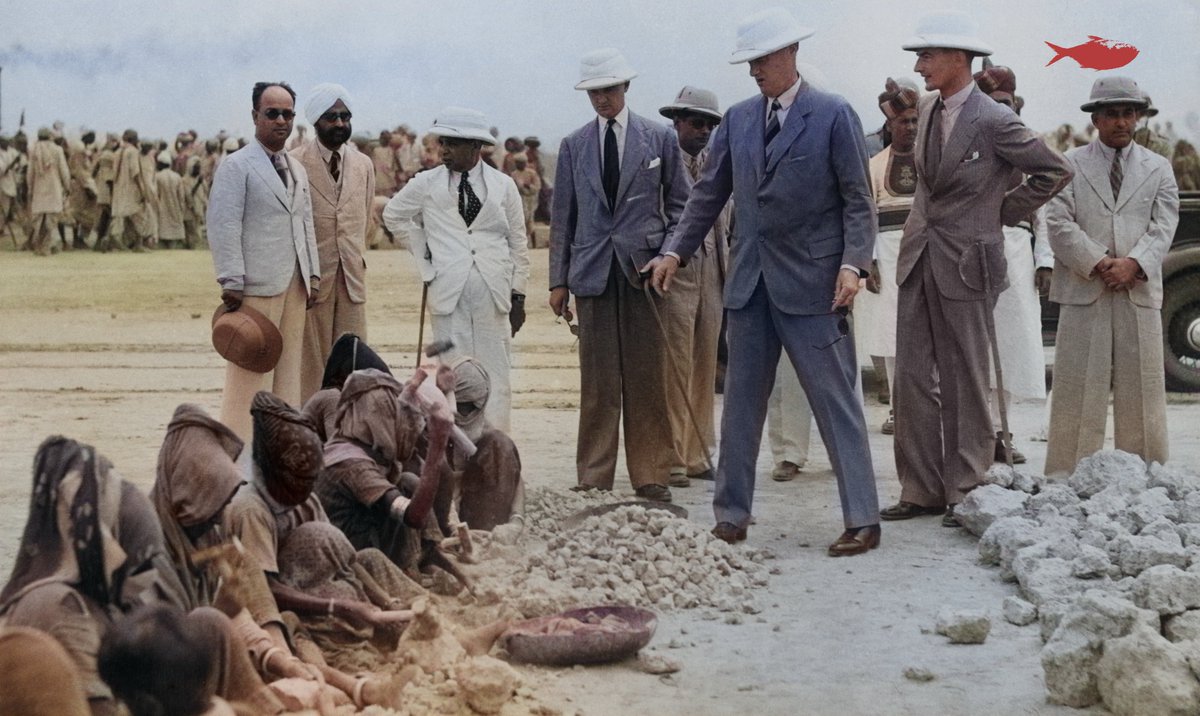
Due to Lytton's eagerness to fund British military forays in Afghanistan, relief funds were scarce. The only kind permitted in most districts was hard labor camps where workers had less food than inmates at the Nazi camp in Buchenwald.
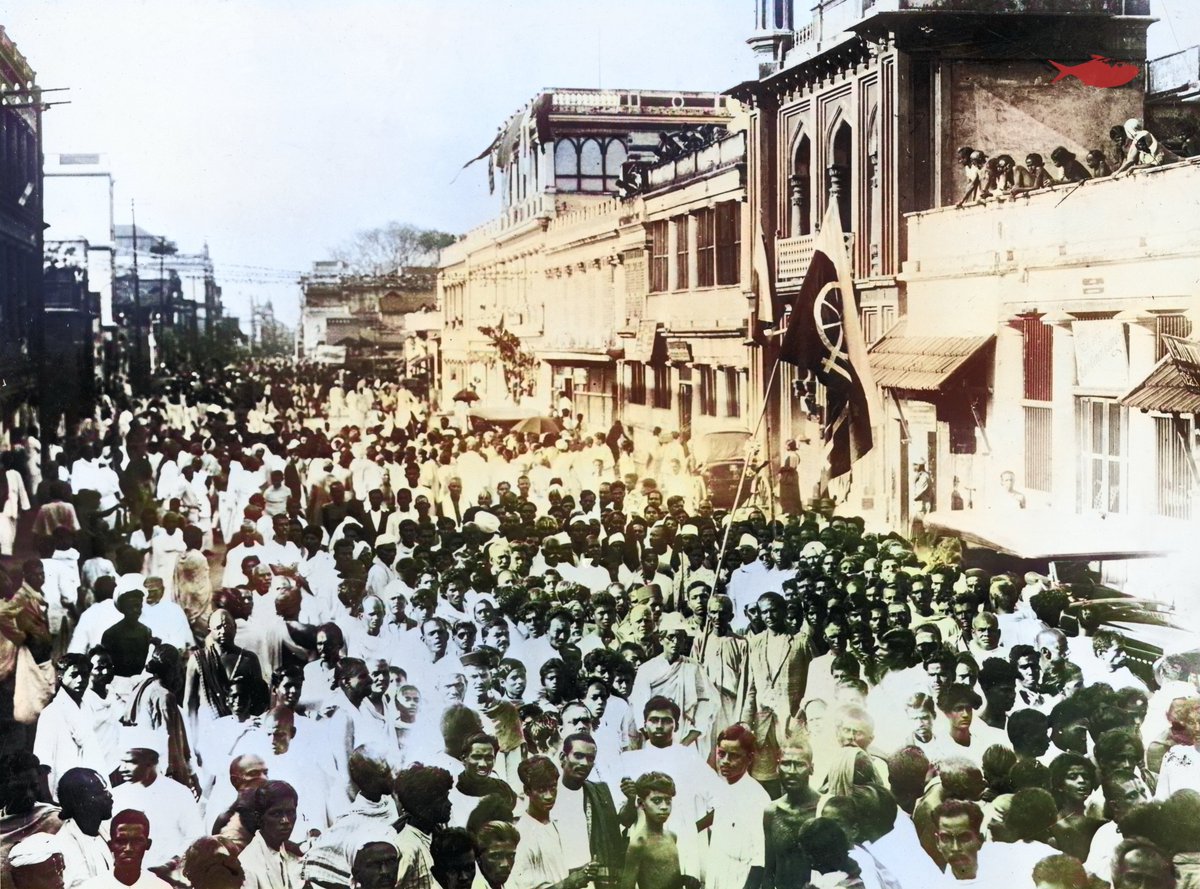
This was just the first famine engineered by the British in India. By 1902, up to 29.3 million people would die from starvation under British rule, catastrophes that would act as a catalyst for the Indian freedom struggle.
Loading suggestions...