

Do you or a loved one have metal fillings?
180 million Americans have over a billion teeth with fillings, most of them being metal.
You might be worried about mercury exposure, and I'm here to break it down in plain english.
180 million Americans have over a billion teeth with fillings, most of them being metal.
You might be worried about mercury exposure, and I'm here to break it down in plain english.

First, let's go over what exactly a metal filling is and why it's used.
They are called "amalgam" which is defined as a mixture or blend.
These fillings are a blend of different metals that start soft and harden:
Liquid mercury (elemental)
Silver
Tin
Copper
They are called "amalgam" which is defined as a mixture or blend.
These fillings are a blend of different metals that start soft and harden:
Liquid mercury (elemental)
Silver
Tin
Copper

Why do they fill teeth with metal?
In the 1800s a French dentist, Auguste Taveau was messing around and melting silver coins and for some reason decided this belongs in a tooth.
Today it's used much less and it is an extremely cheap and accessible way to fill cavities.
In the 1800s a French dentist, Auguste Taveau was messing around and melting silver coins and for some reason decided this belongs in a tooth.
Today it's used much less and it is an extremely cheap and accessible way to fill cavities.

Mercury is a natural part of the earth. It's found in the soil, water and air.
Natural doesn't make it healthy though, it's extremely toxic.
Tremors
Emotional changes
Insomnia
Neuromuscular changes
Headaches
Disturbances in sensations
Nerve Damage
Kidney Failure
Lung Damage
Natural doesn't make it healthy though, it's extremely toxic.
Tremors
Emotional changes
Insomnia
Neuromuscular changes
Headaches
Disturbances in sensations
Nerve Damage
Kidney Failure
Lung Damage
Since it was in use since the 1800's, it never underwent regulatory safety testing methods that are required for other medical implants.
The FDA says the statute of regulations exempts metal fillings. They claim they are still investigating but have not made a comment since 2010
The FDA says the statute of regulations exempts metal fillings. They claim they are still investigating but have not made a comment since 2010
So now we've got this archaic but cheap and effective way at fixing cavities, but it's main ingredient has an extremely toxic ingredient. And it's found in the mouths of millions around the world.
WTF do we do?
It's complicated.
WTF do we do?
It's complicated.
The current accepted theory by organized dentistry is that the mercury becomes inert once the metal filling hardens.
That's not exactly true, but not completely false.
Yes, the liquid state of the metal filling releases much more mercury than when it's hardened, BUT..
That's not exactly true, but not completely false.
Yes, the liquid state of the metal filling releases much more mercury than when it's hardened, BUT..
In 2006 there was a study called the "Children's Amalgam Trials"
They concluded there was no difference in neurobehavioral outcomes over 7 years between the two groups.
A reanalysis of the data tells a different story
They concluded there was no difference in neurobehavioral outcomes over 7 years between the two groups.
A reanalysis of the data tells a different story
The group with children who had metal fillings had:
Higher mercury content in urine
Biomarker associated w/ kidney damage
Porphyrin marker for mercury related enzyme damage
Higher mercury content in urine
Biomarker associated w/ kidney damage
Porphyrin marker for mercury related enzyme damage
Do metal fillings leak mercury into your body?
Kinda
The problem: it's hard to quantify chronic mercury toxicity. There isn't a reliable test and the tests we use can give false negatives.
In fact, some people with high mercury burden can show low levels due to high retention.
Kinda
The problem: it's hard to quantify chronic mercury toxicity. There isn't a reliable test and the tests we use can give false negatives.
In fact, some people with high mercury burden can show low levels due to high retention.
The latest data actually shows that different people have certain thresholds for mercury exposure and excretion
It depends on your genetics, exposure levels, and diet.
There are currently 6 common genetic variants that affect mercury susceptibility.
It depends on your genetics, exposure levels, and diet.
There are currently 6 common genetic variants that affect mercury susceptibility.
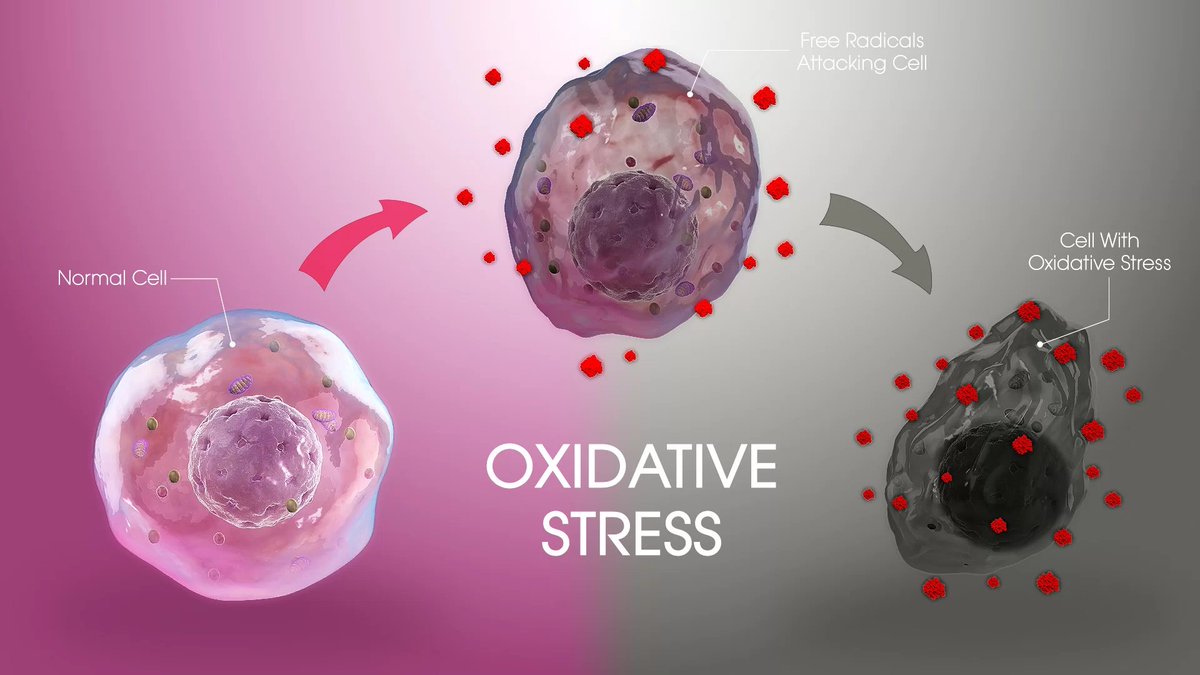
Our bodies are always in a state of oxidizing and reducing compounds.
Oxidative stress in the body will increase the susceptibility of mercury burden.
Reduce the amount of oxidative stress and optimize your redox status to ensure your body is using its protective mesures.
Oxidative stress in the body will increase the susceptibility of mercury burden.
Reduce the amount of oxidative stress and optimize your redox status to ensure your body is using its protective mesures.
So now you know way too much about the metal in your mouth
What the F do you do about it?
Removal is an option, but I am not always quick to do so. I like to have a discussion with the patient and let them decide.
Definitely avoid having new ones placed, though.
What the F do you do about it?
Removal is an option, but I am not always quick to do so. I like to have a discussion with the patient and let them decide.
Definitely avoid having new ones placed, though.
If you decide to get them removed, be careful.
If not removed properly, the removal itself can cause a massive dose of mercury vapors to your system.
ALWAYS have it done under rubber dam isolation.
Here's a video showing the vapors during removal
youtu.be
If not removed properly, the removal itself can cause a massive dose of mercury vapors to your system.
ALWAYS have it done under rubber dam isolation.
Here's a video showing the vapors during removal
youtu.be
Other things you can do involve optimizing your diet
@Grimhood is an excellent resource for this, but I will cover it lightly
Vitamin C
Selenium (seafood, but avoid excess tuna)
NAC
Magnesium
Zync glycinate
@Grimhood is an excellent resource for this, but I will cover it lightly
Vitamin C
Selenium (seafood, but avoid excess tuna)
NAC
Magnesium
Zync glycinate
Tying it all together:
Mercury is BAD
Your metal fillings aren't ideal but don't remove them needlessly and carelessly
If you get them removed, seek out a functional/biological dentist or someone that will remove them properly
Don't get new metal fillings
Optimize your diet
Mercury is BAD
Your metal fillings aren't ideal but don't remove them needlessly and carelessly
If you get them removed, seek out a functional/biological dentist or someone that will remove them properly
Don't get new metal fillings
Optimize your diet
If you liked this thread, please RT the first tweet below, and follow for simplified oral health.
Loading suggestions...