
Know Your Ancient Chinese Battles, Part 2:
The Battle of Yao Hills (627 BC)
Why is it important? For hundreds of years it was the quintessential example of strategic overreach discussed in many of the most famous Warring States era philosophical and military texts.
The Battle of Yao Hills (627 BC)
Why is it important? For hundreds of years it was the quintessential example of strategic overreach discussed in many of the most famous Warring States era philosophical and military texts.
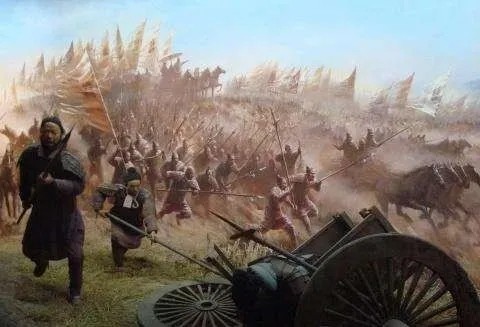
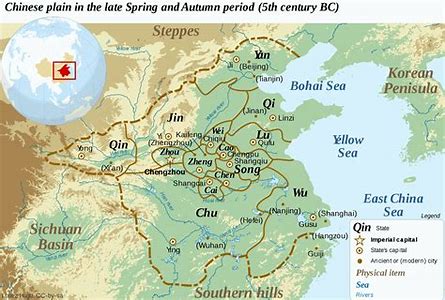
In 627 BC the ruler of Qin, Duke Mu, heard from an informant that the state of Zheng’s northern passes were left undefended, and if he dispatched his army quickly, Zheng could easily be taken. Although Zheng was a small and strategically situated state,
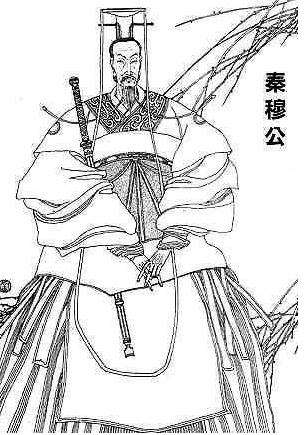
its location presented Qin with a dilemma. To reach the Zheng passes, they would need to march their army across the territory of their powerful rival state, Jin. Duke Mu asked his advisor if successfully attacking Zheng was feasible. The advisor replied,
“I have not heard of wearing out troops in order to make a surprise attack on a distant place. The troops will be worn out and their strength spent; besides, the ruler of the distant place would be prepared for them.” The Qin ruler, anxious for gain, ignored this warning
and sent his army racing across Jin’s territory. As the advisor predicted, the Qin armies were exhausted by the effort, and at the base of the Yao Hills, Jin launched a surprise attack. According to the account provided in the Zuozhuan, China's oldest historical narrative text:
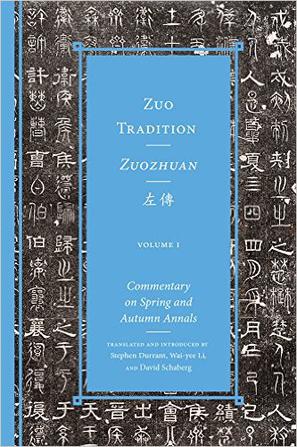
“[Jin] defeated the Qin troops at Yao. They captured Mengming, Xiqi Shu and Bai Yi [i.e. the three generals of Qin’s armies] and took them back to Jin.”
The strategic repercussions of this loss were enormous. As the result of Qin’s total defeat and the great effort needed
The strategic repercussions of this loss were enormous. As the result of Qin’s total defeat and the great effort needed
to secure the release of the three generals, the Zuozhuan solemnly proclaimed that “Qin would not march East again.” Three centuries later, around the same time the Sunzi Bingfa was most likely composed, this prediction still held true.
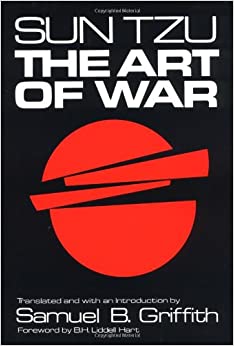
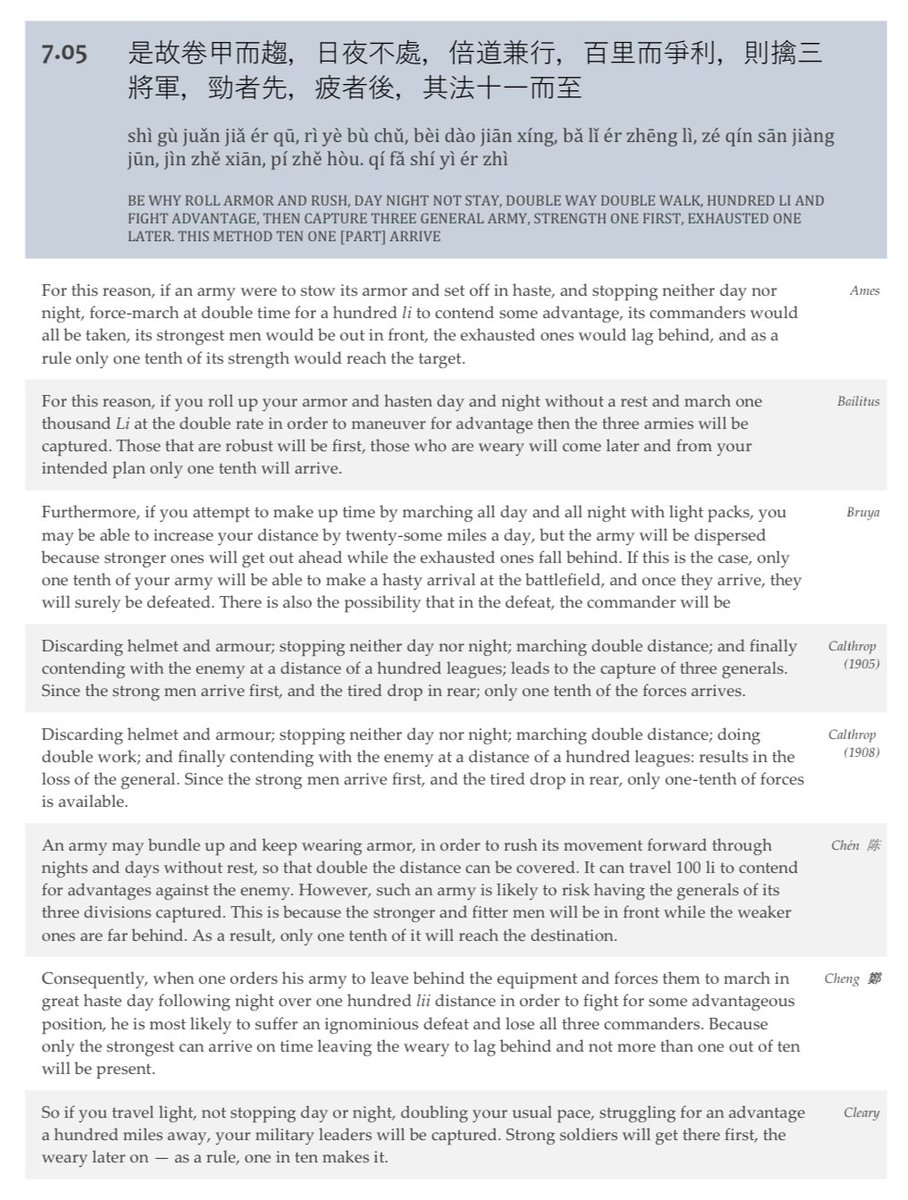
Thus is it is not surprising to see in Sun Tzu a clear, but indirect, reference to Qin's defeat at Yao Hills if one tries to force march over a long distance. It is no coincidence that he claims the result of this action will be "the capture of the three generals of the armies."
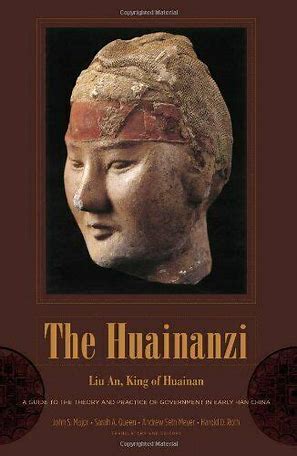
Qin’s catastrophic defeat at Yao Hills and the capture of its three generals was frequently referenced in other extant texts from this period, including the Spring and Autumn Annals of Lu Buwei, the Shiji, and the Huainanzi.

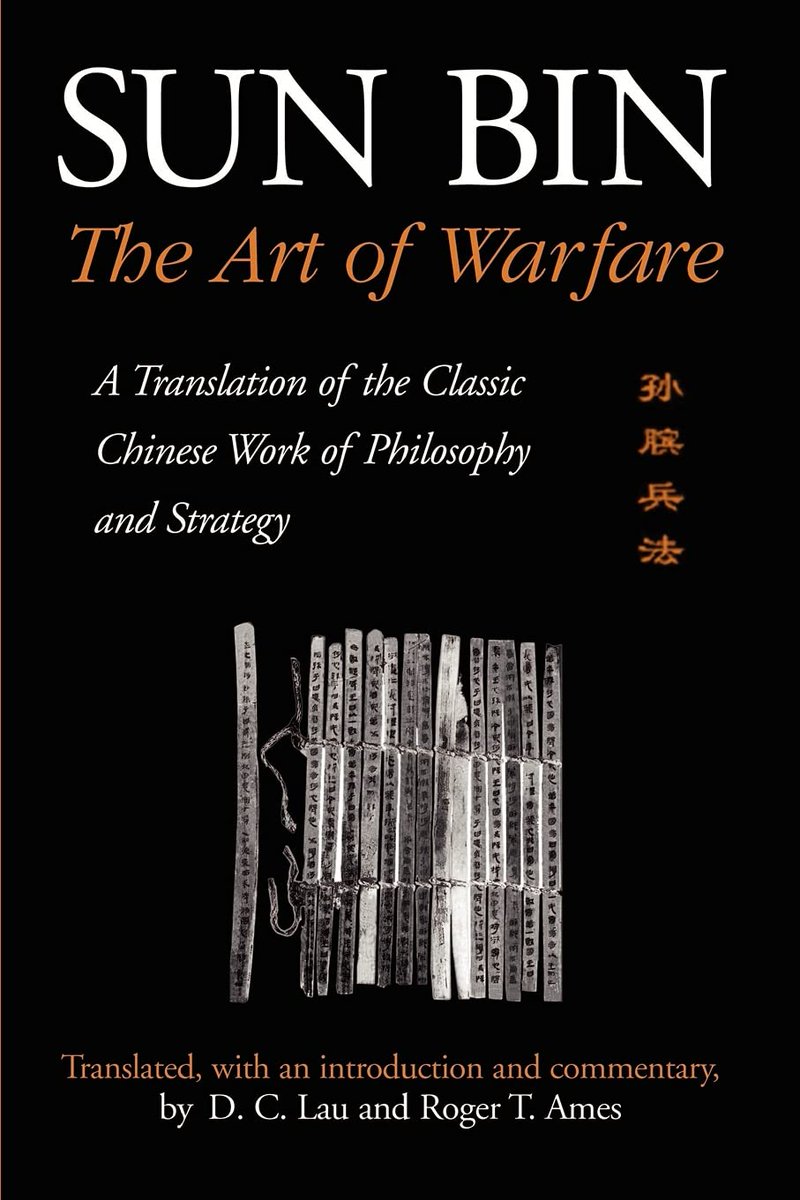
In a fragment found in Sun Bin’s Art of Warfare—a work appearing later than Sun Tzu’s text but heavily influenced by its content—there is another direct reference to this incident:
“Tian Ji inquired of Master Sun Bin, ‘You have told us about the state of Jin waylaying Qin at Yao [Hills], routing the Qin army and capturing the three generals … so strengthening Jin that Duke Mu of Qin, for the rest of his life did not dare to [vie] with …”
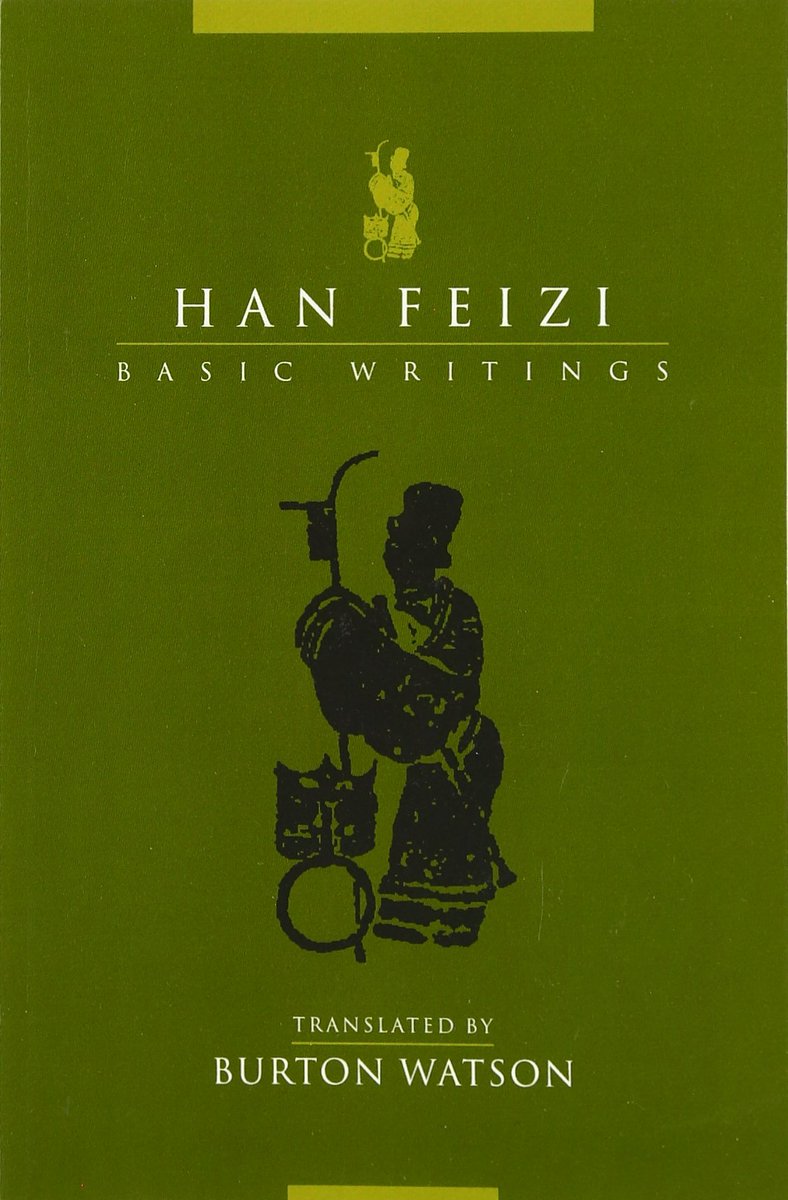
In 233 BC, Han Fei held an audience with King Zheng of Qin, providing strategic advice on how to unify the empire. According to the Hanfeizi, he warns the future emperor that if is advice is not heeded, "Qin is bound to be exposed again to a disaster like that at the Yao [Hills]"
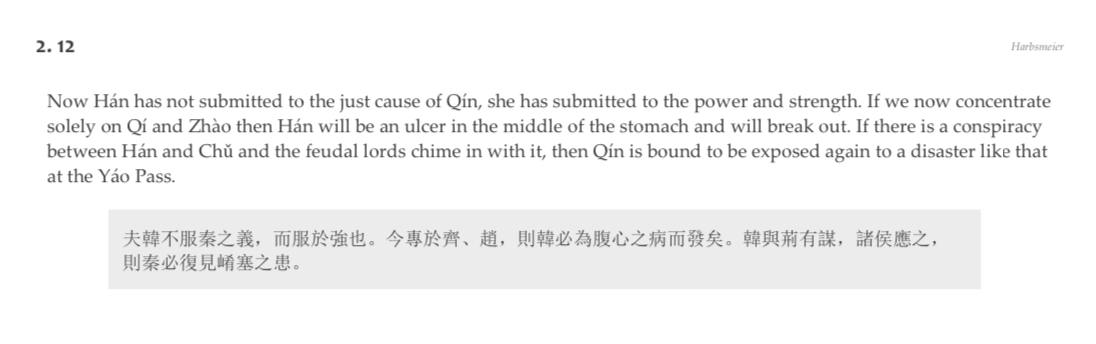
The fact that Han Fei brought up the example of a 400-year old defeat to convince the current king that his own strategy needed to be heeded to stave off disaster is a testament to how powerful a strategic lesson it was during this influential era.
So during the Warring States, Qin's defeat at Yao Hills was a frequent trope used to clarify the danger of recklessly chasing gain, risking defeat, and warning of its potential for strategic disaster. Its lesson permeated many of the ancient texts of this era, including Sun Tzu.
Part 1 of this occasional series is found here:
Loading suggestions...