
In January of 1759, a 46 year old clergyman — whose life had been a series of setbacks and failures — did something wholly unexpected…
He began to write a novel. One that would make him the most famous man in England — and change the face of literature forever. A thread.
He began to write a novel. One that would make him the most famous man in England — and change the face of literature forever. A thread.
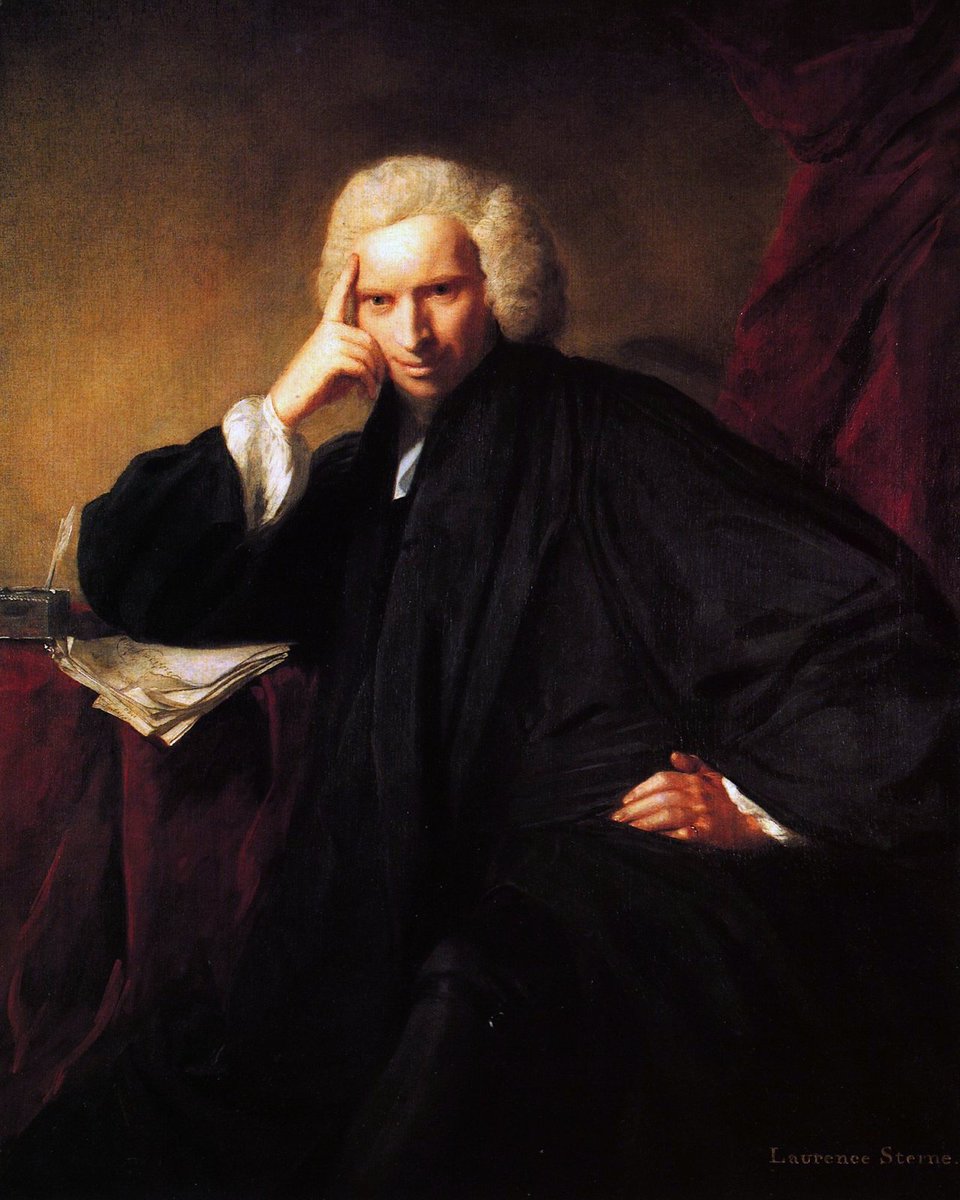
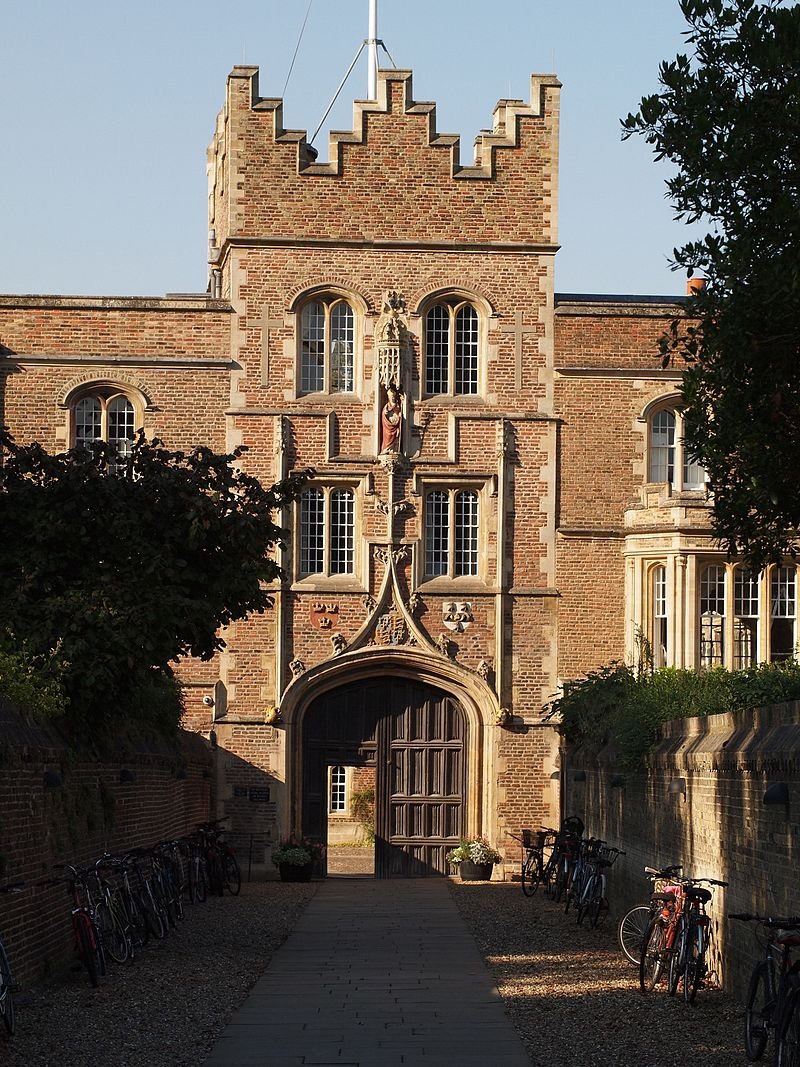
Born in Ireland in 1713, Laurence Sterne grew up poor but well-connected. He was sent to grammar school in England, and won a scholarship to Cambridge. Though never especially devout, he decided to go into the church (a common career path for educated young men of his day).
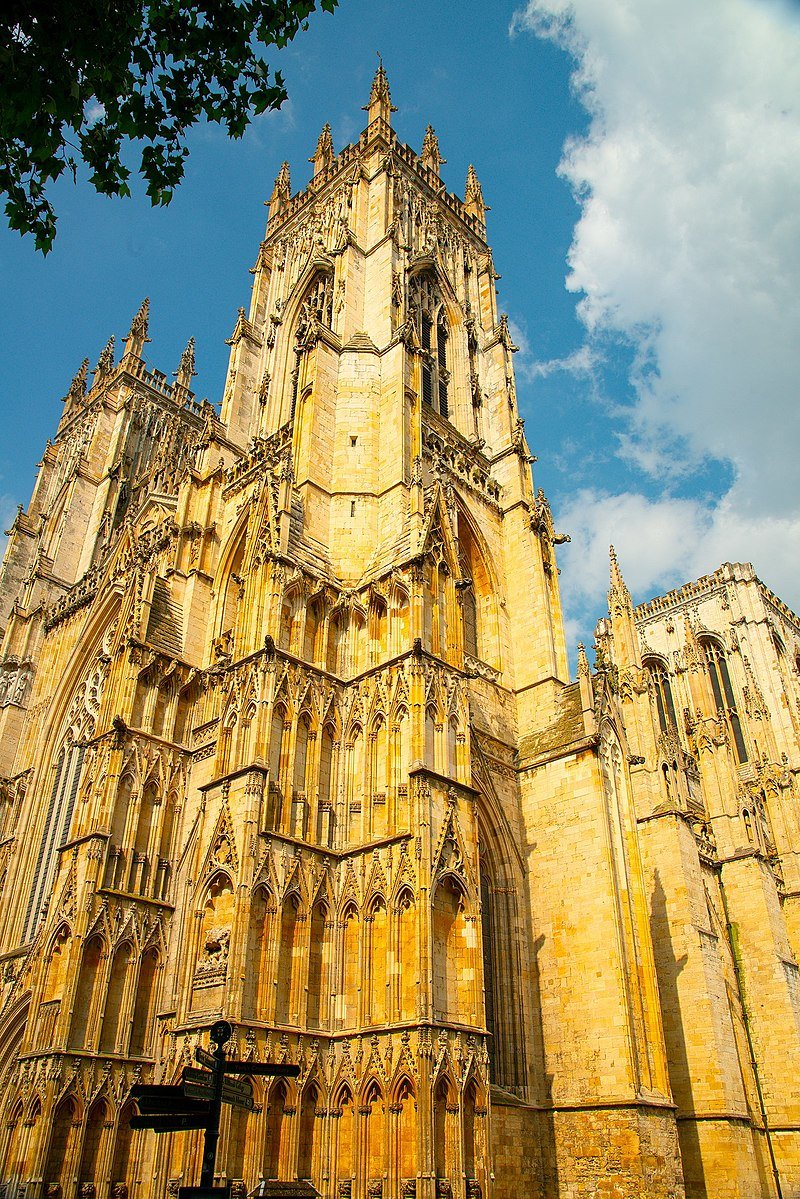
He became the vicar of a parish in York in the north of England. But aside from writing his weekly sermon (which he always took pride in), clerical life didn’t satisfy him. He wanted to try something new…
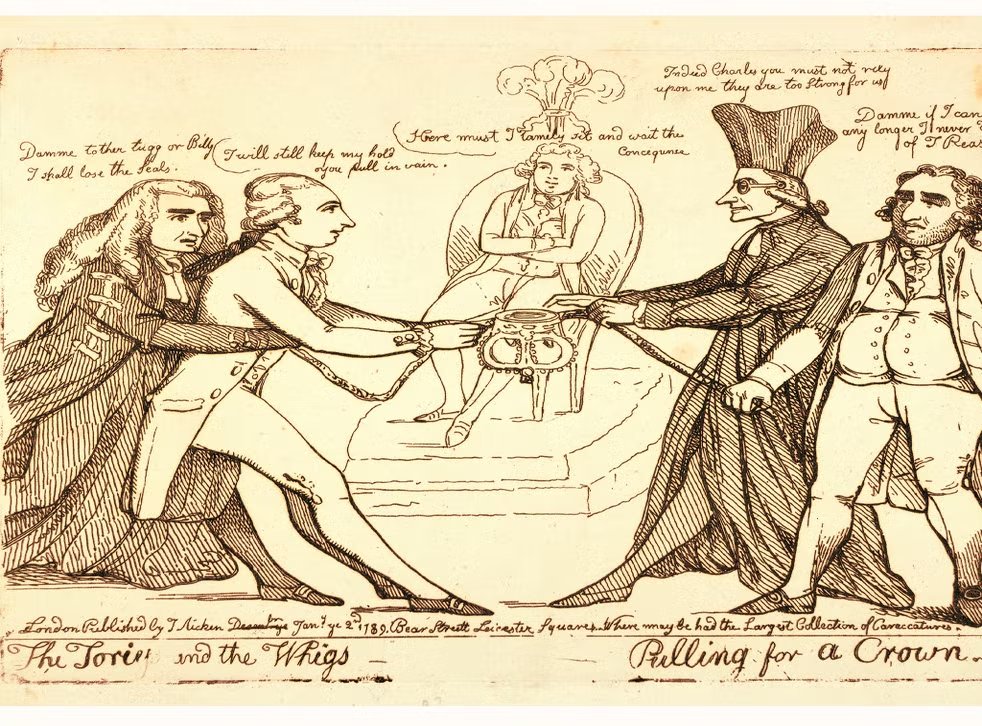
His first thought was to go into politics. He started submitting political articles to a magazine owned by his uncle. But the two men fell out spectacularly, bringing his political career to a swift and sudden end.
Next, he tried his hand at farming. But, clueless about crops and husbandry, he failed to turn a profit. He was forced to sell his farm in 1758.

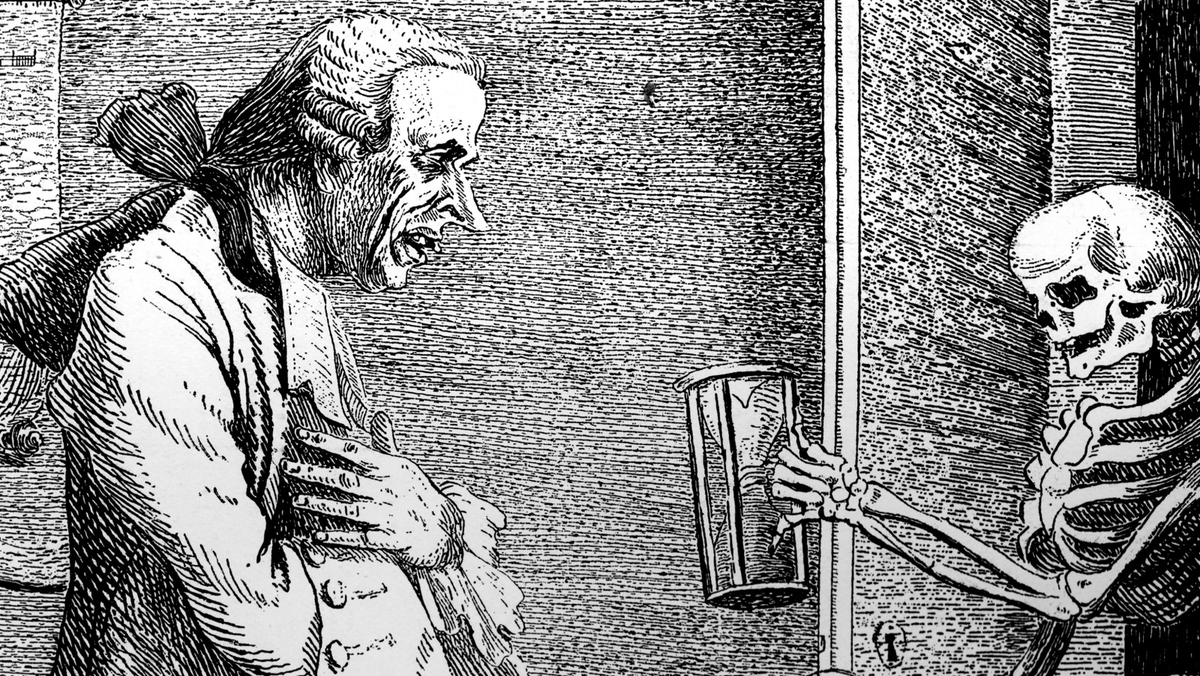
What’s more, Sterne’s health was often poor. Having contracted tuberculosis at University, he came close to death several times, and remained in a state of more or less permanent convalescence for the rest of his life.
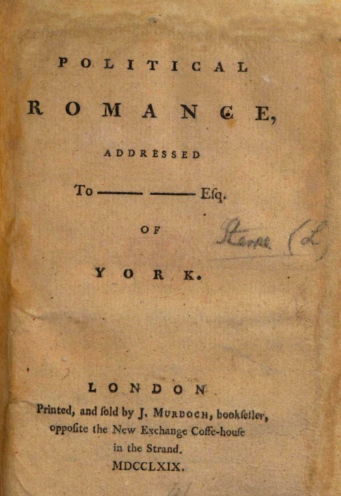
Now in his mid-forties, much to the surprise of his family, he announced a new ambition: to become a writer. He wrote a satire about ecclesiastical politics, based on his life in the church.
His colleagues were appalled. They ordered all the copies to be destroyed.
His colleagues were appalled. They ordered all the copies to be destroyed.
1759 did not look set to be an auspicious year for Sterne. His mother died suddenly; his daughter was ill; and his wife was in the middle of a breakdown. His farm was gone; the only book he’d ever written had just been burnt. He was stressed, melancholy — and dead broke.
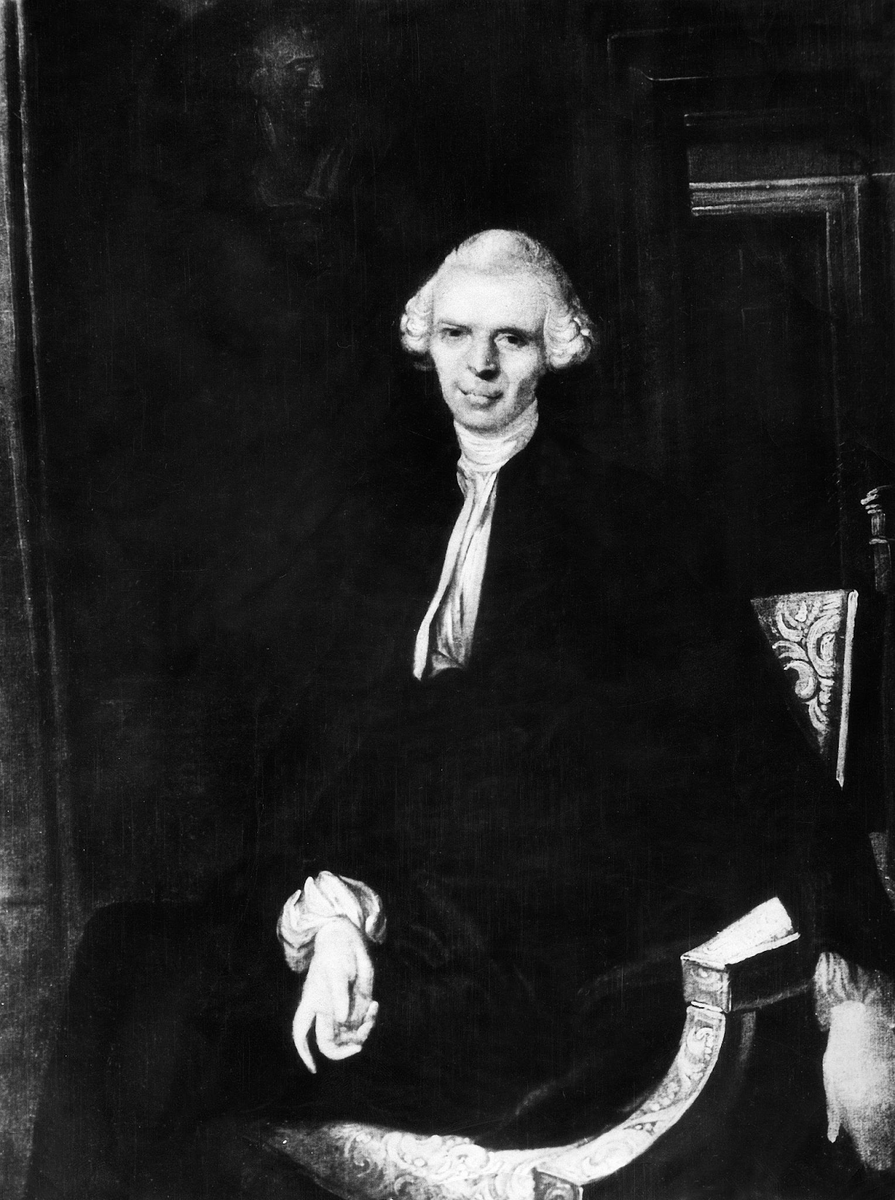
And yet, partly as a distraction from his troubles, Sterne started work on a new writing project: a novel. He worked quickly: the first two volumes were already complete by the end of March.
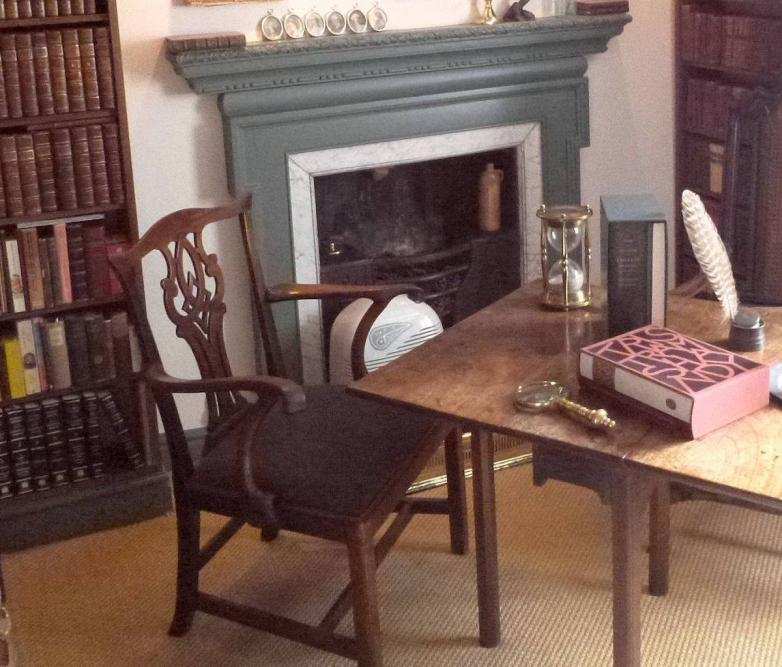
When he sent the manuscript to a publisher in London, they had no idea what to make of it. Sterne had to borrow money to pay for the printing costs himself. But when the first two volumes were published, they caused an immediate sensation.
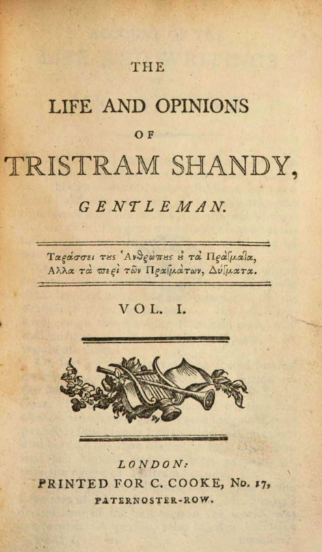
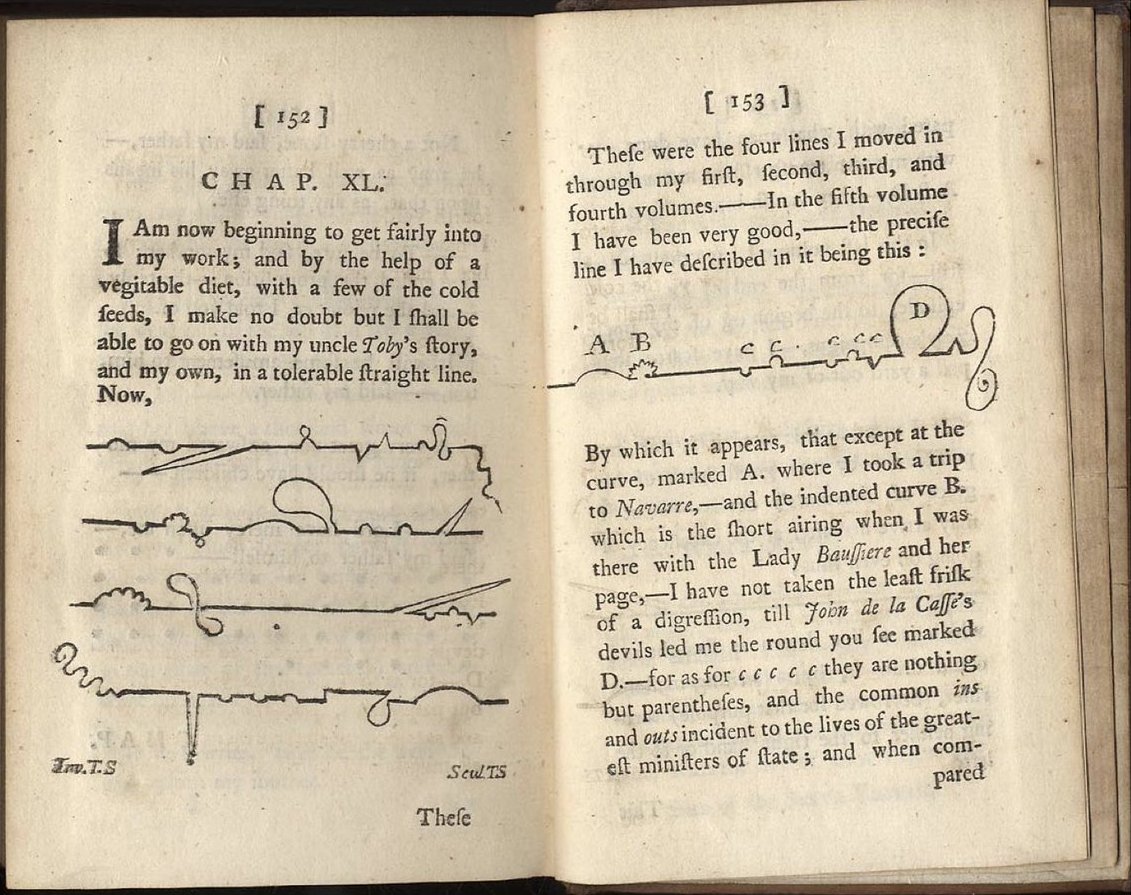
The Life and Opinions of Tristram Shandy, Gentleman is a thoroughly odd book. It purports to be a fictional autobiography of the main character, Tristram — who is not even born until Volume 3…
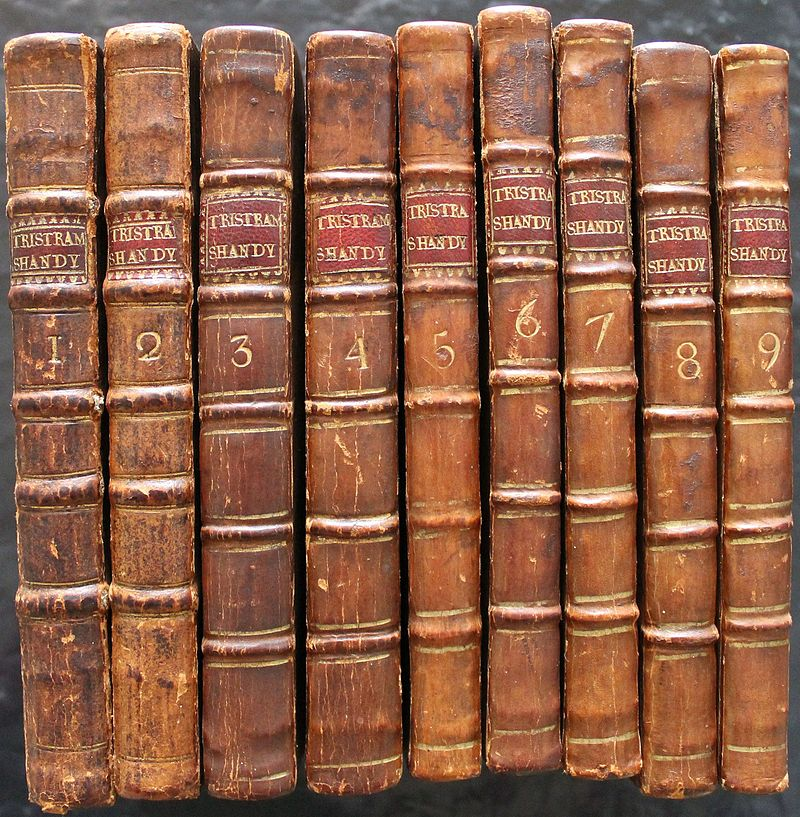
For as he attempts to narrate the story of his life, Tristram keeps on getting distracted. He digresses; getting bogged down in details and going off on long tangents that do little to advance the plot — but much to amuse and delight the reader.
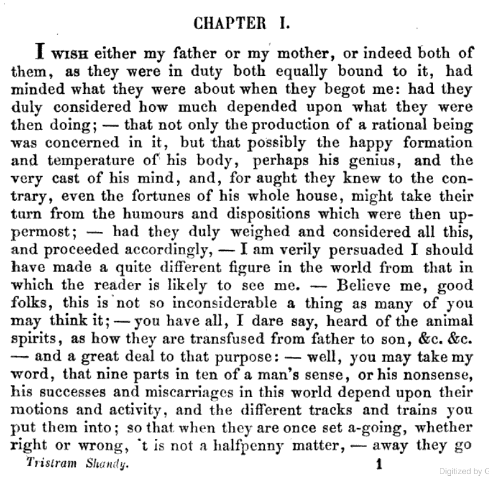
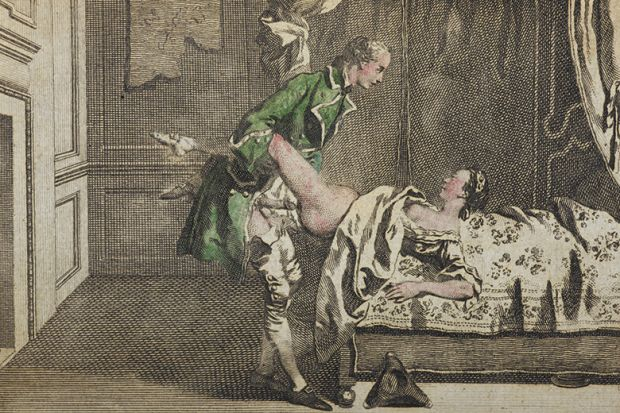
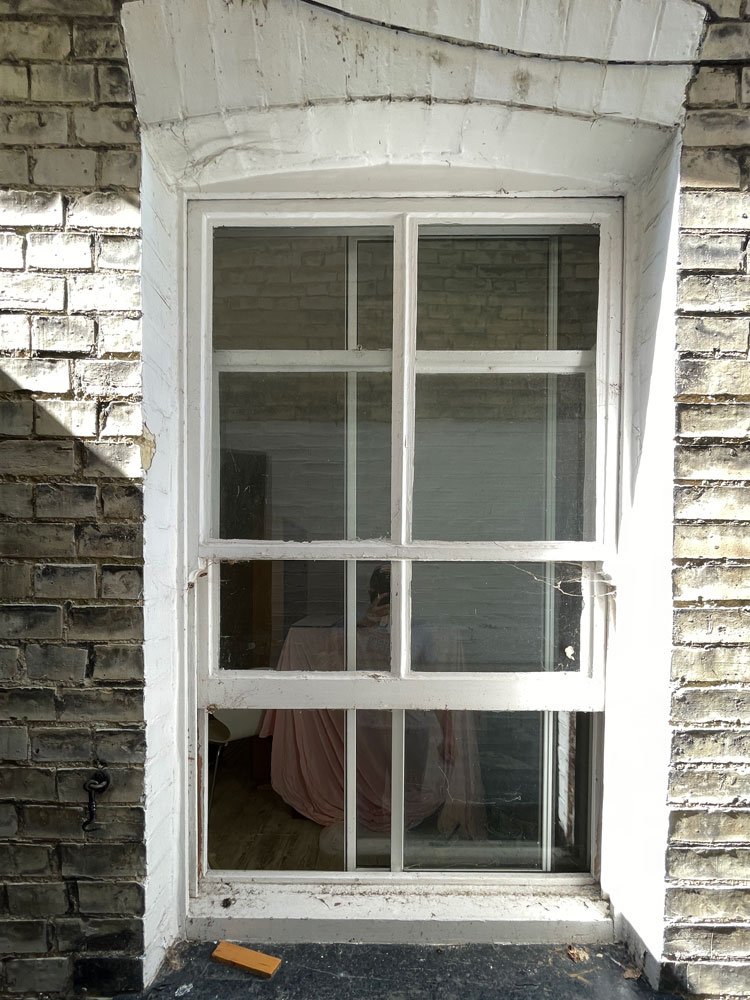
Despite being written by a vicar, it’s stuffed with silliness, jokes — and sex. It opens, for example, with a farcical sex scene between Tristram’s parents. Poor Tristram is later circumcised when a sash window falls on his penis.
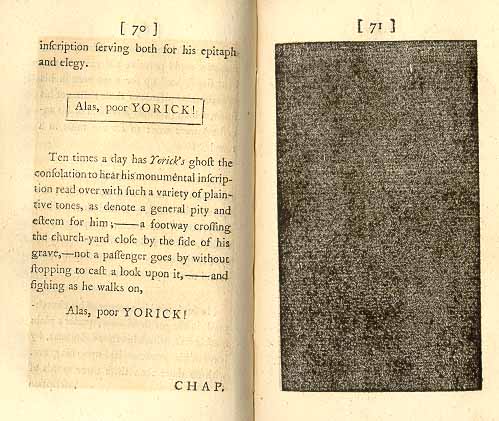
For all its low comedy, the book is also daringly experimental. When a character dies, Tristram marks their death not with words — but with an entirely black page…
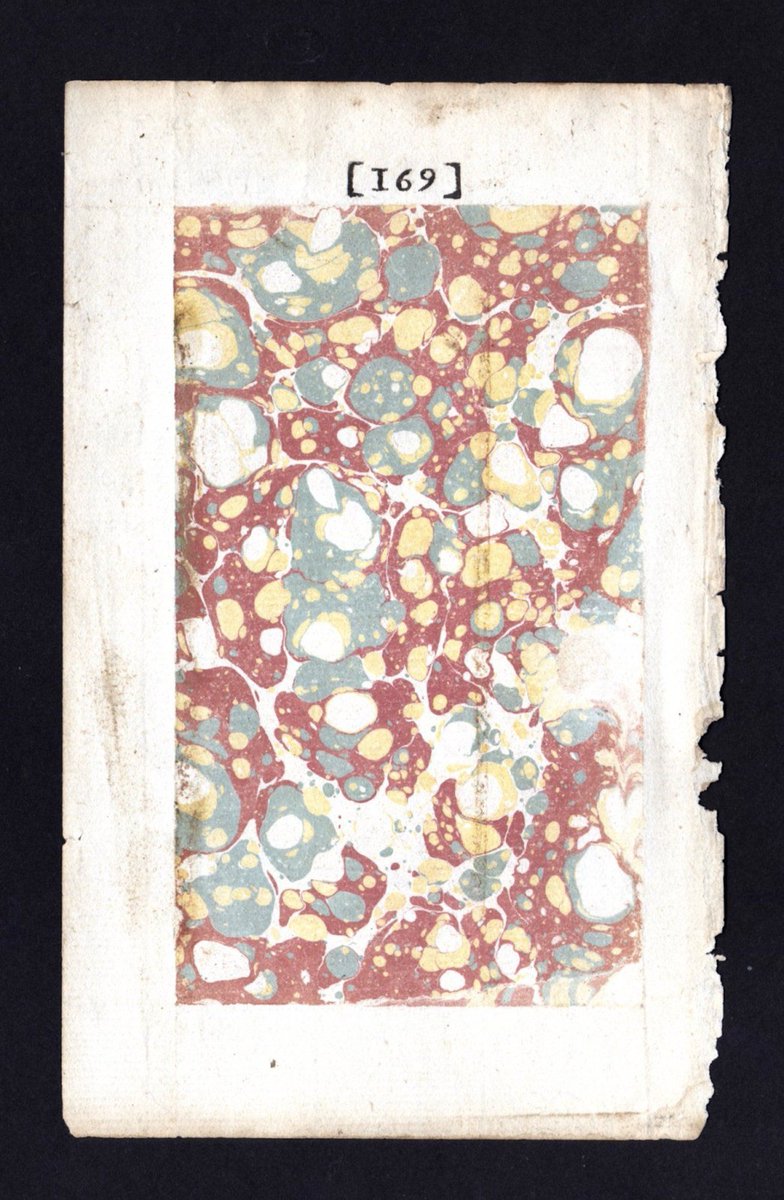
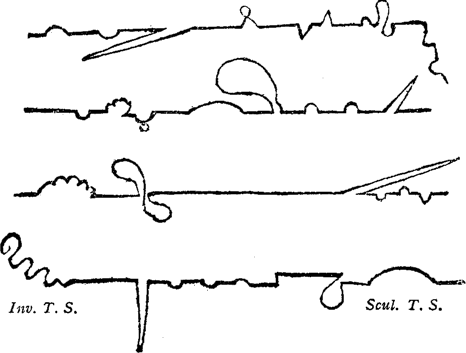
There is also a marbled page, and a page filled with squiggles (representing Tristram’s failure to tell his story in a ‘straight line’). Such innovations would lead later critics to call it perhaps the earliest ‘post-modern’ novel.
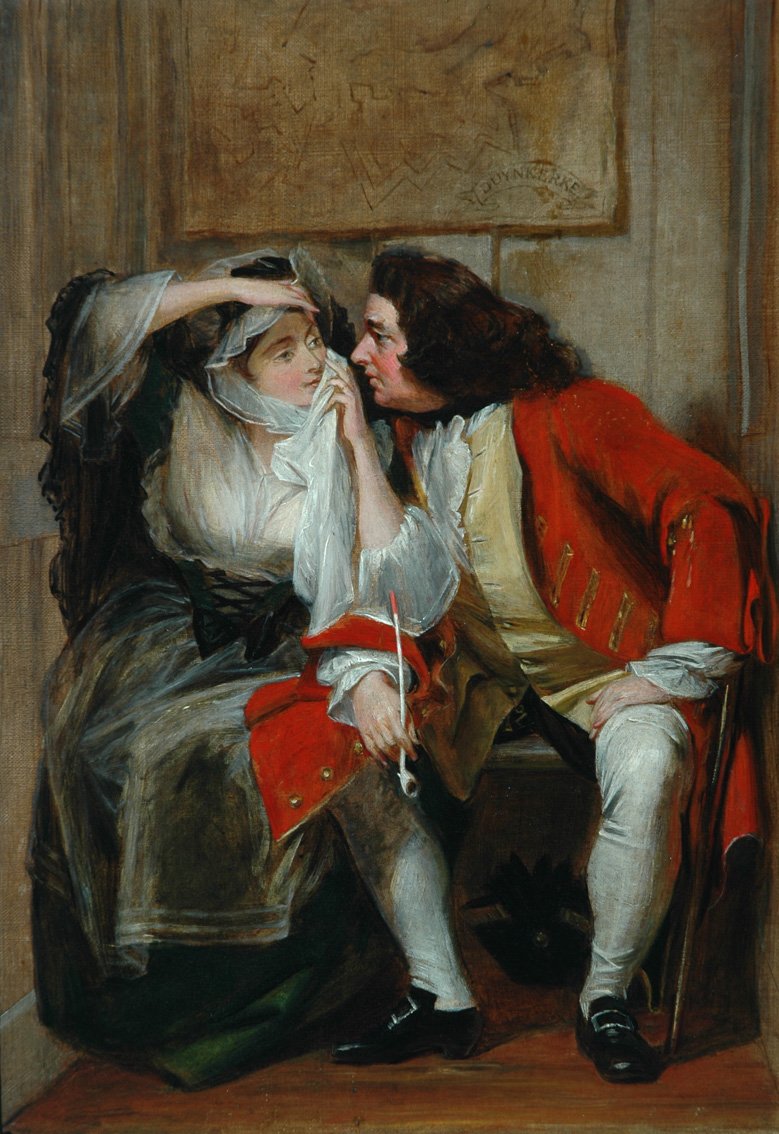
Pretty much everyone in the story — Tristram, Walter, Uncle Toby — is a hopeless bungler: a mess of faults, neuroses and frustrated ambitions. They are all — like Sterne himself — incorrigibly, wonderfully human.
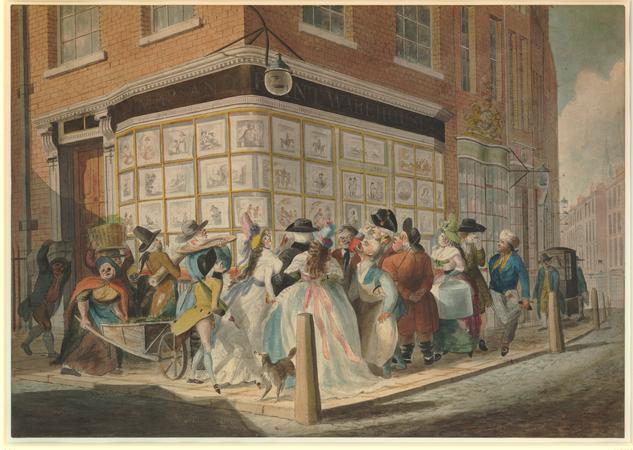
Despite being debut work from an unknown author, Tristram Shandy was an instant success. Overnight, Sterne became an international celebrity. Everybody who was anybody wanted to meet him.
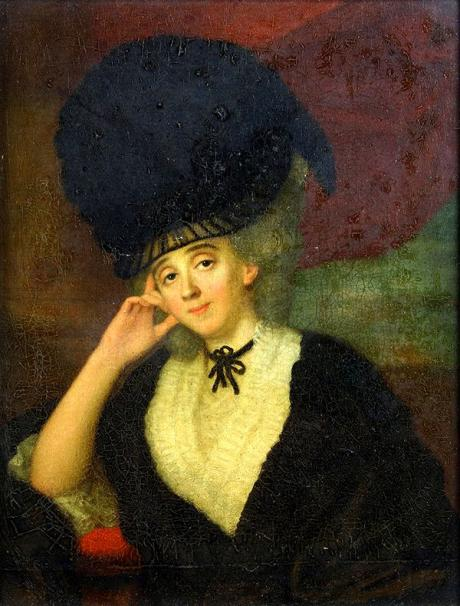
Fame would rather go to Sterne’s head. He left his wife, travelled around Europe, and began a passionate (but ultimately chaste) flirtation with a woman half his age called Eliza.
He died in 1768 — finished off by another attack of his tuberculosis. But Tristram Shandy outlived him: hailed as a landmark in literature and cited as an influence by writers as diverse as Balzac, James Joyce and Zadie Smith.
What lesson should we take from his story?
What lesson should we take from his story?
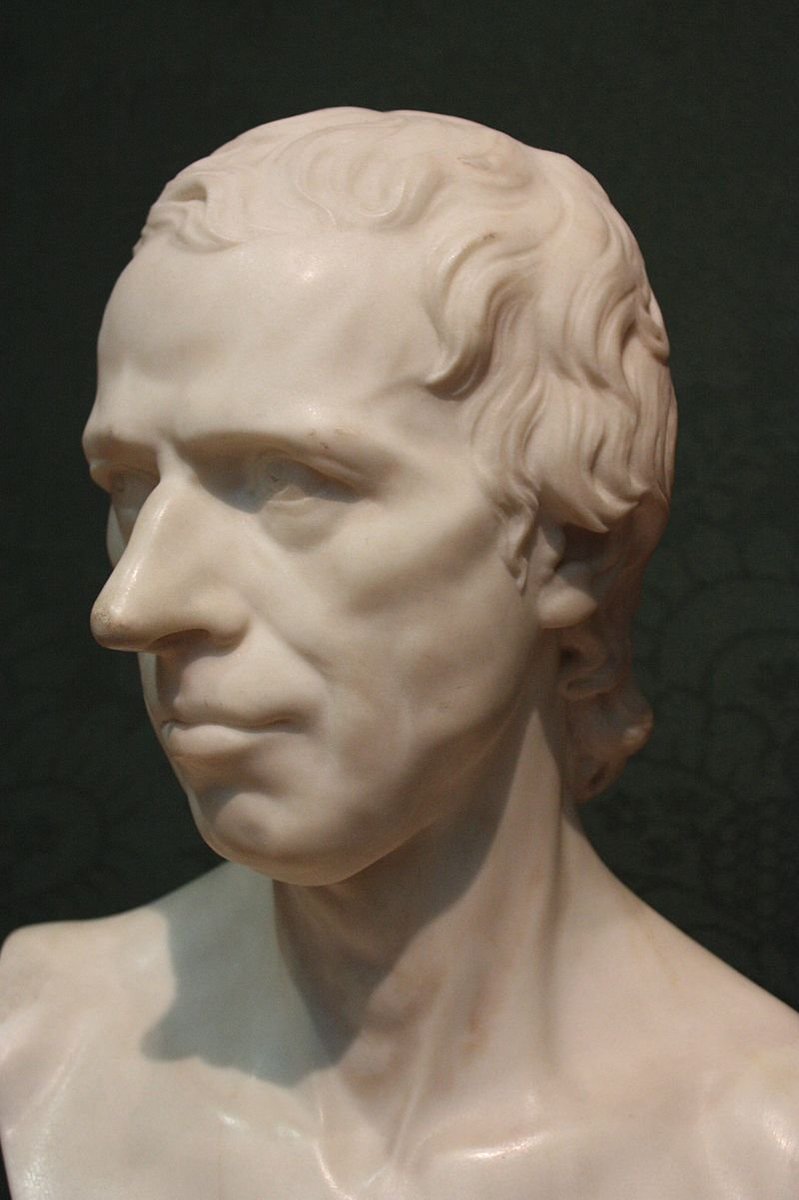
Namely this: it is never too late for us to do something truly original.
Not every artist or innovator starts out as a youthful prodigy. It could take us until our forties — or later — until we are finally ready to make our mark on the world.
Not every artist or innovator starts out as a youthful prodigy. It could take us until our forties — or later — until we are finally ready to make our mark on the world.

There must be many more people like Sterne walking among us today…neglected geniuses, languishing in obscurity, waiting for an opportunity to make their greatness known.

Life, as Sterne well knew, rarely progresses in a straight line. We are certain to take many wrong turns and digressions. That’s what makes it interesting — and no matter the route, we may yet arrive at a destination we never could have dreamt of reaching.
End of thread.
End of thread.
Loading suggestions...