
Last night we watched the film A Taxi Driver (2017).
The film takes place during the 1980 Gwangju Uprising. The US greenlit the south Korean police + military to massacre the people of Gwangju, who dared to fight against the military dictatorship of Chun Doo-hwan. 🧵
The film takes place during the 1980 Gwangju Uprising. The US greenlit the south Korean police + military to massacre the people of Gwangju, who dared to fight against the military dictatorship of Chun Doo-hwan. 🧵

On May 17, 1980, Chun Doo-hwan imposed martial law in south Korea, using rumors of communist infiltration to close universities, ban political activity, and censor the press.

Beginning on May 18, students in Gwangju gathered to protest against martial law and the closing of their universities.
Police responded with brutal repression. Students and bystanders alike were beaten and killed in the streets.
Police responded with brutal repression. Students and bystanders alike were beaten and killed in the streets.
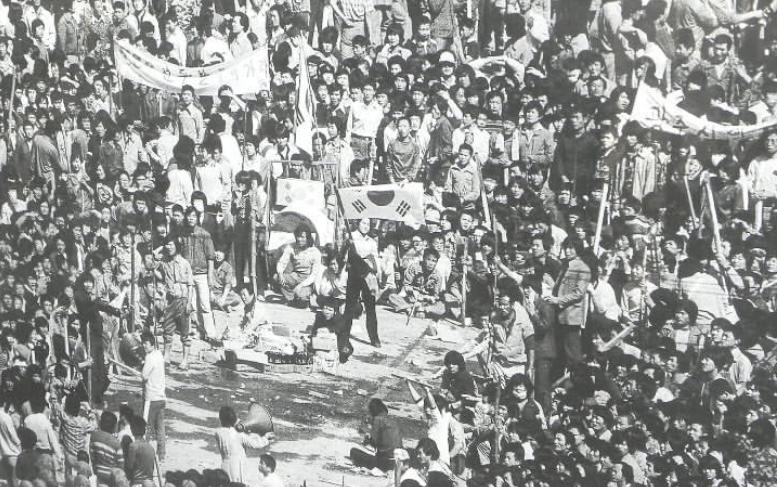
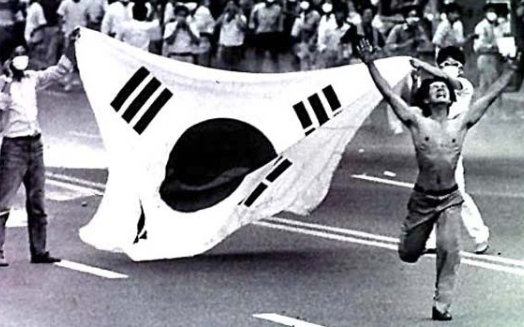
Over the next few days, the people of Gwangju armed themselves and fought back. They burned cars, fought soldiers with stones and everyday tools, and raided armories and police stations for weapons.
By late afternoon on May 20, the military was forced to retreat.
By late afternoon on May 20, the military was forced to retreat.
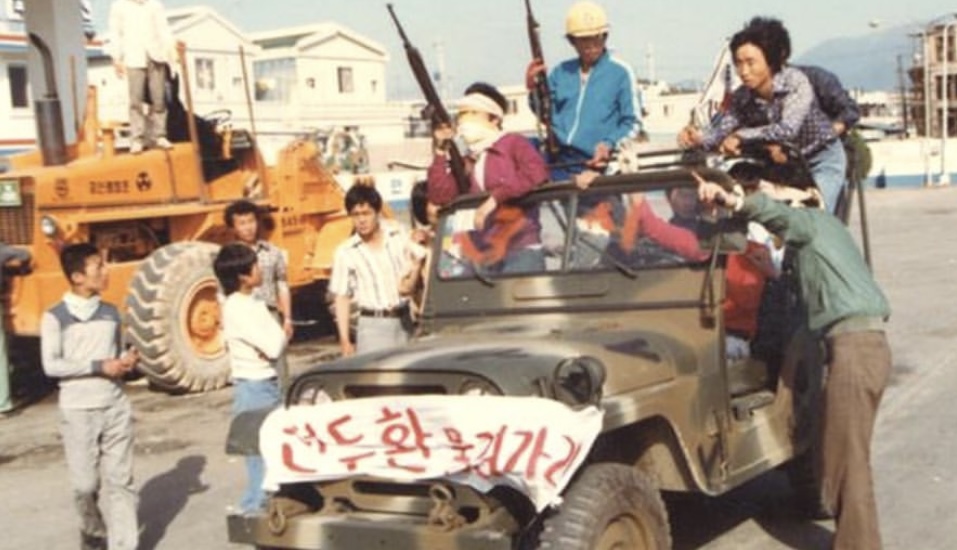
After the military retreat, the people of Gwangju took back control of their city, and formed a commune to protect and care for each other.
They organized daily assemblies, rationed fuel and supplies, fed each other, treated the wounded, and held funerals for martyrs.
They organized daily assemblies, rationed fuel and supplies, fed each other, treated the wounded, and held funerals for martyrs.
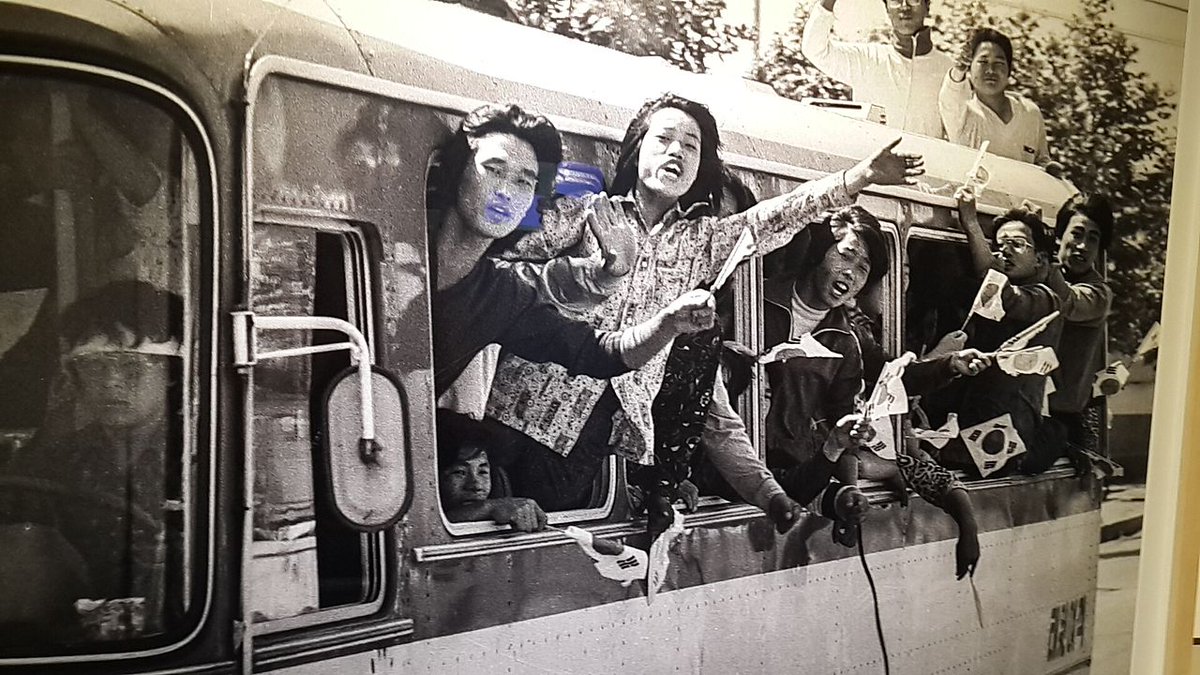
At first, some believed the US would intervene to help the people of Gwangju in their struggle for democracy.
But that was far from the truth. The south Korean military was under US command, and on May 22, the Carter administration approved the use of force to retake Gwangju.
But that was far from the truth. The south Korean military was under US command, and on May 22, the Carter administration approved the use of force to retake Gwangju.
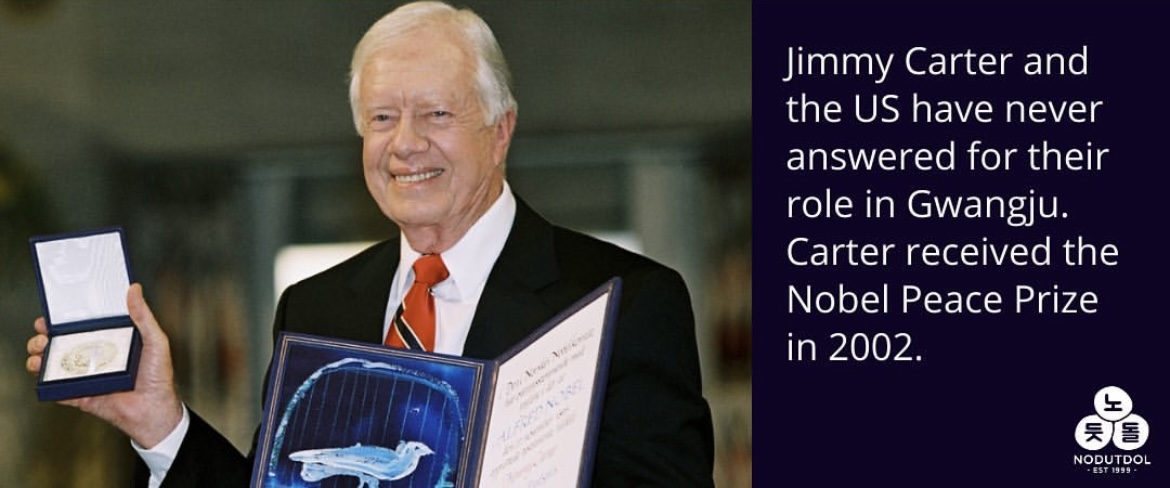
With a green light from the US, soldiers brutally killed, tortured, and raped thousands of people in the streets.
Revolutionaries disappeared to secret prisons, where they were tortured and executed.
Revolutionaries disappeared to secret prisons, where they were tortured and executed.
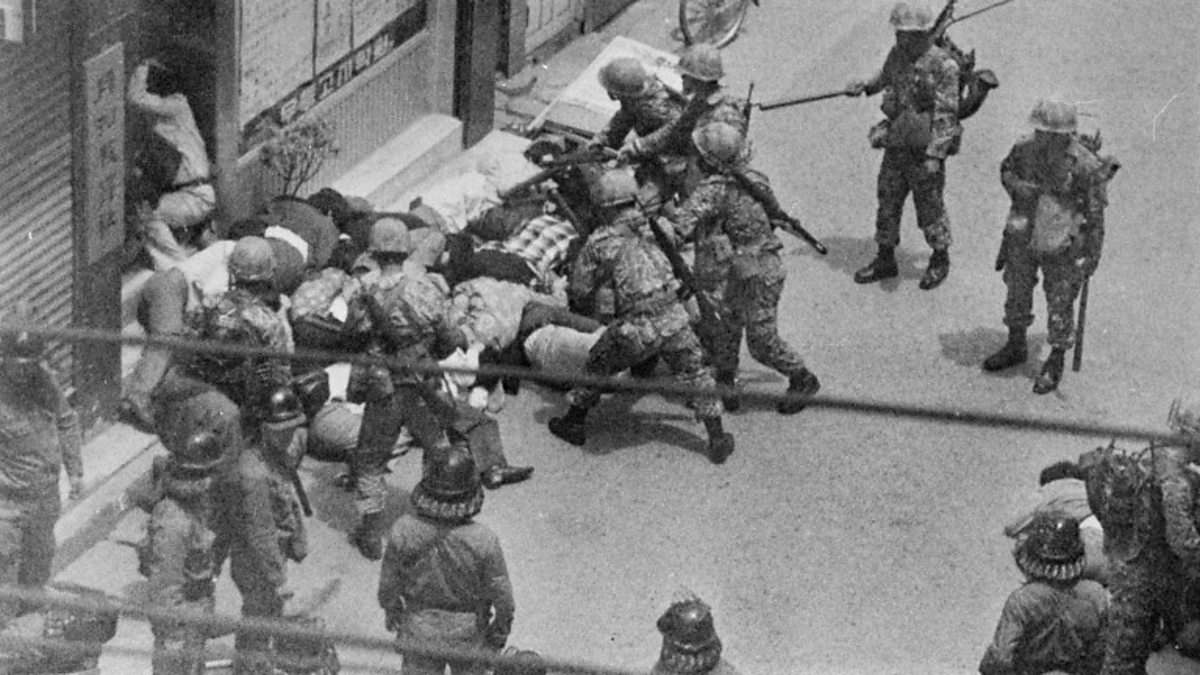
The south Korean press censored the massacre, and knowledge of the uprising was suppressed for decades.
To this day, official government data claims that 200 people died. However, the real death toll is closer to 2,300.
To this day, official government data claims that 200 people died. However, the real death toll is closer to 2,300.

South Korea has made only surface-level attempts to bring justice to the victims.
In 1996, Chun was sentenced to death, but he was pardoned just a year later.
In 1996, Chun was sentenced to death, but he was pardoned just a year later.
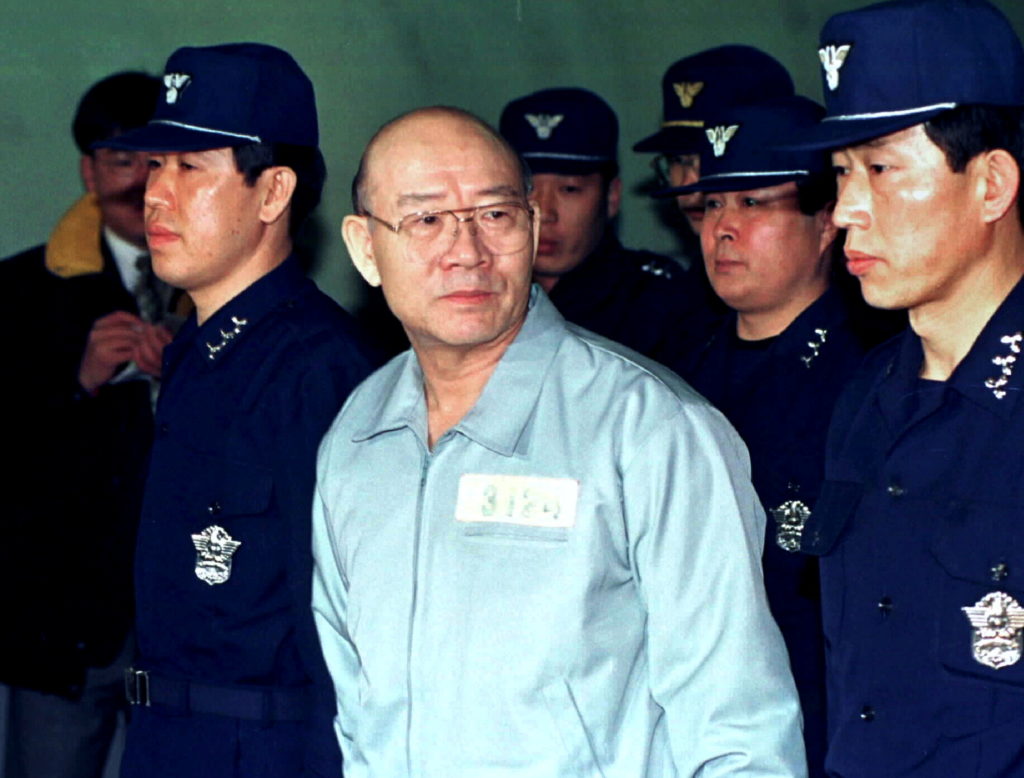
In 2017, the government issued an official apology for the Gwangju massacre.
One survivor, Kim Sun–Ok, responded that even “a million apologies” were worthless until the soldiers were punished and brought to justice.
bbc.com
One survivor, Kim Sun–Ok, responded that even “a million apologies” were worthless until the soldiers were punished and brought to justice.
bbc.com
The Gwangju Uprising has become a symbol of south Korea’s democratic movement. But the US military continues to occupy our homeland today.
We honor the martyrs of the Gwangju Uprising. Until the US is out of Korea, we will keep struggling for our independence and liberation.
We honor the martyrs of the Gwangju Uprising. Until the US is out of Korea, we will keep struggling for our independence and liberation.
Loading suggestions...