

The Revenge of a Prince
The thread would look at an incident in ancient India, which led to the extermination of Sakya clan.
It is a story of treachery, jealousy, humiliation, and it ended with a blood-bath in late 5th century BCE.
#story 🧵
The thread would look at an incident in ancient India, which led to the extermination of Sakya clan.
It is a story of treachery, jealousy, humiliation, and it ended with a blood-bath in late 5th century BCE.
#story 🧵
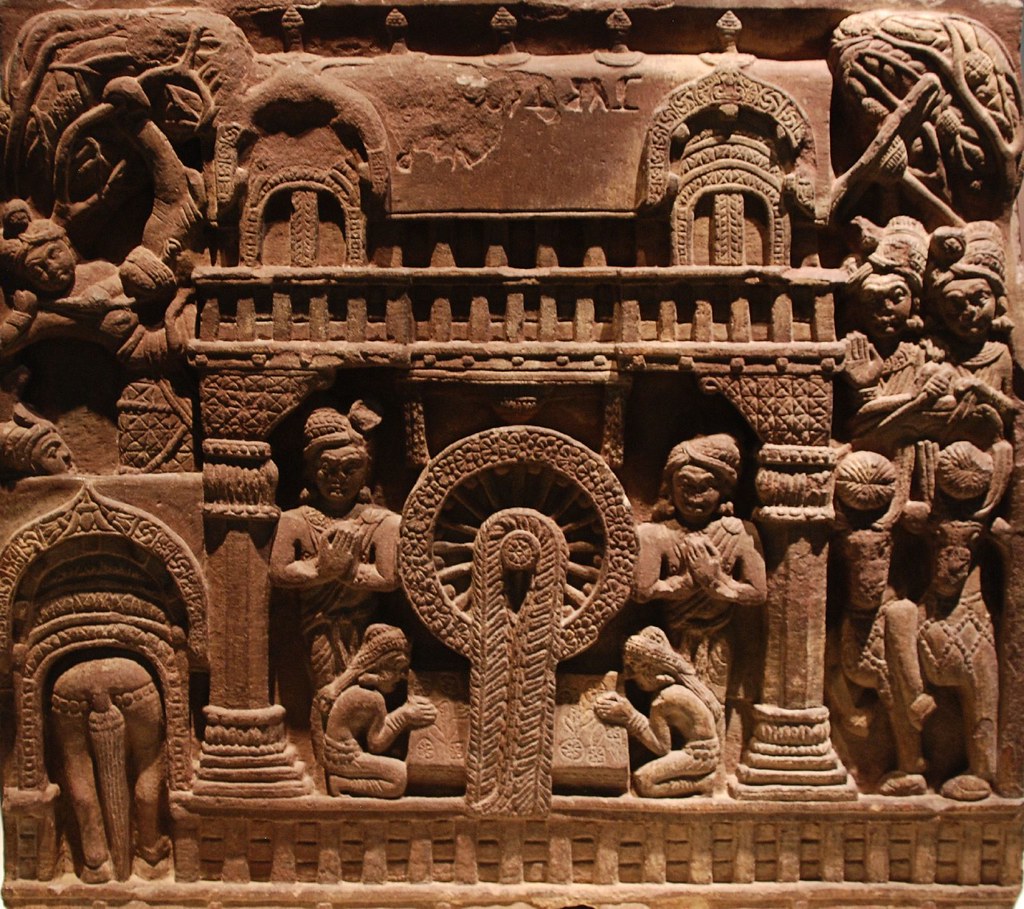
India, in 6th century BCE was divided into 16 Mahajanpadas, who constantly vied to expand their realms.
One of these was Kosala, with its capital at Sravasti, ruled by king Prasenjit.
Prasenjit, at the time was involved in a conflict with Sakyas - a republican oligarchic state.
One of these was Kosala, with its capital at Sravasti, ruled by king Prasenjit.
Prasenjit, at the time was involved in a conflict with Sakyas - a republican oligarchic state.

As nobody was winning the conflict, Prasenjit sent a messanger to the Sakyas, & requested for peace treaty &,with it the hand of a Sakyan princess.
The Sakyas had the custom of not marrying their daughters outside their clan & hence, they deliberated on their course of action.
The Sakyas had the custom of not marrying their daughters outside their clan & hence, they deliberated on their course of action.
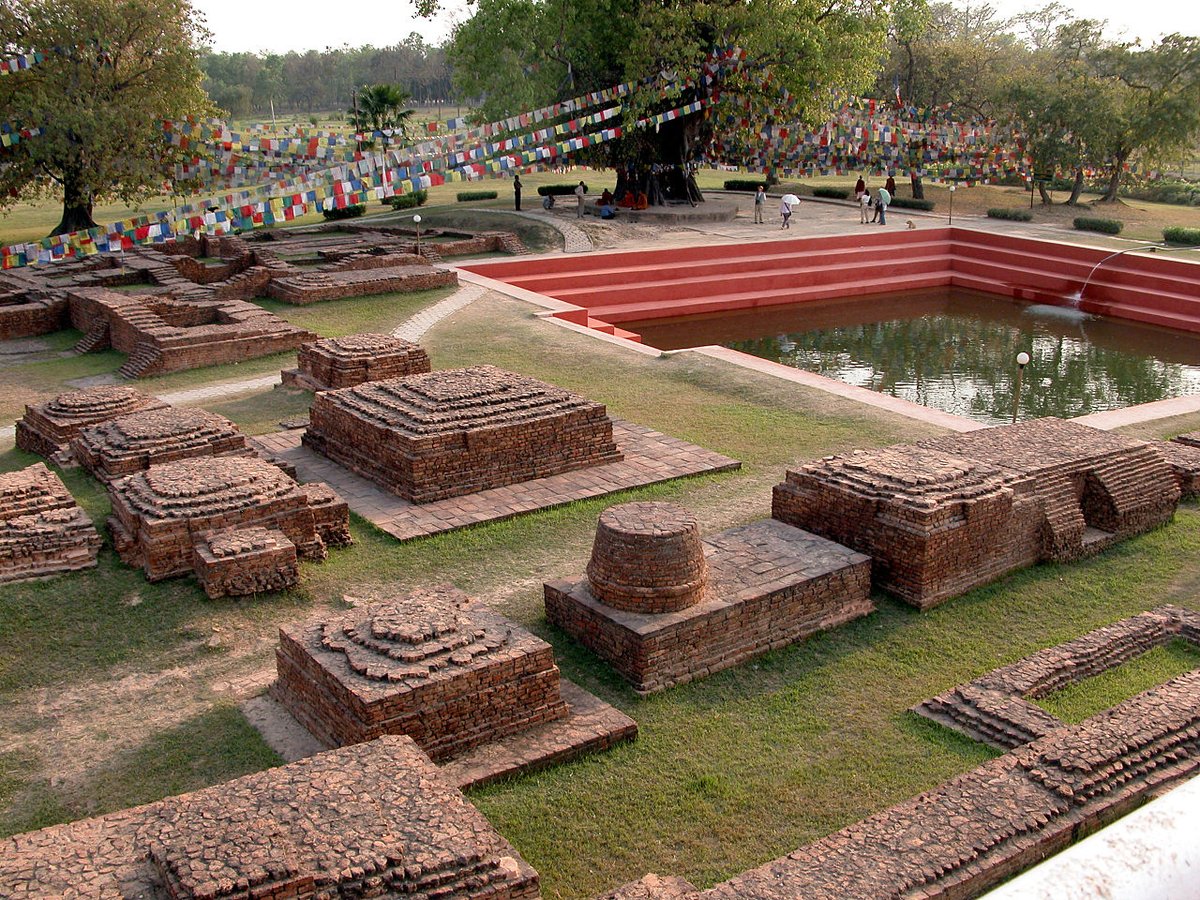
They didn't want to upset Prasenjit, but also didn't want to break their customs.
One of the council members suggested Mahanama ( Sakya Chief) to send daughter of his slave woman, whose name was Vasavkhattiya.
Vasavkhattiya was born of a union of Mahanama and Nāgāmunda.
One of the council members suggested Mahanama ( Sakya Chief) to send daughter of his slave woman, whose name was Vasavkhattiya.
Vasavkhattiya was born of a union of Mahanama and Nāgāmunda.
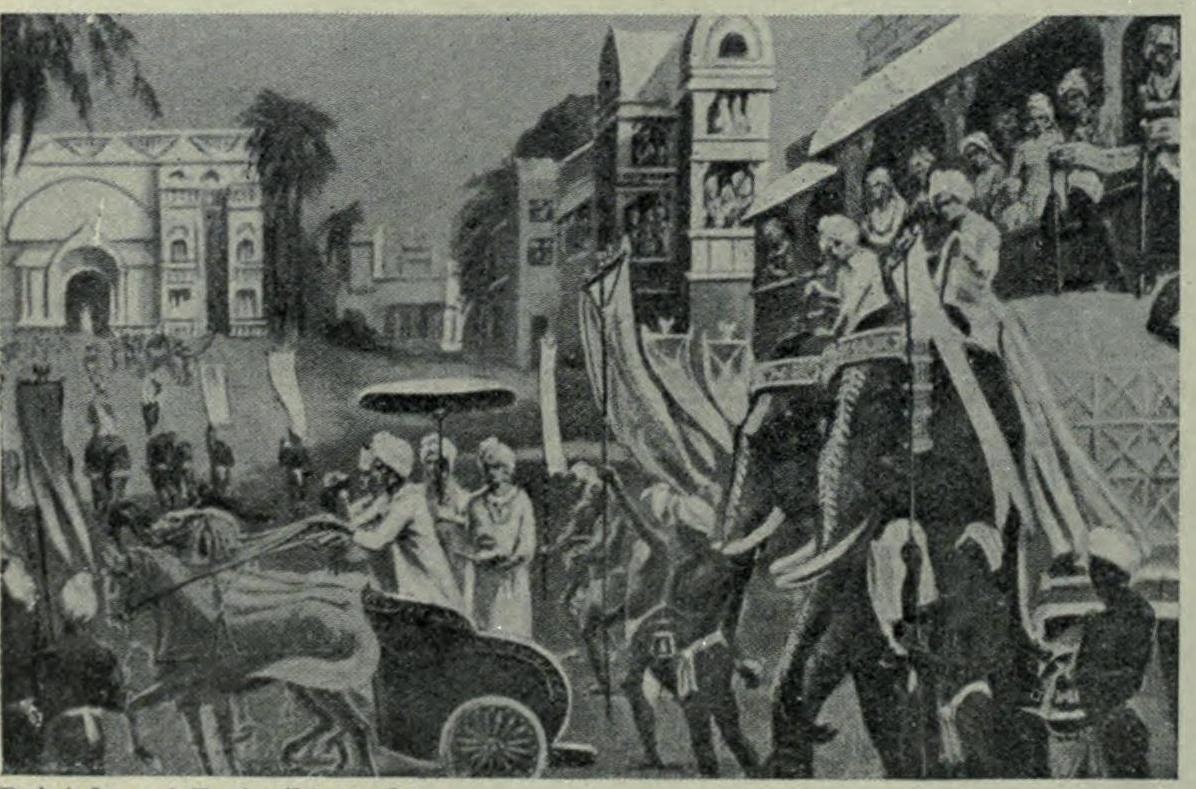
Nāgāmunda was servant of Mahanama and mother of Mahanama's illegitimate offspring.
Another custom of the Sakyas was that the father would eat in the same plate with his daughter, to prove that the daughter was his legitimate child.
Another custom of the Sakyas was that the father would eat in the same plate with his daughter, to prove that the daughter was his legitimate child.
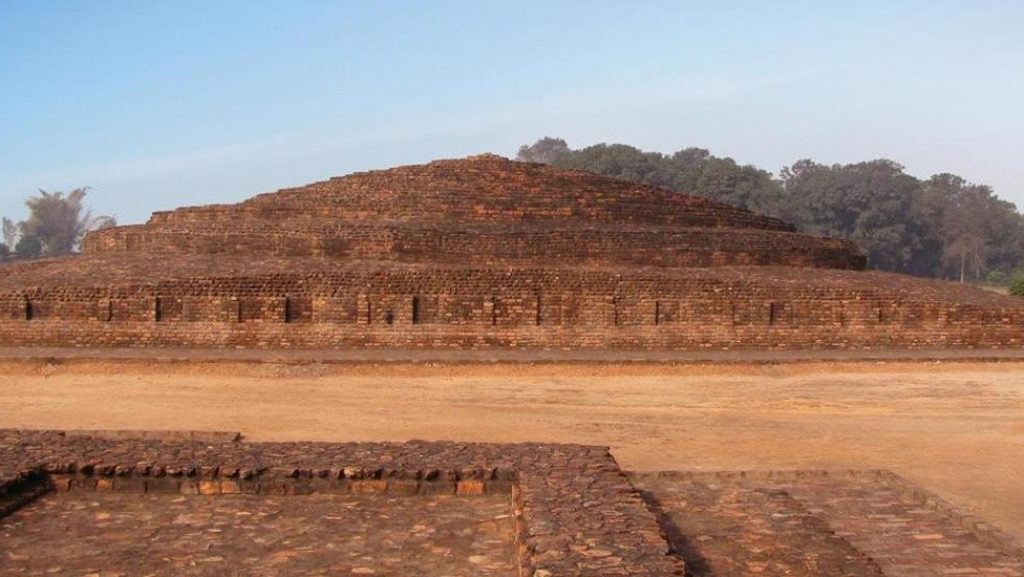
The Mahanama refused take part in this custom as that would make Vasavkhattiya, his legitimate child.
A council member suggested him to just act that he is participating in the custom, and not actually do it.
This would convince Prasenjit's messengers as well.
A council member suggested him to just act that he is participating in the custom, and not actually do it.
This would convince Prasenjit's messengers as well.
Mahanama agreed to this proposal, the custom was performed in prence of Kosla messengers, and they went back convinced that their king was marrying a princess.
They did not know and neither Prasenjit knew that he was marrying a slave-woman!
They did not know and neither Prasenjit knew that he was marrying a slave-woman!
Couple of months later, the marriage ceremony was performed and Prasenjit, thinking that he has married a princess, made Vasavkhattiya his chief queen.
A boy named Vidūdhaba was born, a year later to Vasavkhattiya and Prasenjit.
A boy named Vidūdhaba was born, a year later to Vasavkhattiya and Prasenjit.
As Vidūdhaba was growing, he failed to understand why other princes would get a visit from their maternal relatives, but no one from his maternal relations would visit him?
He asked this to his mother, who would always make excuses and would change the topic.
He asked this to his mother, who would always make excuses and would change the topic.
When Vidūdhaba grew up, he became adamant that he would visit his maternal relatives.
His mother reluctantly allowed it and sent a letter to the Sakyas informing of the impending visit.
The Sakyas were not happy with this, and accorded only a nominal welcome to the prince.
His mother reluctantly allowed it and sent a letter to the Sakyas informing of the impending visit.
The Sakyas were not happy with this, and accorded only a nominal welcome to the prince.
They remained aloof the whole while Vidūdhabha was with them.
Few days later, Vidūdhabha went back to Kosala with his friends.
One of friends, forgot his sword at the Sakyan assembly hall and went back to take it.
Few days later, Vidūdhabha went back to Kosala with his friends.
One of friends, forgot his sword at the Sakyan assembly hall and went back to take it.
He saw that a Sakya woman was washing the seat, on which Vidūdhabha sat.
On asking, the woman told him that Vidūdhabha was a 'dasi-putra' and hence the seat had become impure, that is why she was washing it.
This friend of Vidūdhabha told the incident to Prasenjit.
On asking, the woman told him that Vidūdhabha was a 'dasi-putra' and hence the seat had become impure, that is why she was washing it.
This friend of Vidūdhabha told the incident to Prasenjit.
Prasenjit became very angry, disowned both Vasavkhattiya and Vidūdhabha, and sent them away from Kosala.
However, he took them back after Buddha instructed him to do so.
However, he took them back after Buddha instructed him to do so.
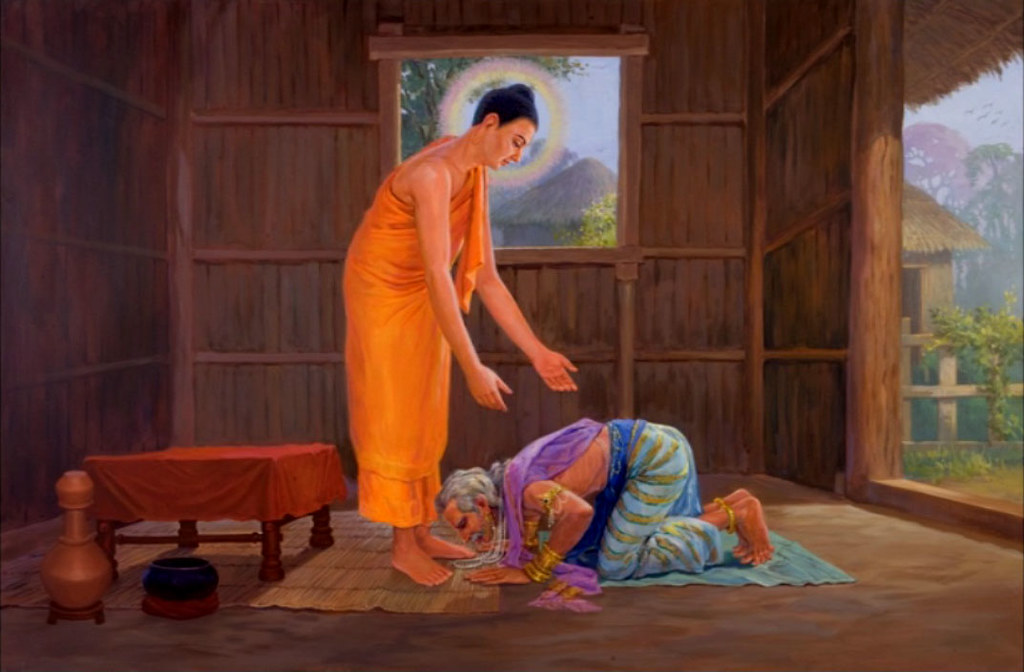
Vidūdhabha was also very angry on the humiliation, and he vowed to exterminate the Sakyas as soon as possible.
He first usurped the throne, sent his father to exile and proceeded to siege the Sakyan capital with overwhelming forces.
He first usurped the throne, sent his father to exile and proceeded to siege the Sakyan capital with overwhelming forces.
Vidūdhabha asked Mahanama to open city gates, & if he didn't do so he will kill every Sakya.
Mahanama deliberated with his council members, who asked him not to open the gates.
Mahanama was more concerned about the hardships which his people were undergoing due to the siege.
Mahanama deliberated with his council members, who asked him not to open the gates.
Mahanama was more concerned about the hardships which his people were undergoing due to the siege.
He opened the gates to save his people.
Vidūdhabha's army rushed in and started the carnage, killing everyone... No one was spared children, women, old and infirm, males, were being slaughtered.
Vidūdhabha's army rushed in and started the carnage, killing everyone... No one was spared children, women, old and infirm, males, were being slaughtered.
Mahanama was astonished to see this and asked Vidūdhabha to stop the carnage as he himself had promised it.
To save his people, Mahanama asked Vidūdhabha that he would take a dip in the nearby pond and Vidūdhabha should stop his army untill he came out of the pond
To save his people, Mahanama asked Vidūdhabha that he would take a dip in the nearby pond and Vidūdhabha should stop his army untill he came out of the pond
Vidūdhabha agreed to the request.
Mahanama took a dip in the pond, and never came out.... He committed suicide!
Mahanama took a dip in the pond, and never came out.... He committed suicide!
Vidūdhabha captured many Sakyans, and this time he would avenge his humiliation.
He ordered the captive Sakyas to clean the council seats with the blood of their brethren, as he had also undergone such an insult, when he visited the Sakyas as a prince.
He ordered the captive Sakyas to clean the council seats with the blood of their brethren, as he had also undergone such an insult, when he visited the Sakyas as a prince.
Sakyan lands were annexed by Vidūdhabha.
The Buddhist texts indicate that Vidūdhabha was killed in a mysterious fire which engulfed his palace (c. 480 BCE).
In a few years, the kingdom of Kosala was annexed by the expanding power of Magadha under Ajatshatru.
The Buddhist texts indicate that Vidūdhabha was killed in a mysterious fire which engulfed his palace (c. 480 BCE).
In a few years, the kingdom of Kosala was annexed by the expanding power of Magadha under Ajatshatru.
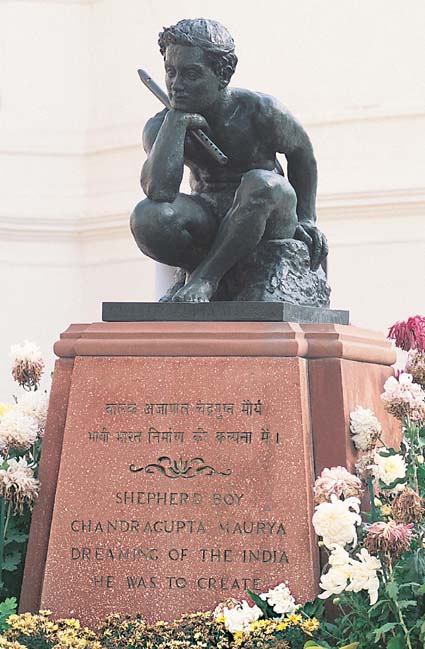
Few of the Sakyas managed to escape the carnage and settled near the Himalayas, where they became the rearers of royal peacocks, calling themselves 'Moriyas'.
Couple of centuries later, one of the descendants of these refugees politically united India.
His name was Chandragupta Maurya !
End
His name was Chandragupta Maurya !
End
Loading suggestions...