
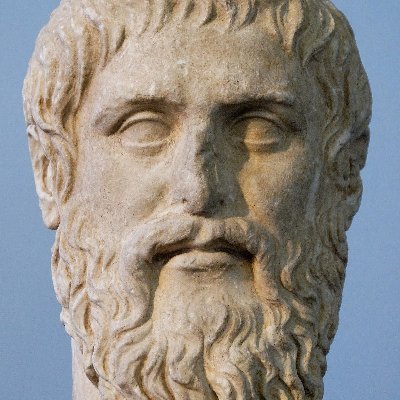
Where did the dollar sign come from? And why is it called the dollar, anyway?
It's a mystery which involves Holy Roman Emperor Charles V, the Twelve Labours of Hercules, some rushed accounting, and a silver mine in Bohemia...
It's a mystery which involves Holy Roman Emperor Charles V, the Twelve Labours of Hercules, some rushed accounting, and a silver mine in Bohemia...
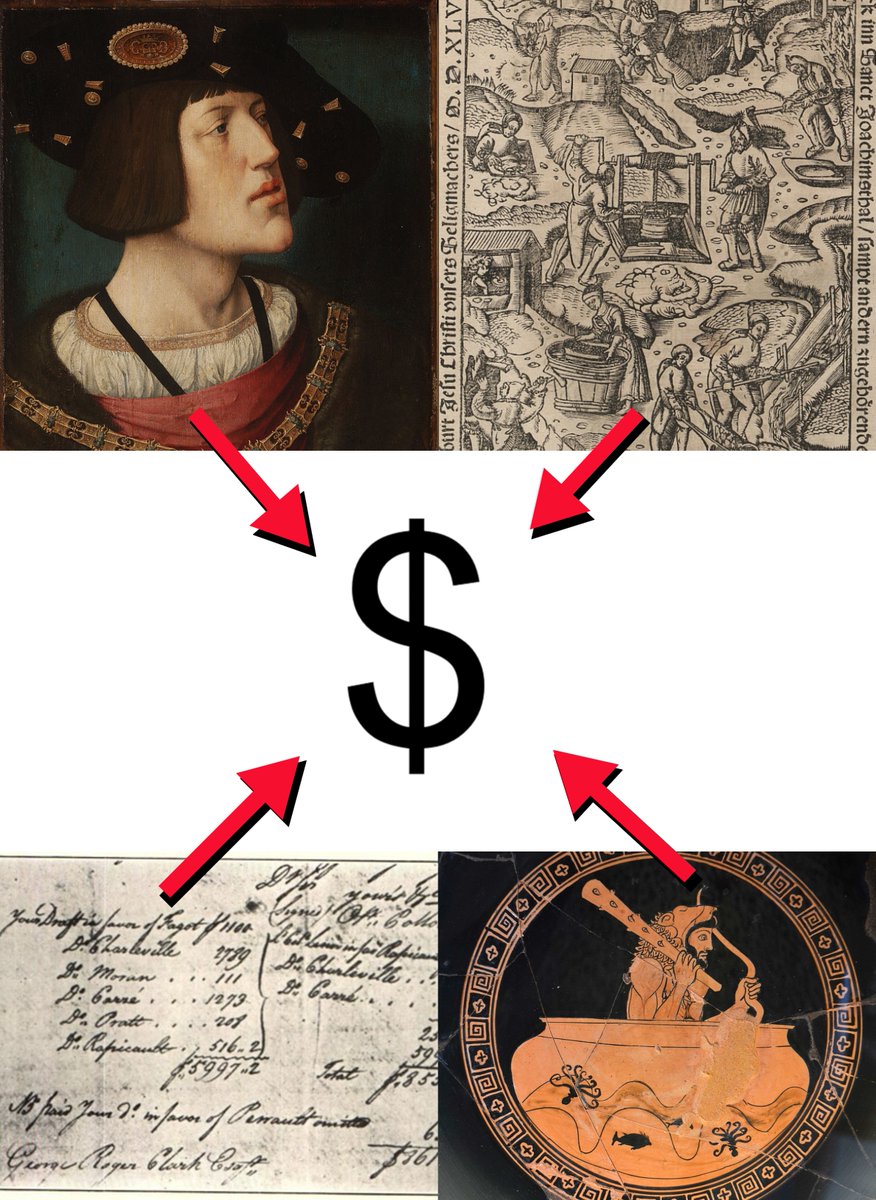
In 1792 the recently independent United States passed the Coinage Act. This created the dollar as the nation's standard currency and established the US Mint to oversee it.
By 1794 dollar coins were being printed, but some foreign currencies were still accepted until 1857.
By 1794 dollar coins were being printed, but some foreign currencies were still accepted until 1857.


This new US dollar was modelled on and pegged to the value of the Spanish dollar - even taking its name - which was in circulation all over the Americas and indeed the entire world.
In Spanish this coin was known as the peso, and some merchants abbreviated it to "PS"
In Spanish this coin was known as the peso, and some merchants abbreviated it to "PS"
And so one theory about the dollar sign is that it comes from hurried bookkeeping.
In the 1778 accounts of an Irish merchant called Oliver Pollock he writes the P over the S, dropping the curve of the P to create something similar to the modern dollar sign.
Did it catch on?
In the 1778 accounts of an Irish merchant called Oliver Pollock he writes the P over the S, dropping the curve of the P to create something similar to the modern dollar sign.
Did it catch on?
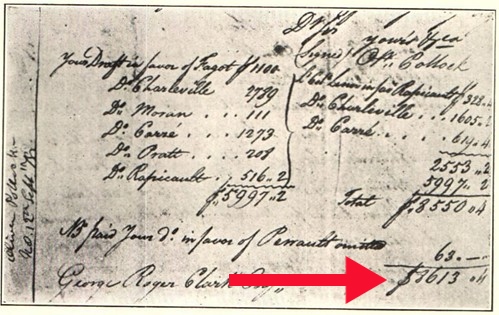
The dollar sign was not used by the US Mint when it first started minting coins, and the dollar sign didn't appear in print until after the year 1800.
It's commonly accepted, but the bookkeeping theory is far from certain. What else could be the origin of the sign?
It's commonly accepted, but the bookkeeping theory is far from certain. What else could be the origin of the sign?
Well, the Spanish peso was first introduced in 1497 during a currency reform under Ferdinand II.
It was worth eight reales, the former standard coin, hence the name "peso de ocho reales", or "piece of eight" in English.
The dollar sign may be derived from the numeral 8, then.
It was worth eight reales, the former standard coin, hence the name "peso de ocho reales", or "piece of eight" in English.
The dollar sign may be derived from the numeral 8, then.
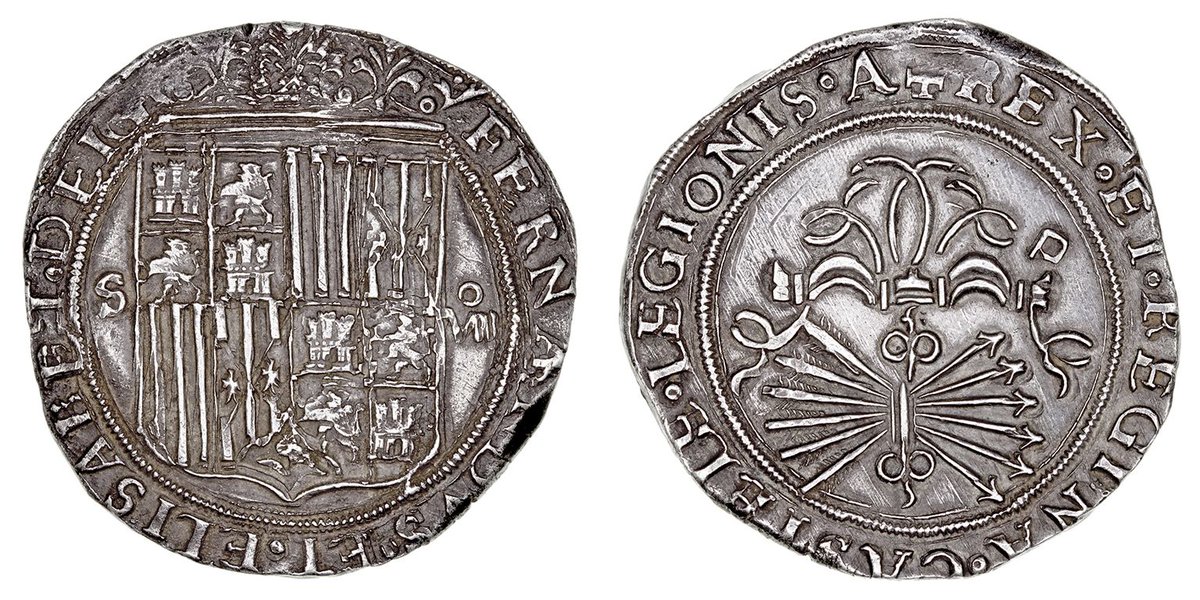
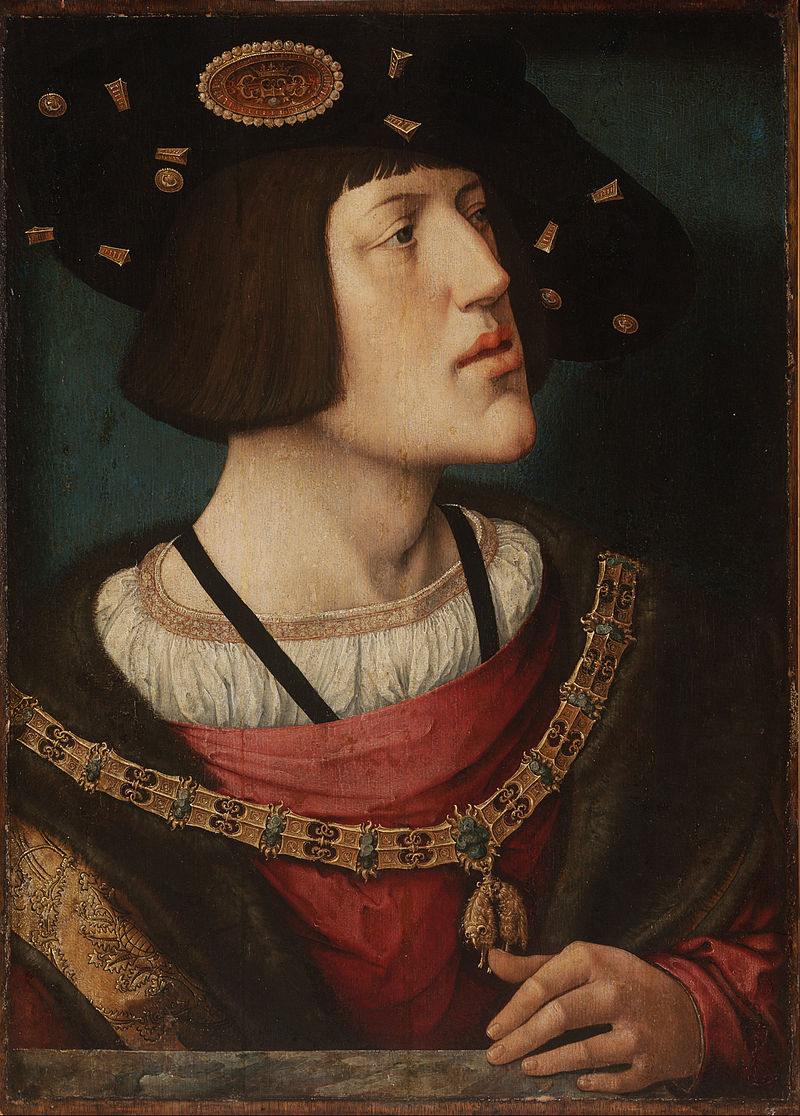
Or it may have something to do with the Holy Roman Emperor Charles V, who became King of Spain in 1516.
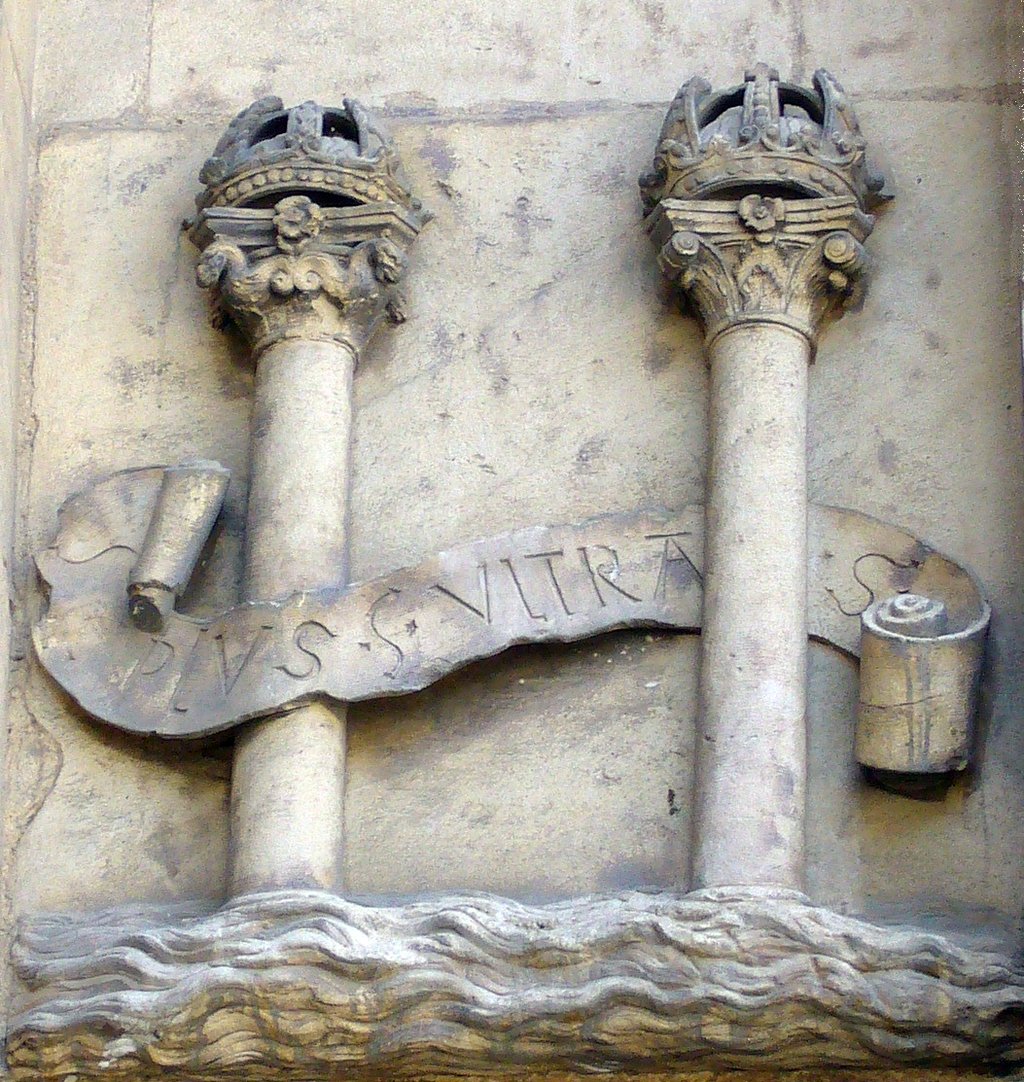
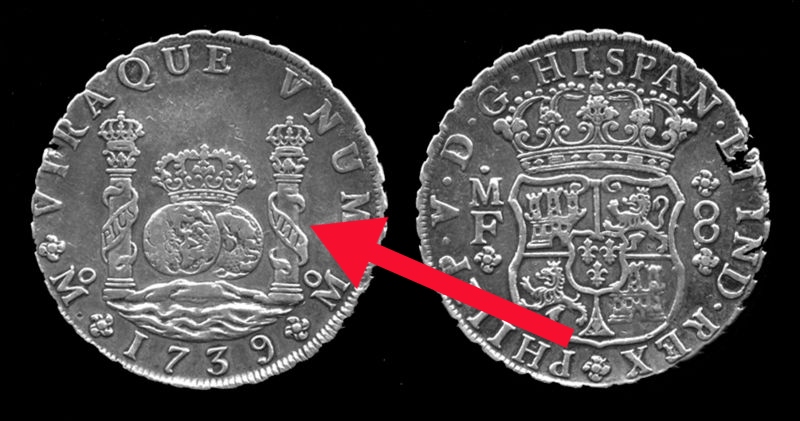
He incorporated the Pillars of Hercules into his coat of arms as the King of Spain - they've been a part of the Spanish national coat of arms ever since.
He incorporated the Pillars of Hercules into his coat of arms as the King of Spain - they've been a part of the Spanish national coat of arms ever since.
What are the Pillars of Hercules?
They refer to two mountains on either side of the Strait of Gibraltar, where the Atlantic meets the Mediterranean, between Iberia and North Africa.
They refer to two mountains on either side of the Strait of Gibraltar, where the Atlantic meets the Mediterranean, between Iberia and North Africa.
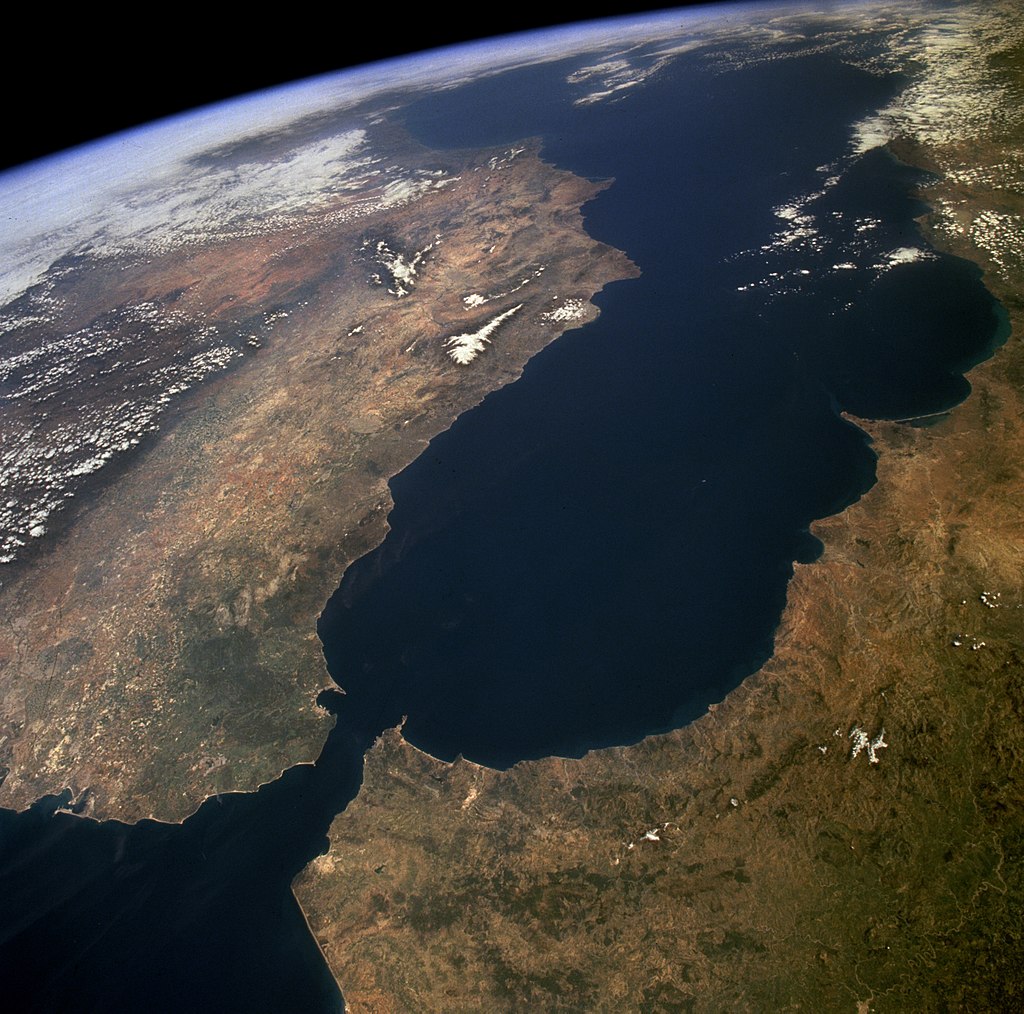
The Pillars of Hercules represented the limit of the known world in ancient times.
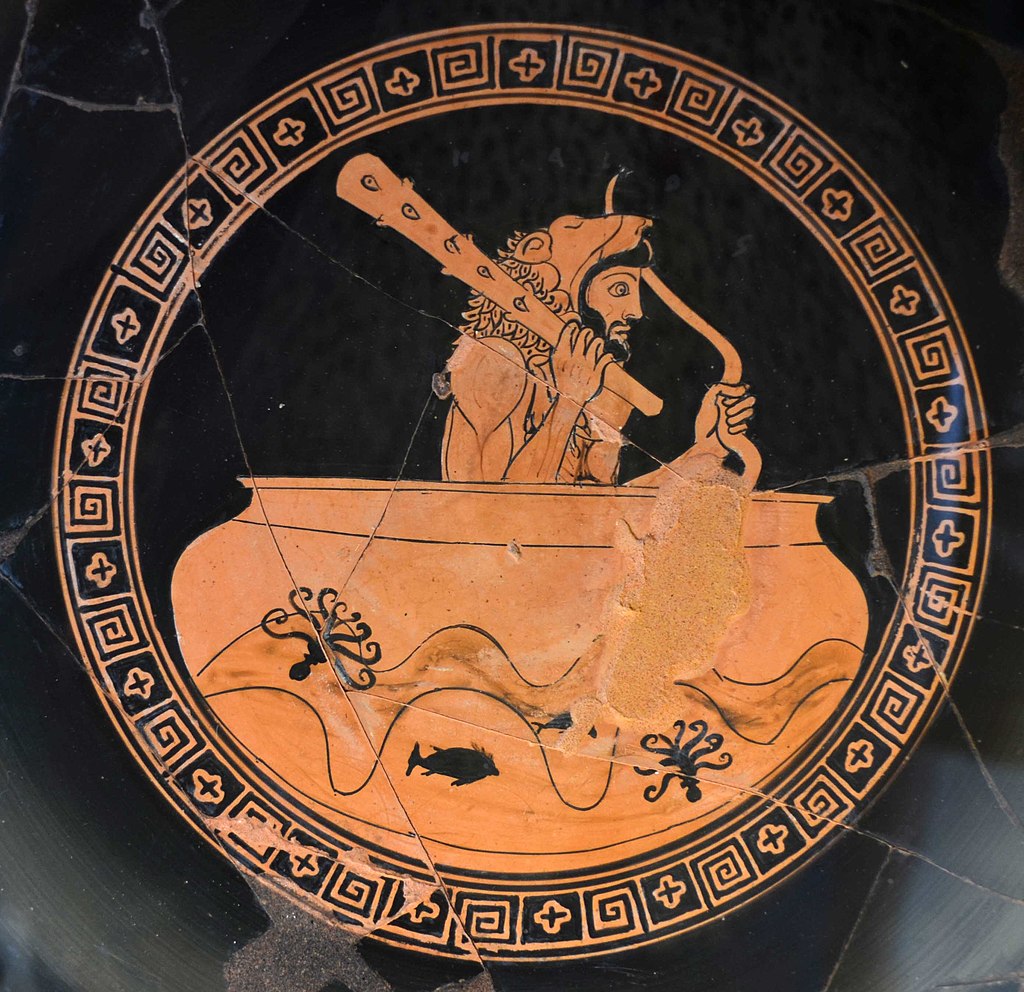
Their name comes from one of the mythical Twelve Labours of Hercules, which involved a journey to the west, where he was to steal the cattle of a monster called Geryon.
Their name comes from one of the mythical Twelve Labours of Hercules, which involved a journey to the west, where he was to steal the cattle of a monster called Geryon.
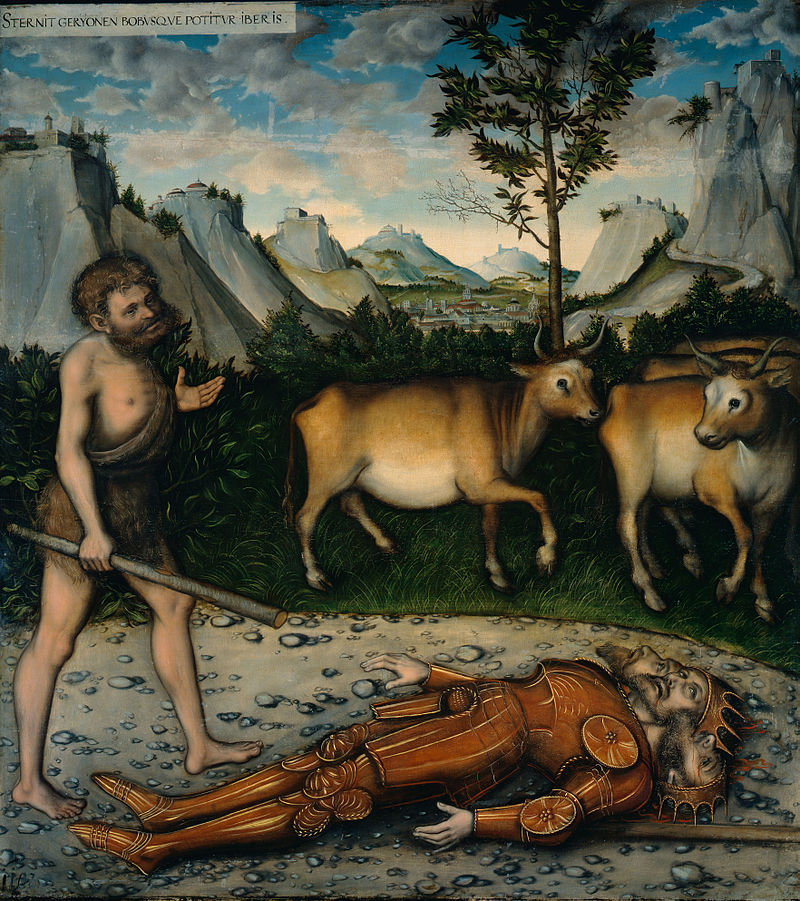
The story goes that he sailed to an island beyond the Mediterranean in a bowl.
Hercules completed and returned from his challenge, and these mountains marking the edge of the known world were named after him - the Pillars of Hercules.
Hercules completed and returned from his challenge, and these mountains marking the edge of the known world were named after him - the Pillars of Hercules.
Charles V incorporated the Pillars of Hercules - an ancient and powerful symbol - into his coat of arms as two columns with ribbons wrapped around them.
This was printed on Spanish coinage, including the peso, for centuries. It could well be the origin of the dollar sign.
This was printed on Spanish coinage, including the peso, for centuries. It could well be the origin of the dollar sign.
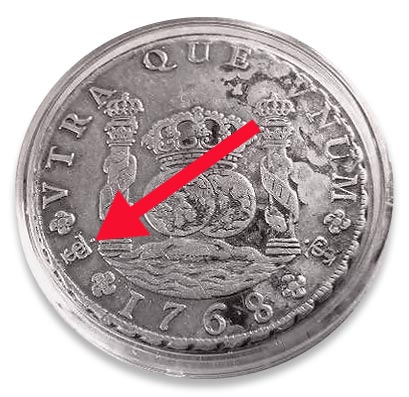
But there's another possibility. Much of the silver used to create the Spanish peso was mined in a Bolivian town called Potosí.
The mark imprinted on coins made in Potosí was the letters PTSI superimposed over one another; this also bears a clear resemblance to the dollar sign.
The mark imprinted on coins made in Potosí was the letters PTSI superimposed over one another; this also bears a clear resemblance to the dollar sign.
The US didn't print bank notes until 1862, but here is one from 1869.
It contains the hint of another theory about the origins of the dollar sign, according to which it came from a superimposition of the letters U and S, with part of the U eventually being removed.
It contains the hint of another theory about the origins of the dollar sign, according to which it came from a superimposition of the letters U and S, with part of the U eventually being removed.
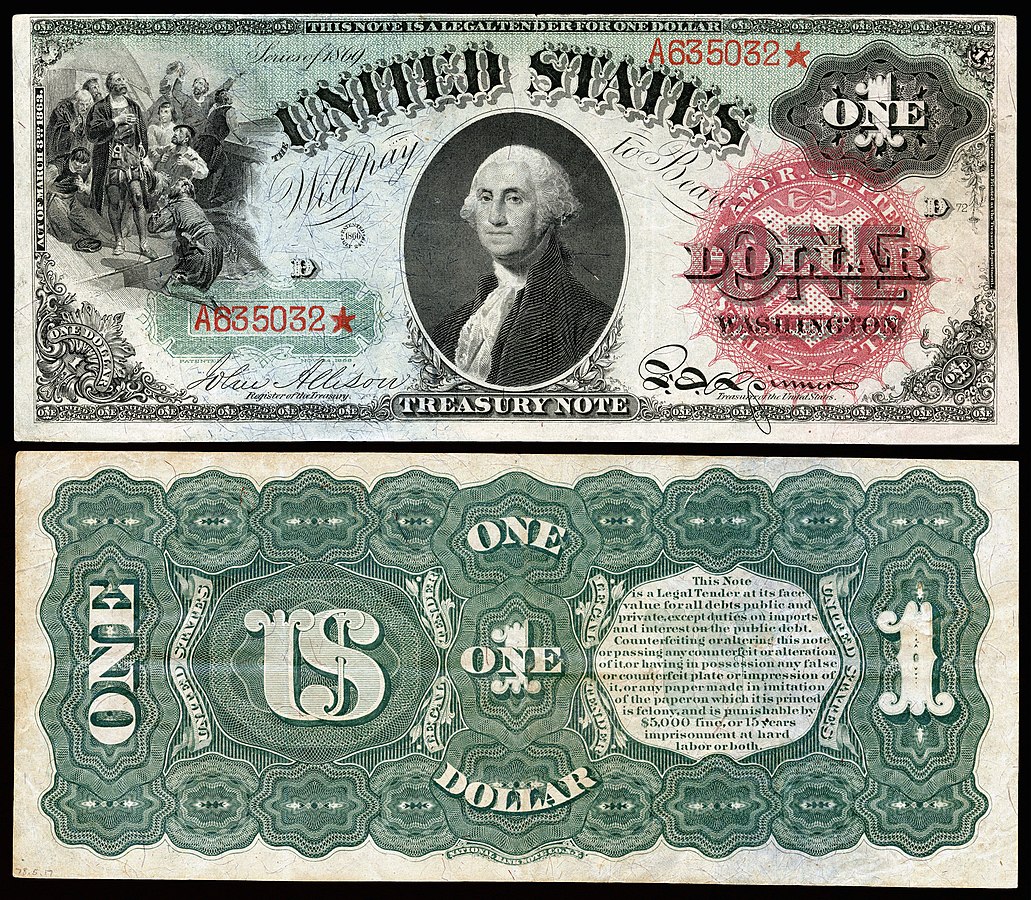
But the dollar sign was used decades before 1869.
In which case this note either references the dollar sign's true origins or alludes to an already-extant popular myth, converting an error of accounting or historic Spanish symbol into a patriotic story.
In which case this note either references the dollar sign's true origins or alludes to an already-extant popular myth, converting an error of accounting or historic Spanish symbol into a patriotic story.
These are some theories about the origin of the dollar sign, but nobody knows for sure.
It does explain where the US dollar got its name - from the Spanish dollar. But it doesn't explain why that currency, known in Spanish as the peso, was called a dollar in English.
It does explain where the US dollar got its name - from the Spanish dollar. But it doesn't explain why that currency, known in Spanish as the peso, was called a dollar in English.
Well, in the early 16th century a Bohemian count called Hieronymus Schlick opened a silver mine in a city called Joachimsthal, meaning the Valley of Joachim in German.
He started minting large silver coins there. These were called "Joachimsthaler".
He started minting large silver coins there. These were called "Joachimsthaler".
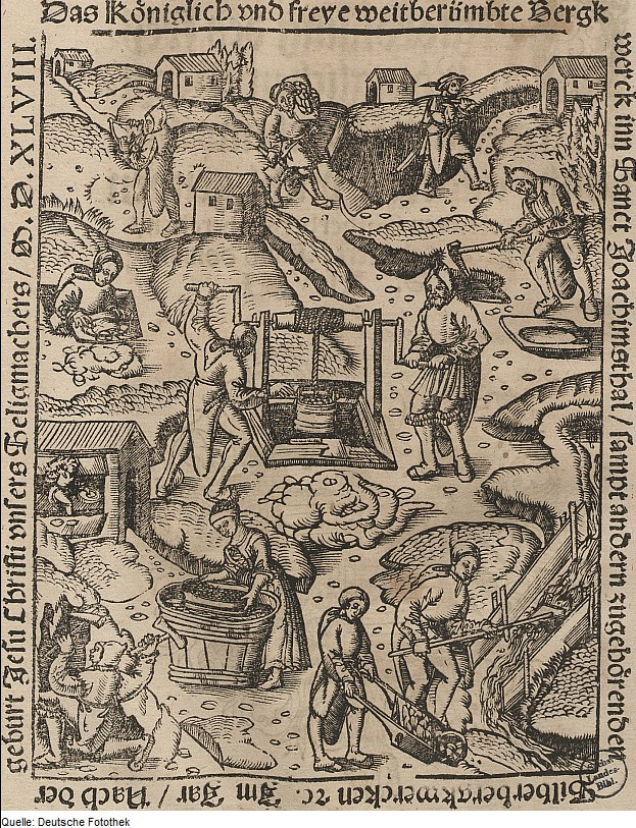
This large silver coin, the Joachimsthaler, would become the basis of many more currencies in the following centuries, all around the Holy Roman Empire and beyond - all known as "thalers".
In the late 1500s the rijksdaalder was created, daalder being a Dutch variation on thaler.
In the late 1500s the rijksdaalder was created, daalder being a Dutch variation on thaler.
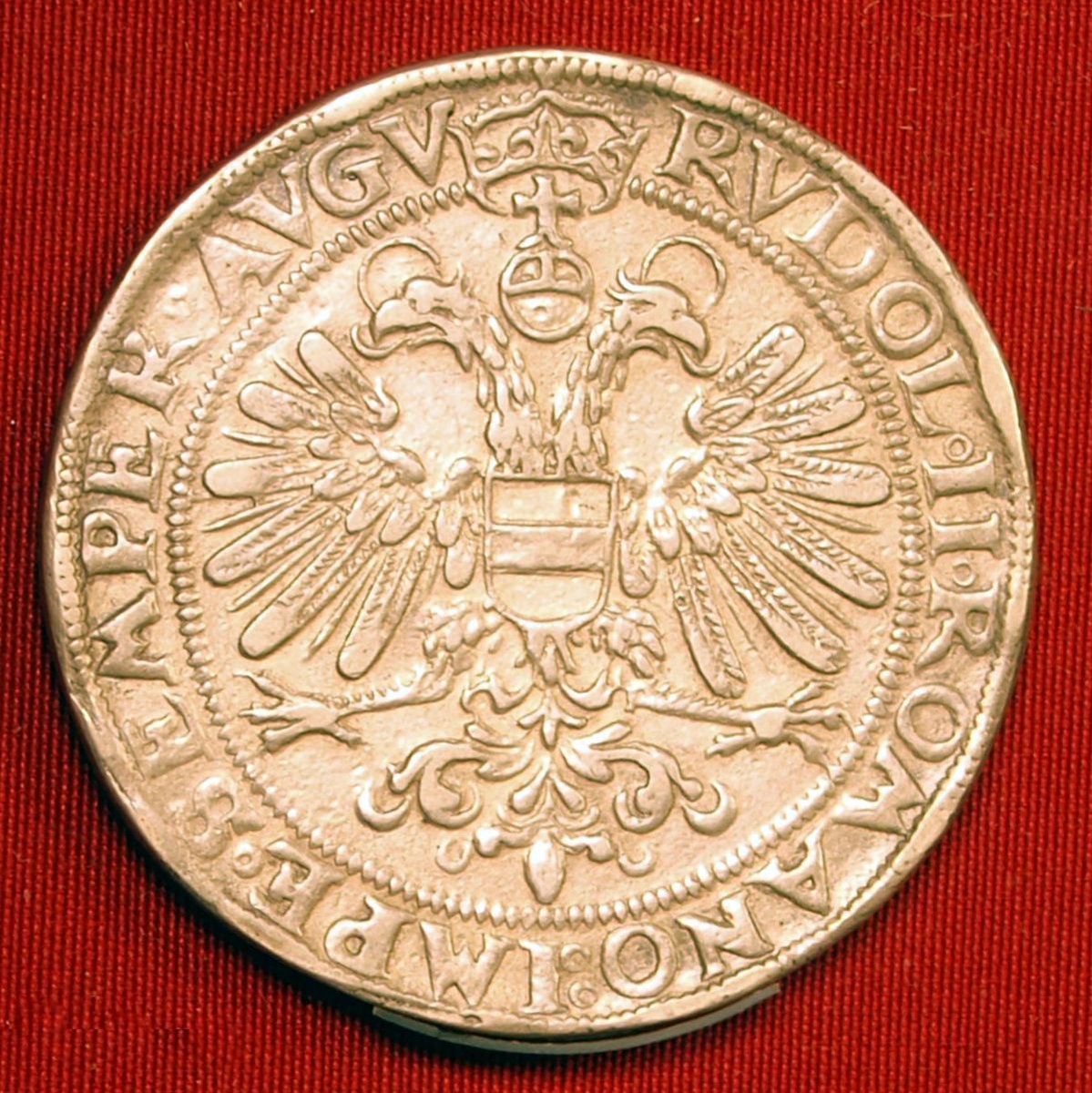
Dutch traders were very active in North America and their "daalders" became known to English speakers as the dollar.
And given the similarity between the rijksdaalder and the peso - both were large silver coins - the peso was simply called a Spanish dollar.
And given the similarity between the rijksdaalder and the peso - both were large silver coins - the peso was simply called a Spanish dollar.
So when the Coinage Act of 1792 was passed, basing the new US currency on the most common major coin in 18th century America - the Spanish peso - it took on the English name for it.
History, mythology, language, technology - all are concealed in the most ordinary of things.
History, mythology, language, technology - all are concealed in the most ordinary of things.
Loading suggestions...