

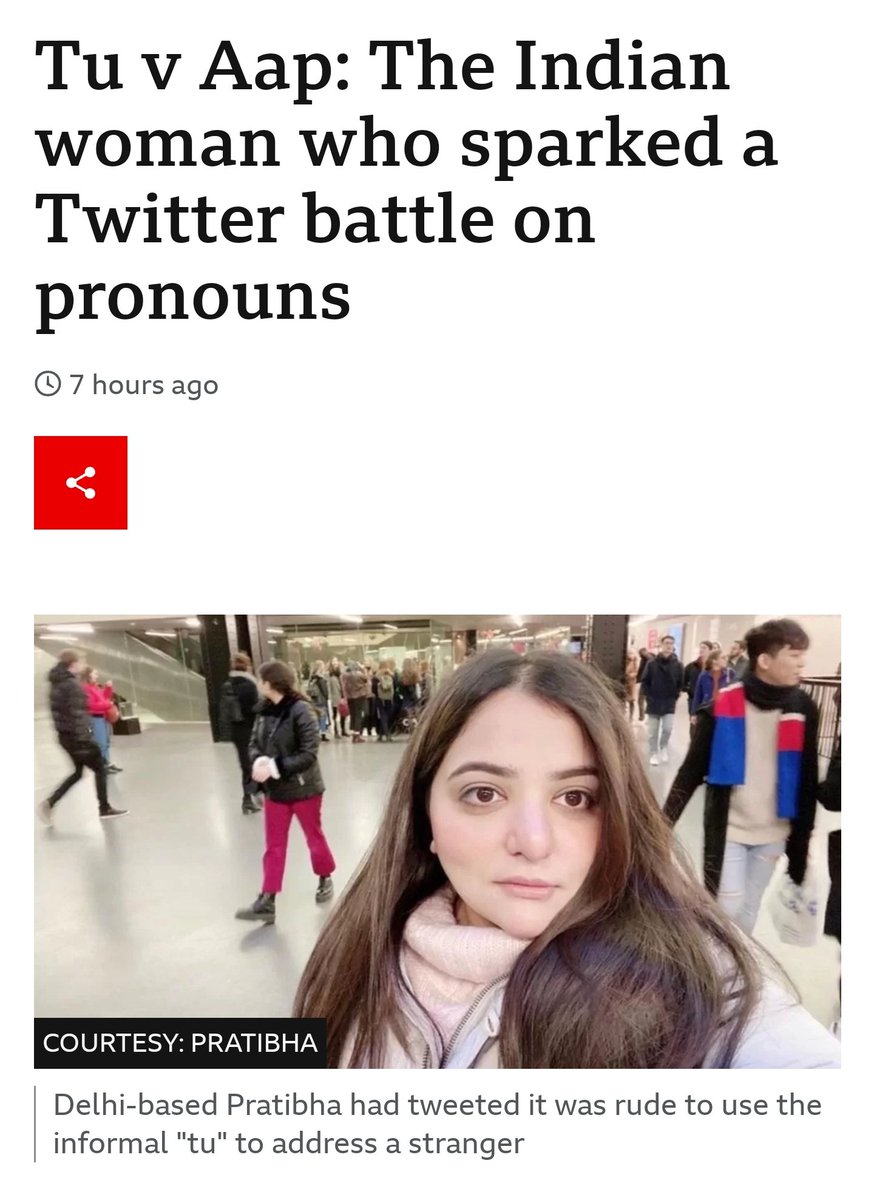
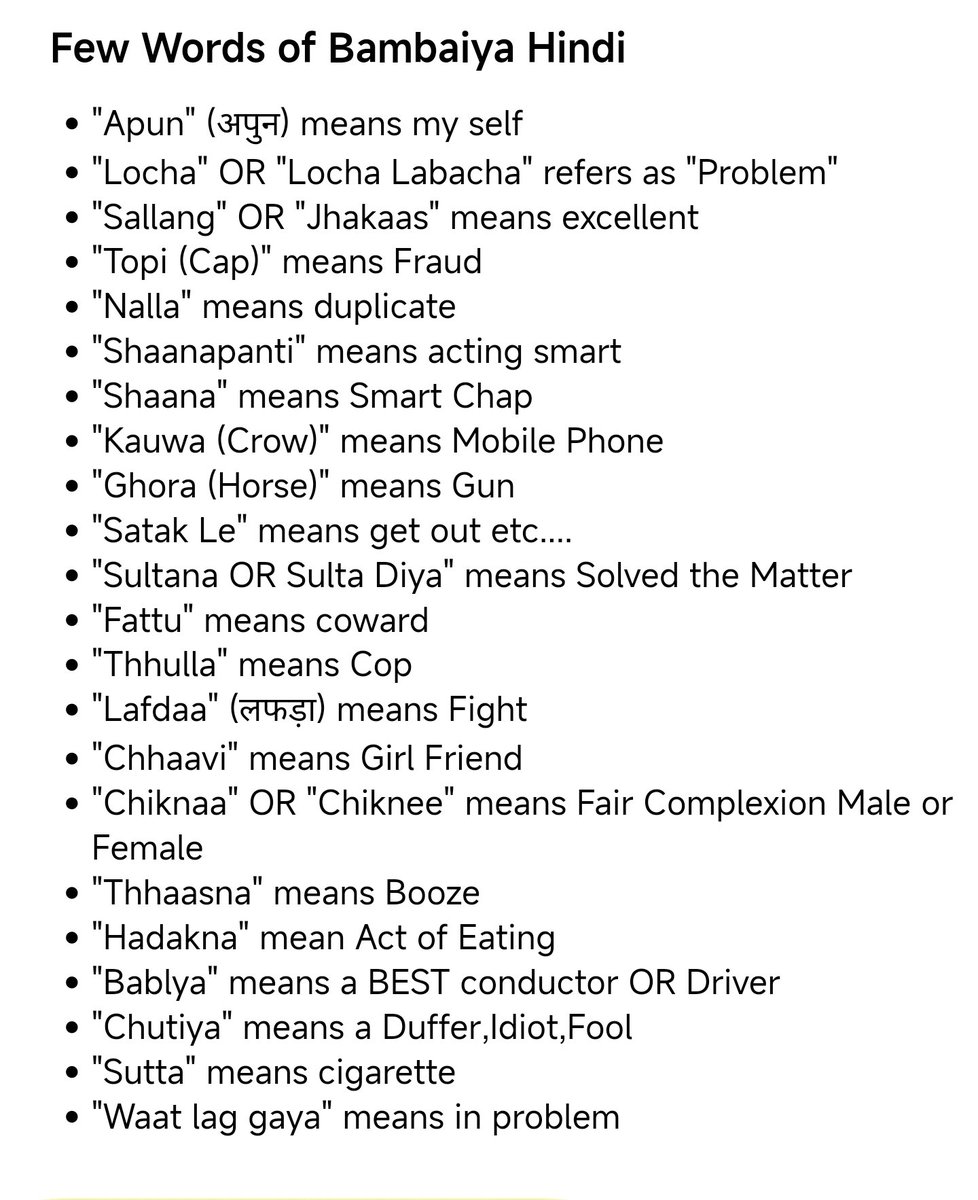
Speaking Hindi is a touchy subject in India. In Bambaiya Hindi - the dialect spoken in the city of Mumbai in Maharashtra state - "tu" derives its meaning from Marathi and is not closely associated with disrespect.
bbc.com
bbc.com
Bambaiya, a mixture of several languages and dialects including Hindi, Marathi and English, is also the official language of Bollywood.
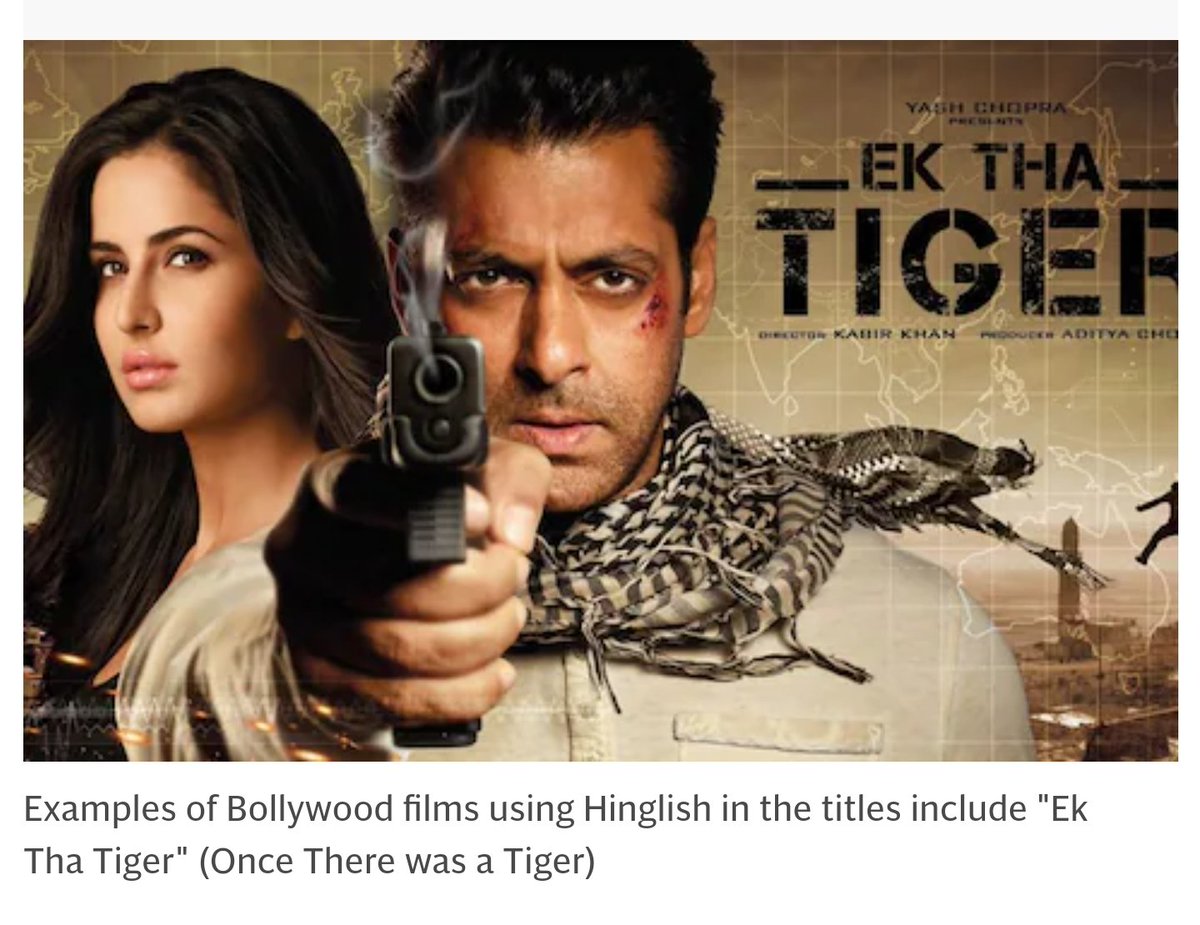
Similarly, Hinglish is a blend of Hindi and English.
You might want to "prepone" drinks with your friend, meaning "bring them forward".
And if you get married, you might find you have a new "co-brother or co-sister".
You might want to "prepone" drinks with your friend, meaning "bring them forward".
And if you get married, you might find you have a new "co-brother or co-sister".
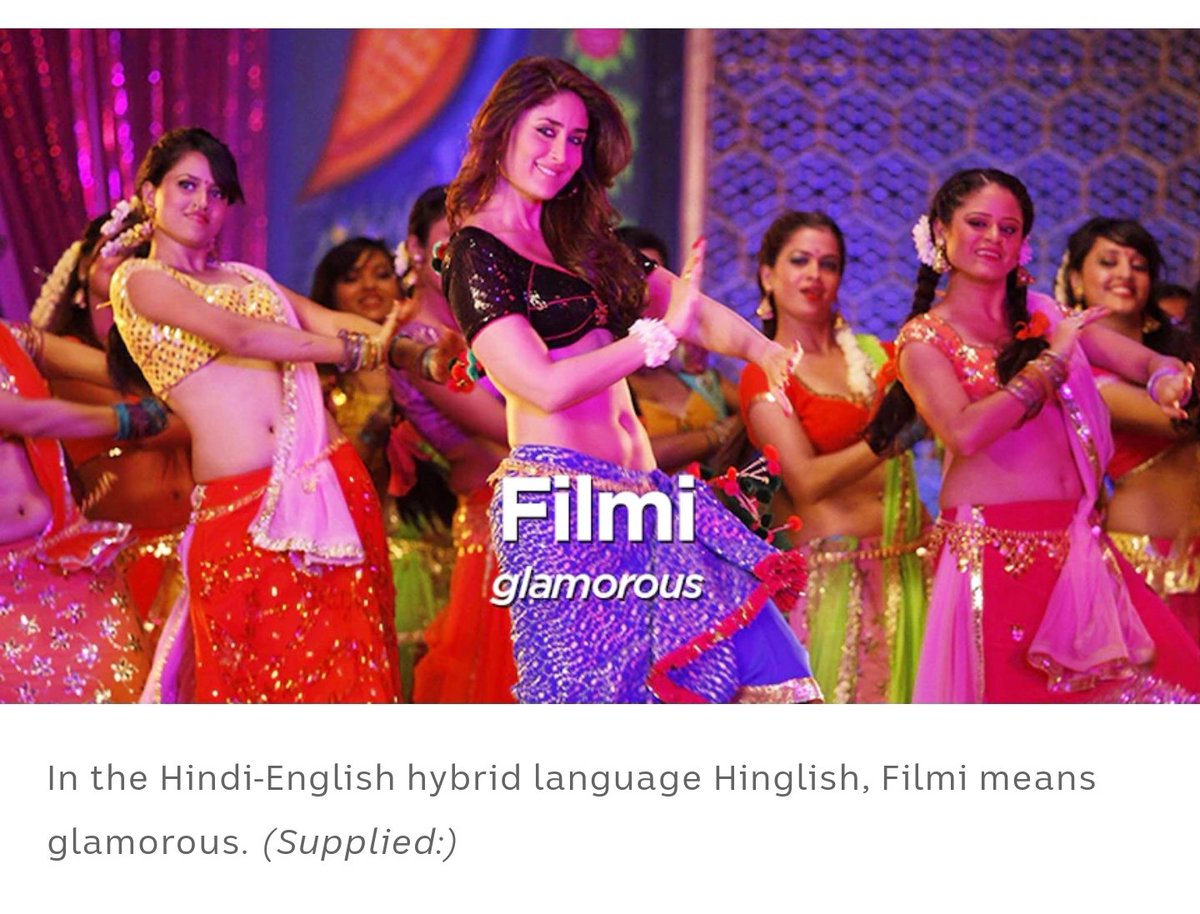
Hinglish is gaining popularity, particularly in advertising, as a way to make Indian brands more appealing by making them seem more American or western.
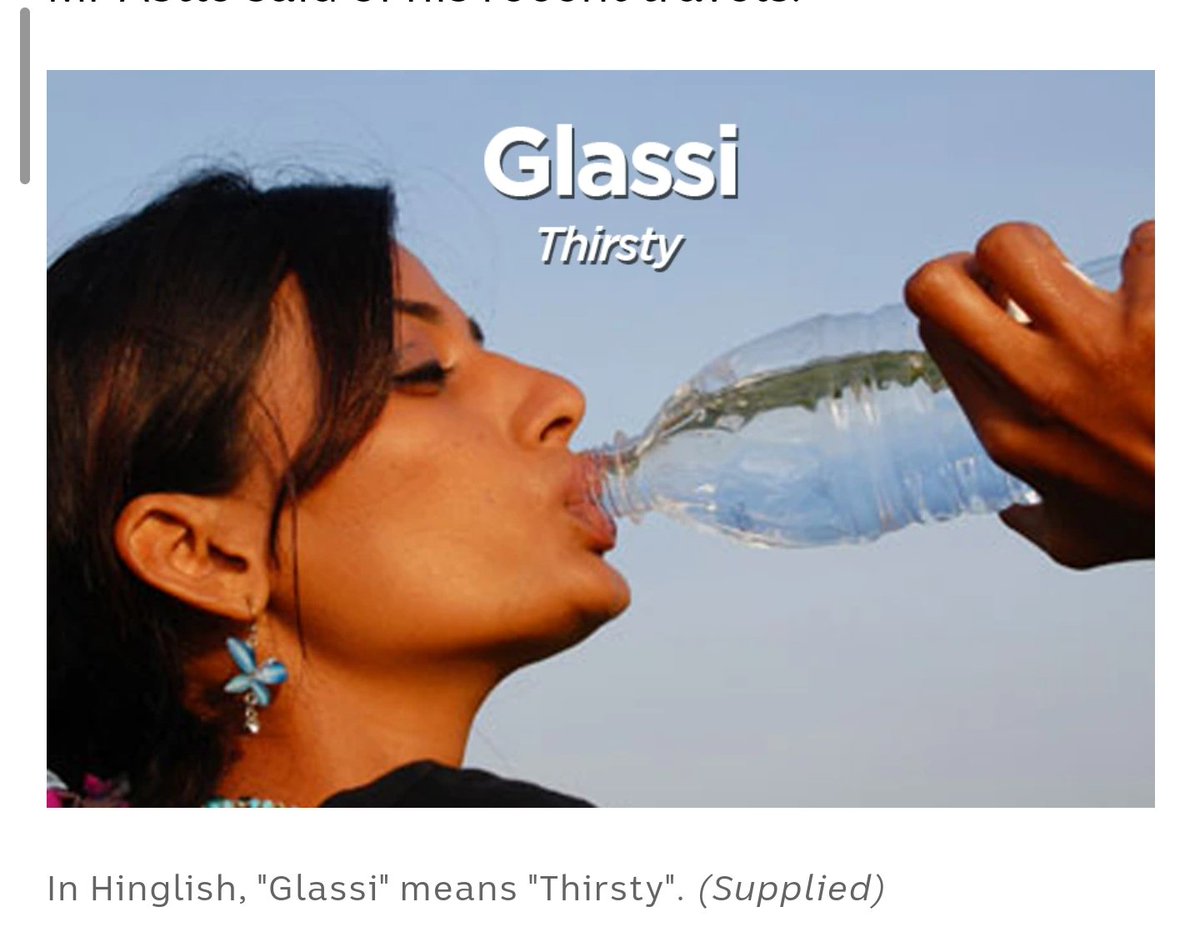
In 2008 an Indian teacher in Derby, England, named Baljinder Mahal, even published a dictionary called “The Queen’s Hinglish”.

Most pidgins disappear. In certain cases, pidgins become stable and turn into creoles.
Linguists usually require that a generation must have grown up speaking that pidgin, and add grammatical elements to the mixed vocabulary.
Linguists usually require that a generation must have grown up speaking that pidgin, and add grammatical elements to the mixed vocabulary.
In British India, Nagamese (Assamese + Naga dialects) emerged as a pidgin when Naga-speaking areas were incorporated into British Assam.
Thanjavur Marathi and Saurashtra are both creoles stemming from an Indic language interacting with a Dravidian one.
Both have lasted so long, and are rich enough in expression and literature that many linguists consider them full-fledged languages, and no longer creoles.
Both have lasted so long, and are rich enough in expression and literature that many linguists consider them full-fledged languages, and no longer creoles.
Creoles are often of low prestige, so the younger generation is happy to learn the other dominant language(s), unless there is a sense of pride and willingness to keep the creole alive.
Hinglish did start out as a pidgin among bilingual speakers. But rather than go extinct or turn into a creole, it is standardizing pretty fast as its use becomes widespread in newspapers, on TV, on the internet among (Hindi-speaking) Indians.
While there is evidence of Hinglish being around since the 17th century, and featuring in poetry in 19th Century, it took off notably as part of popular culture in the 1990s with the rise of music channels like MTV.
Hinglish is not the only English fusion language. West African Pidgin English is spoken by millions of people in countries including Nigeria, Ghana, Equatorial Guinea and Cameroon.
Loading suggestions...