
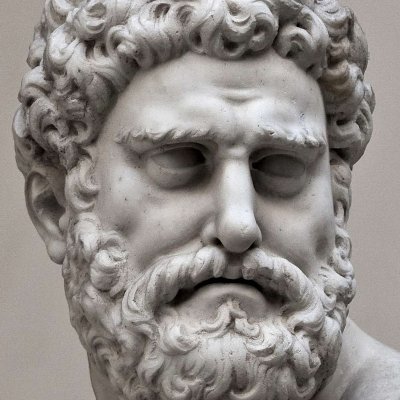
The Fall of Rome wasn't just the collapse of a great empire, it was a WARNING to future civilisations.
From political corruption to internal conflicts, The Fall of Rome holds cautionary tales for the West.
Are we headed for the same fate?
THREAD👇
From political corruption to internal conflicts, The Fall of Rome holds cautionary tales for the West.
Are we headed for the same fate?
THREAD👇
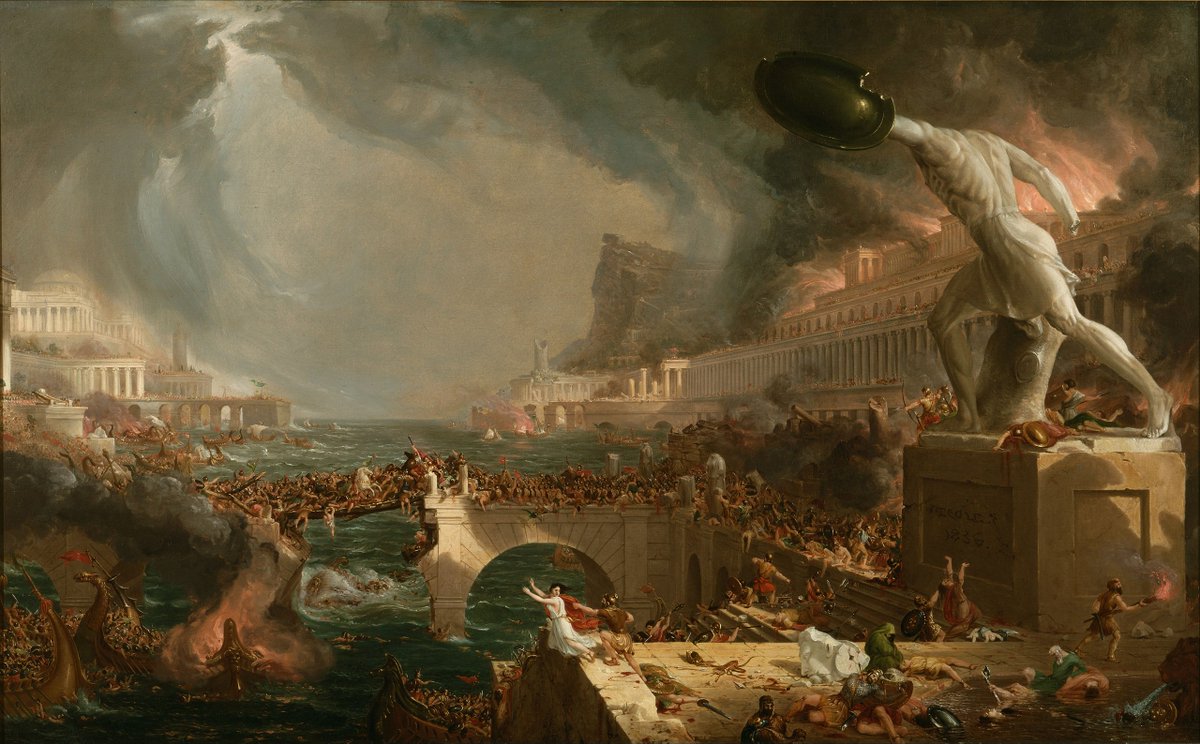
The end of the Roman Empire was marked by a series of events that unravelled over centuries.
Here are 10 key reasons that led to one of the greatest collapses in human history:
Here are 10 key reasons that led to one of the greatest collapses in human history:
#1 POLITICAL CORRUPTION
The Roman government was plagued by corruption, with officials often using their positions for personal gain, while neglecting the needs of the state.
The Roman government was plagued by corruption, with officials often using their positions for personal gain, while neglecting the needs of the state.
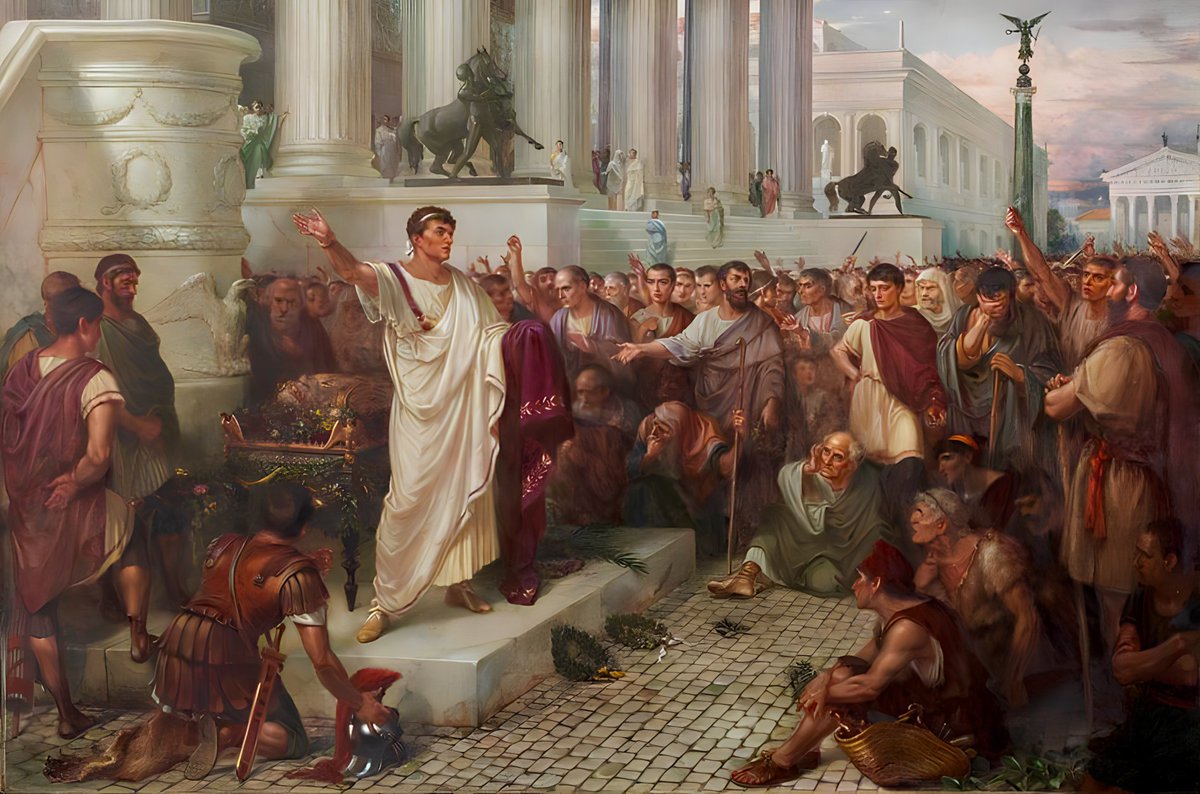
Political corruption also weakened the ability of the state to respond to challenges and maintain stability, leading to a decline in public services and a loss of faith in the government.

#2 DEMOGRAPHIC COLLAPSE
Declining birth rates and an ageing population put a massive strain on the economy and made it more difficult to maintain stability.
Declining birth rates and an ageing population put a massive strain on the economy and made it more difficult to maintain stability.
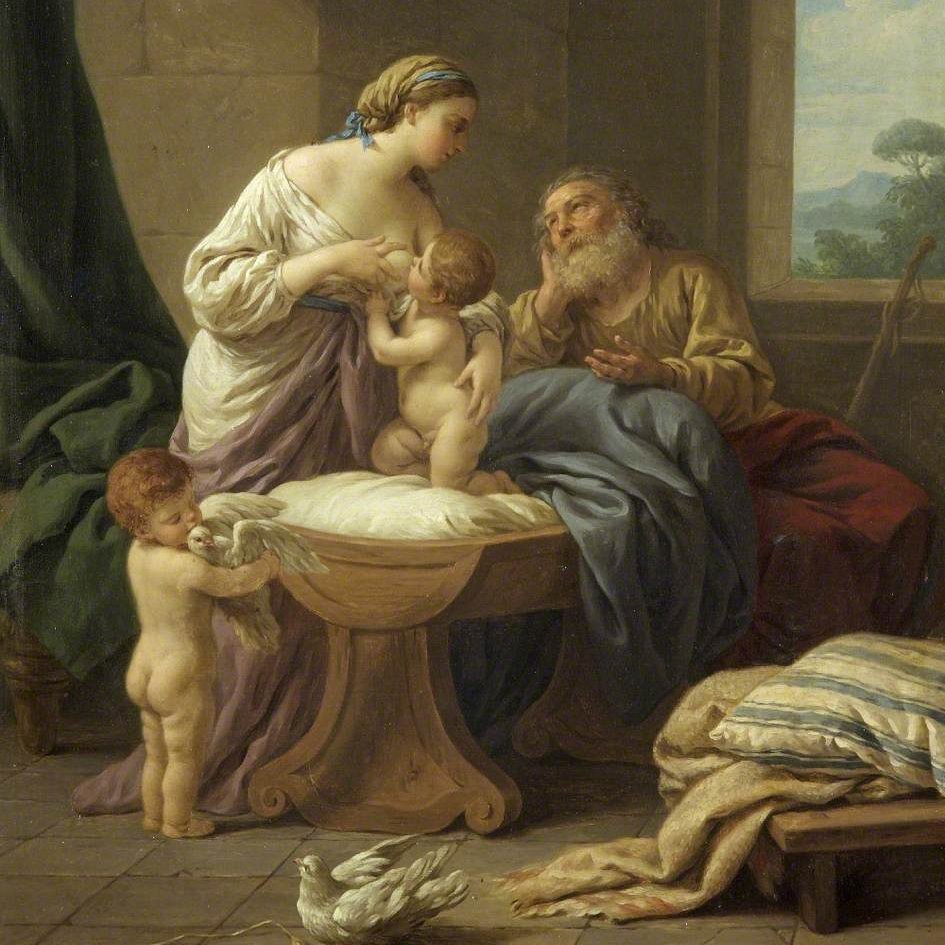
The Empire's population was once estimated to be as high as 60 million people in the 1st and 2nd centuries AD, but by the end of the Western Empire in 476 AD, the population had plummeted to a fraction of its former size.
#3 MASS MIGRATION
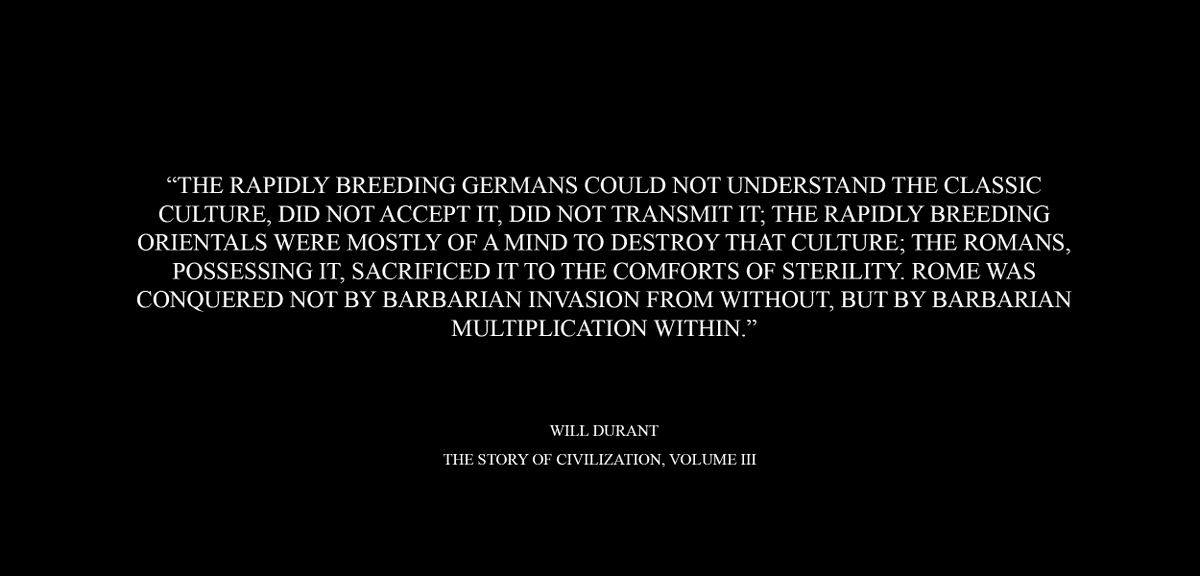
The native population of the Roman Empire drastically changed over time, with a decline in the number of citizens and an increase in the number of non-citizens.
The native population of the Roman Empire drastically changed over time, with a decline in the number of citizens and an increase in the number of non-citizens.
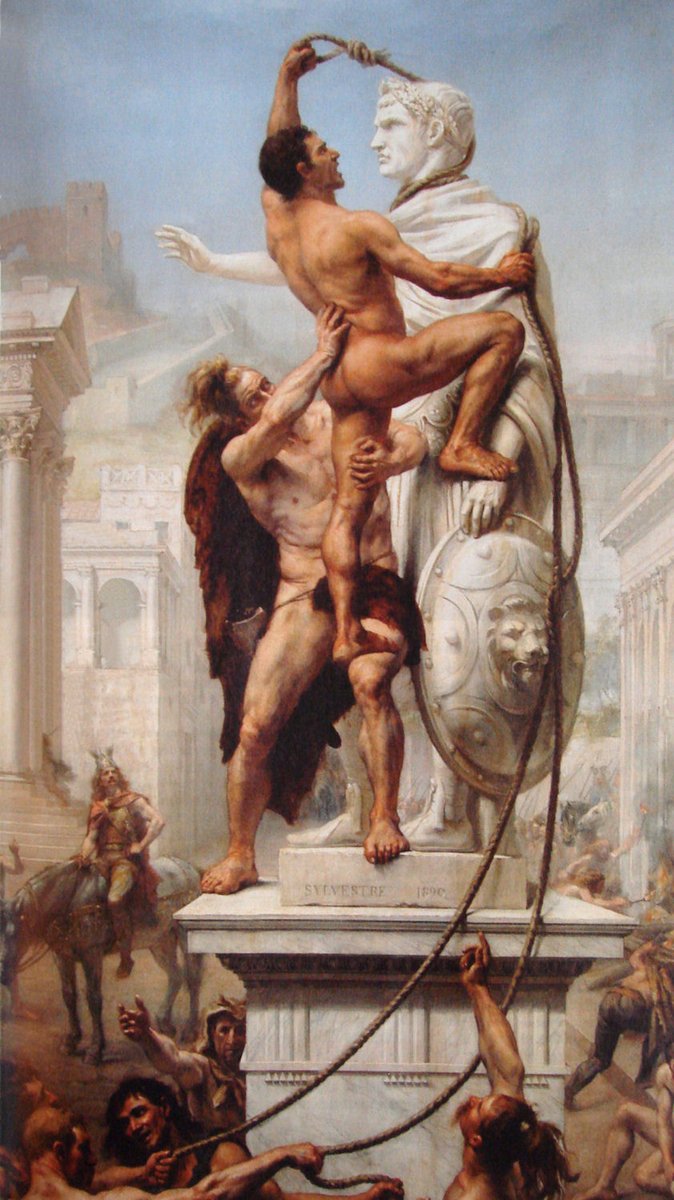
This demographic shift made it difficult to maintain social cohesion, as the non-citizen population was less invested in the well-being of the state and more likely to challenge its authority.
#4 MORAL DECAY
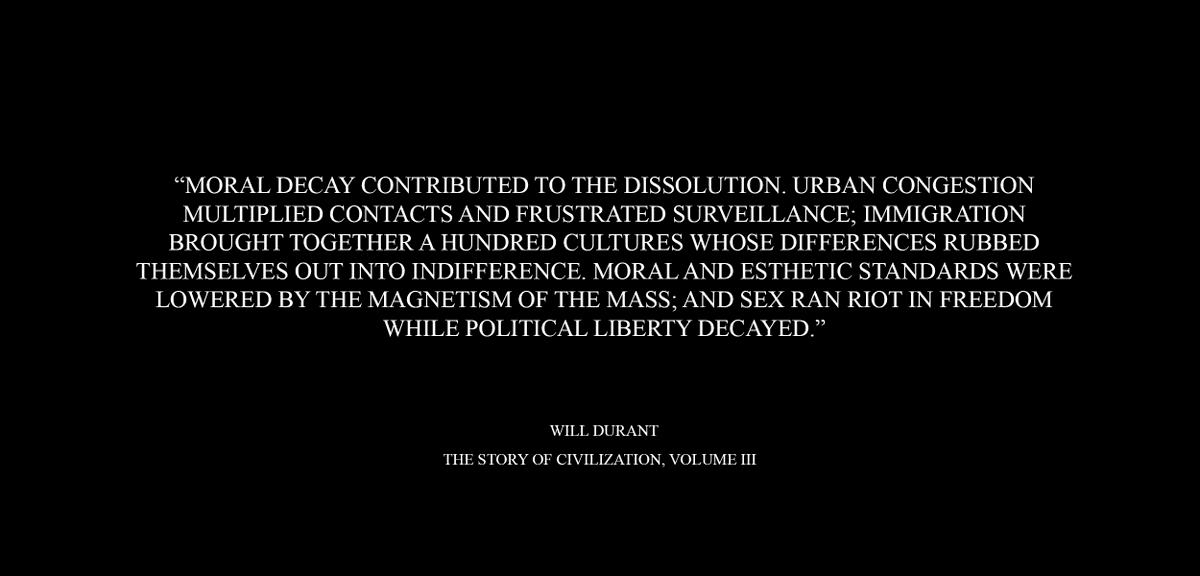
Rome's traditional values of civic duty, honour, and respect for the law declined over time, leading to a lack of trust in the government and the erosion of Roman culture.
Rome's traditional values of civic duty, honour, and respect for the law declined over time, leading to a lack of trust in the government and the erosion of Roman culture.

#5 EDUCATIONAL DECLINE
The standard of education declined over time, leading to a lack of competent administrators and military leaders.
Educators began to focus on maintaining the status quo, at the expense of innovation and new ideas.
The standard of education declined over time, leading to a lack of competent administrators and military leaders.
Educators began to focus on maintaining the status quo, at the expense of innovation and new ideas.
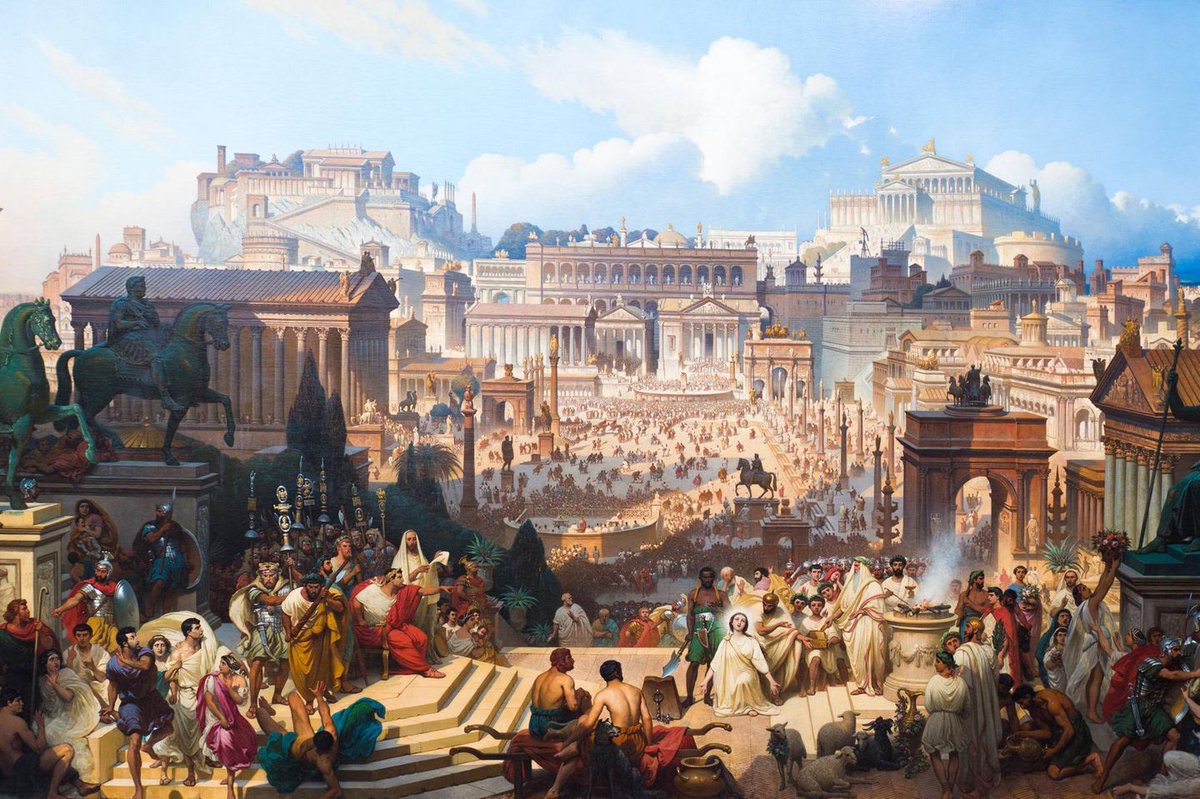
Rome's technological advantage soon withered away, with other civilizations catching up and surpassing it in key areas such as metallurgy and agriculture.

#6 PLAGUE OUTBREAKS
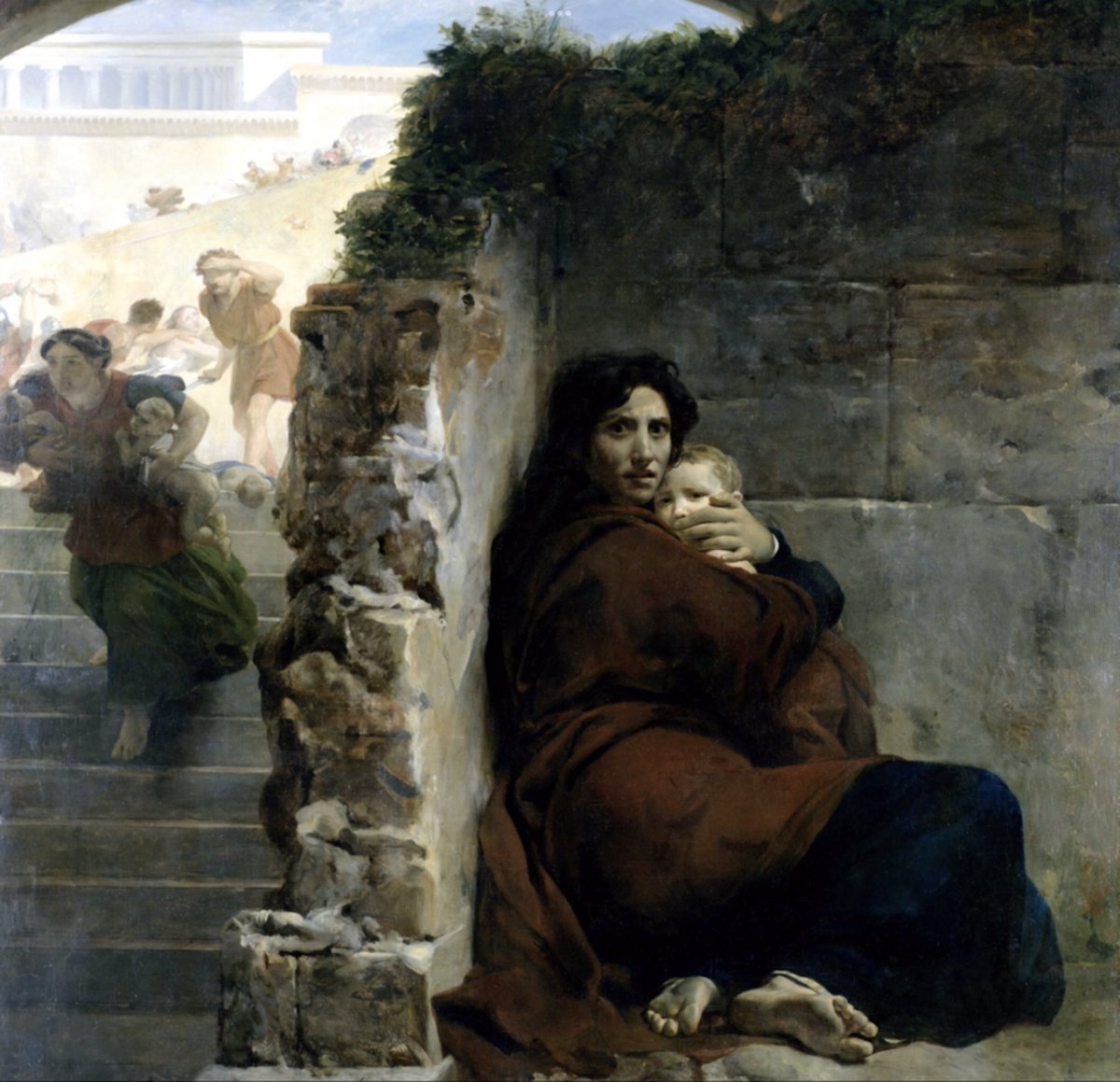
The high mortality rate associated with the spread of disease weakened the population, resulting in fewer people available to contribute to the economy.
These outbreaks also disrupted trade and agriculture, further exacerbating the empire's problems.
The high mortality rate associated with the spread of disease weakened the population, resulting in fewer people available to contribute to the economy.
These outbreaks also disrupted trade and agriculture, further exacerbating the empire's problems.
#7 ECONOMIC INSTABILITY
The empire's economy became increasingly unstable over time, with a decline in trade and a rise in inflation and taxes.
The empire's economy became increasingly unstable over time, with a decline in trade and a rise in inflation and taxes.
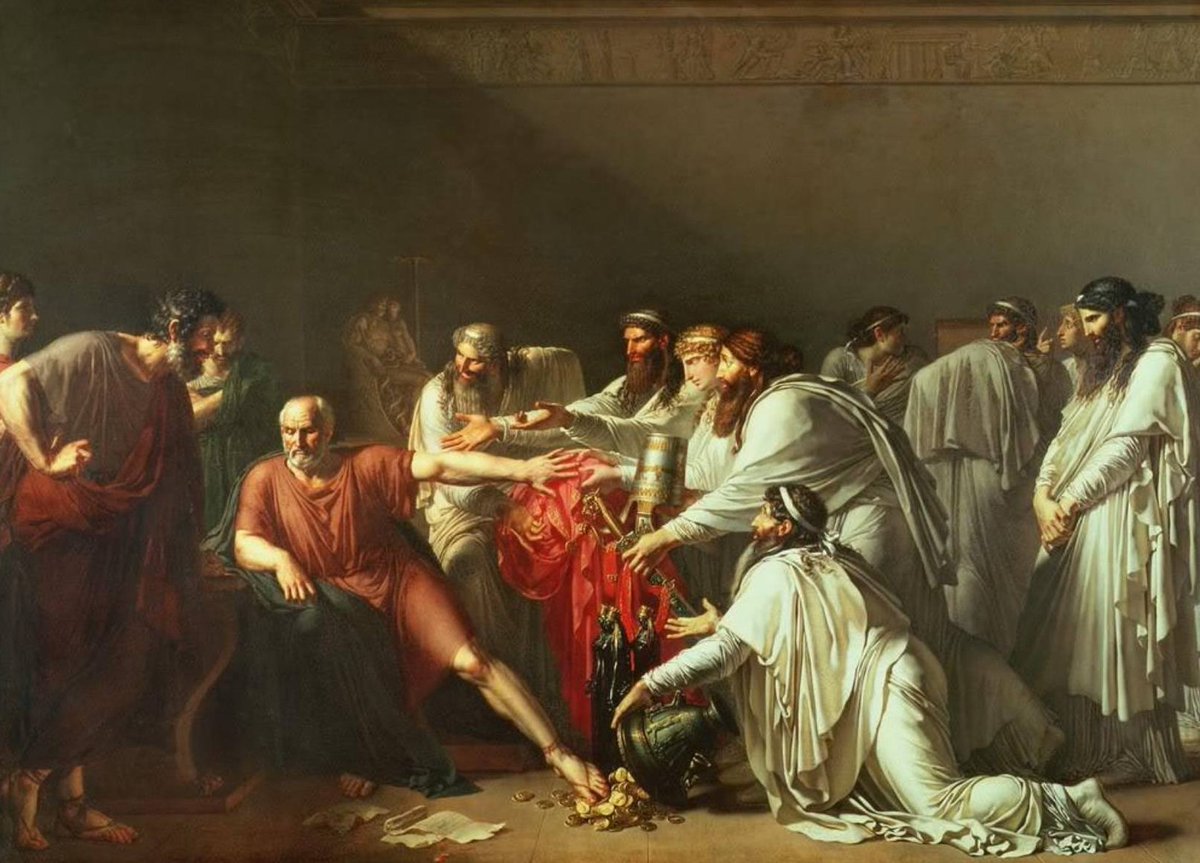
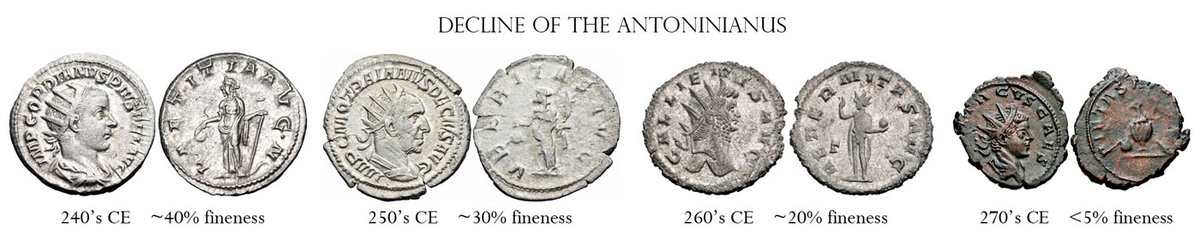
The Roman economy was heavily reliant on a stable currency, but by the end of the empire, the currency was severely debased and inflation was rampant, greatly reducing the standard of living for ordinary people.
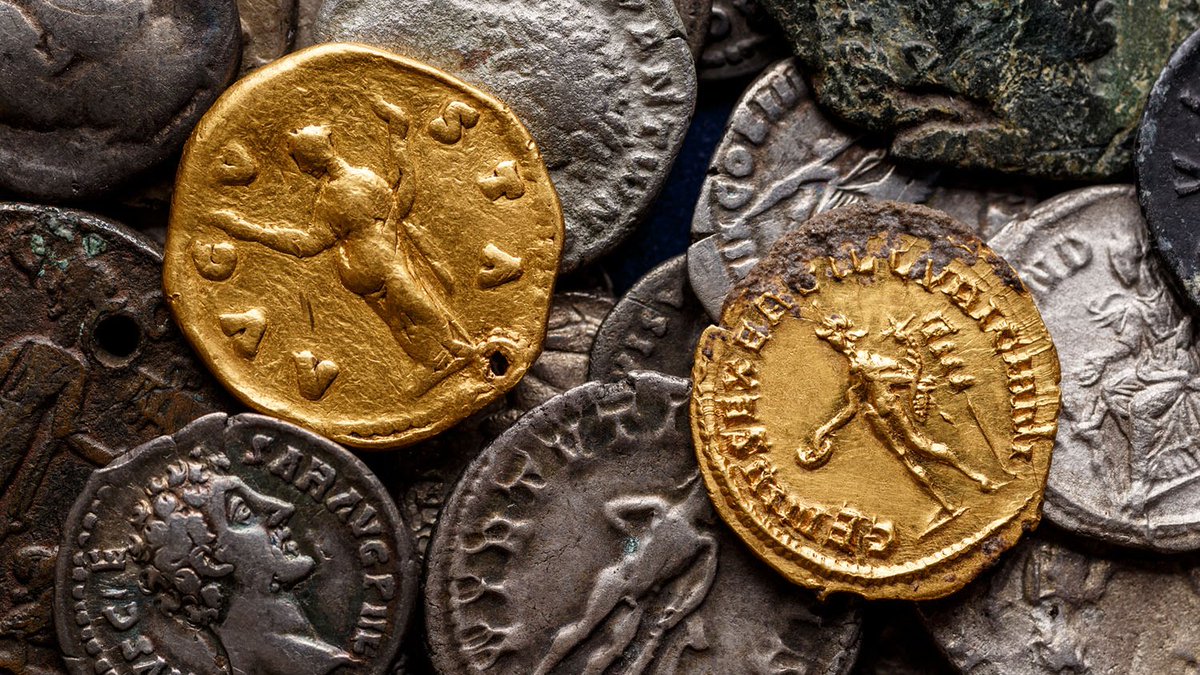
To pay for excessive government spending and to fund continuous wars, the Roman government debased the currency over time. By reducing the amount of precious metals found in the coinage, the purchasing power of the currency declined and inflation became commonplace.
#8 INTERNAL DIVISION
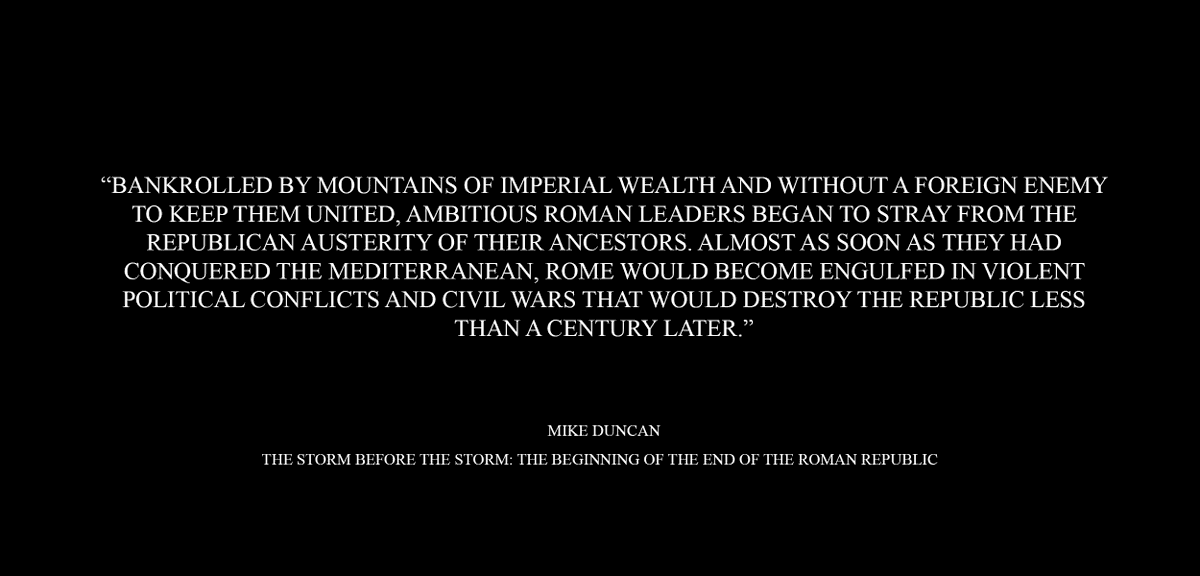
Rome's society became increasingly fragmented and divided, with the rich becoming more isolated from the poor. The empire was also plagued by internal conflict, with frequent wars between regional factions and power struggles among its leaders.
Rome's society became increasingly fragmented and divided, with the rich becoming more isolated from the poor. The empire was also plagued by internal conflict, with frequent wars between regional factions and power struggles among its leaders.
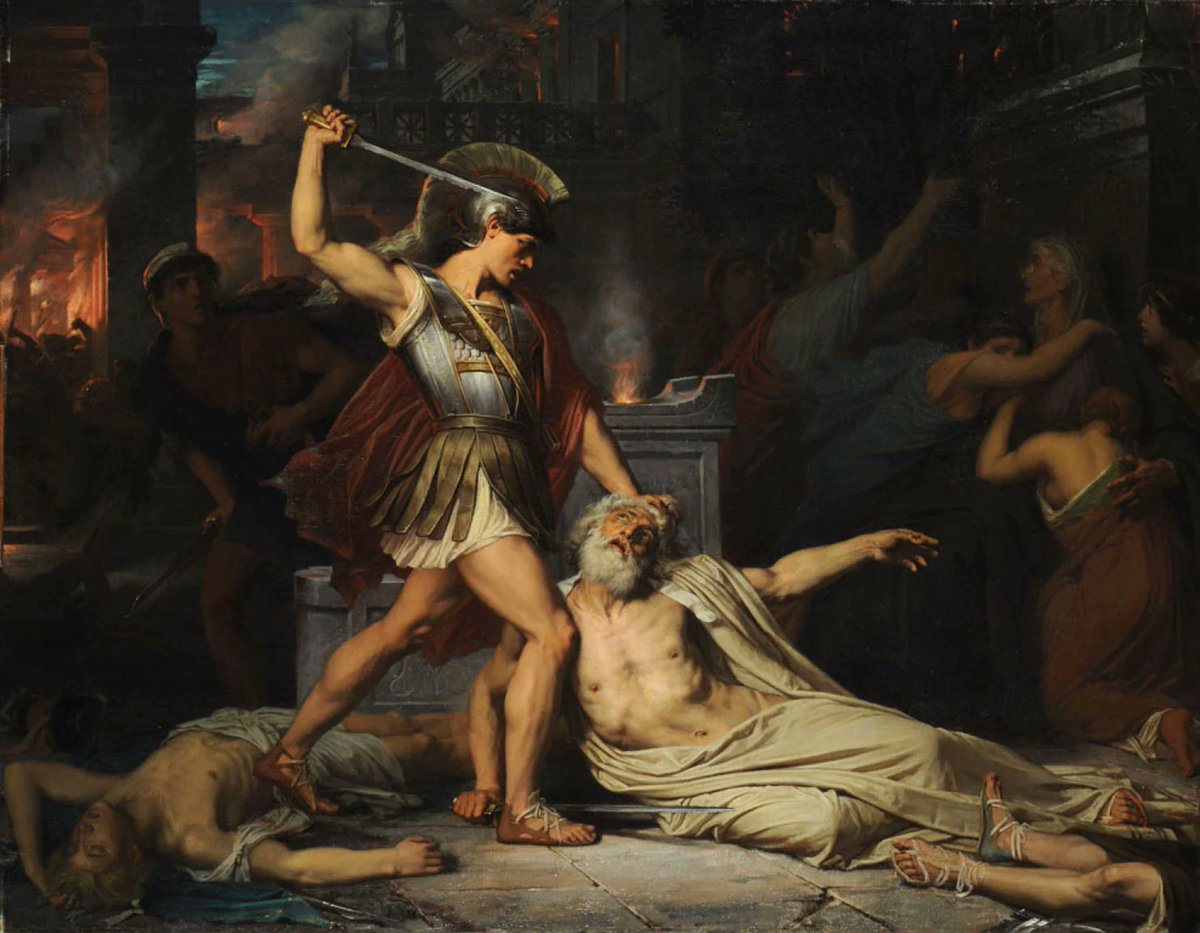
Social division ultimately weakened the unity of the empire, culminating in a civil war that would bring about its collapse.
#9 CRUMBLING INFRASTRUCTURE
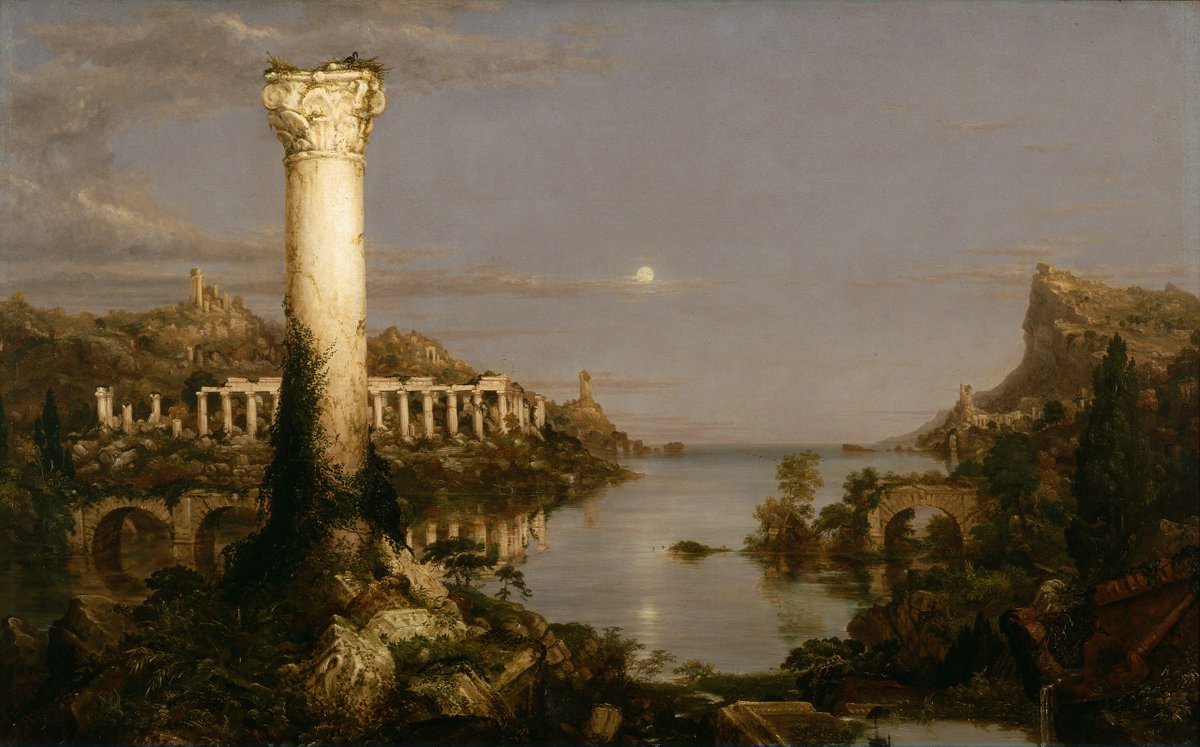
Rome's urban centers fell into disrepair and decay, with infrastructure such as roads, aqueducts, and public buildings becoming neglected and breaking down.
The standard of living declined and a loss of confidence in the government ensued.
Rome's urban centers fell into disrepair and decay, with infrastructure such as roads, aqueducts, and public buildings becoming neglected and breaking down.
The standard of living declined and a loss of confidence in the government ensued.
#10 ENVIRONMENTAL DEGRADATION
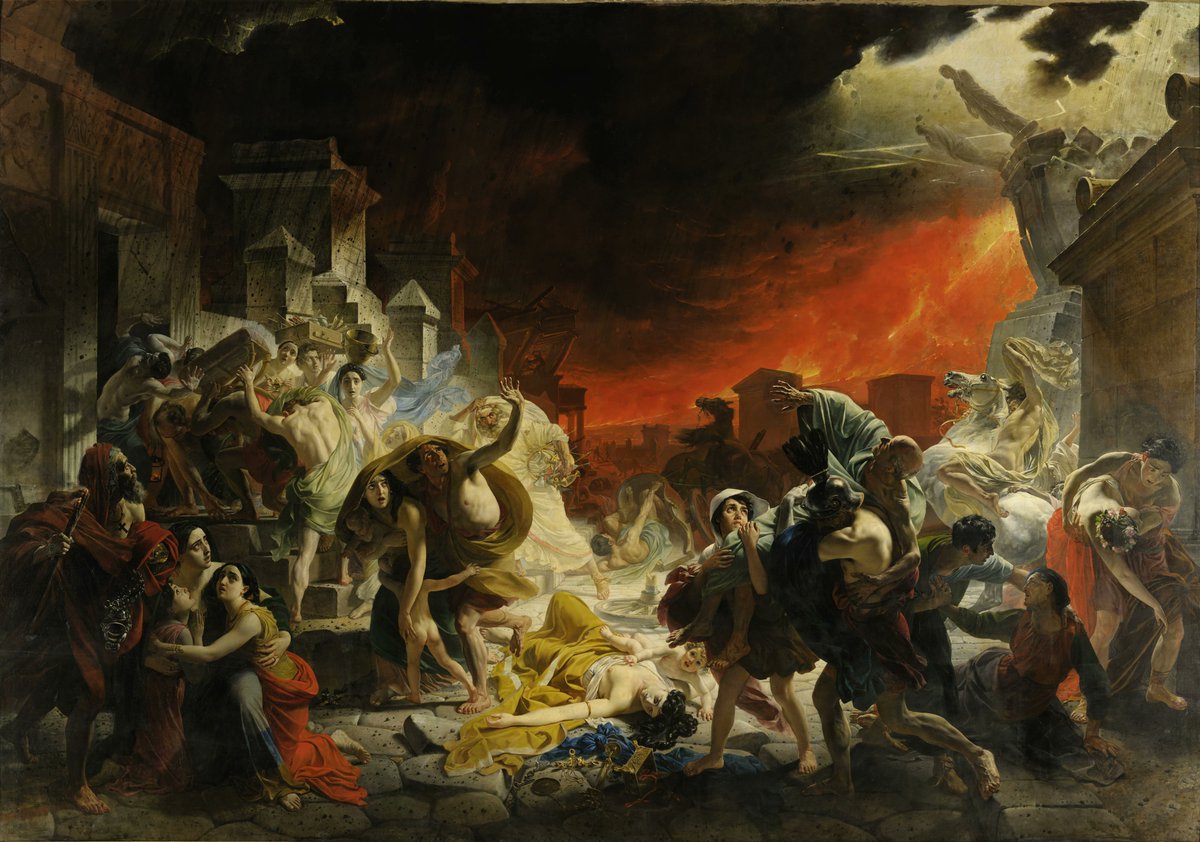
Environmental degradation played a role in the fall of Rome, as the overuse of resources led to soil depletion, deforestation, and other environmental problems.
Environmental degradation played a role in the fall of Rome, as the overuse of resources led to soil depletion, deforestation, and other environmental problems.
Ultimately, environmental degradation weakened the economy and reduced the ability of the state to maintain stability, as resources were scarce and the population struggled to make ends meet.
IF YOU ENJOYED THIS THREAD I WOULD APPRECIATE:
RT the FIRST tweet🔁 so others can read it
Follow me @RenaissanceVir for more content like this
Comment below with your opinions! Anything I missed?
Do you see any parallels to today?
RT the FIRST tweet🔁 so others can read it
Follow me @RenaissanceVir for more content like this
Comment below with your opinions! Anything I missed?
Do you see any parallels to today?
Loading suggestions...