

🧵 demonstrating a few basic errors that can be made when working with a Bovie.
Note: I won't try to cover all of the science of surgical energy devices, as Twitter threads do have their limits...
(1/ )
Note: I won't try to cover all of the science of surgical energy devices, as Twitter threads do have their limits...
(1/ )
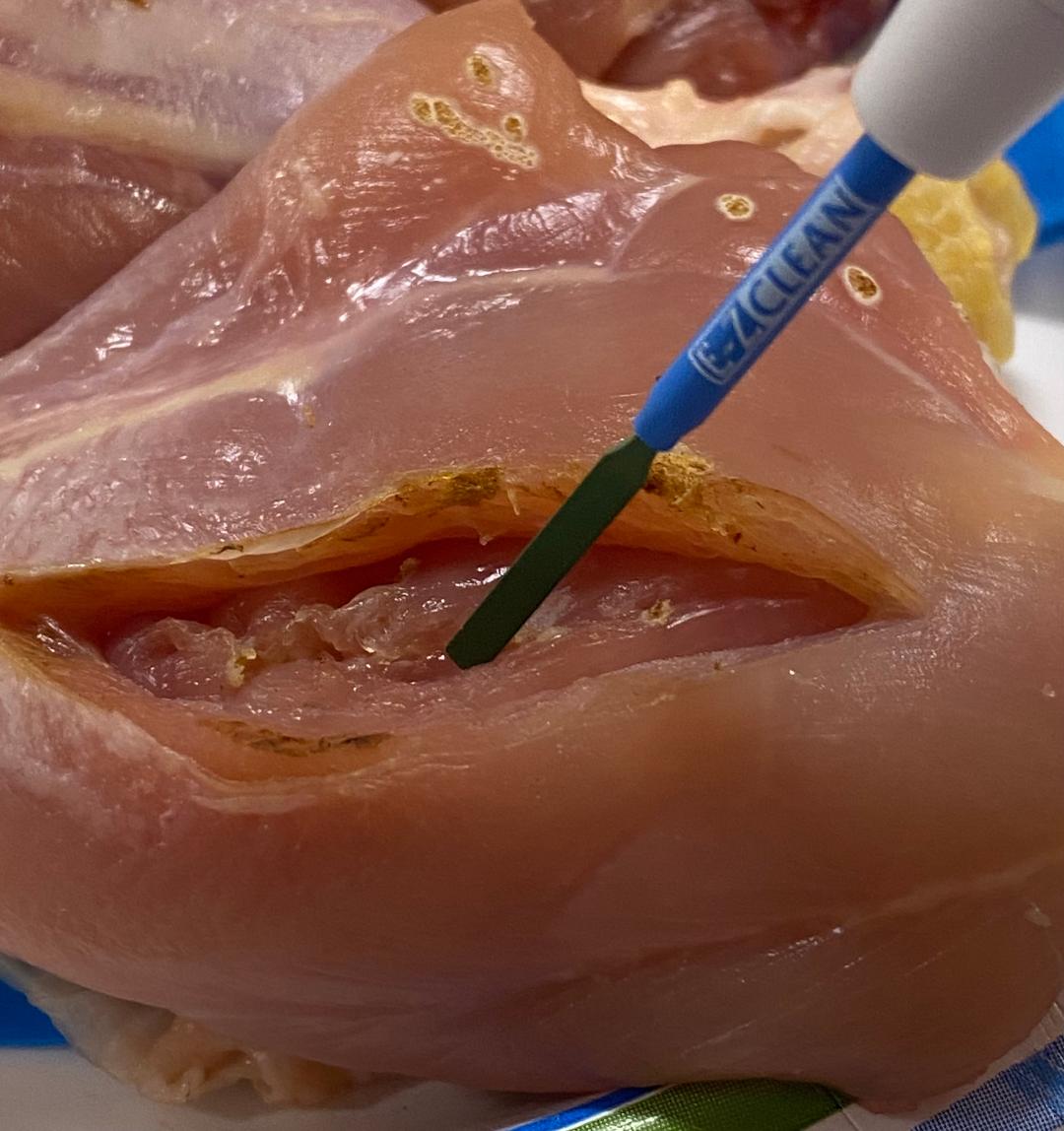
Briefly, we do need to recall that the Bovie handle is part of an electrical circuit.
The current flows through the (small) Bovie tip, through the patient, and the (large) blue pad. The size difference is the reason that tissue is cut at the Bovie tip, and not at the pad.
The current flows through the (small) Bovie tip, through the patient, and the (large) blue pad. The size difference is the reason that tissue is cut at the Bovie tip, and not at the pad.

'Shorting' is one of the most common errors.
Let's say the green oval is the area we want to cut, but the proximal part of the Bovie tip strikes the skin edge (yellow arrow).
Some of the current will be diverted there, and a 'short' occurs. The tissue there may be damaged.
Let's say the green oval is the area we want to cut, but the proximal part of the Bovie tip strikes the skin edge (yellow arrow).
Some of the current will be diverted there, and a 'short' occurs. The tissue there may be damaged.
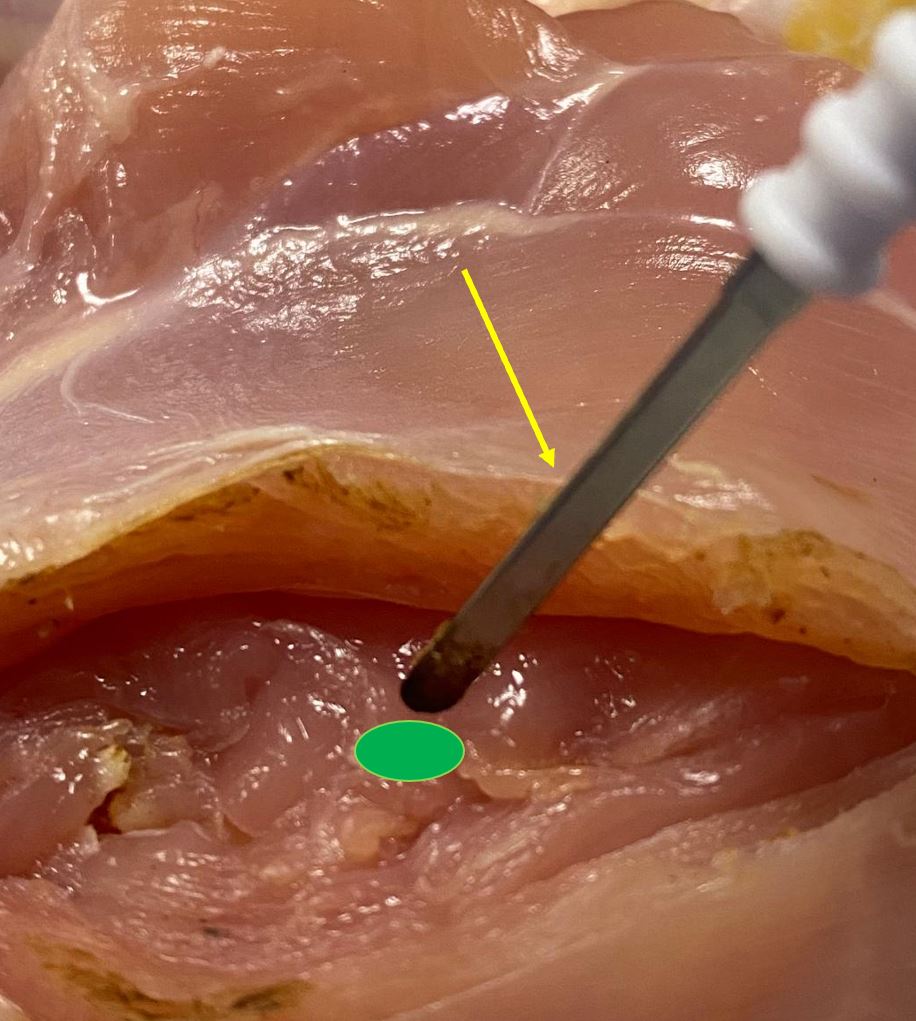
Here's a video showing 'shorting' of the Bovie against the skin.
Here you can see that I've cut the tissue I wanted to, but I have also unintentionally damaged the skin edge.
Here you can see that I've cut the tissue I wanted to, but I have also unintentionally damaged the skin edge.

It's also possible to 'short' the Bovie by accidentally touching a nearby metallic instrument.
Here I am trying to divide some tissue, and you can probably predict that I'm going to hit that Weitlaner by mistake...
Here I am trying to divide some tissue, and you can probably predict that I'm going to hit that Weitlaner by mistake...
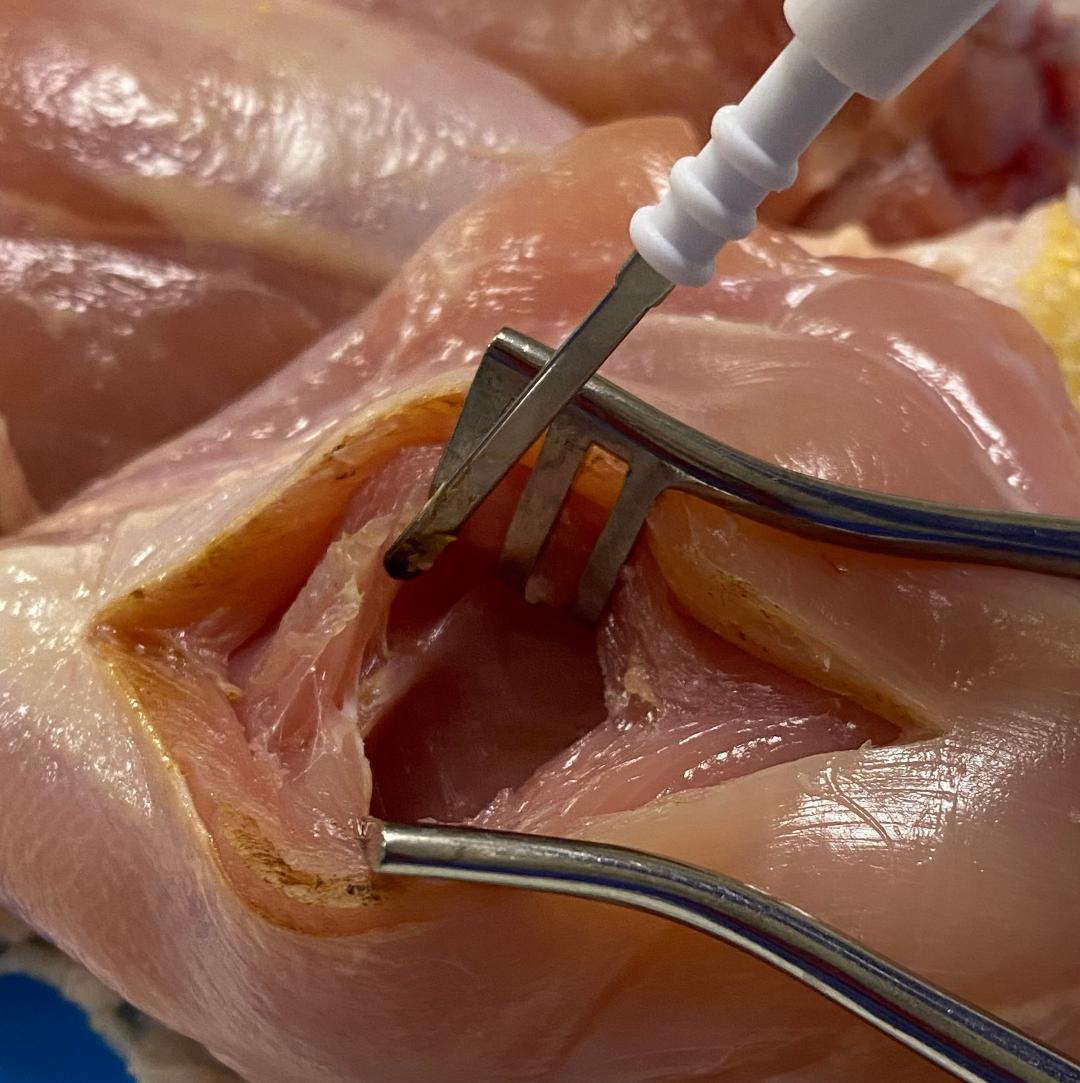
And here's the video of me 'shorting' against the Weitlaner.
You can see a little sparking there. Most of the current goes through the comparatively large Weitlaner, and the tissue that I was trying to divide is minimally affected.
You can see a little sparking there. Most of the current goes through the comparatively large Weitlaner, and the tissue that I was trying to divide is minimally affected.

Remember that when you are dividing tissue with the Bovie, you are generally supposed to use the tip only.
If you bury the tip too far into the tissue, you get something called 'past pointing', which can damage underlying tissues.
If you bury the tip too far into the tissue, you get something called 'past pointing', which can damage underlying tissues.
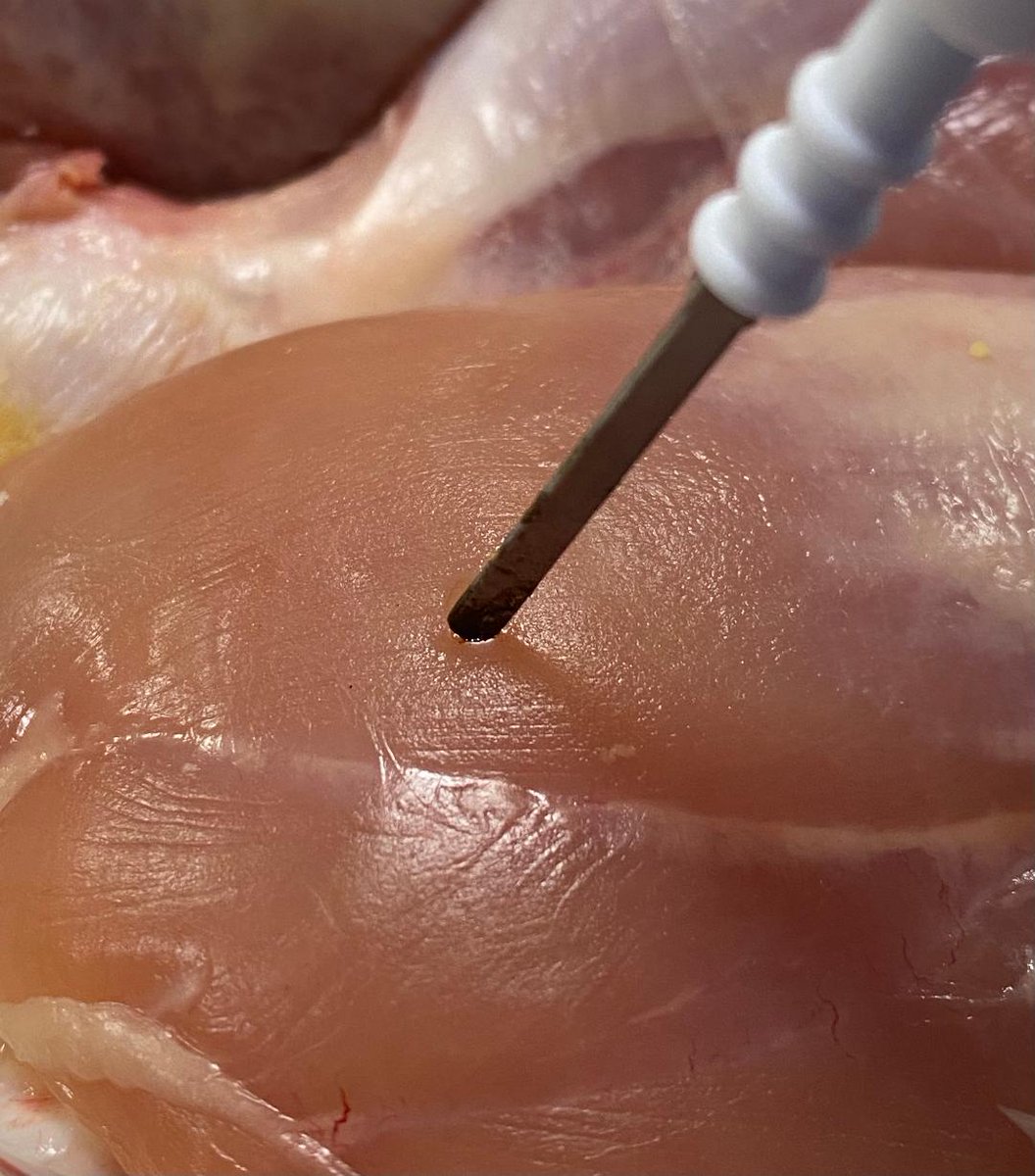
This is an example of 'past pointing'.
I'm digging into the tissue farther than I should, and depending on where I am, I may be at risk of damaging something important underneath.
I'm digging into the tissue farther than I should, and depending on where I am, I may be at risk of damaging something important underneath.

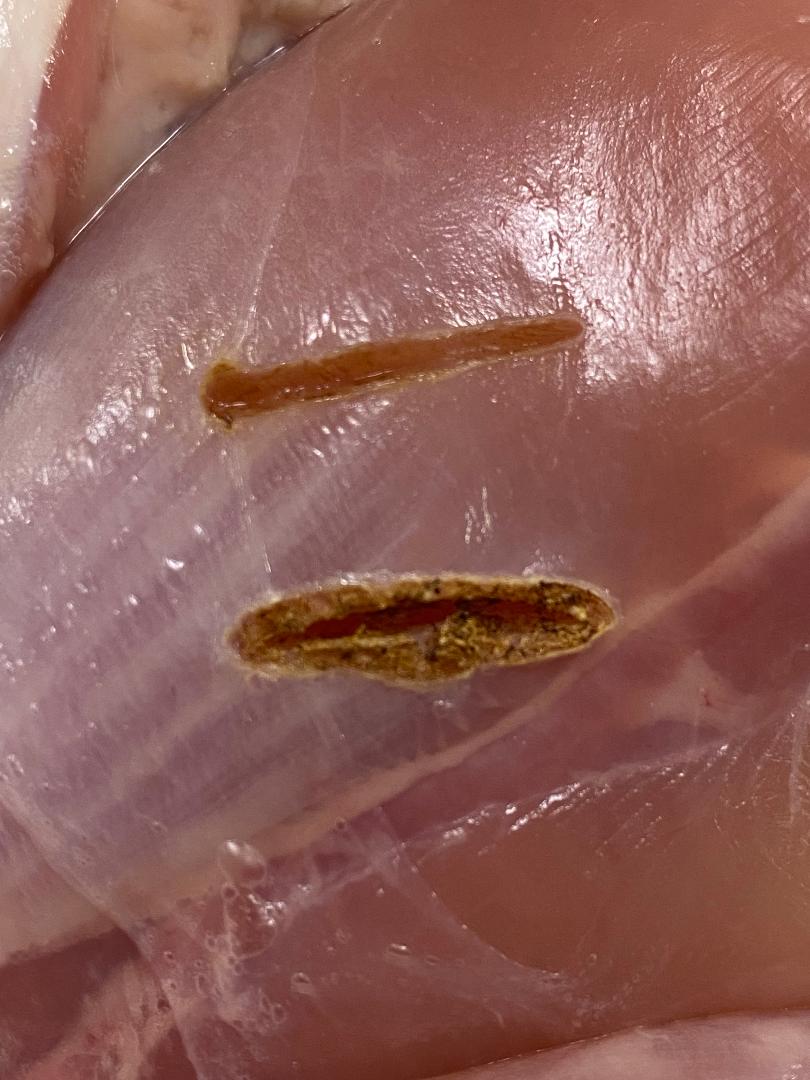
Here is the tissue after I have past-pointed. Certainly the tissue was divided at a level that was deeper than what I could directly see at the time.
If you're just in the subcutaneous tissue, you may get away with this. If you're in a body cavity, maybe not.
If you're just in the subcutaneous tissue, you may get away with this. If you're in a body cavity, maybe not.
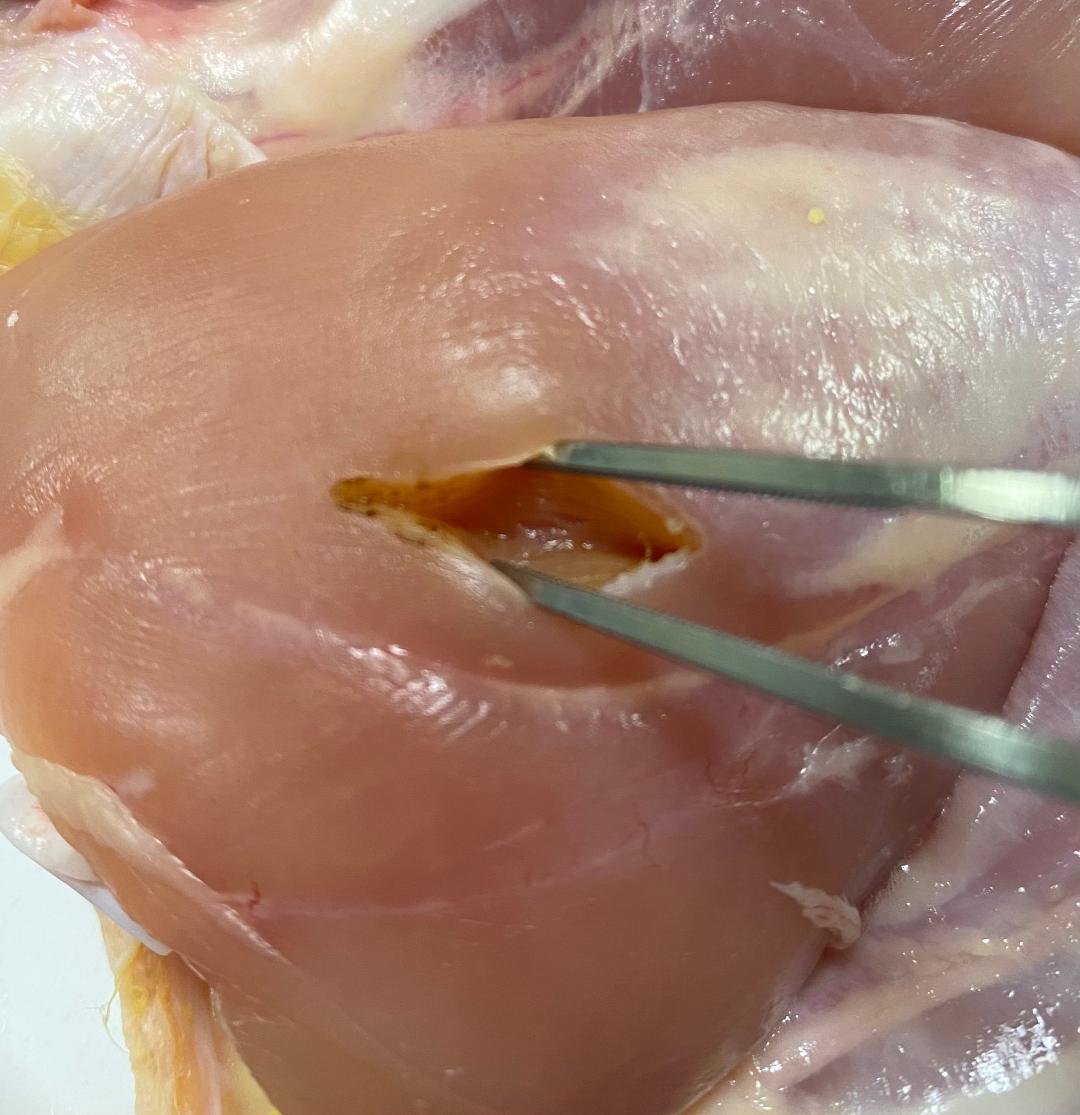
Of note, there are 'insulated' Bovie tips in which a portion of the metal is covered.
The insulated tip makes it less likely that the surgeon will commit the errors of 'shorting' or 'past-pointing'.
The insulated tip makes it less likely that the surgeon will commit the errors of 'shorting' or 'past-pointing'.
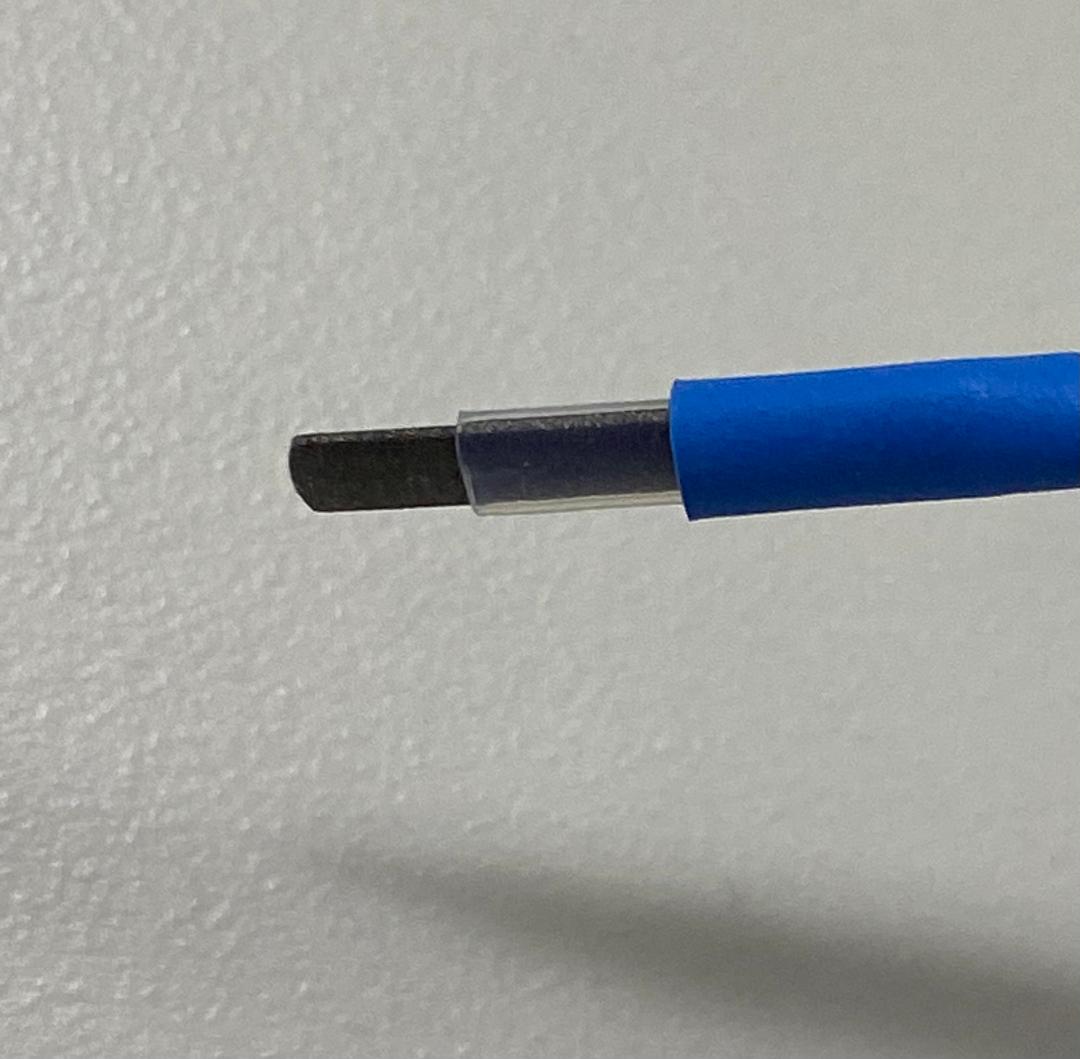
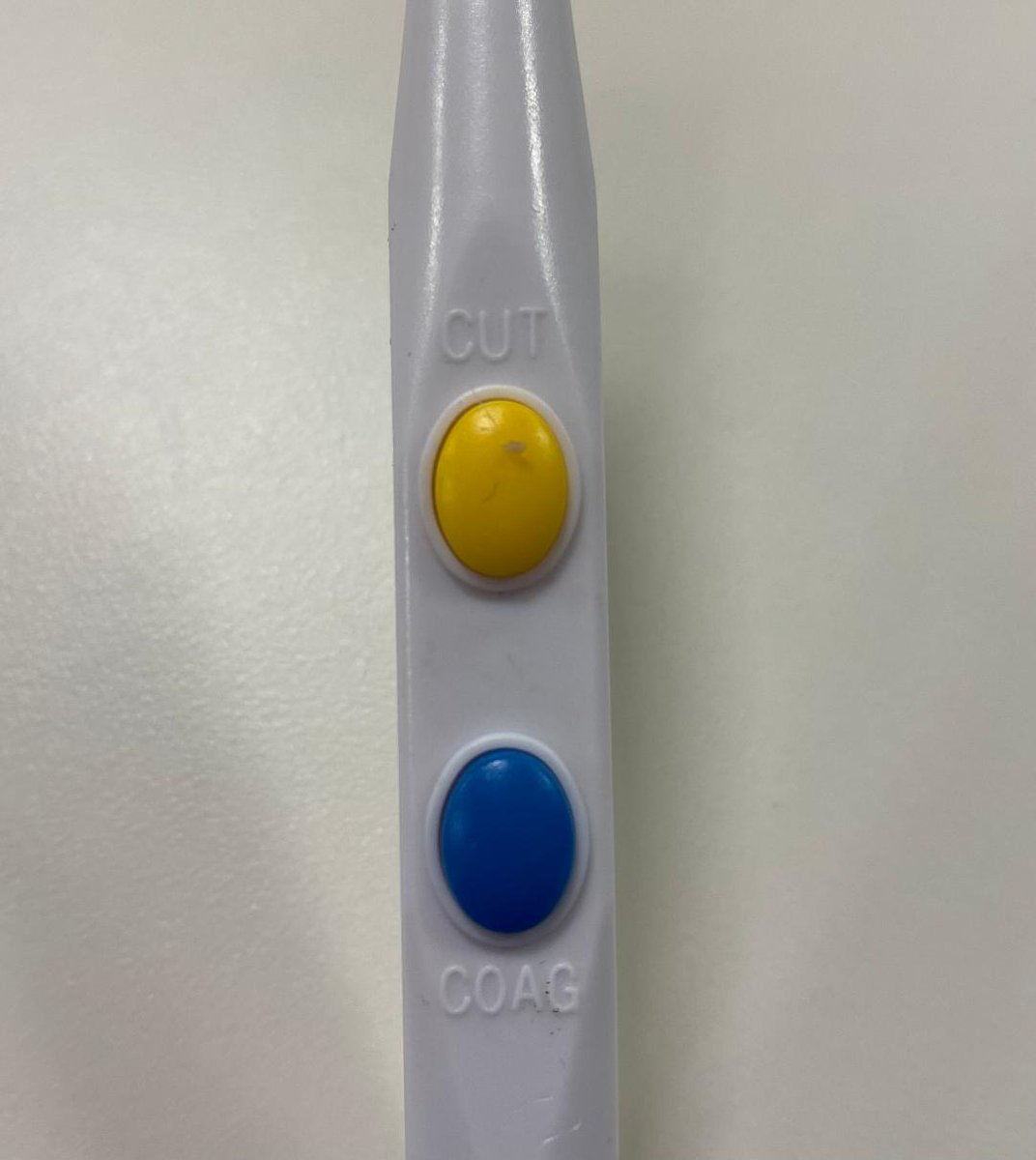
It's actually a bit of a misnomer that the yellow and blue buttons are called 'cut' and 'coag', especially since the yellow 'cut' button produces a waveform that probably coagulates vessels better than the 'coag' button does.
But that goes way beyond the scope of this 🧵...
But that goes way beyond the scope of this 🧵...
If you are interested in learning more about the Bovie, and about other surgical energy devices, @SAGES_Updates offers the FUSE (Fundamental Use of Surgical Energy) course (and testing can be done in Montreal, I believe).
fusedidactic.org
⬛️
fusedidactic.org
⬛️
Addendum:
The prior link works only from a desktop computer. More phone-friendly information can be found here:
sages.org
The prior link works only from a desktop computer. More phone-friendly information can be found here:
sages.org
Addendum #2:
Apologies to @alrodg for any terminology errors… I have avoided the terms ‘cautery’ (which it isn’t) and ‘grounding pad’ (which it isn’t), though I did use the term ‘Bovie’ due to the sheer pervasiveness and familiarity of the word 😬.
Apologies to @alrodg for any terminology errors… I have avoided the terms ‘cautery’ (which it isn’t) and ‘grounding pad’ (which it isn’t), though I did use the term ‘Bovie’ due to the sheer pervasiveness and familiarity of the word 😬.
Loading suggestions...