

Franz Liszt was the world's first Rockstar.
Women put his cigarette butts in their cleavage.
Men stood by with looks of jealousy.
So, what was so special about this piano legend?
Women put his cigarette butts in their cleavage.
Men stood by with looks of jealousy.
So, what was so special about this piano legend?
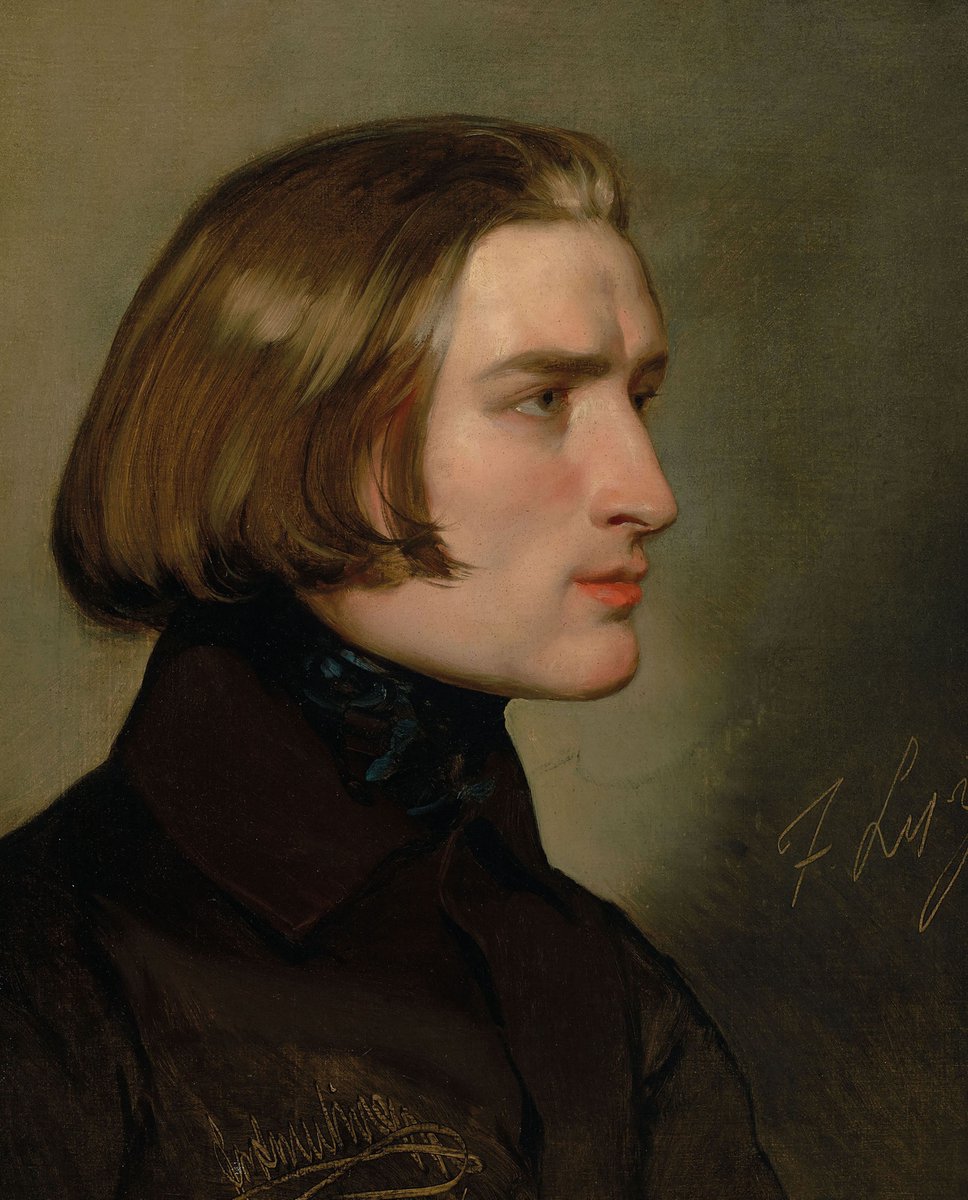
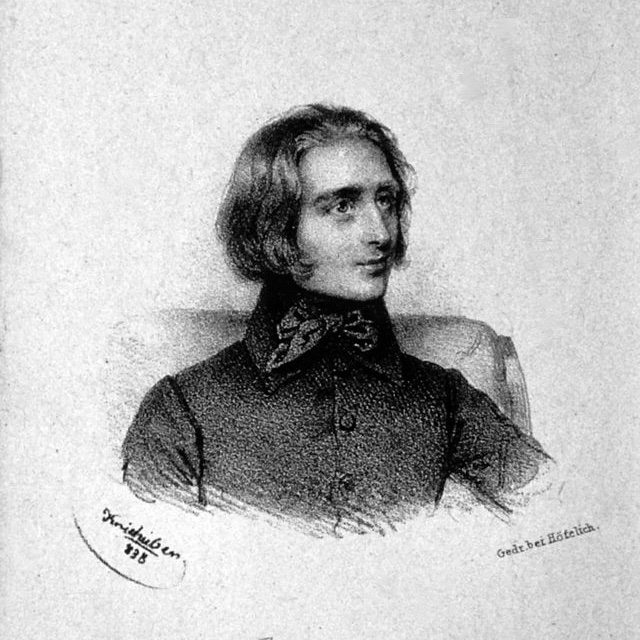
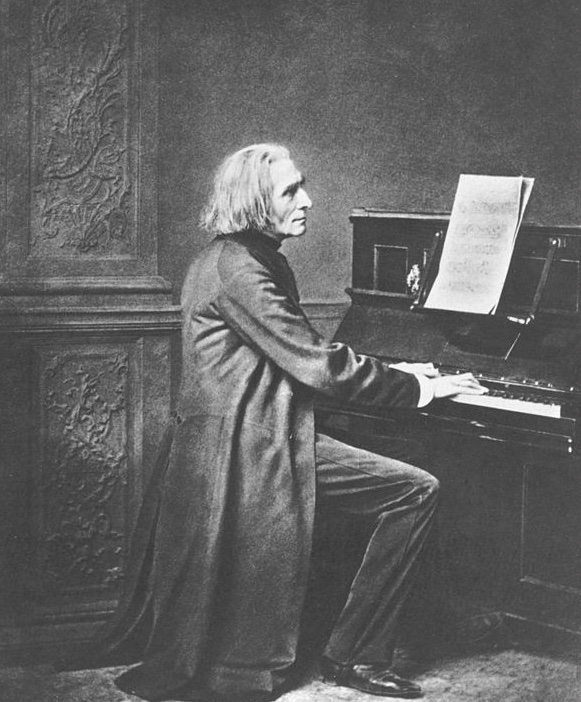
First of all, he met the rock and roll hair requirement.
Throughout Liszt's career, he kept a distinct haircut - long and straight.
Throughout Liszt's career, he kept a distinct haircut - long and straight.
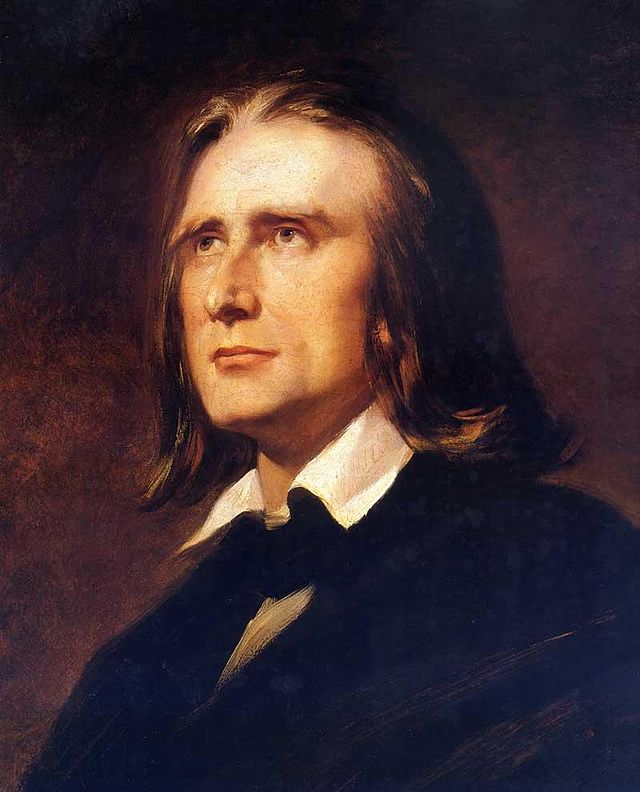
Like many famous musicians from the past, Liszt was considered a prodigy from a young age.
He produced his first composition at the age of 8.
And at 9, he gave his first public performance.
He produced his first composition at the age of 8.
And at 9, he gave his first public performance.
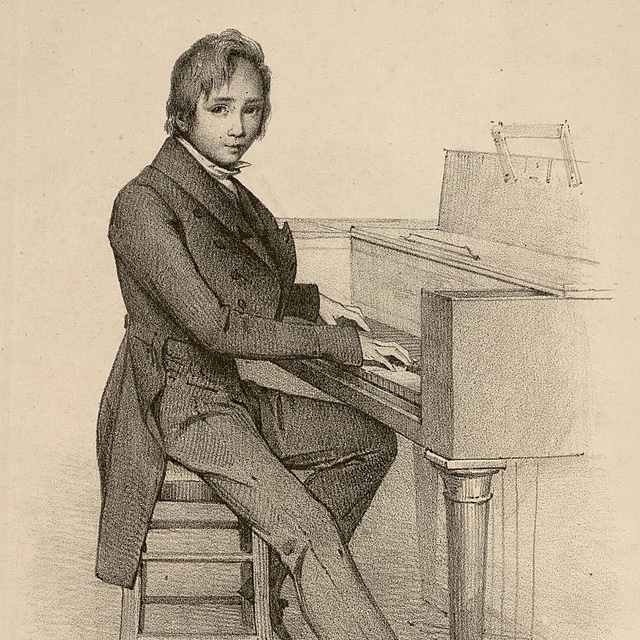
The Hungarian magnates in Sopron and Pozsony (now Bratislava, Slovakia) were so amazed by Liszt's piano concert that they funded his musical education.
Things were looking promising for the young boy.
Things were looking promising for the young boy.
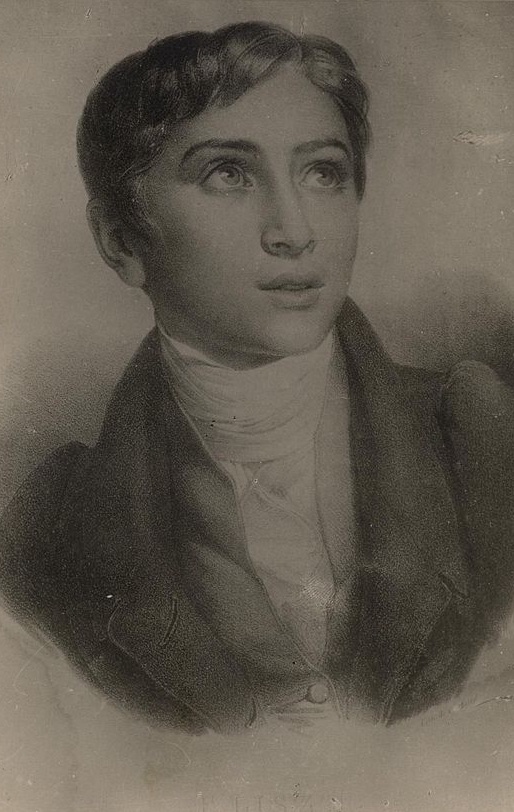
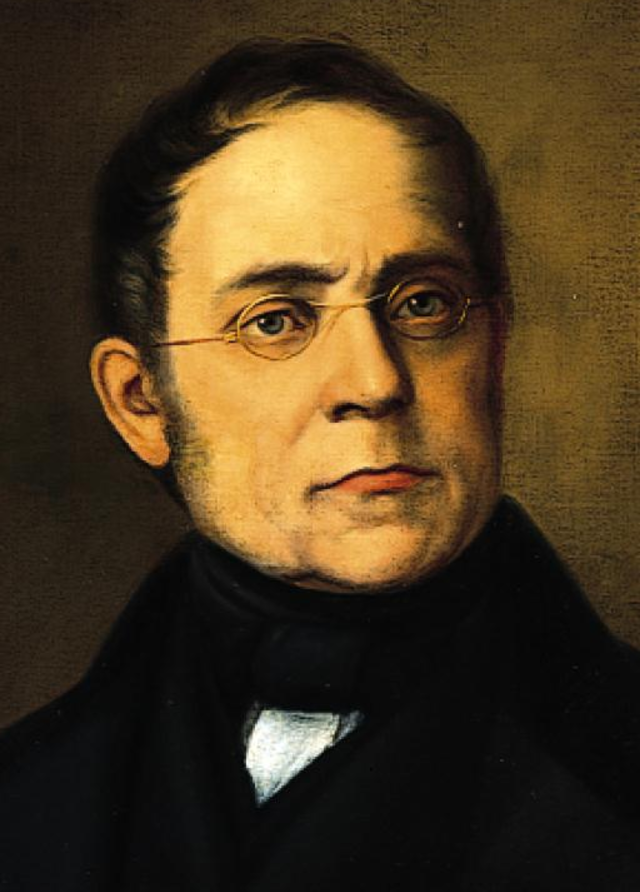
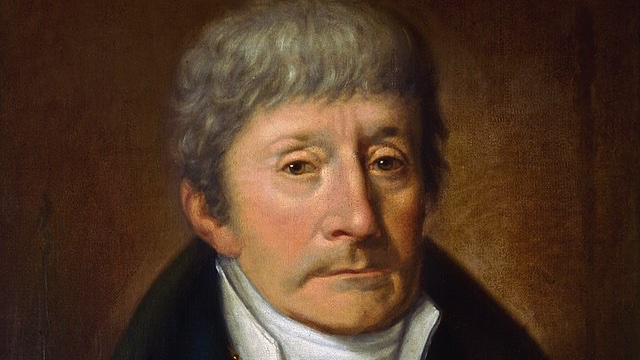
In the 1820s, he studied under three people of note:
- Carl Czerny, a pianist and pupil of Ludwig van Beethoven
- Anton Reicha, a theorist and pupil of Joseph Haydn
- Antonio Salieri, Mozart's musical archnemesis
- Carl Czerny, a pianist and pupil of Ludwig van Beethoven
- Anton Reicha, a theorist and pupil of Joseph Haydn
- Antonio Salieri, Mozart's musical archnemesis

Although Liszt's early works were a sensation and he got the chance to perform in front of illustrious crowds, he would part from music.
After touring France, Switzerland, and England in 1826, he would suffer an episode of nervous exhaustion forcing him into a period of rest.
After touring France, Switzerland, and England in 1826, he would suffer an episode of nervous exhaustion forcing him into a period of rest.
When he fell ill, he expressed a desire to become a priest.
His father continued to push him toward music though in an effort to see his musical talents not be squandered.
While the two fought over young Liszt's career choices, the father died of typhoid fever.
His father continued to push him toward music though in an effort to see his musical talents not be squandered.
While the two fought over young Liszt's career choices, the father died of typhoid fever.
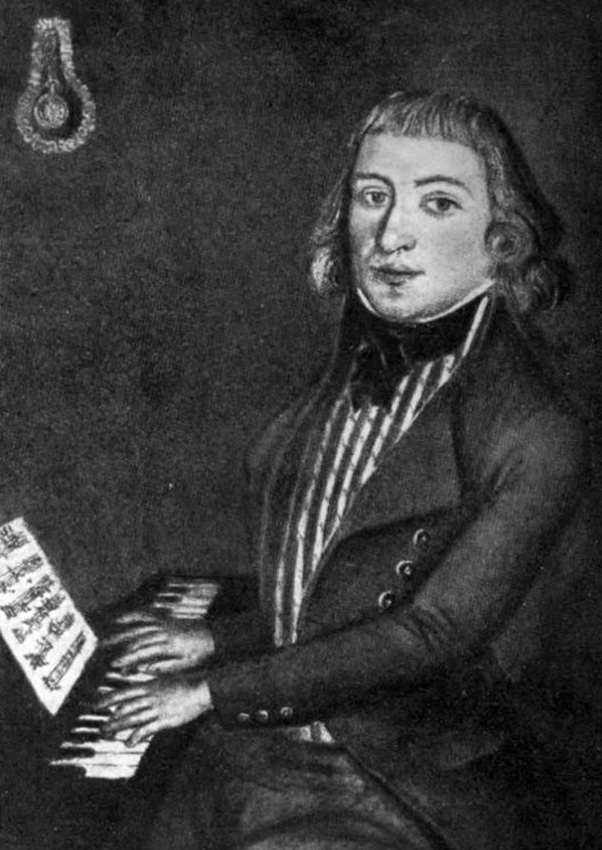
To make matters worse, Liszt had fallen in love with his piano student.
No, it's nothing weird...
She was 17 and he was 16, but the relationship was denied by the girl's father.
No, it's nothing weird...
She was 17 and he was 16, but the relationship was denied by the girl's father.
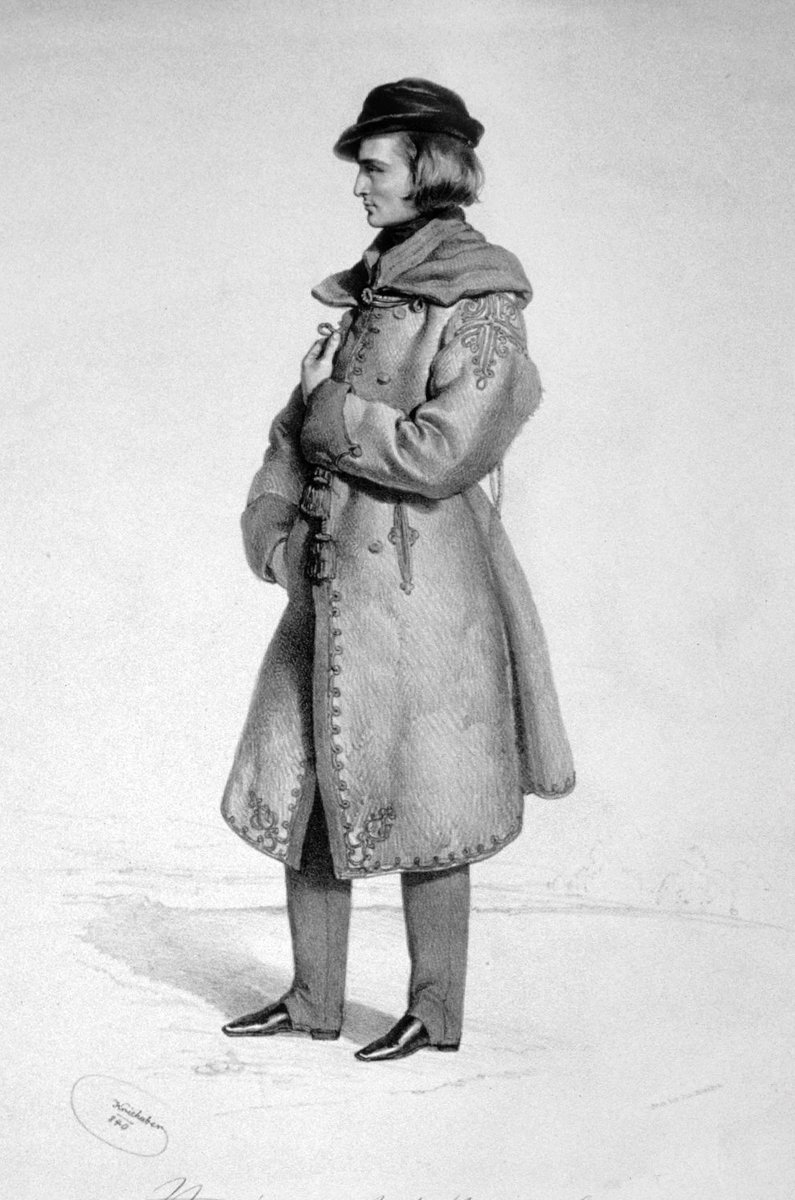
With his father's death and his broken heart, Liszt grew incredibly ill.
He turned away from the "spotlight" and focused on his general education, which he felt he had missed out on due to his focus on music.
He would speak with artists from other disciplines like Victor Hugo.
He turned away from the "spotlight" and focused on his general education, which he felt he had missed out on due to his focus on music.
He would speak with artists from other disciplines like Victor Hugo.

This break from music didn't last too long though...
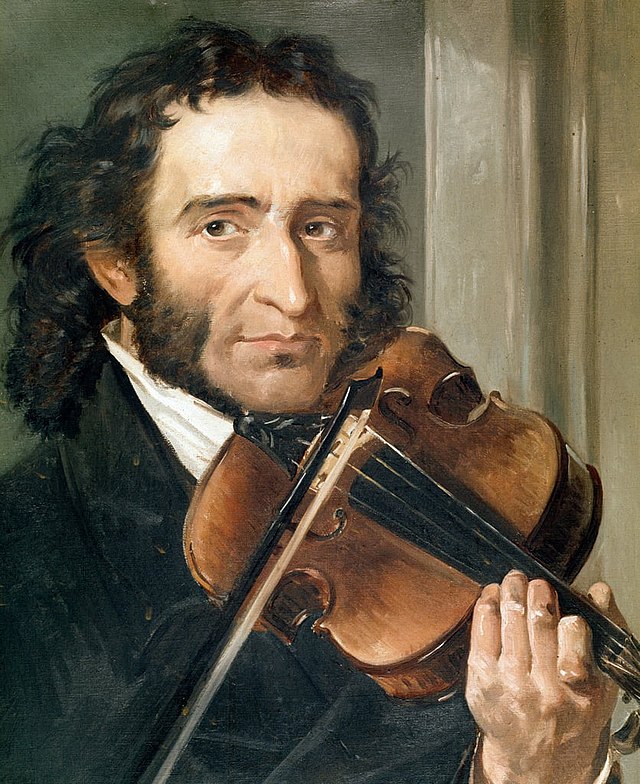
In 1831, he heard Niccolò Paganini's fantastic violin pieces and he was inspired to master music, but through the piano.
He also met Frédéric Chopin during this same time and was heavily influenced by his poetic style.
In 1831, he heard Niccolò Paganini's fantastic violin pieces and he was inspired to master music, but through the piano.
He also met Frédéric Chopin during this same time and was heavily influenced by his poetic style.
Throughout the next decade, Liszt would sharpen his skills and grow his popularity steadily.
He focused on connecting his mode of art, which was music, to other art forms, like poetry.
He focused on connecting his mode of art, which was music, to other art forms, like poetry.
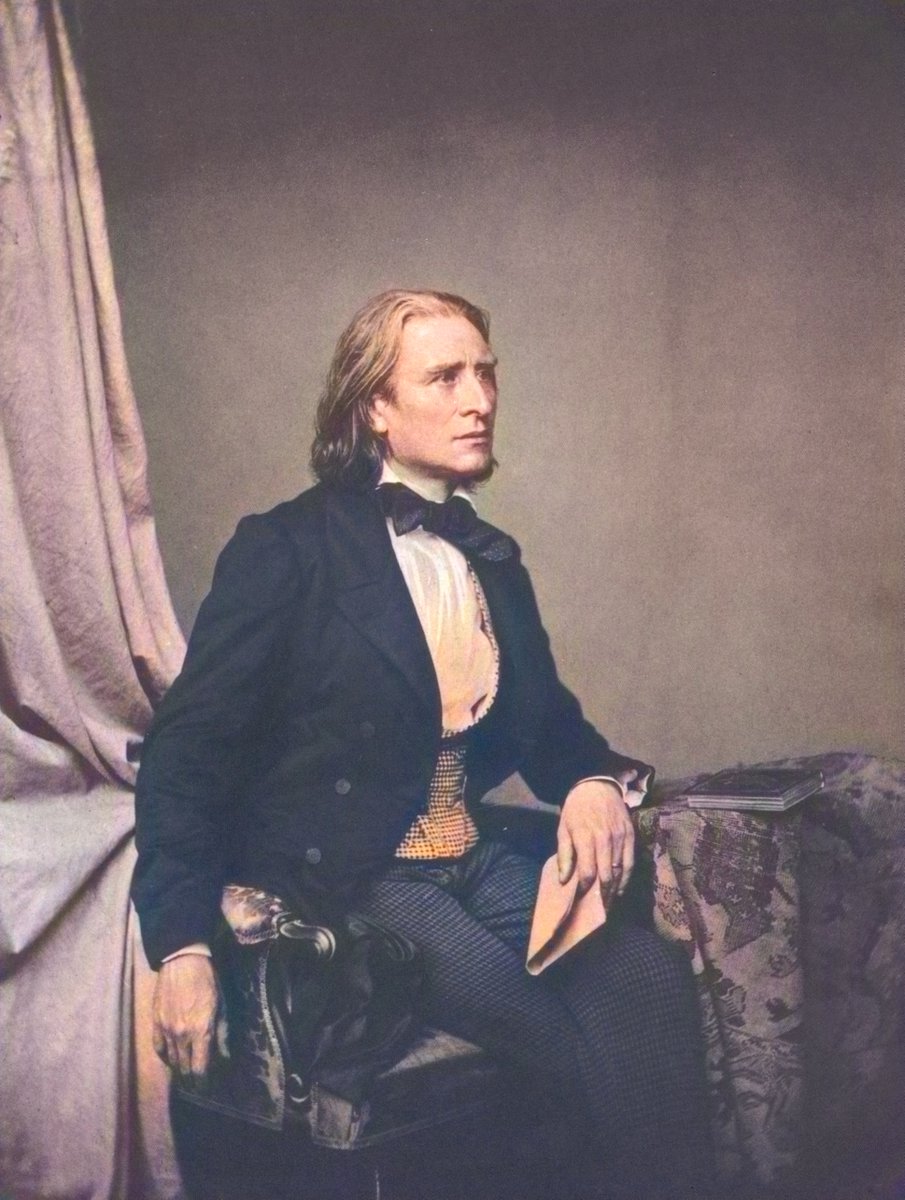
He invented the symphonic poem, a single-movement work intended to convey a literary idea.
This was a controversial move.
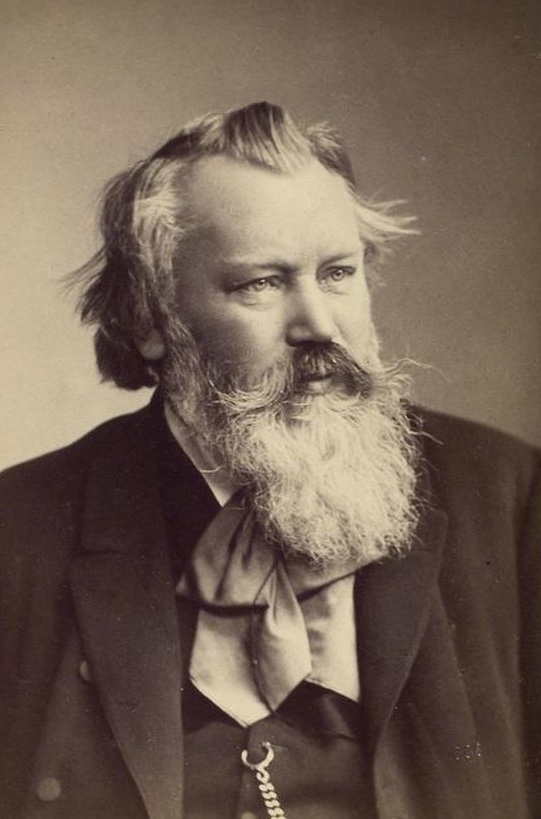
Individuals such as Brahms and his followers detested this departure from pure music.
This was a controversial move.
Individuals such as Brahms and his followers detested this departure from pure music.
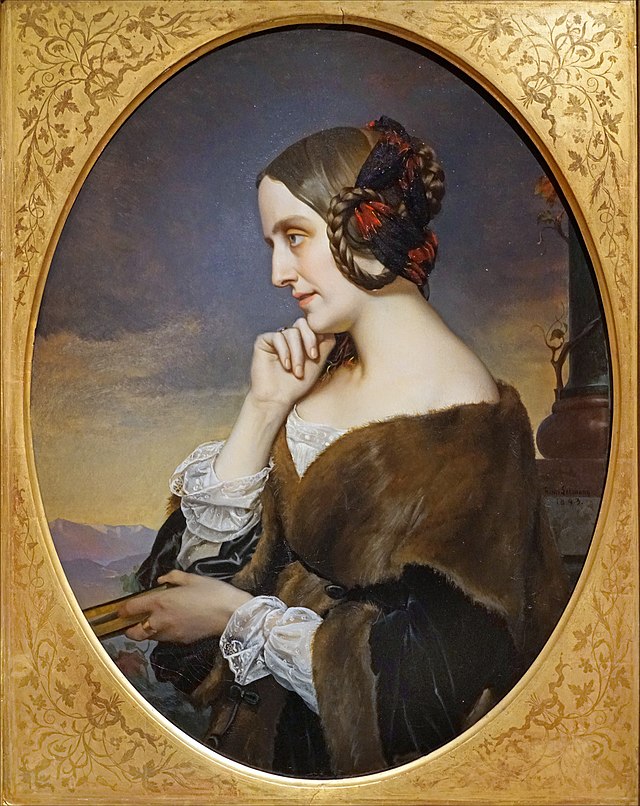
He had met another woman named Marie de Flavigny in 1835 and had a couple of kids with her.
The relationship was draining for Liszt though and they separated in 1844.
It was after this separation that Liszt reached rockstar status.
The relationship was draining for Liszt though and they separated in 1844.
It was after this separation that Liszt reached rockstar status.
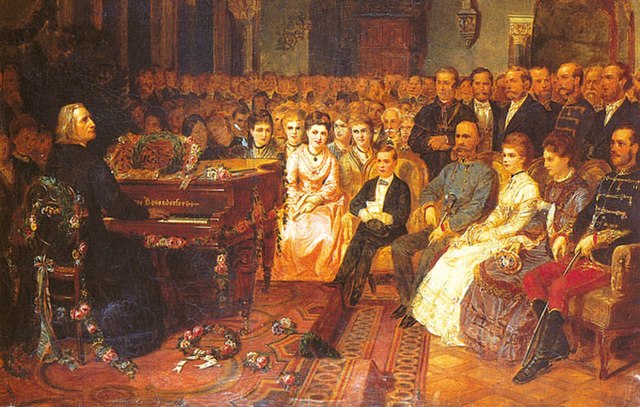
During the 1840s he traveled all throughout Europe, giving 3-4 performances a week.
And in an 8-year time span, he had given over 1000 performances...
The primary reason that Liszt is still remembered today is because of the work he did during this period.
And in an 8-year time span, he had given over 1000 performances...
The primary reason that Liszt is still remembered today is because of the work he did during this period.
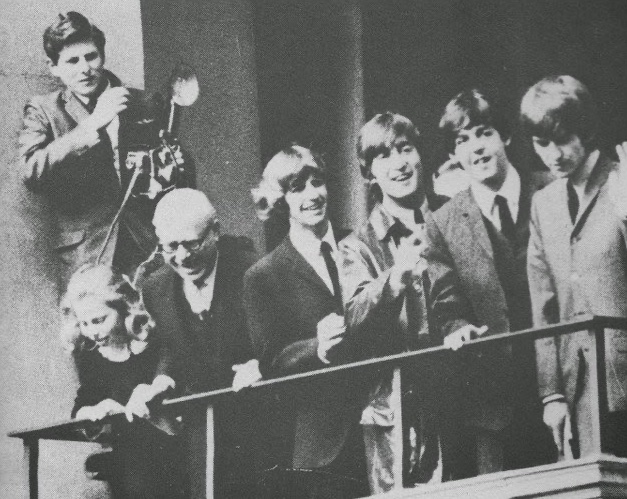
Before "Beatlemania" in the 1960s, there was "Lisztomania" nearly a century earlier.
A term coined by the highly regarded journalist Heinrich Heine in an 1844 article written about the upcoming concert season in Paris.
A term coined by the highly regarded journalist Heinrich Heine in an 1844 article written about the upcoming concert season in Paris.
Women would fight over his handkerchiefs and velvet gloves - tearing them to shreds.
And the females supposedly fainted and swooned during his performances.
The most accurate comparison of Liszt's cultural impact would be that of Elvis, the Beatles are close too though.
And the females supposedly fainted and swooned during his performances.
The most accurate comparison of Liszt's cultural impact would be that of Elvis, the Beatles are close too though.
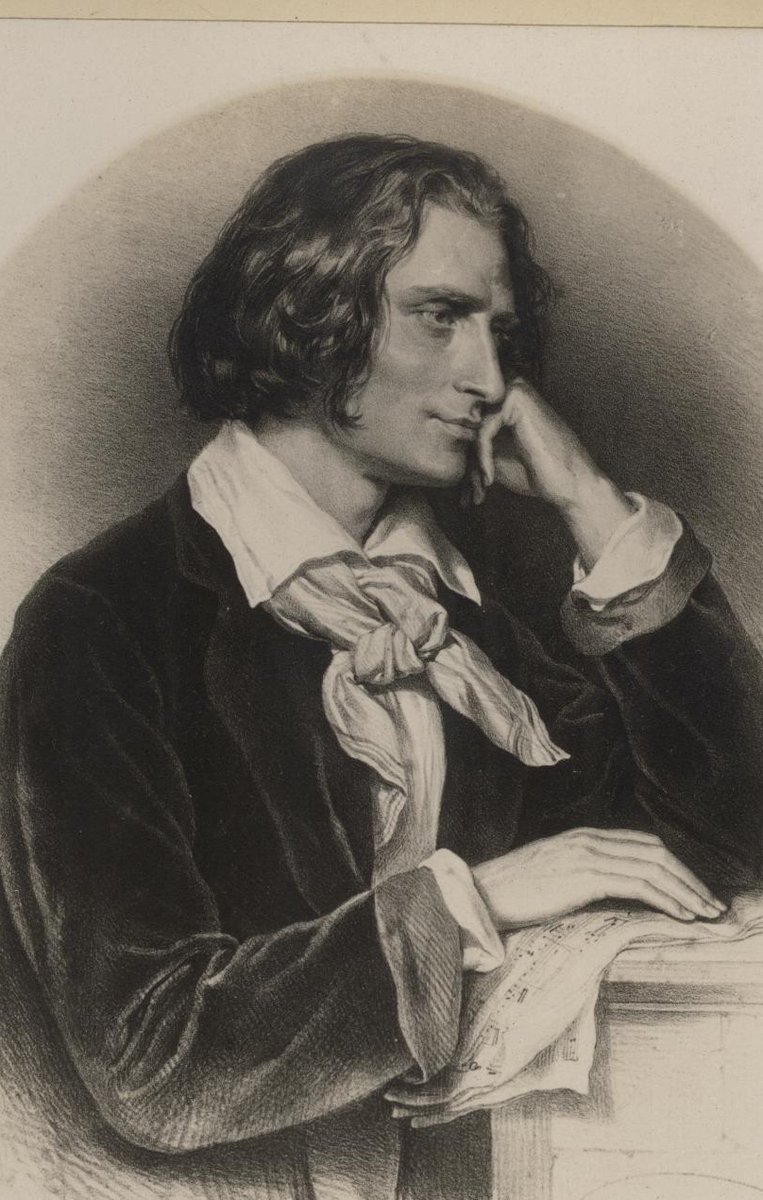
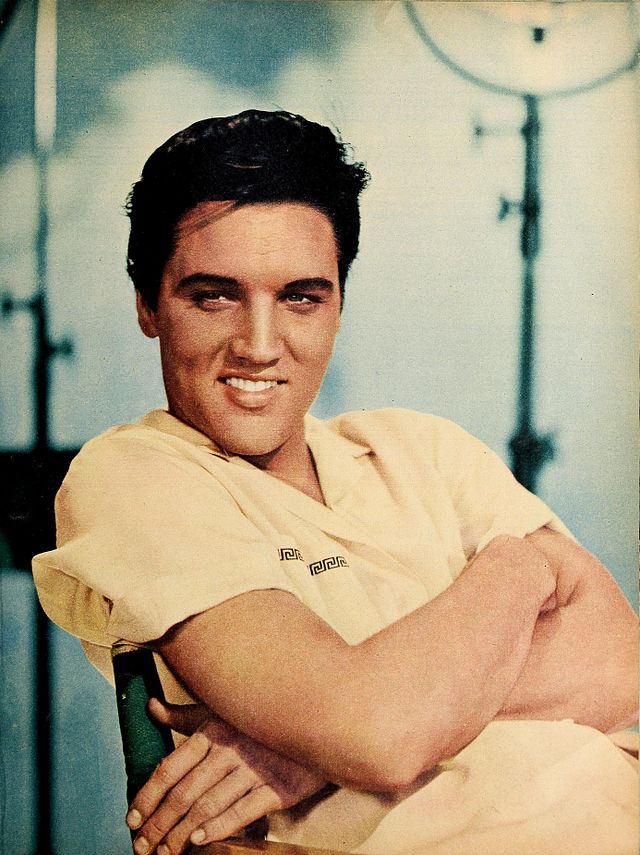
Through Liszt's skills, charisma, stage presence, and looks, he "raised the audiences to a level of mystical ecstasy."
He appealed to the public in ways that no other musician before him had managed.
He was also the first person to perform a solo piano performance.
He appealed to the public in ways that no other musician before him had managed.
He was also the first person to perform a solo piano performance.
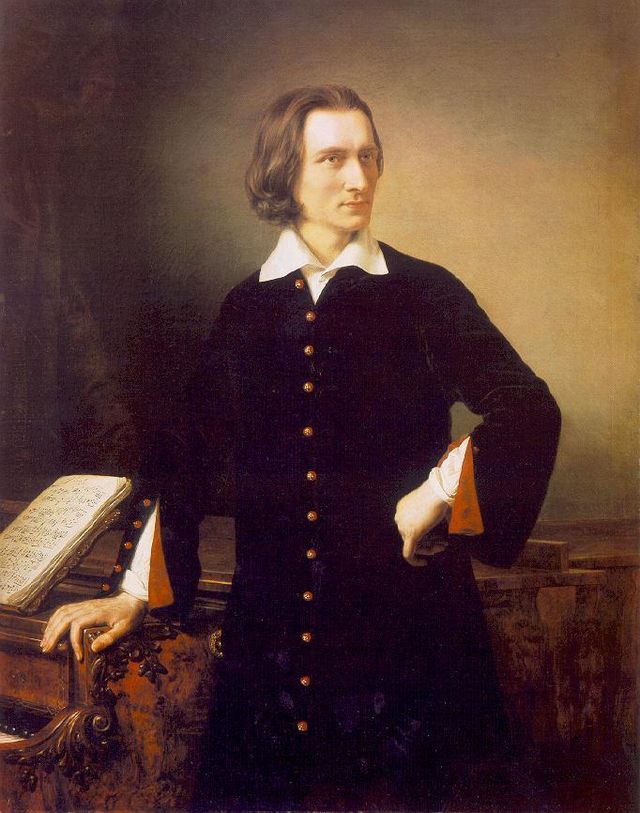
Liszt even invented the term "recital."
He would do all sorts of unique things, like angling the piano so the audience could see his face and hands or even playing on multiple pianos at once.
He would do all sorts of unique things, like angling the piano so the audience could see his face and hands or even playing on multiple pianos at once.
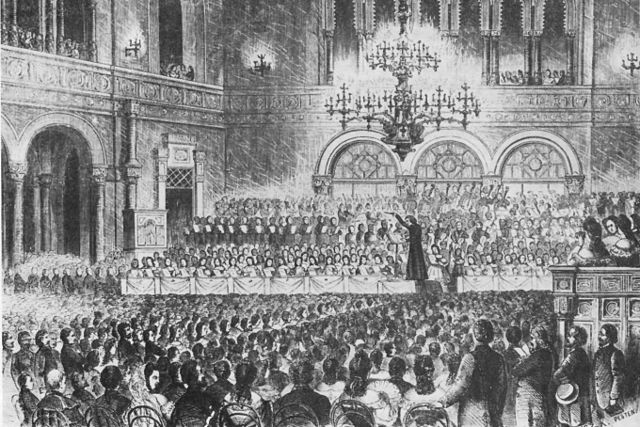
He was a legend.
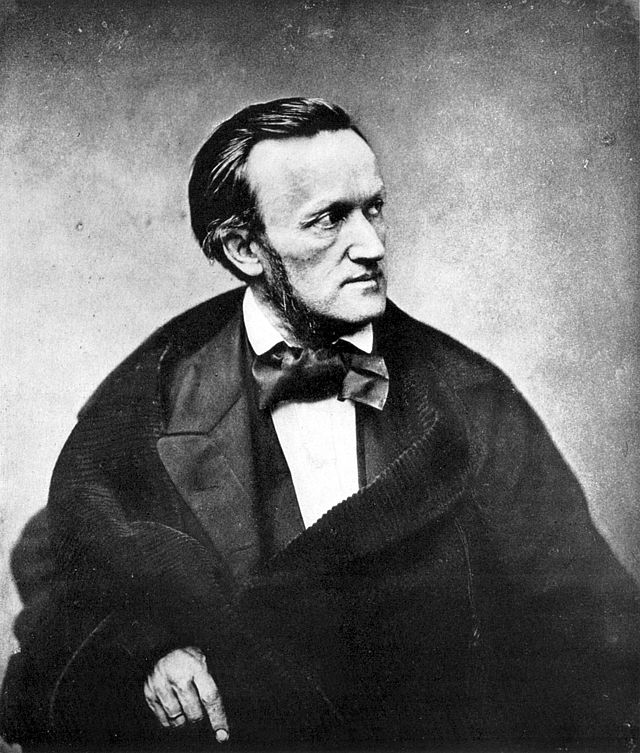
These are the words of the famous musician Richard Wagner:
"I feel thoroughly contemptible as a musician, whereas you, as I have now convinced myself, are the greatest musician of all times."
Quite the statement...
These are the words of the famous musician Richard Wagner:
"I feel thoroughly contemptible as a musician, whereas you, as I have now convinced myself, are the greatest musician of all times."
Quite the statement...
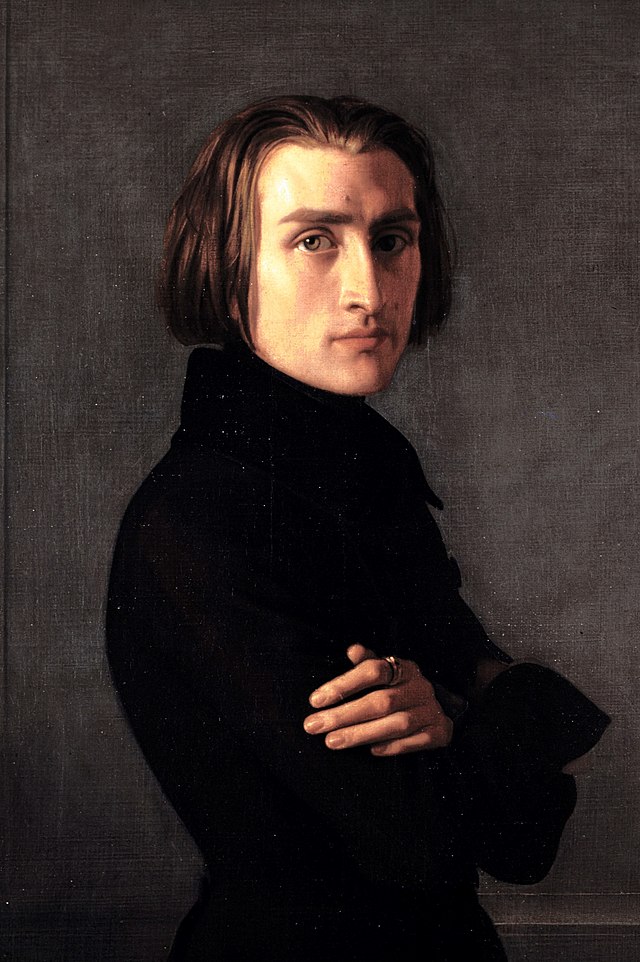
We will cover more of Liszt's life later on, but for now, what's the important takeaway from these anecdotes?

The idea playing out in Liszt's epic life is the whole originality/competition concept.
Essentially the more you tap into your own unique originality, the farther you move away from the competition.
Essentially the more you tap into your own unique originality, the farther you move away from the competition.
@naval has touched on this:
"You can escape competition through authenticity when you realize that no one can compete with you on being you."
"What the world craves is Authenticity."
"When we see the truth in a person, we call it authenticity."
"You can escape competition through authenticity when you realize that no one can compete with you on being you."
"What the world craves is Authenticity."
"When we see the truth in a person, we call it authenticity."

Liszt is a prime example of this.
He did not stay on the beaten path but instead challenged the music world.
He leaned on his own unique approaches and strange modes of doing things.
And it paid off - literally.
He did not stay on the beaten path but instead challenged the music world.
He leaned on his own unique approaches and strange modes of doing things.
And it paid off - literally.
Loading suggestions...