

A brief History of Andamans :
The Andaman & Nicobar Islands, which is Union Territory of India , is a group of islands at the junction of Bay of Bengal and the Andaman Sea . A long 🧵
The Andaman & Nicobar Islands, which is Union Territory of India , is a group of islands at the junction of Bay of Bengal and the Andaman Sea . A long 🧵

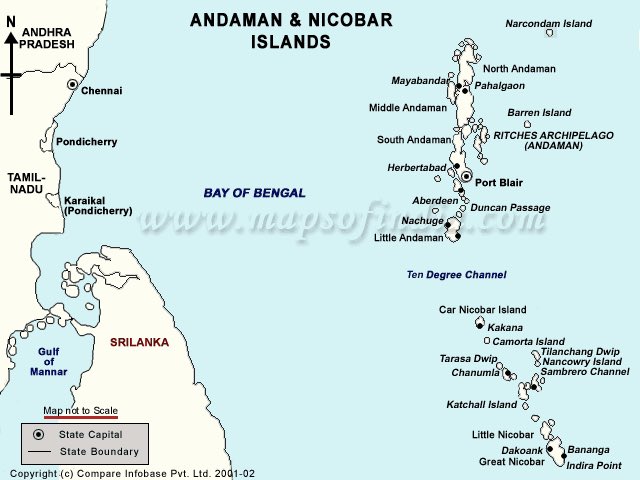
The Islands comprise two groups, the Andaman Islands & Nicobar Islands, separated by the 10° N parallel, with the Andamans to the North of this latitude and Nicobar to the South. Of the 572 islands, only 37 are inhabited.
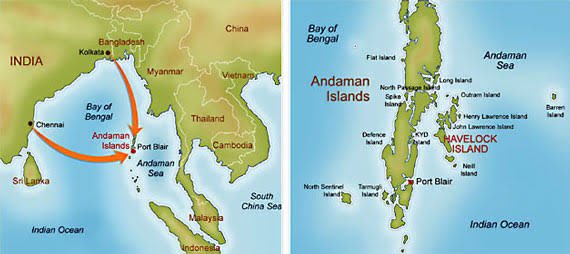
The name Andaman is believed to be derived from the name of the monkey god of Hindu mythology, Hanuman & Nicobar are traced back to the Tamil word nakkavaram ("land of the naked") by the historians
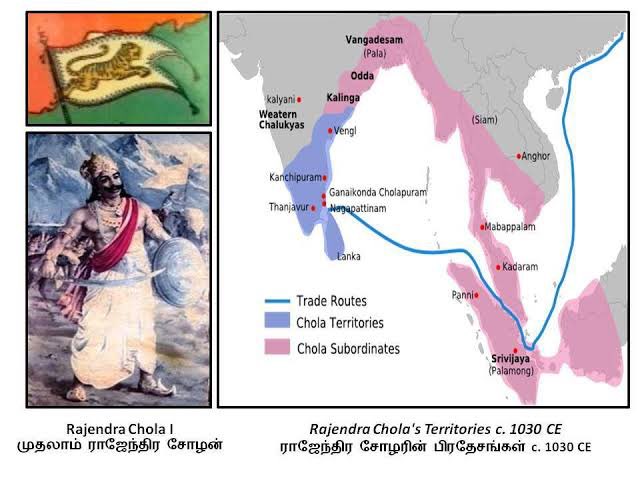
Rajendra Chola I (1014 to 1042), one of the Tamil Chola dynasty kings, occupied the Andaman & Nicobar Islands to use them as a strategic naval base for his expedition against the Sriwijaya Empire in present day Malaya Indonesia region
Danish were the 1st Europeans to set foot in Andamans in December 1755 & named it ‘New Denmark’and & later Frederick’s Islands.They administered it from Tranquebar from 1754 to 1756
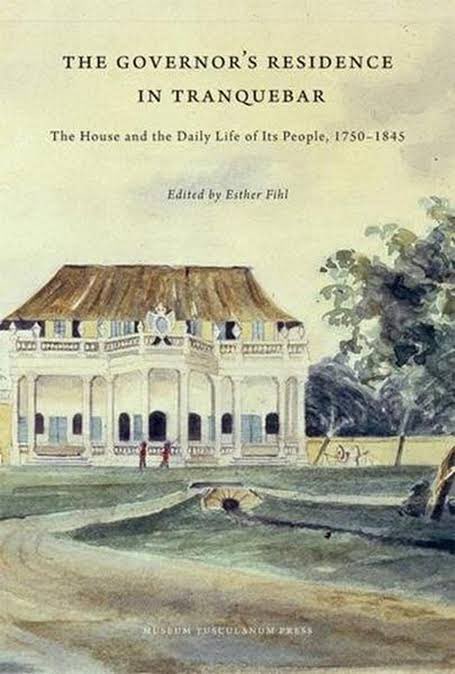
The colony was repeatedly abandoned due to the outbreak of malaria from 1759 onwards for varying periods of time and finally in 1848 they abandoned it
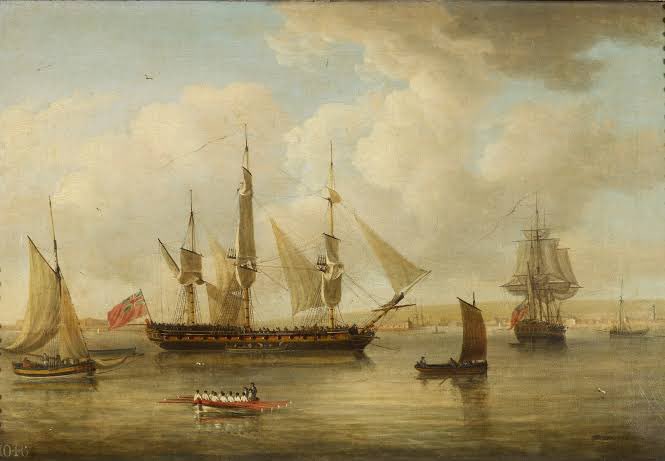
In 1789, the British set up a naval base and a penal colony on Chatham Island next to Great Andaman, where now exists the town of Port Blair. Two years later, the colony was moved to Port Cornwallis on Great Andaman, but was soon abandoned due to disease.
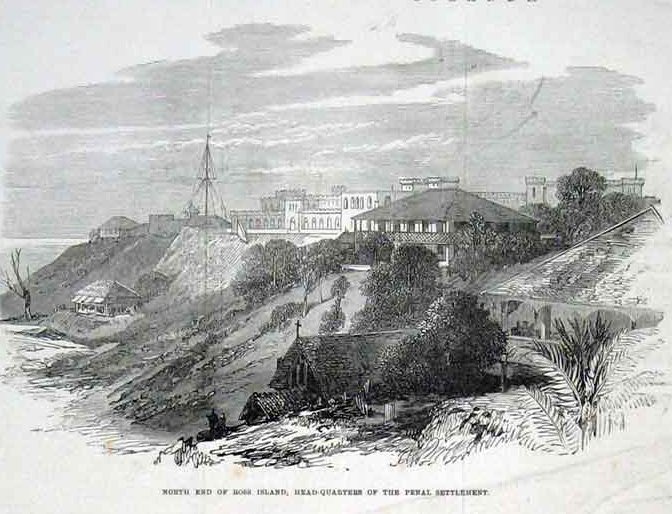
The British re-established a colony at Port Blair in 1858 which proved to be more permanent. Denmark’s presence in the territory formally ended when it sold the rights of the Islands to Britain
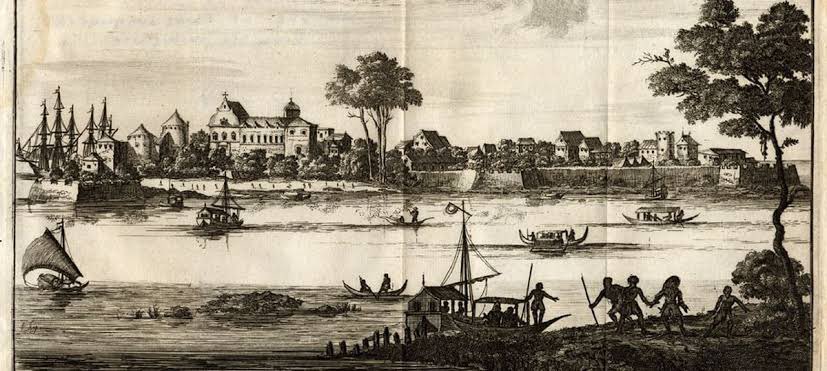
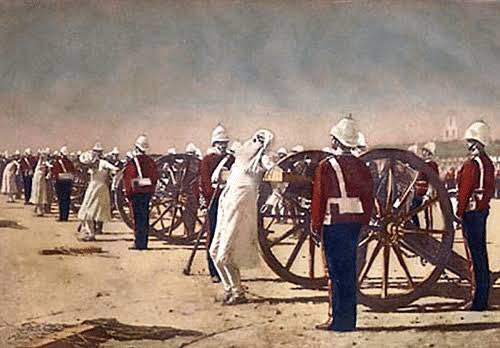
After the brutal Sepoy Mutiny in 1857 British planned afar away penal colony,
British doctor James Pattison Walker arrived at the Andaman & Nicobar archipelago in March of 1858 & estd the penal colony in the company of 200 convicts & rebels.
British doctor James Pattison Walker arrived at the Andaman & Nicobar archipelago in March of 1858 & estd the penal colony in the company of 200 convicts & rebels.
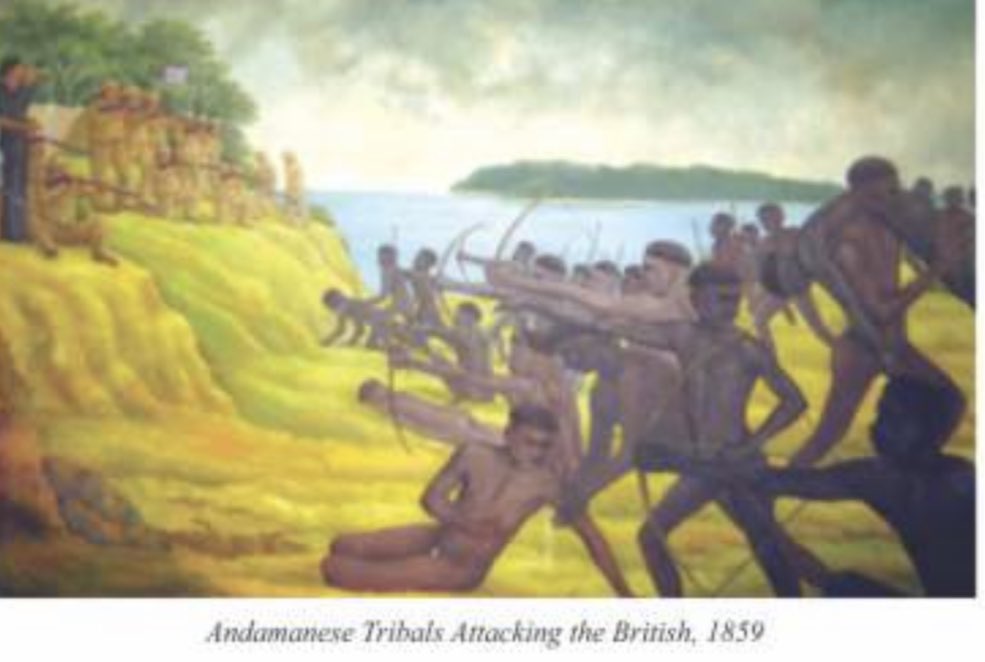
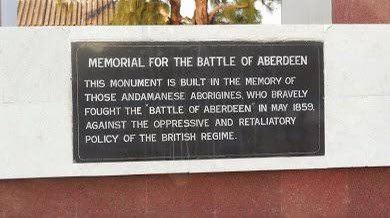
Andamanese tribe resisted the arrival of European colonisers,among recorded history One of the most famous being the ‘Battle of Aberdeen’ fought between the Andamanese tribe and the British on May 17, 1859.
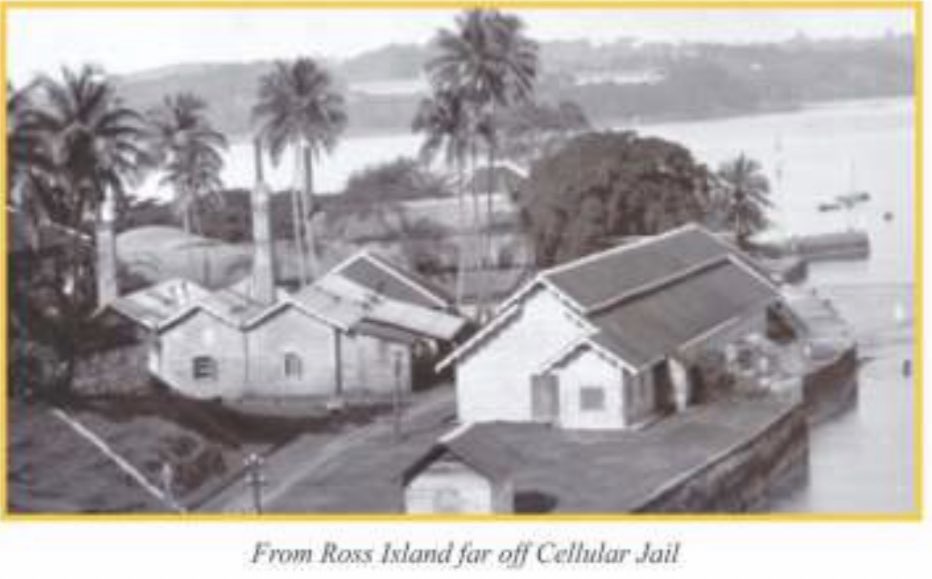
Ross Island, the smallest of the 576 islands was chosen as the penal colony's administrative headquarters as its strategic location provided safety from attackers.
About 400 -600 brave Andamanese tribes fought with bows & arrows with the British soldiers who had modern equipments in the battle of Aberdeen .
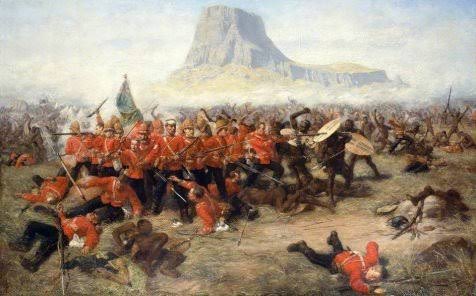
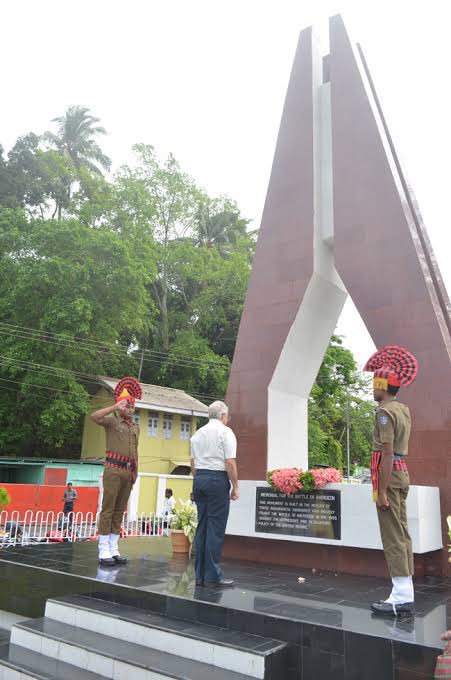
To commemorate the local tribesmen who lost their lives, a memorial has been built at the Andaman Water Sports Complex.
The People of Andaman can be broadly categorized into two groups viz. Indigenous or or Settlers.
Indigeneous People of South Andaman
Indigeneous People of South Andaman
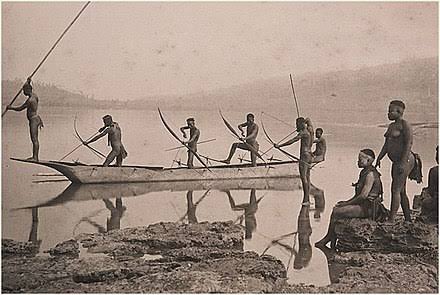
The Aborigines of Andaman & Nicobar Island consist of the following four tribes:
•Great Andamanese
•Sentinelese
•Onges
•Jarwas
•Shompen
•Nicobarese
. The population of great Andamanese is only 43 as per the census 2001.
•Great Andamanese
•Sentinelese
•Onges
•Jarwas
•Shompen
•Nicobarese
. The population of great Andamanese is only 43 as per the census 2001.


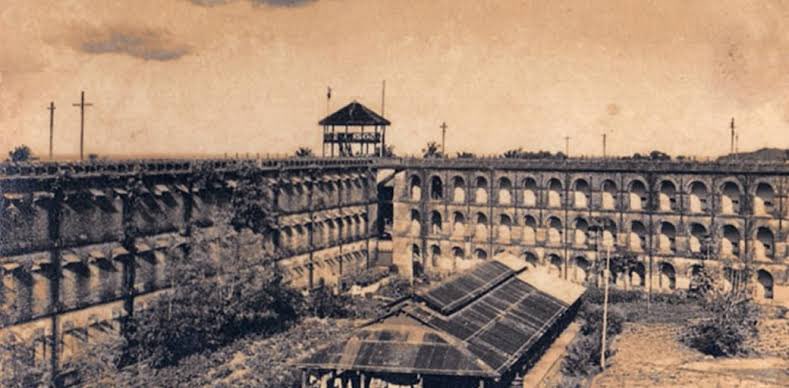
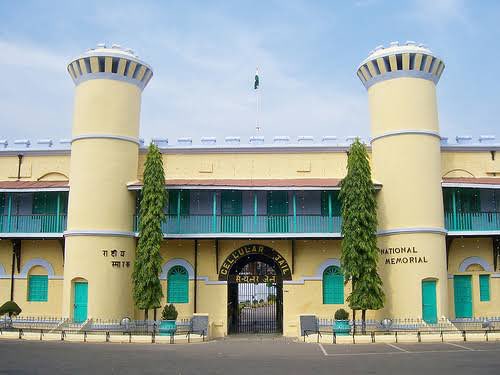
The Andaman cellular jail was constructed on 3 floors with 7 wings, Each wing stretching from the Central tower similar to the spokes of a wheel. There was also an entrance block to the jail which housed all the administrative office
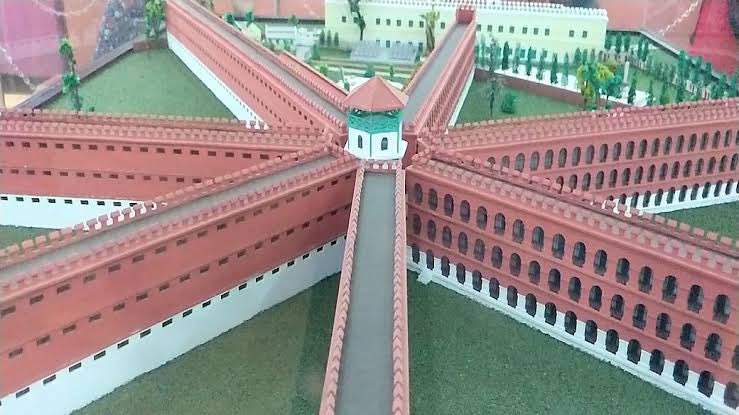
The Andaman cellular jail was constructed on 3 floors with 7 wings, Each wing stretching from the Central tower similar to the spokes of a wheel. There was also an entrance block to the jail which housed all the administrative office
It had 696 cells, one for each person. The name Cellular Jail is derived from its unique feature as it has only cells, unlike other jails which had dormitories.
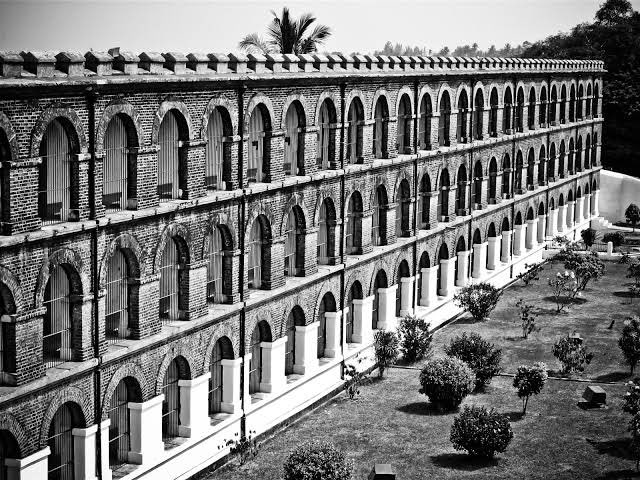
Each cell measured 13.5 feet by 7 feet and had iron bar doors in the front. A small ventilator, nearly 10 feet high was the only source of light and air in the cells.
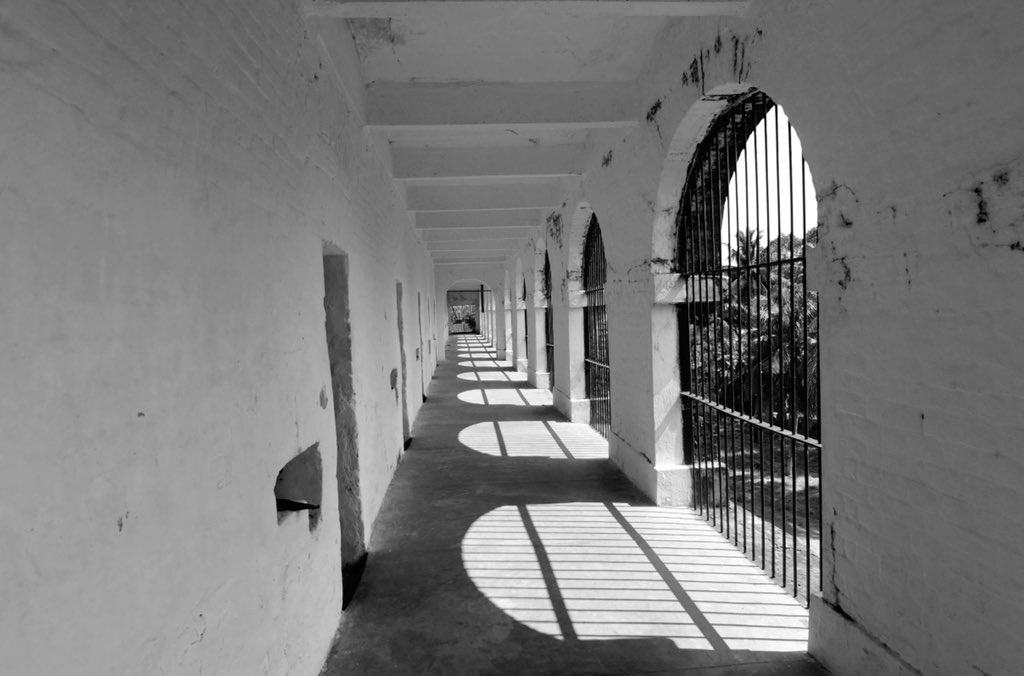
The Cellular Jail was created over 10 years
about 20,000 cubic feet of stones and 30,00,000 bricks were used for construction, sourced from a nearby hillock.
about 20,000 cubic feet of stones and 30,00,000 bricks were used for construction, sourced from a nearby hillock.
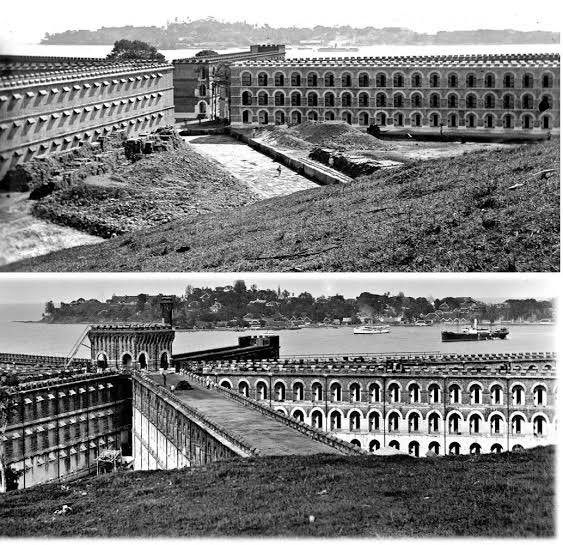
The cellular jail is reckoned as the most formidable colonial prison that ever existed, the building was meant to crush the soul of any one challenging the authority of Imperial British power in India
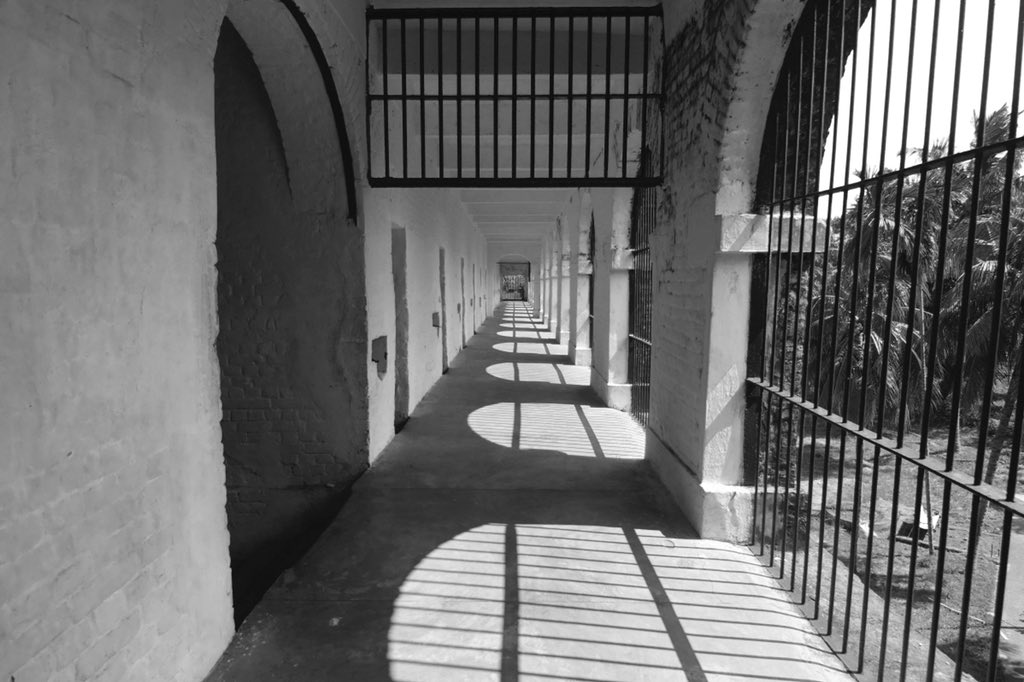
The model is in style of Jeremy Bentham’s concept of panopticon which gives prisoners the impression that they are being watched even when they are not, by virtue of mere visibility of all portions of the prison from its centre.
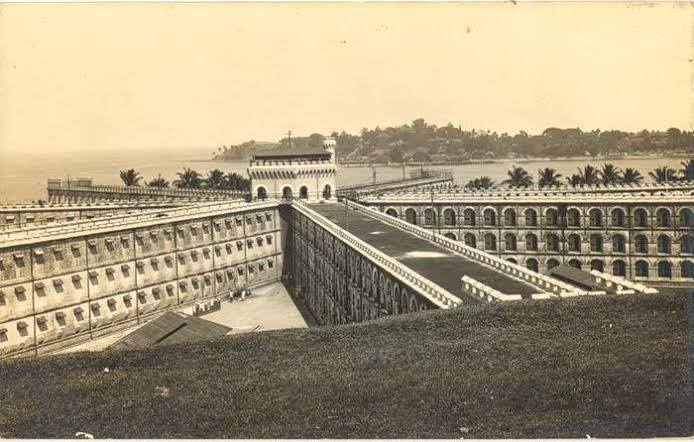
Michel Foucault, the renowned French philosopher, later identified the panopticon as a symbol of surveillance
Scotsman David Barry, the jailor between 1909 and 1931, was infamous for his insane cruelty. “While you are here, I am your god,” was the cry with which he welcomed prisoners
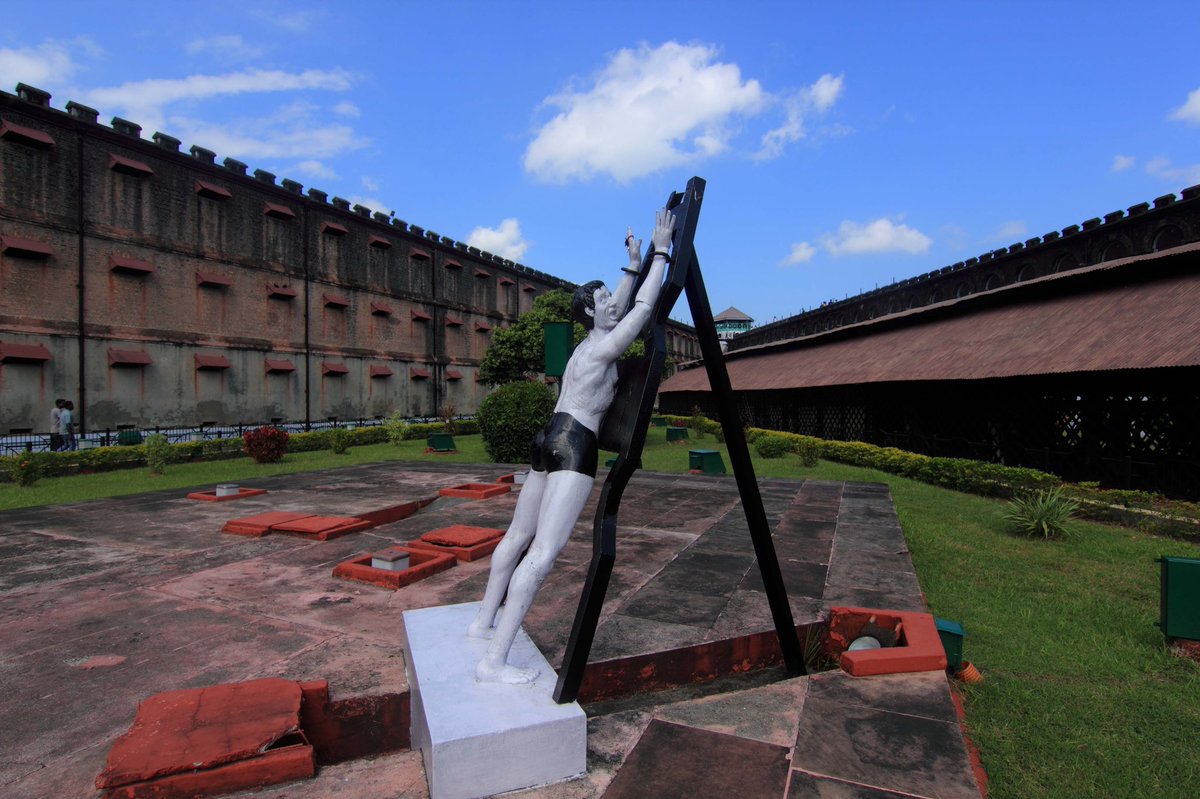
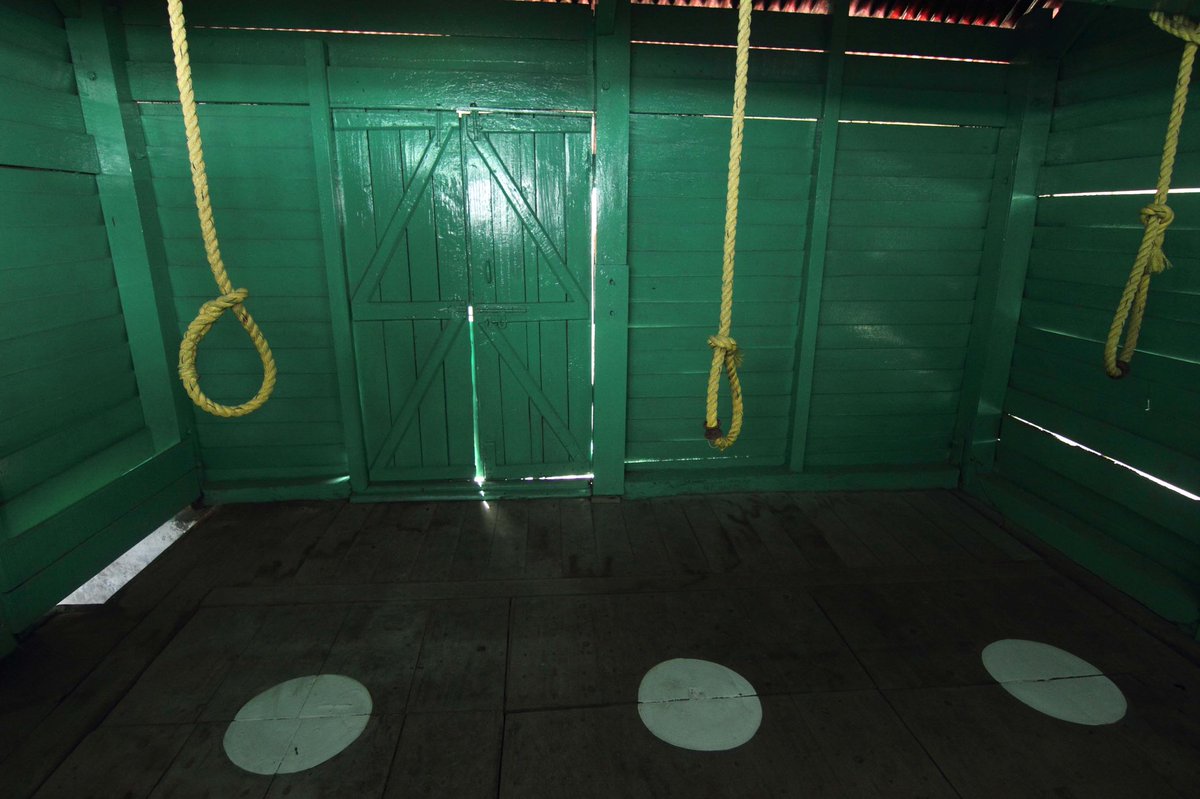
The horror stories of the jail had begun to spread across mainland India. In Hindi, the jail was known as Kālā Pānī, translating literally as “black waters” being transported for life to the valley of death”
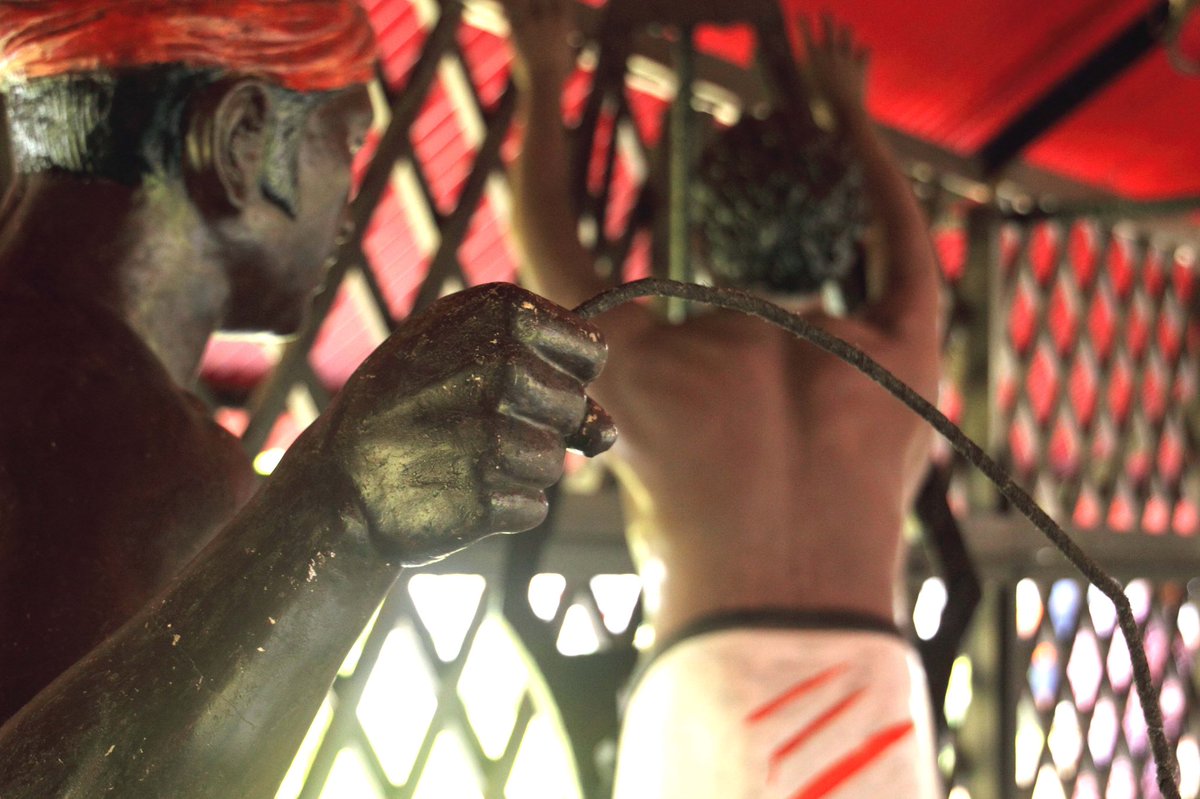
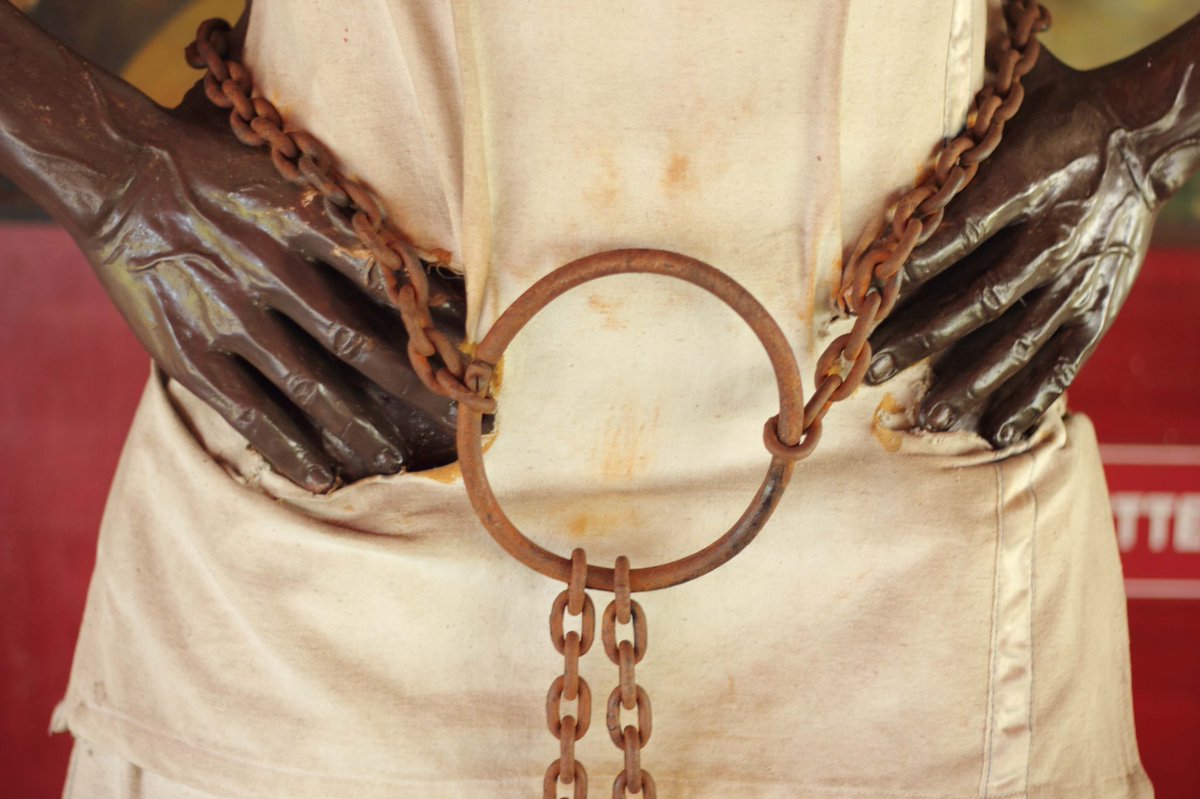
Britain had designed a systematic torture methods in the cellular jail.The systematic & barbaric tortue of political prisoners was routine . Visting the cellular jail one would think there was not much difference between Nazi & the Imperial british, both were same side a coin .
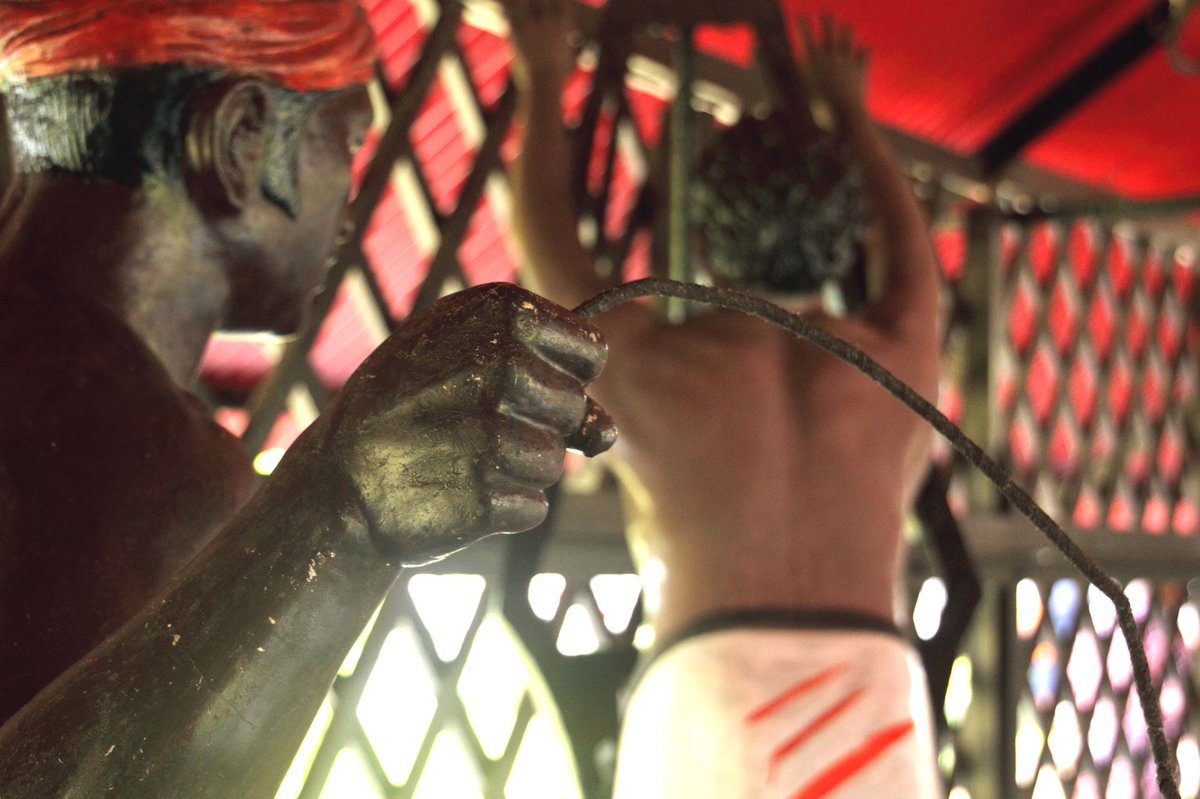
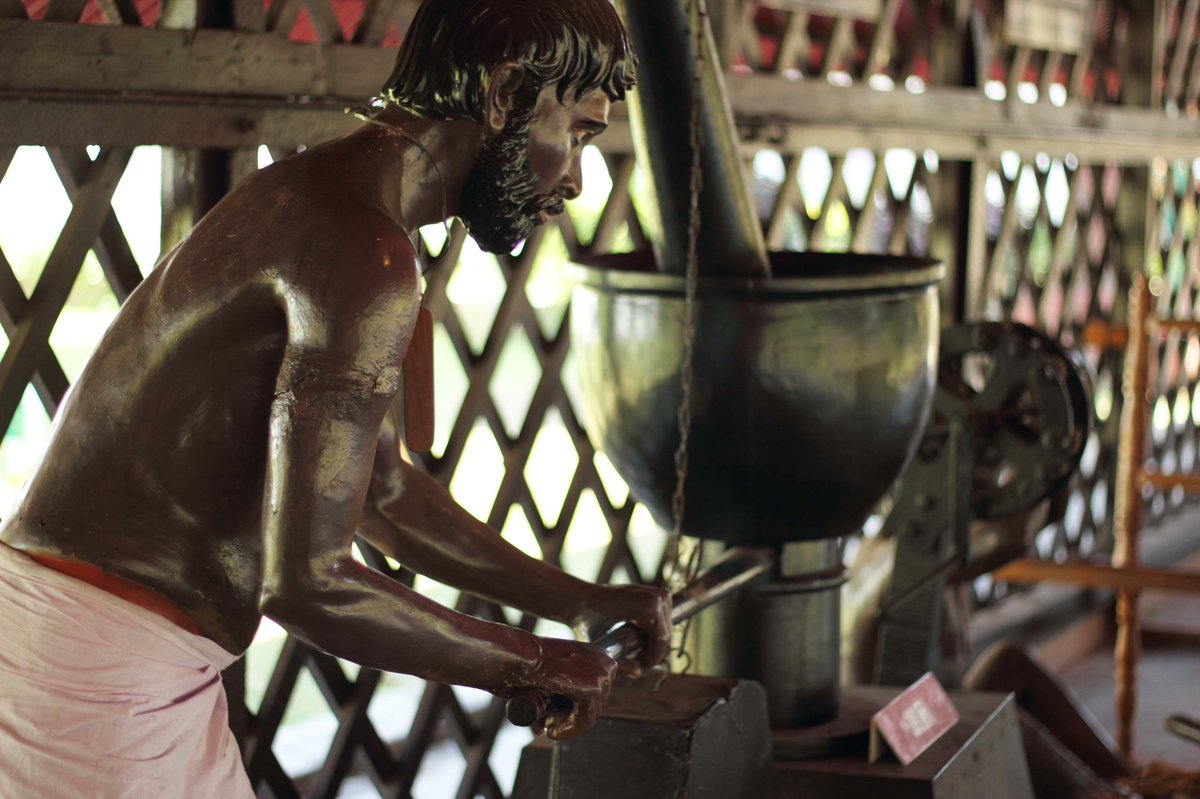
Four out of original seven wings of the Jail had to be demolished after the damage during the earthquake in 1941.

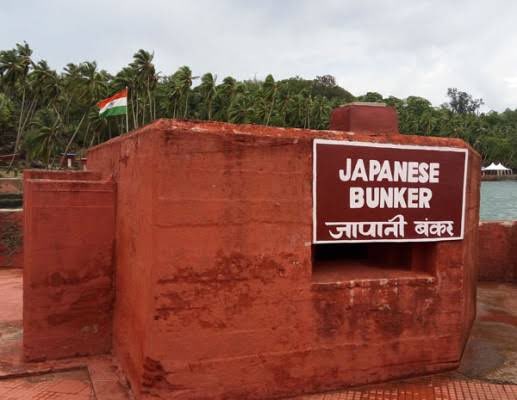
As world war 2 broke out , The Japanese landed at South Andaman on March 23, 1942. They soon took over the islands and freed the inmates of the cellular jail who were asked to join the Indian National Army. Most of them joined too.
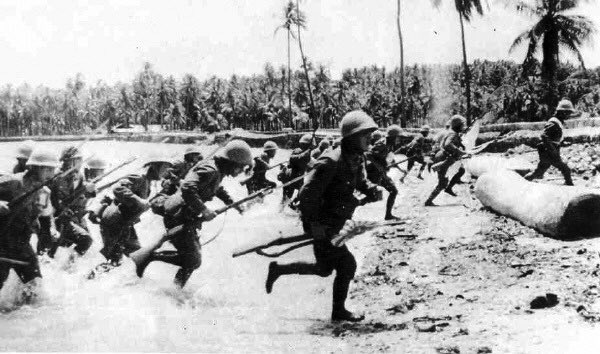
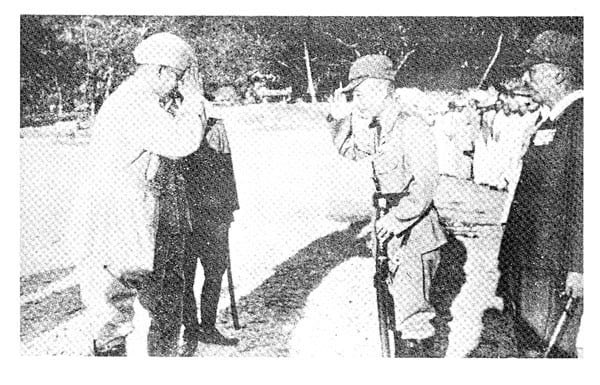
Subhas bose convinced the Japanese to give the islands back to India & then the Indian flag was hoisted on December 30, 1943 . Do read my earlier thread on this for details
Bose appointed Maj General A.D Loganadhan as the administrator of the liberated territory . Japanese Imperial HQ however retained their strategic control, knowing the significance of this island in the Asian theater.
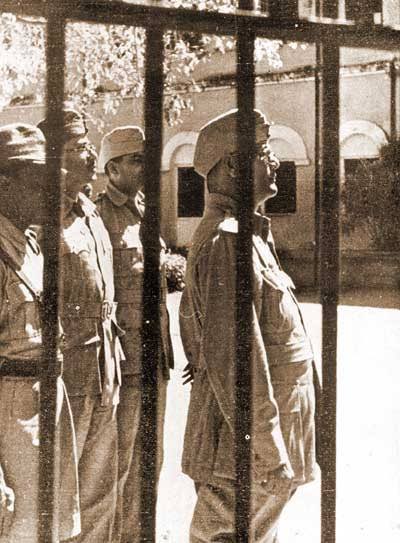
Subhas Chandra Bose led INA did not have a Navy or Airforce of their own to control the island. They only had a territorial army that could cross over to India from Burma.
So he left it for the Japanese to manage atleast until the war while they would focus on the mainland India
So he left it for the Japanese to manage atleast until the war while they would focus on the mainland India
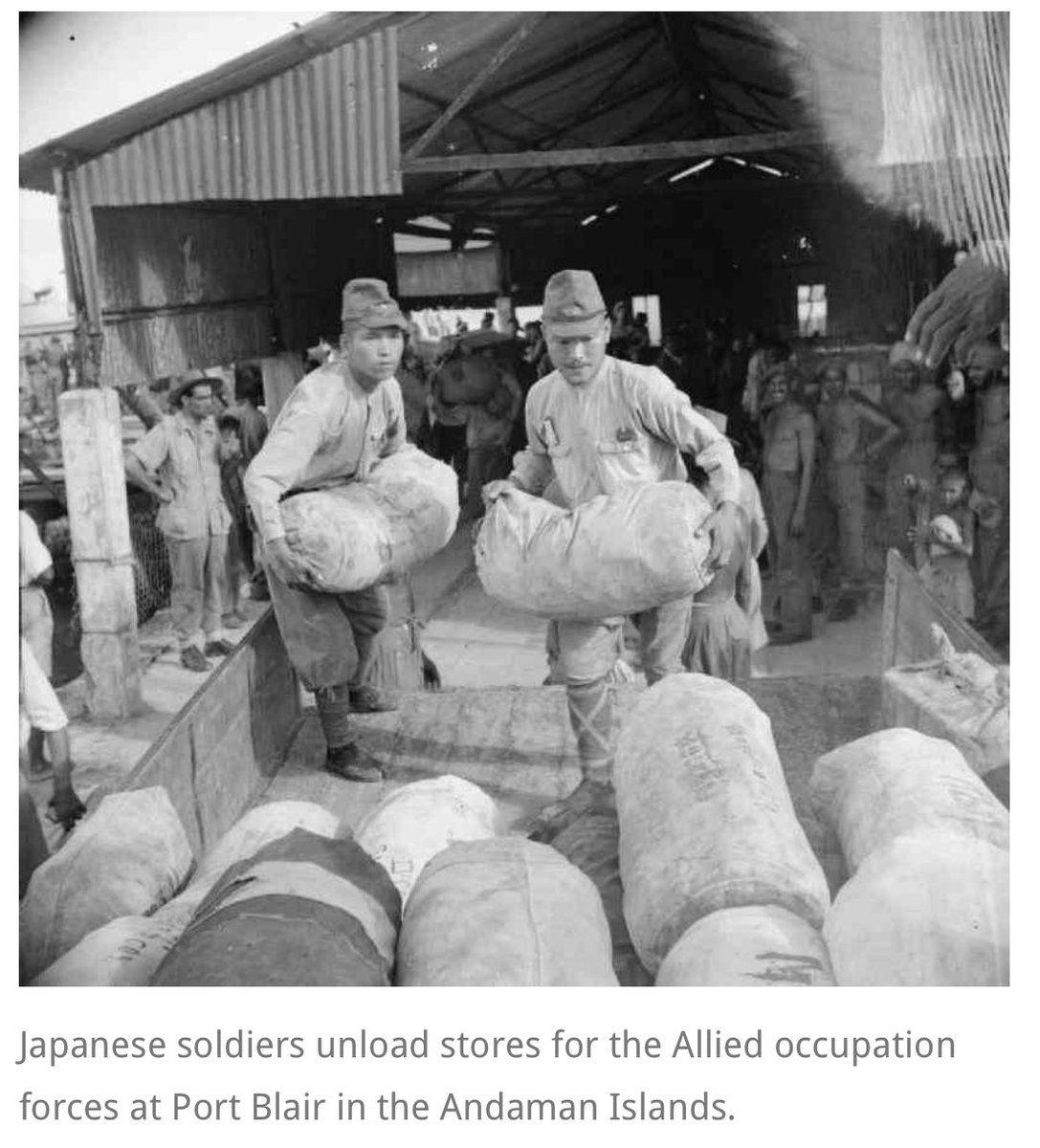
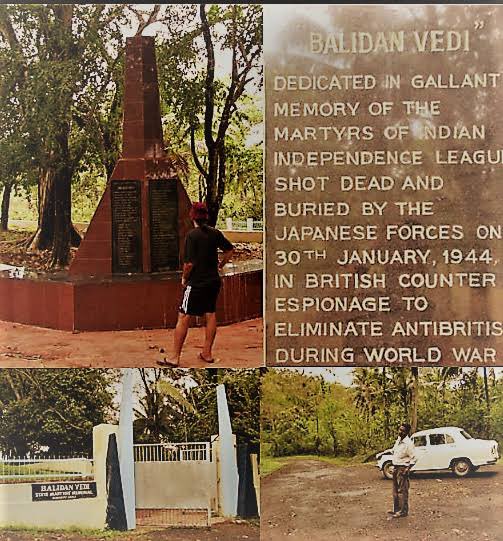
British had a network of spies in the Island who started sabotage activities on Occupied Japanese forces & soon true to the then Imperial Japanese Military’s character they started a program retribution against locals .
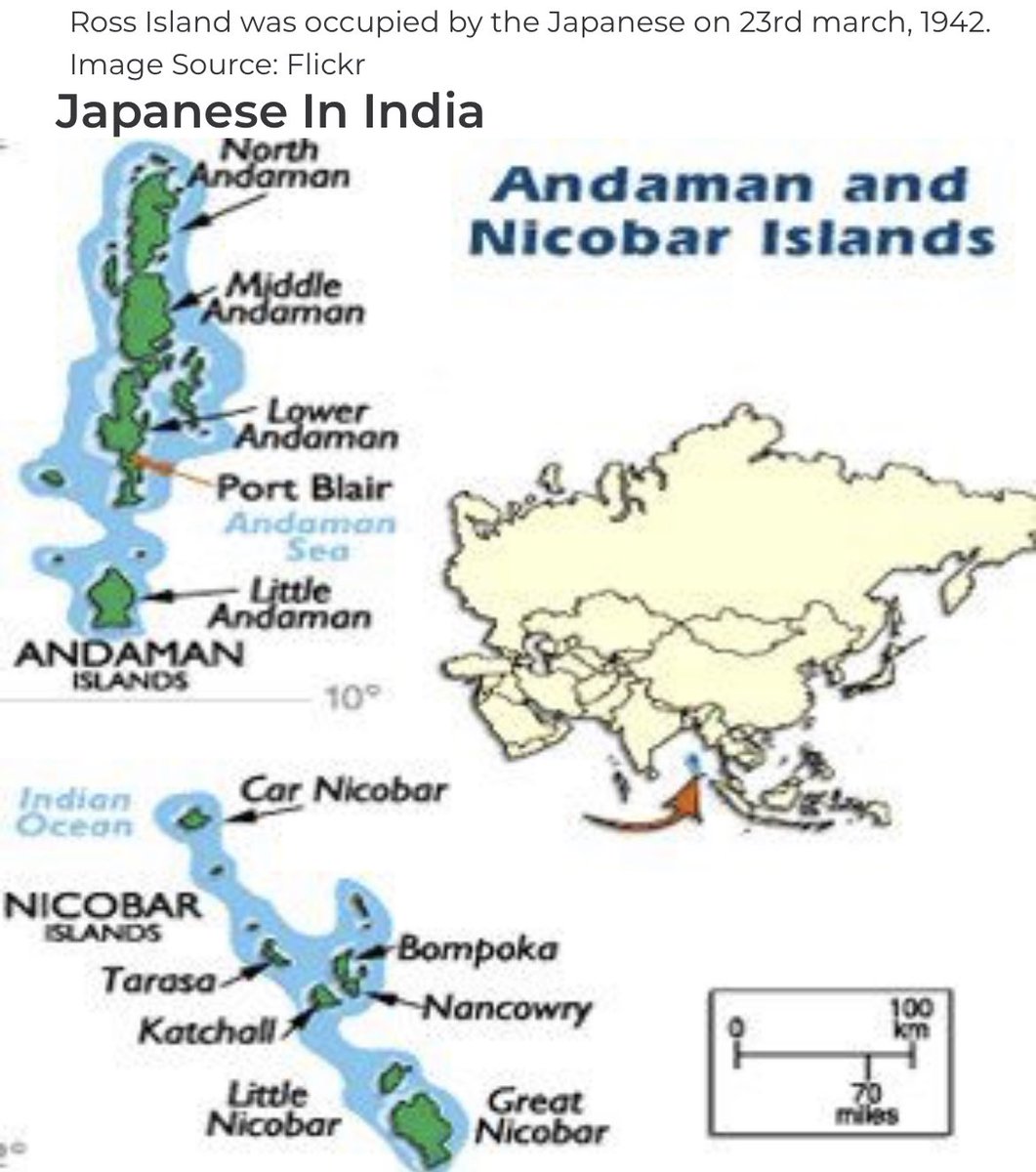
The Local Indian community being unaware of the espionage activities were naturally disturbed & complained to the Azad INA administration. Loganadhan tried his best to control the Japanese atrocities and to bring peace but his efforts failed.
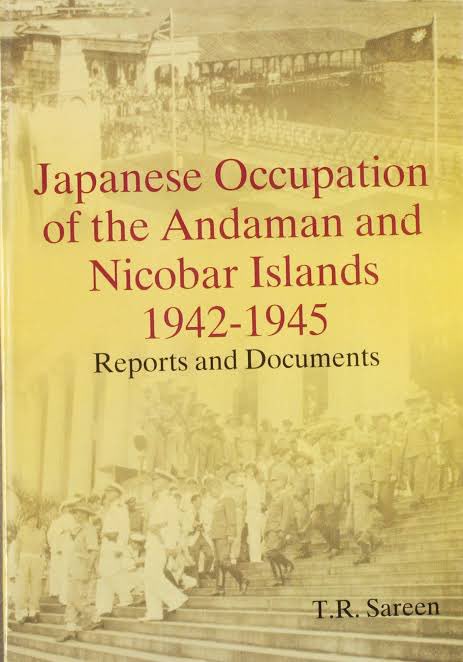
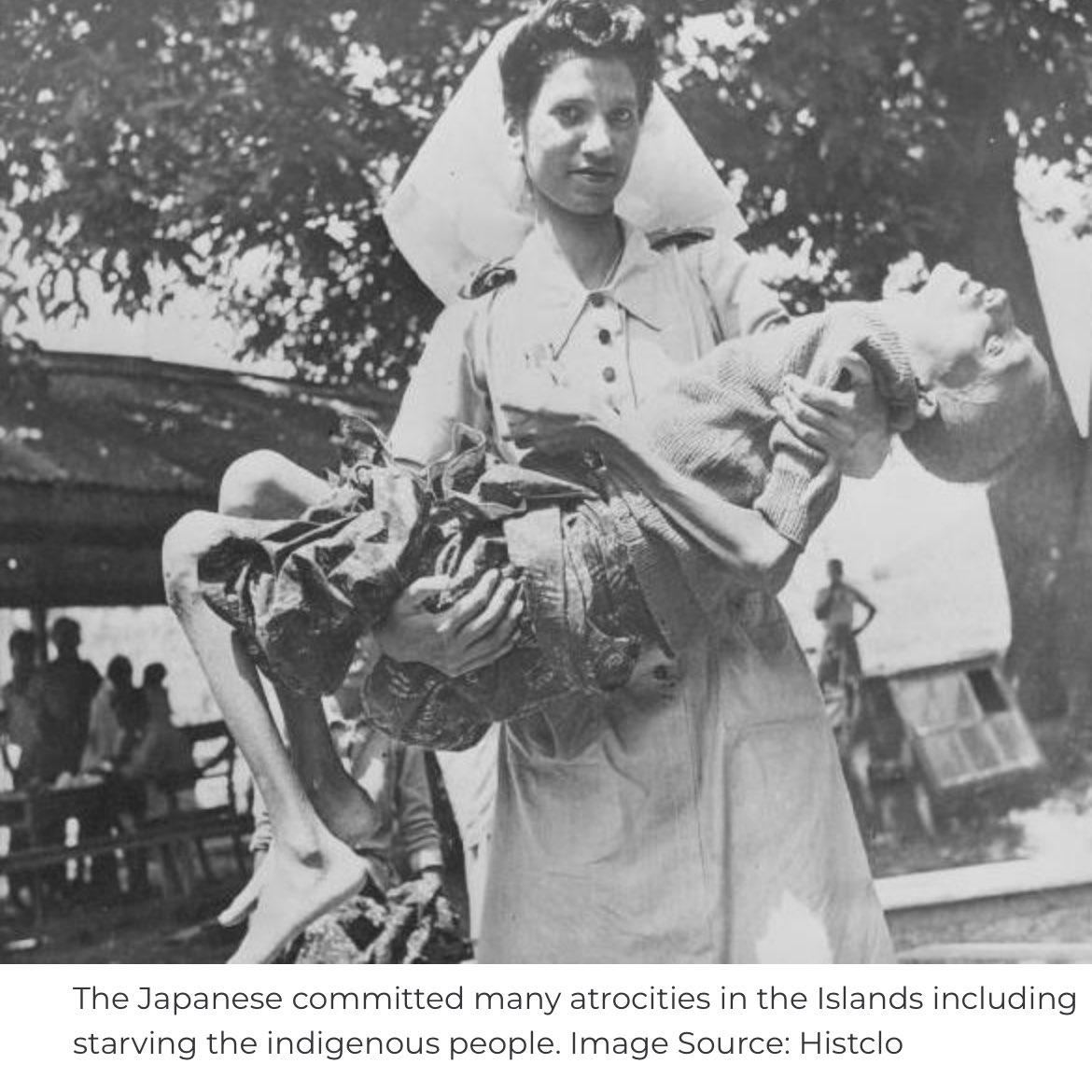
Jayant Dasgupta recounts in his book Japanese in Andaman & Nicobar Islands: ‘Red Sun over Black Water’, several residents were executed on charges of spying, local women were forced into sexual slavery & hundreds were rounded for forced labour for Japanese Defence .
It is estimated that Over 2000 Indians died, till date Japan has never apologised for the Atrocities committed in the island
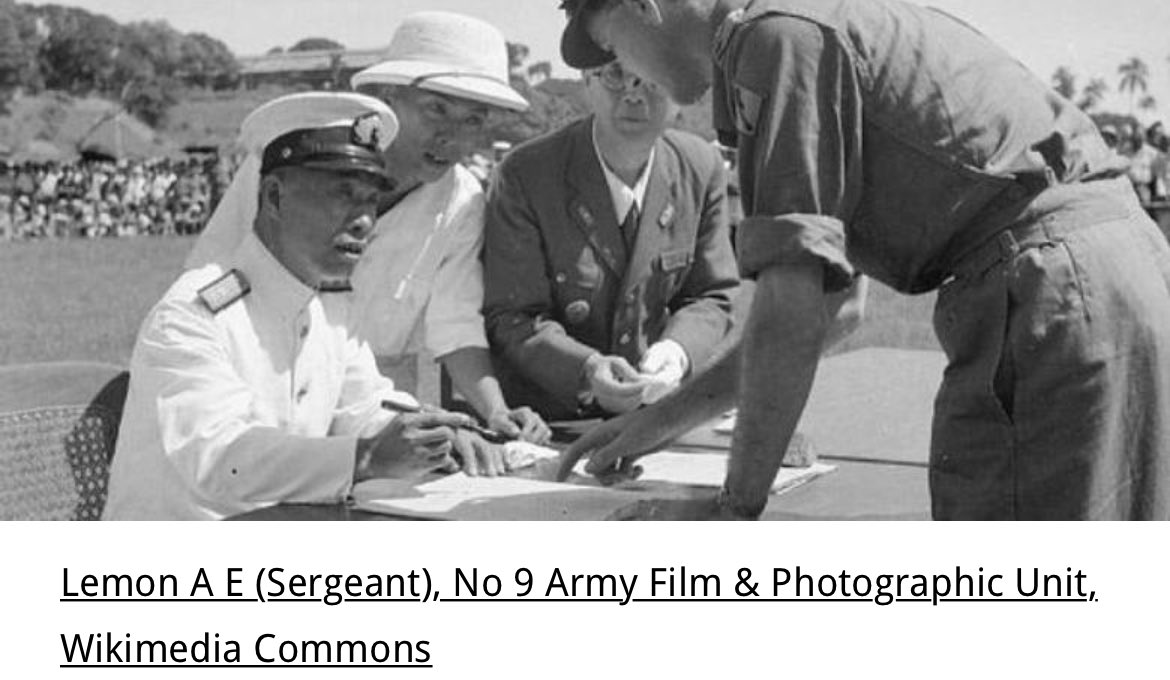
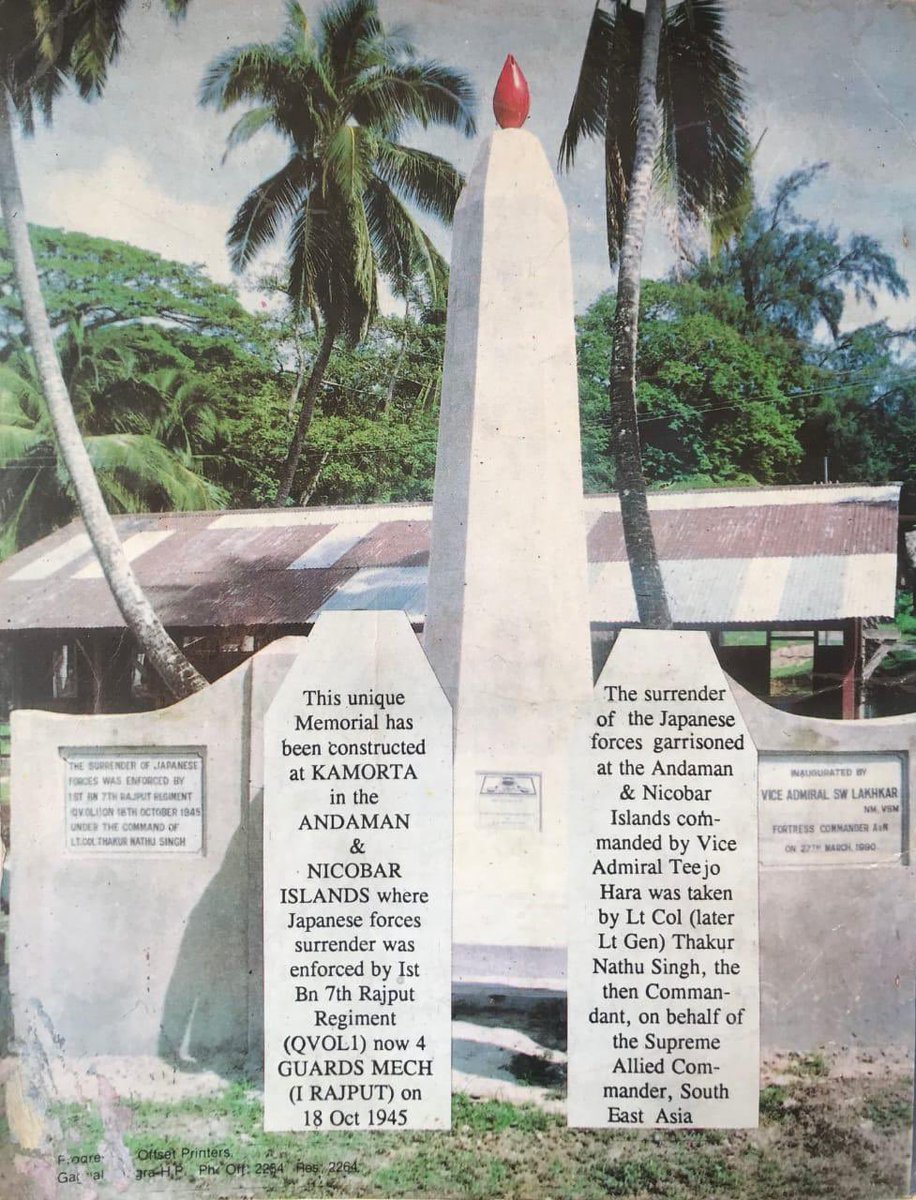
On 7th October 1945 , Japanese Vice Admiral Hara Teizo & Major-General Tamenori Sato surrendered the islands in a ceremony performed on the Gymkhana Ground, Port Blair to British
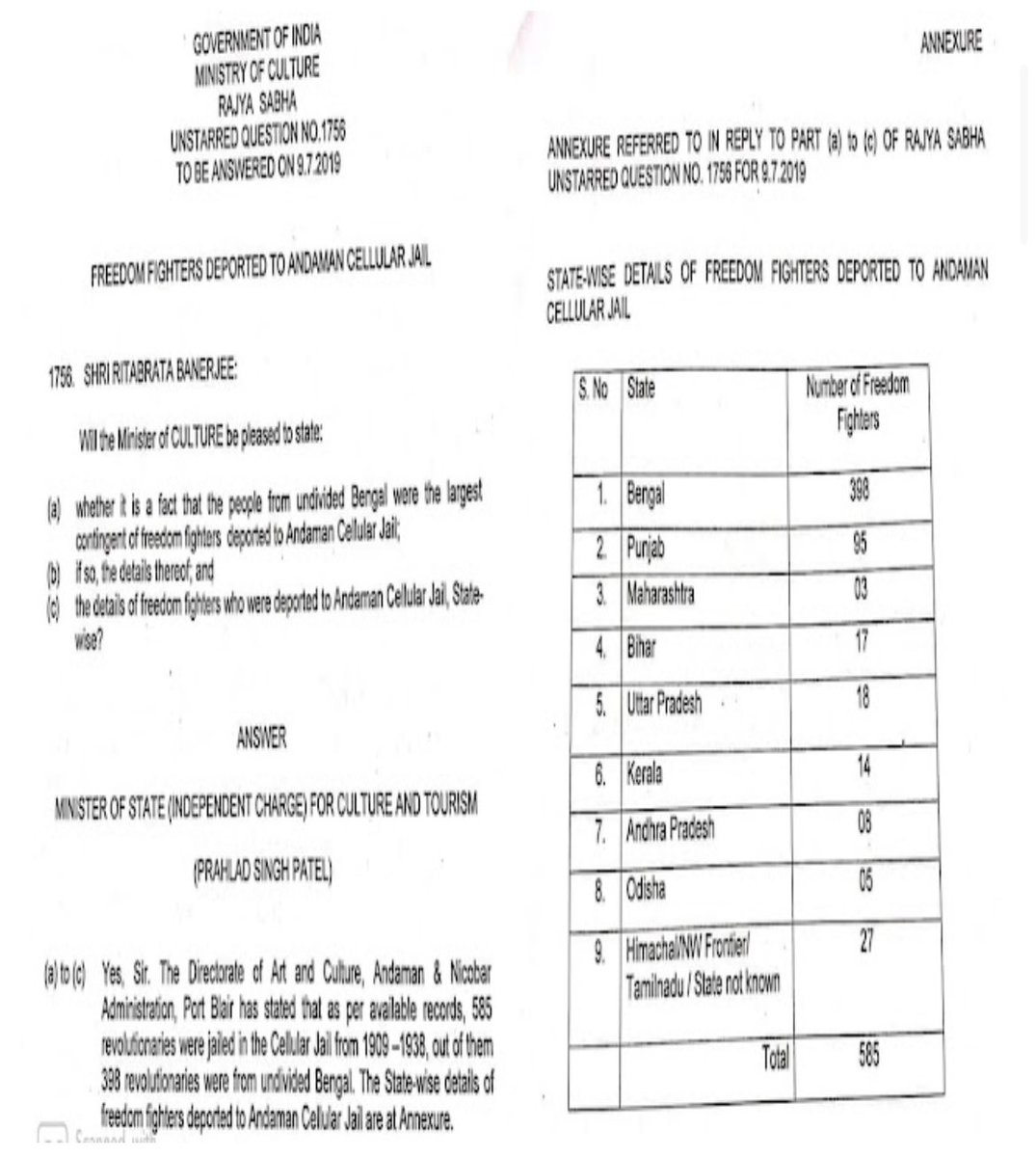
585 persons were deported to Andamans & 398 of them belonged to Bengal alone ,being the land of freedom fighters . The wrath of British fell on them
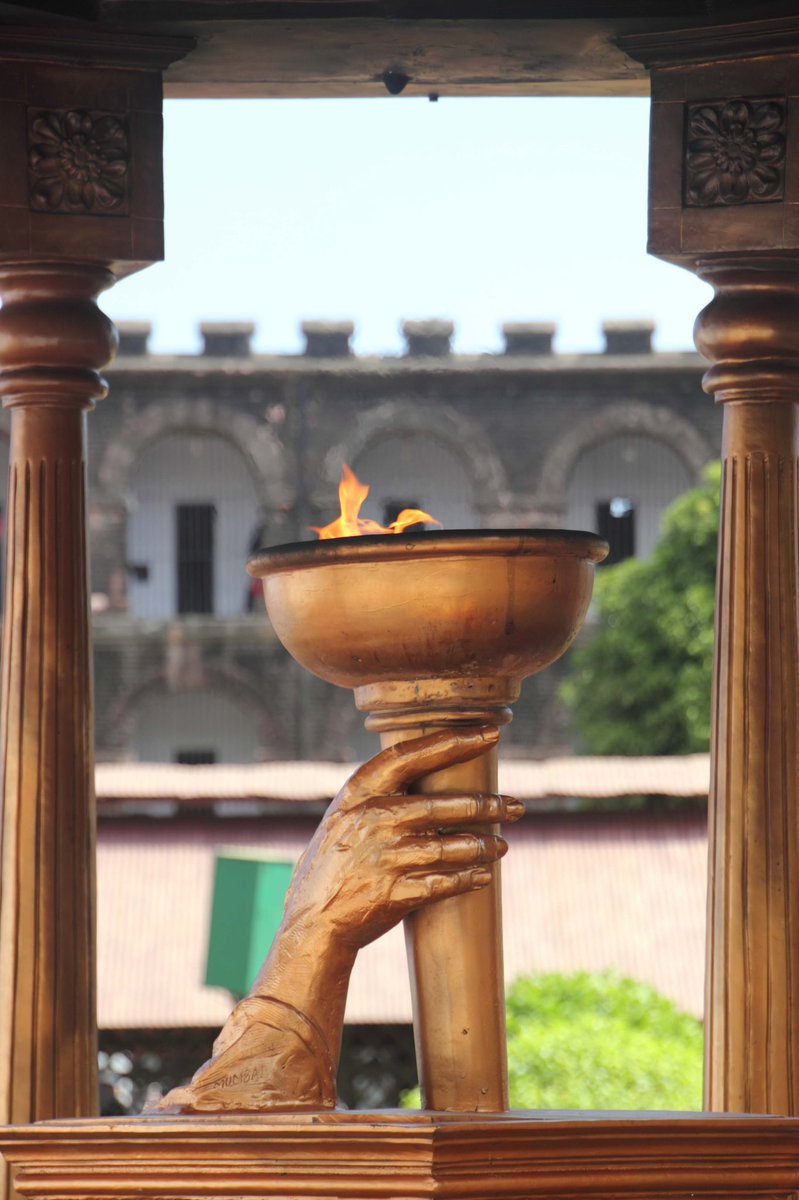
On the eve of partition, their was heated claims for the control of Andaman islands b/w India , Pakistan & Britain .
British had planned to separate the Lakshadweep Islands and the Andaman and Nicobar Islands from Independent India!.
British had planned to separate the Lakshadweep Islands and the Andaman and Nicobar Islands from Independent India!.
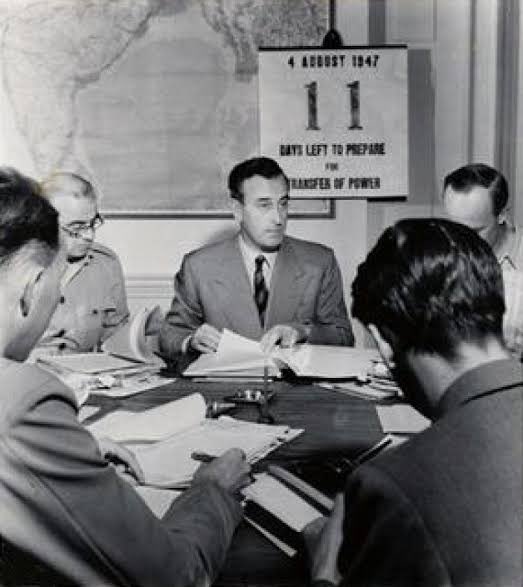
Pakistan claimed that these islands are the the only channel of communication b/w eastern &western Pakistan by sea &these islands occupy important strategic position on sea routes and provide refuelling bases.
Hence it should be under the control of Pakistan
Hence it should be under the control of Pakistan
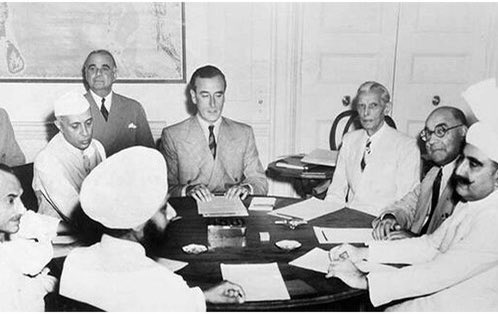
Lord Mountbatten, the Viceroy and Governor General of India, felt that
“It was a matter on which Indians felt deeply. Any attempt by His Majesty’s Government to separate the islands from India would probably provoke violent opposition from all parts of India"
“It was a matter on which Indians felt deeply. Any attempt by His Majesty’s Government to separate the islands from India would probably provoke violent opposition from all parts of India"
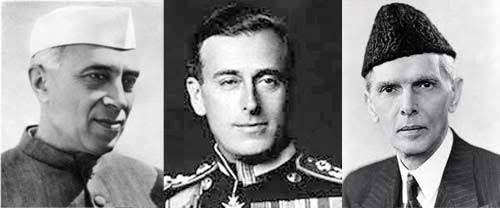
Lord Mountbatten also approached Pandit Nehru informally to lease the islands by India to Britain of these islands for communication purposes.
The British also tried to resettle Anglo-Indians & Anglo-Burmese on the islands but it couldn’t gather much steam
The British also tried to resettle Anglo-Indians & Anglo-Burmese on the islands but it couldn’t gather much steam
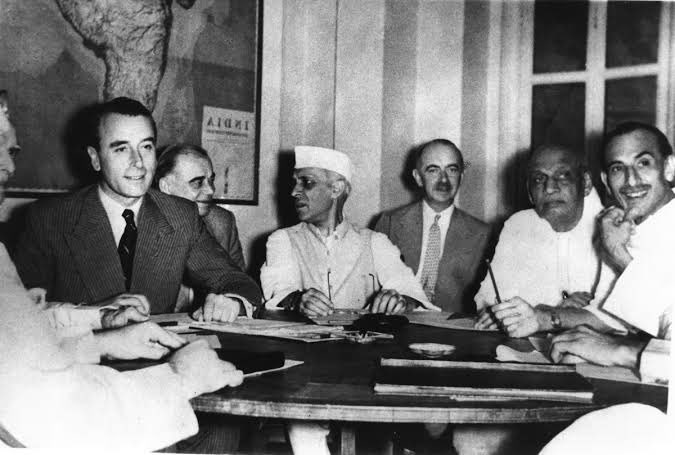
But it became apparent to the British govt that they would lose not only the Andaman & Nicobar Islands but also the goodwill of India if they persisted in the matter &the proposals were quietly dropped.
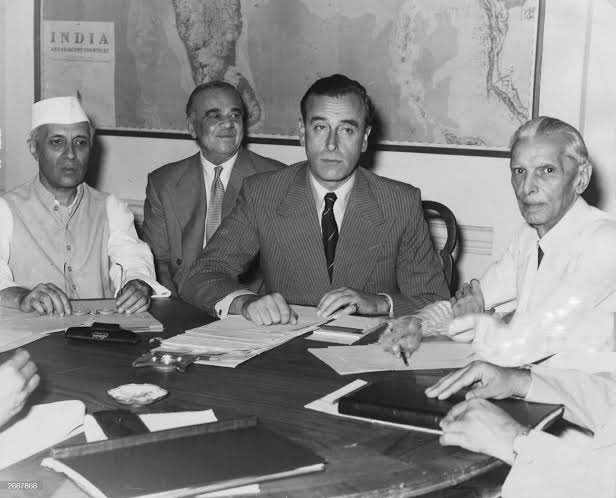
In 1950, the Andaman &Nicobar Islands became a part of India and a union territory in 1956. Cellular Jail was declared a National Memorial on 11th February 1979.
Britain never apologised for the atrocities in Andaman
Britain never apologised for the atrocities in Andaman
1947 Partition of Bengal resulted in a massive flow of refugees from East Bengal that continued in steady waves for several decades.
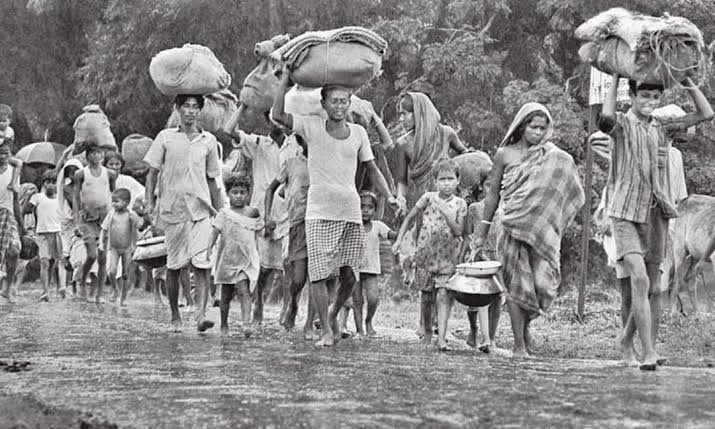
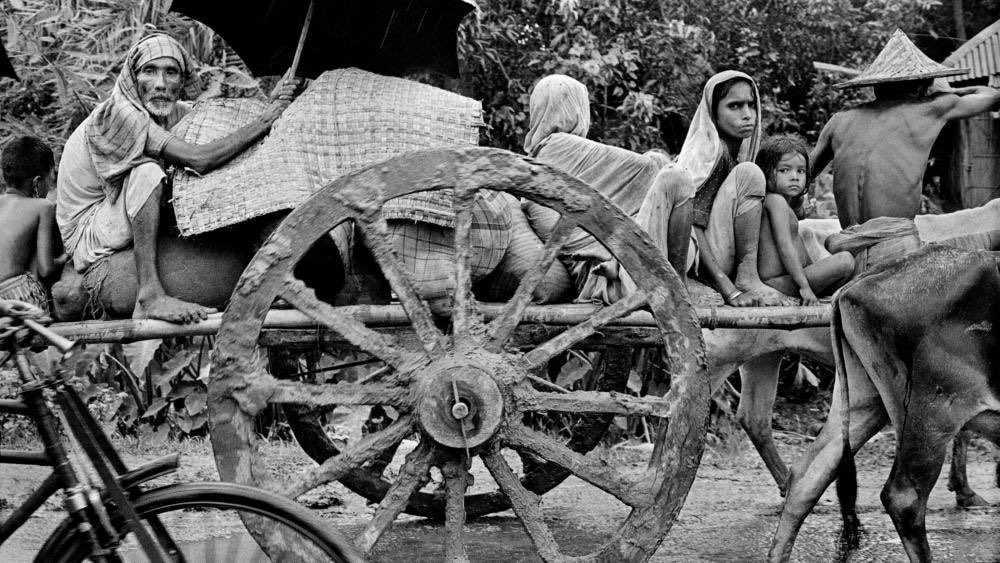
From 1949, government officials started to promote the option of relocating to the Andamans . Thousands of families of East Bengal origin were resettled on the Islands.
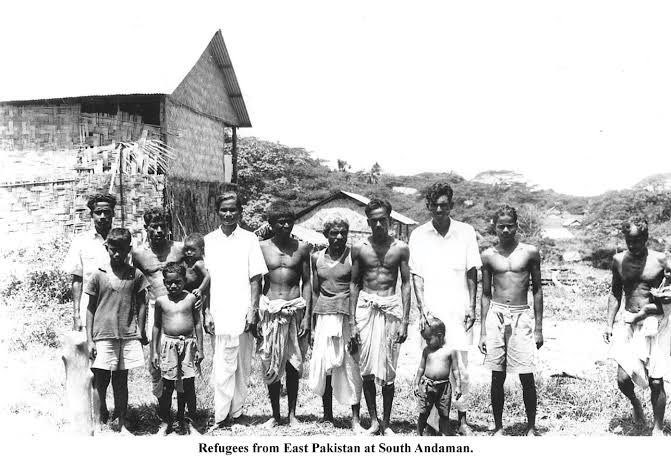
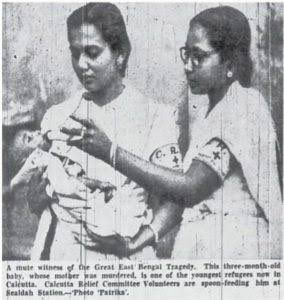
Refer this well researched article to know in details on Bengali settlers in the Andaman Islands
iias.asia
iias.asia
On 4 Jan 1991, Bengali anthropologist Madhumala Chattopadhyay was one of the first people to make ‘friendly’ contact with the North Sentinelese tribespeople. She lived there till 1996, has published a book & written papers on the tribes of the island .
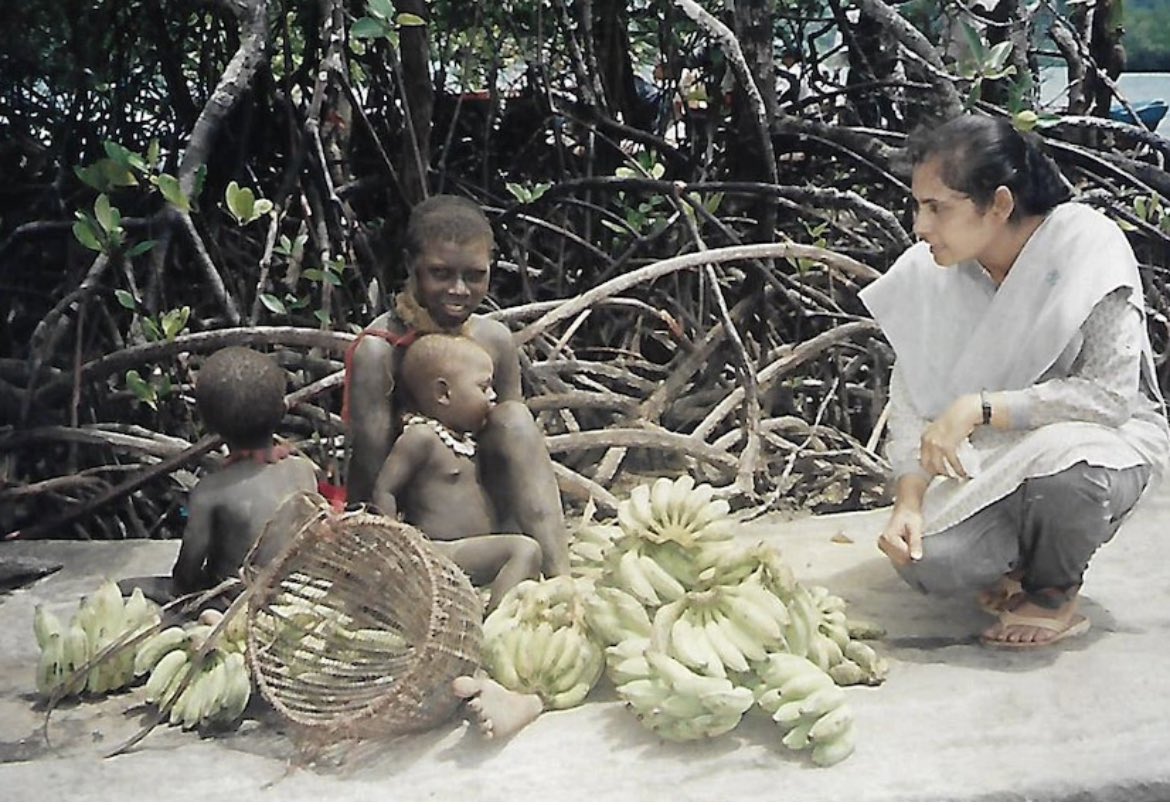
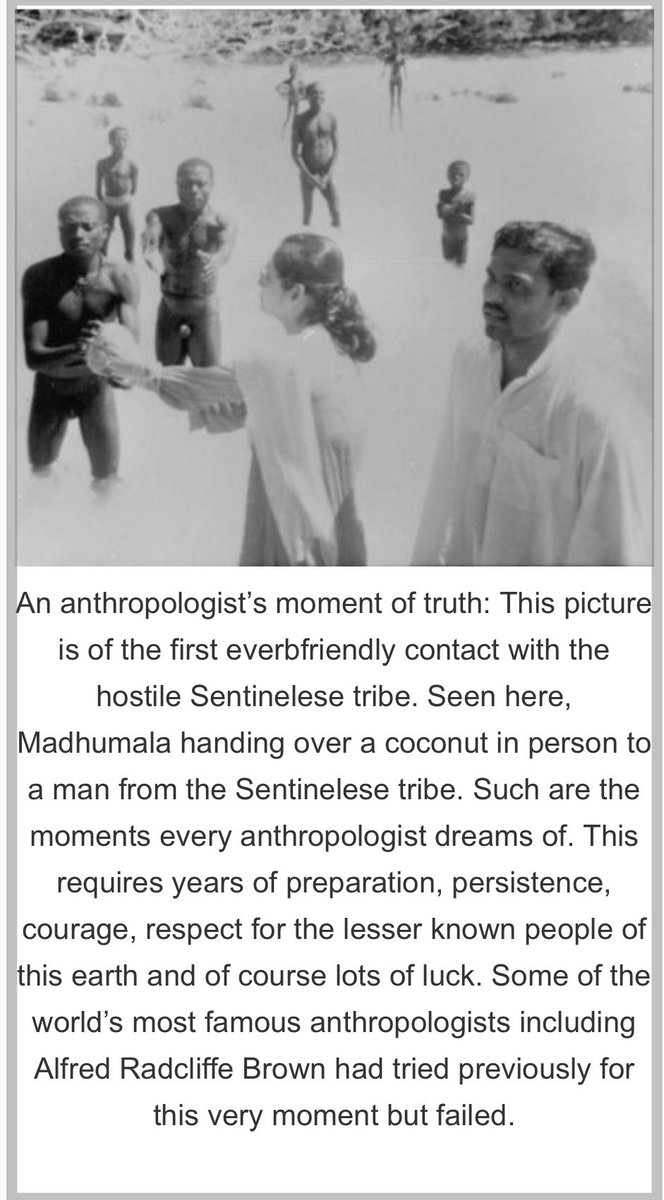
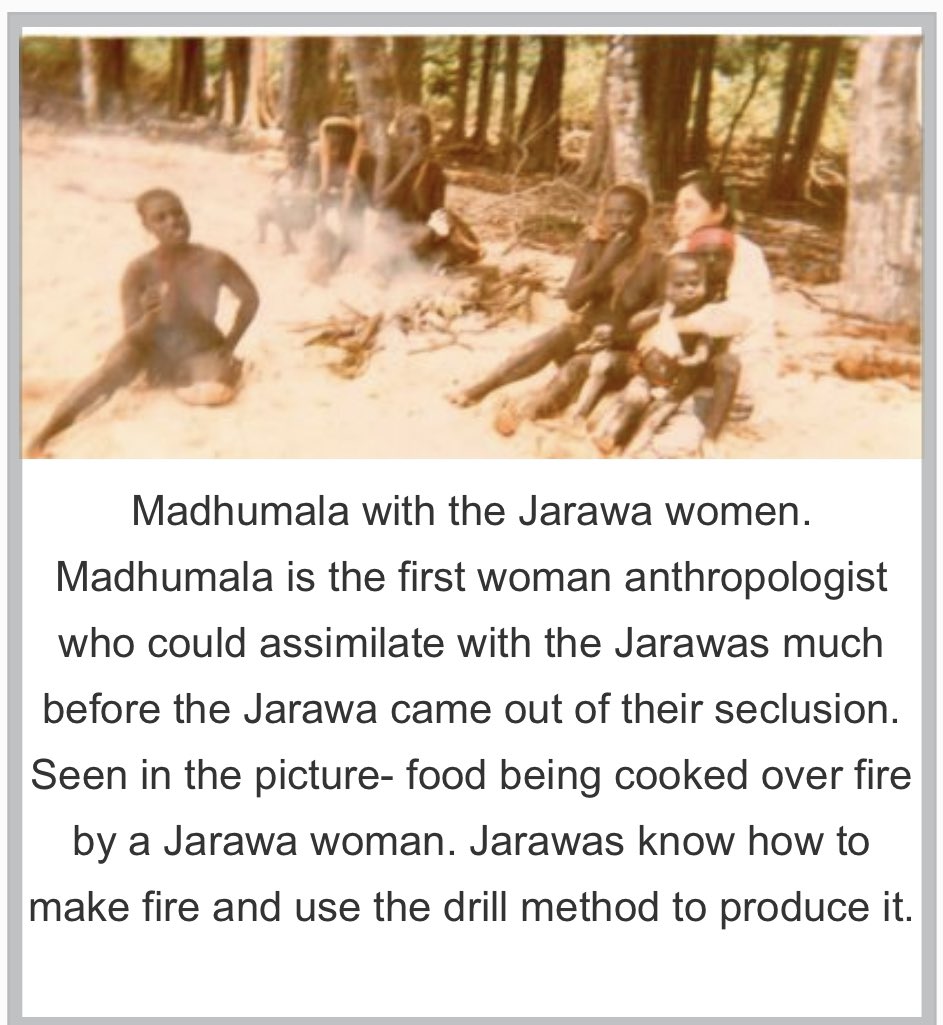
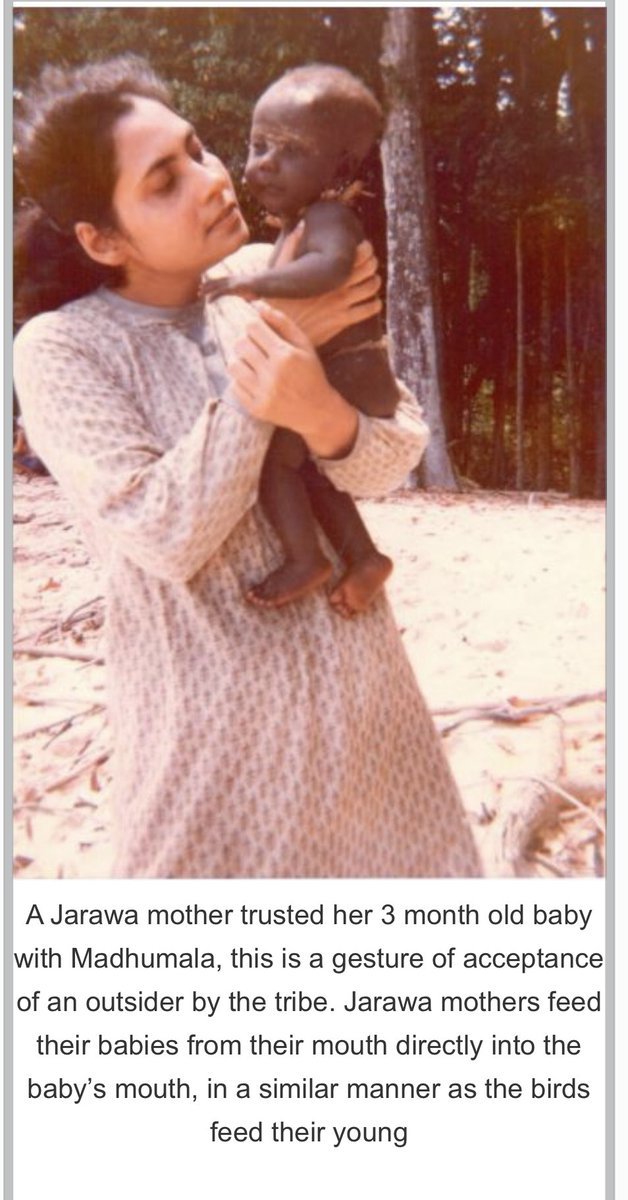
Dr. Ratan Chandra Kar worked with the Jarawa tribe & documented aspects of their life. He is also credited with bringing them back from the brink of extinction during a measles epidemic in 1999
m.thewire.in
m.thewire.in
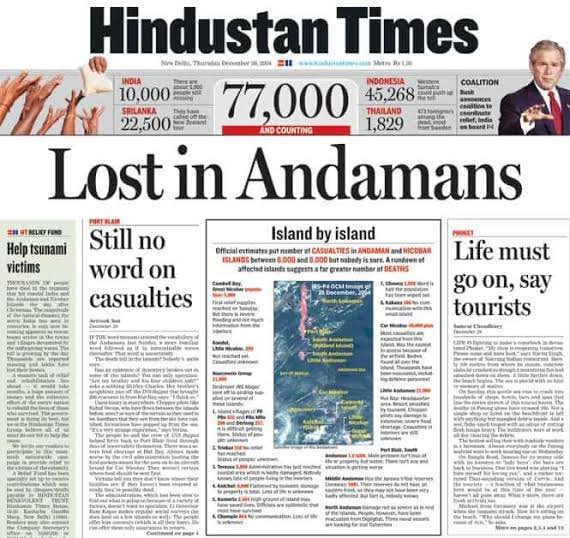
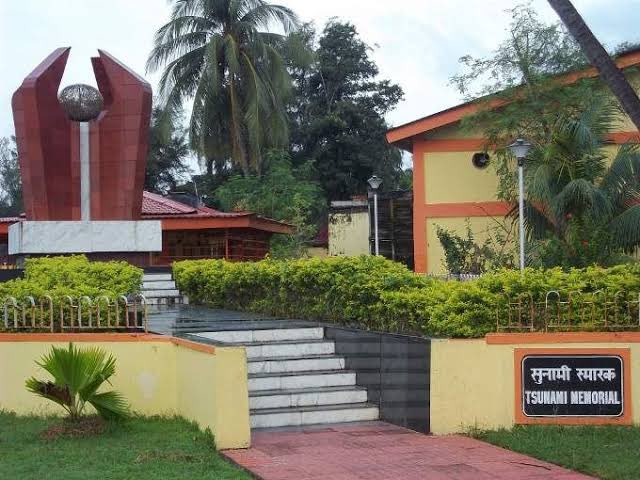
In 2004 the islands were hit by a tsunami that had been triggered by an earthquake in the Indian Ocean near Indonesia. Death toll reached over 1,300, with over 5,500 missing.
Dec-26 is commemorated as Taunami memorial day in Andamans
Dec-26 is commemorated as Taunami memorial day in Andamans
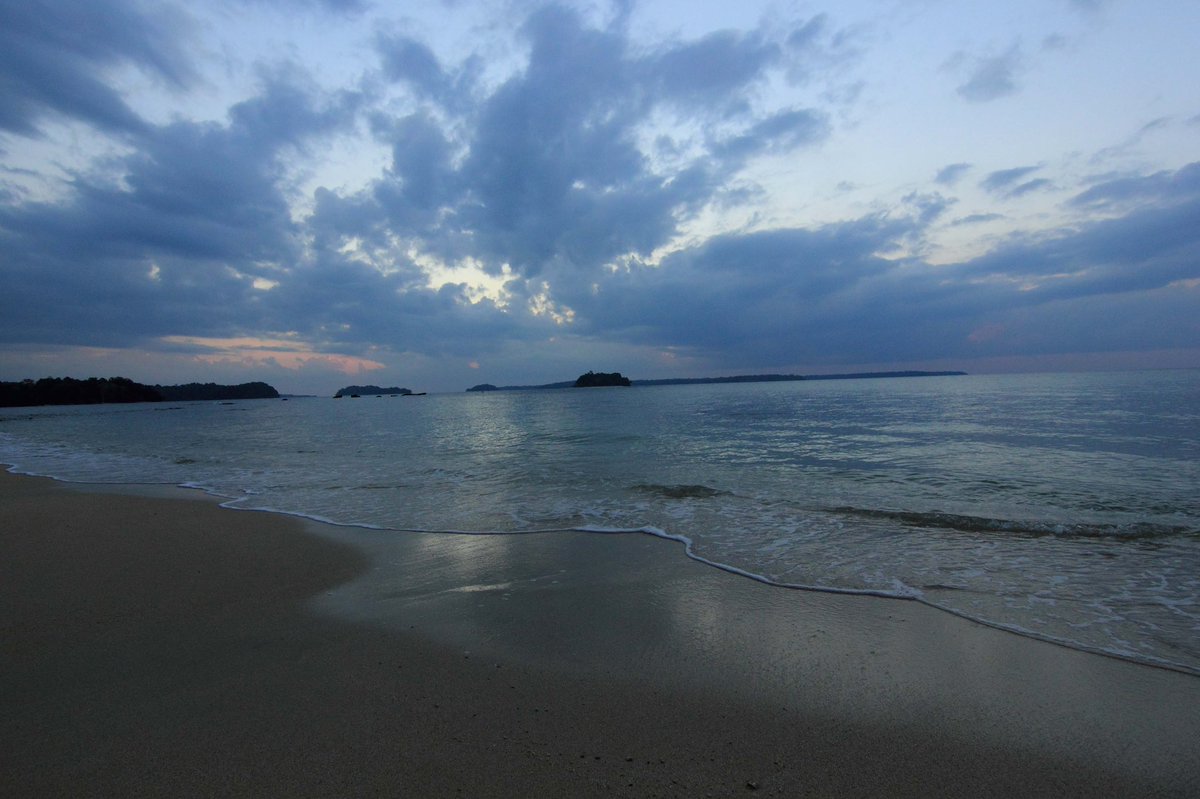
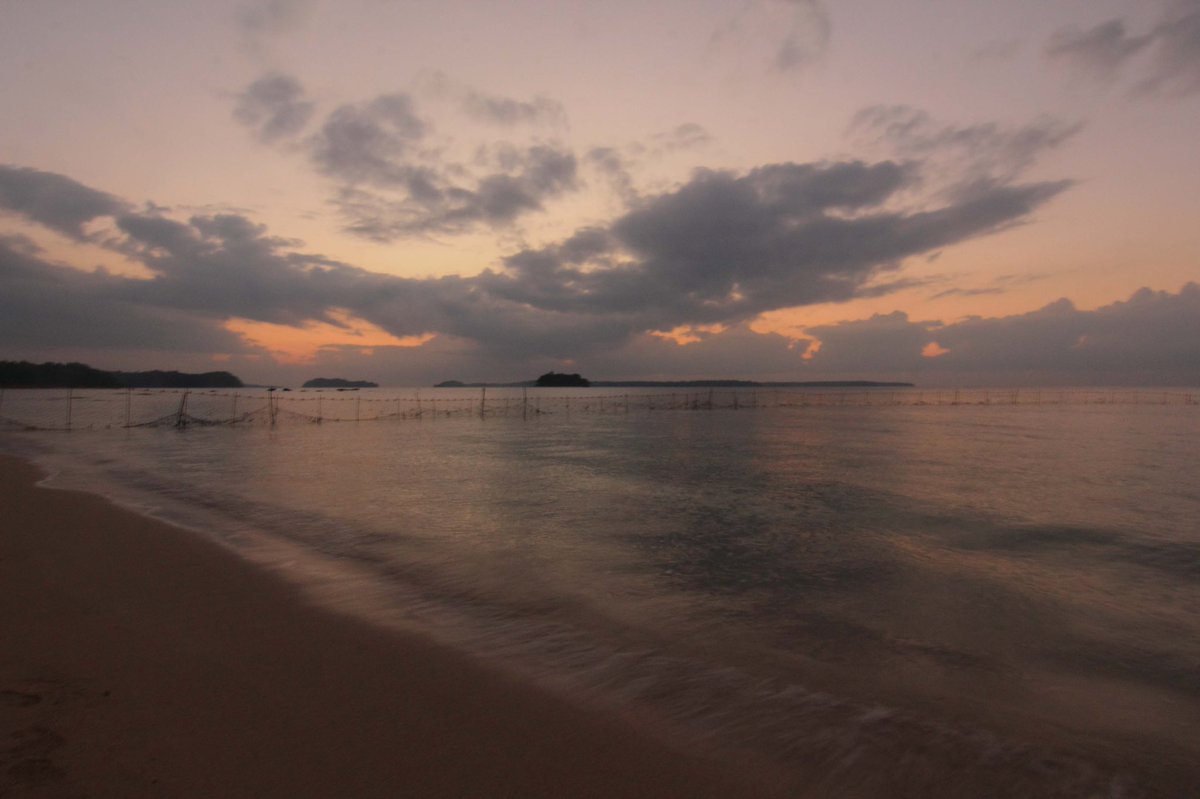
Though Andamans islands have a tumultuous history ,it is blessed with Natural beauty & its pristine beaches are a soul healer .
Leave Nothing but foot prints
Take nothing but memories .
End of 🧵
Leave Nothing but foot prints
Take nothing but memories .
End of 🧵
Loading suggestions...