

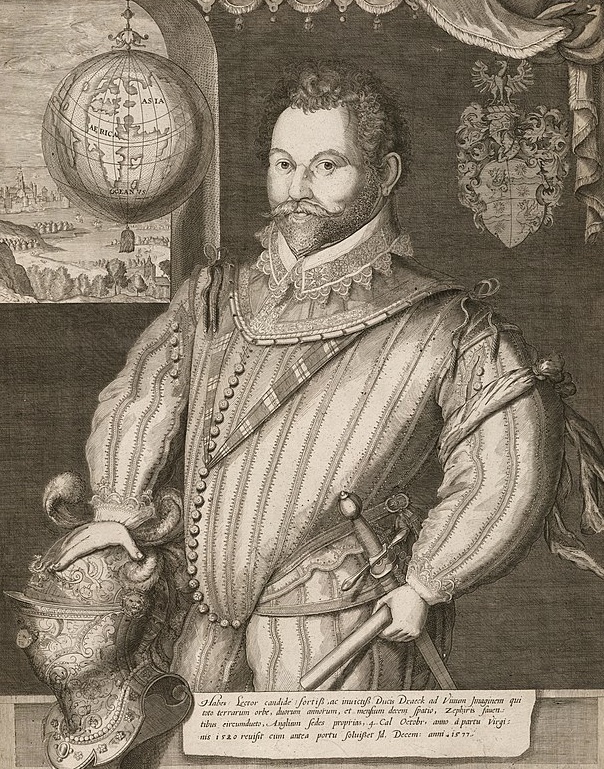
Francis Drake was called "The Dragon" by the Spanish.
Eventually, King Phillip II of Spain got so fed up with Drake's treasure raids that he invaded England.
But "The Dragon" was just getting warmed up...
Eventually, King Phillip II of Spain got so fed up with Drake's treasure raids that he invaded England.
But "The Dragon" was just getting warmed up...

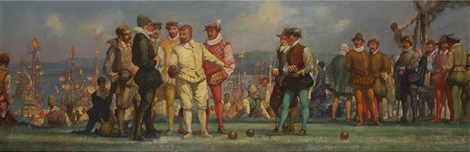
Drake is playing a game of bowls.
He is told the Spanish invasion fleet has arrived in the English Channel.
Drake acknowledges the message but insists on finishing his game (bowls is a popular game that involves rolling balls on a grass lawn).
He is told the Spanish invasion fleet has arrived in the English Channel.
Drake acknowledges the message but insists on finishing his game (bowls is a popular game that involves rolling balls on a grass lawn).
Throughout the 16th century, Drake had been wreaking havoc on the Spanish.
He raided countless Spanish ships and colonial settlements.
Throughout his career, he totaled over $115 million in plunder (today's money).
He raided countless Spanish ships and colonial settlements.
Throughout his career, he totaled over $115 million in plunder (today's money).
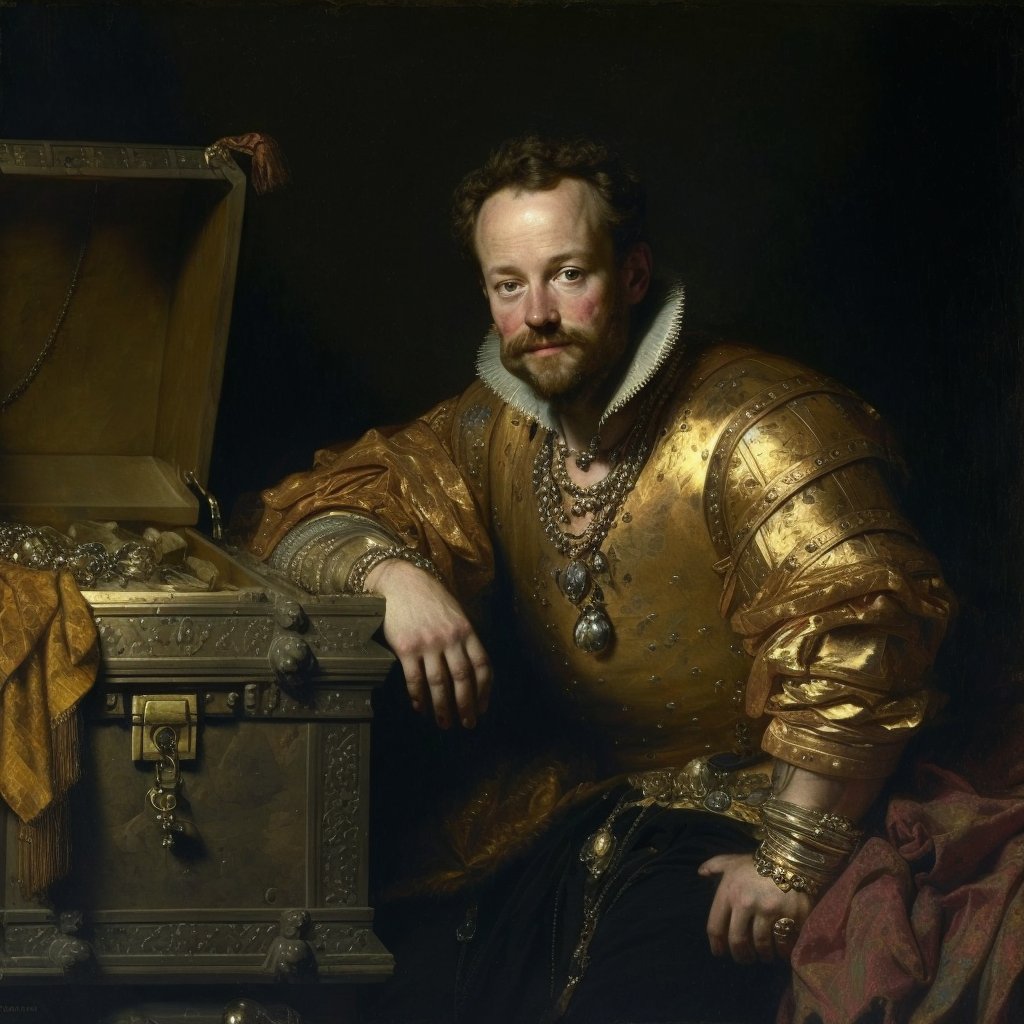
The Spanish were so afraid of Drake that they thought he practiced witchcraft and he had a magic mirror that showed him the location of their ships at sea.
That's how he got the nickname "El Draque" (or The Dragon).
That's how he got the nickname "El Draque" (or The Dragon).
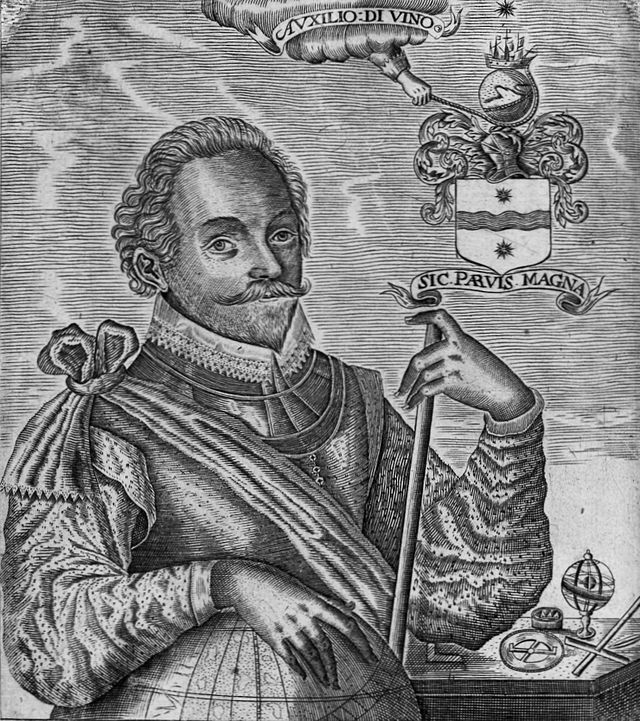
In 1587, word got out that the Spanish were planning an invasion of England.
King Phillip II and the Spaniards were tired of being robbed at sea by the English.
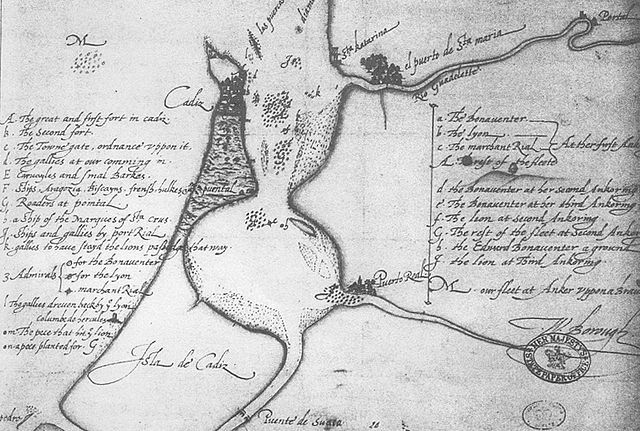
Once Drake heard of their plot he sailed to Cadiz and attacked a Spanish fleet that had been anchored there.
King Phillip II and the Spaniards were tired of being robbed at sea by the English.
Once Drake heard of their plot he sailed to Cadiz and attacked a Spanish fleet that had been anchored there.
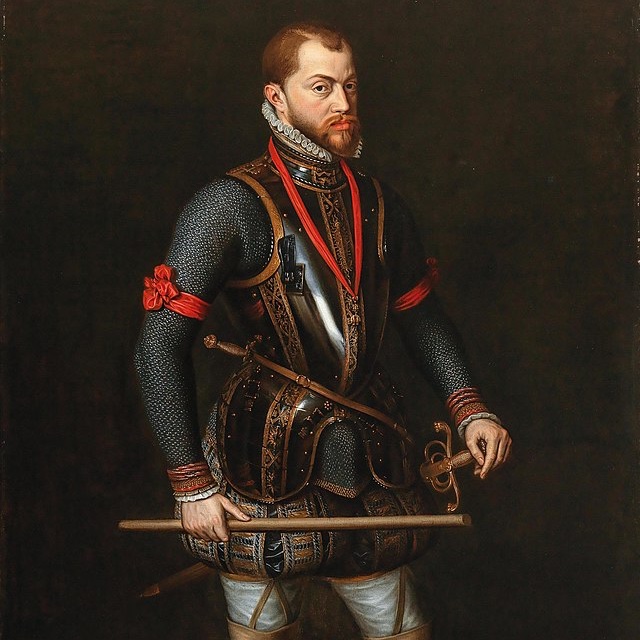
This attack on Cadiz would become known as the "Singeing of the King's Beard."
Drake destroyed 30 Spanish ships and lost only one of his own.
These 30 ships were supposed to be a part of the Armada that would be sent to England.
Drake destroyed 30 Spanish ships and lost only one of his own.
These 30 ships were supposed to be a part of the Armada that would be sent to England.
Although the Spanish invasion was delayed, on May 28th, 1588, the Armada set sail for England.
King Phillip sent 130 ships, carrying 18,000 soldiers and 8,000 sailors...
King Phillip sent 130 ships, carrying 18,000 soldiers and 8,000 sailors...
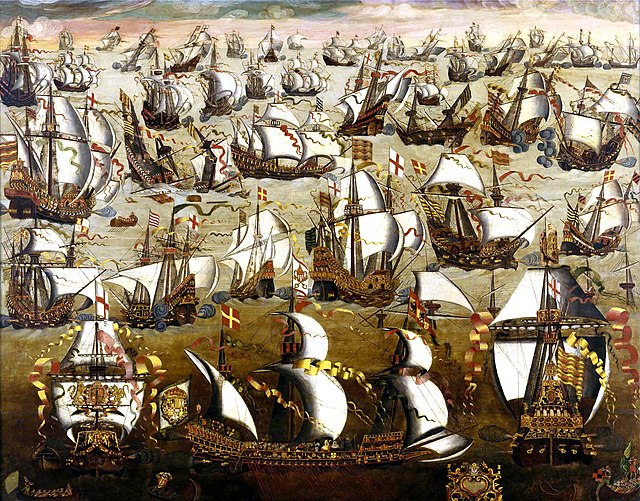
The English only had 100 ships to defend themselves.
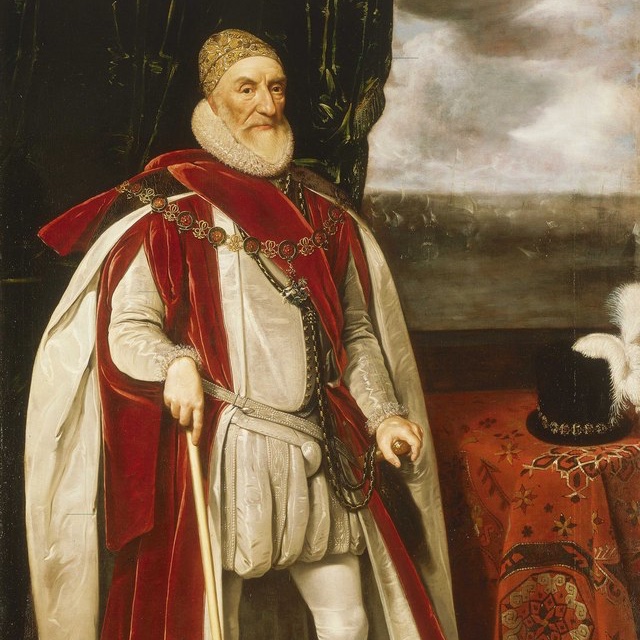
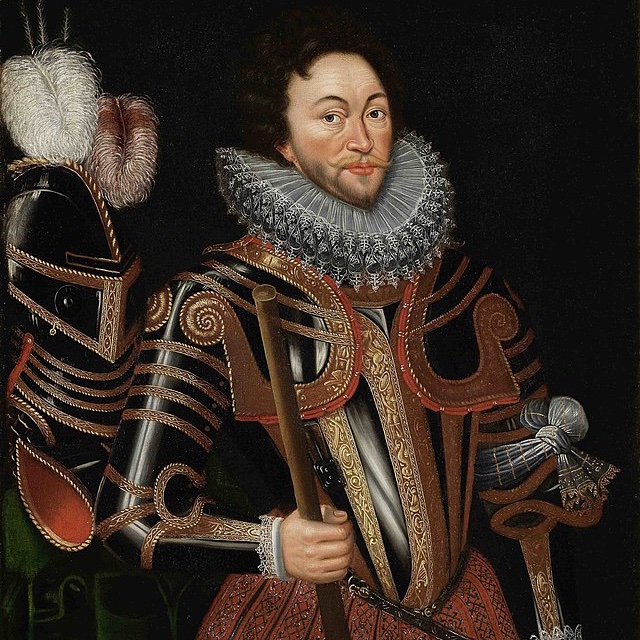
Queen Elizabeth I put Charles Howard in command of the English fleet, while Drake served as the Vice Admiral.
Queen Elizabeth I put Charles Howard in command of the English fleet, while Drake served as the Vice Admiral.
As the Armada arrived, an Englishman wrote:
"We never thought, that they could ever have found, gathered, and adjoined so great a force of puissant ships together and so well appointed them with their cannon, culverin, and other great pieces of brass ordinance."
"We never thought, that they could ever have found, gathered, and adjoined so great a force of puissant ships together and so well appointed them with their cannon, culverin, and other great pieces of brass ordinance."
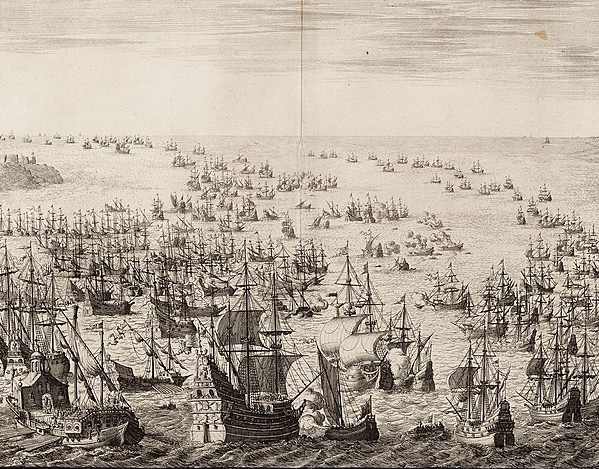
The Spanish Armada was huge, spanning a width of two miles.
But in an unexpected event, one of the largest and most powerful Spanish ships, the San Salvador blew up.
As the Spanish dealt with the situation, they slightly retreated to regather themselves.
But in an unexpected event, one of the largest and most powerful Spanish ships, the San Salvador blew up.
As the Spanish dealt with the situation, they slightly retreated to regather themselves.
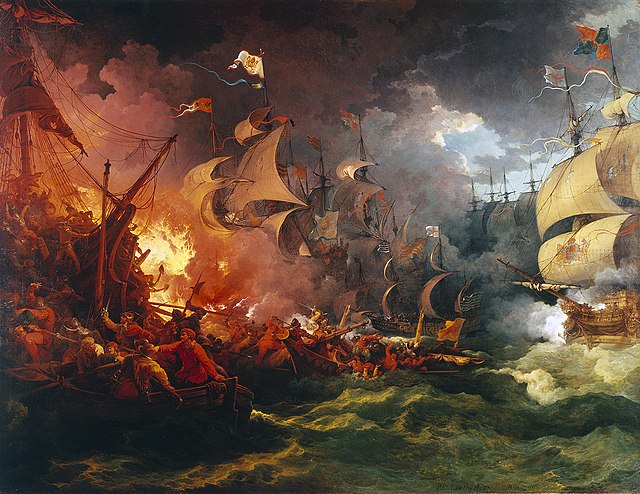
One ship called the Nuestra Senora del Rosario had come to aid the San Salvador but the Rosario suffered a collision and became immobilized itself.
Drake against orders, sailed off to raid the Rosario during the night.
Drake against orders, sailed off to raid the Rosario during the night.
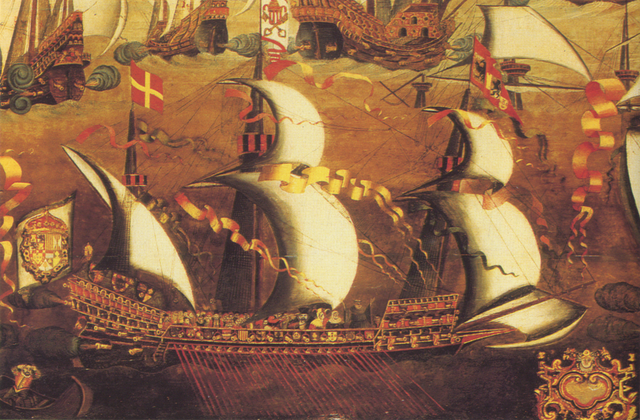
He was successful and bought back loads of powder and some important individuals who were aboard the Spanish ship.
But the most important thing Drake retrieved was information...
But the most important thing Drake retrieved was information...
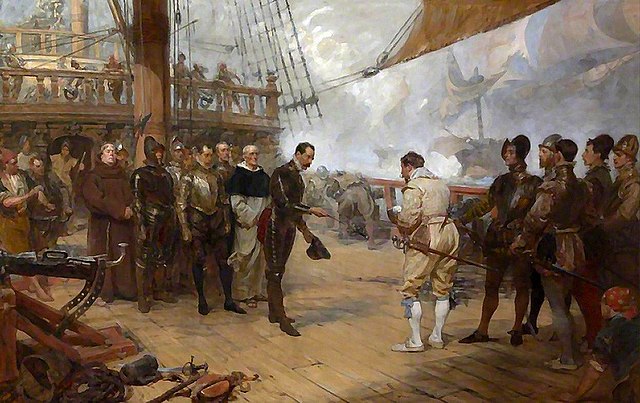
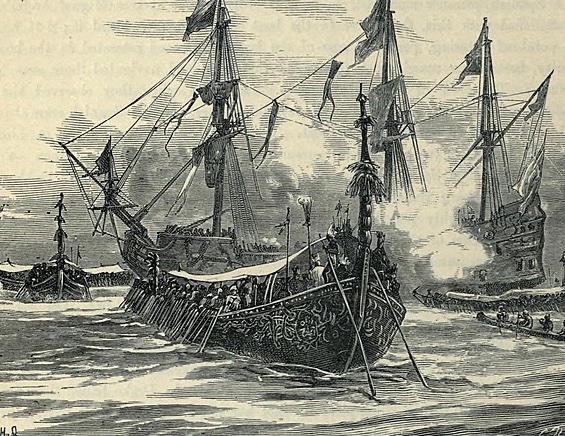
Upon boarding the Rosario, Drake noticed that the entire ship was set up for close quarters combat.
All the cannons were close together and were set up for a single person to fire one individual cannon.
All the cannons were close together and were set up for a single person to fire one individual cannon.
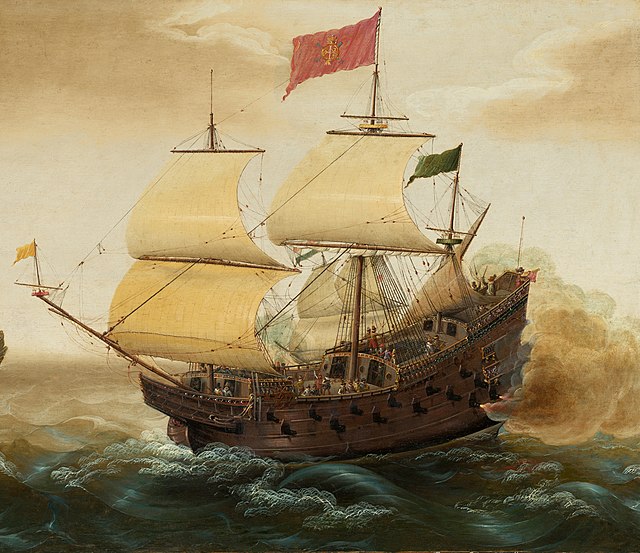
So, once a ship was crippled by a bombardment of cannon fire, the Spanish would move in and board the enemy ship, overpowering them by sheer force.
The strength of the Spanish was close quarter fire and melee battle.
But their strengths quickly turned into their weaknesses...
The strength of the Spanish was close quarter fire and melee battle.
But their strengths quickly turned into their weaknesses...
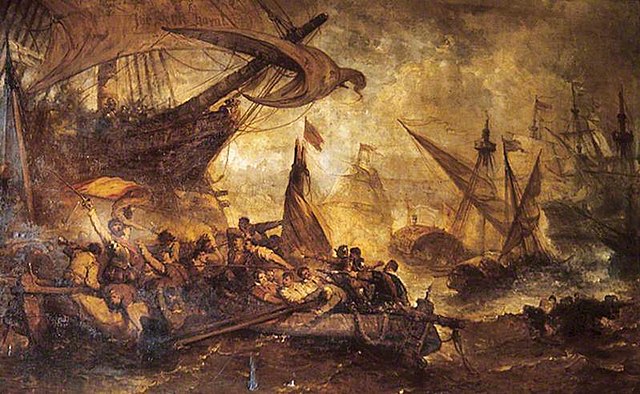
The smaller English fleet was equipped with long-range canons and their ships had superior maneuverability.
And with Drake's newfound knowledge, the English could exploit the Spanish's weaknesses.
And with Drake's newfound knowledge, the English could exploit the Spanish's weaknesses.
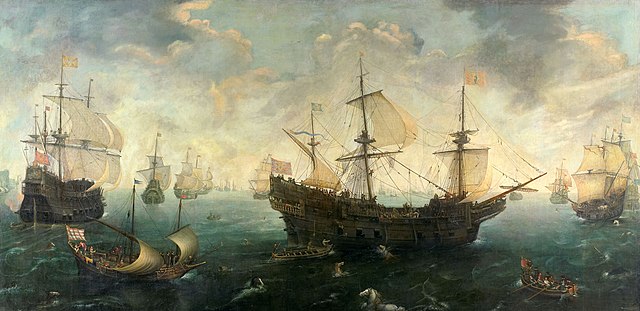
The English would hang back and fire from long range, make swift attacks on the stagnant Armada, and even send ships full of explosives at night to ram into the Spanish.
This strategy proved successful...
This strategy proved successful...
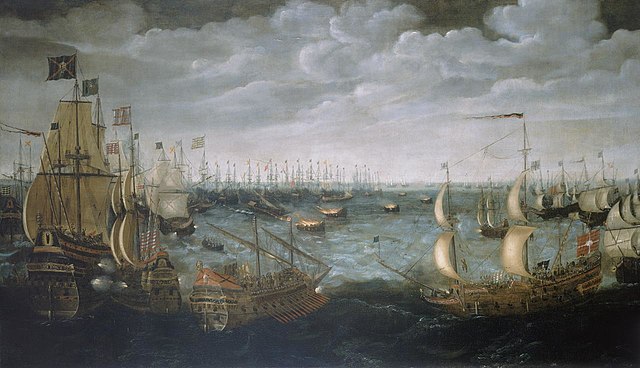
In the Battle of Gravelines, the Spanish were defeated.
Through the superior tactics of the English and some help from horrible weather, the Spanish Armada made a full retreat.
Through the superior tactics of the English and some help from horrible weather, the Spanish Armada made a full retreat.
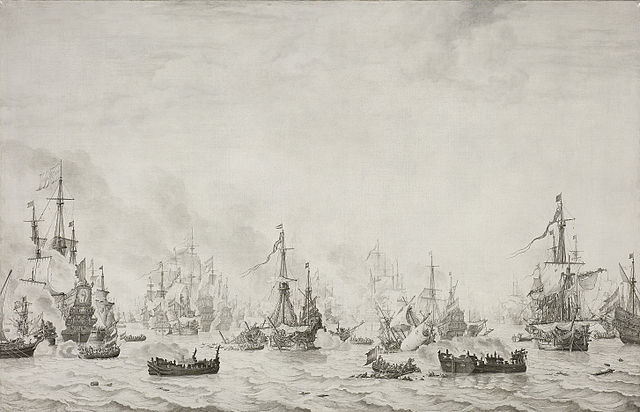
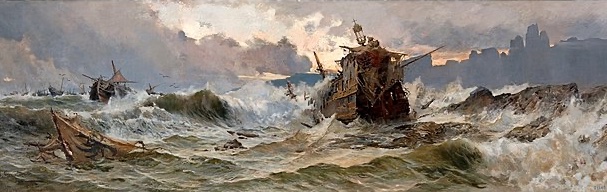
The Spanish lost only 2,000 men in the battles, but on the way home they would lose half their ships and a total of 15,000 men due to storms, disease and lack of supplies...
It was a devastating defeat.
It was a devastating defeat.
Francis Drake's life reads like fiction and we will be revisiting all of it, but what can we learn from Drake in this instance?
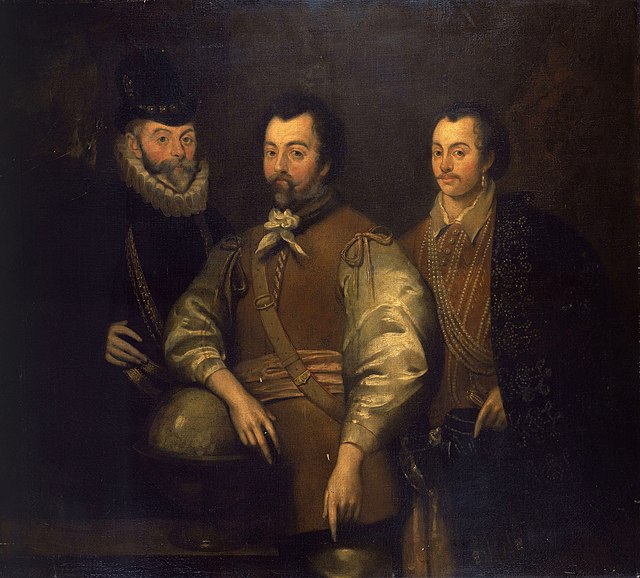
Well, the lesson here is to disobey orders when they are dumb.
Much of the English's success against the Spanish Armada rests on the shoulders of Drake.
As we covered, the night he set out to trail the Rosario, he disobeyed orders.
Much of the English's success against the Spanish Armada rests on the shoulders of Drake.
As we covered, the night he set out to trail the Rosario, he disobeyed orders.
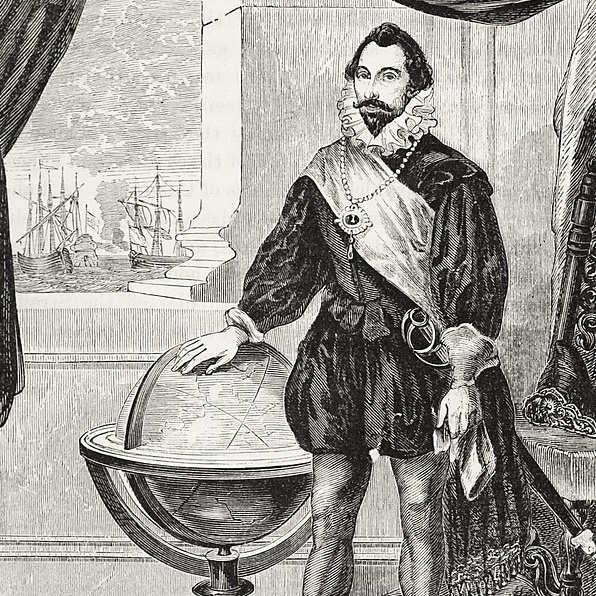
Of course, Drake took a risk... he could have failed and been captured.
But he wasn't captured.
He found the immobilized Rosario and plundered it of its supplies and most importantly its information.
But he wasn't captured.
He found the immobilized Rosario and plundered it of its supplies and most importantly its information.
Without that information, the English may not have successfully defended themselves.
The English may have played into the Spanish trap, which was fighting in close quarters.
The English may have played into the Spanish trap, which was fighting in close quarters.

Drake knew what he was doing though because privateering was what he had been doing for decades.
His prior experience gave him the confidence to act against his orders.
His prior experience gave him the confidence to act against his orders.
So, next time you are given orders or a job to do, question it.
If your prior experiences prove the orders are dumb, don't follow them.
And if you have the right boss, he will understand and be glad you chose otherwise, as he will benefit too, just as Lord Charles Howard did.
If your prior experiences prove the orders are dumb, don't follow them.
And if you have the right boss, he will understand and be glad you chose otherwise, as he will benefit too, just as Lord Charles Howard did.

USEFUL KNOWLEDGE:
- When you get 'orders' and they are dumb, do not follow them. Either choose a different action or at the very least break the situation down with whoever gave you the orders. You will pay a heavy price in life for doing things that you know are wrong or just…
- When you get 'orders' and they are dumb, do not follow them. Either choose a different action or at the very least break the situation down with whoever gave you the orders. You will pay a heavy price in life for doing things that you know are wrong or just…

Loading suggestions...