

What is the real meaning of Star Wars and why is it so popular?
Well, the story begins when George Lucas asks his mother:
“If there's only one God, why are there so many religions?"
Well, the story begins when George Lucas asks his mother:
“If there's only one God, why are there so many religions?"
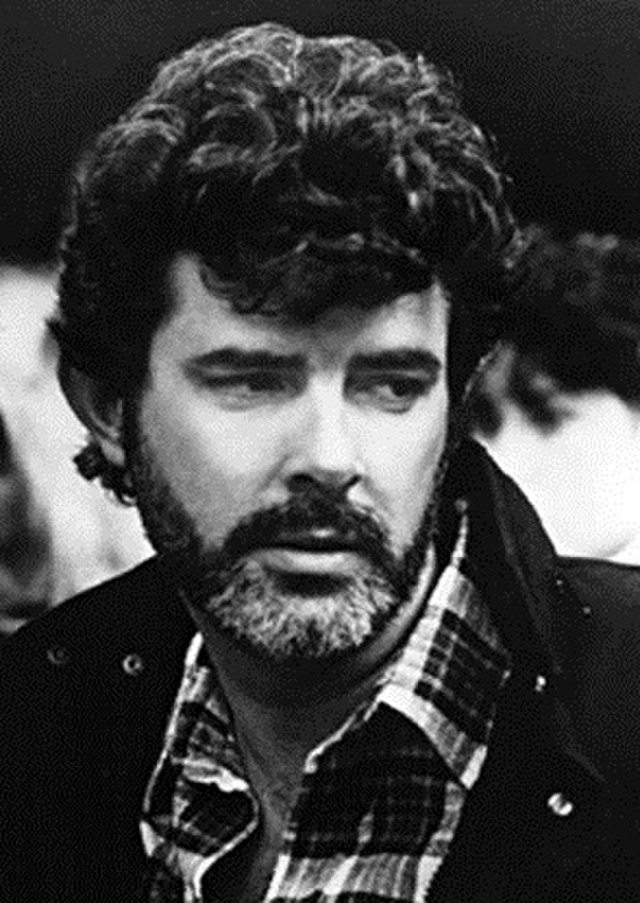

When George Lucas was 8 years old, he asked his mother that question.
That question stuck with him ever since.
And over the years he began to realize that there were core ideas that resonated with humans.
That question stuck with him ever since.
And over the years he began to realize that there were core ideas that resonated with humans.
After Lucas directed American Graffiti in 1973, he decided he was going to produce an adaptation of Flash Gordon.
He loved the adventure serial as a kid.
But, he was denied the rights to do so…
He loved the adventure serial as a kid.
But, he was denied the rights to do so…

Eventually, he came to the conclusion that he would try his hand at a space adventure movie.
He took this idea seriously.
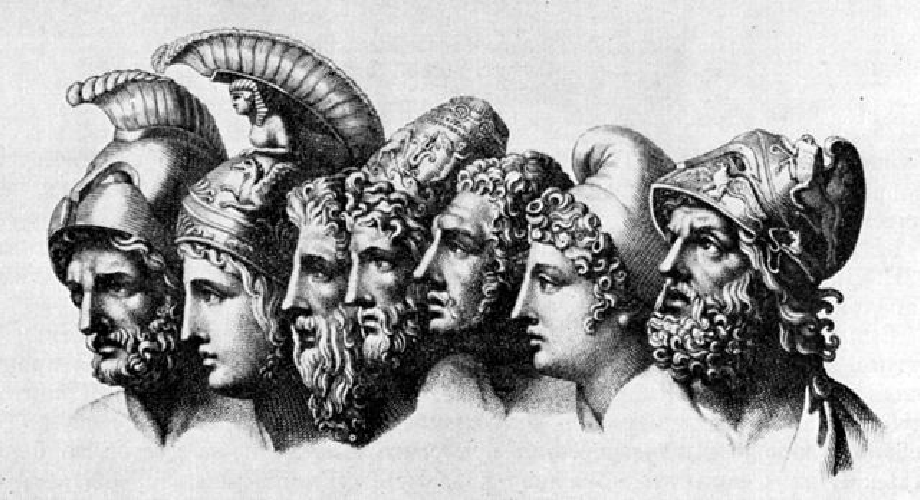
He approached the project by studying past mythology.
He took this idea seriously.
He approached the project by studying past mythology.
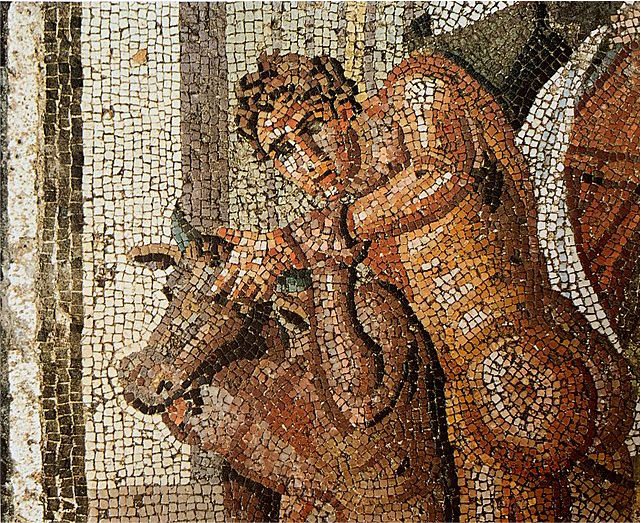
“When I did Star Wars, I consciously set about to recreate myths in the classic mythological motifs. I wanted to use those motifs to deal with issues that existed today.”
By studying mythology, he recognized themes that were present in stories which stood the test of time.
By studying mythology, he recognized themes that were present in stories which stood the test of time.
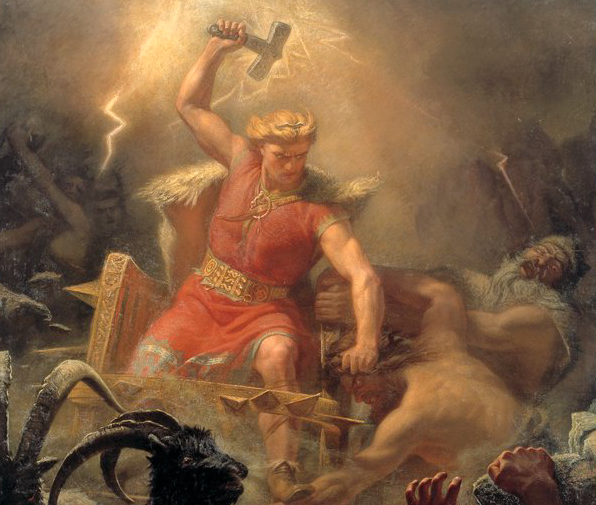
There are many themes that the Star Wars movies hit on:
“What these films deal with is the fact that we all have good and evil inside of us and that we can choose which way we want the balance to go. Star Wars is made up of many themes, it’s not just a single theme...
“What these films deal with is the fact that we all have good and evil inside of us and that we can choose which way we want the balance to go. Star Wars is made up of many themes, it’s not just a single theme...
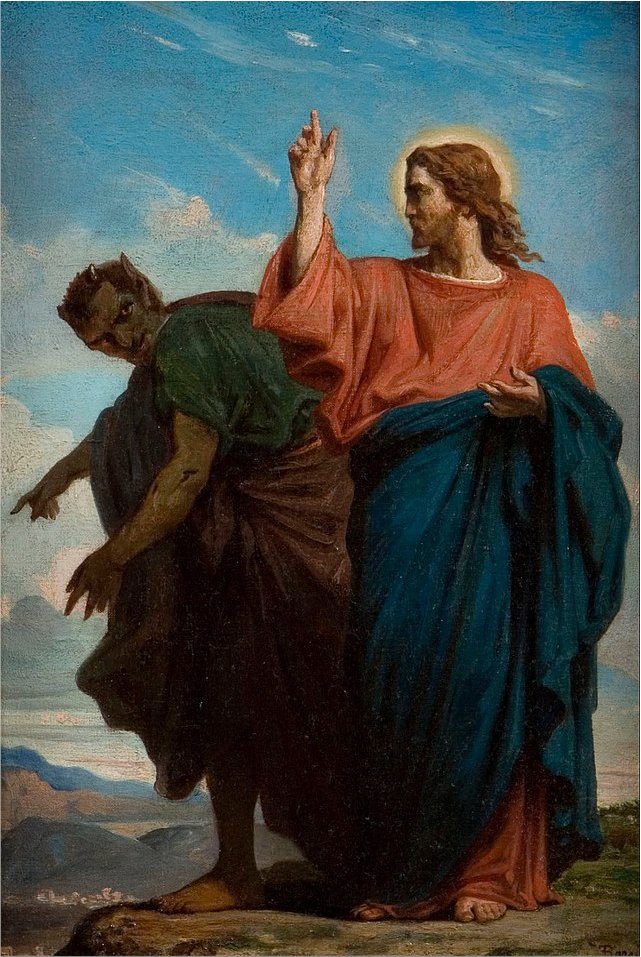
...One is our relationship to machines, which are fearful but is also benign and they’re an extension of the human… The issues of friendship and your obligation to your fellow man and the other people that are around you. That you have control over your destiny, that you have...
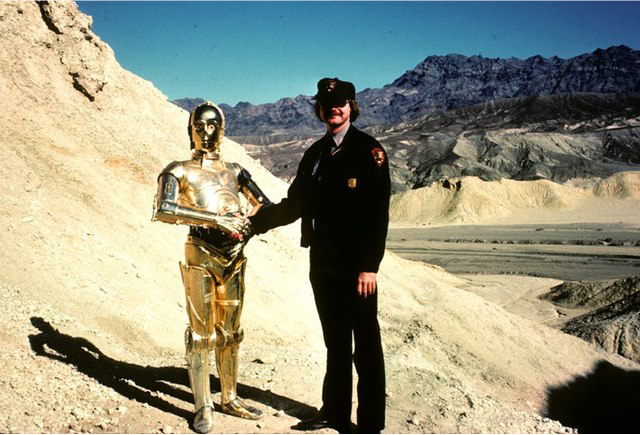
...a destiny. That you have many paths to walk down and you may have a great destiny, but if you decide to not walk down that path, your life might not be as satisfying as if you wake up and...

...listen to your inner feelings and realize what you have a particular talent for and what contributions you can make to society.”
The meaning is multidimensional to say the least.
The meaning is multidimensional to say the least.
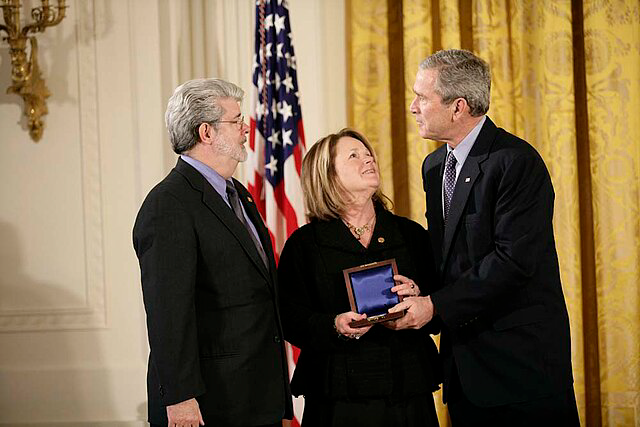
One of the other things that Lucas focused on was color.
Color has deep psychological roots, which many are unaware of.
The bad guys were associated with black, grey, red, and the good guys - lighter colors like white, tan, green, etc.
Color has deep psychological roots, which many are unaware of.
The bad guys were associated with black, grey, red, and the good guys - lighter colors like white, tan, green, etc.
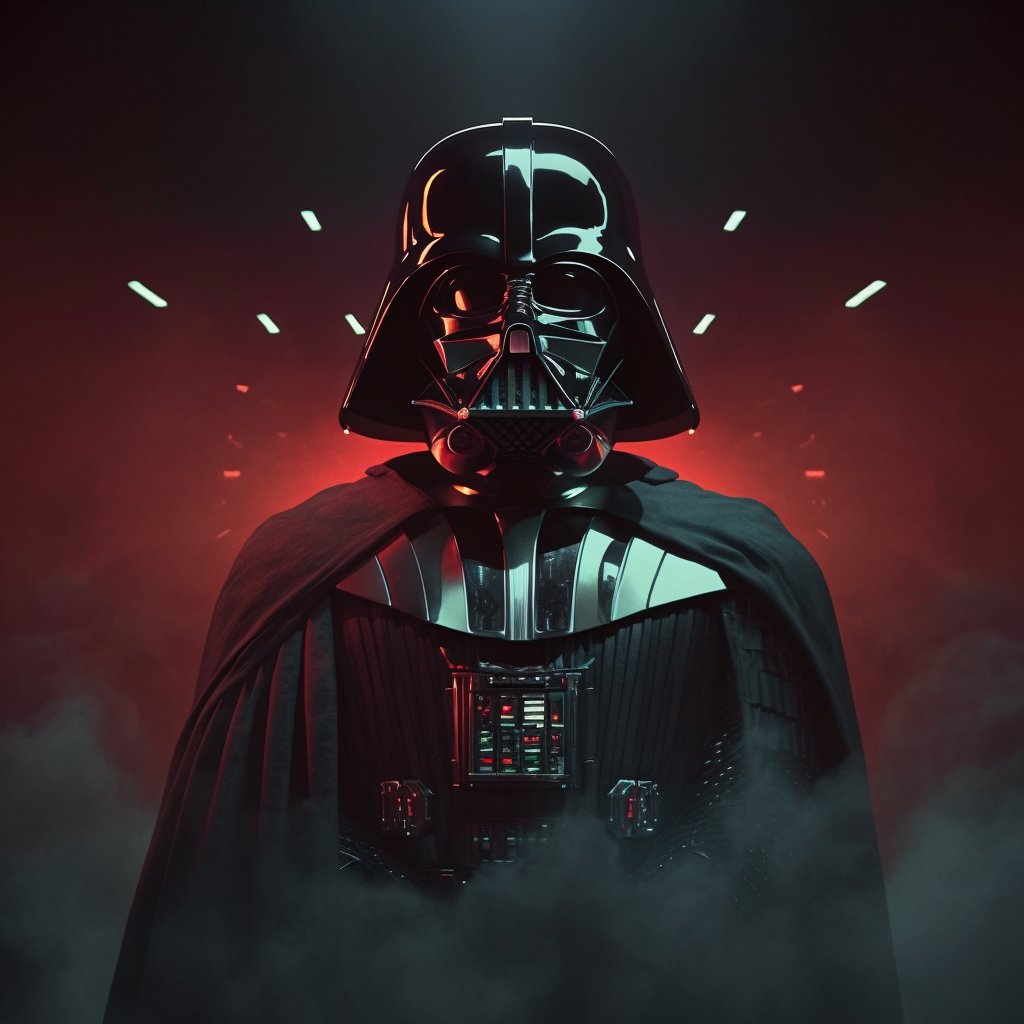
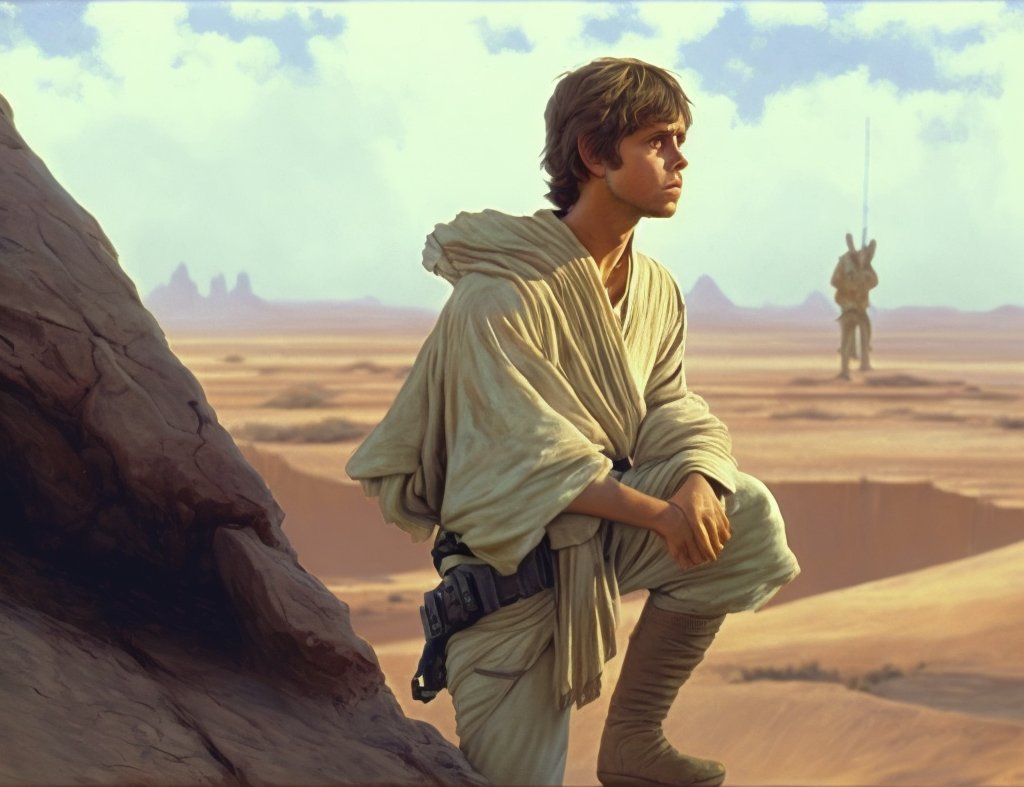
Everything was deliberate and intentional with Star Wars.
Even the costumes were made to resonate with our subconscious mind.
For example, the people of Naboo were all dressed in costumes that resembled Asian culture.
Even the costumes were made to resonate with our subconscious mind.
For example, the people of Naboo were all dressed in costumes that resembled Asian culture.
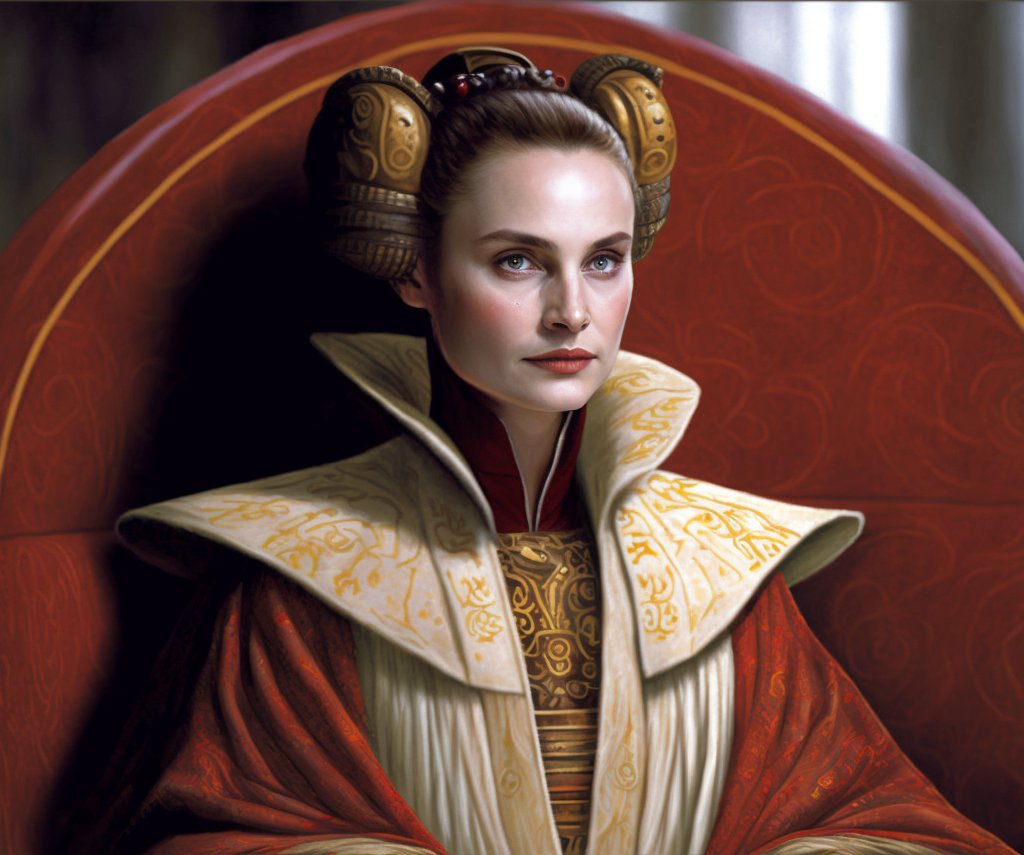

The depth of Lucas’ work is unbelievable.
In The Phantom Menace, there is an underwater city.
But this was not something that was just thrown together.
In The Phantom Menace, there is an underwater city.
But this was not something that was just thrown together.
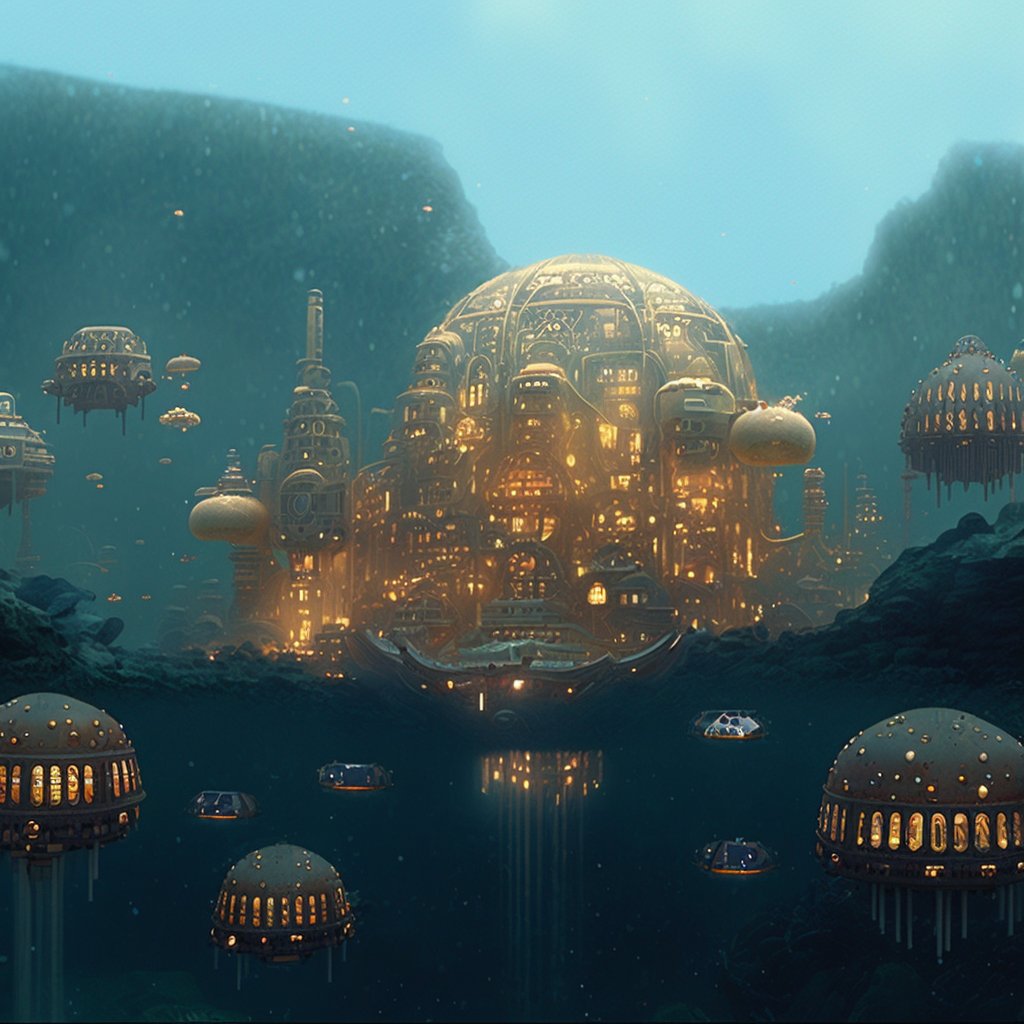
He wanted to create a “sophisticated but organic society down there.”
He continues:
“We were using a kind of technology which had to be completely worked out. How do these bubbles exist under there? Where do they come from? What do they use for energy? The whole culture...
He continues:
“We were using a kind of technology which had to be completely worked out. How do these bubbles exist under there? Where do they come from? What do they use for energy? The whole culture...
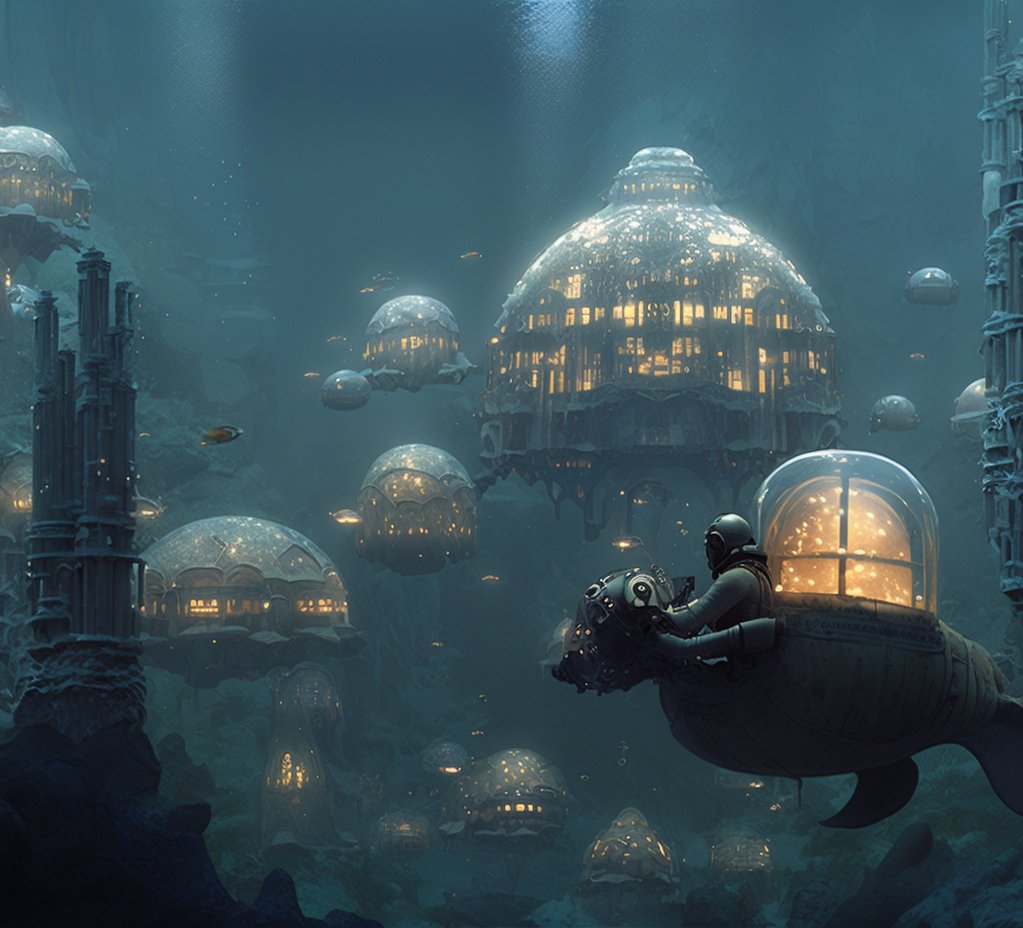
...has to be designed. What do they believe in? How do they operate? What are the economics of the culture? Most of it doesn’t appear in the movie but you have to have thought it through, otherwise, there’s something that always rings very...
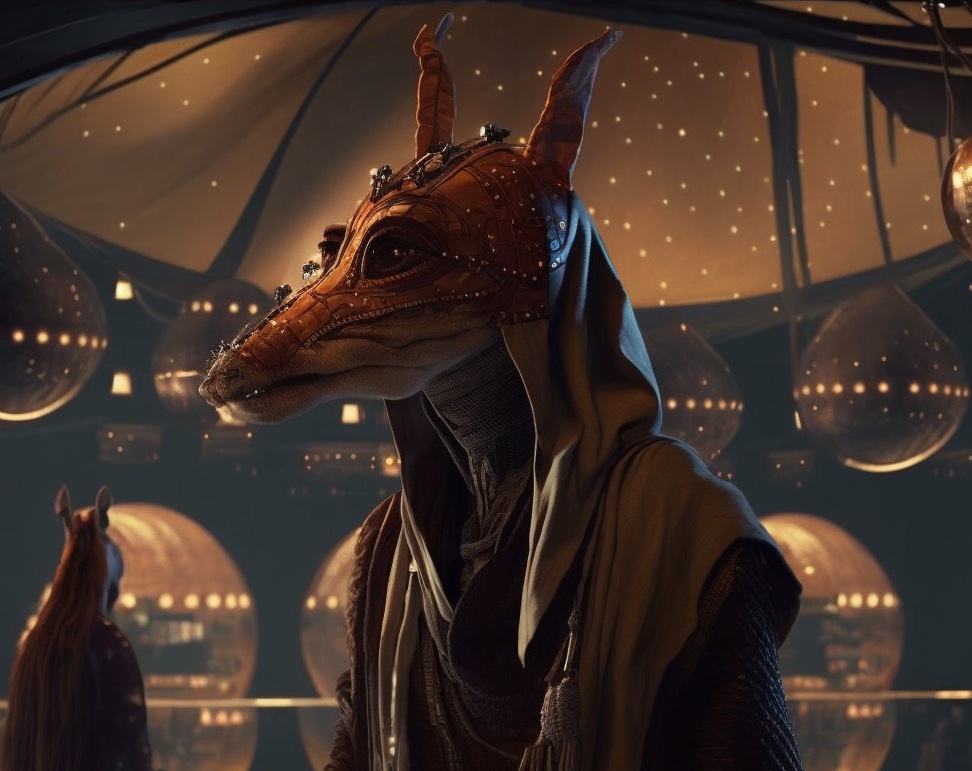
...untrue or phony about what it is that’s going on. One of the things I struggle for is to create a kind of immaculate realism in a totally unreal and fantasy world.”
This is extremely important.
This is extremely important.

If fantasy is too detached from reality, it will not resonate.
You need core human aspects of life behind your fantasy story in order for it to register properly in the subconscious mind.
You need core human aspects of life behind your fantasy story in order for it to register properly in the subconscious mind.
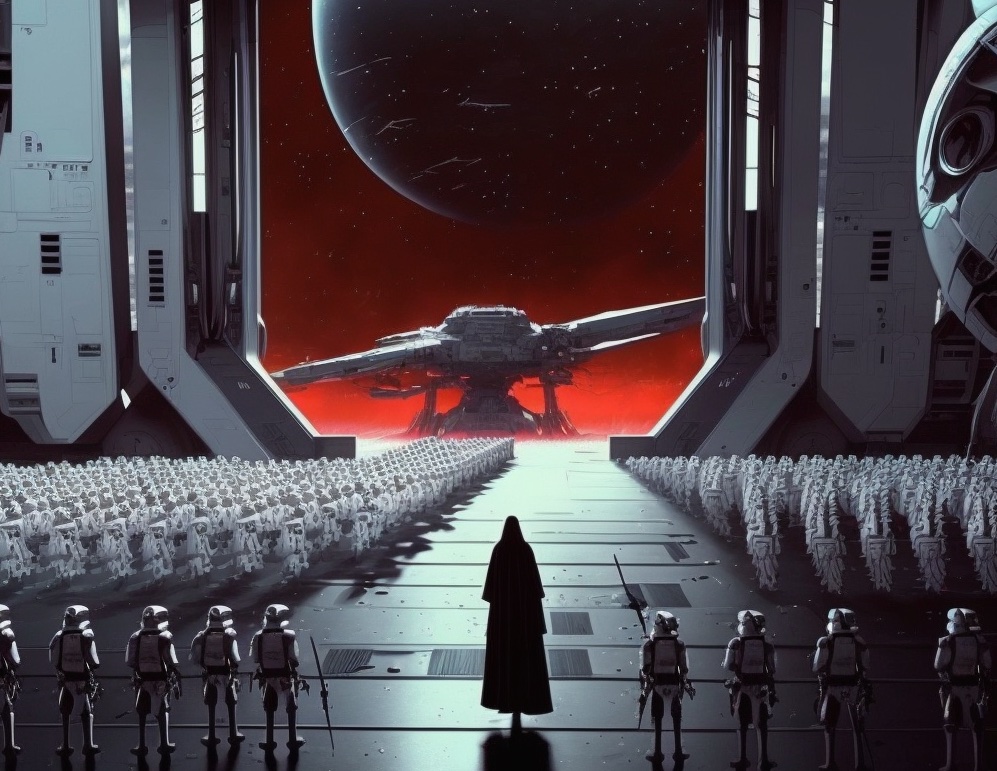

Also, you can be imaginative, but once you make a rule it must stay true throughout the story in your made-up galaxy.
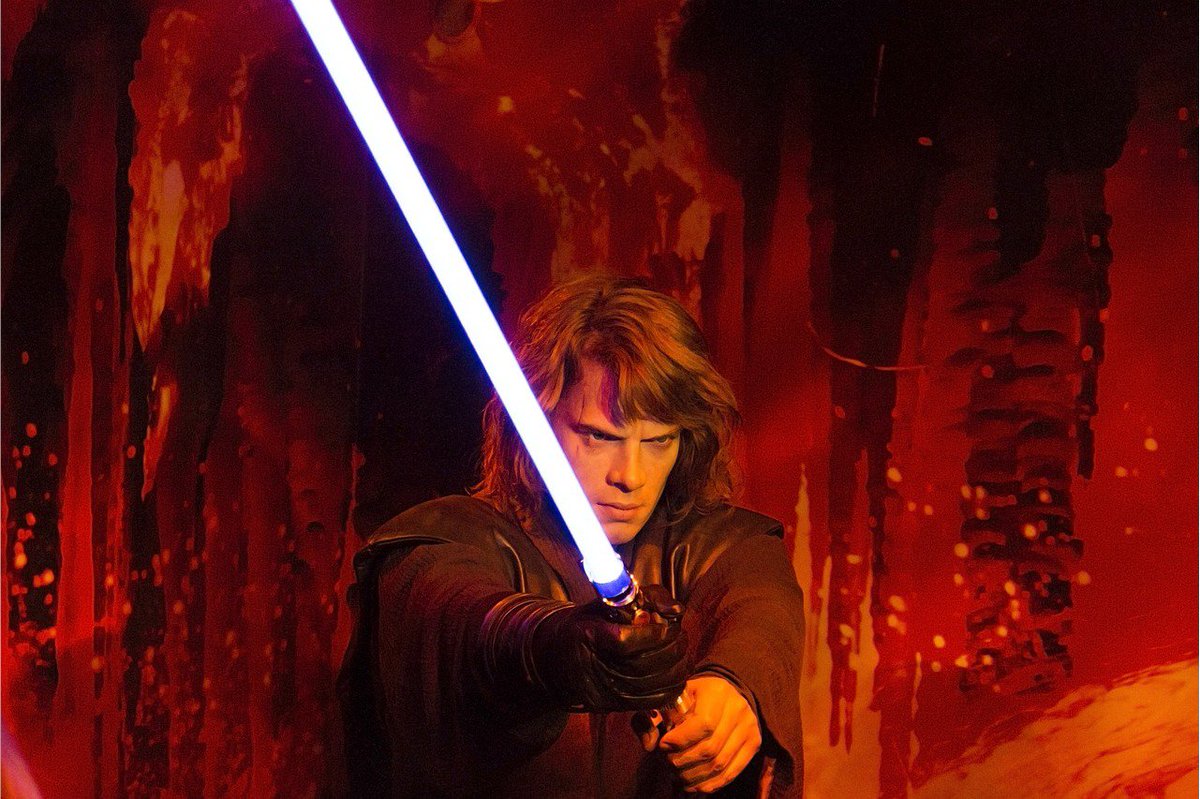
Examples: sound in space and what lightsabers can cut through and what they can’t cut through - these were consistent according to Lucas.
Examples: sound in space and what lightsabers can cut through and what they can’t cut through - these were consistent according to Lucas.
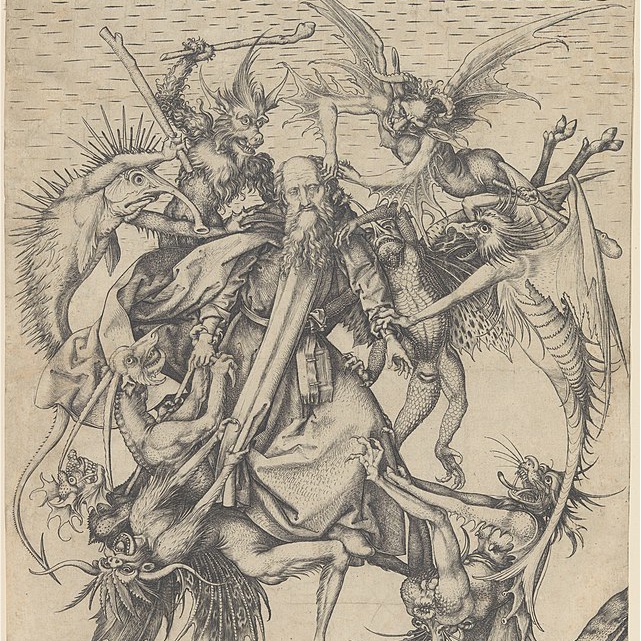
A somewhat more obvious example, but maybe you didn’t catch it - in The Phantom Menace, Darth Maul was certainly a character that people remember…
But why?
Well, it was because of his satanic/demonic appearance.
It struck a cord of familiarity deep within the human psyche.
But why?
Well, it was because of his satanic/demonic appearance.
It struck a cord of familiarity deep within the human psyche.
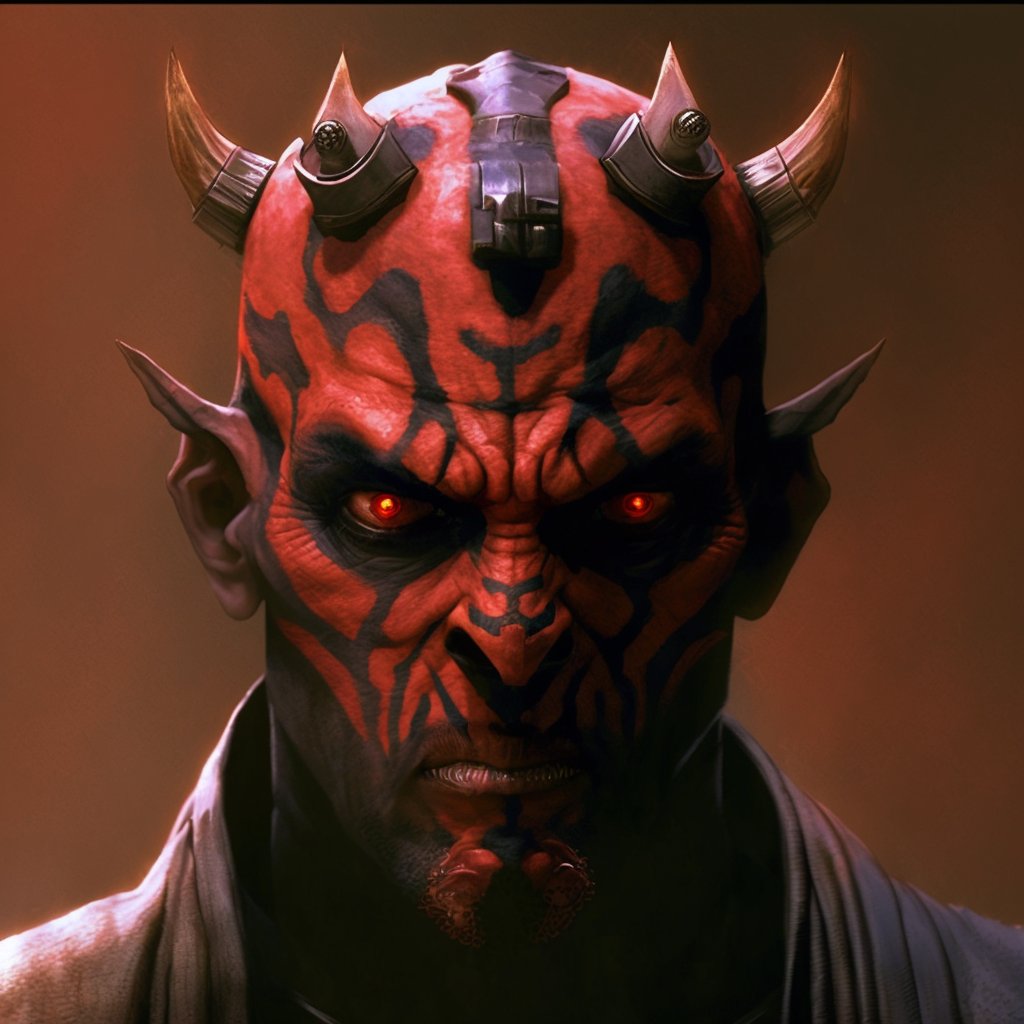
Oddly enough, no matter the culture or religion, there are similarities in how we view evil beings: red, horns, dark, cloaks, etc.
Where this comes from exactly is puzzling…
Maybe it’s because they semi-relate to predators we faced throughout evolution?
Maybe it's religious?
Where this comes from exactly is puzzling…
Maybe it’s because they semi-relate to predators we faced throughout evolution?
Maybe it's religious?
There is so much here… and it’s all fascinating!
We will return to this subject and discuss things like why kids love Darth Vader, the complexities of parental relationships, death and rebirth, etc…
But for now, we will wrap up by concluding how all of this is useful to you.
We will return to this subject and discuss things like why kids love Darth Vader, the complexities of parental relationships, death and rebirth, etc…
But for now, we will wrap up by concluding how all of this is useful to you.
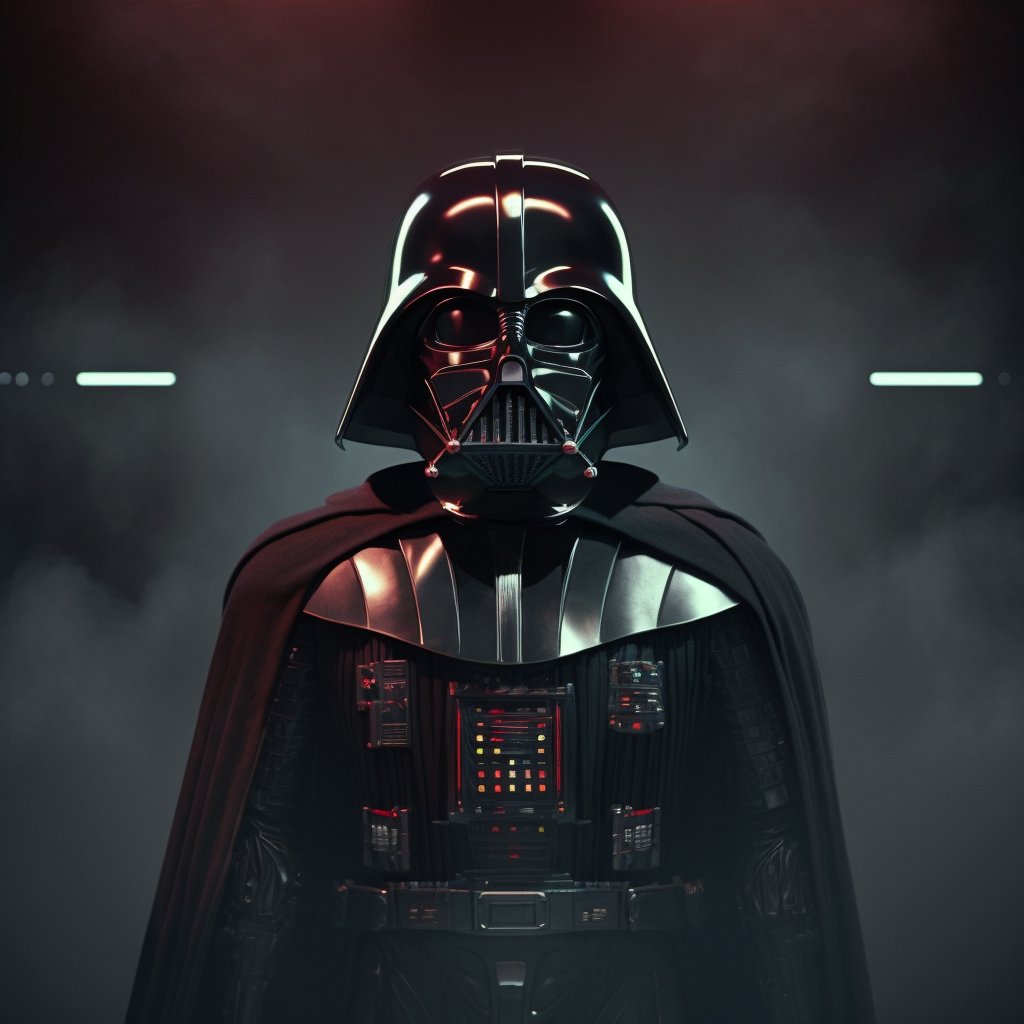
Many decades after Lucas asked that first question about why there are so many religions, he concluded that everyone is worshipping the same God and that all the individual religions are just sectional pieces of the “whole elephant."
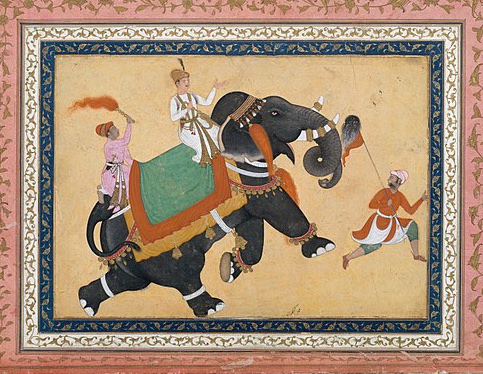
With an understanding that all humans have basically the same nature, he then dove into mythology and was able to produce a work that resonated with all people.
It resonated because it touched on core ideas that have been present since the beginning of time.
It resonated because it touched on core ideas that have been present since the beginning of time.
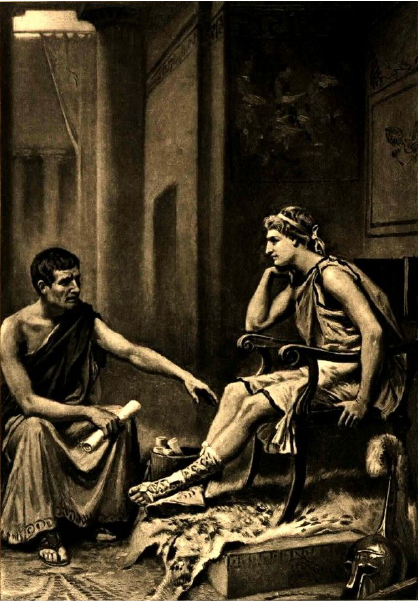

So, if you are in the business of communicating, which is a lot of people… consider approaching things from a story.
Always try to communicate through stories whenever possible, as they resonate best with people.
Always try to communicate through stories whenever possible, as they resonate best with people.
And when telling that story, make sure you are familiar with human nature, psychology, and mythological connections.
You can go the fantasy route, but if you don’t aim at the subconscious mind, your work will not hit home like it should.
You can go the fantasy route, but if you don’t aim at the subconscious mind, your work will not hit home like it should.
I will leave you with one last quote from Lucas:
“I've come to the conclusion that mythology is really a form of archaeological psychology. Mythology gives you a sense of what a people believes, what they fear.
“I've come to the conclusion that mythology is really a form of archaeological psychology. Mythology gives you a sense of what a people believes, what they fear.
USEFUL KNOWLEDGE:
- When communicating try to always approach things with a story. And to strengthen the resonance, include human nature, psychology (evolutionary) and mythology in there.
All of that is a POWERFUL combination. It’s not a coincidence that Star Wars is one of…
- When communicating try to always approach things with a story. And to strengthen the resonance, include human nature, psychology (evolutionary) and mythology in there.
All of that is a POWERFUL combination. It’s not a coincidence that Star Wars is one of…

Loading suggestions...