
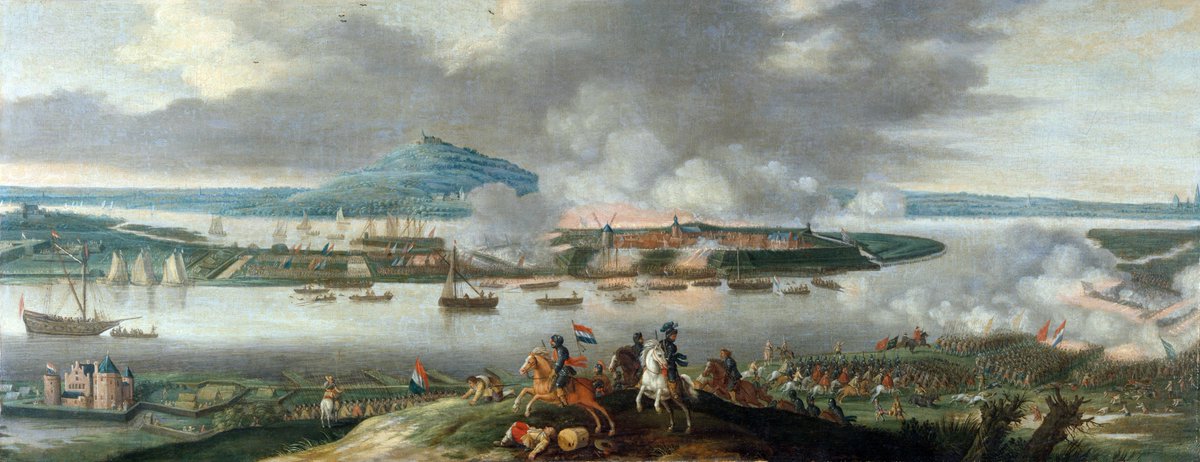
On this day 30 April the Dutch recaptured the important fortress of Schenkenschans in 1636.
Spanish garrison of 1500 men was bombarded from all sides, suffering huge casualties.
Finally a surrender was negotiated and 600 survivors were allowed to walk out with honors of war!
Spanish garrison of 1500 men was bombarded from all sides, suffering huge casualties.
Finally a surrender was negotiated and 600 survivors were allowed to walk out with honors of war!
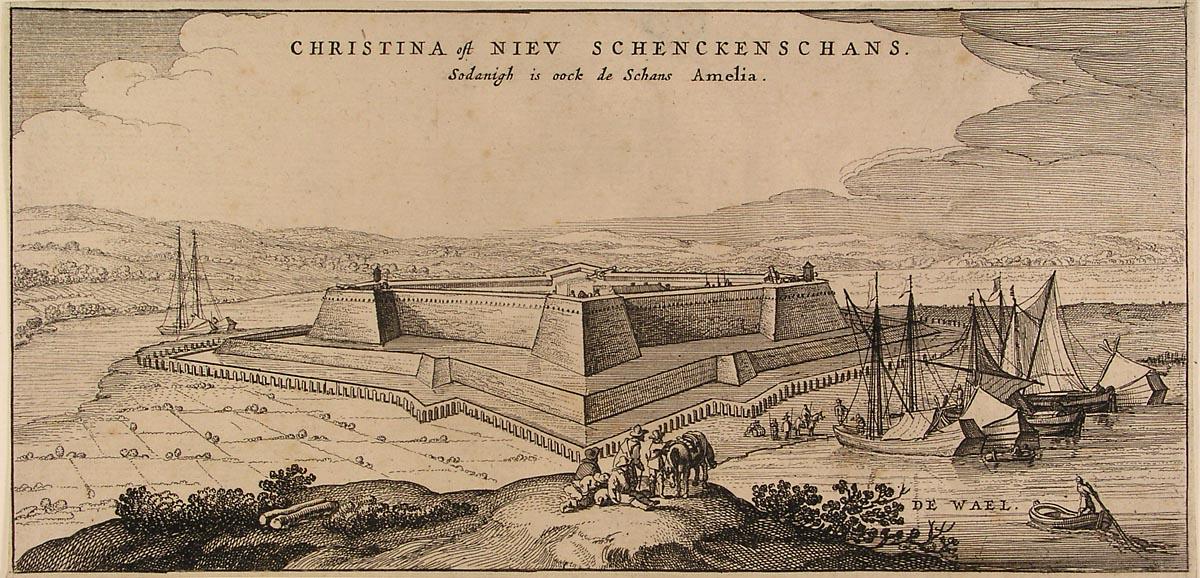
Fort Schenkenschans was considered "the most important of Dutch fortifications" and "the key to Holland".
It was built in 1586 as a star fort by the Dutch Republic which had just recently declared independence.
At the time it was one of the strongest fortifications in Europe!
It was built in 1586 as a star fort by the Dutch Republic which had just recently declared independence.
At the time it was one of the strongest fortifications in Europe!
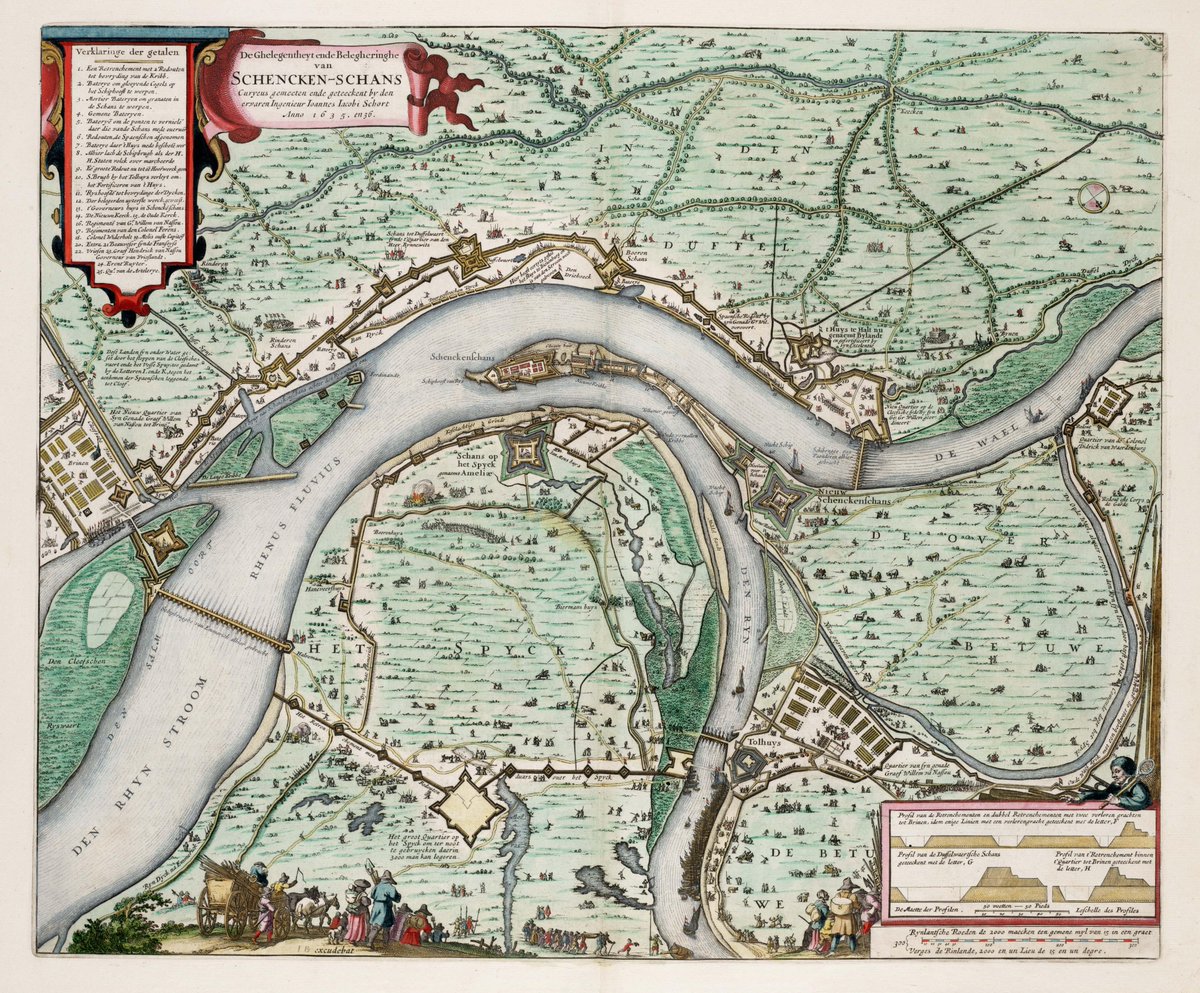
Fort Schenkenschans was situated at the point which split the Rhine river into two arms, the southern Waal and the northern Nederrijn.
It controlled the river access to the Netherlands!
During the Eighty Years' War the Spanish tried to capture it because of its importance.
It controlled the river access to the Netherlands!
During the Eighty Years' War the Spanish tried to capture it because of its importance.
The Spanish first besieged it in 1599.
But the siege was not successful.
The defending Dutch garrison engaged in an artillery duel with great success and the defensive fortifications proved too strong. The Dutch were also helped by an arriving relief force.
But the siege was not successful.
The defending Dutch garrison engaged in an artillery duel with great success and the defensive fortifications proved too strong. The Dutch were also helped by an arriving relief force.
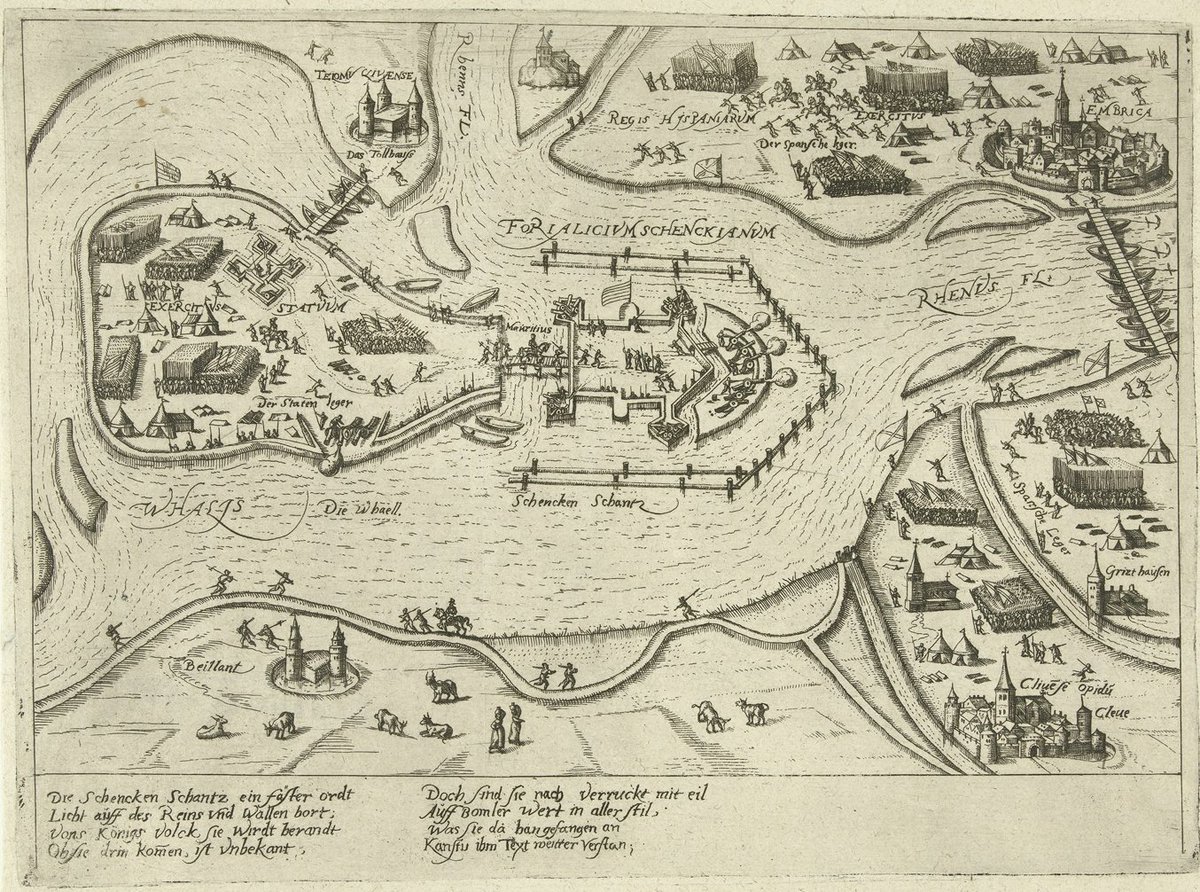
However in 1635 the Spanish successfully captured the fortress in a daring night commando-style assault which took the 120 men strong Dutch garrison completely by surprise!
No mercy was shown as the Dutch garrison was massacred.
The Spanish also occupied nearby Duchy of Cleves.
No mercy was shown as the Dutch garrison was massacred.
The Spanish also occupied nearby Duchy of Cleves.
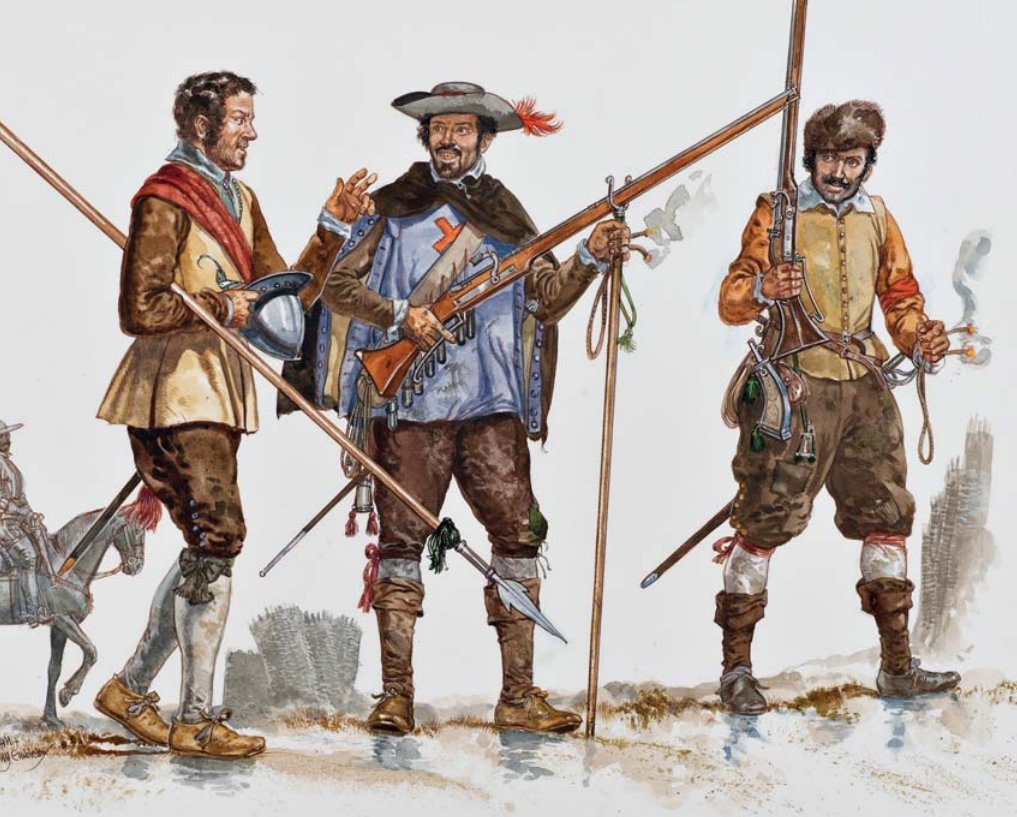
This presented the Spanish a good opportunity to launch an invasion.
The Dutch heartland was now threatened.
Control over the Schenkenschans fortress was crucial for both sides and the Dutch immediately prepared a large force to recapture it.
The Dutch heartland was now threatened.
Control over the Schenkenschans fortress was crucial for both sides and the Dutch immediately prepared a large force to recapture it.
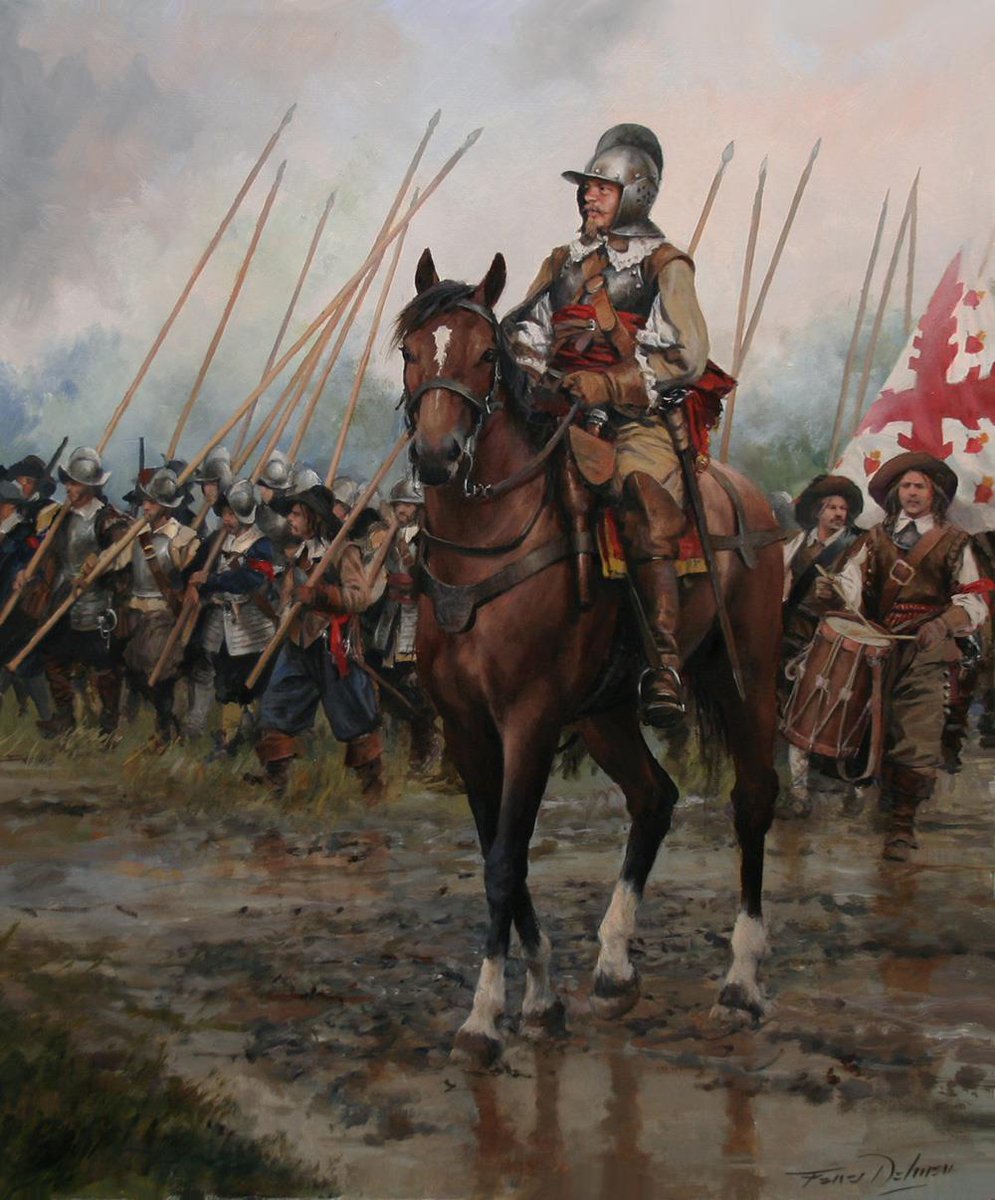
Spanish commander Cardinal-Infante Ferdinand was instructed to "maintain Fort Schenkenschans at any price"!
All of his top officers received direct and personal royal orders to remain in the vicinity of the fortress instead of wintering in Brussels as they were used to.
All of his top officers received direct and personal royal orders to remain in the vicinity of the fortress instead of wintering in Brussels as they were used to.
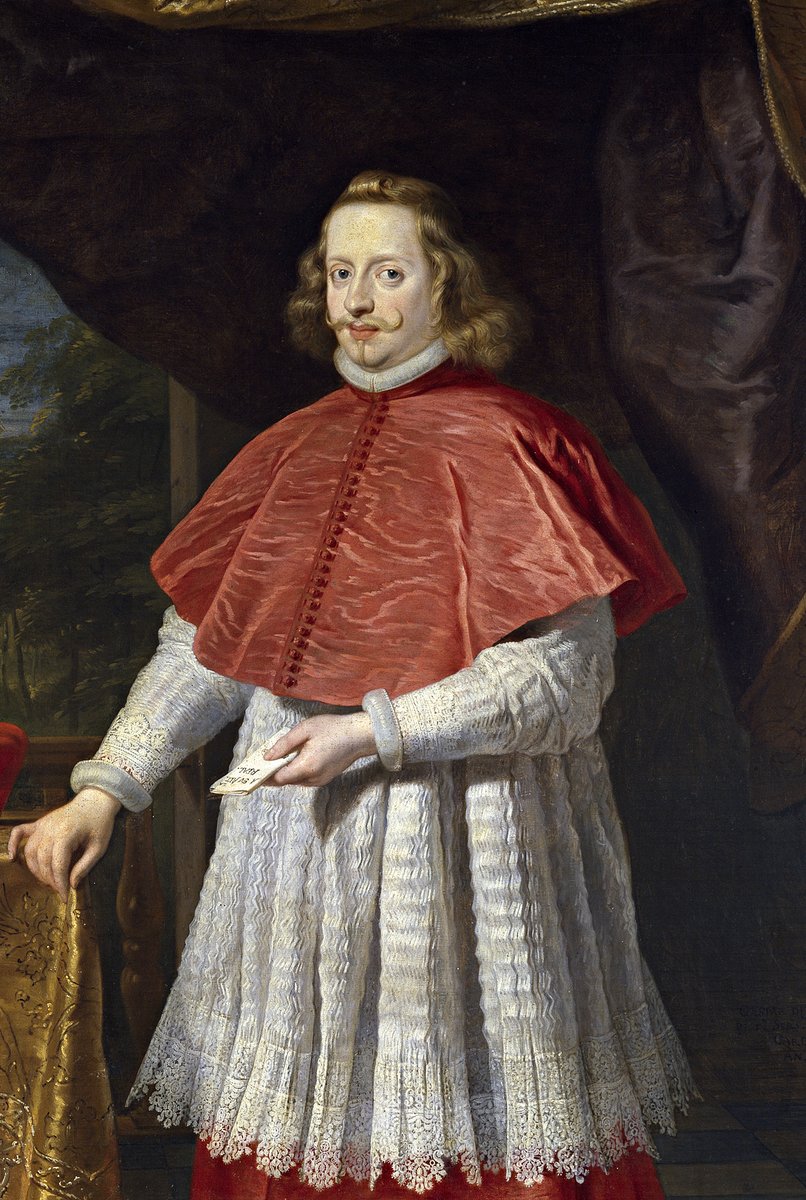
But Cardinal-Infante and his officers ignored the orders.
They did not want to spend a winter away from their social activities.
In November they went back to Brussels, leaving the fort undermanned and unprepared for the massive Dutch counter-attack.
They did not want to spend a winter away from their social activities.
In November they went back to Brussels, leaving the fort undermanned and unprepared for the massive Dutch counter-attack.
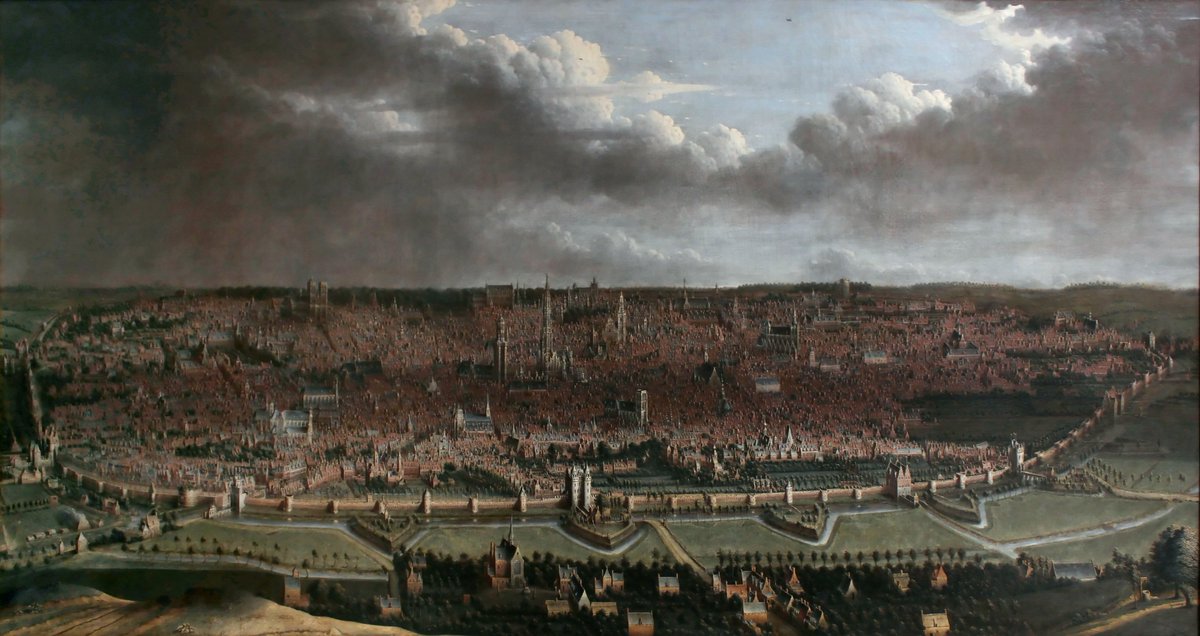
The Dutch counter-attacked with a large army of 30,000 men!
Recapturing Schenkenschans was vital for the Dutch war strategy.
The Spanish garrison, gradually abandoned by their superior officers and lacking adequate support, was in no position to resist Dutch bombardment.
Recapturing Schenkenschans was vital for the Dutch war strategy.
The Spanish garrison, gradually abandoned by their superior officers and lacking adequate support, was in no position to resist Dutch bombardment.
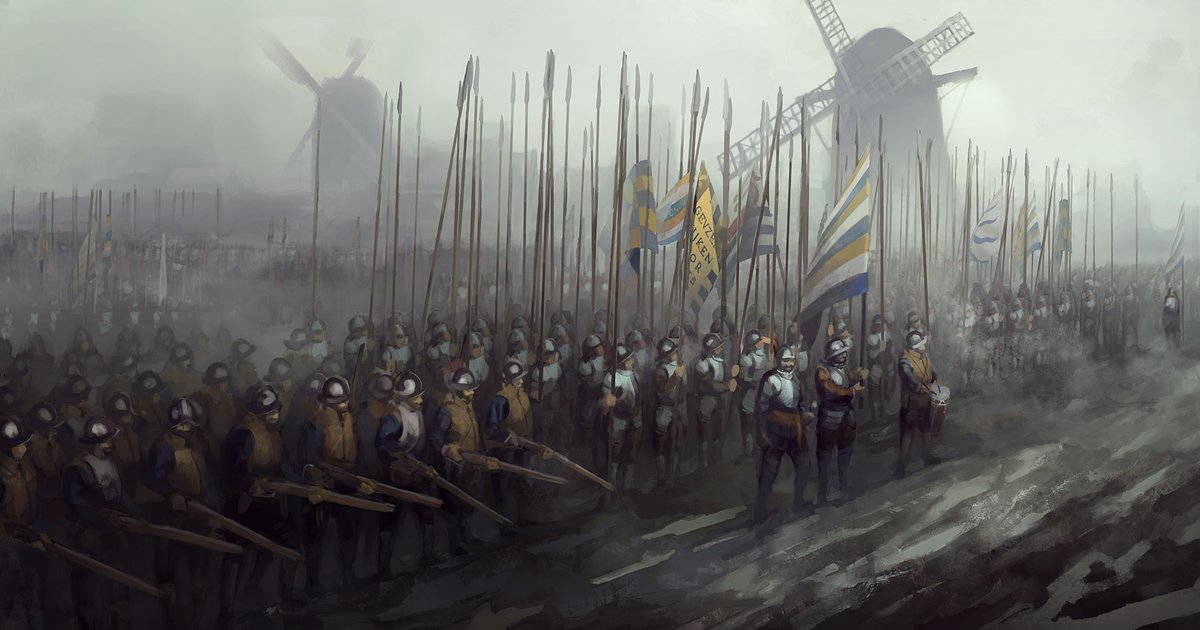
Schenkenschans fell and the Spanish lost a unique opportunity to bring the war home to the Dutch Republic.
Hearing about the defeat, the angry Count-Duke of Olivares commented "There is no doubt that fortresses cannot be defended by jousting and attending soirées in Brussels."
Hearing about the defeat, the angry Count-Duke of Olivares commented "There is no doubt that fortresses cannot be defended by jousting and attending soirées in Brussels."
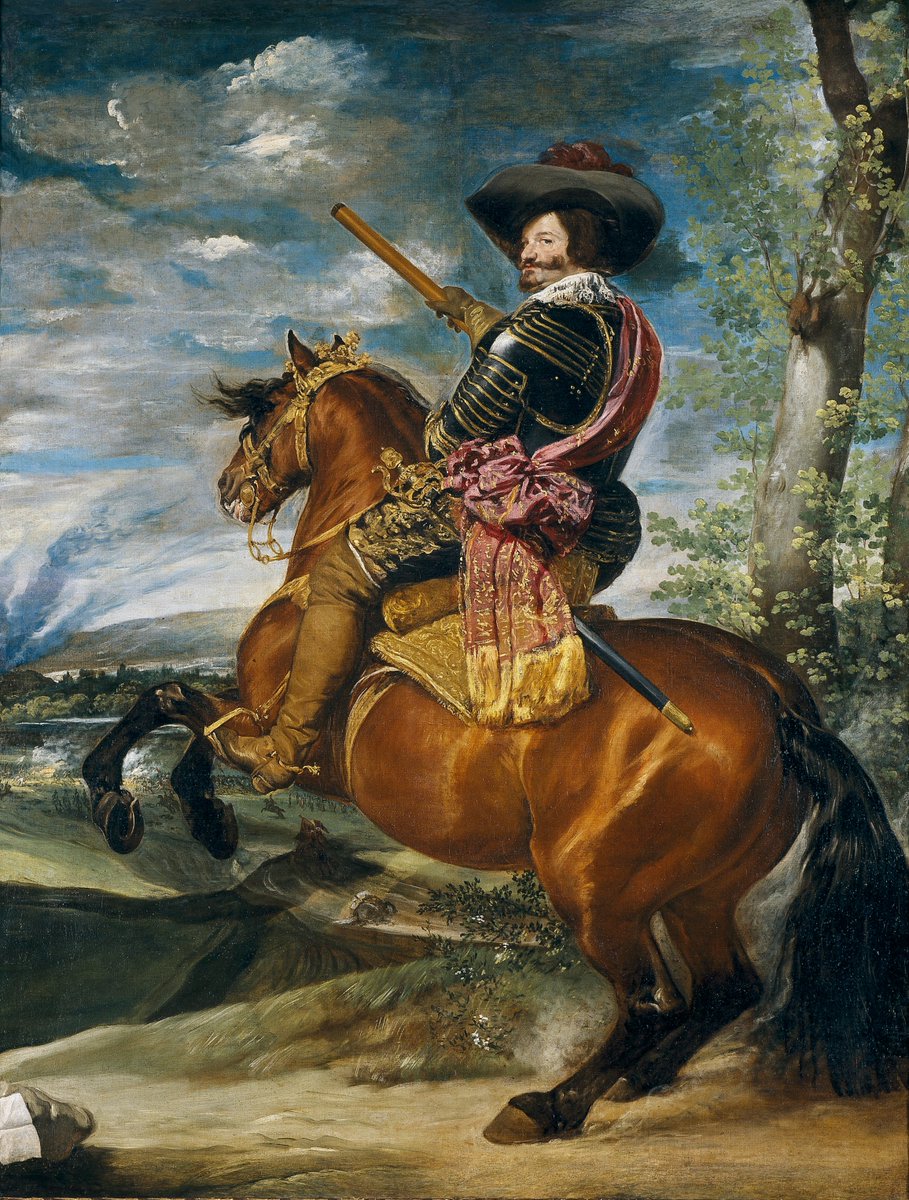
Schenkenschans thus remained in Dutch hands.
The fortress retained its military importance even after the Eighty Years' War concluded in 1648.
In 1672 it was captured by the French during the Franco-Dutch war.
But it was soon retaken by troops from Brandenburg-Prussia in 1674.
The fortress retained its military importance even after the Eighty Years' War concluded in 1648.
In 1672 it was captured by the French during the Franco-Dutch war.
But it was soon retaken by troops from Brandenburg-Prussia in 1674.
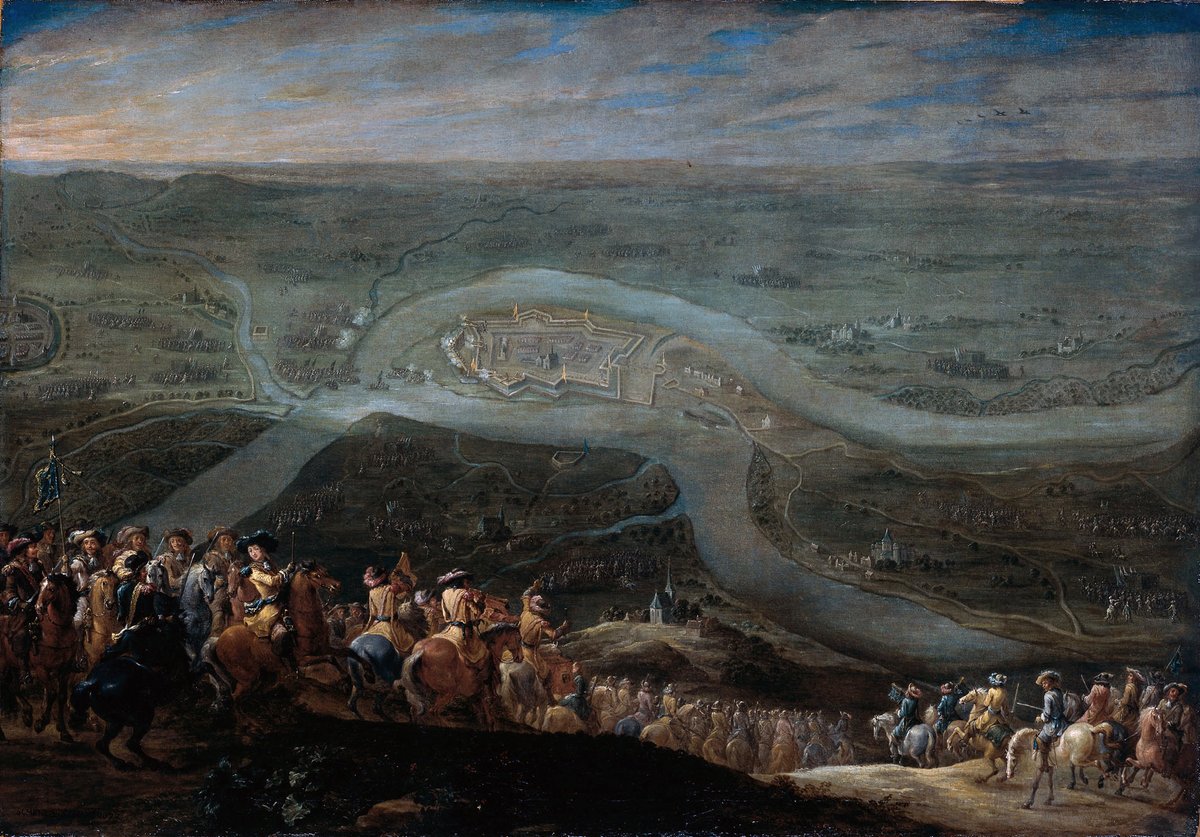
The army of Brandenburg-Prussia dismantled the fortress and returned the place to the Dutch in 1679.
The creation of Pannerdens Kanaal in 1709 repositioned the fork between the two rivers and Schenkenschans lost all of it military significance.
The creation of Pannerdens Kanaal in 1709 repositioned the fork between the two rivers and Schenkenschans lost all of it military significance.
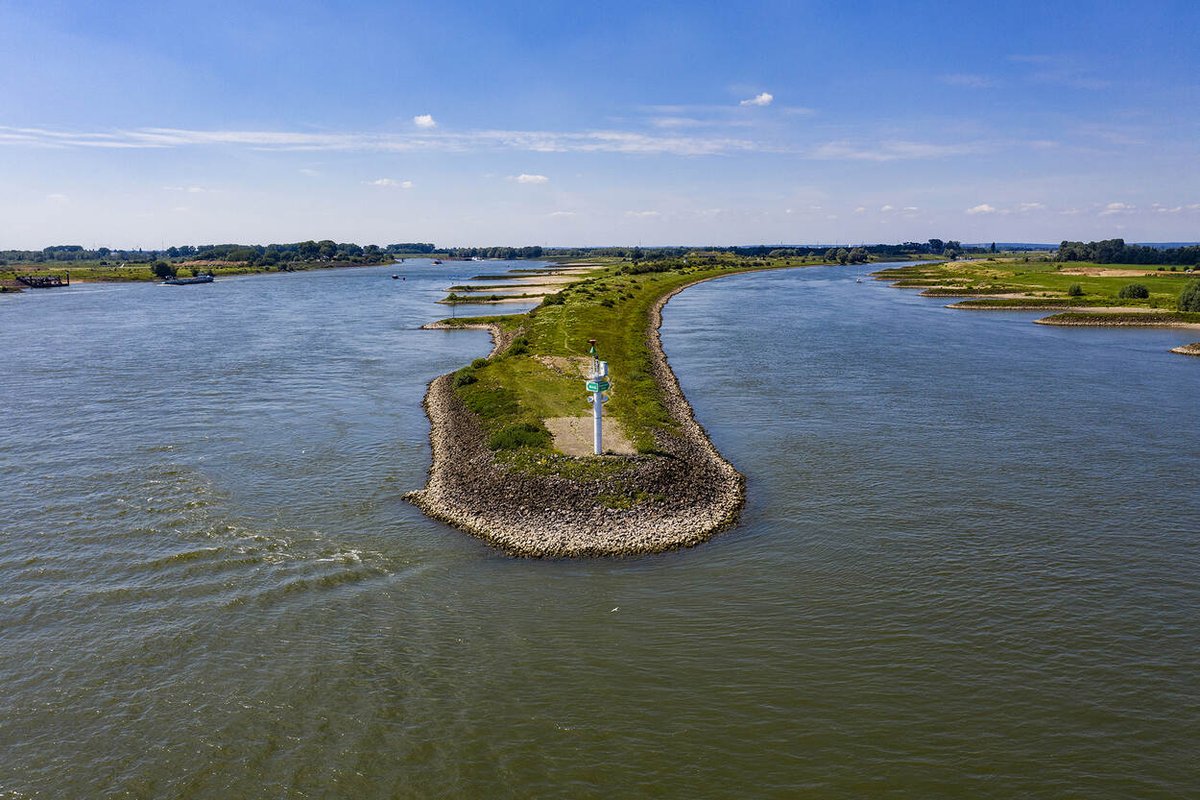
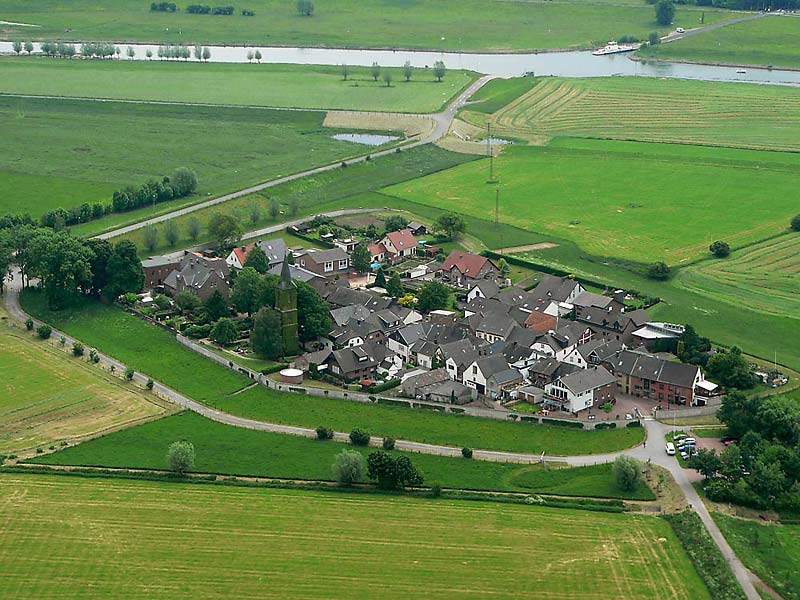
Today Schenkenschans is part of Germany.
It is a quiet village and no traces of the fortress remain.
It is hard to imagine that this place had such big strategic important centuries ago and much blood was spilled over it.
It is a quiet village and no traces of the fortress remain.
It is hard to imagine that this place had such big strategic important centuries ago and much blood was spilled over it.
Loading suggestions...