
The plane was invented just 66 years before we reached the moon — no wonder everybody thought we'd have flying cars by the year 2000.
Well, we don't have flying cars but we do have the internet, which nobody could have foreseen.
Is there any point trying to predict the future?
Well, we don't have flying cars but we do have the internet, which nobody could have foreseen.
Is there any point trying to predict the future?

Predictions about the future, and especially about technology, are often woeful underestimations of how much will change - or what is possible.
Even the great Albert Einstein, who said this about nuclear energy in 1932, was proven totally wrong.
Even the great Albert Einstein, who said this about nuclear energy in 1932, was proven totally wrong.


In 1903 Henry Ford's lawyer was advised against investing in his company by a banker who said "the horse is here to stay, but the automobile is only a novelty - a fad."
That was a widely-held belief at the time, but automobile technology improved and, well, horses didn't stay.
That was a widely-held belief at the time, but automobile technology improved and, well, horses didn't stay.

There was a memo circulated at Western Union in 1876 which said:
"This ‘telephone’ has too many shortcomings to be seriously considered as a means of communication. The device is inherently of no value to us."
Another catastrophic underestimation.
"This ‘telephone’ has too many shortcomings to be seriously considered as a means of communication. The device is inherently of no value to us."
Another catastrophic underestimation.
Such examples of underestimated technologies are endless; we dismiss a new invention as a "fad" and then it changes the world.
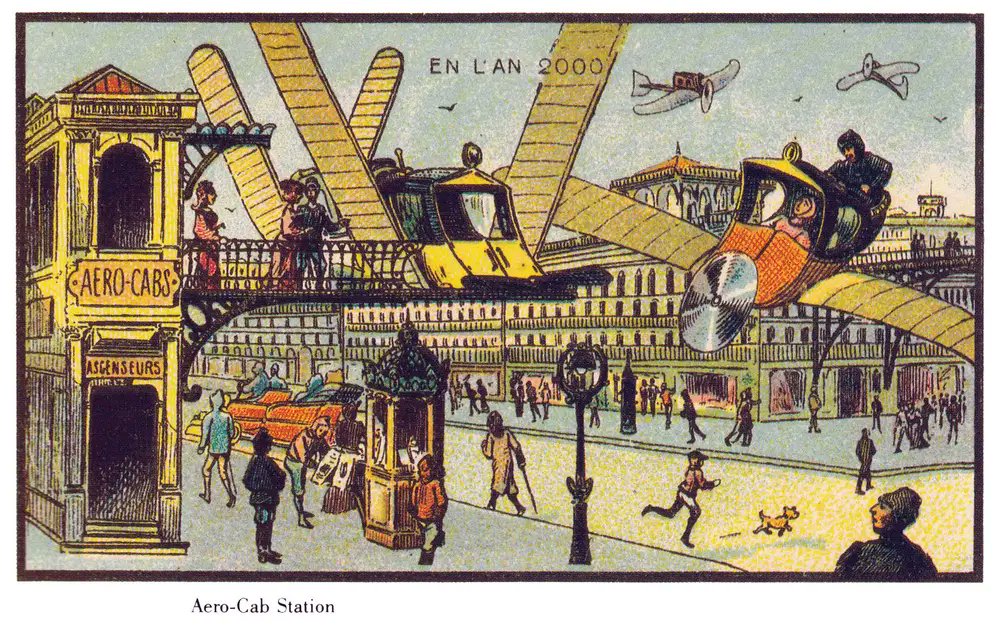
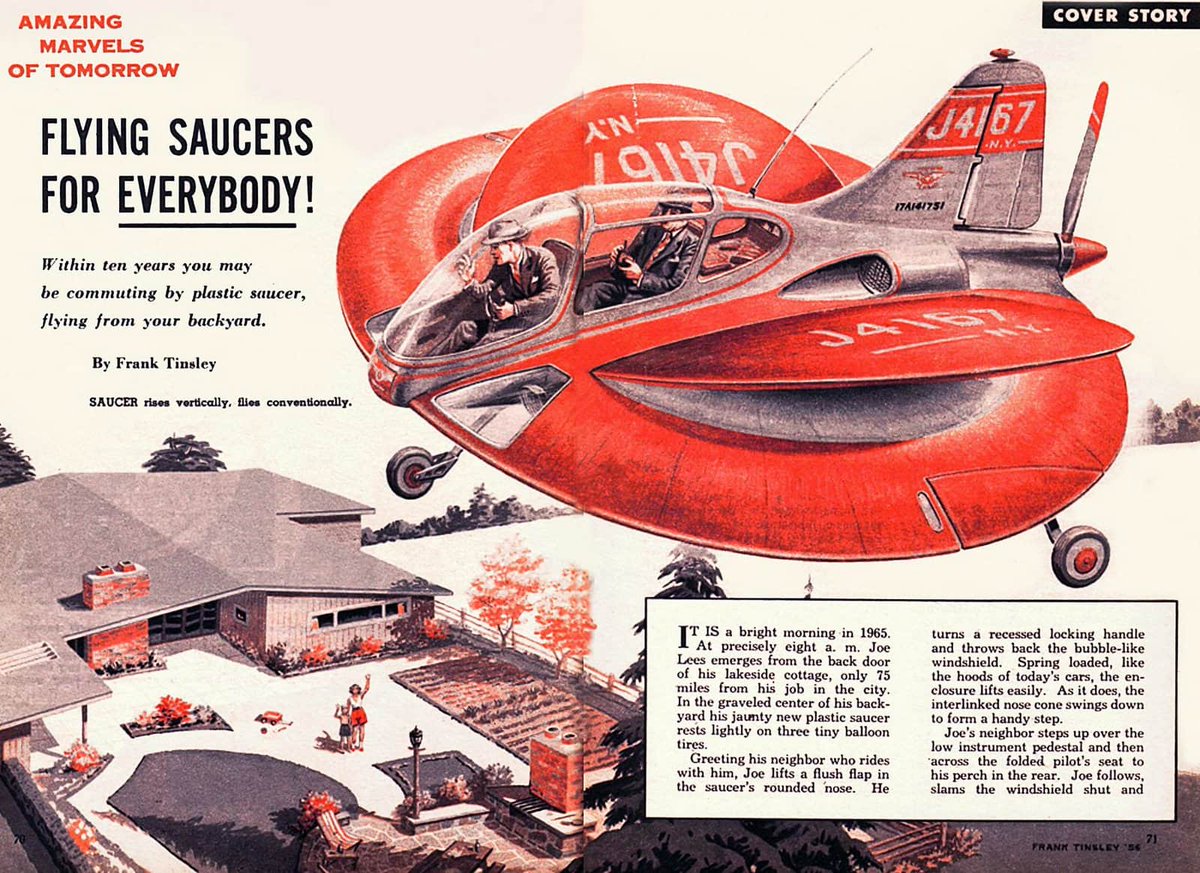
But cases of overestimating technology are just as - if not more - frequent. People have been predicting flying cars for a very long time...
But cases of overestimating technology are just as - if not more - frequent. People have been predicting flying cars for a very long time...
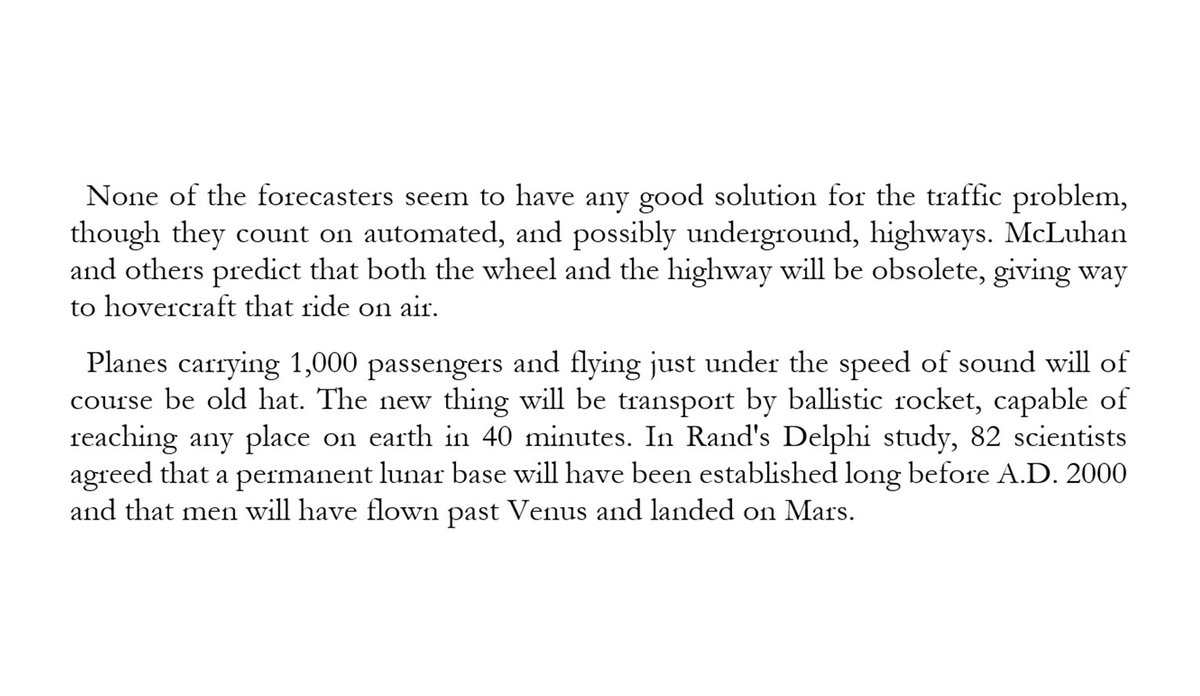
In 1966 Time magazine asked experts what the future might be like.
They predicted, like many people at the time, that we'd be travelling round the world in personal rockets and that we'd have colonised half the Solar System already.
They predicted, like many people at the time, that we'd be travelling round the world in personal rockets and that we'd have colonised half the Solar System already.
That hasn't happened (yet), and beyond improvements in safety and efficiency the automobile hasn't fundamentally changed in decades.
Some technologies seem to hit a natural limit and cease to develop. Others, which we *imagine* might be useful, turn out to be useless in reality.
Some technologies seem to hit a natural limit and cease to develop. Others, which we *imagine* might be useful, turn out to be useless in reality.
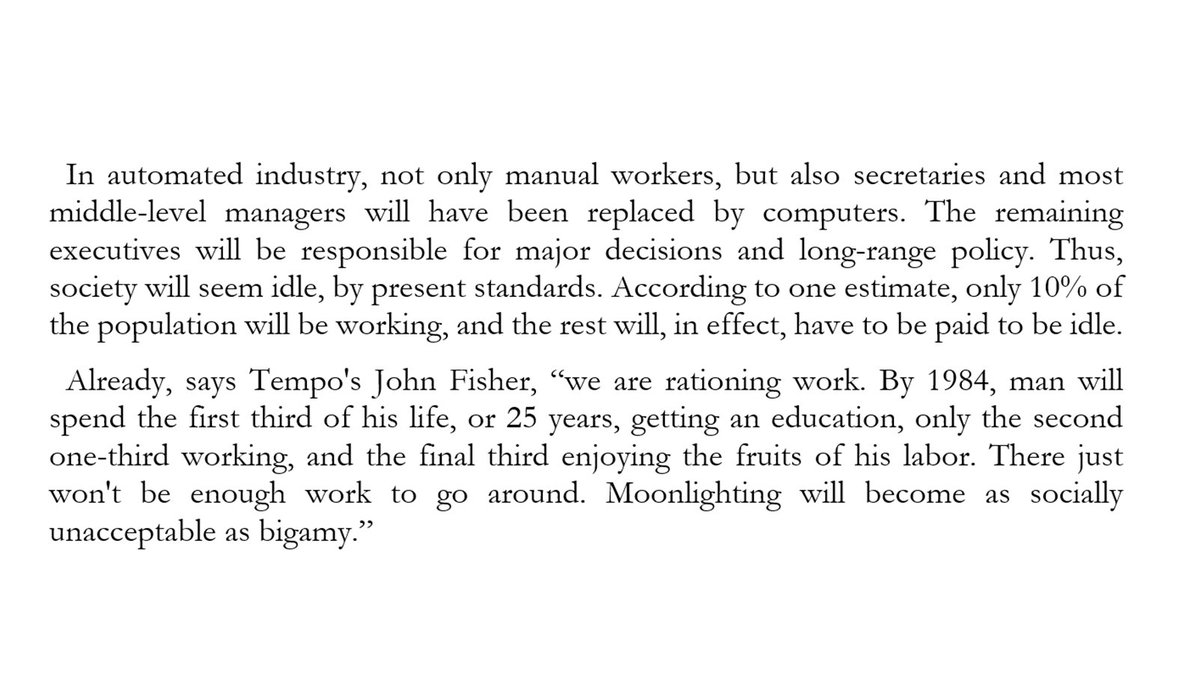
That Time article also featured predictions about automation.
Such fears had been around since the Industrial Revolution, but with the advent of computers it suddenly seemed inevitable that there would soon be no work left for people to do.
For now, at least, people still work.
Such fears had been around since the Industrial Revolution, but with the advent of computers it suddenly seemed inevitable that there would soon be no work left for people to do.
For now, at least, people still work.
Why are predictions so hard? Many reasons, not least that variables in the world are too numerous to ever fully quantify and consider.
Along with, of course, the unpredictable. A good example is the (often misunderstood) theorist Thomas Malthus, who wrote this in 1798:
Along with, of course, the unpredictable. A good example is the (often misunderstood) theorist Thomas Malthus, who wrote this in 1798:
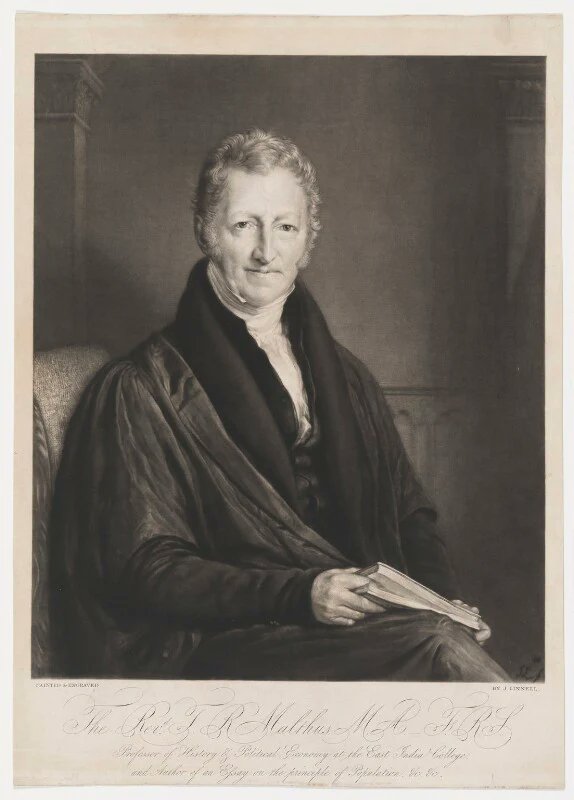
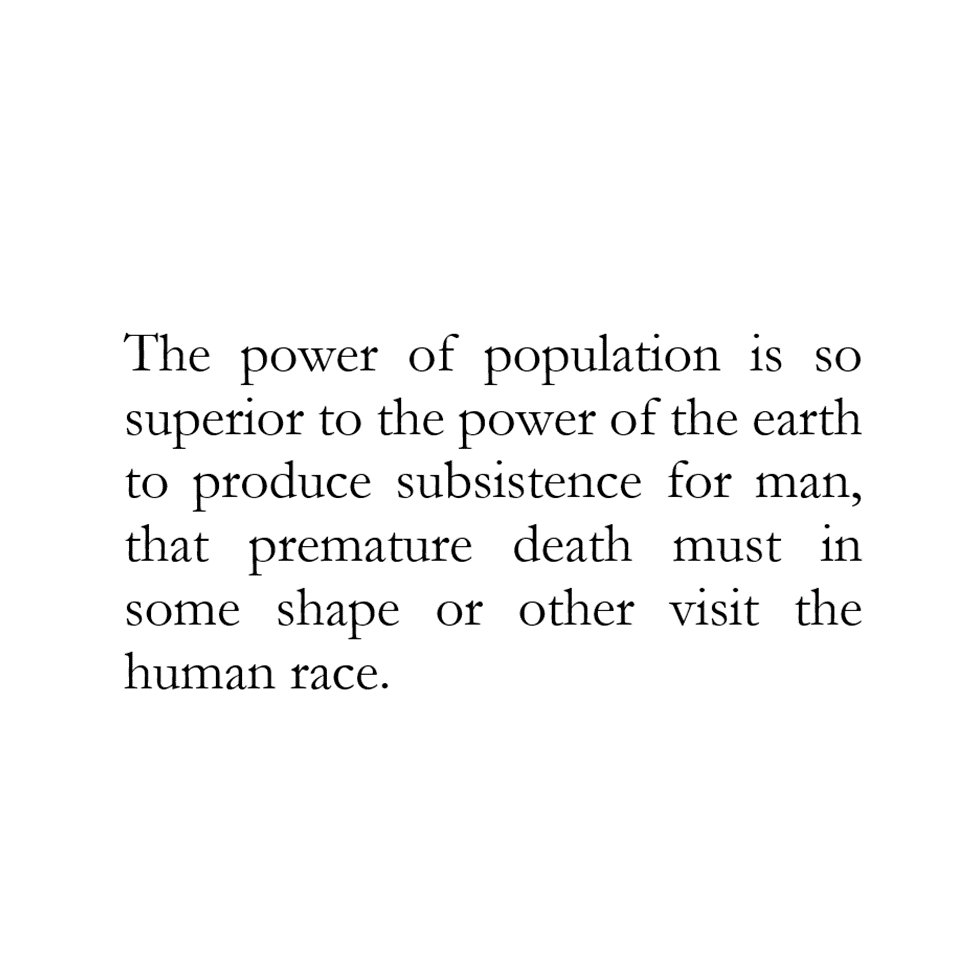
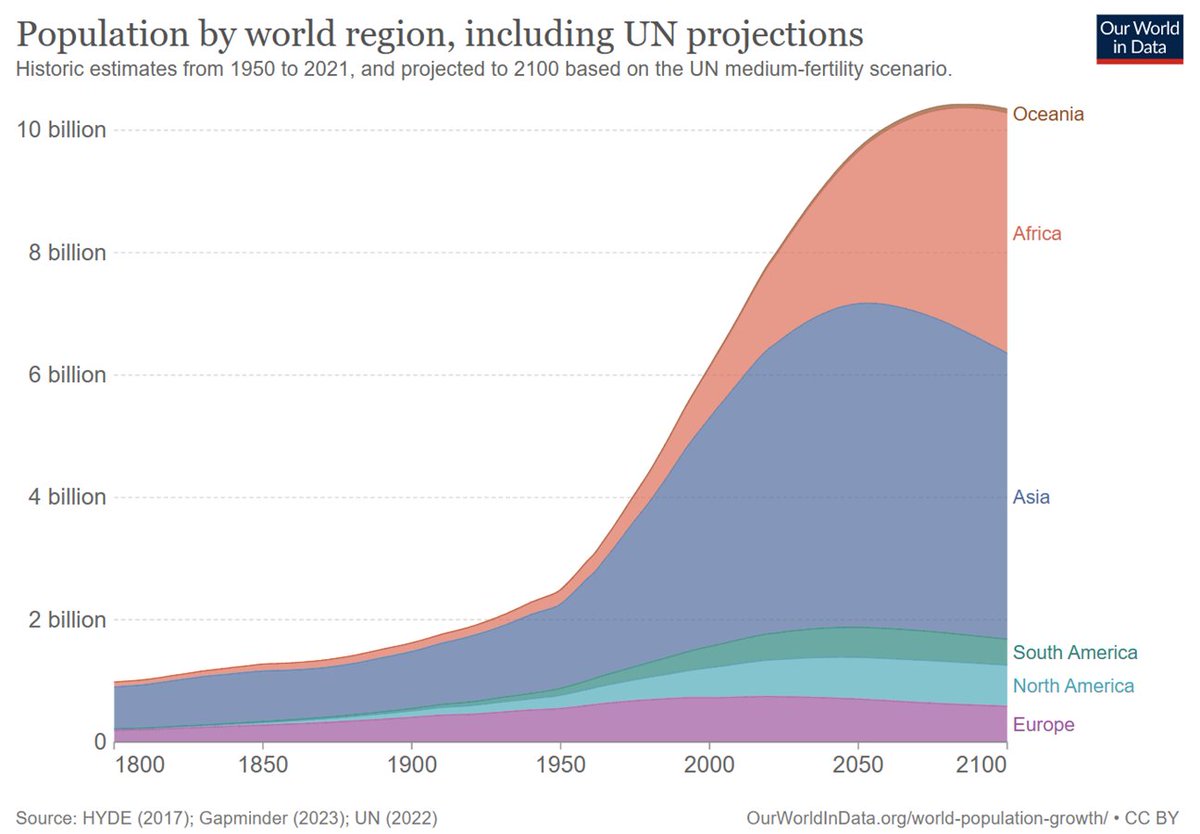
Immense increases in agricultural productivity proved Malthus' belief in an imminent population collapse caused by lack of food to have been misjudged.
But, in his defence, how could he have predicted the Industrial Revolution?
But, in his defence, how could he have predicted the Industrial Revolution?
Let's imagine the year is 1890.
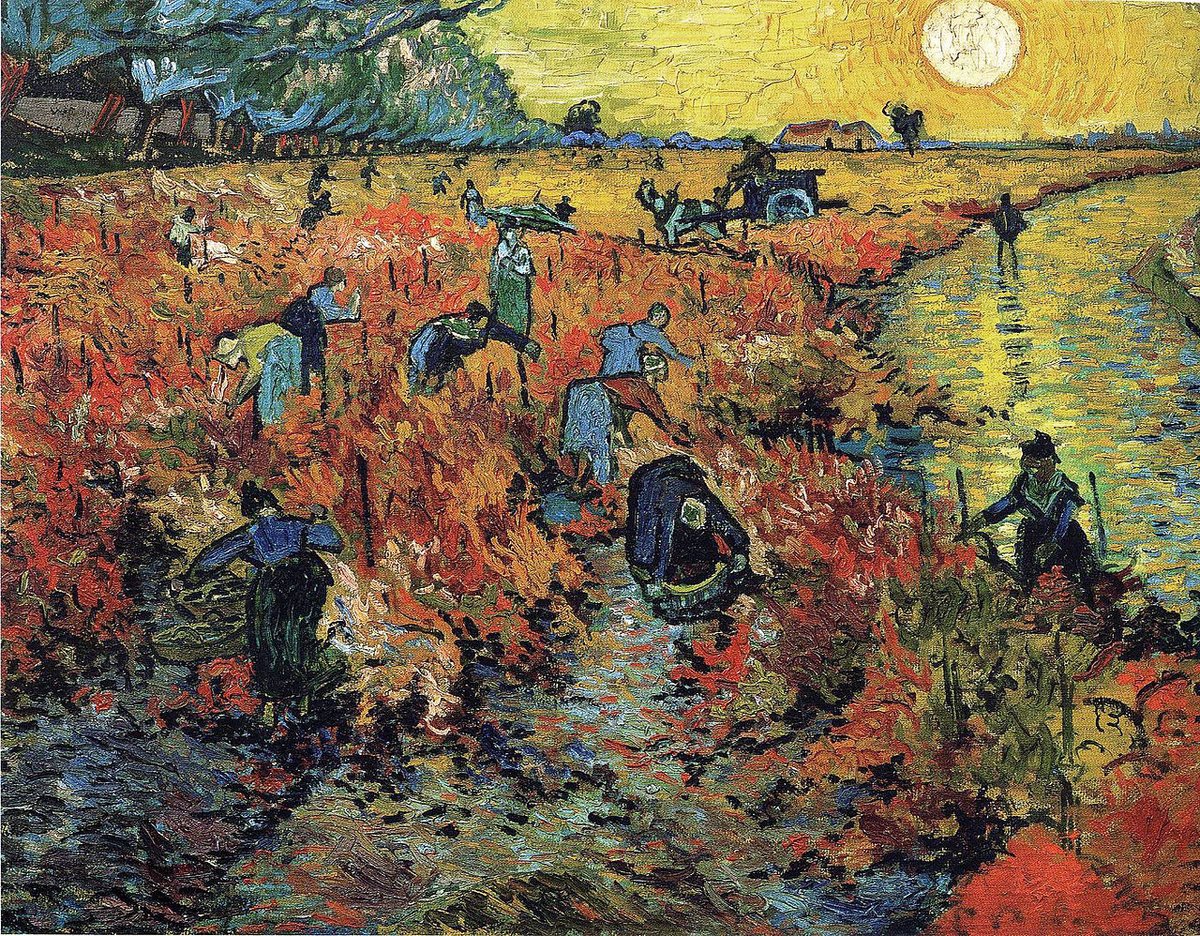
If you told somebody that a recently deceased Dutch painter called Vincent van Gogh would one day be the world's most famous artist, their first question would have been: who are you talking about?
He only sold one painting in his lifetime.
If you told somebody that a recently deceased Dutch painter called Vincent van Gogh would one day be the world's most famous artist, their first question would have been: who are you talking about?
He only sold one painting in his lifetime.
The first time we hear about Christianity during the Roman Empire is a letter from Pliny the Younger, who was the governor of a province called Bithynia, to the Emperor Trajan.
He was asking for advice about how to deal with a radical and "stubborn" religious sect.
He was asking for advice about how to deal with a radical and "stubborn" religious sect.
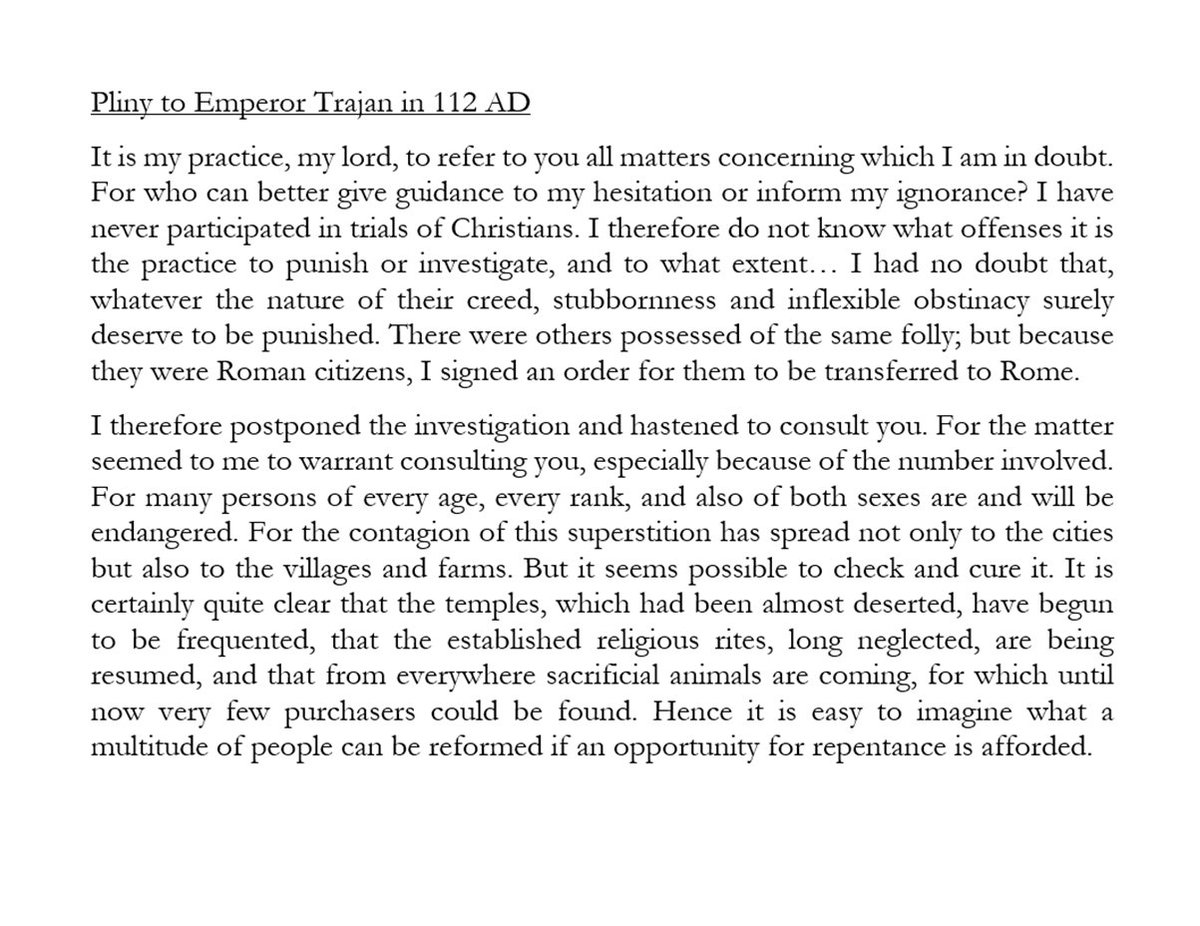
Had you told Pliny or Trajan that Christianity would one day become the world's largest religion — and the official state religion of the Roman Empire — it would have been beyond laughable.
Alas, such are the vagaries of what the Romans and Greeks themselves called Fortune.
Alas, such are the vagaries of what the Romans and Greeks themselves called Fortune.
Not all predictions about the future are incorrect; some are eerily accurate.
The 1966 Time article foresaw working from home thanks to "countrywide telecommunication."
The 1966 Time article foresaw working from home thanks to "countrywide telecommunication."
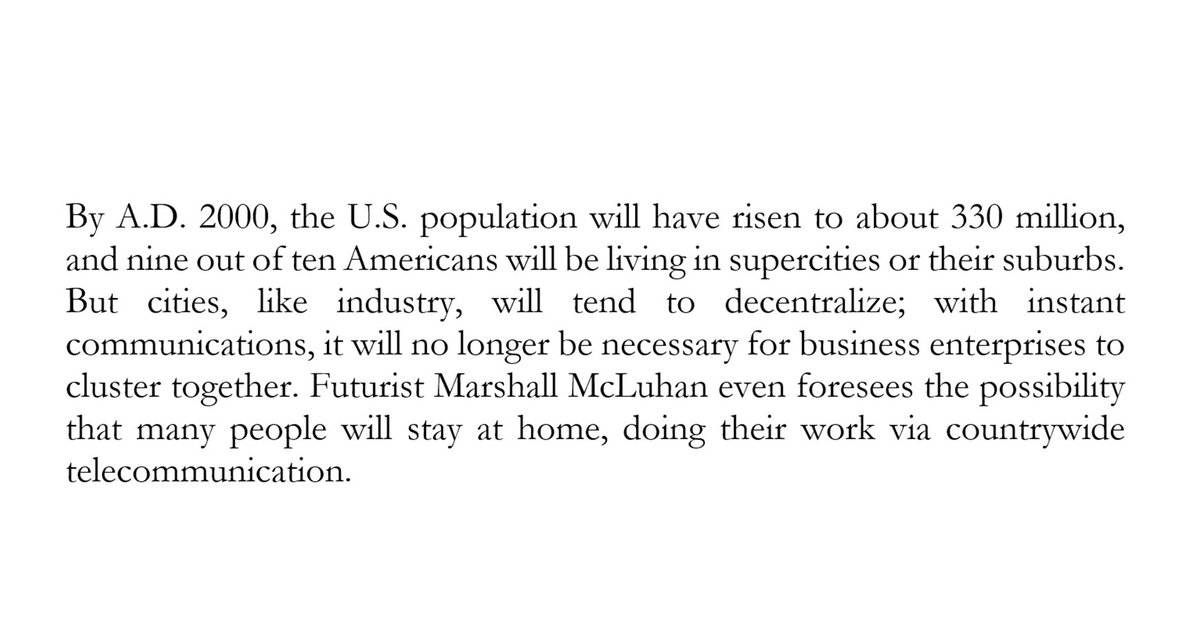
But if you make 10,000 predictions about the future, some of them will end up being more or less correct.
More revealing is when the Time article discusses the real purpose of predictions; not to accurately guess what will happen, but to explore what might be possible.
More revealing is when the Time article discusses the real purpose of predictions; not to accurately guess what will happen, but to explore what might be possible.
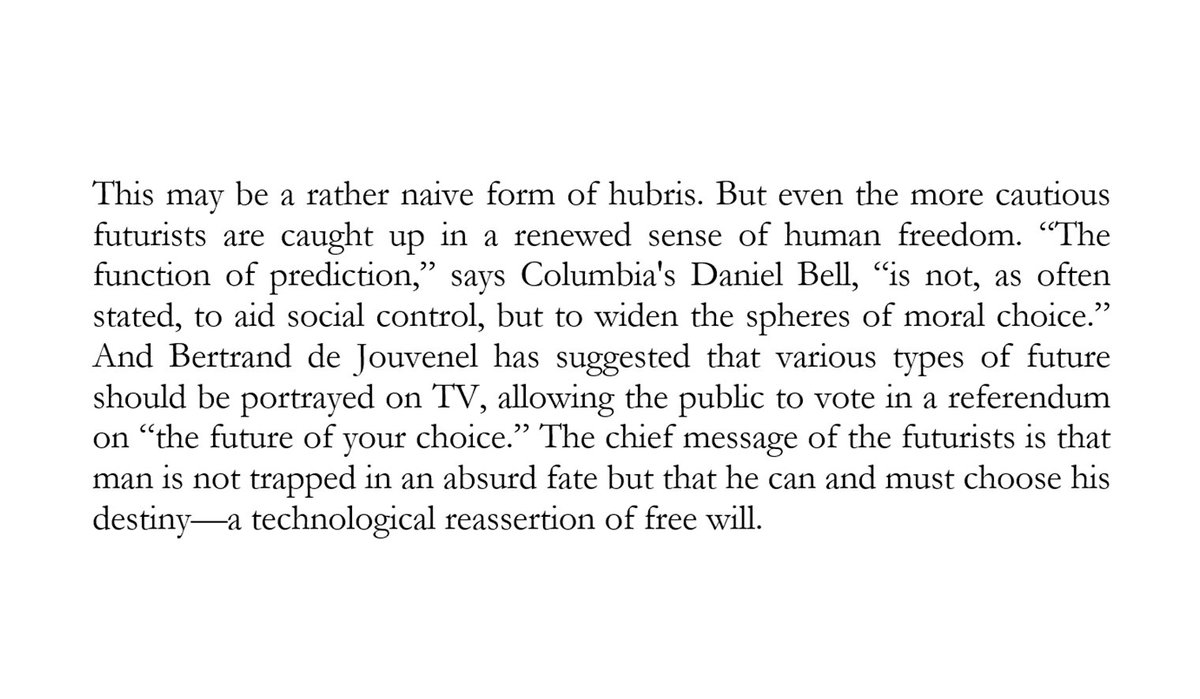
And so more interesting than whether predictions about the future are correct is what they say about the people and the society who made them.
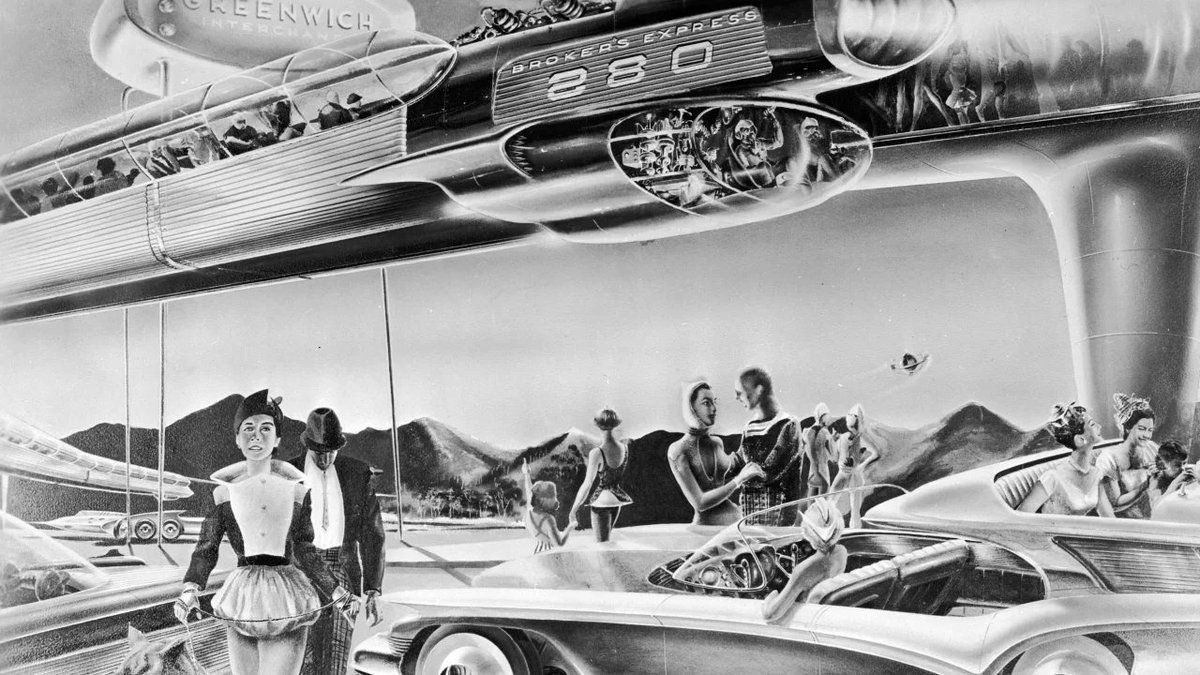
Those predictions from the 1950s and 1960s were usually optimistic; technology, they thought, would make the world better.
Those predictions from the 1950s and 1960s were usually optimistic; technology, they thought, would make the world better.
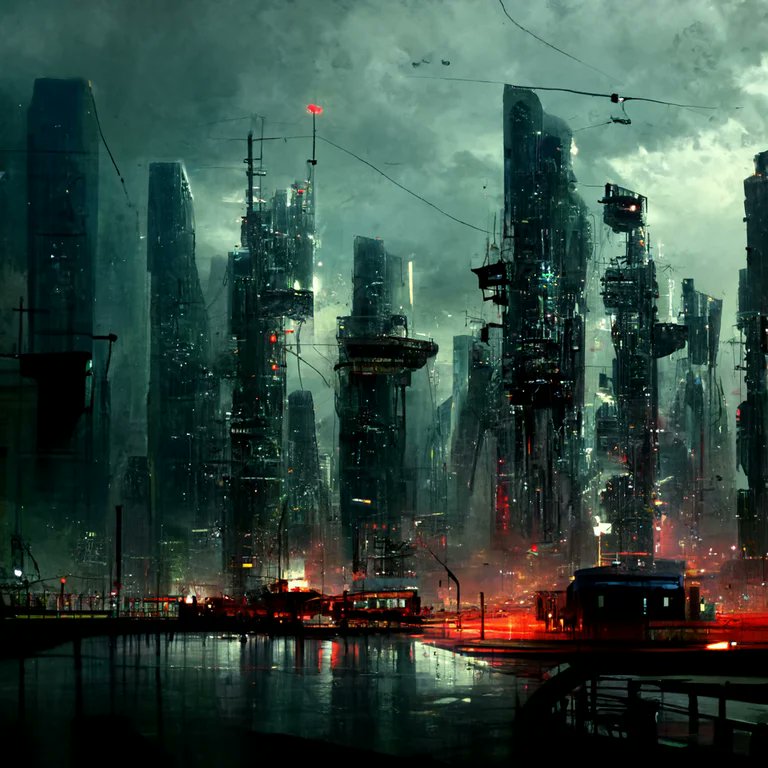
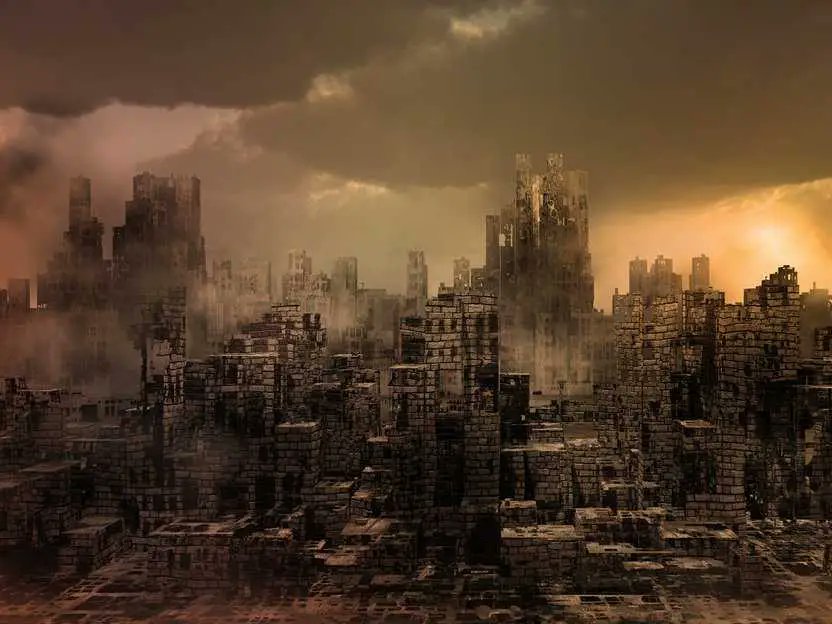
Many predictions about the future remain wildly speculative and optimistic, but many of them are also, perhaps, increasingly pessimistic.
Whether a global urban hell, a world ravaged by catastrophe, or one in which AI has affected humanity in a not-so-good way.
Whether a global urban hell, a world ravaged by catastrophe, or one in which AI has affected humanity in a not-so-good way.

Many Medieval people believed the world was divided into Six Ages and that they were living in the very last one before the End of Times.
They certainly didn't think of themselves as living in the "Middle Ages" at all; they were waiting for the Day of Judgment to come.
They certainly didn't think of themselves as living in the "Middle Ages" at all; they were waiting for the Day of Judgment to come.
And, of course, many of history's most famously incorrect predictions came from people who we would expect to make them.
A newspaper saying the internet won't replace newspapers, or Guglielme Marconi, the inventor of radio, saying that radio would make war impossible.
A newspaper saying the internet won't replace newspapers, or Guglielme Marconi, the inventor of radio, saying that radio would make war impossible.
As the Time article implied, predictions can become self-fulfilling prophecies.
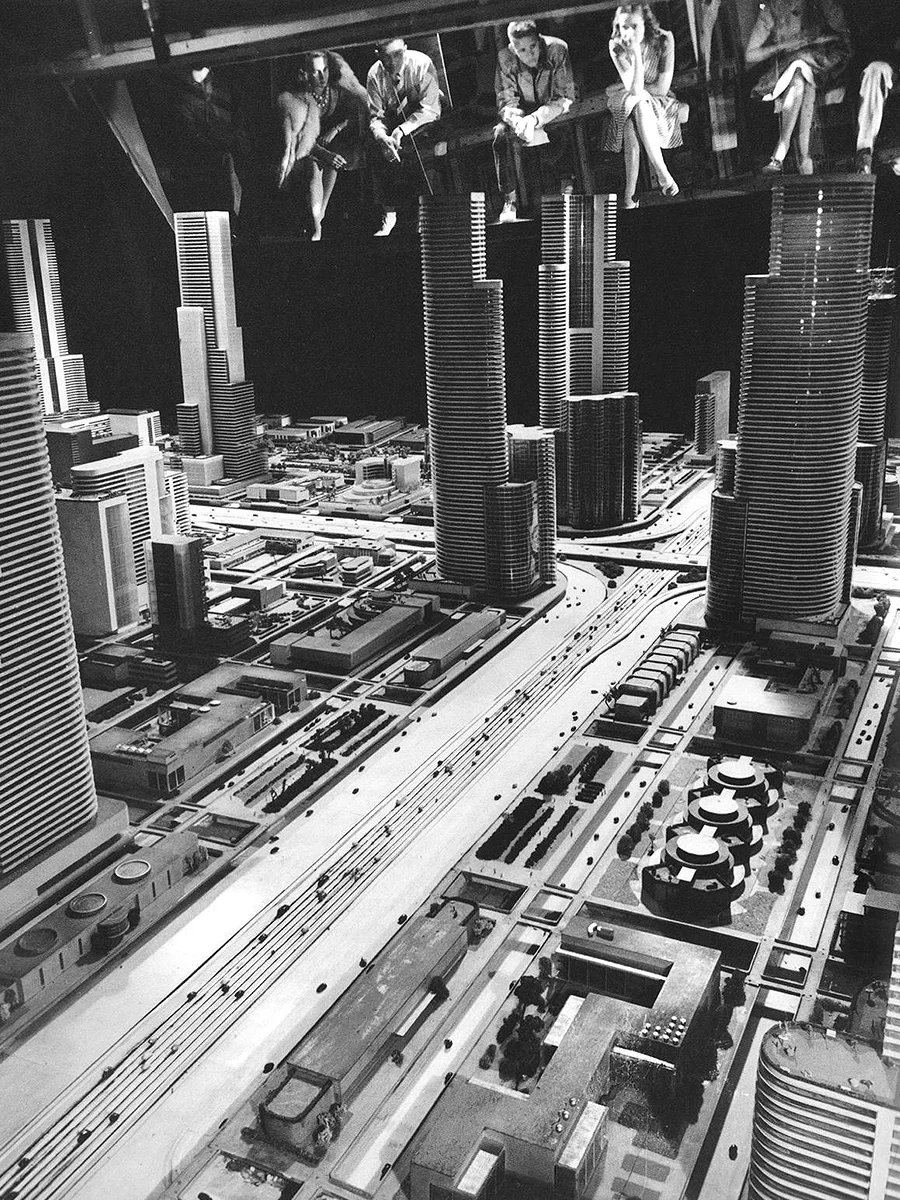
The visionary designer Norman Bel Geddes imagined a "city of the future" in the 1930s; his models of highways running through cities were an astonishingly accurate vision of the modern world.
The visionary designer Norman Bel Geddes imagined a "city of the future" in the 1930s; his models of highways running through cities were an astonishingly accurate vision of the modern world.
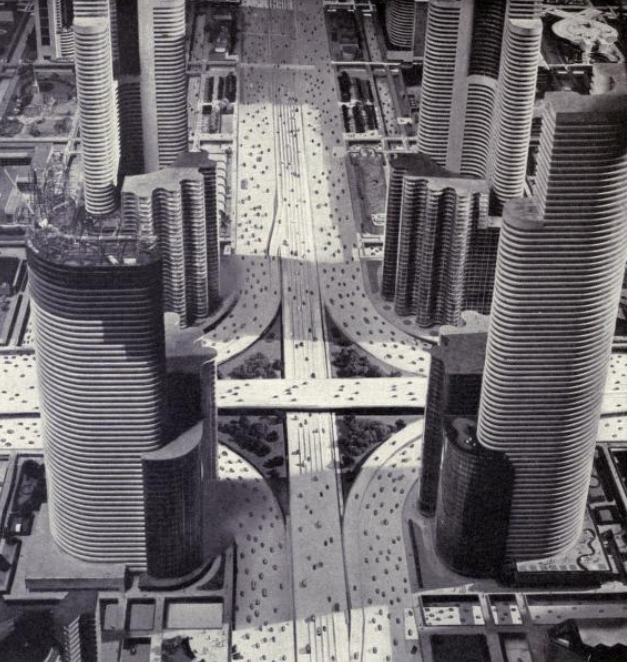
But Norman Bel Geddes made those models for the 1939 New York World's Fair - his exhibition, called Futurama, was sponsored by General Motors.
It was a vision which they directly and very consciously helped bring to fruition; Futurama wasn't only a prediction, but a plan.
It was a vision which they directly and very consciously helped bring to fruition; Futurama wasn't only a prediction, but a plan.
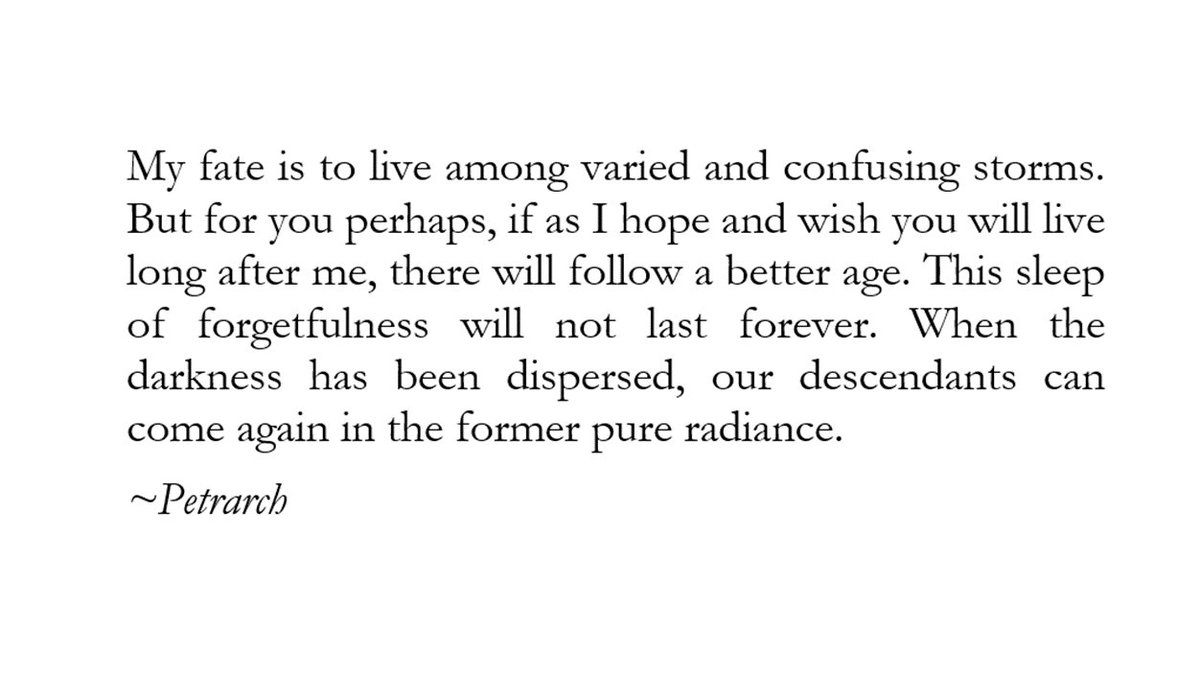
The great Italian poet and scholar Petrarch, who was essentially the founding figure of the Renaissance and came up with the idea of the "Dark Ages", wrote this in the 14th century.
He predicted & hoped for a new age; and it came, partially thanks to what he himself had done.
He predicted & hoped for a new age; and it came, partially thanks to what he himself had done.
History shows that the future is not only difficult to predict, but so inconceivably capricious that even hindsight can barely make sense of it.
So when we imagine what the future *might* be like, perhaps what we are really asking is: what do we *want* the future to be like?
So when we imagine what the future *might* be like, perhaps what we are really asking is: what do we *want* the future to be like?
Loading suggestions...