

He worked in the Library of Alexandria.
His book is said to be the most translated, published, and studied of all books produced in the Western world, behind only the Bible.
He is the Father of Geometry.
Who is he?
His book is said to be the most translated, published, and studied of all books produced in the Western world, behind only the Bible.
He is the Father of Geometry.
Who is he?
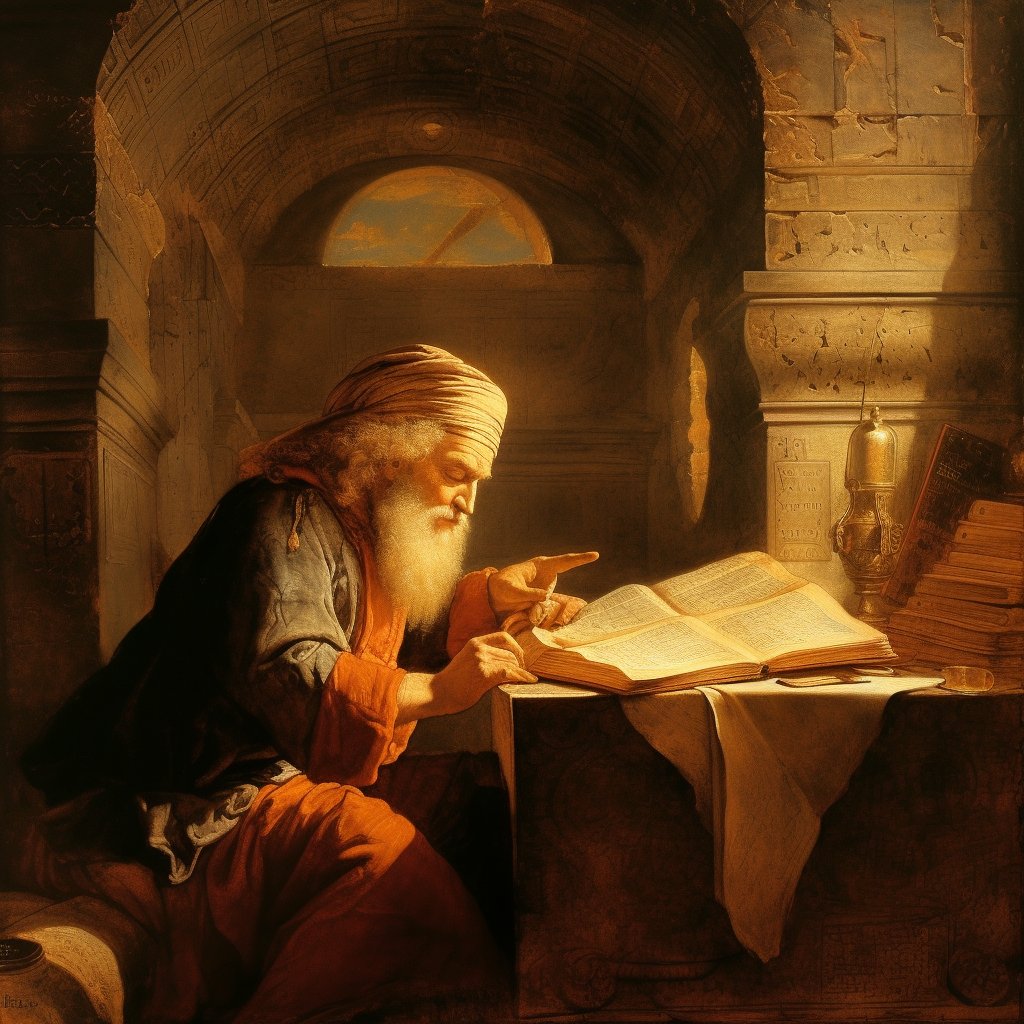
We don’t know much about Euclid.
All we know about him comes from the work of one of the last significant Greek philosophers; Proclus (c. 410–485 CE).
And the great mathematician was often confused with another guy named Euclid…
All we know about him comes from the work of one of the last significant Greek philosophers; Proclus (c. 410–485 CE).
And the great mathematician was often confused with another guy named Euclid…
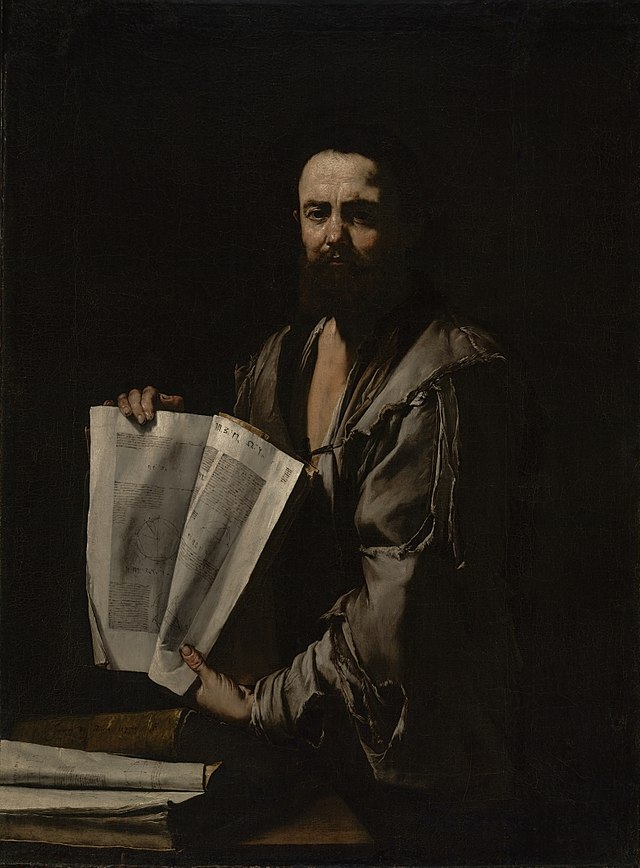
Medieval scholars often confused Euclid the mathematician, with Euclid of Megara, a philosopher who lived 100 years earlier than the Euclid we all know and love (hopefully you love geometry at least).
It's strange two men had the same unique name, right?
It's strange two men had the same unique name, right?
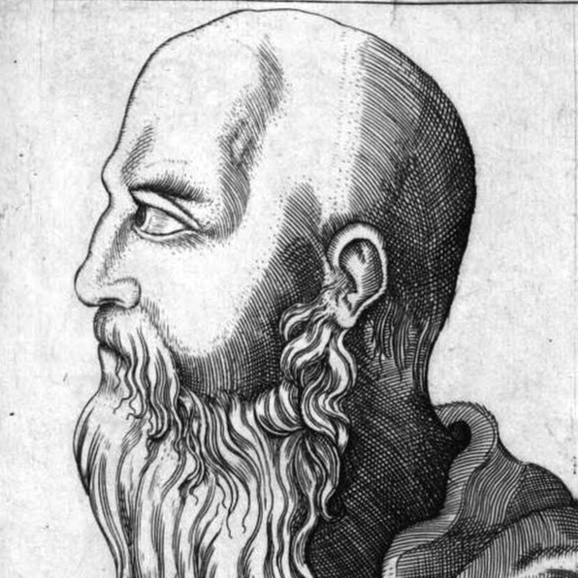
Well, turns out that "Euclid" was actually quite popular back in the day.
This provides a lot of confusion when trying to study the man’s life.
It’s hard to tell if the “Euclid” people refer to back during these times, was, in fact, the Father of Geometry.
This provides a lot of confusion when trying to study the man’s life.
It’s hard to tell if the “Euclid” people refer to back during these times, was, in fact, the Father of Geometry.
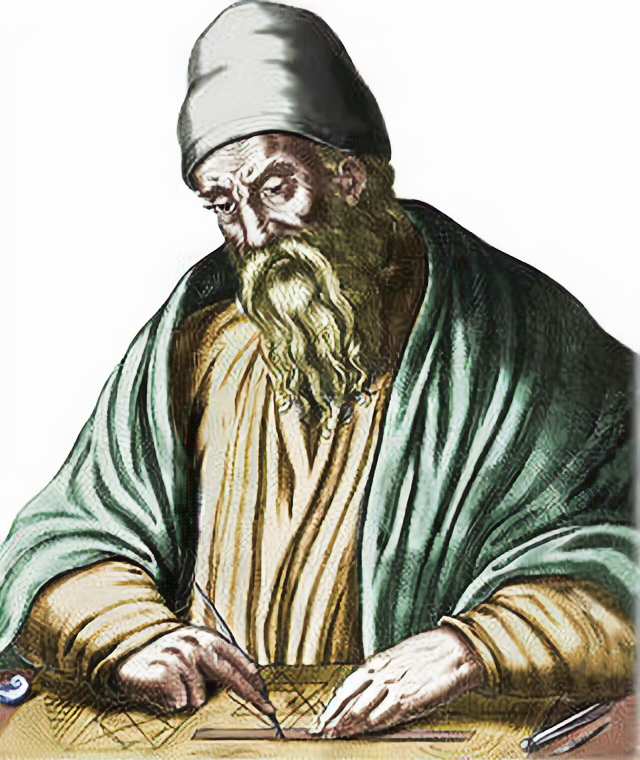
So, what did Proclus say about Euclid?
Here’s Proclus’ own words:
“Not much younger than these (sc. Hermotimus of Colophon and Philippus of Mende or Medma) is Euclid, who put together the Elements, collecting many of Eudoxus's theorems, perfecting many of Theatetus's, and...
Here’s Proclus’ own words:
“Not much younger than these (sc. Hermotimus of Colophon and Philippus of Mende or Medma) is Euclid, who put together the Elements, collecting many of Eudoxus's theorems, perfecting many of Theatetus's, and...
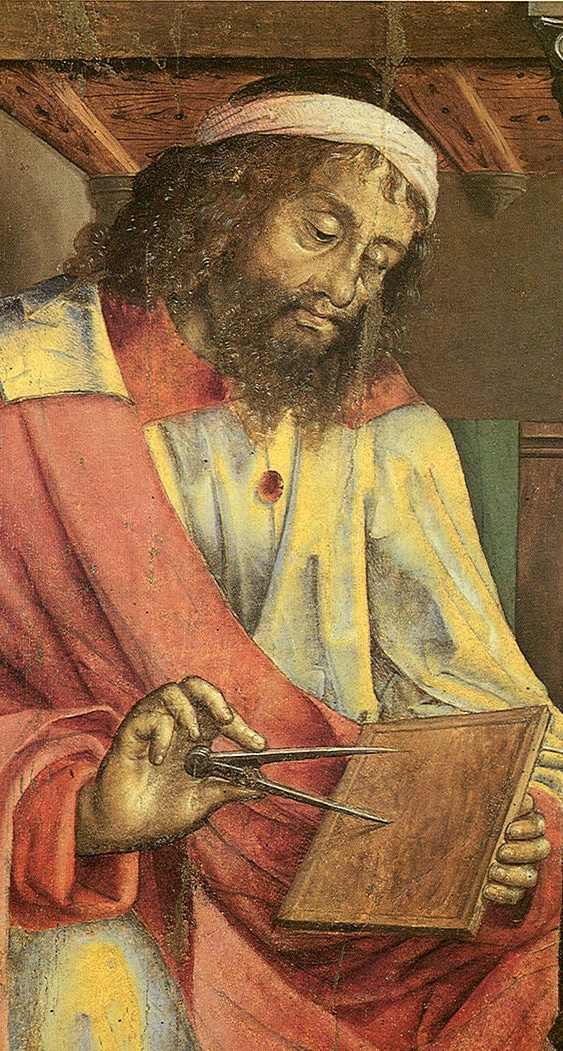
...also bringing to irrefragable demonstration the things which were only somewhat loosely proved by his predecessors. This man lived in the time of the first Ptolemy. For Archimedes, who came immediately after the first (Ptolemy), makes mention of Euclid; and further they say...
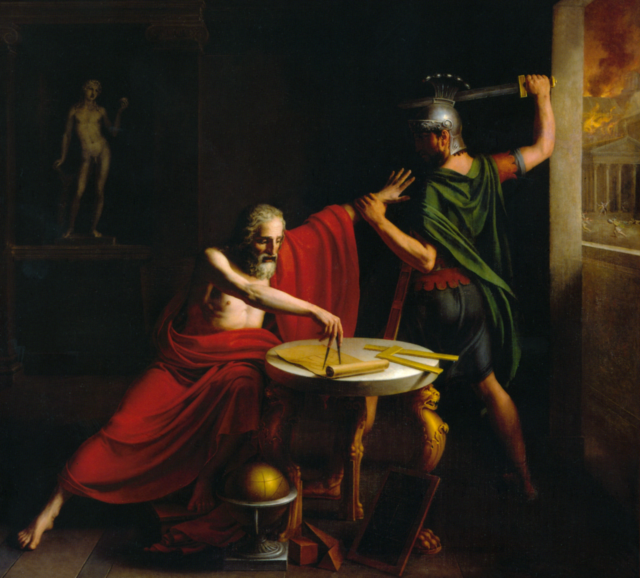
...that Ptolemy once asked him if there was in geometry any shorter way than that of the Elements, and he replied that there was no royal road to geometry. He is then younger than the pupils of Plato, but older than...
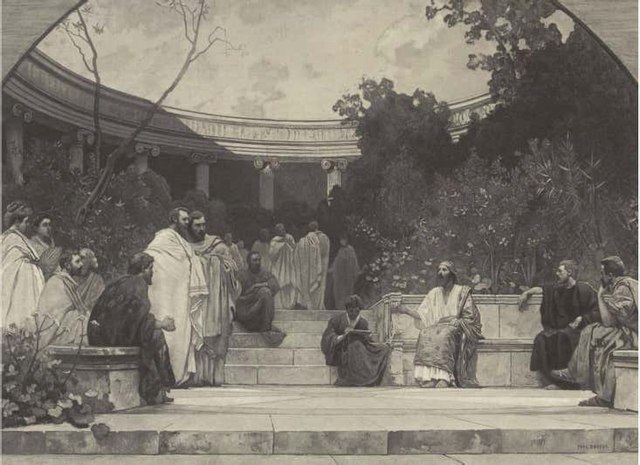
...Eratosthenes and Archimedes, the latter having been contemporaries, as Eratosthenes somewhere says."
(it is always so interesting reading through hold translated texts)
(it is always so interesting reading through hold translated texts)
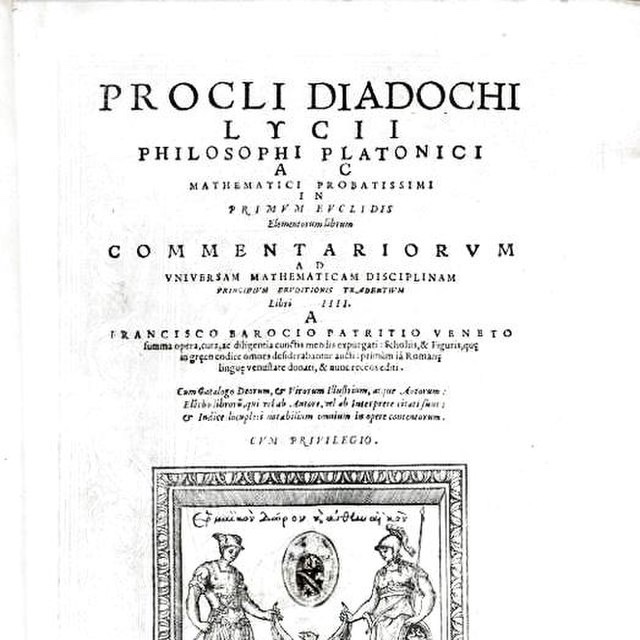
In this passage, we can see that even Proclus didn’t have concrete knowledge about important aspects of Euclid's life; like his birthdate, birthplace, time of death, etc.
We only know that he flourished after Plato’s first pupils and before Archimedes.
So, around 300 BC or so.
We only know that he flourished after Plato’s first pupils and before Archimedes.
So, around 300 BC or so.
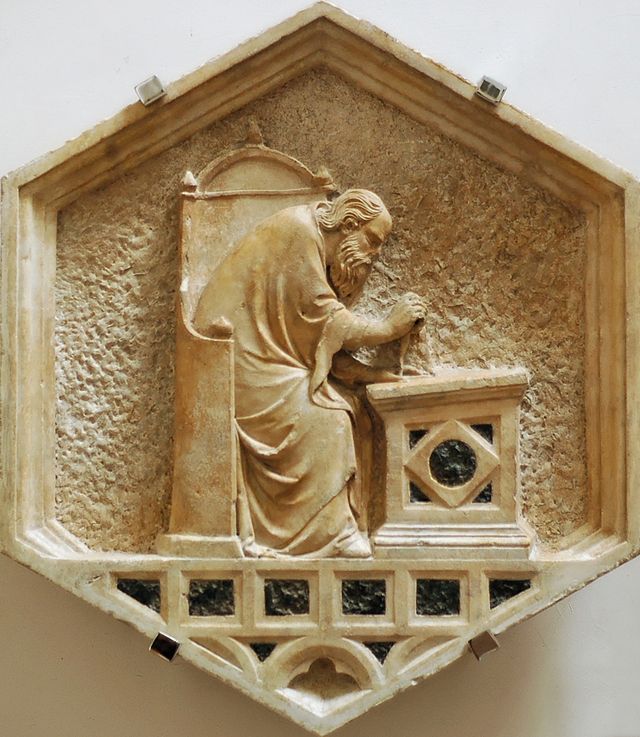
Why do we remember a guy that we know so little about?
His work, the Elements, was and is legendary.
Ever since it was written, this piece has had an enduring and significant impact on the course of human affairs.
His work, the Elements, was and is legendary.
Ever since it was written, this piece has had an enduring and significant impact on the course of human affairs.
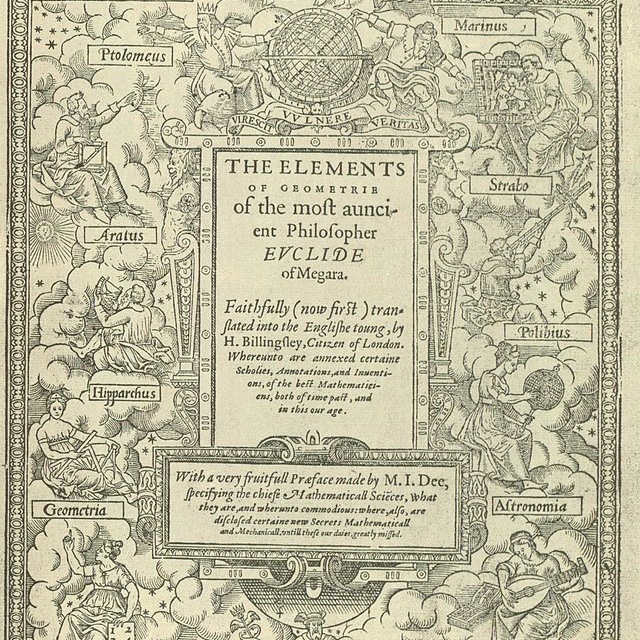
Until the emergence of non-Euclidean geometry in the 19th century, the Elements stood as the principal foundation for geometric reasoning, theorems, and methodologies.
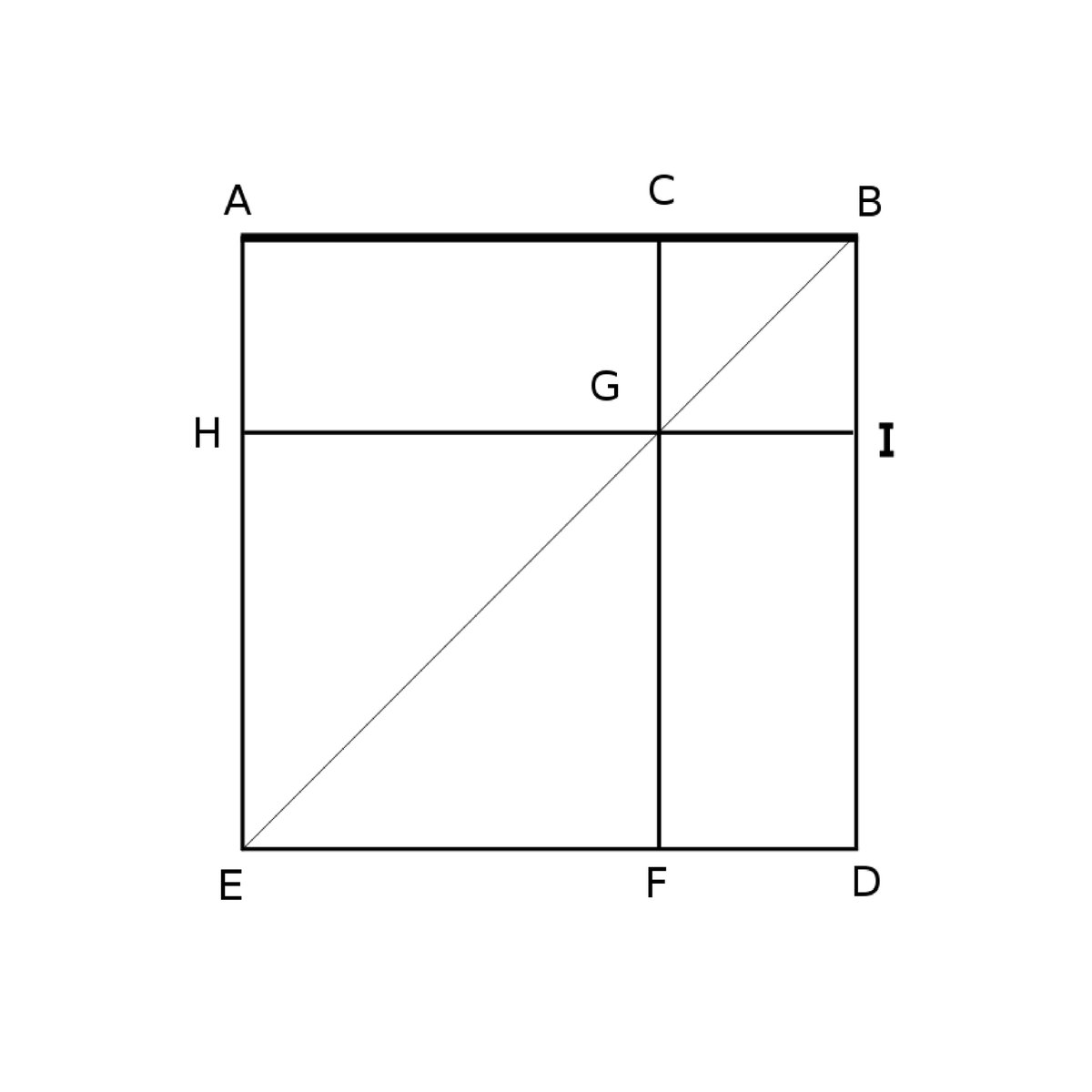
Euclid's contributions in establishing a benchmark for deductive reasoning and geometric instruction remained virtually unaltered for 2,000 years.
That's a big deal.
That's a big deal.
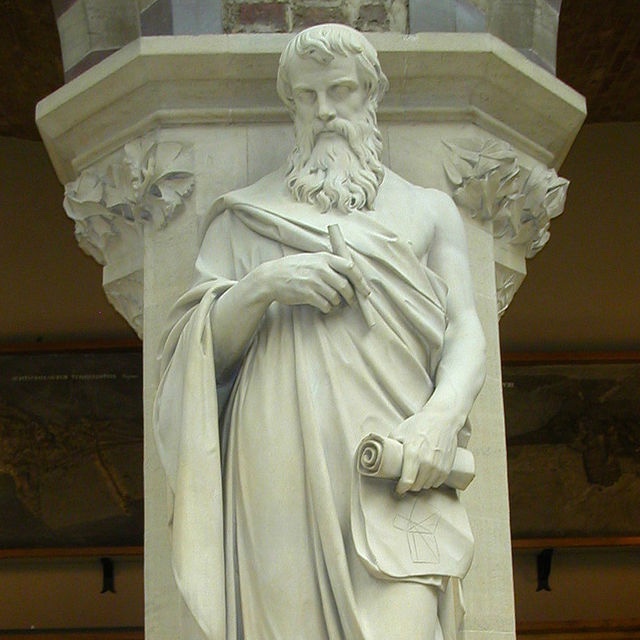
We won’t get into Euclid’s geometry today, but I do want to expand on one aspect of his life.
And that aspect, although brief, is his words to Ptolemy:
“and he replied that there was no royal road to geometry.”
And that aspect, although brief, is his words to Ptolemy:
“and he replied that there was no royal road to geometry.”
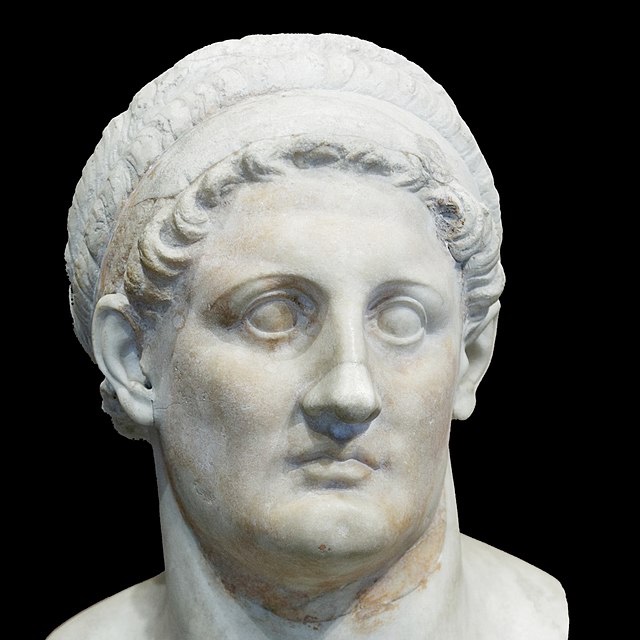
Basically, the ruler Ptolemy was looking for a shortcut.
He wanted to have the power and leverage that geometry offered in one’s mind, without doing the work.
He wanted to have the power and leverage that geometry offered in one’s mind, without doing the work.
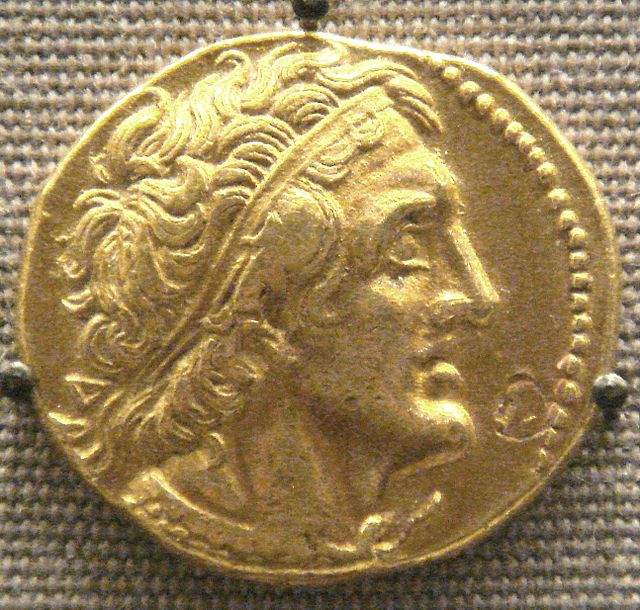
The problem is that there are no shortcuts in life.
Everything must be earned.
Anything worth having in life requires tremendous effort, focus, and often sacrifice.
Euclid understood this well.
To produce a work such as the Elements, he needed to have put in the time/energy.
Everything must be earned.
Anything worth having in life requires tremendous effort, focus, and often sacrifice.
Euclid understood this well.
To produce a work such as the Elements, he needed to have put in the time/energy.
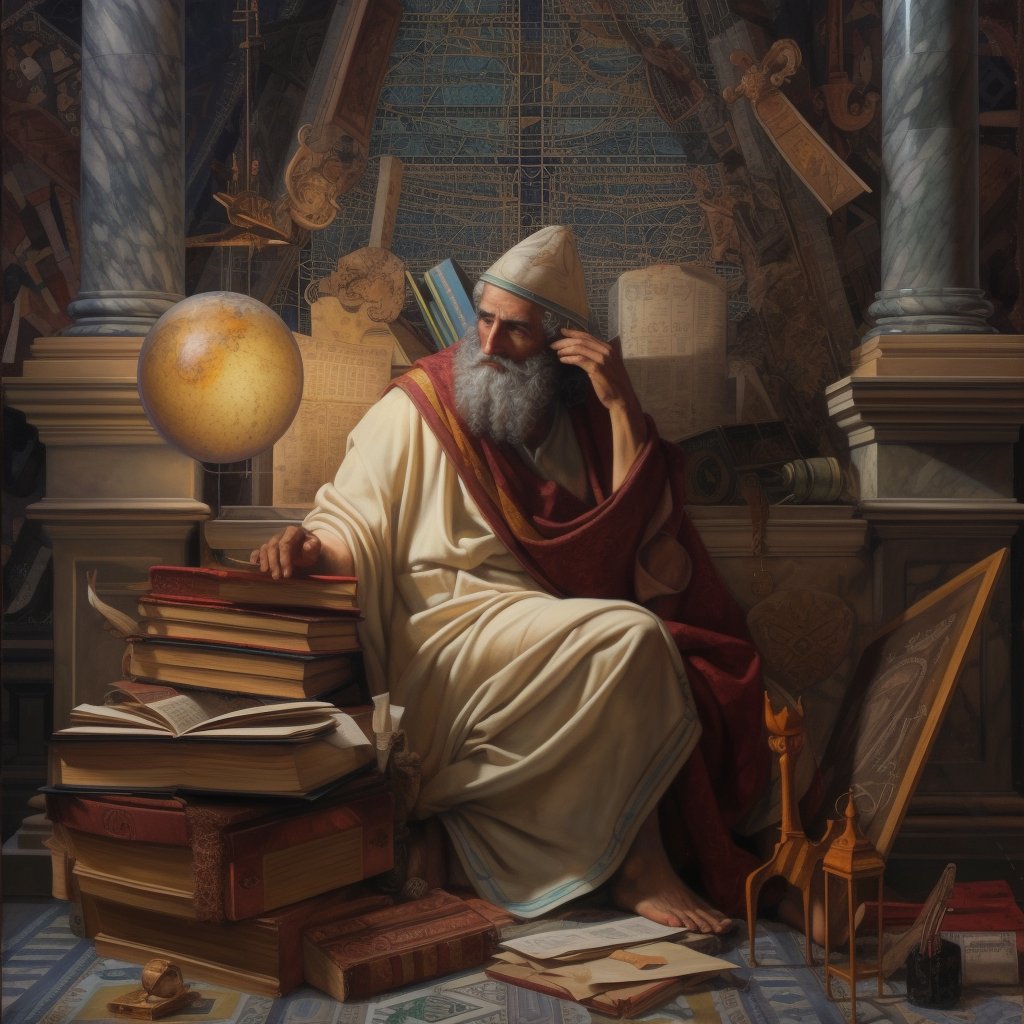
Do you think the Elements would have even been a footnote if Euclid himself would have taken shortcuts when writing it?
I do not think so.
Anything that stands the test of time does so for a reason - because the creator poured everything they had into it.
I do not think so.
Anything that stands the test of time does so for a reason - because the creator poured everything they had into it.
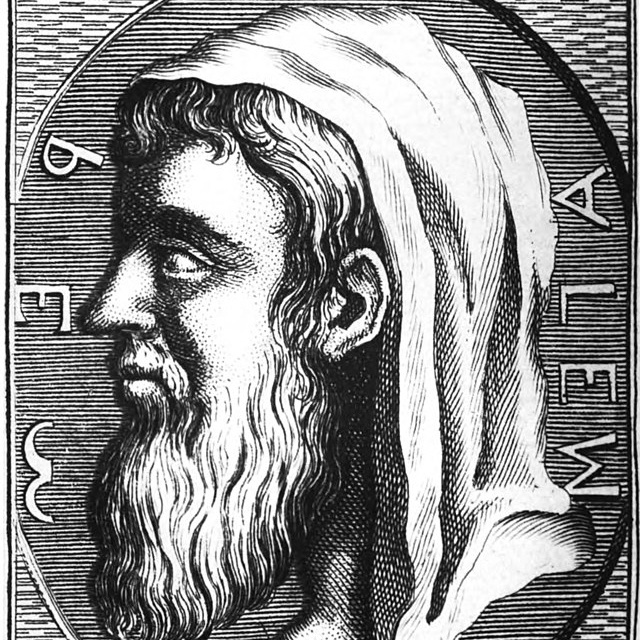
USEFUL KNOWLEDGE:
-There are no shortcuts in life (at least none worth taking).
If you want to learn, create or master something of great value, you must put in equally great time/energy. You’ve got to dive into the “trenches” fully if you want the “spoils of war.”
NOTE: If…
-There are no shortcuts in life (at least none worth taking).
If you want to learn, create or master something of great value, you must put in equally great time/energy. You’ve got to dive into the “trenches” fully if you want the “spoils of war.”
NOTE: If…

Loading suggestions...