
Fascinating how many groups have been where they are now for far shorter than you'd think.
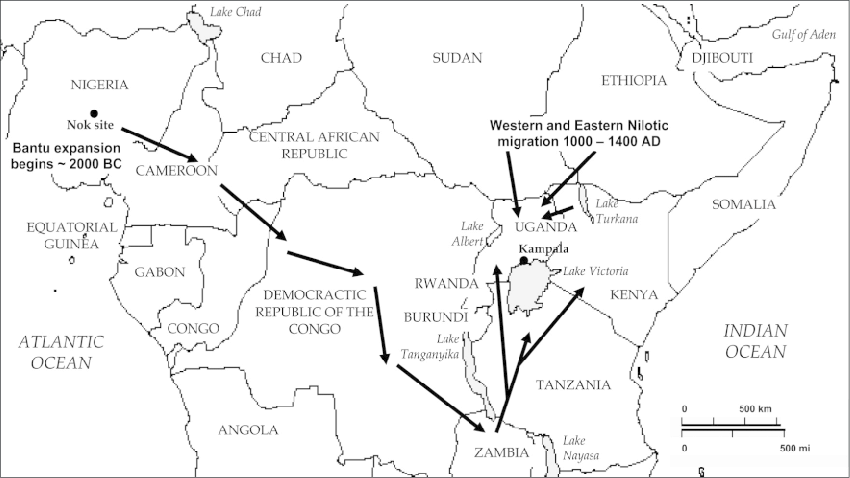
The Maasai only came down from Sudan 5-600 years ago, the Zulu entered Zululand even more recently, the Tswana Botswana circa 3-400 years ago
The Maasai only came down from Sudan 5-600 years ago, the Zulu entered Zululand even more recently, the Tswana Botswana circa 3-400 years ago
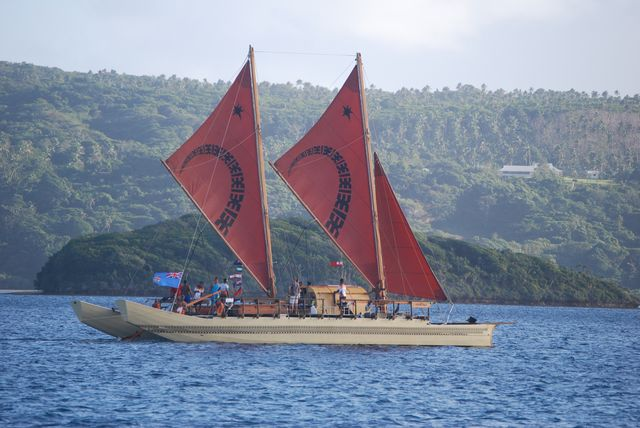
Much of Greece was inhabited by Slavs until a few centuries ago (please spare me, Balkan Twitter) and much of Turkey by Greeks, the current native Hawaiians may be a Tahitian-derived group that replaced the earliest Polynesian settlers about 7-900 years ago
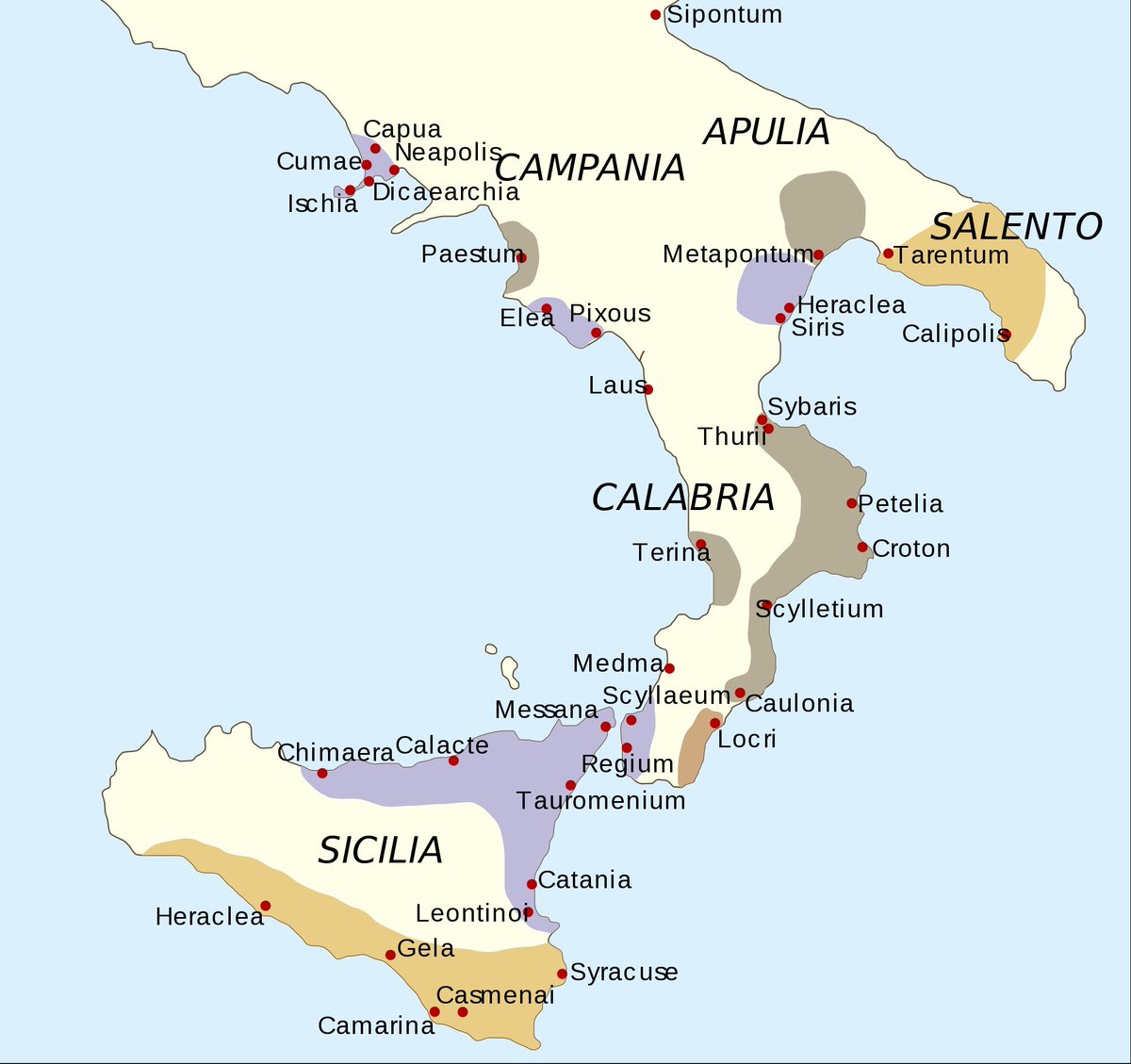
The Heel of Italy was largely Greek-speaking until the end of the Middle-ages, all of Eastern Germany up to the Ejder was Slavic until the 12-1300s.
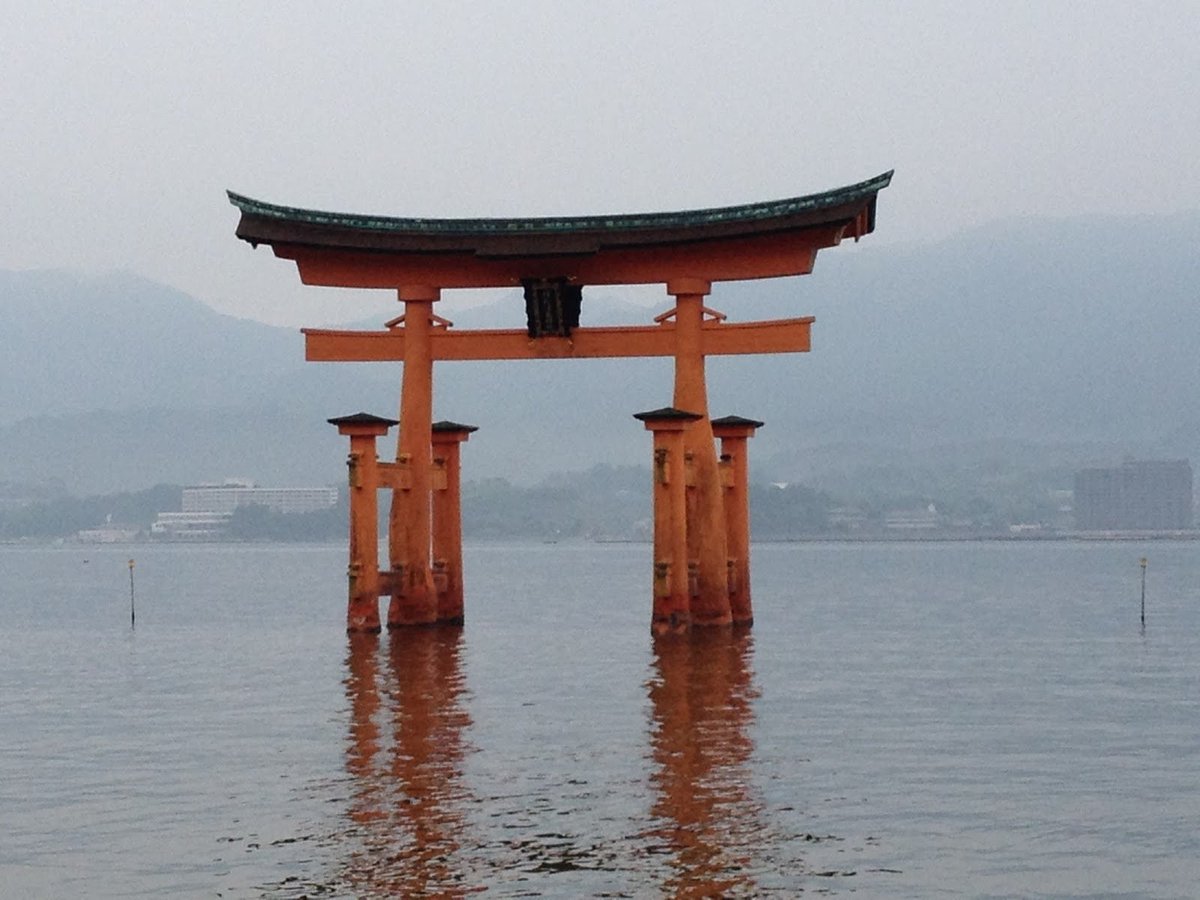
The Yamato (ethnic Japanese) only reached Japan a few centuries after the birth of Christ, and didn't take all Honshu until 800s
The Yamato (ethnic Japanese) only reached Japan a few centuries after the birth of Christ, and didn't take all Honshu until 800s
The population of southern China was non-Sinitic (Baiyue) until after the fall of the Han dynasty (3rd century), possibly speaking an Austronesian-related language.
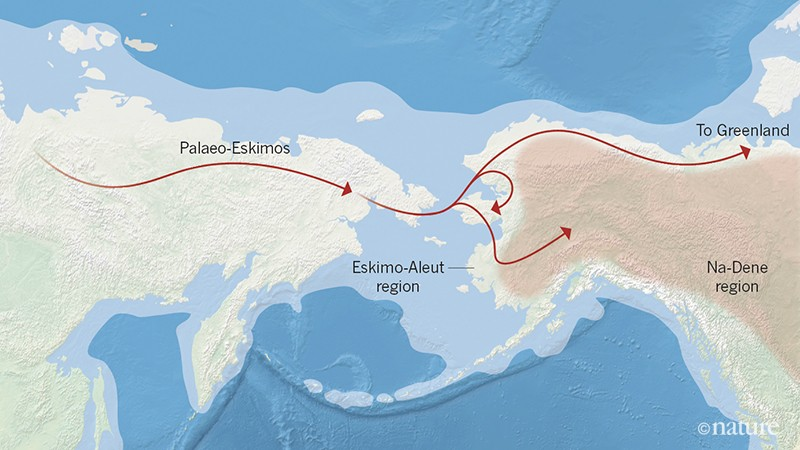
The Inuit didn't reach America until the 2nd millennium
The Inuit didn't reach America until the 2nd millennium
Much of North Africa was still linguistically Berber and Coptic (and religiously Christian) well into the 2nd millennium.
Parts of the Levant were still Aramaic-speaking into the 1600s
Parts of the Levant were still Aramaic-speaking into the 1600s
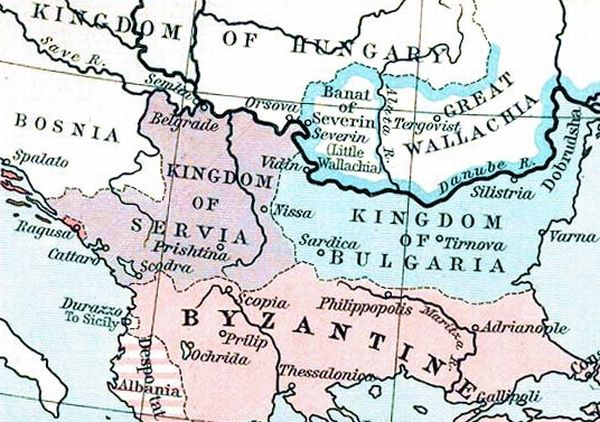
The Kosovo region was predominantly Slavic-speaking until the Ottoman period (though it seems to have been Albanian-speaking *before* the Slavs arrived, so it went back and forth)
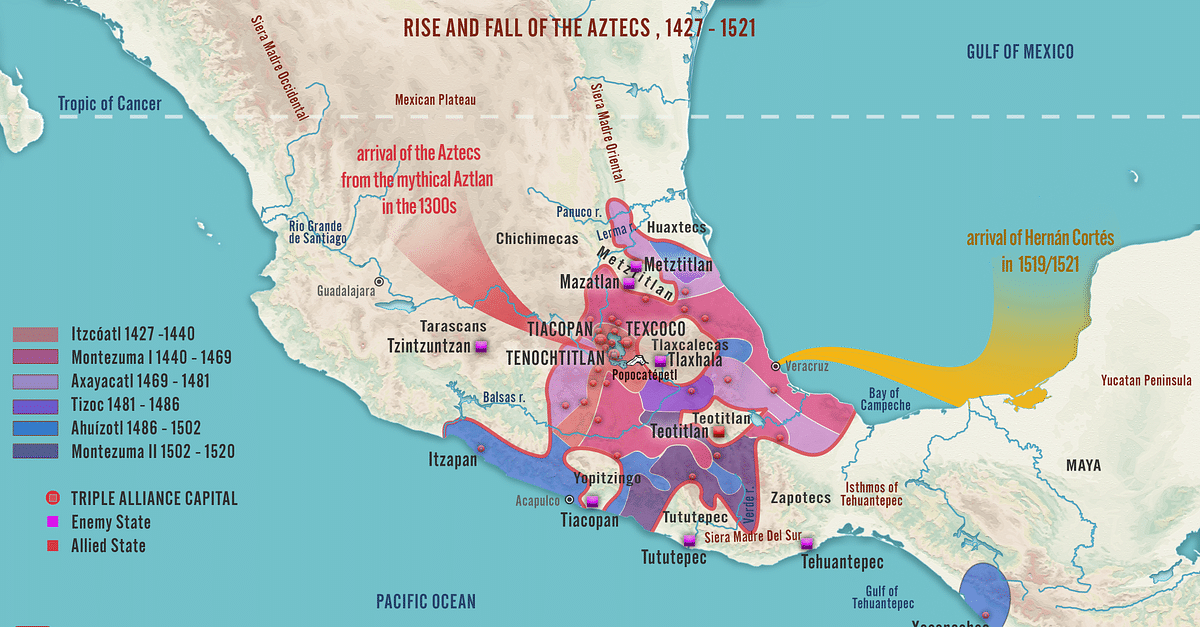
The Mexica (Aztecs) only entered the Mexico valley in the 12-1300s, about 200 years before Cortés, and all the Nahua-speaking peoples probably entered Mesoamerica from what's now the southwestern US, possibly the Mojave desert region, as late as the 5-800s
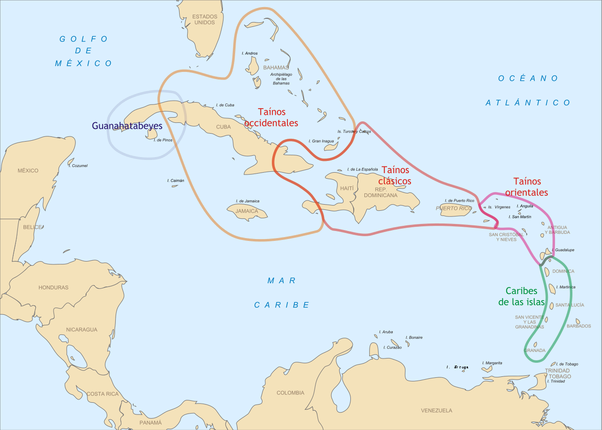
The Arawak-speaking Taíno who the first Spaniards met in the Caribbean had only left mainland South America about 500 BC, and had been gradually colonising the archipelago since.
They still had not finished settling Cuba at the time of Columbus.
They still had not finished settling Cuba at the time of Columbus.
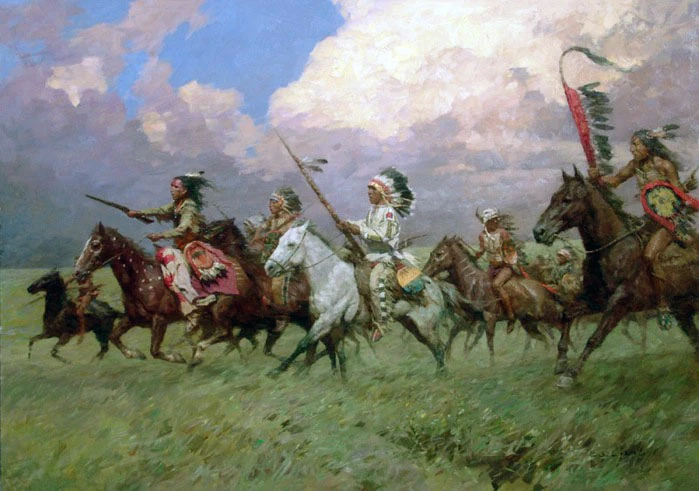
The Lakota did not enter the Great Plains until the end of the 18th century, when a combination of disease and warfare devastated the Mandans, Arikara and Hidatsa, who had previously held the fords of the Missouri.
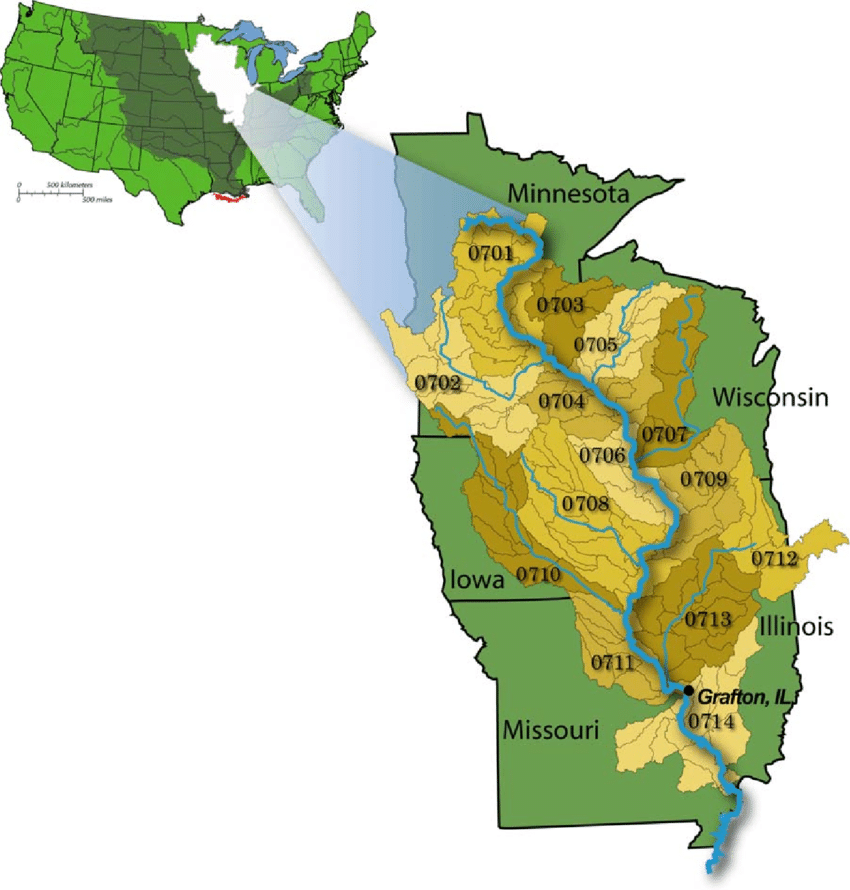
Until the 1600s they inhabited the Upper Mississippi region
Until the 1600s they inhabited the Upper Mississippi region
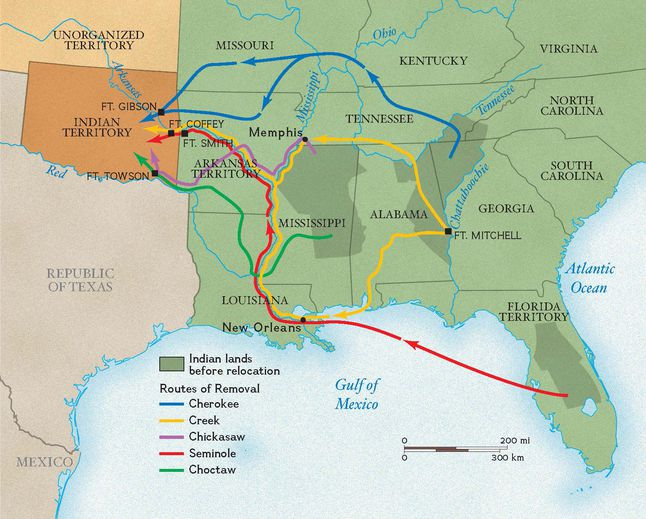
The Seminole of Florida only formed in the 1700s, when tribes fleeing the Yamasee War were met by Muscogees migrating to avoid pressure by other Amerindians and the growing colonial presence. Florida for the last few centuries prior had been nearly emptied by disease.
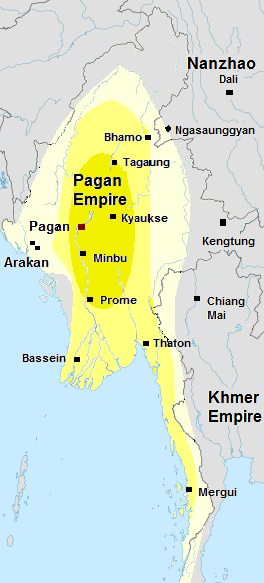
The Burmese did not enter what is now Myanmar until the 9th century, when the aboriginal Pyu-speaking city-states were destroyed by the northern Nanchao kingdom.
Burmese settlers out of Nanchao formed the Pagan Empire, gradually consolidating control of modern Myanmar/Burma
Burmese settlers out of Nanchao formed the Pagan Empire, gradually consolidating control of modern Myanmar/Burma
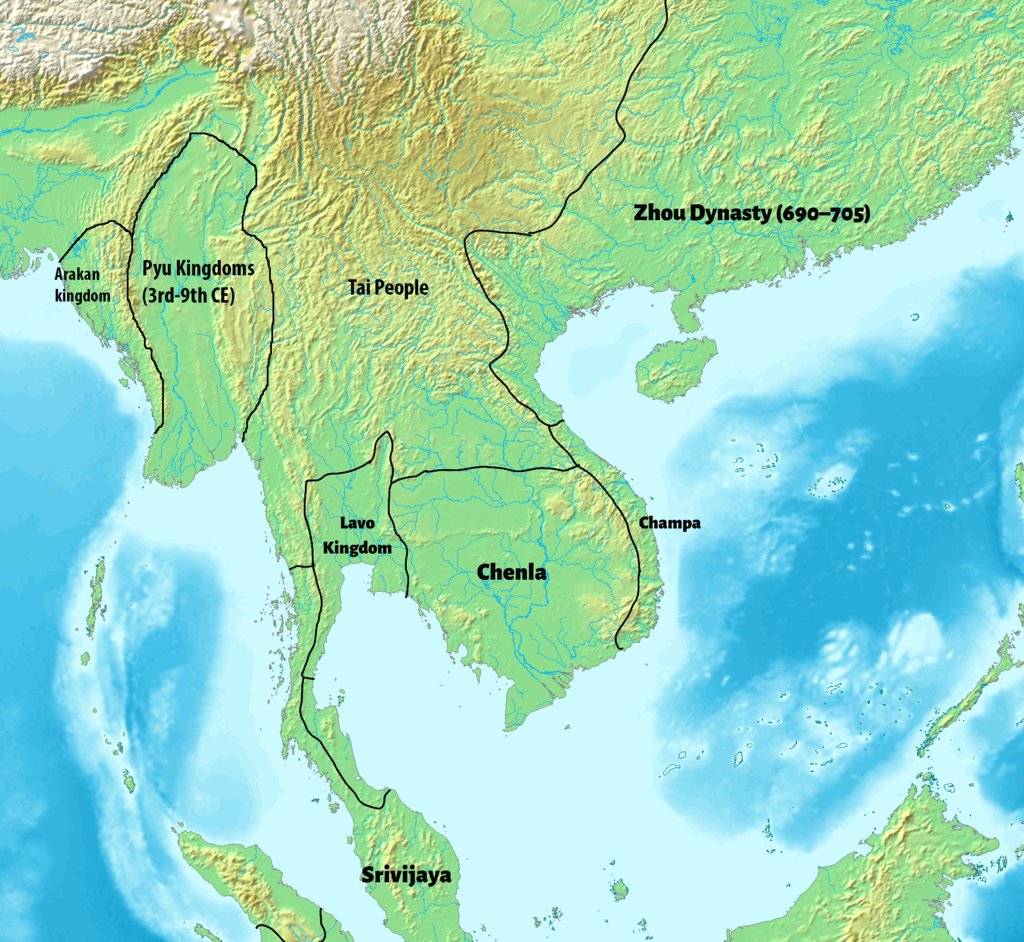
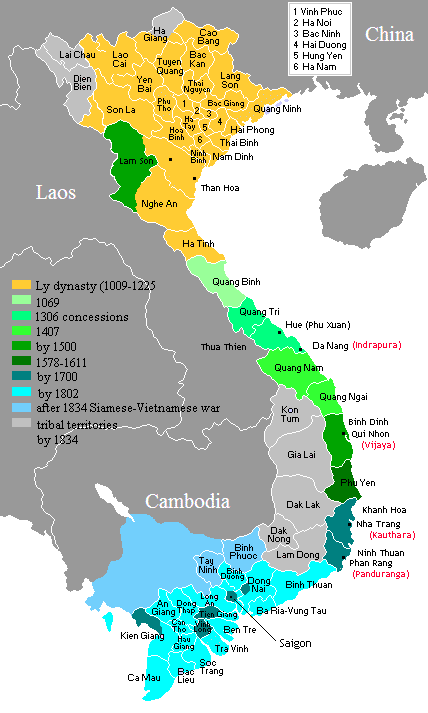
What is now southern Vietnam constituted a separate kingdom, Champa, for most of history, populated by the Austronesian-speaking Chams. The South China Sea was even known as the "Sea of Cham" for many centuries.
The last regions were not taken by the Vietnamese till 1832
The last regions were not taken by the Vietnamese till 1832
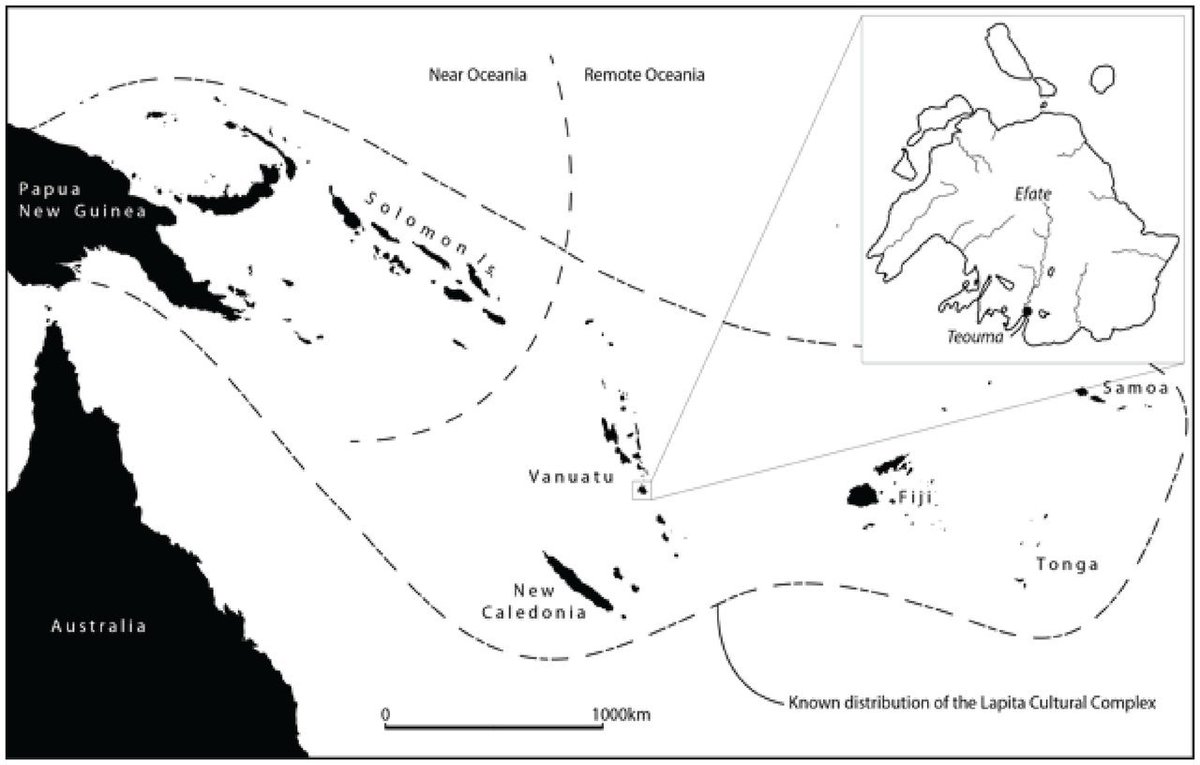
Vanuatu, New Caledonia and Fiji were colonised by the Austronesian Lapita people between 15-500 BC, and the Proto-Polynesian culture seems to have developed within this region.
Only later did highly Papuan-derived Melanesians become the dominant population of these islands.
Only later did highly Papuan-derived Melanesians become the dominant population of these islands.
The Celtic languages probably did not arrive in the British Isles until the 2nd half of the 1st millennium BC, which means English has now been spoken in Britain for longer than the Celtic tongues had at the time of Anglo-Saxon arrival
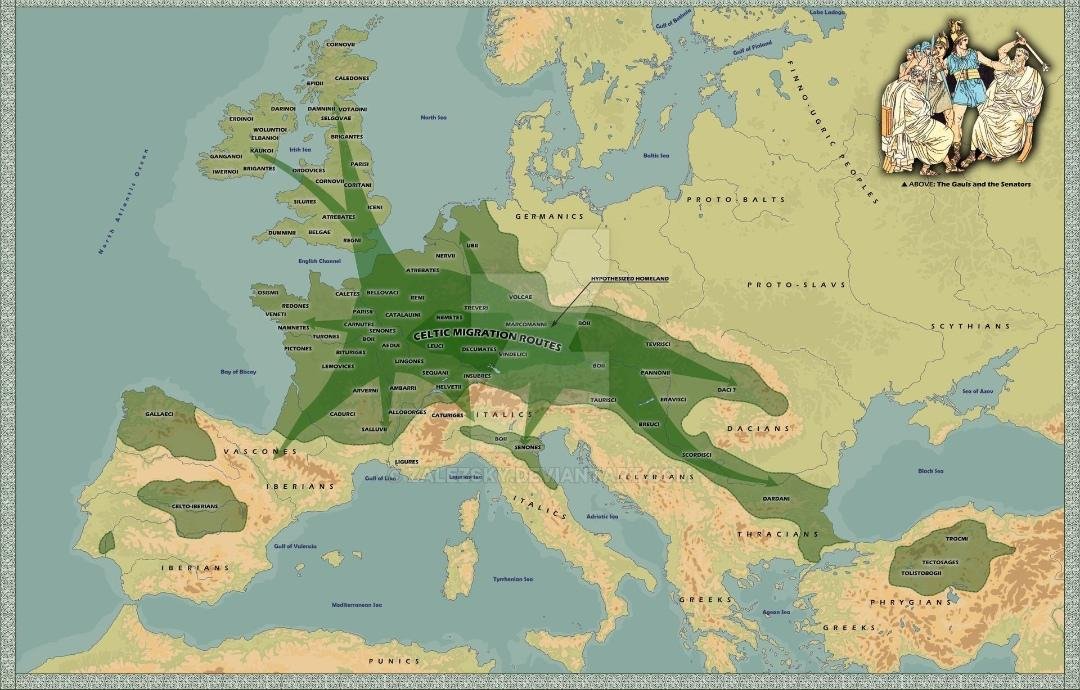
(Yes I'm aware of the 'Celtic from the West' theory, but it relies in large part on the 20th-century movement towards disentangling language-dispersal from population-movements, which modern genetics have now shown is largely untenable)
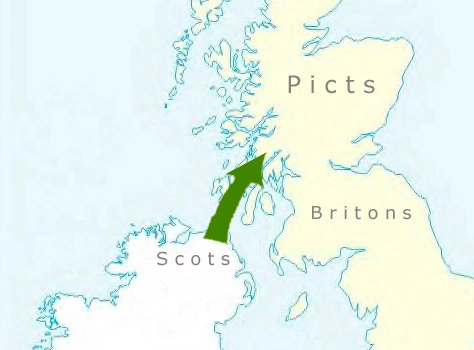
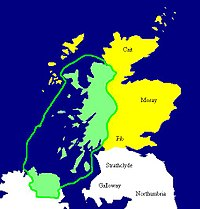
Of the Insular Celtic languages, Scottish Gaelic derives either entirely from Ireland or developed as a thalassocratic tongue across the straits between Ulster and Argyll, later spreading throughout the former Pictish lands.
A "Scot" originally meant person from Ireland.
A "Scot" originally meant person from Ireland.
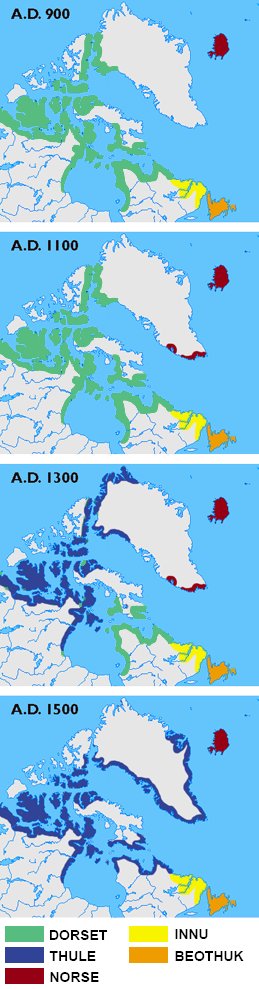
The Inuit Thule Culture, the direct ancestors of todays Greenland Inuit, arrived on Greenland in the 1300s.
There was thus roughly equal time from Norse settlement (late 10th century) to Inuit arrival, as from Inuit arrival to renewed contact with Denmark-Norway (early 17th)
There was thus roughly equal time from Norse settlement (late 10th century) to Inuit arrival, as from Inuit arrival to renewed contact with Denmark-Norway (early 17th)
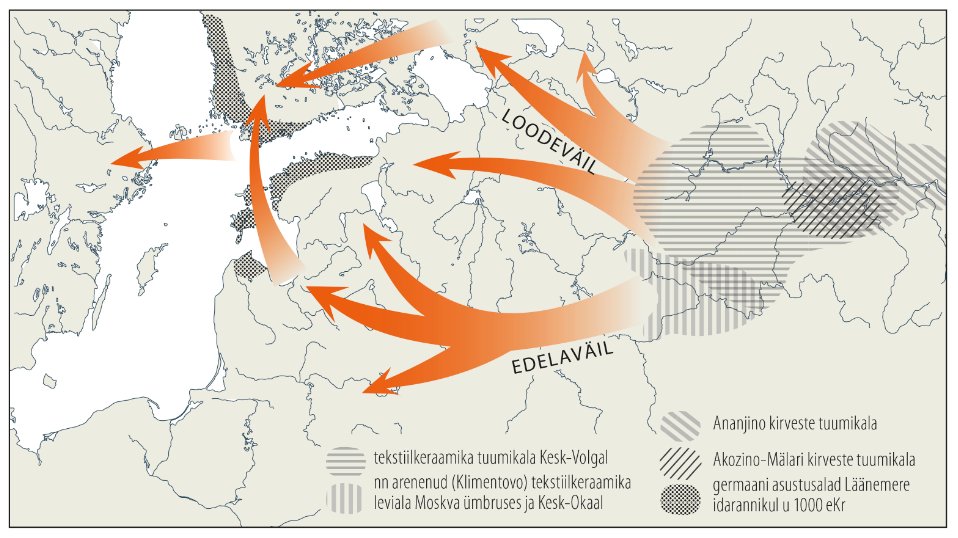
At the start of the 1st millennium, it appears that the Sámi were centred in what is now Finland & northwestern Russia (Kola to Lake Onega), while another unknown group inhabited northern Scandinavia.
The undifferentiated Finno-Estonians still dwelt south of the Gulf of Finland.
The undifferentiated Finno-Estonians still dwelt south of the Gulf of Finland.
Loading suggestions...