

In 2022, I became the proud owner of an Indian company. The process took a year, put me in debt, and nearly killed the business. Here's what it takes for a foreigner to create a company in India 🧵
2/25 In July of 2021 @kunwarprithvi and I sat down to talk about turning our YouTube channel, Backstage with Millionaires (@bwmillionaires) into a business. At the time we were exploring the idea of setting up an alternative financing platform for early-stage startups.
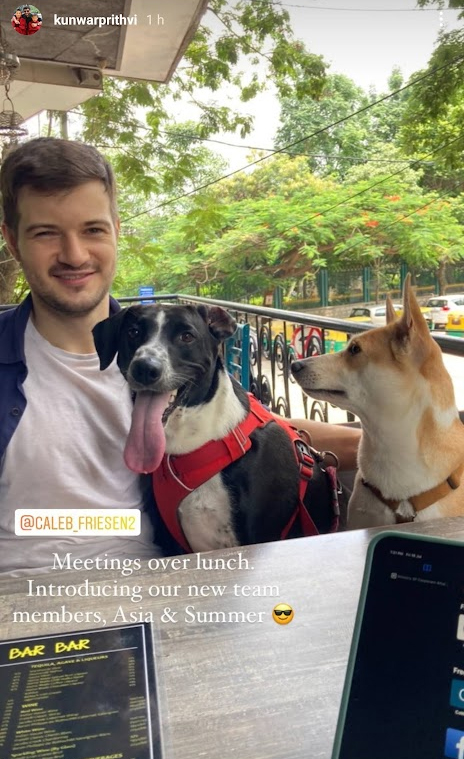
3/25 Our big-picture goal was to change the ratio of failed to successful Indian startups from 9/10 to 8/10. I liked the name 1/10 Ventures, but we ultimately decided on something more open-ended: Towards Ventures. We set out to help Indian startups move Towards their goals.

4/25 The first thing we did was search for a reputable CA. As a foreigner, I knew that we would need someone who understood the regulations around FDIs and foreign ownership of Indian companies. With our alternative financing idea, we also needed a CA who understood startups.
5/25 After talking to a couple of firms, we were referred to a CA that we could rely on. They told us that the best way for me to own a co-founding stake in the business, as a foreigner, was to make an FDI (foreign direct investment) after the company had already been registered.
6/25 Registry of the company was super quick. Prithvi already had a DIN (director identification number) and PAN, so he was able to register Towards Ventures Pvt. Ltd. before the end of the month, with his mother as a temporary co-director.
7/25 The next few months were spent trying to get me my DIN. Things were a bit more complicated because I’m a foreigner, but it wasn’t too hard.
We celebrated hitting 200K subs in October, 2021. Then at the end of that month I had to leave India when my visa expired.
We celebrated hitting 200K subs in October, 2021. Then at the end of that month I had to leave India when my visa expired.
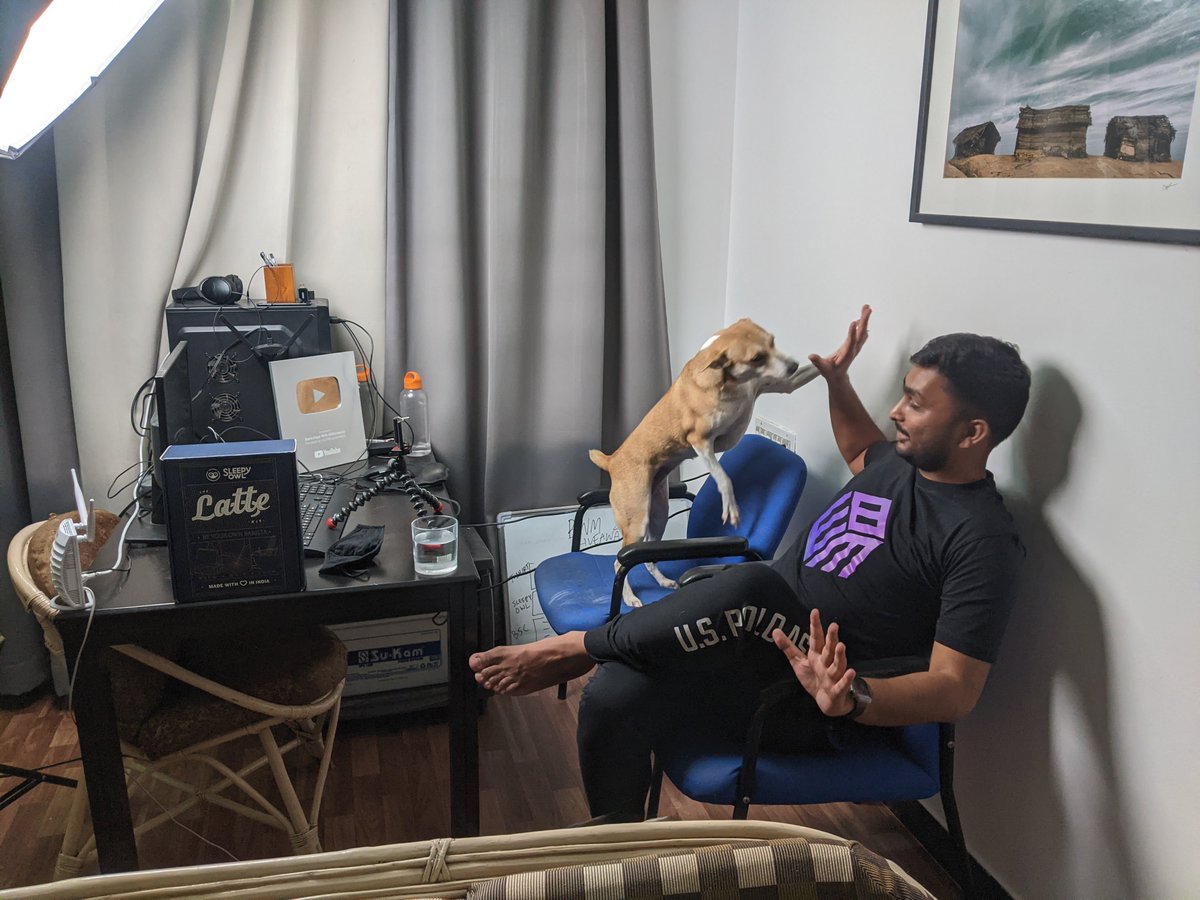
8/25 I moved in with my parents in Cairo for a few months, and was happy to officially become the director of an Indian company in Nov of 2021!
So far the process had taken 4 months and was going smoothly! I was impressed.
Pictured is my “studio” i.e. my parent’s guest room.
So far the process had taken 4 months and was going smoothly! I was impressed.
Pictured is my “studio” i.e. my parent’s guest room.
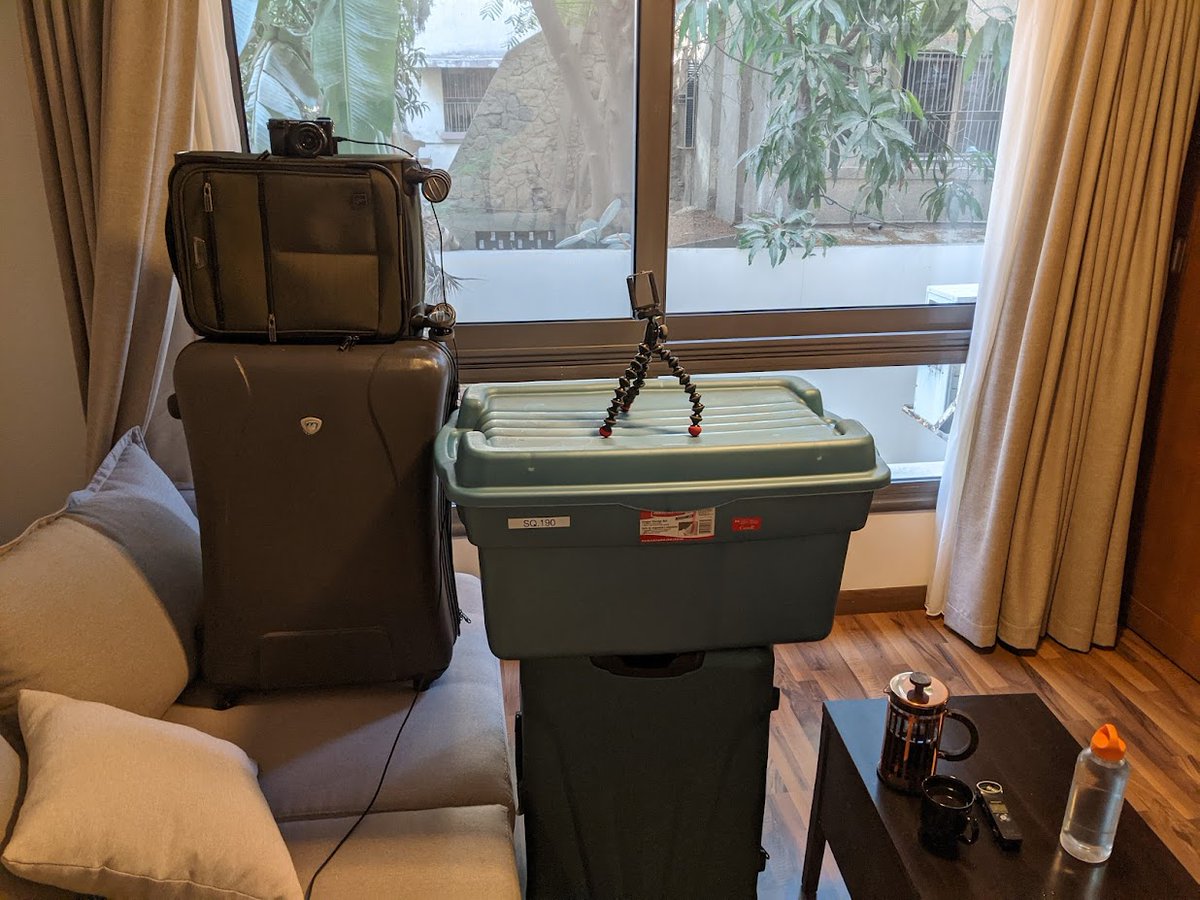
9/25 The next step of the process was for me to acquire stake in Towards. Prithvi and his mother owned 100% of the company, so in order to be an owner, I would need to make an investment as a foreigner, otherwise known as a foreign direct investment (FDI).
10/25 It was important that this FDI happened quickly: I planned to use my ownership and DIN to apply for a business visa and return to India ASAP. We assumed that because this was a small FDI (₹45,000 to acquire 45% of the company), the RBI would approve it right away.
11/25 It’s worth noting that ₹45,000 wasn’t a small amount of money for me. In 2019 we brought in ₹1,568, 2020 - ₹3 lakh, and 2021 - ₹8 lakh in YPP revenue, but we were also a team of 6 now, and I had never taken a raise. ₹45,000 was more than my monthly income.
12/25 The last-minute flight to Cairo had cleared out my savings, and CA charges for company registration and DIN had put me into credit card debt. This ₹45,000 was the cherry on top, and I still had my visa fees and return flight to worry about too. Things weren’t looking good.
13/25 However, I had seen many startups raise FDI and it didn’t seem hard. I would just transfer money to Prithvi, that transaction would be recorded as an FDI and I’d be on the cap table, right?
Wrong.
Turns out, the last 4 months had just been the warm-up before the marathon.
Wrong.
Turns out, the last 4 months had just been the warm-up before the marathon.
14/25 I had first tried to send Prithvi the FDI via my bank’s Global Money Transfer feature in October. When Prithvi’s bank received this transfer, they sent it back right away because it didn’t fit the requirements for an FDI. They told us it needed to be done through SWIFT.
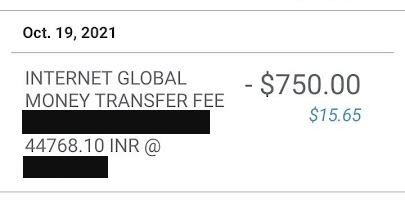
15/25 After a bit of back-and-forth, my bank branch sent out a wire on my behalf.
However, there were multiple issues with the wire. Firstly, the money reached Prithvi’s bank as rupees instead of dollars. Secondly, the money passed through an intermediary.
However, there were multiple issues with the wire. Firstly, the money reached Prithvi’s bank as rupees instead of dollars. Secondly, the money passed through an intermediary.
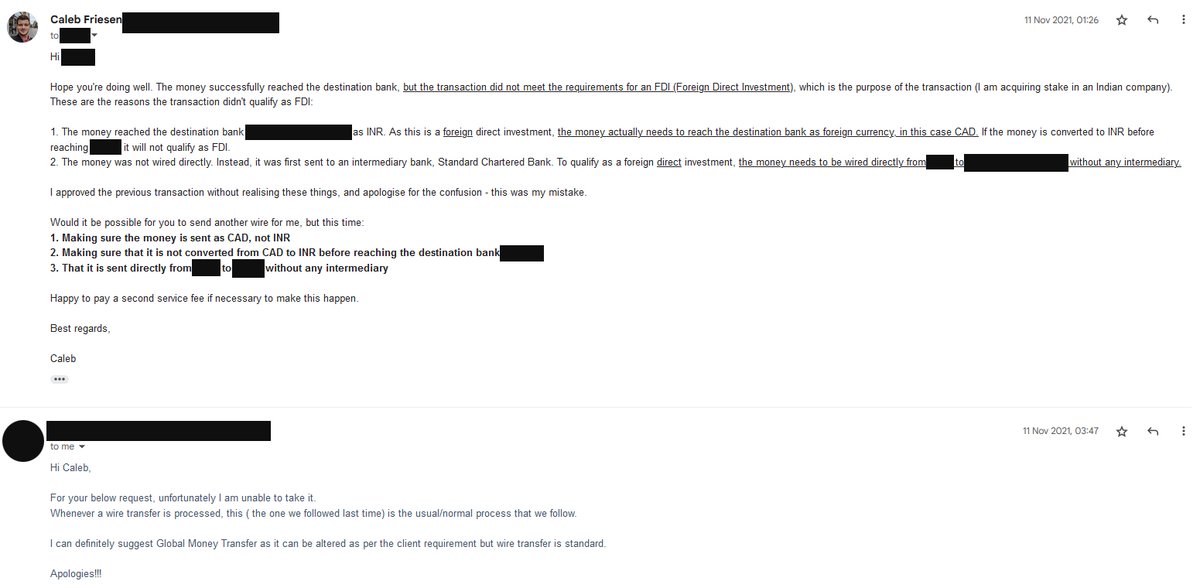
16/25 After a week, I gave the original wire technique a second try. Removing Standard Chartered Bank wasn’t an option, but I made sure the money wouldn’t be converted to INR on the way.
On the 24th of November, the wire reached Prithvi’s bank and was accepted!
On the 24th of November, the wire reached Prithvi’s bank and was accepted!

17/25 We weren’t out of the woods yet though, because Prithvi’s bank threw us a curveball: KYC. As per the RBI’s mandate, my bank would need to verify my identity by sharing 6 KYC details. This request was issued, and a 30 day timer began ticking.
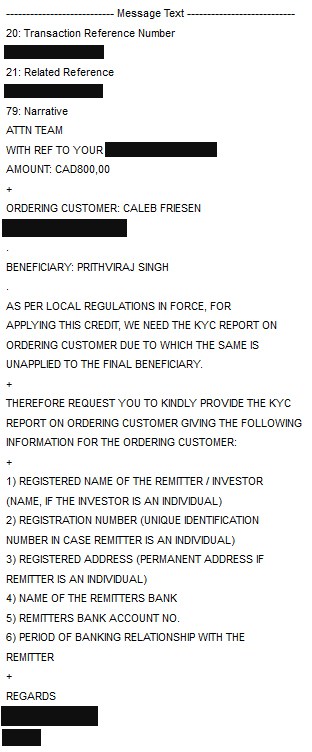
18/25 Towards the end of those 30 days, I called my branch to ask if they had received the KYC request. They told me they hadn’t. I spent a week trying to find out where the request had ended up, to no avail.
You can feel my desperation through the email.
You can feel my desperation through the email.
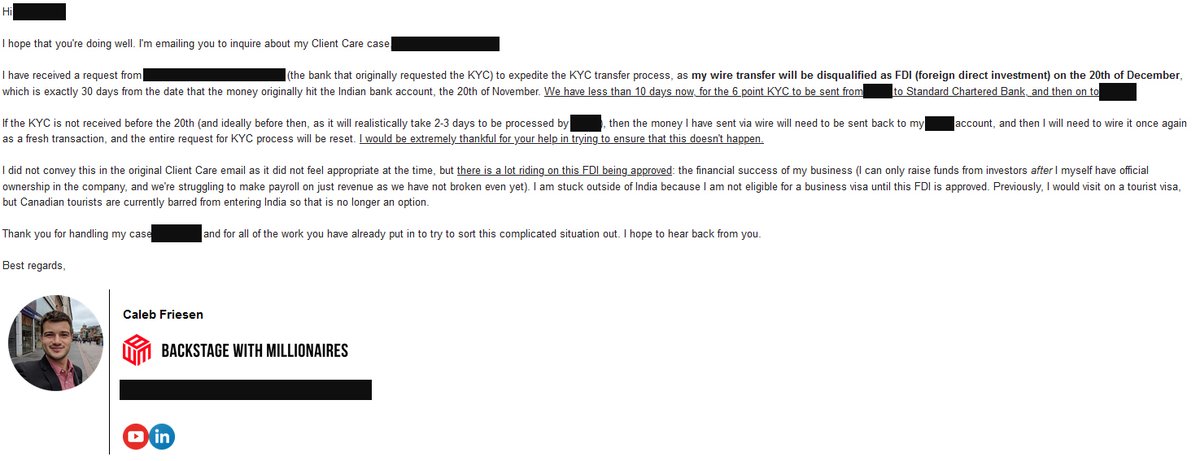
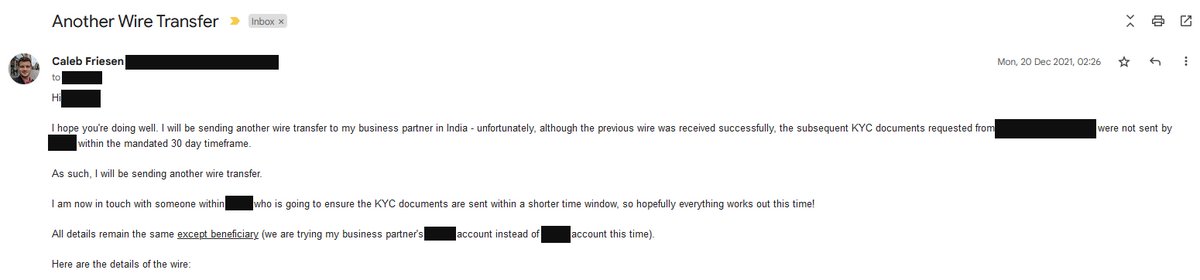
19/25 The 30 day timer ended and the request expired. I would need to send another wire. I advanced more money from my credit card and sent another CAD$800 to India.
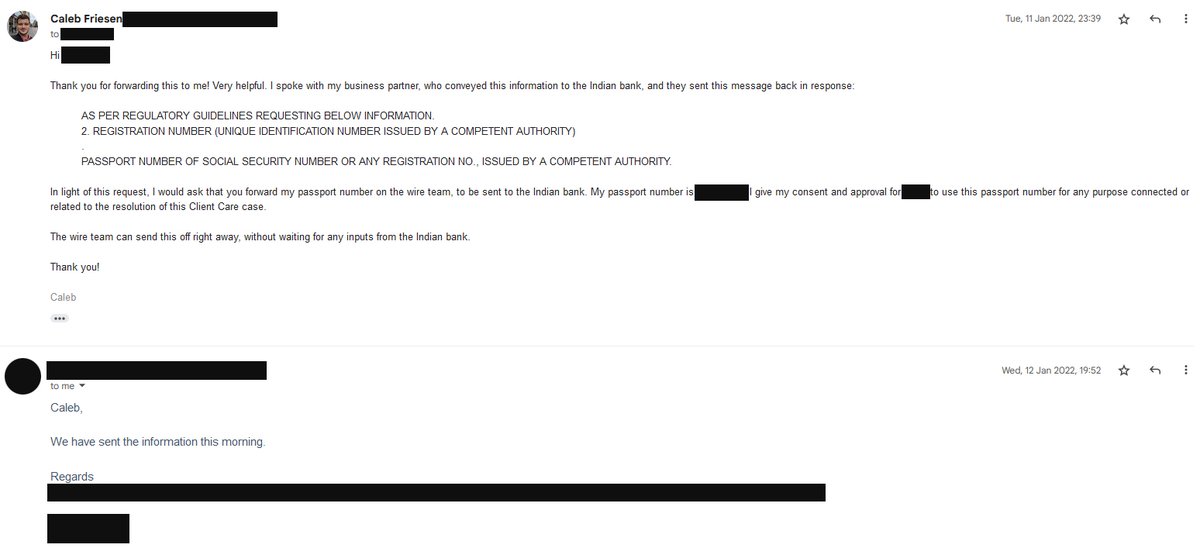
An escalations manager then tracked down the KYC request and finally sent KYC to Prithvi’s bank in early January.
An escalations manager then tracked down the KYC request and finally sent KYC to Prithvi’s bank in early January.
20/25 However, the KYC was rejected by Prithvi’s bank. Why? “PASSPORT NUMBER OR SOCIAL SECURITY NUMBER”
I’d opened my account as a teen so my bank didn’t have either of these. As a stopgap, I gave them my passport number.
By February 2022 the KYC finally reached Prithvi’s bank.
I’d opened my account as a teen so my bank didn’t have either of these. As a stopgap, I gave them my passport number.
By February 2022 the KYC finally reached Prithvi’s bank.
21/25 In the meantime, I had decided not to wait for the FDI to be approved. I applied for a business visa using only my DIN, and was approved for a 1 year short-term business visa. My FDI probably would have gotten me 5 years, but I couldn’t wait.
I was finally back home.
I was finally back home.
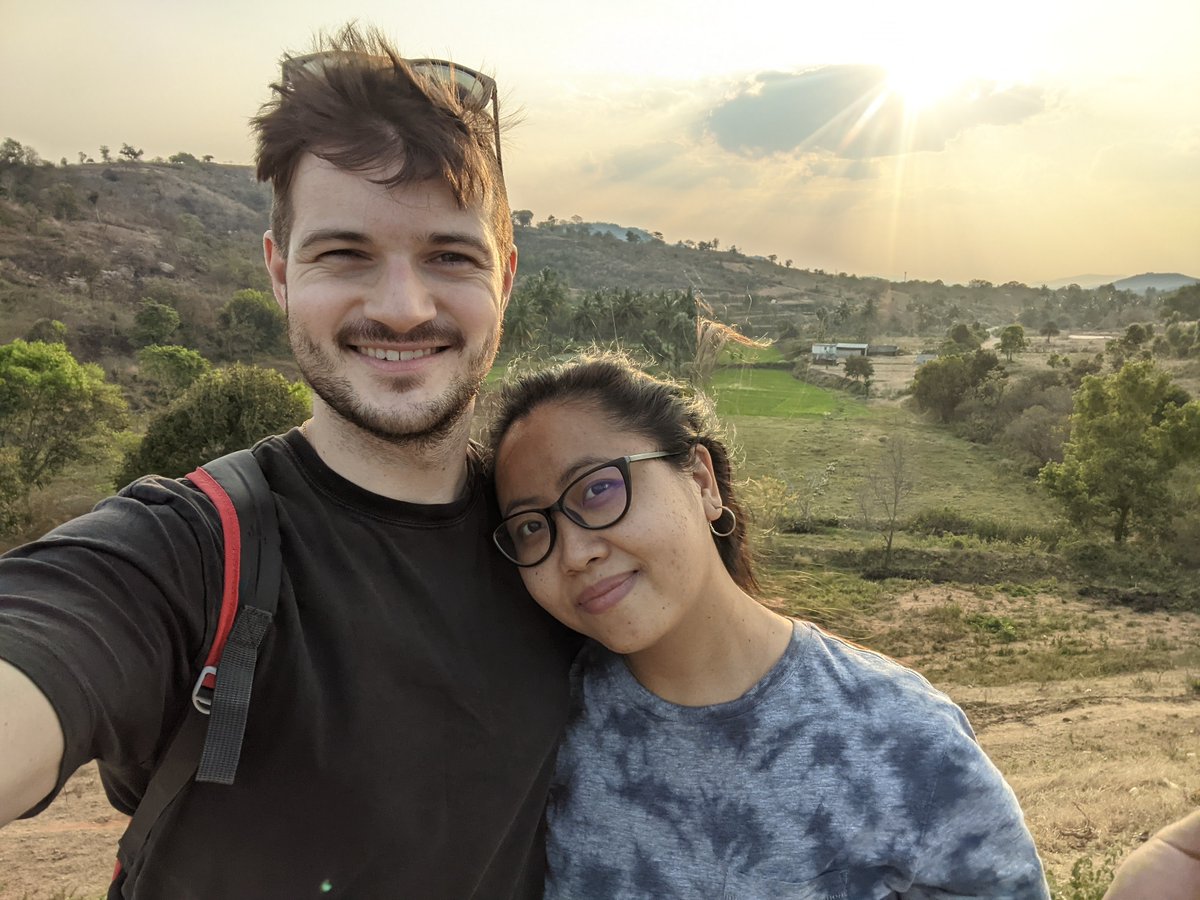
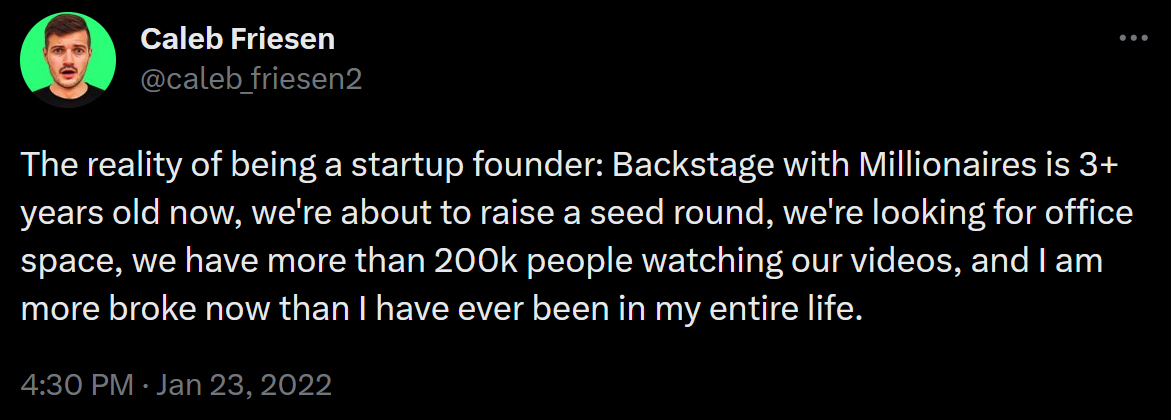
22/25 After returning to India, things were falling apart. I was in deep debt, and Prithvi was financing BwM out-of-pocket. We were on the brink.
The seed round (for which we had several committed investors for Q3 FY22) also fell through. Q4 was when the funding winter began.
The seed round (for which we had several committed investors for Q3 FY22) also fell through. Q4 was when the funding winter began.
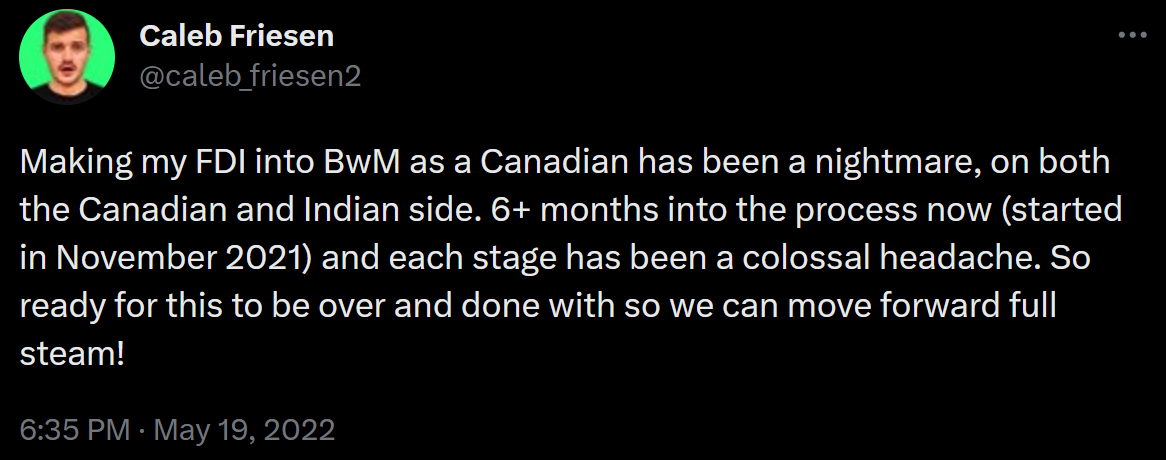
23/25 By May we were still waiting for the RBI’s approval. They would ask for one document, the CA would give it to them, we would wait for 2-3 weeks, and then they would ask for another new document.
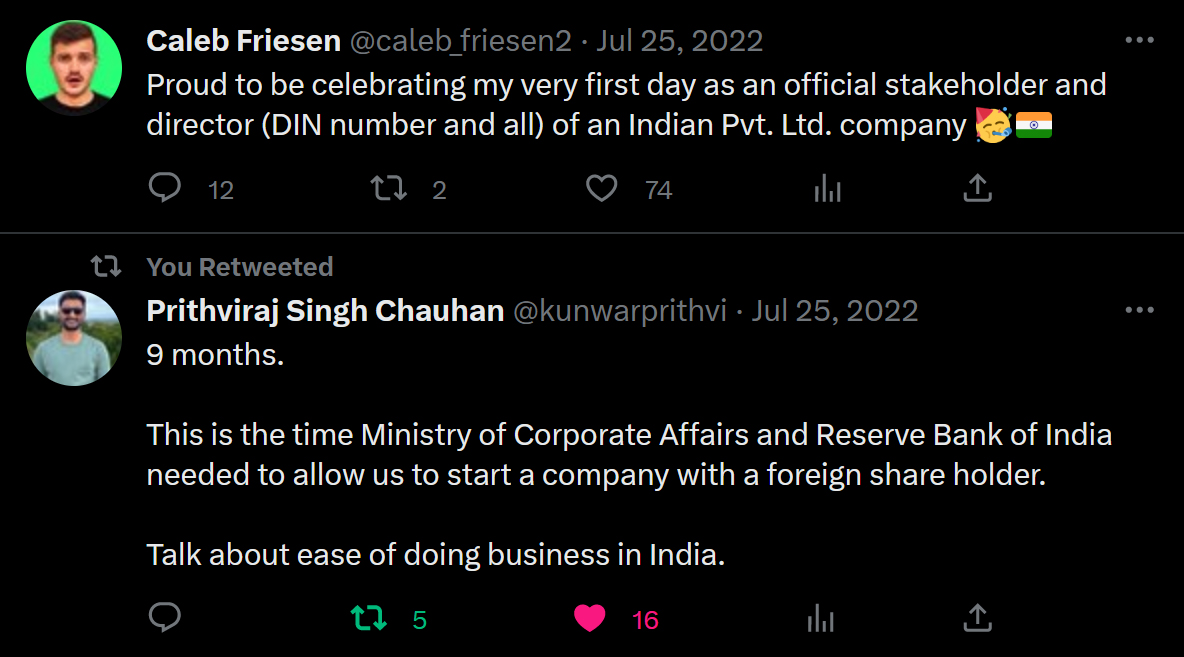
24/25 On July 25th, my FDI was finally approved. I was registered as a stakeholder of Towards Ventures Pvt. Ltd. by the MCA. It was a day of celebration and relief. I became an owner of my Indian company, one week before its first birthday.
25/25 We’re making some content around Indian startup regulations/compliance and I need your help. Please share your honest questions/experiences via the link in my bio. This is specifically intended for Indian startup founders. Answers are 100% confidential. Thanks for reading!
Loading suggestions...