

(1/16) When I did my first thread on the T-64, I mentioned that it is an oft-misunderstood tank. So, let's look at one of these oft-misunderstood aspects: its turret armour.

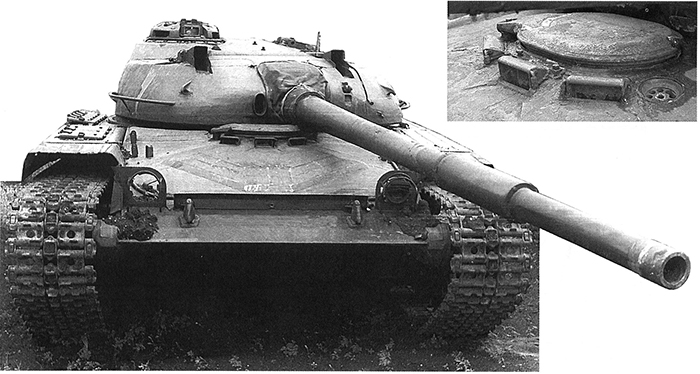
(2/16) Various books in English have gotten it wrong. Often seems to be the result of confusion, because different configurations were tried on the T-64s before 1974.
The first one was published in 2014, so maybe just outdated info, but the latter was published in 2022!
The first one was published in 2014, so maybe just outdated info, but the latter was published in 2022!


(3/16) The development of the T-64's turret was a complicated affair. The best history in English on it is @AndreiBtvt's article on Warspot, which was translated into English by @Tank_Archives.
tankarchives.ca
tankarchives.ca

(4/16) To summarise things, the original T-64 (432) in serial production used a turret with aluminum filler.
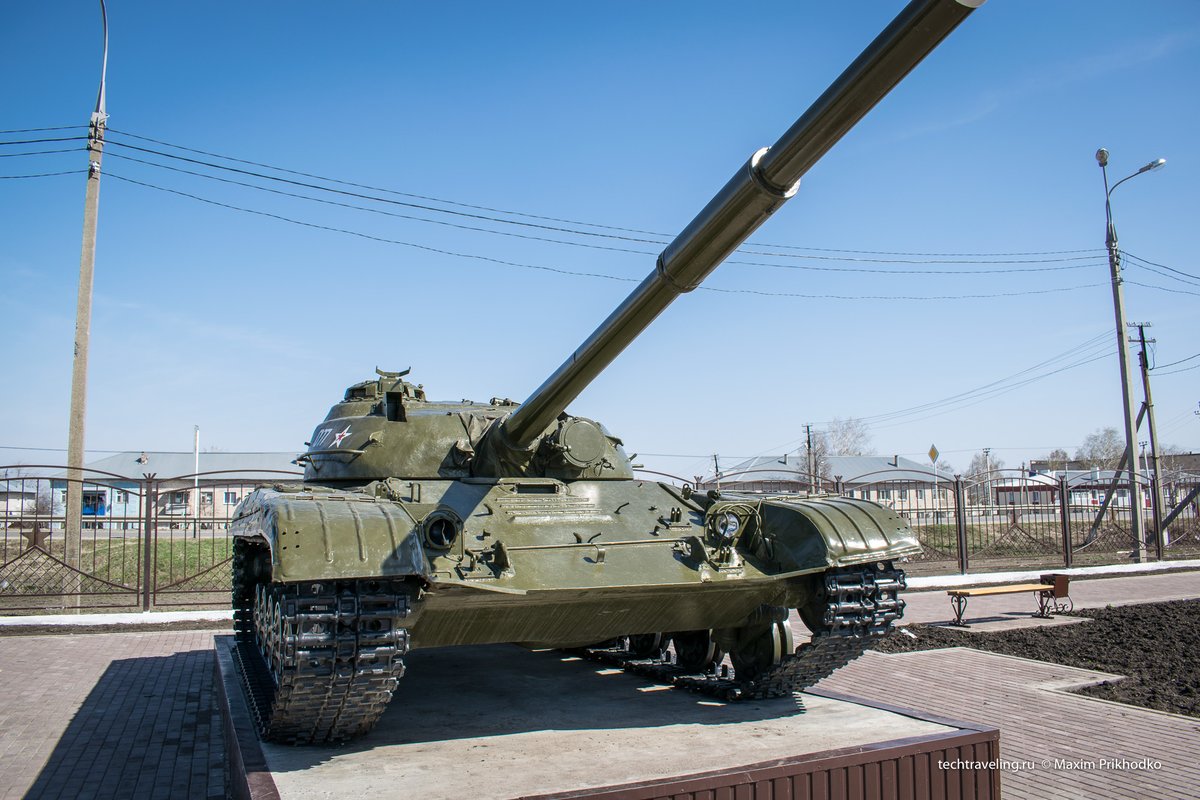
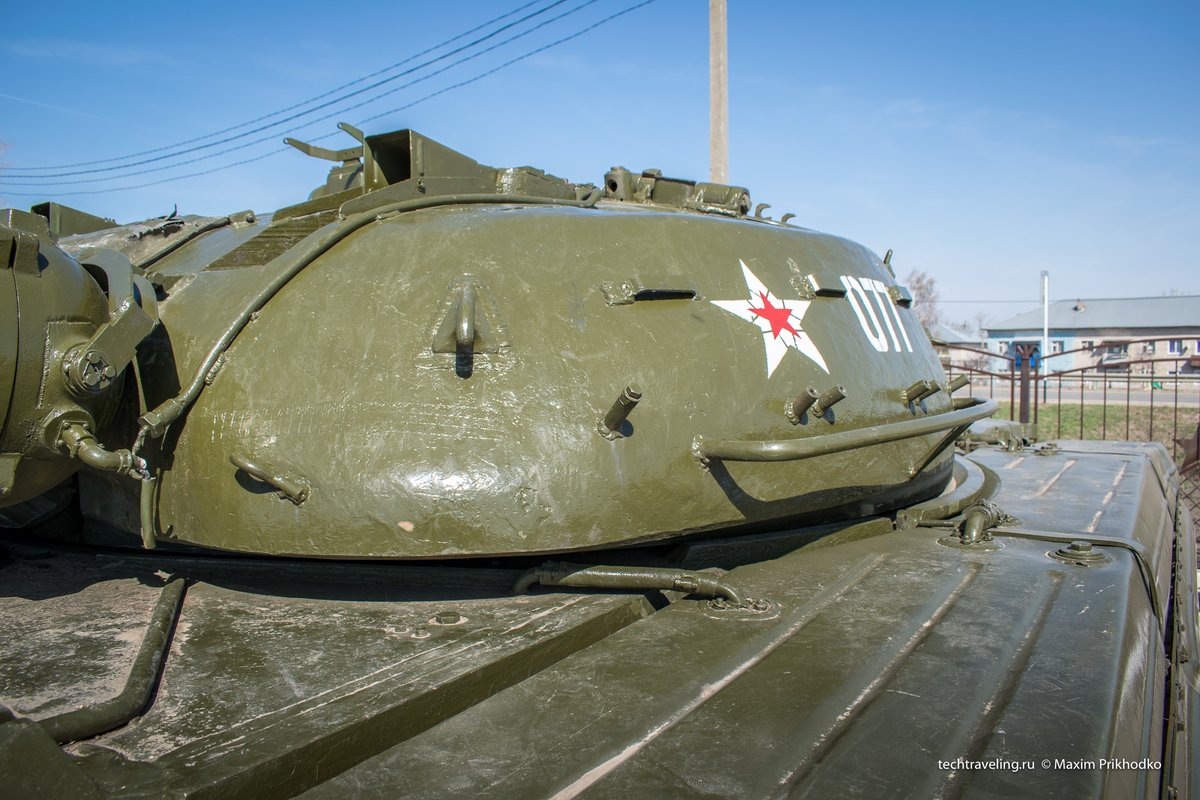
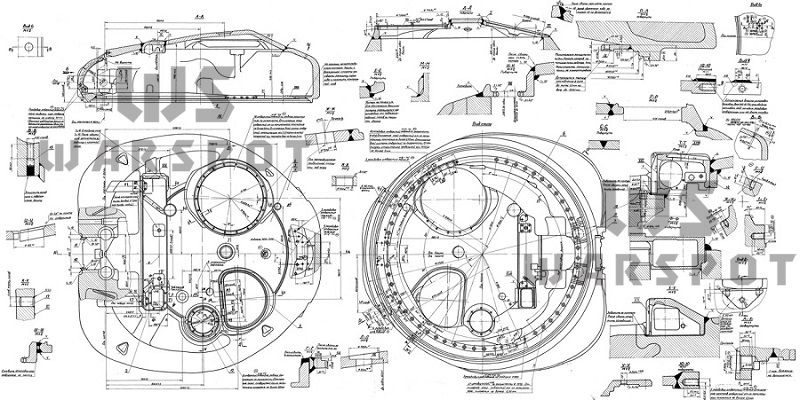
(5/16) However, to obtain sufficient protection, the aluminum filler had to be very thick. The LOS thickness varies because it's cast, but Chobitok's book gives a nominal thickness of 624 (130/244/250) – 575 (67/323/185) mm.
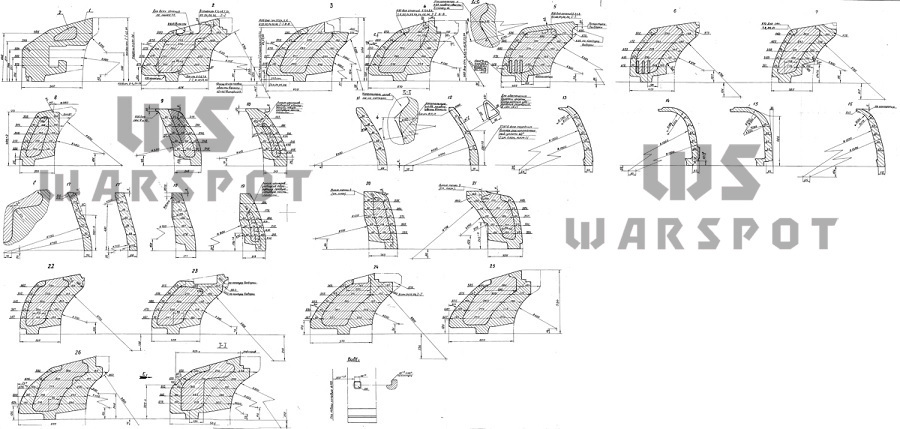
(6/16) The excessive thickness resulted in inadequate room in the turret and also blocked the driver's hatch at certain angles, so better configurations were sought and tested for the upcoming T-64A...
(7/16) Initially, high-hardness steel inserts were used, with a backing plate welded to the cast turret armour (this is the version present in War Thunder's T-64A)...
btvt.info
btvt.info
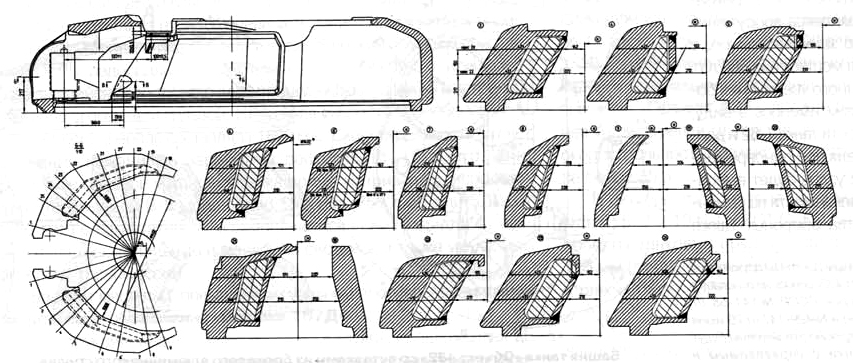
(8/16) ... but this was also unsatisfactory because the welds joining the backing plates to the turret that held the inserts in would often fail even with a non-penetrating hit. So instead KhKBM moved on to the ceramic spheres turret.
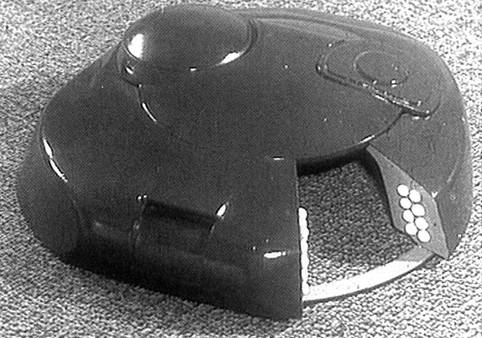
(9/16) The idea for using ceramic inserts dates back to at least 1961 (shown here), and was one of two original ideas for composite turret armour for the Object 432. Back then it was rejected for service because of manufacturing difficulties, but the work continued.
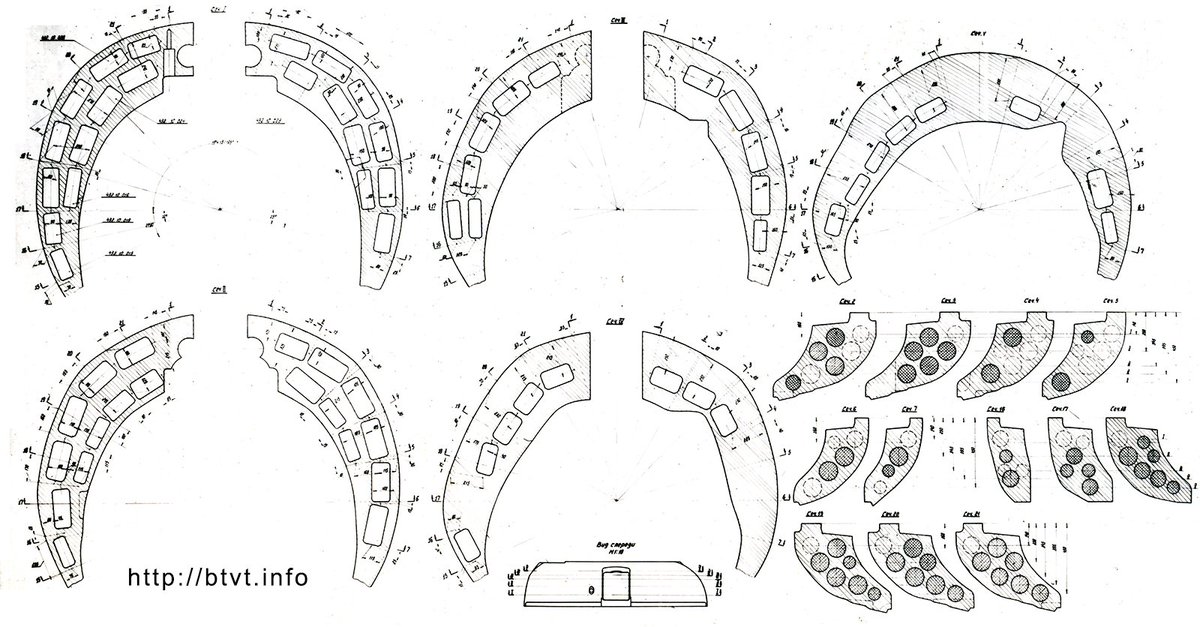
(10/16) 'Ultrafarfor' (ультрафарфор, 'ultra-porcelain') made from a mixture of alumina, clay, and barium carbonate. The process results in an ultra-hard mullite-corundum composite ceramic, which is why the KVP-98 balls are often called 'corundum balls'.
mash-xxl.info
mash-xxl.info
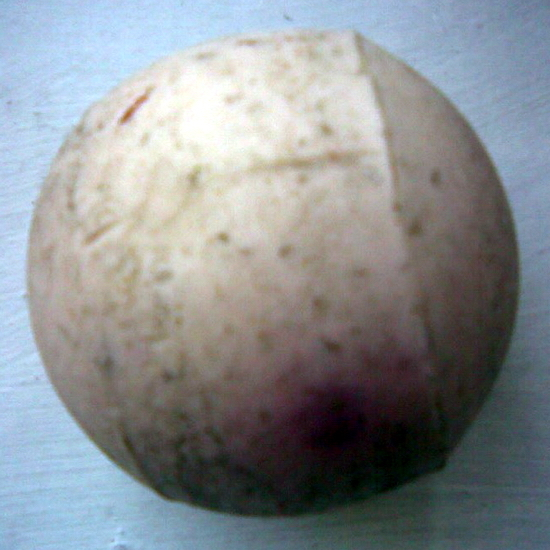
(11/16) Cast turrets with these balls (not pelletised form!) were introduced in 1974 for the T-64A and adopted on the T-64B as well. This was the definitive composite filler used on the T-64 until its production ended in 1987.
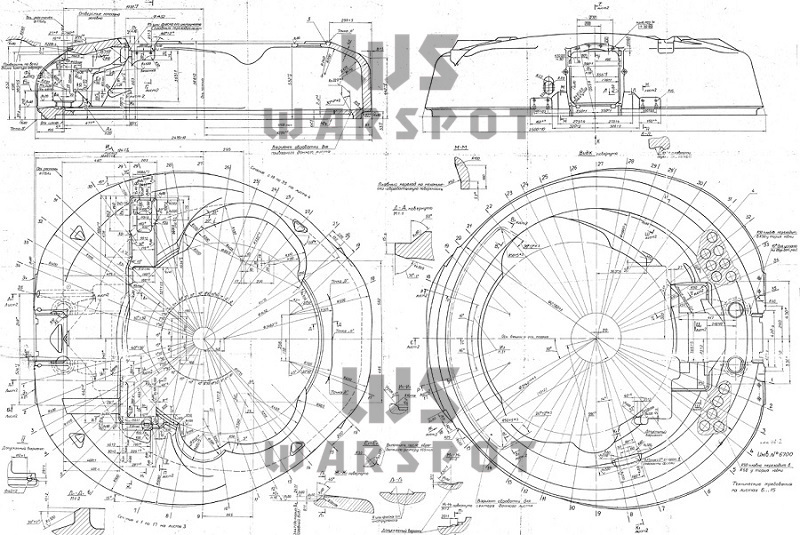
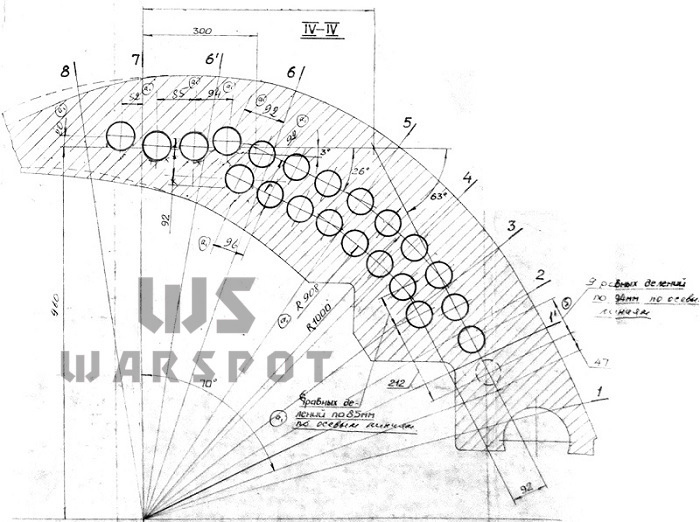
(12/16) It makes no sense to cast the steel around balls embedded in aluminum, because aluminum has a lower melting point than steel...but let's take a look at the turret making process to be sure.

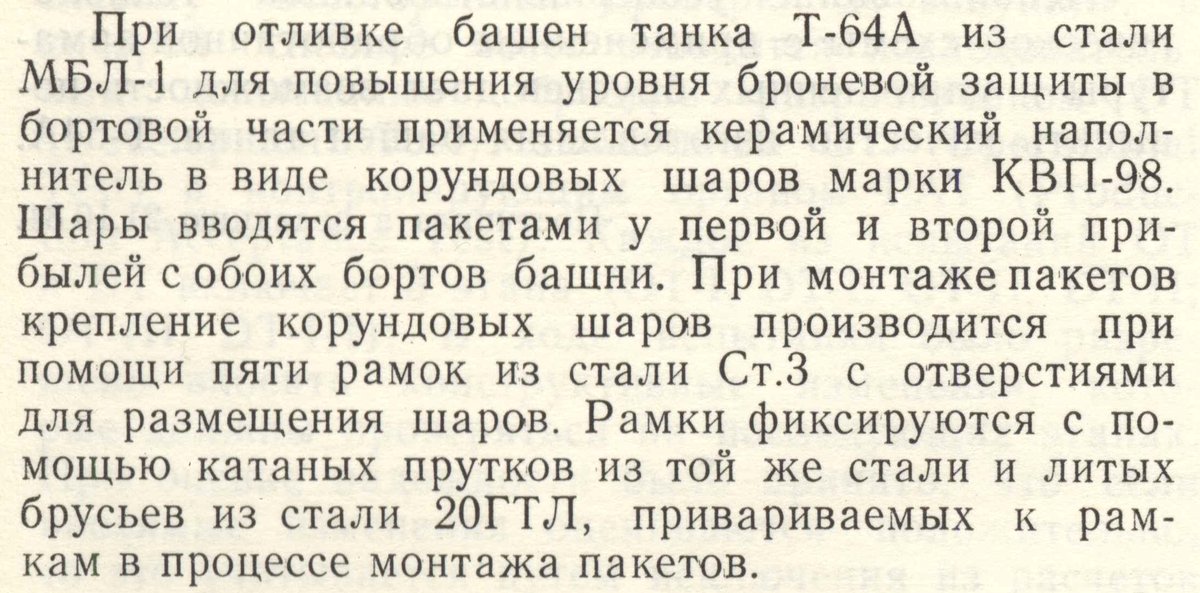
(13/16) This article in the 1982 issue of the Soviet Bulletin of AFV Technology describes the process. And guess what? There's no aluminum alloy involved.
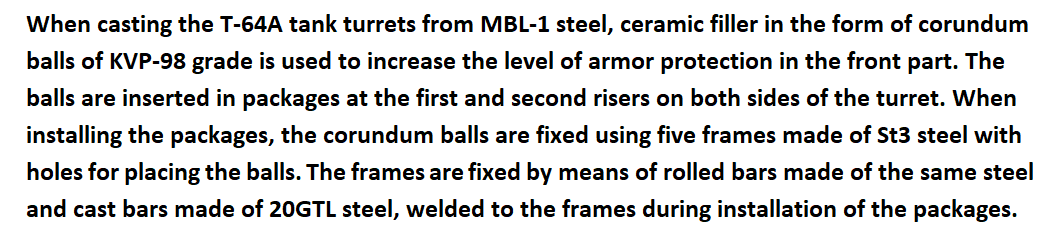
(14/16) And if you want to know what a riser is, here you go:
en.wikipedia.org
en.wikipedia.org

(15/16) Of course, they were never fully able to resolve some of the quality control issues casting molten steel onto the ceramic balls. It was also pretty much impossible to fix a turret with these balls, since you can't really just cut them open and put in new balls.
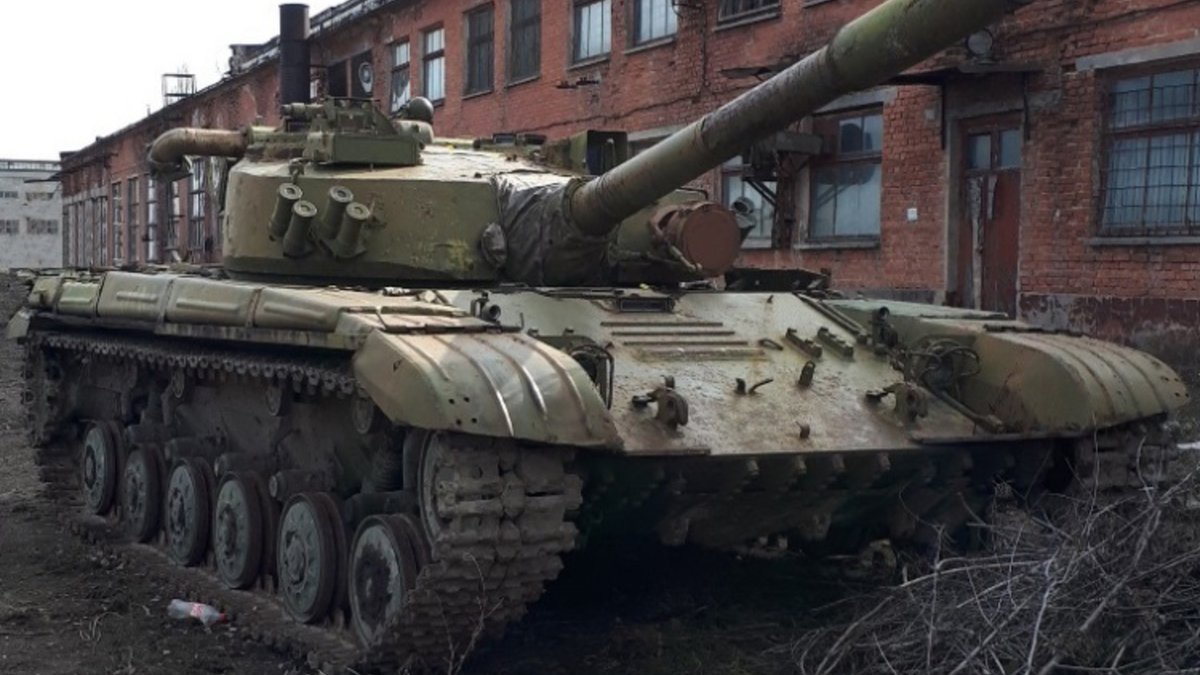
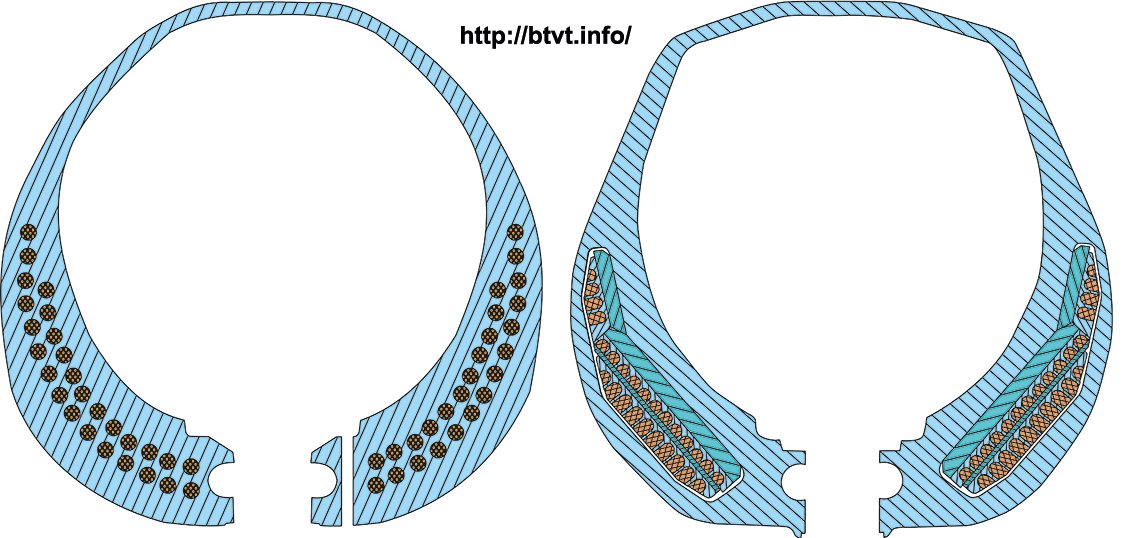
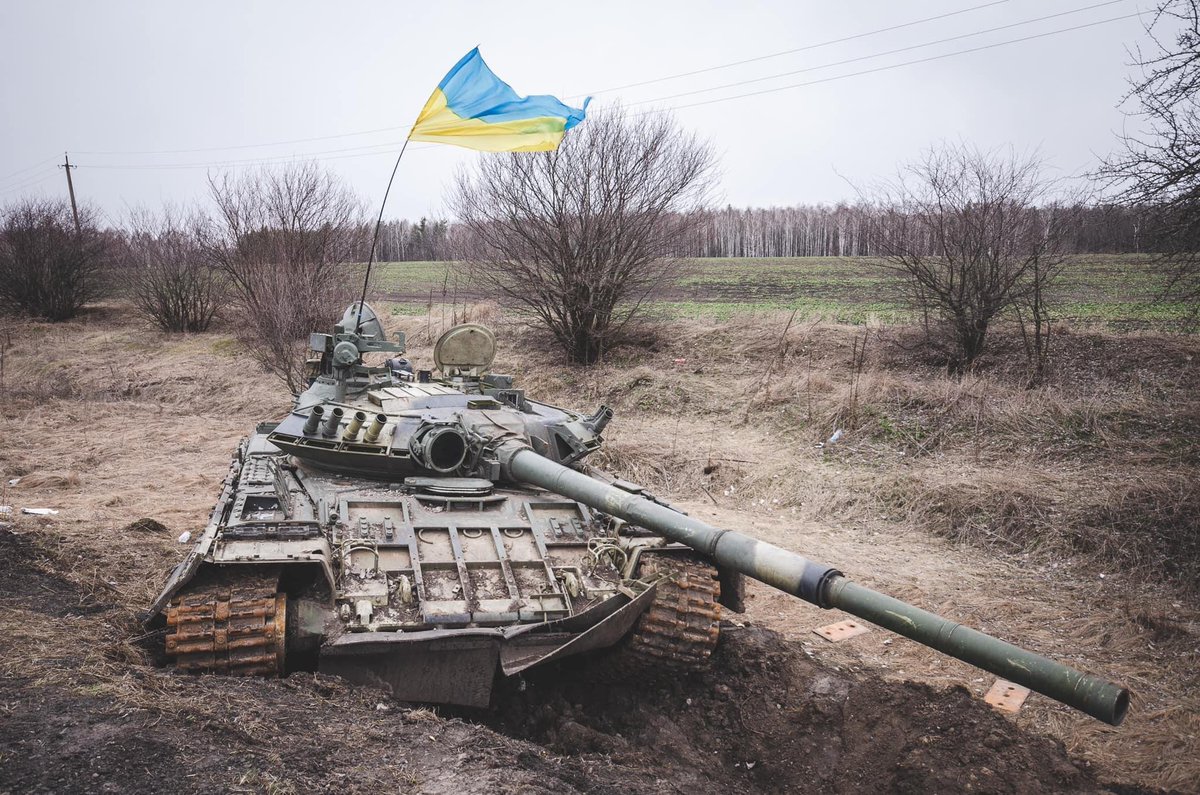
(16/16) This led to the development of ячеистым наполнителем ('cellular/honeycomb filler') armour (right), which first appeared on the Object 476 (this is its turret on a T-64) and was eventually adopted by the T-80U (bottom) and T-80UD/T-84 family, but that's another story...
Loading suggestions...