

(1/17) I wrote earlier about the tracks of the T-64 and how they contribute to the T-64's good cross-country performance in mud and snow, but they are only one part of the equation.
The other part is the road wheels.
The other part is the road wheels.

(2/17) The T-64 uses small-diameter narrow road wheels made mostly out of steel (a basic fact that some books like this 2022 one cannot even be bothered to fact-check). These have internal rubber shock absorbers (24).


(3/17) This puts it in stark contrast with every other post-war Soviet medium or main battle tank since the T-34, which use large-diameter stamped aluminum alloy road wheels with external rubber tires.
Left is for the T-72, right is for the T-80B.
Left is for the T-72, right is for the T-80B.


(4/17) This type of steel road wheel is not completely new. Like the tracks with holes, the KV and IS heavy tanks used similar steel road wheels with internal shock absorbers.
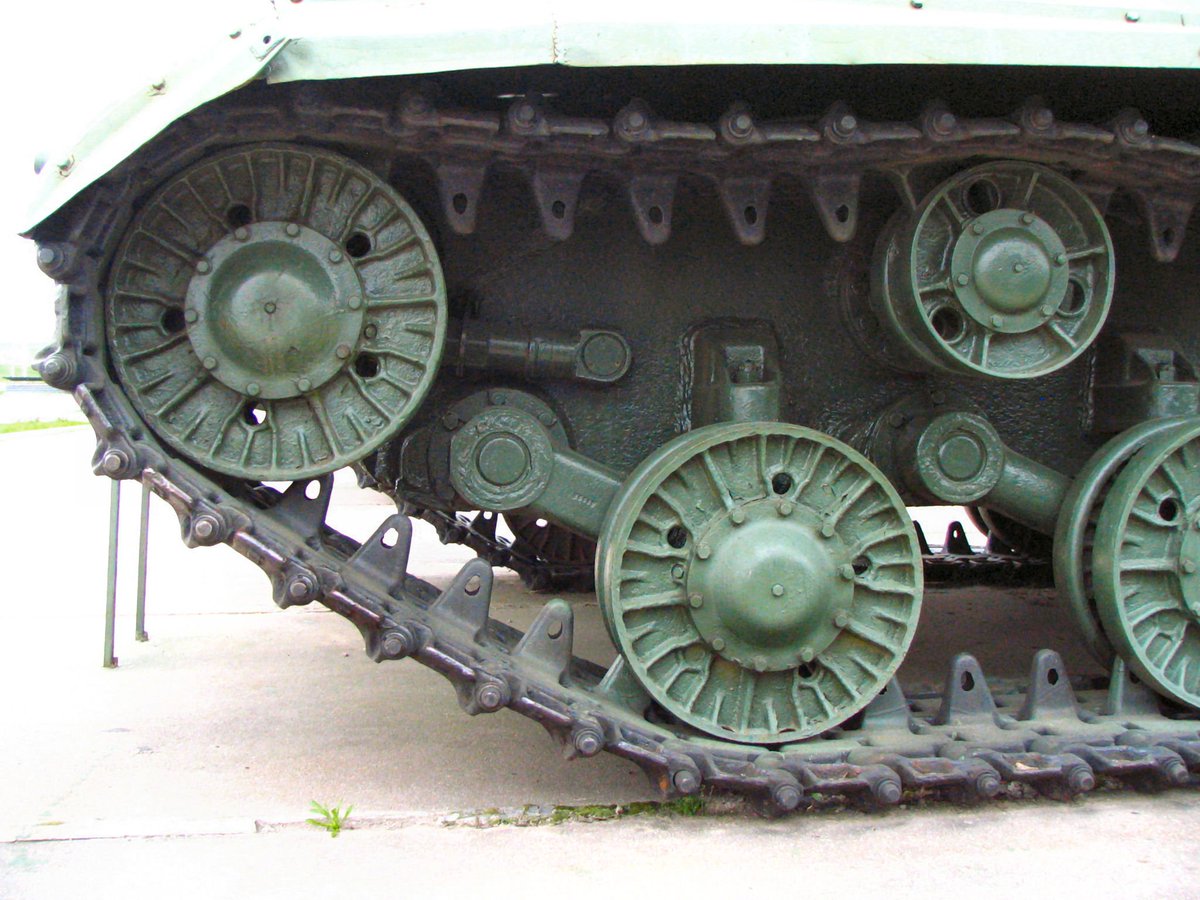
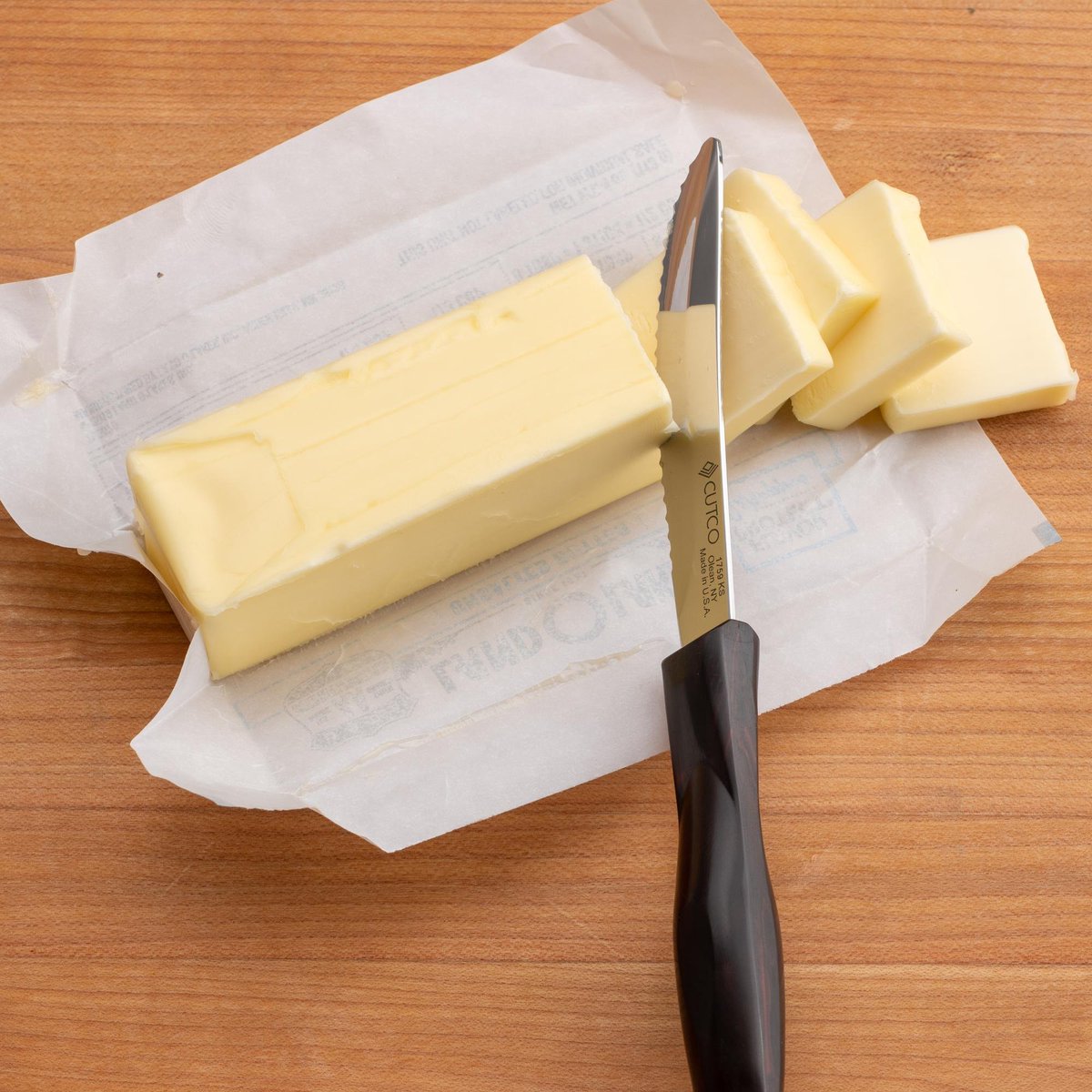
(5/17) Because they are so narrow, these road wheels are better at cutting through mud, the same way a knife cuts through butter better than a stick. This allows them to maintain contact with the tracks and also prevents mud from building up on the tracks.
(6/17) On the T-72 (left) and T-80 (right), because they use large road wheels and don't have track holes, the mud instead gets compressed between the wheels and tracks. This can build up to the point where the drive wheel disengages from the tracks, and the tank is stuck.
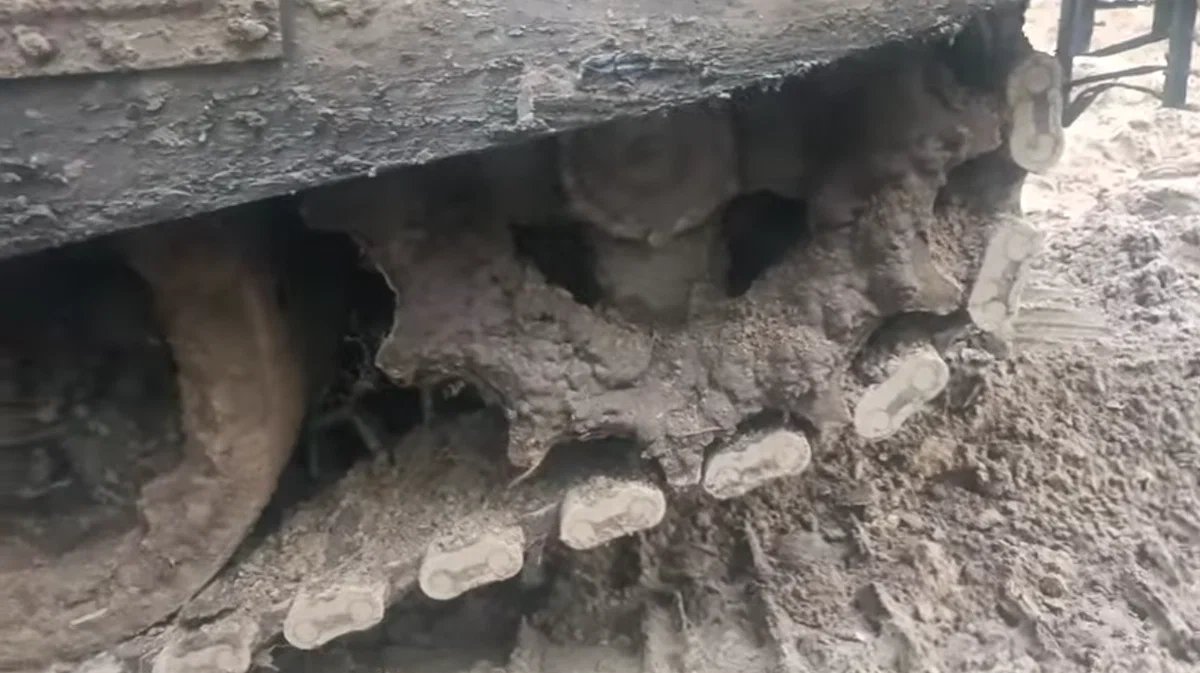
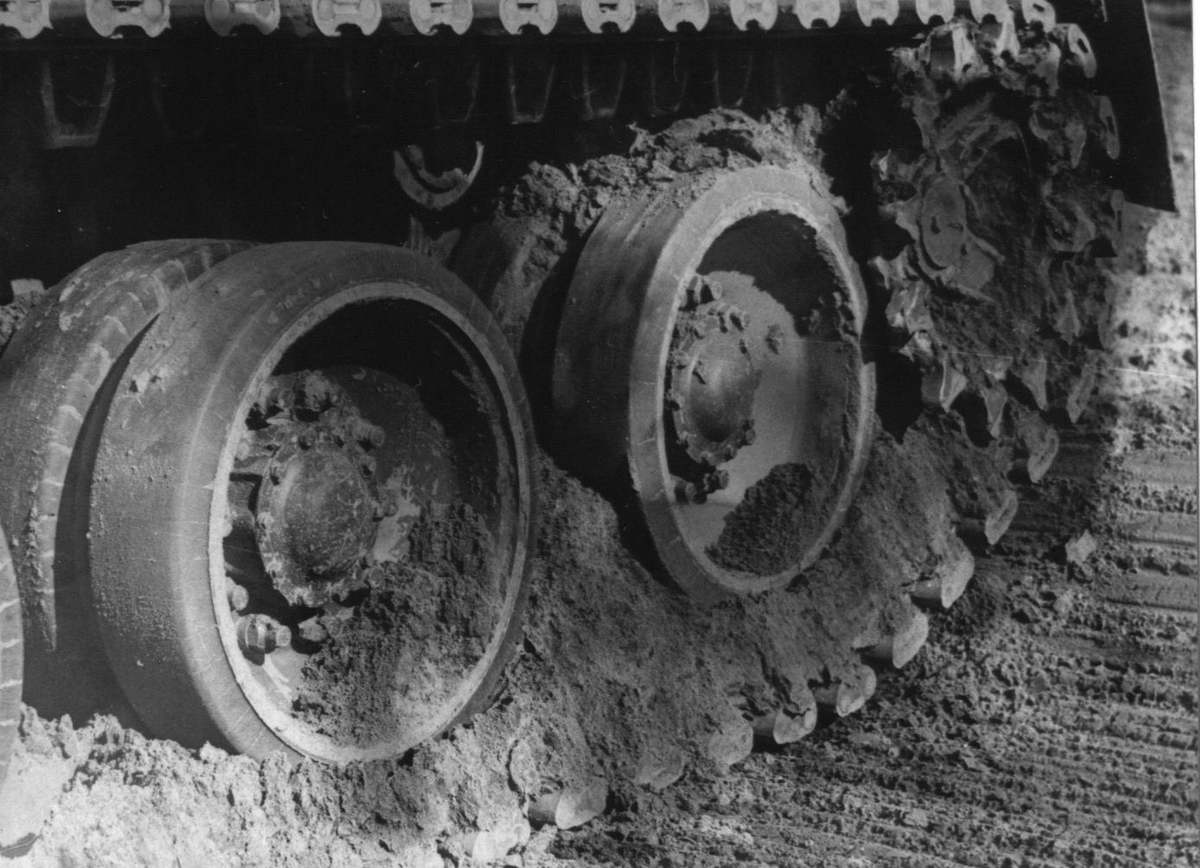
(7/17) In general, it is more difficult for this to occur on a T-64 because of the road wheel design and 'self-cleaning' holes of the tracks.
btvt-info.translate.goog
btvt-info.translate.goog
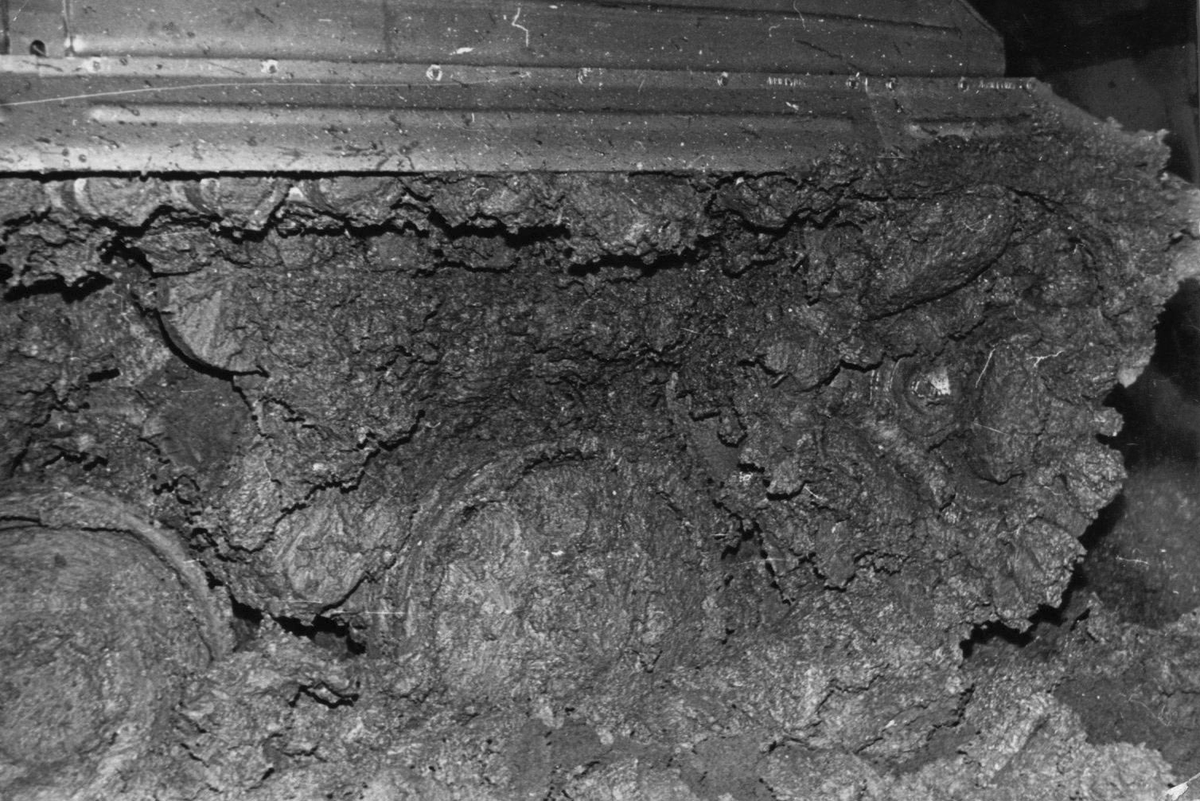
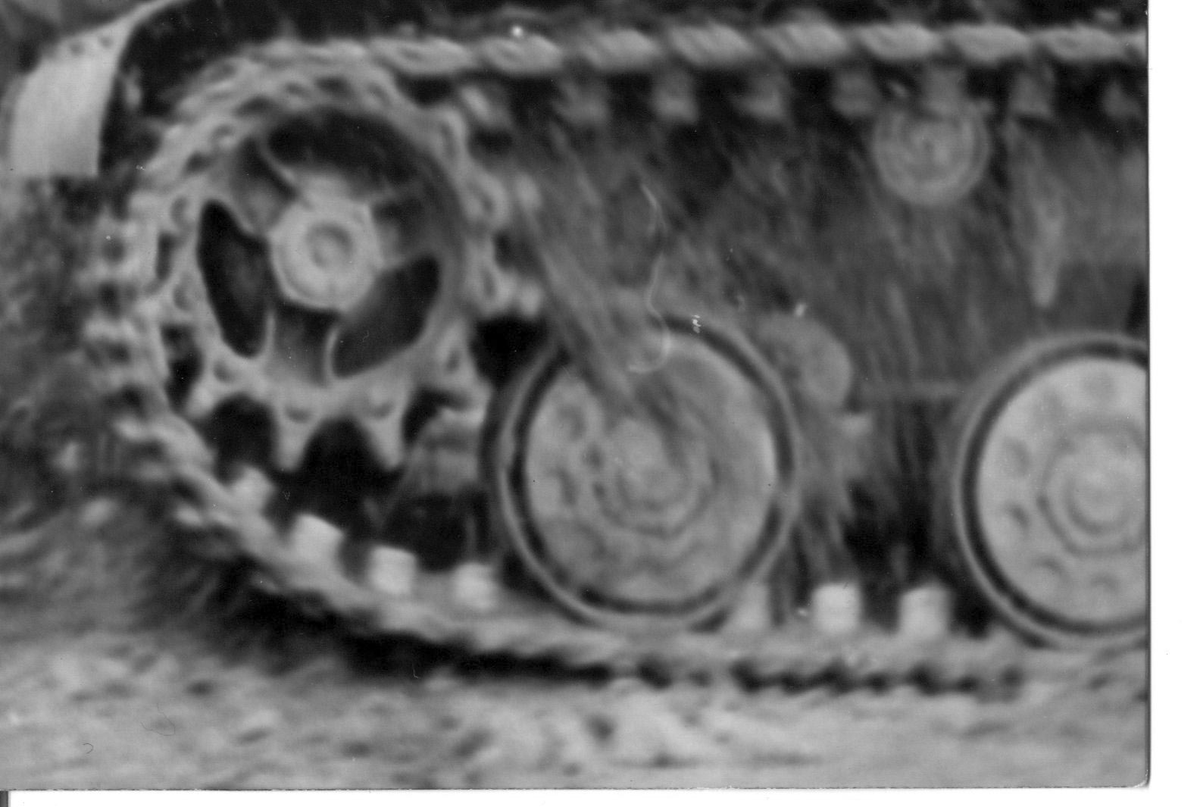
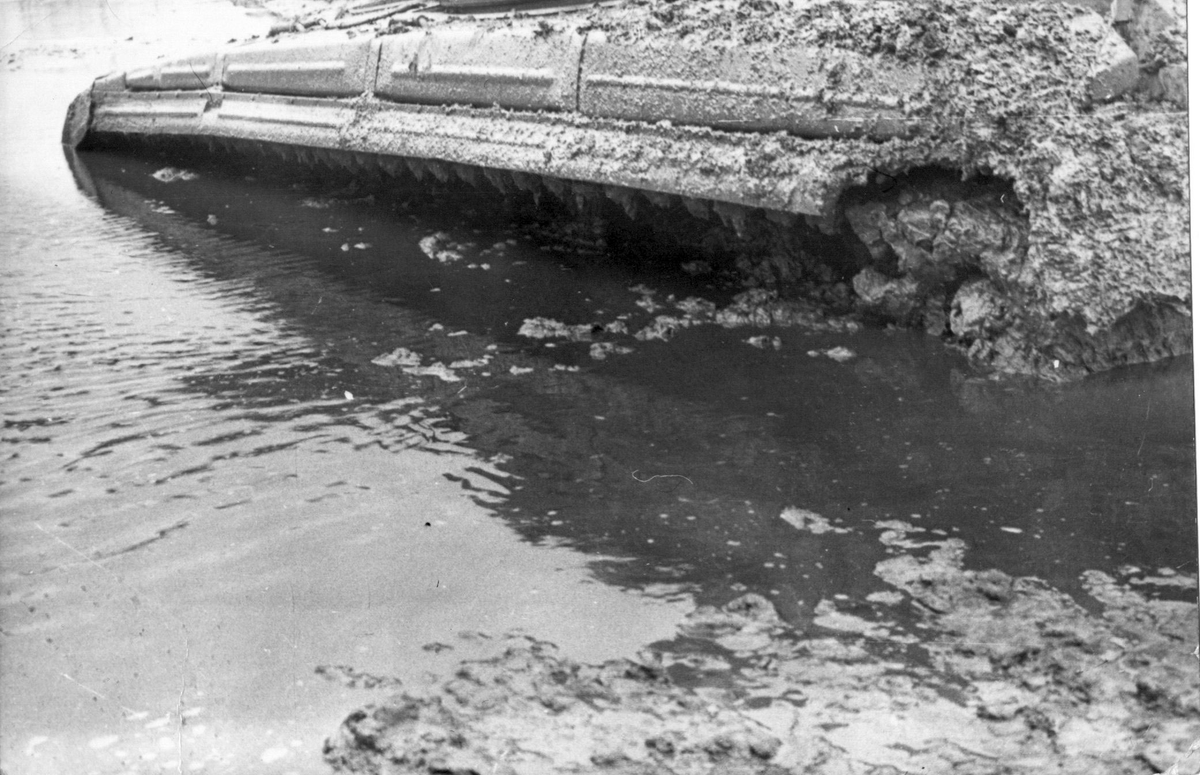
(8/17) The result is less risk of getting stuck when traveling through the deep mud of the rasputitsa/bezdorizhzhia.

(9/17) Please note that this does not mean the T-64 is immune to mud. It can definitely still get stuck, and if it does get stuck in mud and lose its tracks for whatever reason, these road wheels will make the tank sink in deeper and harder to recover.
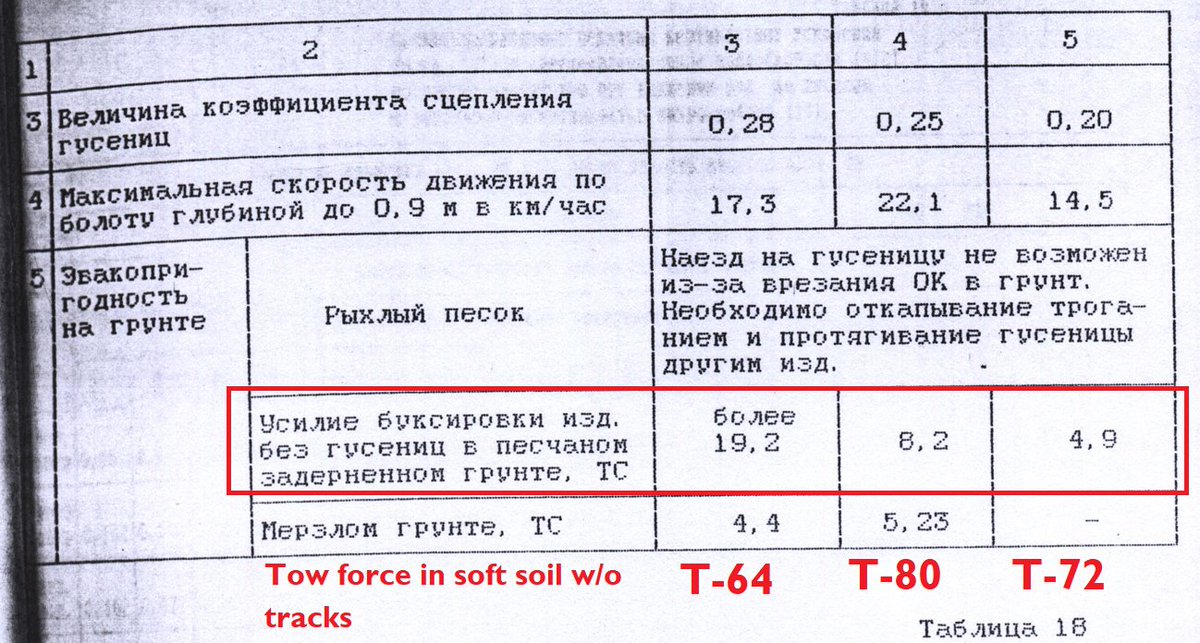
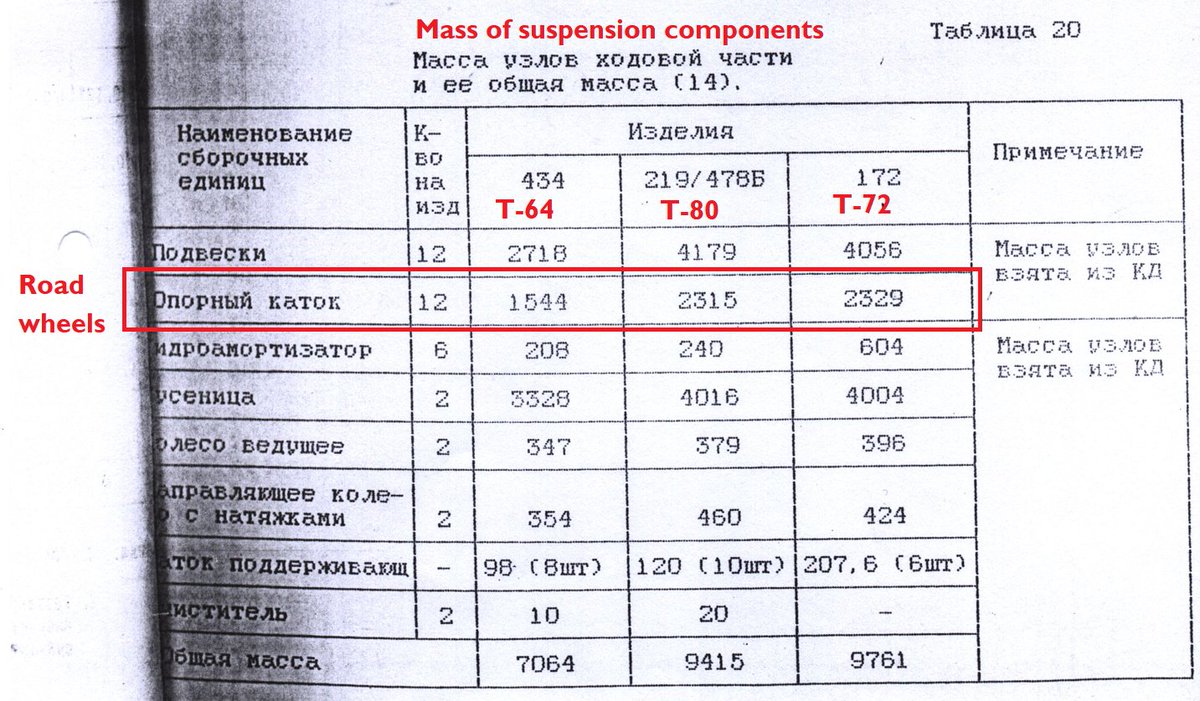
(10/17) In addition to mud performance, there are other benefits. The first and most obvious one is the wheels are lighter. You waste less power actually rolling them when you move the tank.
(11/17) I mentioned previously that these wheels were also used because of the napalm protection requirement. Because the rubber is placed internally, it doesn't get burned when subjected to napalm.
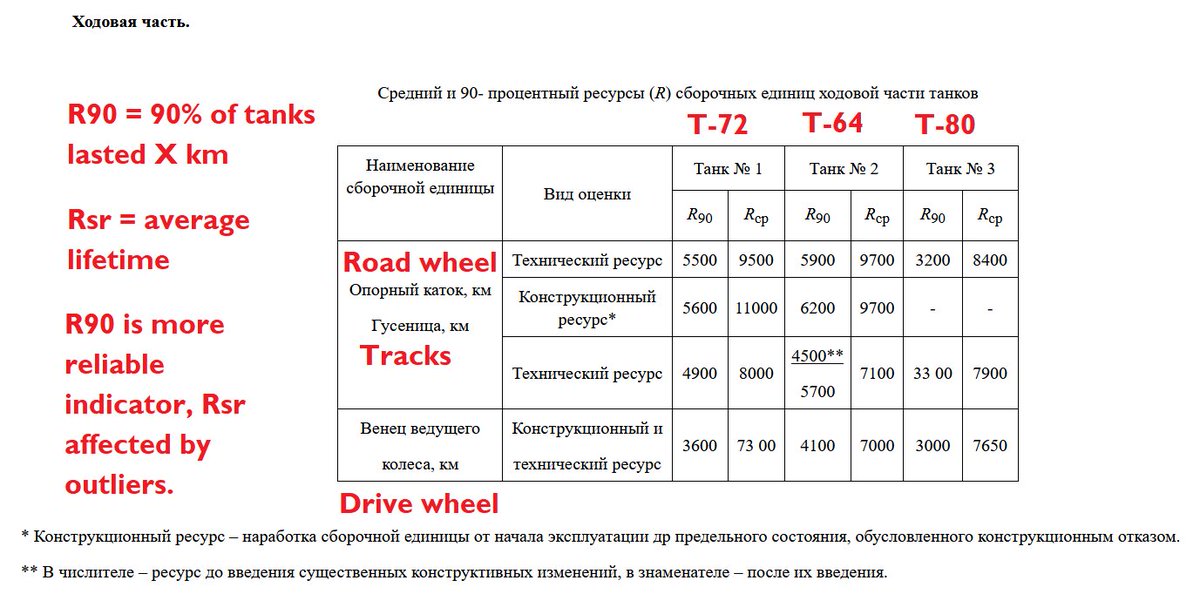
(12/17) It also lasts longer than the rubber tires of the T-72 or T-80, which are the #1 cause of failure of those tanks' suspension.
btvt.info
btvt.info


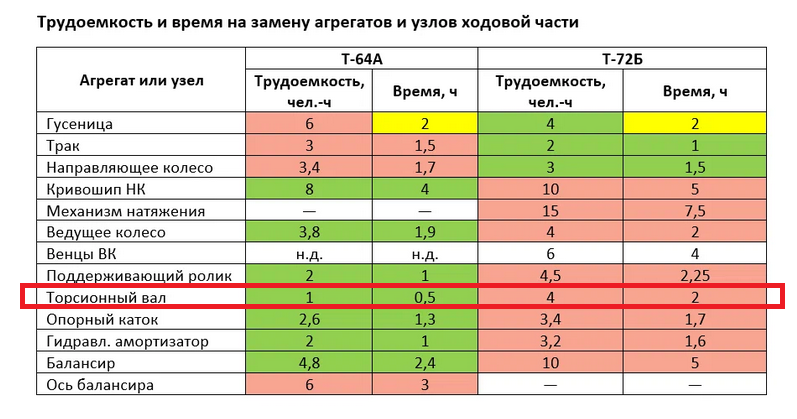
(13/17) Their small size also means you can replace the torsion bars of each roller without actually having to disassemble the roller from the wheel. Replacing a torsion bar takes 4x as much effort on a T-72 (4 man-hours) compared to a T-64 (1 man-hour).
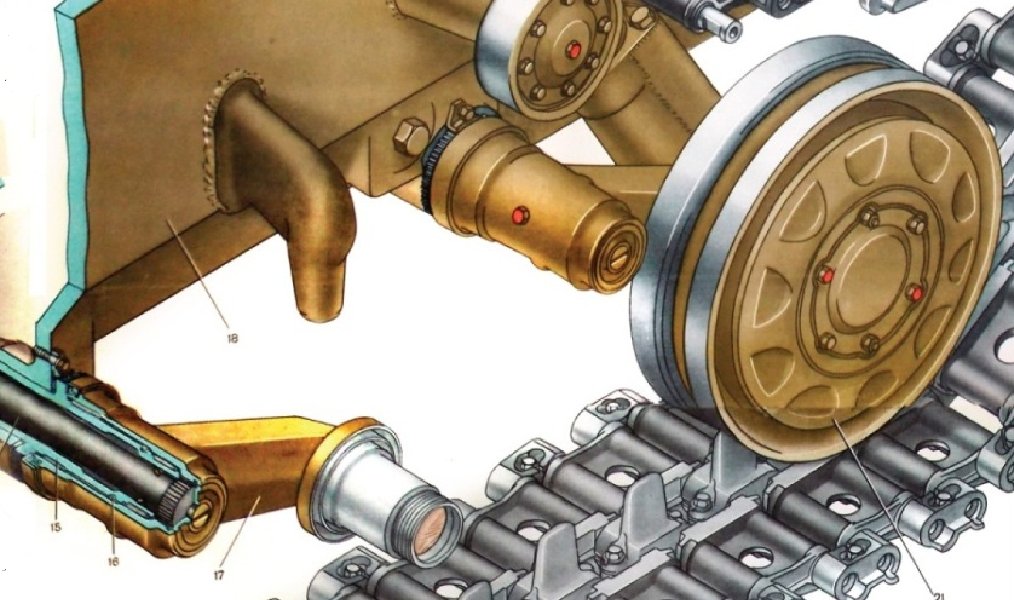
(14/17) The T-64's torsion bar suspension is also special in and of itself, but that's a story for another time...
(15/17) Of course, there are drawbacks as well. Having steel wheels on steel tracks results in a lot of vibrations when running on concrete or hard asphalt. The T-80 is best in this respect because of the rubber track pads and tires.

(16/17) According to Shawshank, these vibrations are most harsh when running at 30-40 km/h and cause grease to leak out of the wheels over time. When running on hard roads they must be regreased every 150-200 km.
youtube.com
youtube.com
(17/17) Of course, you can ask yourself how often a Soviet, Russian, or Ukrainian tank is going to be running on hard concrete or asphalt, and then determine for yourself if the trade off is worth it.
Oh, and if you believe the big aluminum road wheels add any significant protection to the T-72 or T-80 against anything reasonably powerful, you're welcome to ask the lone survivor of this T-72 his opinion about the T-72's side protection.
youtube.com
youtube.com
Loading suggestions...