
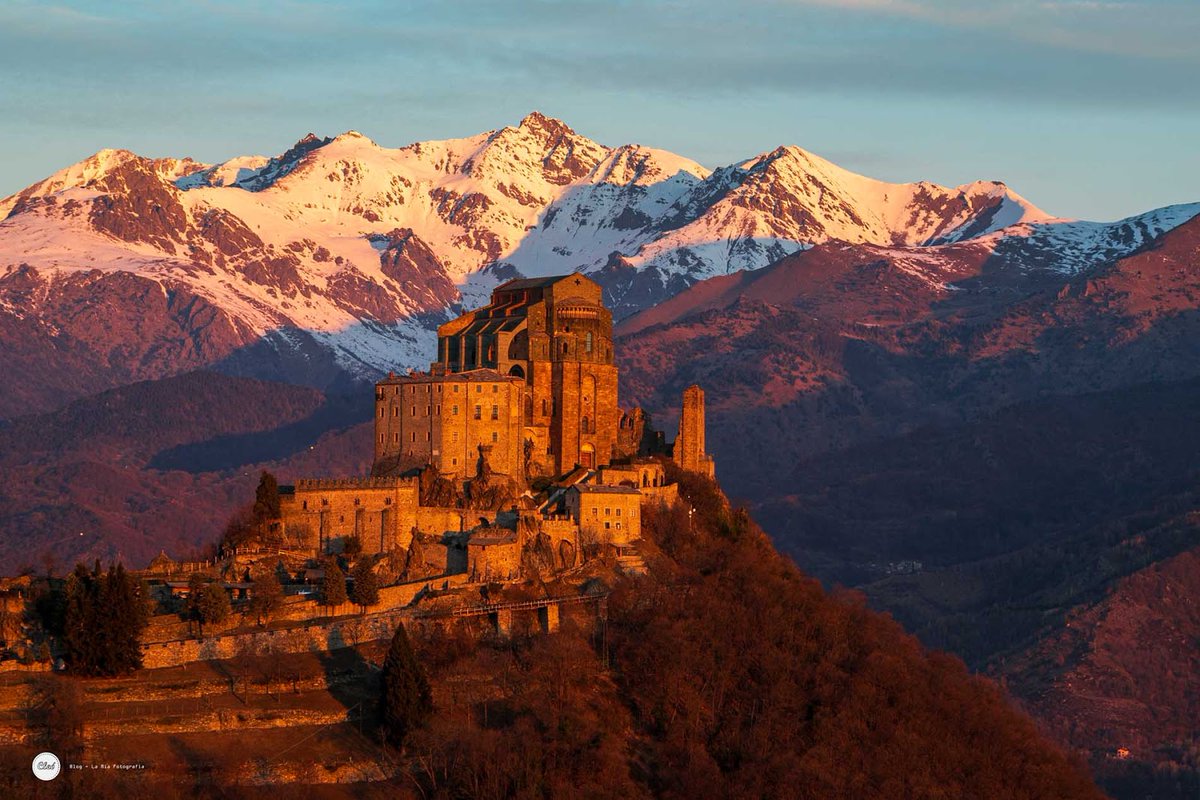
This is the Sacra di San Michele, a 1,000 year old monastery in the mountains of northern Italy.
It is one of the greatest achievements of Medieval architecture, and it inspired Umberto Eco to write The Name of the Rose...
It is one of the greatest achievements of Medieval architecture, and it inspired Umberto Eco to write The Name of the Rose...
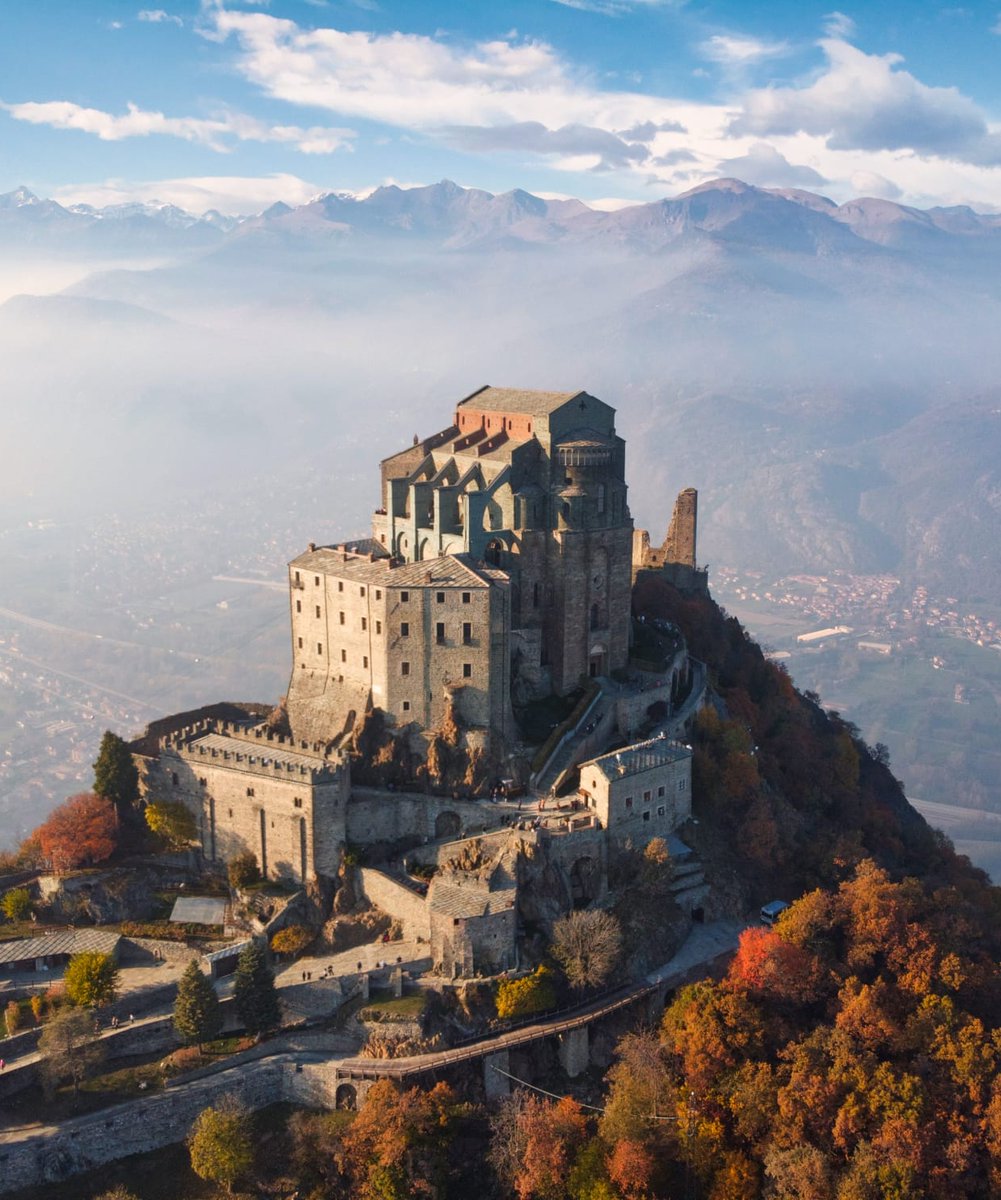
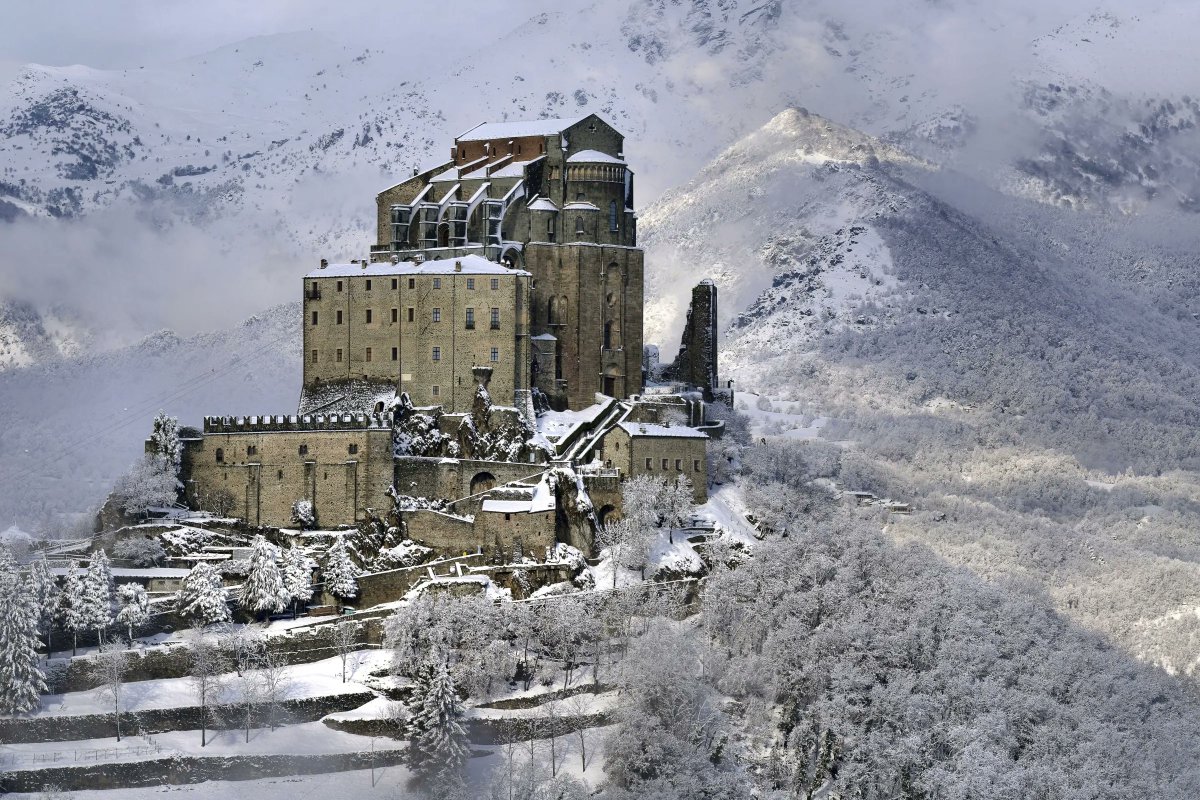
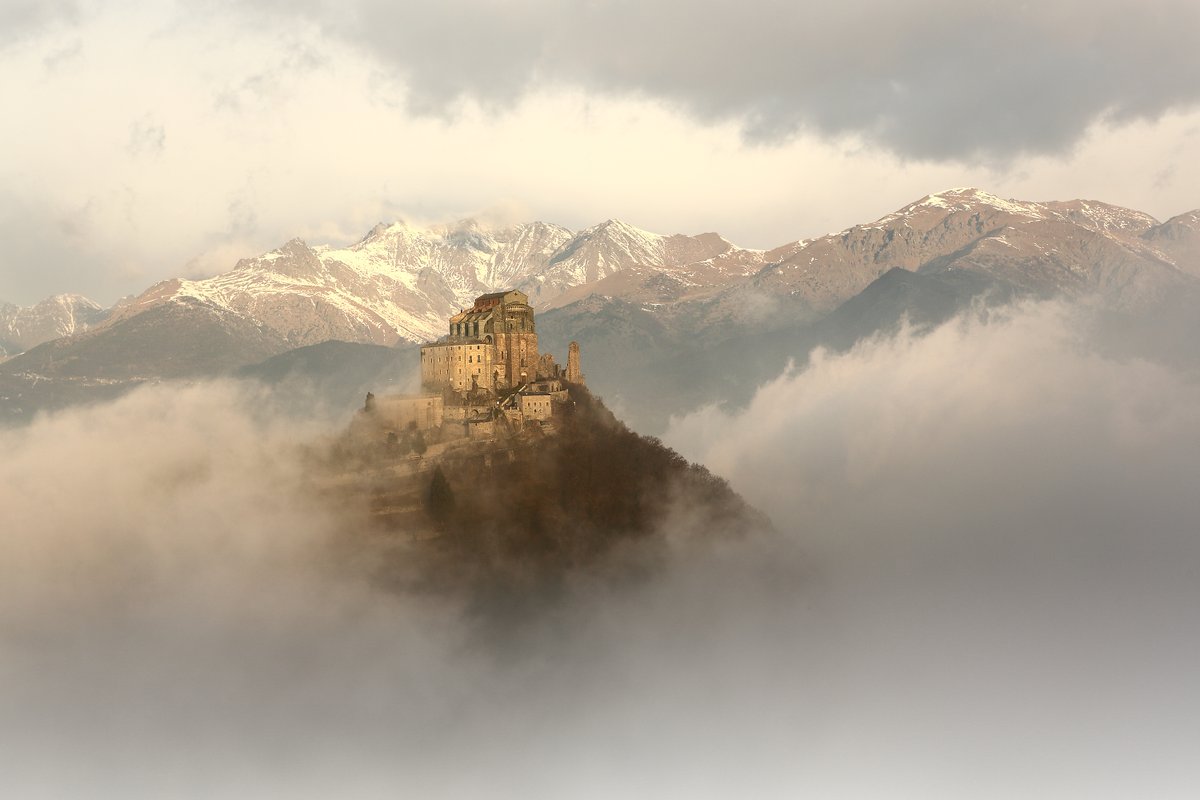
At the entrance to the Susa Valley in Piedmont, northern Italy, there rises a rocky pinnacle 1,000 metres above sea level called Mount Pirchiriano.
The Romans had a fortress here and in the Dark Ages the Lombards built a castle. You can see why; this is the view it commands.
The Romans had a fortress here and in the Dark Ages the Lombards built a castle. You can see why; this is the view it commands.

And high upon Mount Pirchiriano, in about 980 AD, a monastery was founded and built on the foundations of those earlier structures.
Little remains of the original abbey other than the crypt, which shows some influence from Byzantine architecture, and a few other elements.
Little remains of the original abbey other than the crypt, which shows some influence from Byzantine architecture, and a few other elements.
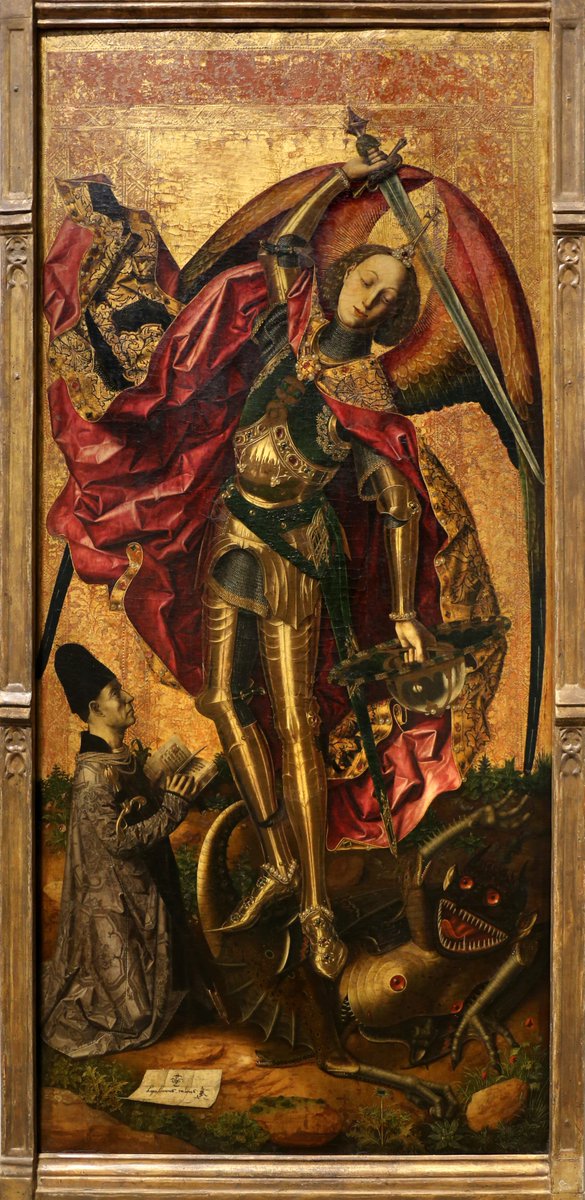
It was named for the Archangel Michael, who led the forces of Heaven and defeated the Devil; he had been worshipped in the area for centuries.
The most famous abbey dedicated to Michael, built in an inaccessible location typical of his cults, is France's Mont Saint-Michel.
The most famous abbey dedicated to Michael, built in an inaccessible location typical of his cults, is France's Mont Saint-Michel.
The Abbey of San Michele della Chiusa, to give it the proper name, was run by Benedictine monks.
And it soon became an important, wealthy, and busy institution. This was reflected in a spate of construction which started in the early 12th century and lasted for 150 years.
And it soon became an important, wealthy, and busy institution. This was reflected in a spate of construction which started in the early 12th century and lasted for 150 years.
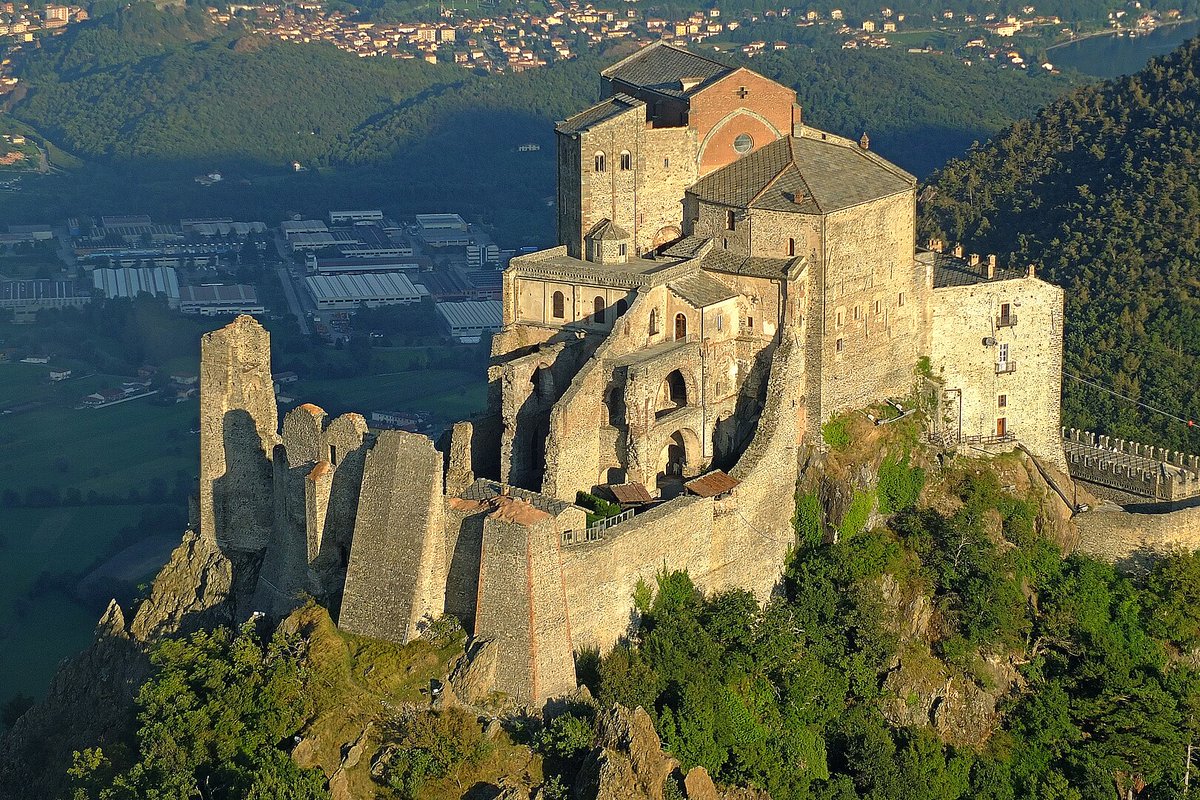
This phase of expansion included the construction of a "New Monastery" on the northern side of the precipice, to provide space for the many pilgrims passing through and the ever-growing population of monks.
A once impressive five-storey building that now lies in ruins.
A once impressive five-storey building that now lies in ruins.
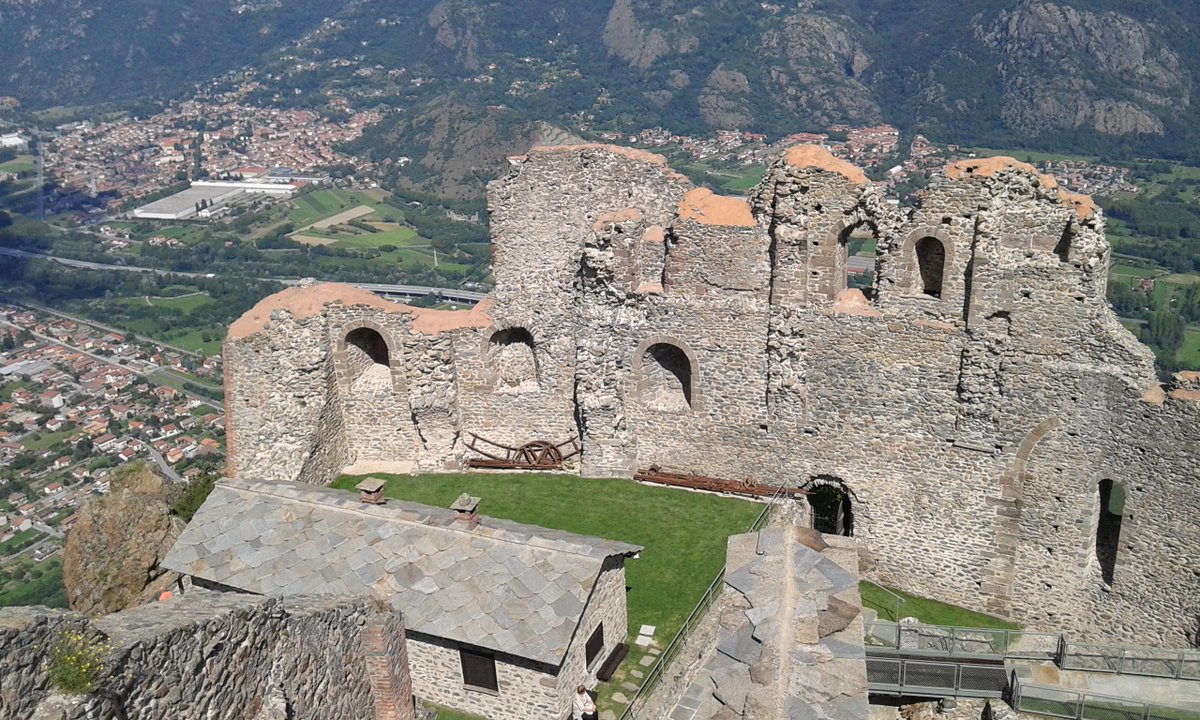
Part of which is the Tower of Beautiful Alda, so-called because of a gruesome Medieval legend which says that a young girl trying to escape bandits jumped off and was saved by Saint Michael.
But when she tried to do it again - to impress the villagers - it didn't end so well..
But when she tried to do it again - to impress the villagers - it didn't end so well..
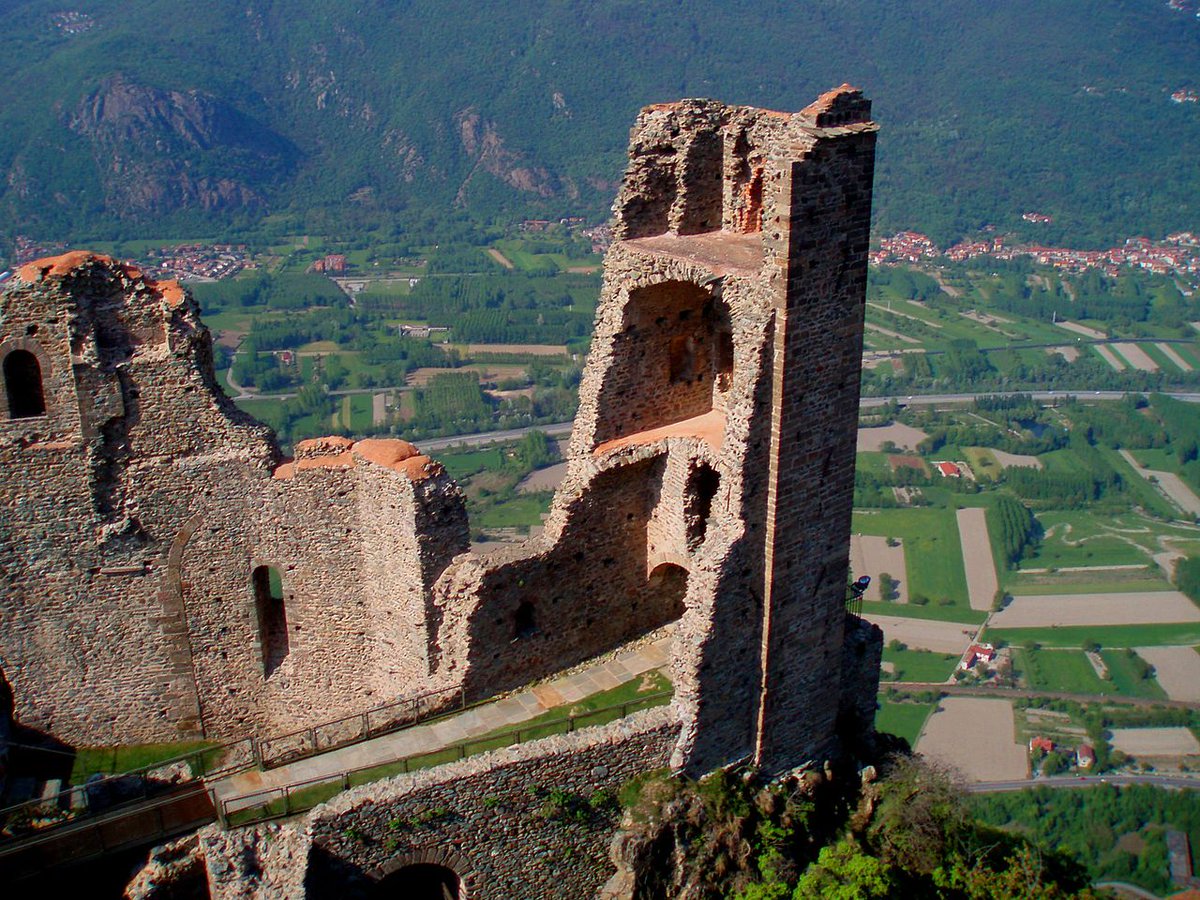
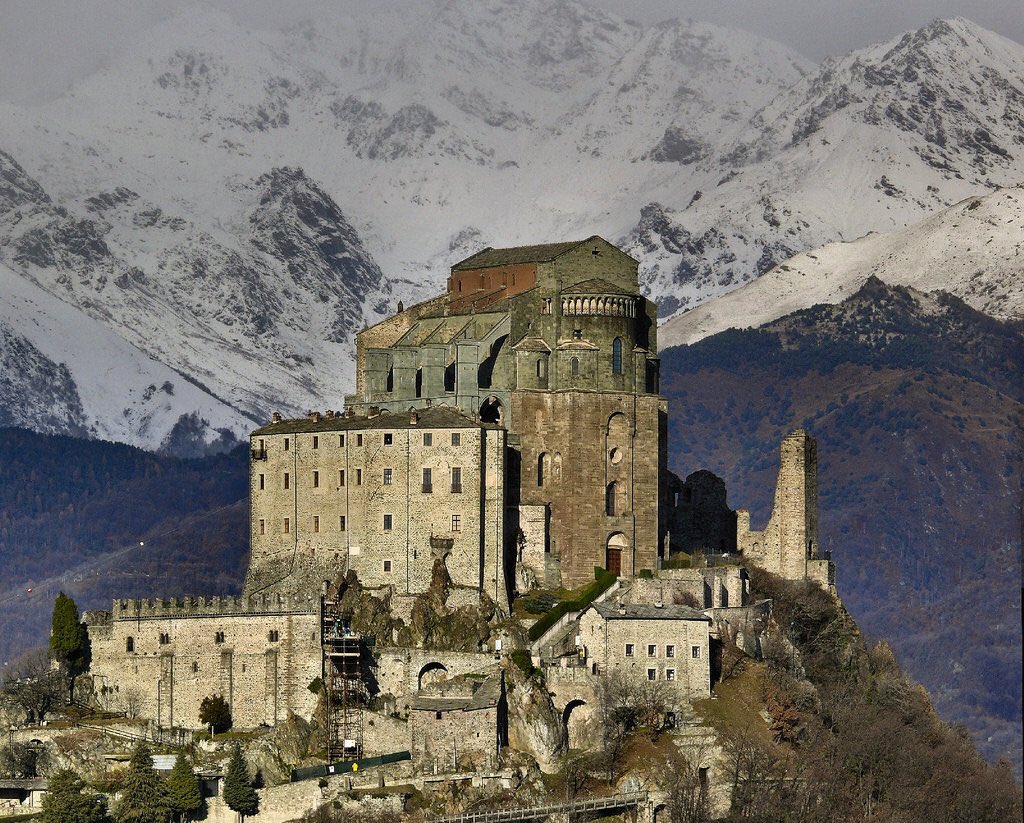
A new church was also constructed in the early 1100s on a huge platform, over twenty metres high, built on and around a large spur of rock at the summit of Mount Pirchiriano.
This rather impressive piece of Medieval engineering has stood strong for nine centuries.
This rather impressive piece of Medieval engineering has stood strong for nine centuries.
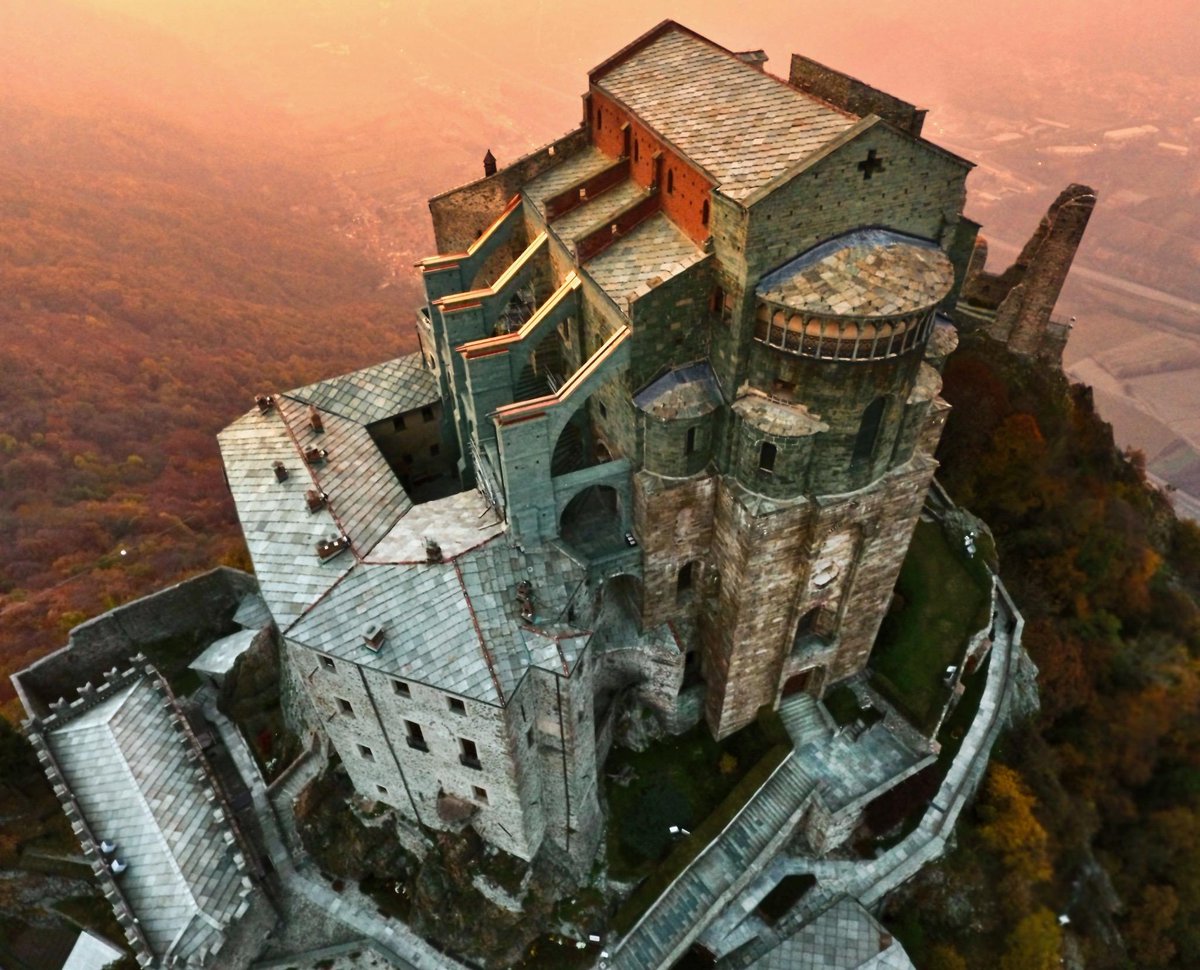
The church, modified many times down the years, does have some Gothic elements.
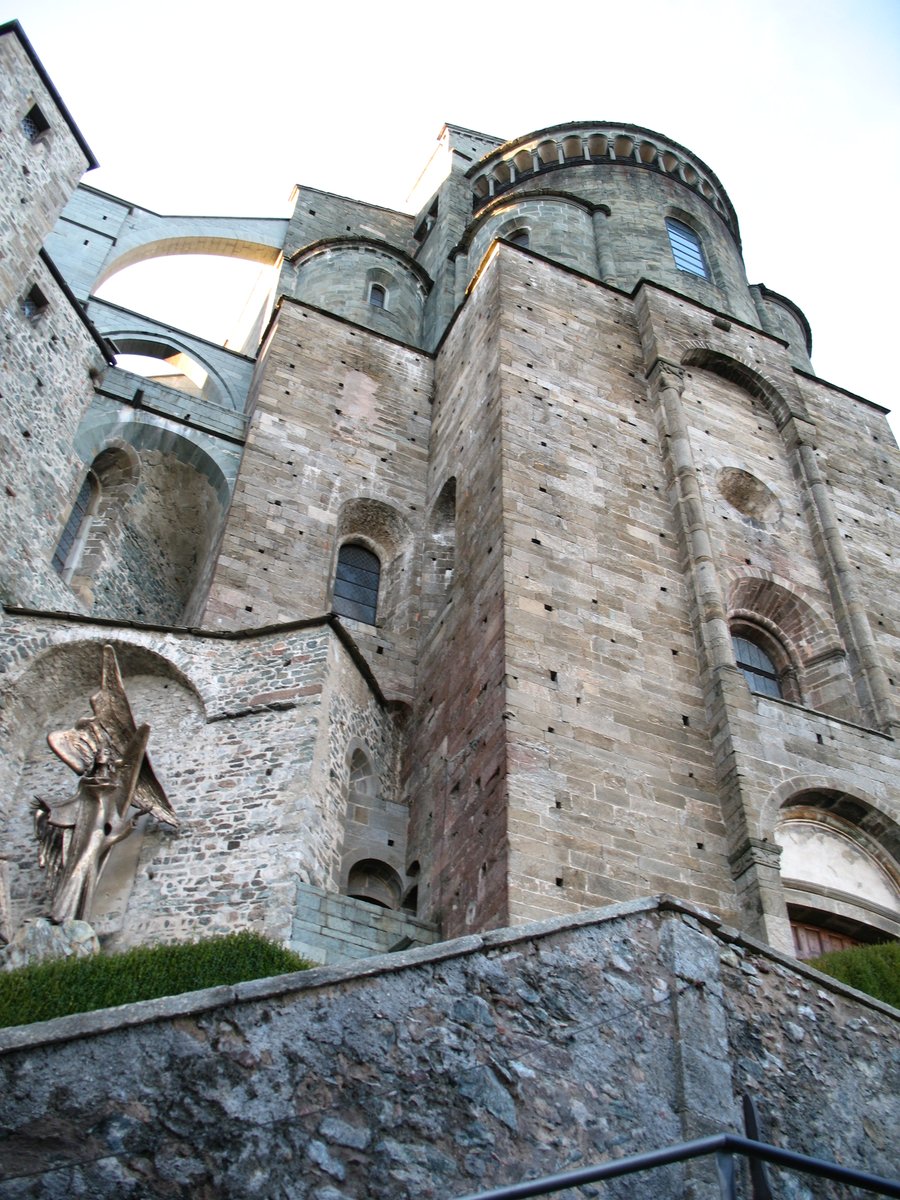
But it is, at heart, a work of Romanesque Architecture: round arches, robust masonry, small windows, an apse (the semi-circular part at the end), and a sense of monumentality throughout.
But it is, at heart, a work of Romanesque Architecture: round arches, robust masonry, small windows, an apse (the semi-circular part at the end), and a sense of monumentality throughout.
But the Sacra di San Michele was dealt a major blow in 1381, when politico-religious machinations involving the House of Savoy (which ruled the region) caused Pope Urban VI to remove the abbey's autonomy.
A slow rot set in: its wealth and importance started to dwindle...
A slow rot set in: its wealth and importance started to dwindle...
And in 1622 Pope Gregory XV essentially shut down the Sacra di San Michele.
It was more or less abandoned for two centuries: inclement weather, earthquakes, looting soldiers, and the passage of time brought much of the abbey into dereliction.
It was more or less abandoned for two centuries: inclement weather, earthquakes, looting soldiers, and the passage of time brought much of the abbey into dereliction.
Everything changed in 1837 when the Duke of Savoy, Charles Albert, sought to reinstate the abbey; it was an ancient symbol of Piedmont and of his House.
Pope Gregory XVI gave permission and the abbey was entrusted to an influential priest called Antonio Rosmini.
Pope Gregory XVI gave permission and the abbey was entrusted to an influential priest called Antonio Rosmini.
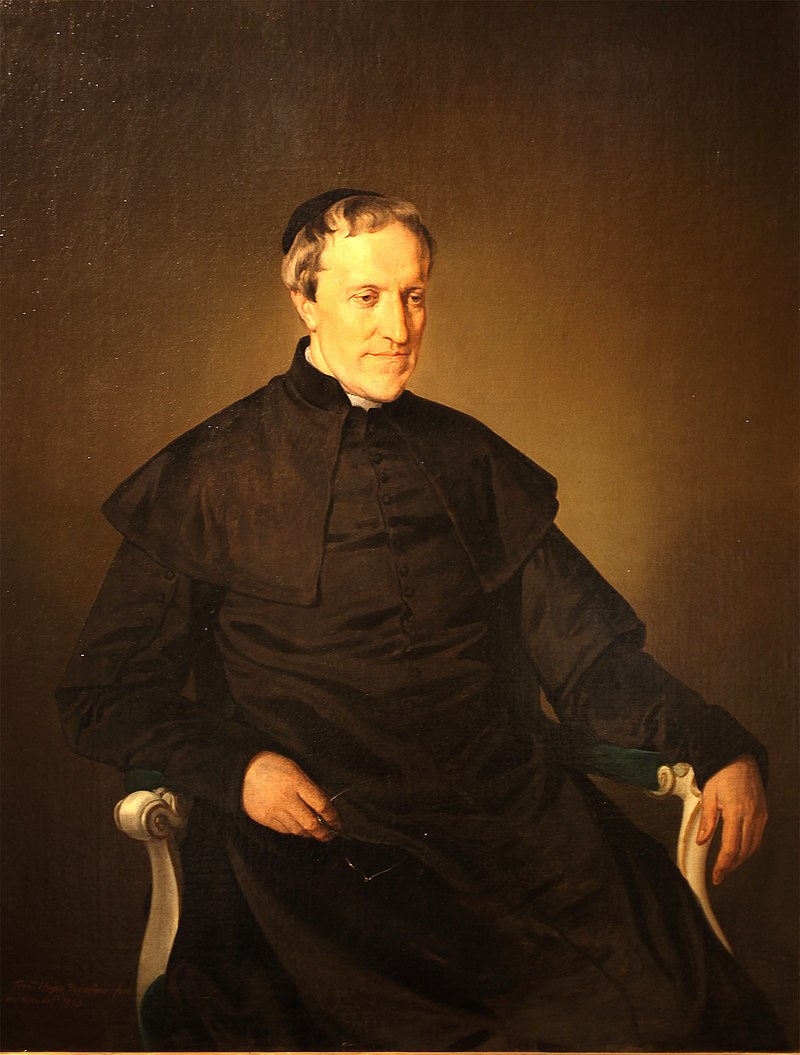
So the Sacra di San Michele was taken over by the Rosminians and over the next century restored to its former glory.
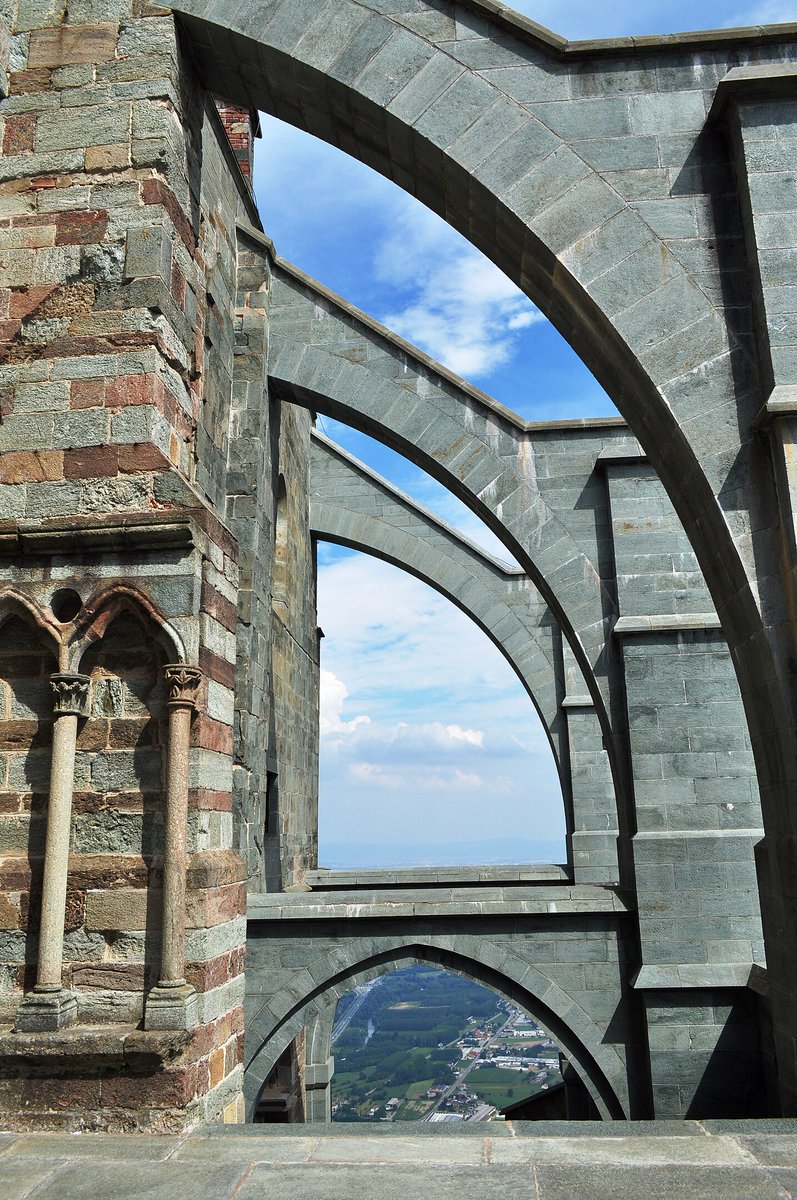
The church roof was rebuilt with rib vaults and four flying buttresses were added to support its exterior walls, overseen by the architect Alfredo d'Andrade.
The church roof was rebuilt with rib vaults and four flying buttresses were added to support its exterior walls, overseen by the architect Alfredo d'Andrade.
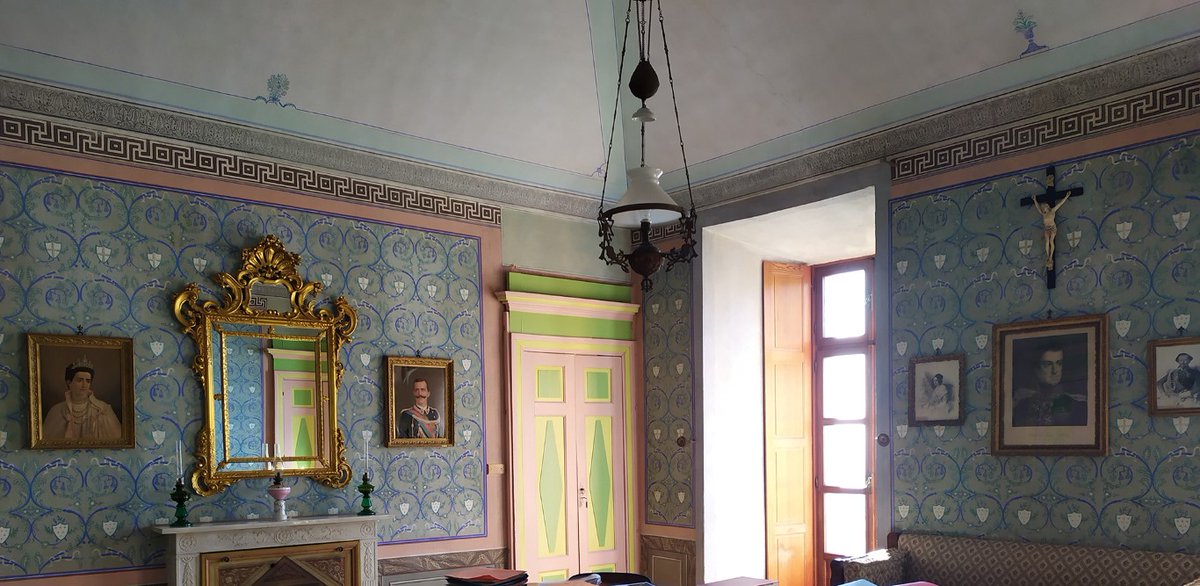
Tombs belonging to members of the House of Savoy were also transferred to the Sacra di San Michele, and a set of apartments were built for members of the family whenever they wished to stay there.
It was politically and culturally, not only religiously, important.
It was politically and culturally, not only religiously, important.
At the entrance to the Sacra di San Michele lie the ruins of the so-called Sepulchre of the Monks, a chapel built during the 10th century and modelled on the Church of the Holy Sepulcure in Jerusalem.
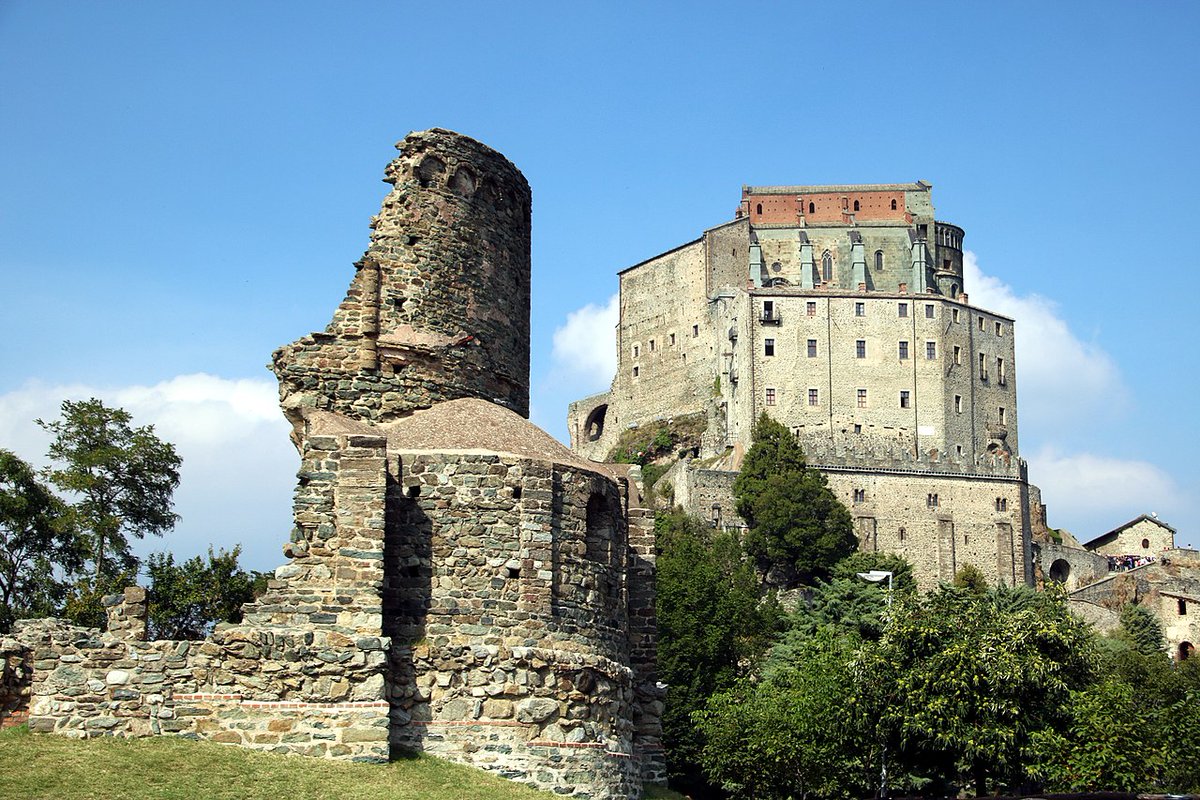

Once within its walls you look up at the unbroken facade of the platform and the apse of the church, over forty metres high in total.
A fortress more than an abbey; a triumph of monumental Romanesque architecture and engineering; a cluster of arches, buttresses, and walls.
A fortress more than an abbey; a triumph of monumental Romanesque architecture and engineering; a cluster of arches, buttresses, and walls.
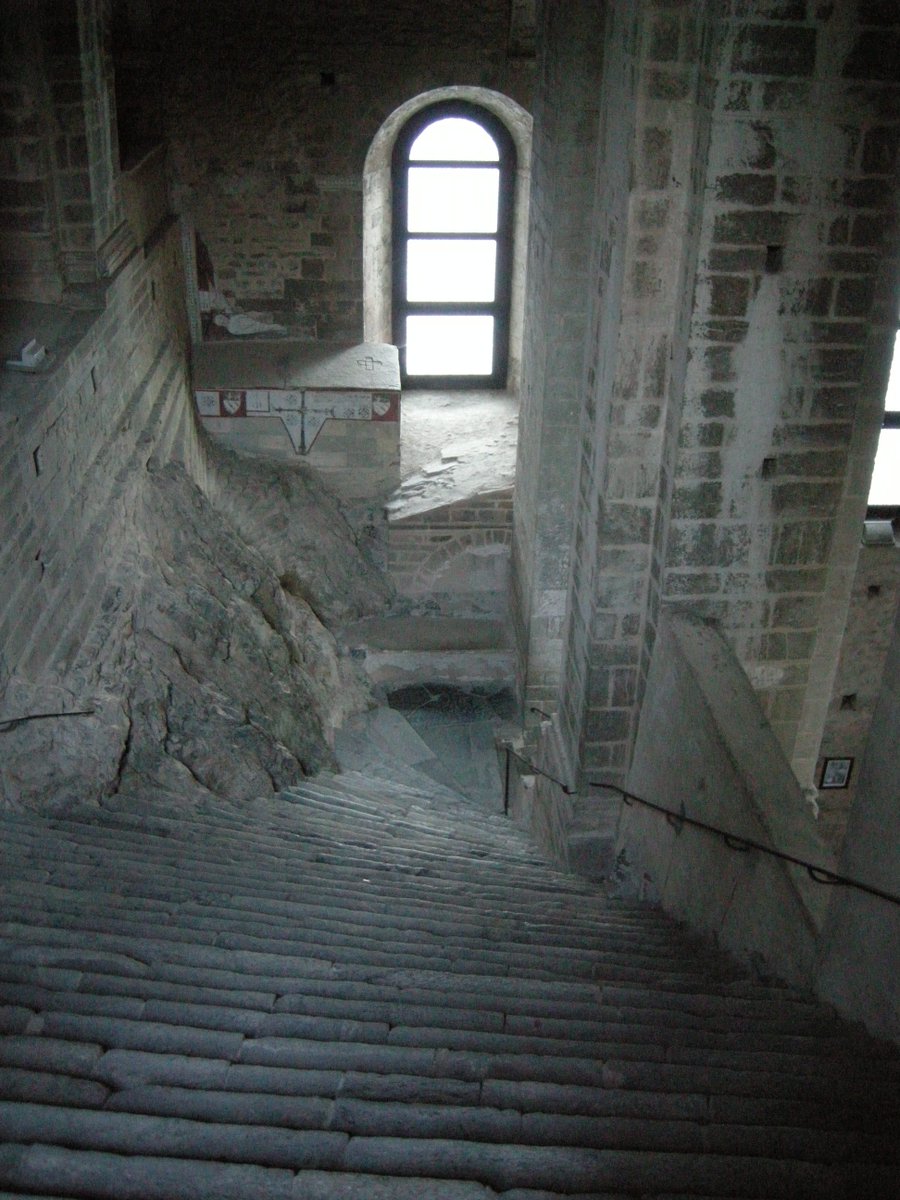
Over two hundred steps lead up to the church, winding through tunnels and even along the rockface of Mount Pirchiriano itself.
It is known as the Staircase of the Dead; until the 1930s it was lined with sarcophagi and with the skeletons of former monks of the abbey.
It is known as the Staircase of the Dead; until the 1930s it was lined with sarcophagi and with the skeletons of former monks of the abbey.
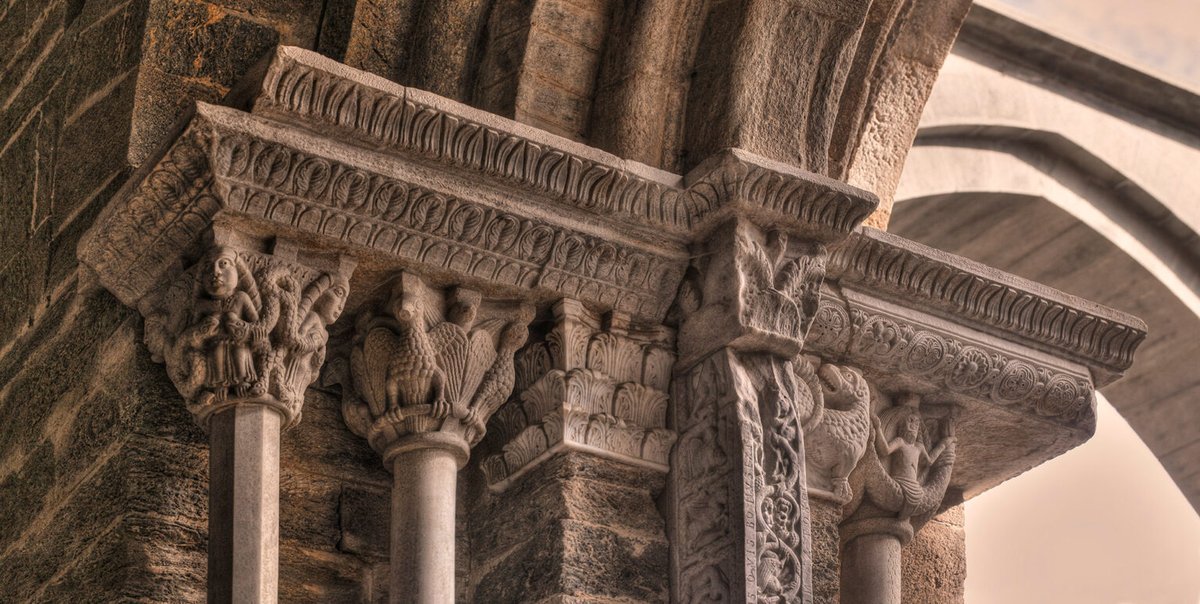
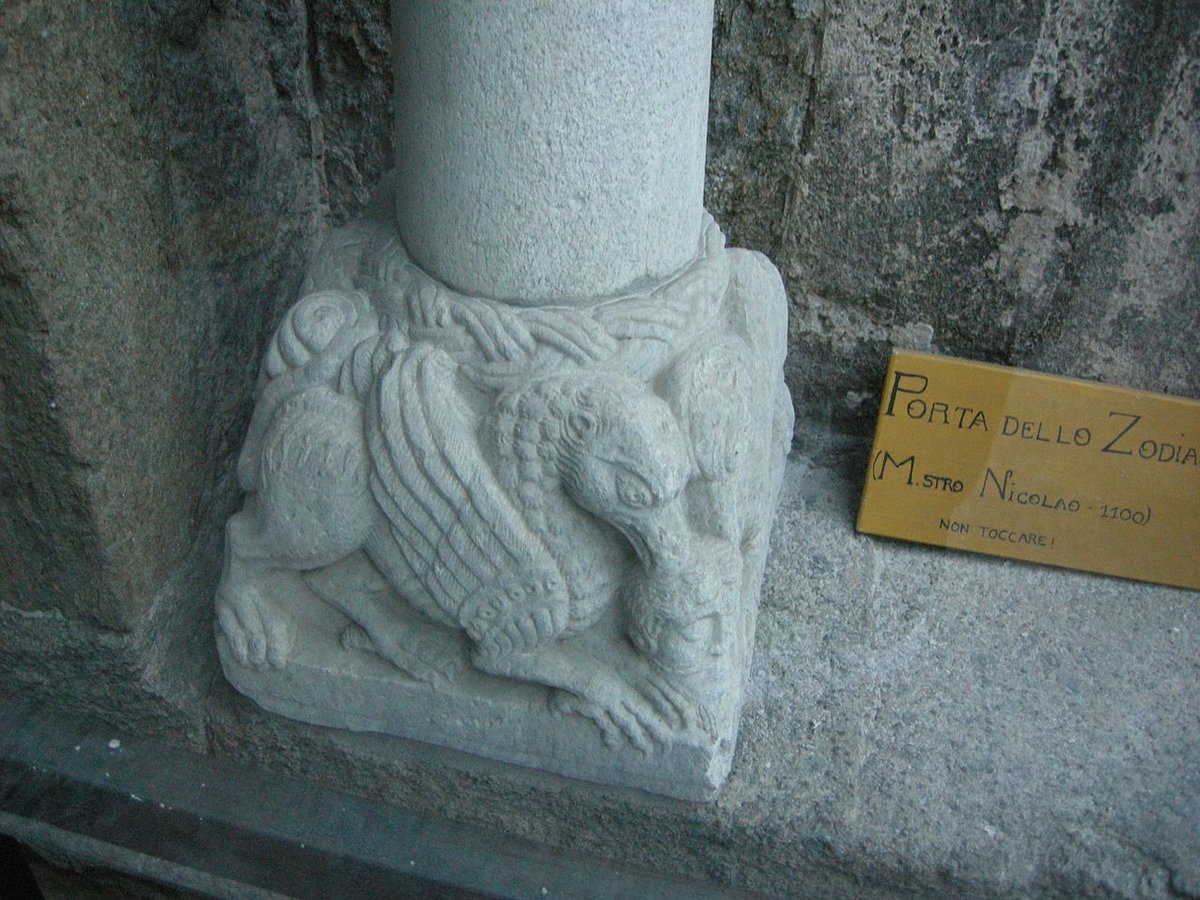
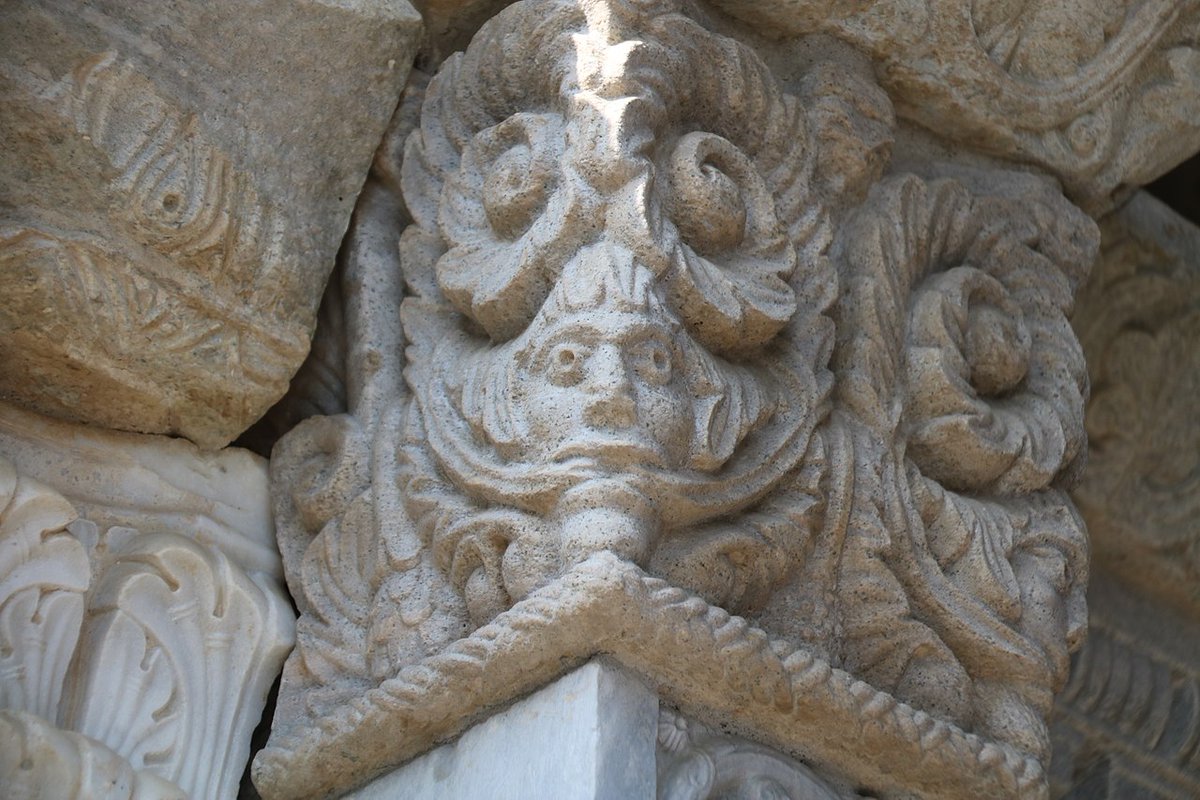
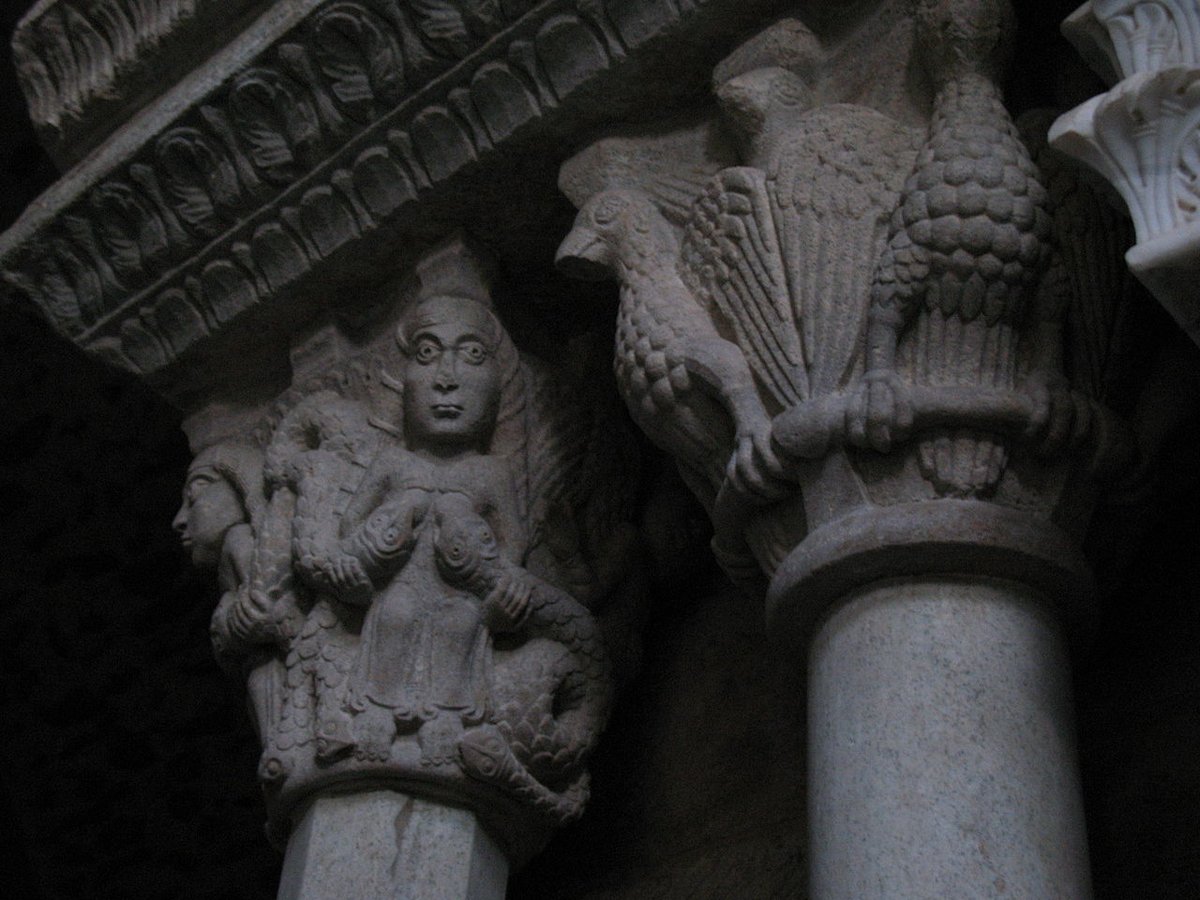
At the top you exit through the Portal of the Zodiac, a delightful piece of Romanesque sculpture.
It was carved in the 1120s by an itinerant master mason called Niccolò, and depicts the signs of the Zodiac along with other astronomical and religious symbols and figures.
It was carved in the 1120s by an itinerant master mason called Niccolò, and depicts the signs of the Zodiac along with other astronomical and religious symbols and figures.
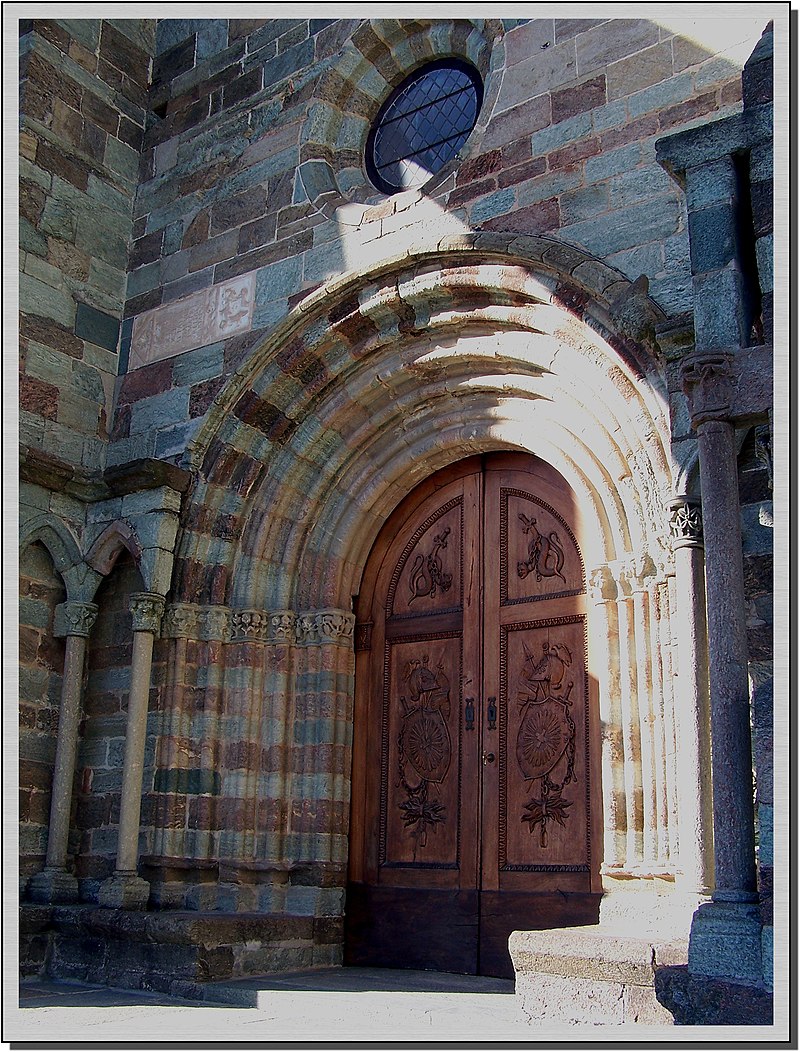
Then through the flying buttresses, up just a few more stairs, to another marvelous Romanesque door made from green and grey stone.
This one is older, dated to the early 11th century, though its walnut wood doors, featuring the iconography of Michael, are from the 19th century.
This one is older, dated to the early 11th century, though its walnut wood doors, featuring the iconography of Michael, are from the 19th century.
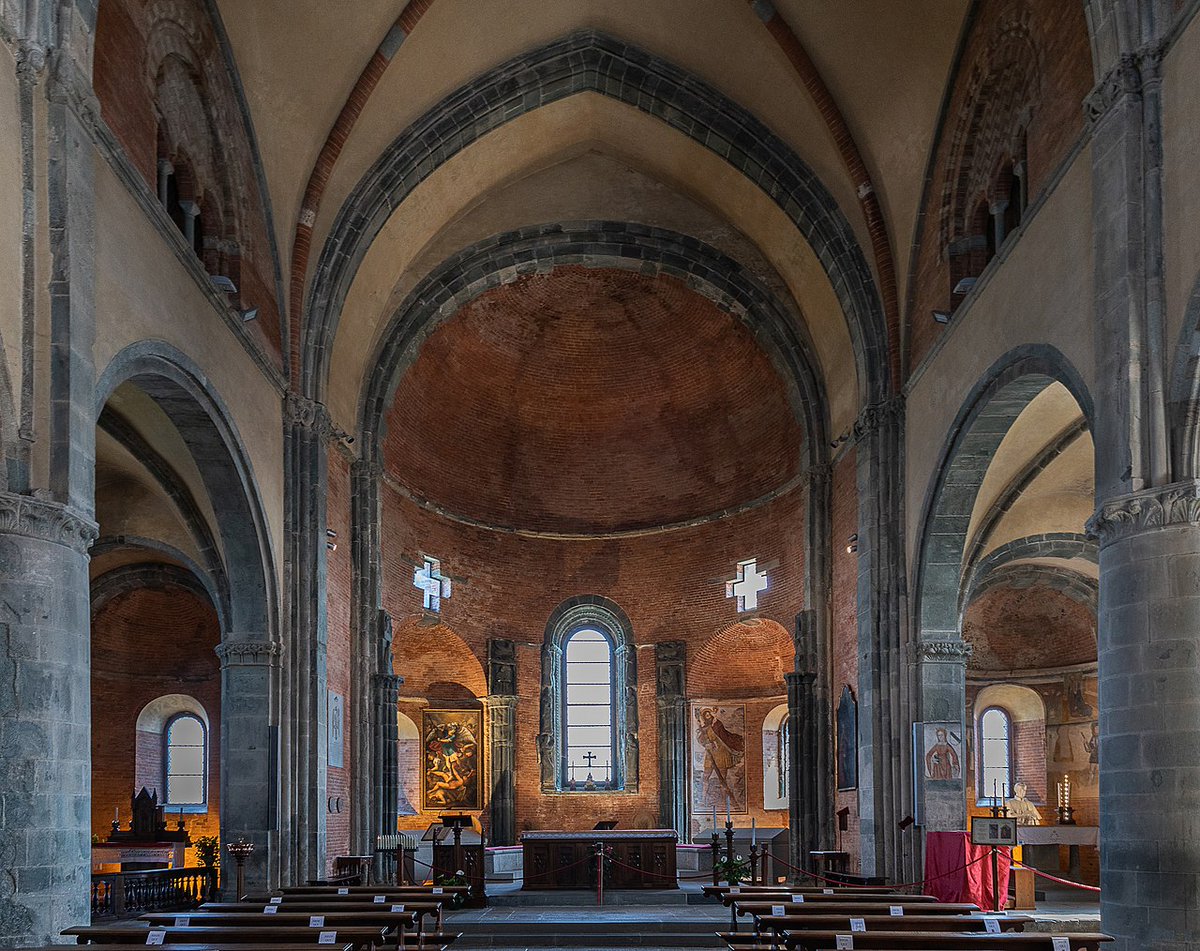
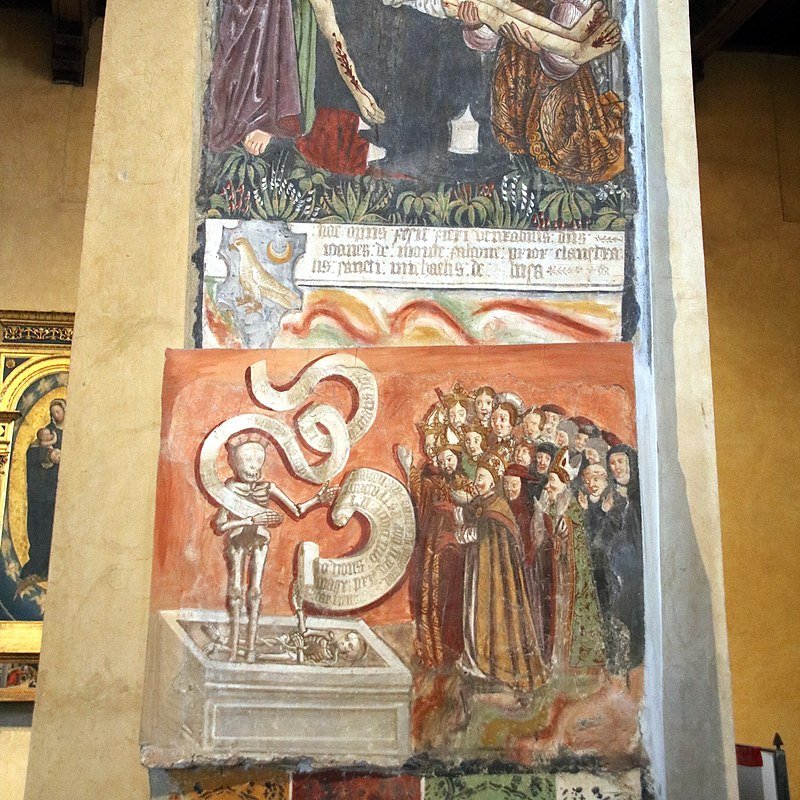
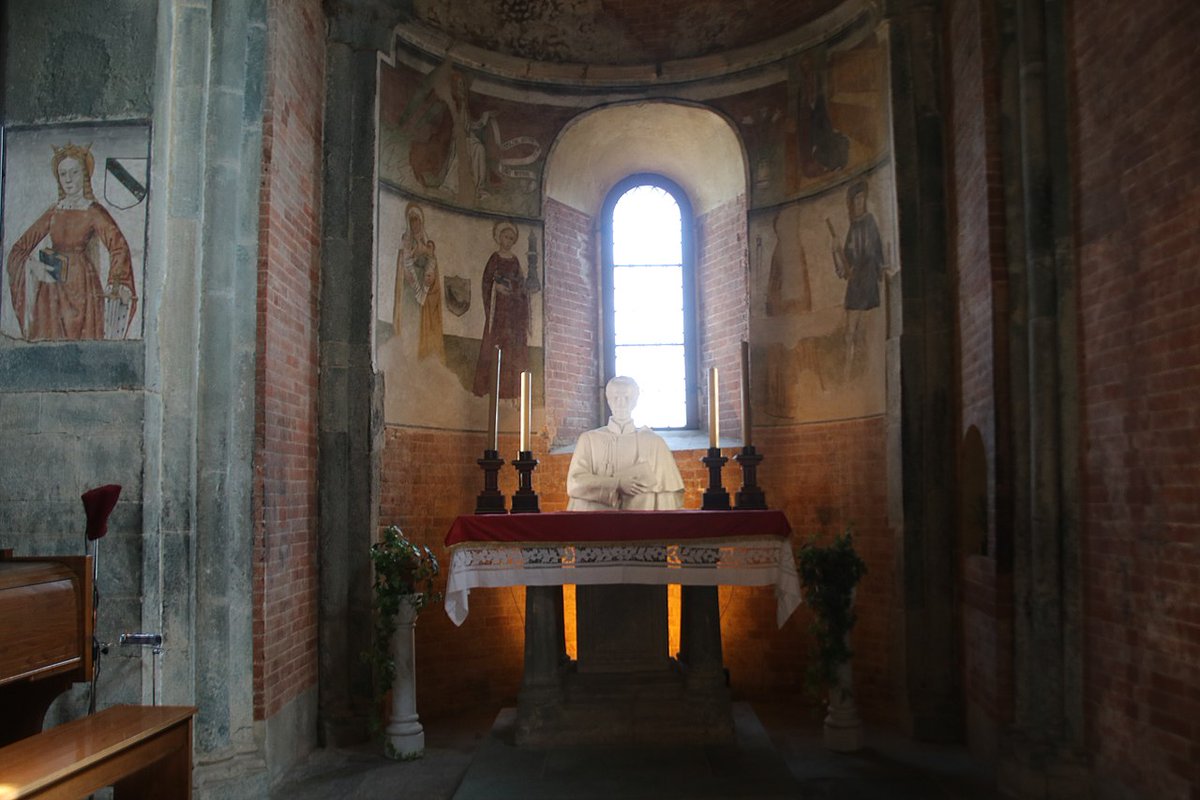
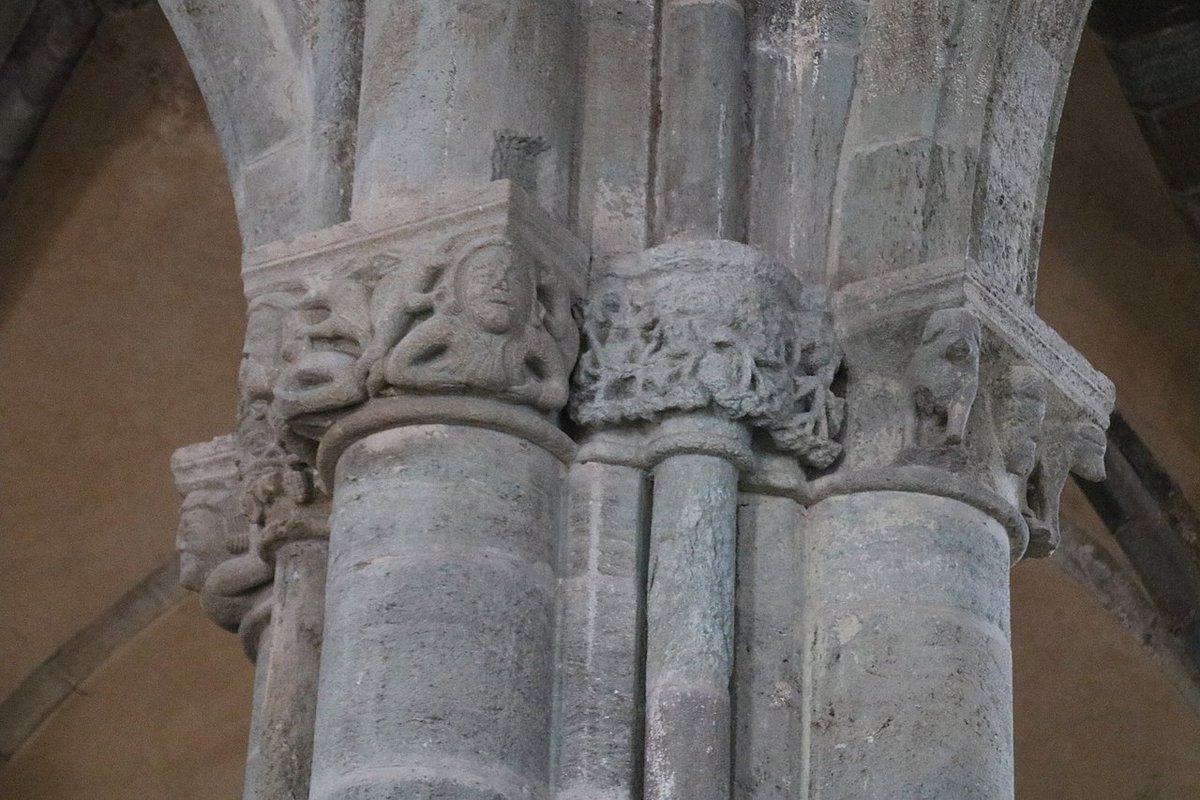
The interior of the church is decorated with several paintings and frescos from the early 1500s, along with all the splendidly carved capitals (the part at the top of a column) you'd expect in a Romanesque-Gothic church.
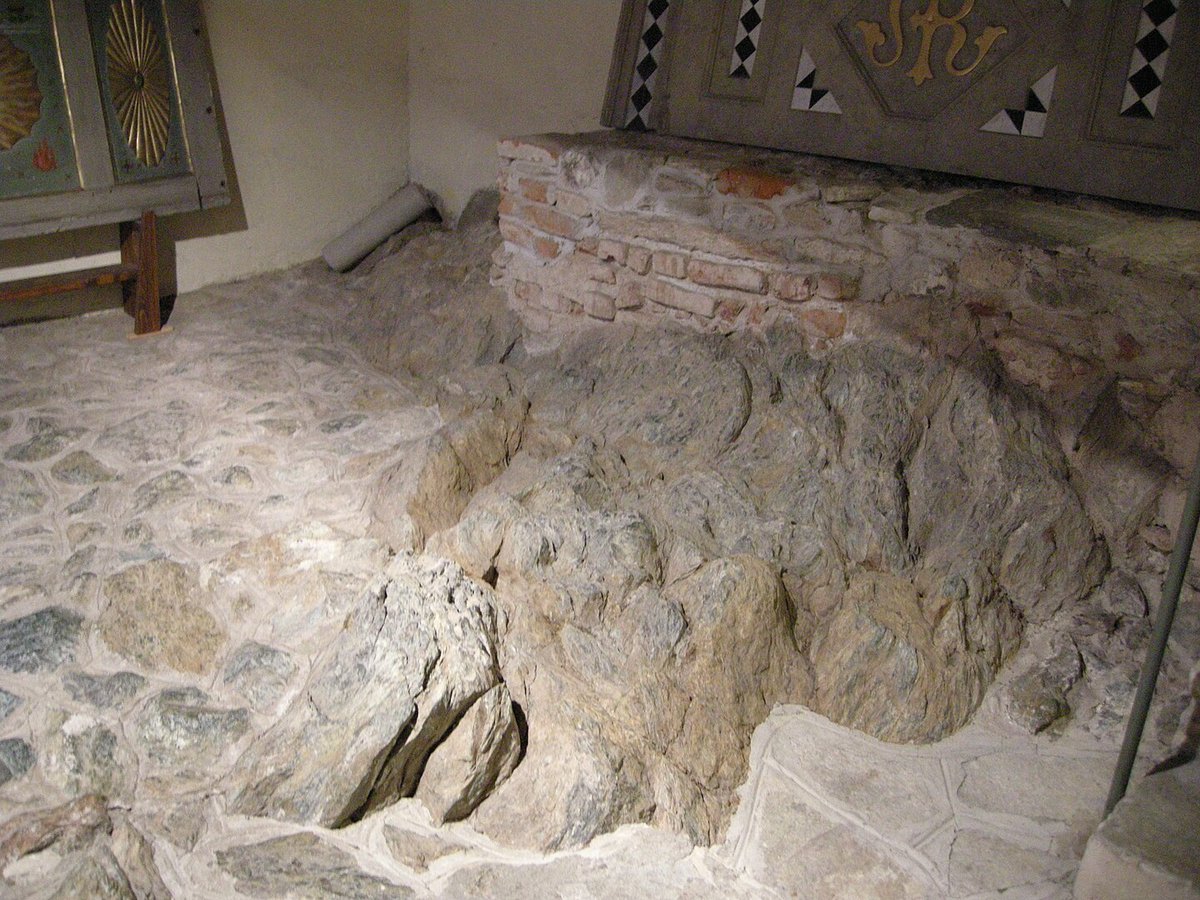
The top few inches of Mount Pirchiriano are also visible.
The top few inches of Mount Pirchiriano are also visible.
The Sacra di San Michele lives on, then, home to an active religious community, a busy site of pilgrimage, a tourist hot spot, and a symbol of Piedmont.
It is also a triumph of Medieval engineering and of Romanesque architecture in all its solemnity and power.
It is also a triumph of Medieval engineering and of Romanesque architecture in all its solemnity and power.
It isn't surprising that Umberto Eco was inspired by the Sacra di San Michele to write his best-selling novel, The Name of the Rose.
It belongs more to fantasy than to real life, but the Sacra di San Michele is real, and there are few places like it on earth...
It belongs more to fantasy than to real life, but the Sacra di San Michele is real, and there are few places like it on earth...
Loading suggestions...