

I see so many ICT/SMC traders pop up on my feed everyday.
One of the main concepts are orderblocks, which are supposed to be the levels that "smart money" use for buying and selling.
let's make a quick thread on these things and why they tend to work.
"instert thread emoji"
One of the main concepts are orderblocks, which are supposed to be the levels that "smart money" use for buying and selling.
let's make a quick thread on these things and why they tend to work.
"instert thread emoji"

First of all, what is defined as an orderblock.
It is consoildation (last opposite side candle) before market makes a significant move to either upside or downside that breaks the market structure.
It is consoildation (last opposite side candle) before market makes a significant move to either upside or downside that breaks the market structure.
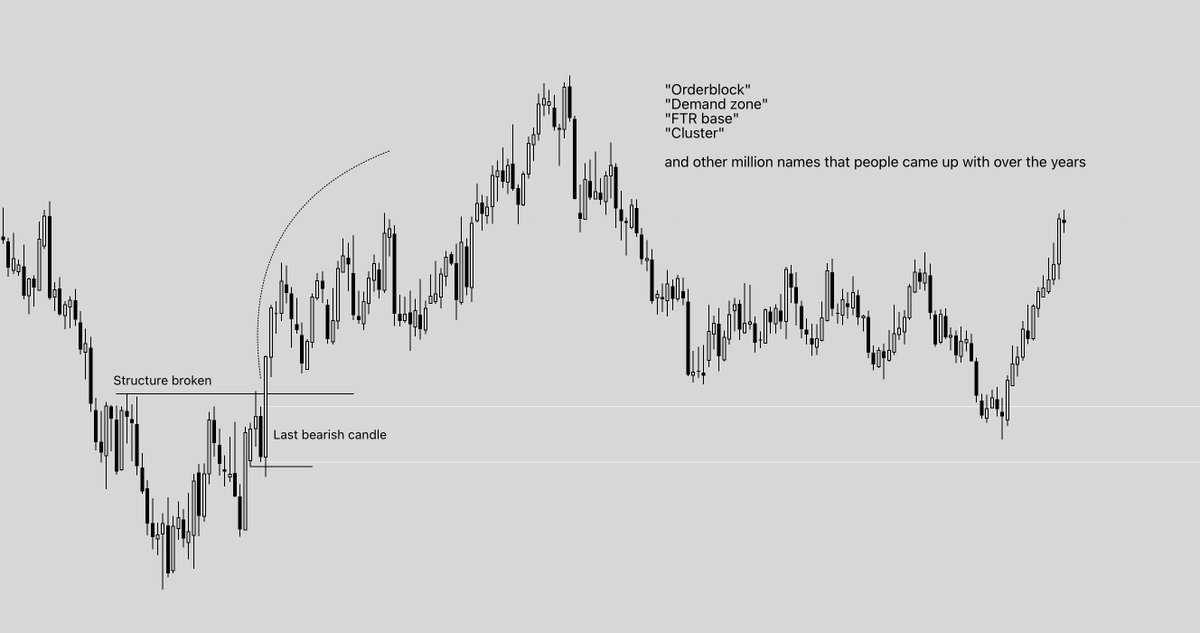
The idea here is that "smart money" use these areas to accumulate positions and trap retail traders before sending market one direction.
In a sense, this is not completely wrong, we just need to get rid of the "secret manipulation" and all other marketing buzzwords.
In a sense, this is not completely wrong, we just need to get rid of the "secret manipulation" and all other marketing buzzwords.
Markets work in two way auctions, ie. for every buyer you need a seller and vice versa.
On the DOM below you can see avaliable liquidity (resting orders) for a market.
If you trade 1, 10, or 100 contracts, things are pretty easy for you as you wont have issue with fills.
On the DOM below you can see avaliable liquidity (resting orders) for a market.
If you trade 1, 10, or 100 contracts, things are pretty easy for you as you wont have issue with fills.
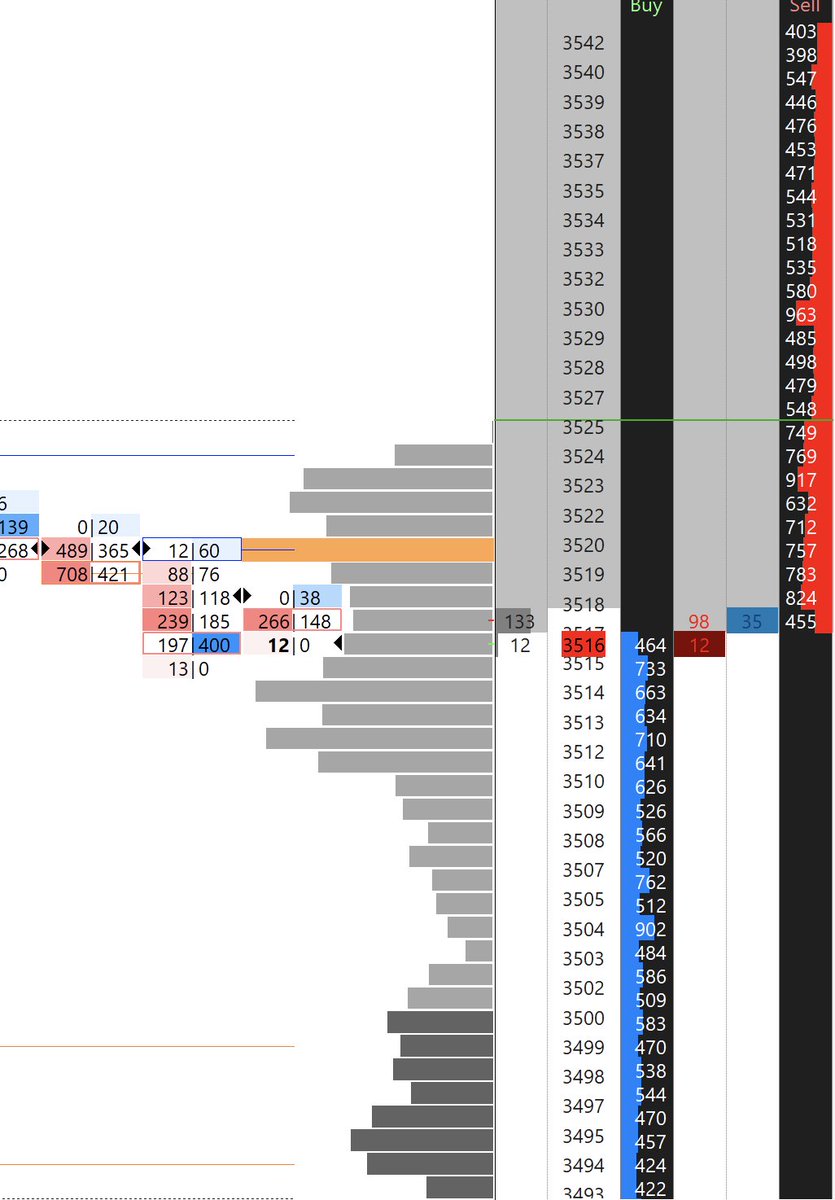
It means that you can trade pretty much anywhere during any type of environment, but what if you trade 1000 or 10,000 contracts?
Well that becomes tricky.
With trading larger size, trading becomes little more tricky because you cant just smash buy/sell button like a monkey.
Well that becomes tricky.
With trading larger size, trading becomes little more tricky because you cant just smash buy/sell button like a monkey.
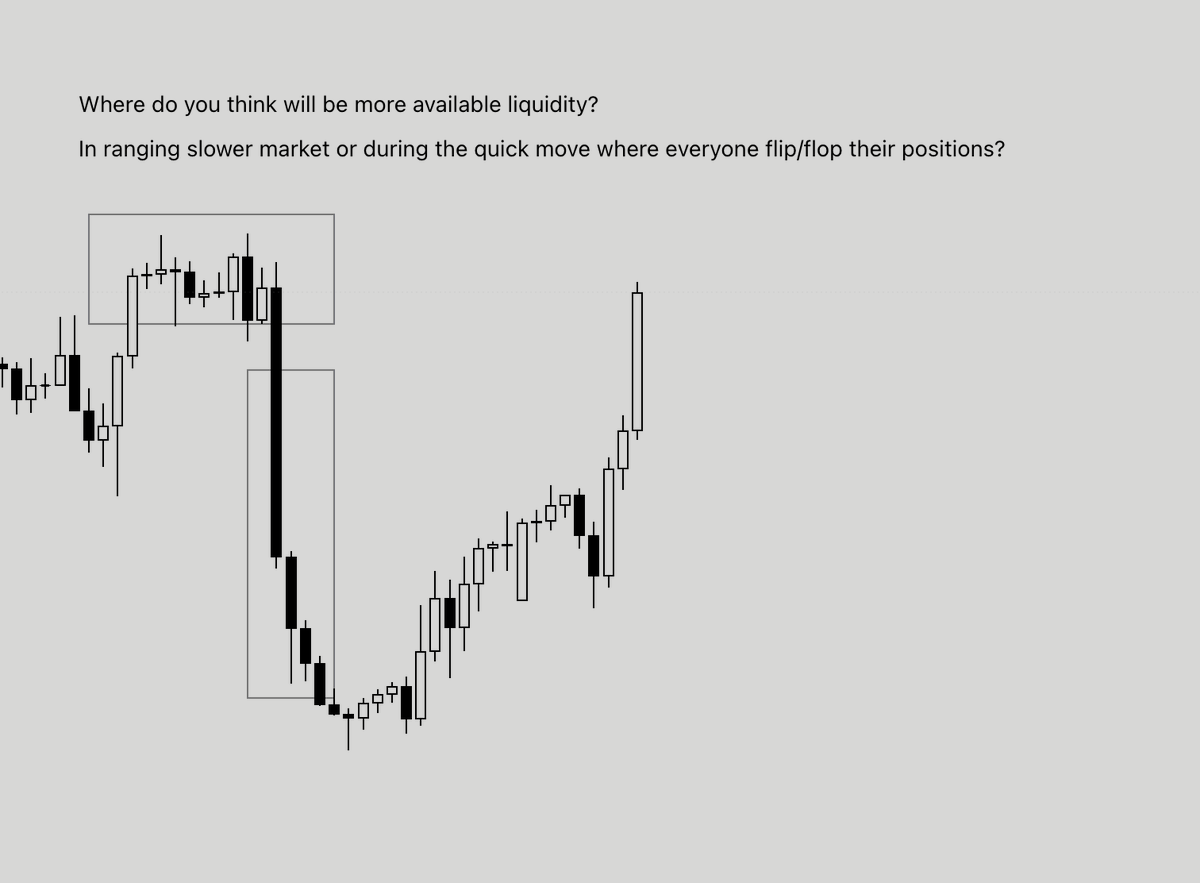
Liquidity in any given market is dynamic, it changes during different times of a day, based on news where MMs pull resting orders to avoid directional exposure and so on.
If you look at picture above, the correct answer is obviously in the consolidation before the move.
If you look at picture above, the correct answer is obviously in the consolidation before the move.
Any large trader will prefer to use that consolidation for building their position rather than jumping in and out during the move.
So why price reacts and continues down when the zone is tested?
Because something called order-splitting.
So why price reacts and continues down when the zone is tested?
Because something called order-splitting.
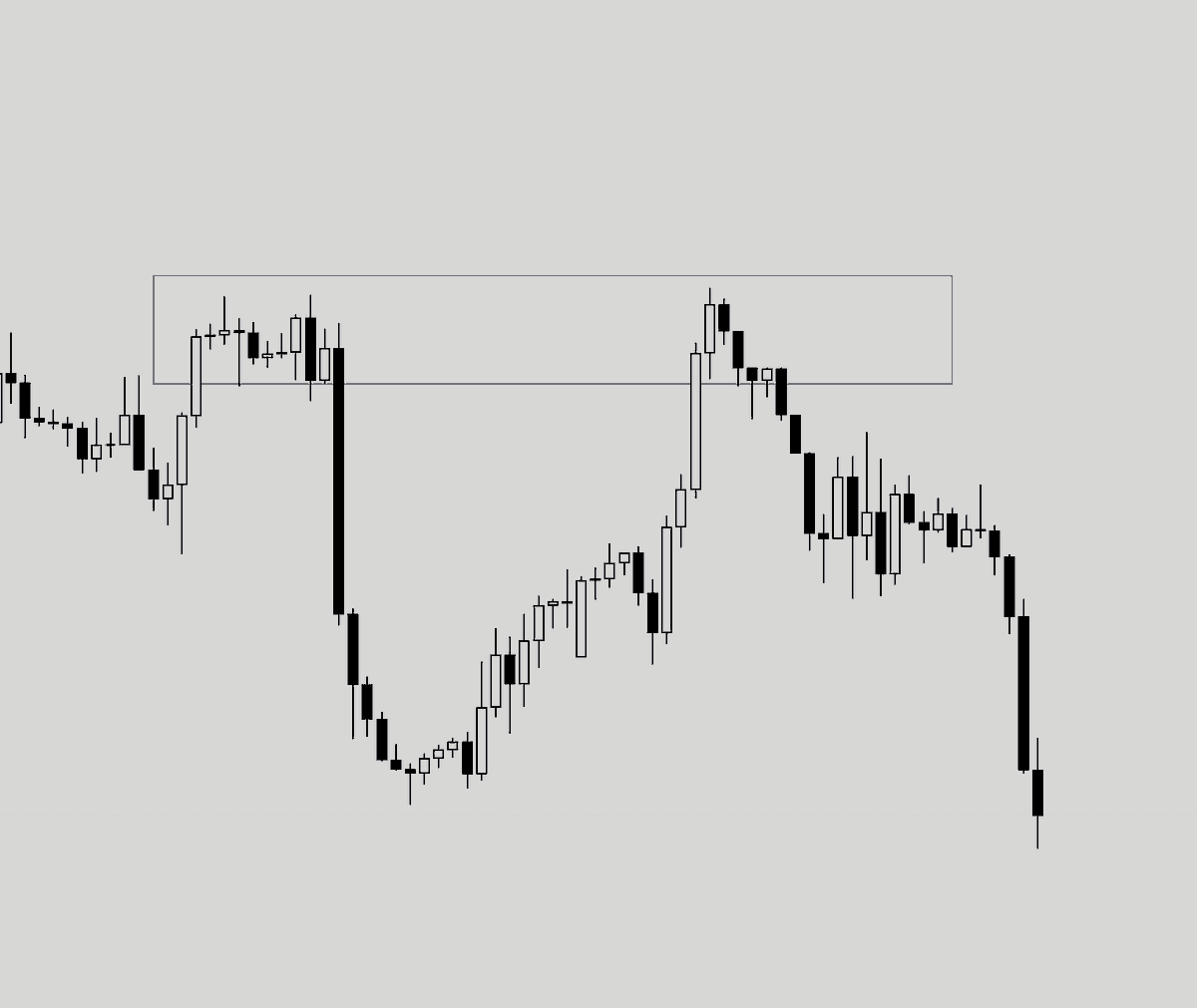
Large traders are often not able to fill their orders at once therefore use the same levels to leave unfilled resting orders at the levels.
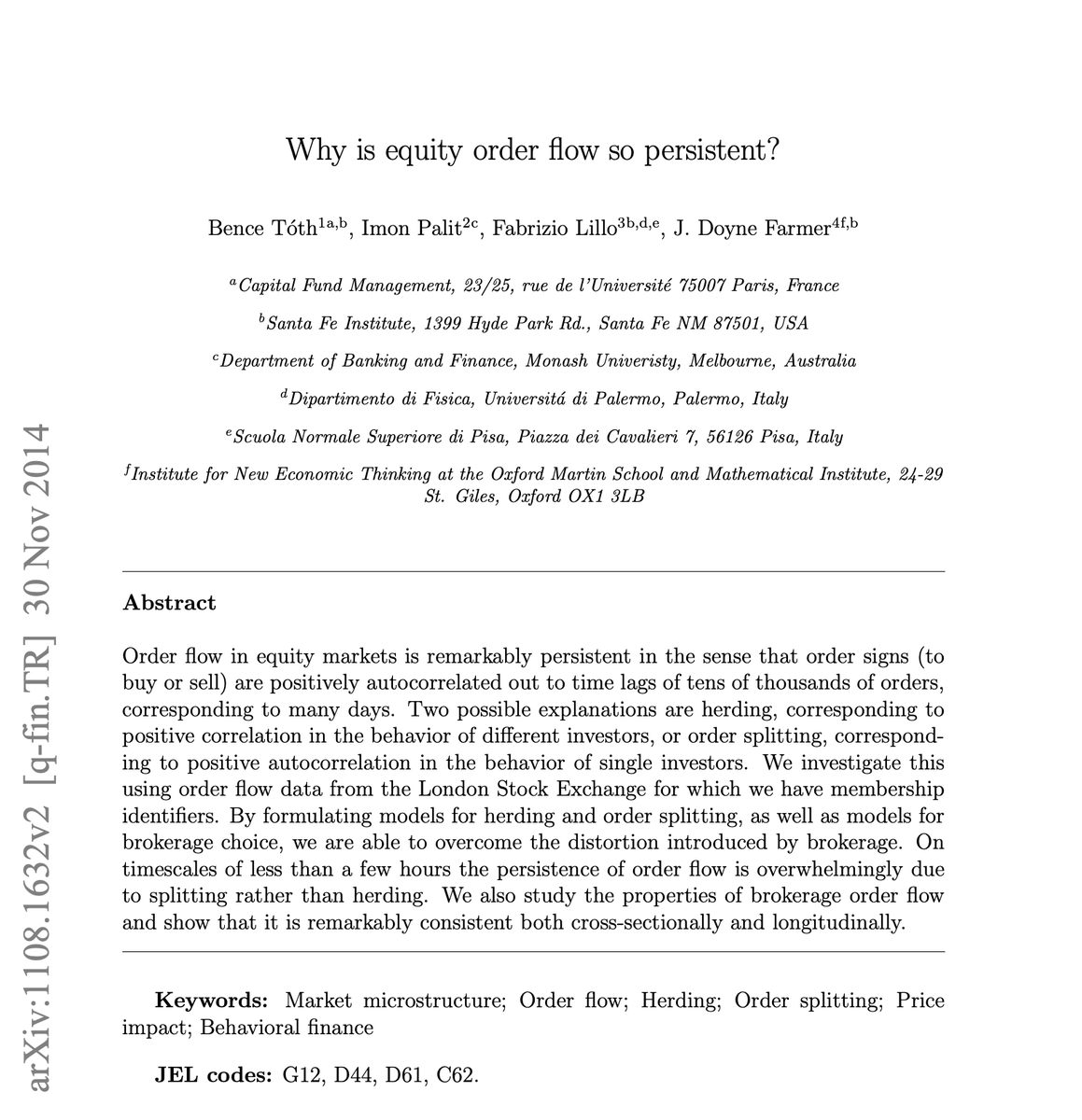
You also don't have to believe me, there is a whole research paper about it done by much smarter people than me.
arxiv.org
You also don't have to believe me, there is a whole research paper about it done by much smarter people than me.
arxiv.org
Once orders are filled/executed, there is really no way to hide it.
This is where looking at y-axis volume can be a great confluence as we can see large volume blocks with POCs inside each consolidation.
This is where looking at y-axis volume can be a great confluence as we can see large volume blocks with POCs inside each consolidation.
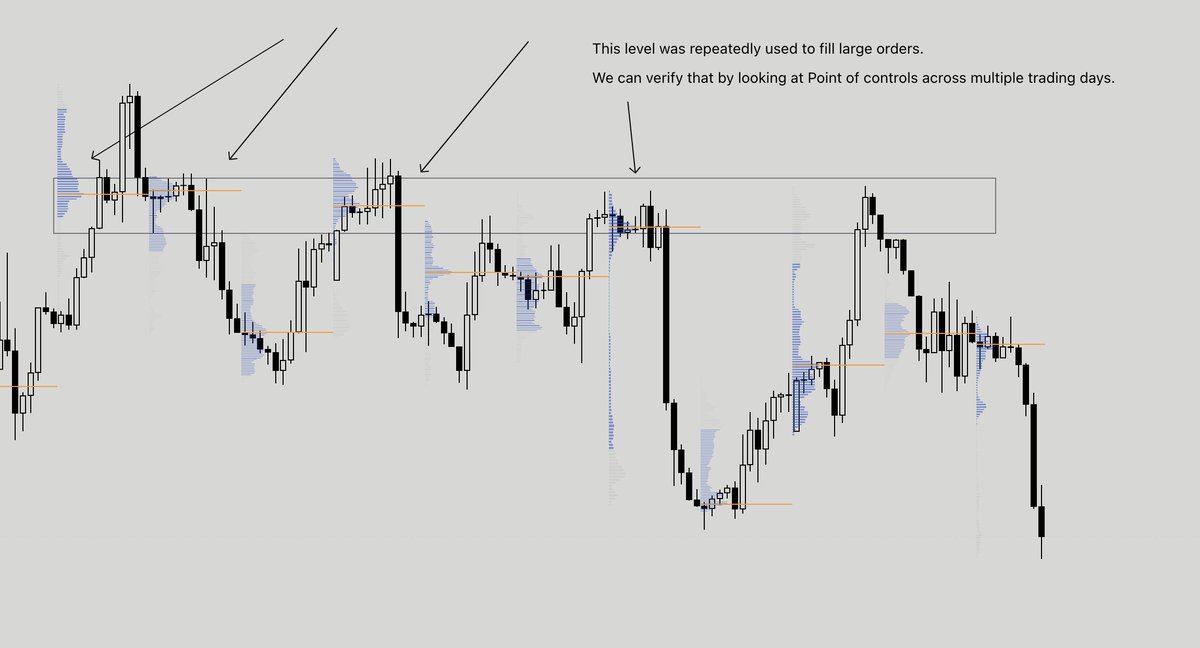
Of course nothing will work all the time and you should implement different rules in regards to timeframes, price behaviors and overall context rather than buying and selling retest of every single consolidation.
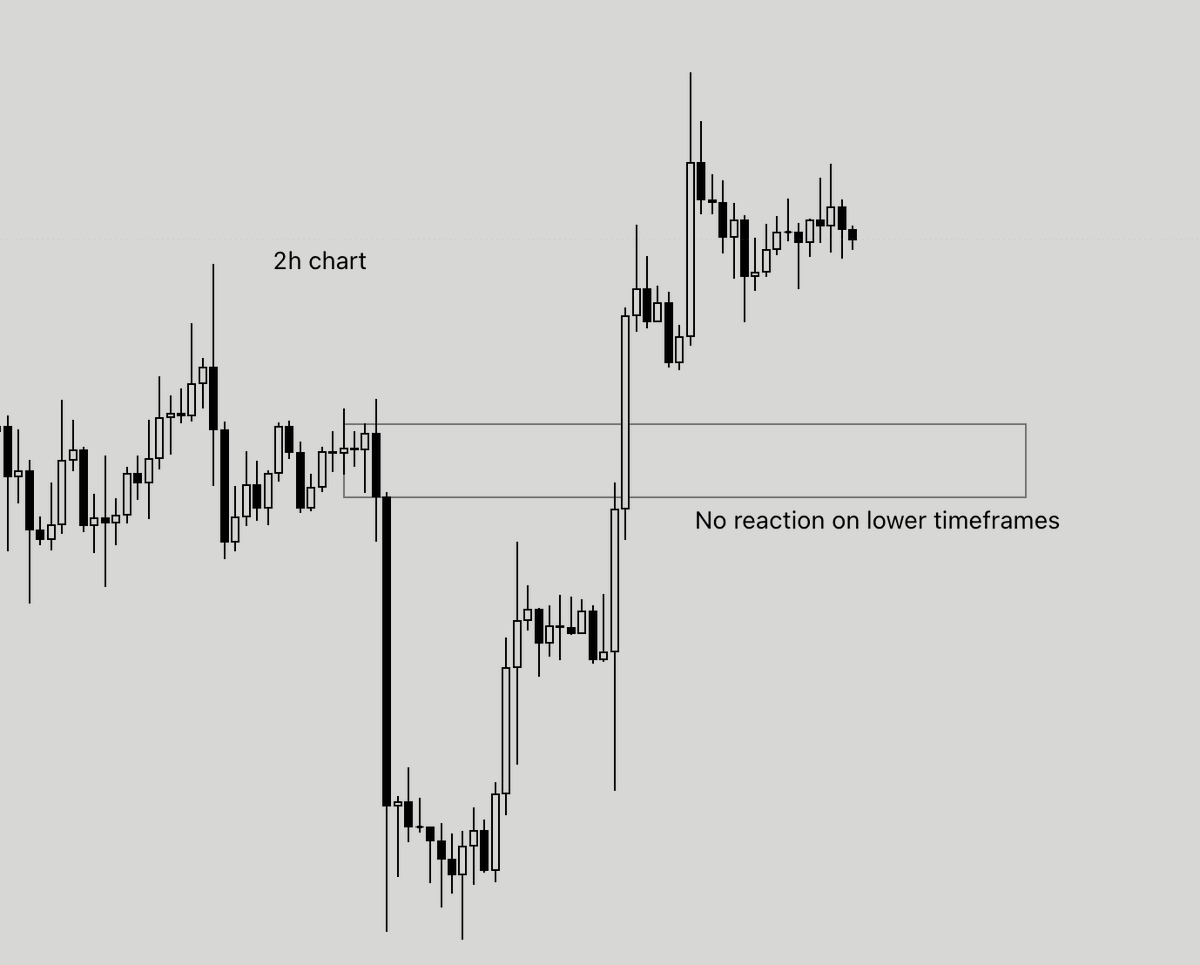
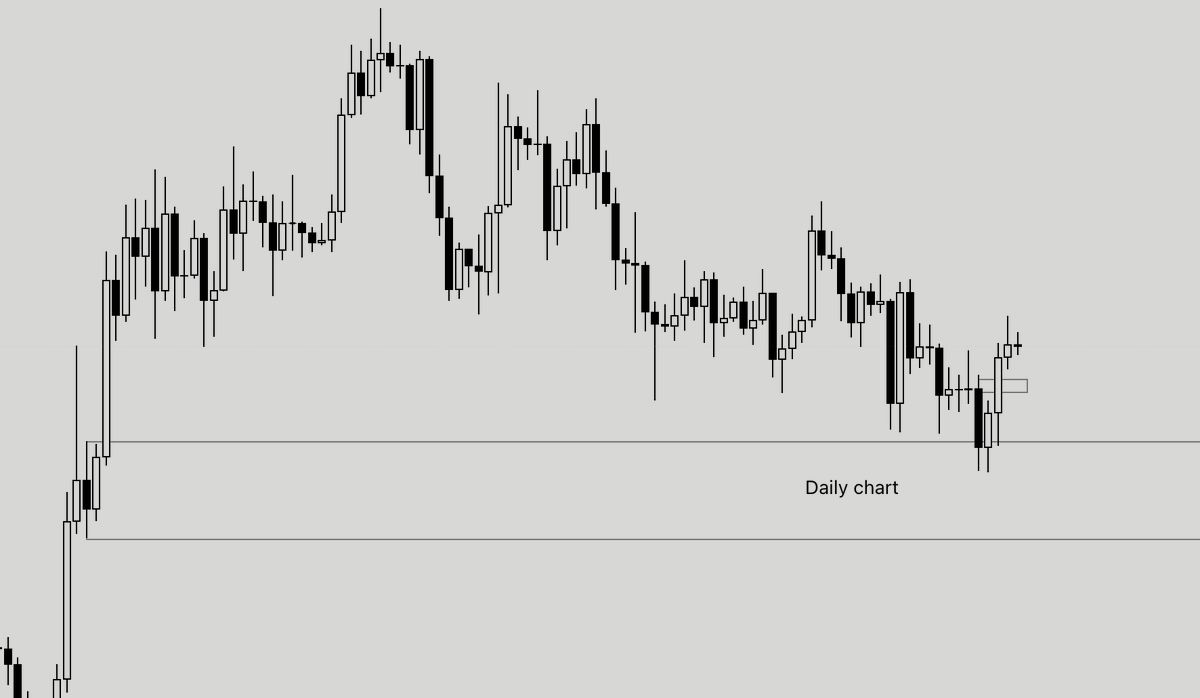
Anyway these are just my 2 cents on Orderblocks, with simple explanation and hopefully little bit of debunk that not every move is happening because of "evil market makers manipulation".
Is there manipulation in markets? Yes
Is manipulation used more as marketing technique these days to lure people in thinking they are exploring some hidden side of the market? Yes
Is manipulation used more as marketing technique these days to lure people in thinking they are exploring some hidden side of the market? Yes

If you liked the thread and want to learn bit more about the topic in detail, make sure to read these articles I published while ago, and the rest of the blog.
tradingriot.com
tradingriot.com
tradingriot.com
tradingriot.com
tradingriot.com
tradingriot.com

tradingriot.com/smart-money-co…
Breaking Down Popular Price Action Strategies (Smart Money Concepts and ICT Trading) - Tradingriot.com
If you have been in a trading space for a while, you have probably noticed that there is always a ce...

tradingriot.com/market-microst…
Market Microstructure Explained - Why and how markets move - Tradingriot.com
How and why markets move? That has been often asked question. Learn everything about market microstr...
tradingriot.com/liquidity-in-t…
Understanding Liquidity in Trading - is someone hunting your stops? - Tradingriot.com
Liquidity has been used as big buzzword in trading. Is there any magical hand hunting stop losses, o...
Loading suggestions...