
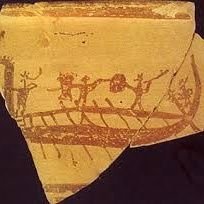
1/ In 1250/40 BC constitutes a turning point for the Mycenaean world, as it gradually enters an endless instability, which culminates at the turn of the 13th cent BC with the violent collapse of the Mycenaean palatial society in a climate of destructions and population movements.
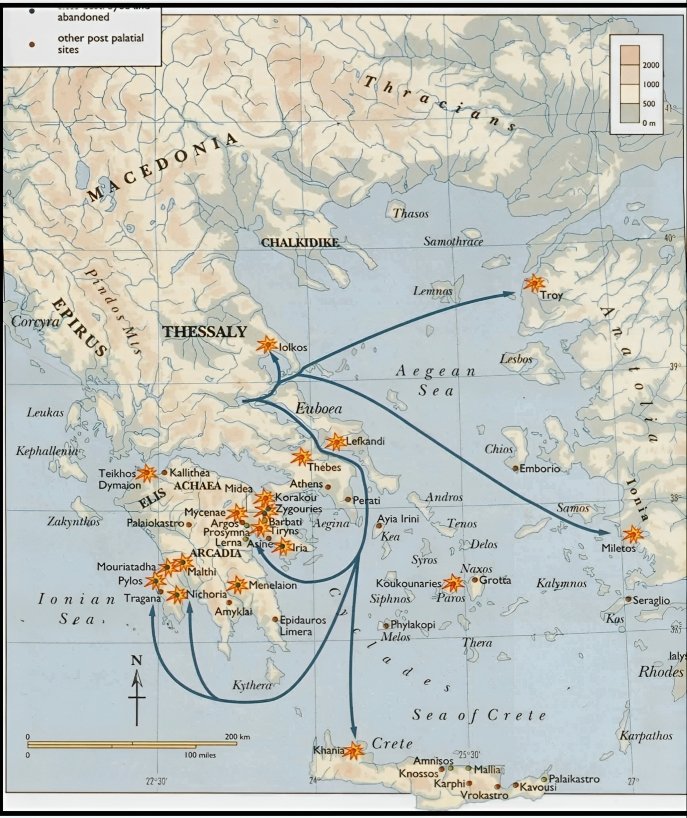
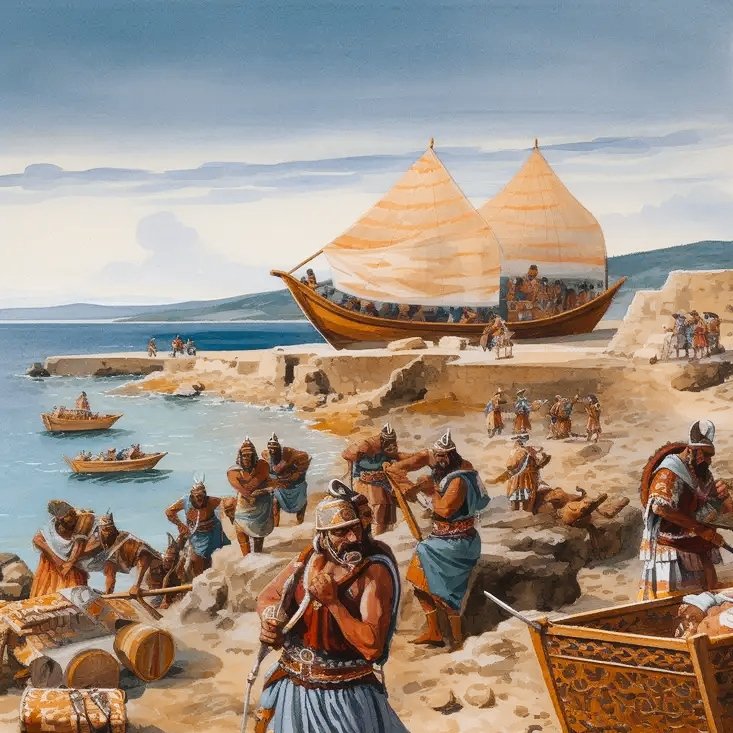
2/ The collapse of the old system led the Aegean communities to a course of reorganization and adaptation to the new conditions, trying to survive in a context of constant instability, militarism and population mobility, especially during the 12th century BC.
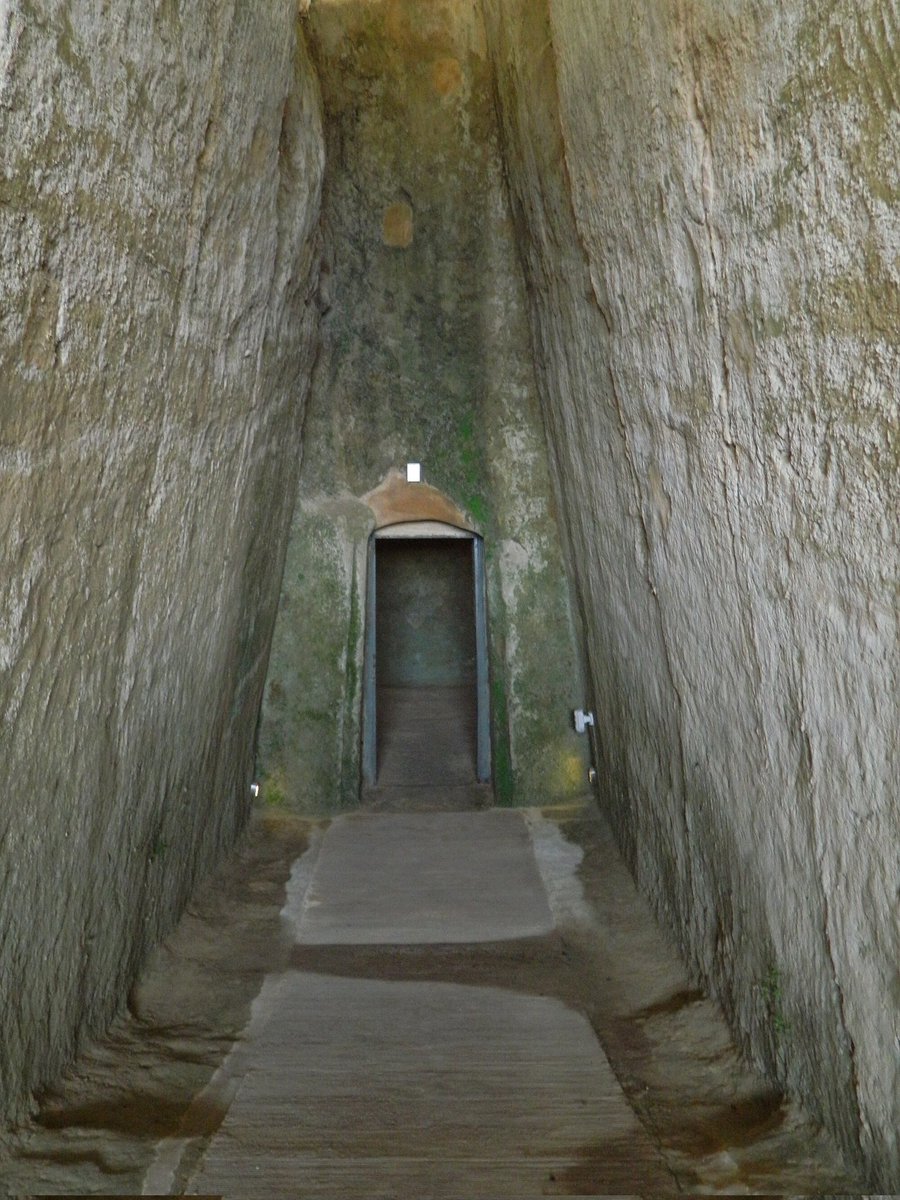
3/ The burial practices during the Post-palatial period indicate to us a process of transition from the Mycenaean past to the new reality with the main characteristic being the appearance of highly elaborated and in some cases rich warrior burials.
4/ We should emphasize that after the general destruction of the Mycenaean palaces around 1210-1190 BC, there followed a period of intense instability (despite some isolated clues of periodic stability and recovery), 👉
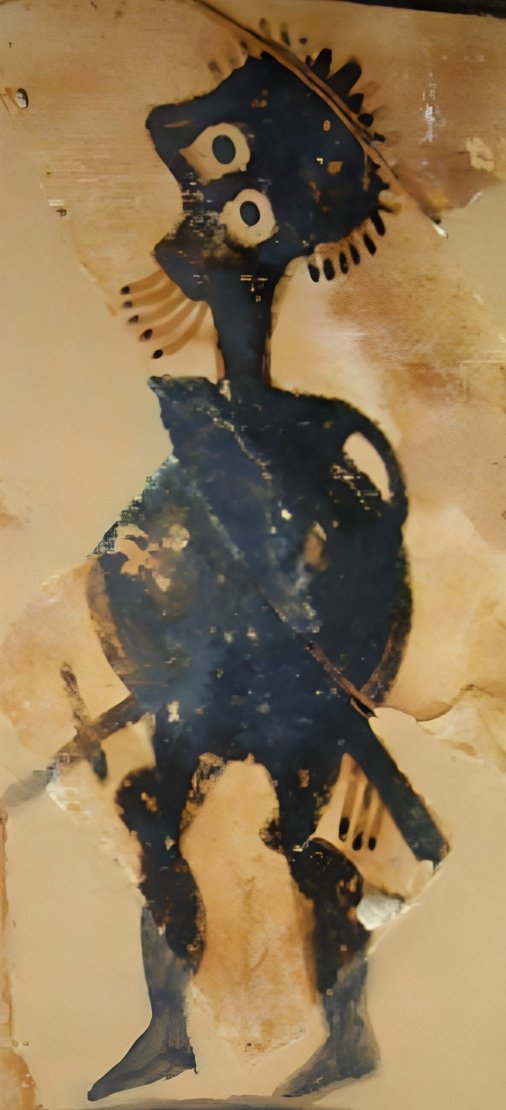
👉 and as the archaeological finds prove, throughout the 12th century BC, there are signs of war conflicts (layers of destruction in the Lower Town of Tiryns, Phylakopi, Koukounaries, Mycenae, Lefkandi, Aegira, Kynos - some of the above sites are abandoned).
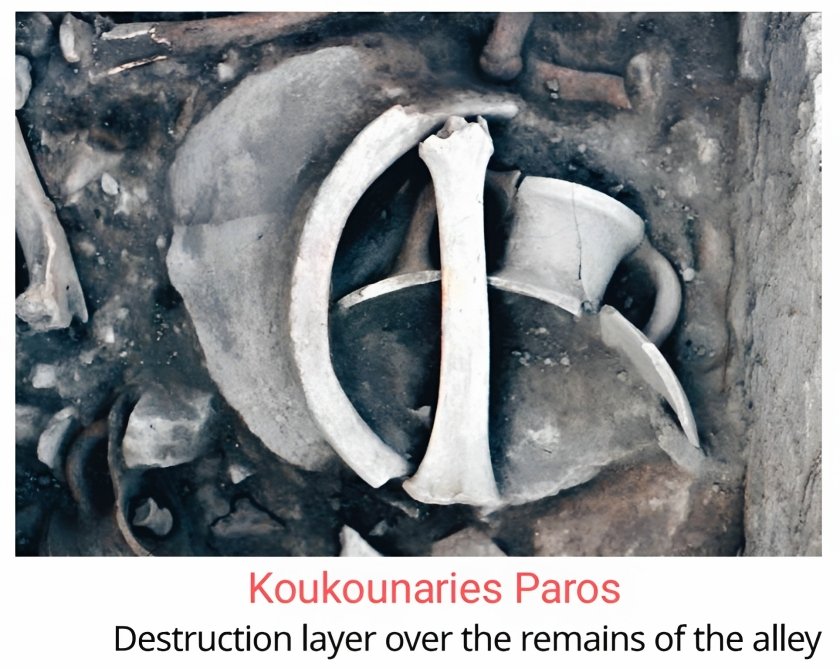
5/ In several cases valuable objects were found in hasty caches demonstrating the insecure daily life of the Post-palatial communities, which were forced to be in constant military readiness, which was ensured by a new elite group, particularly dynamic and popular.
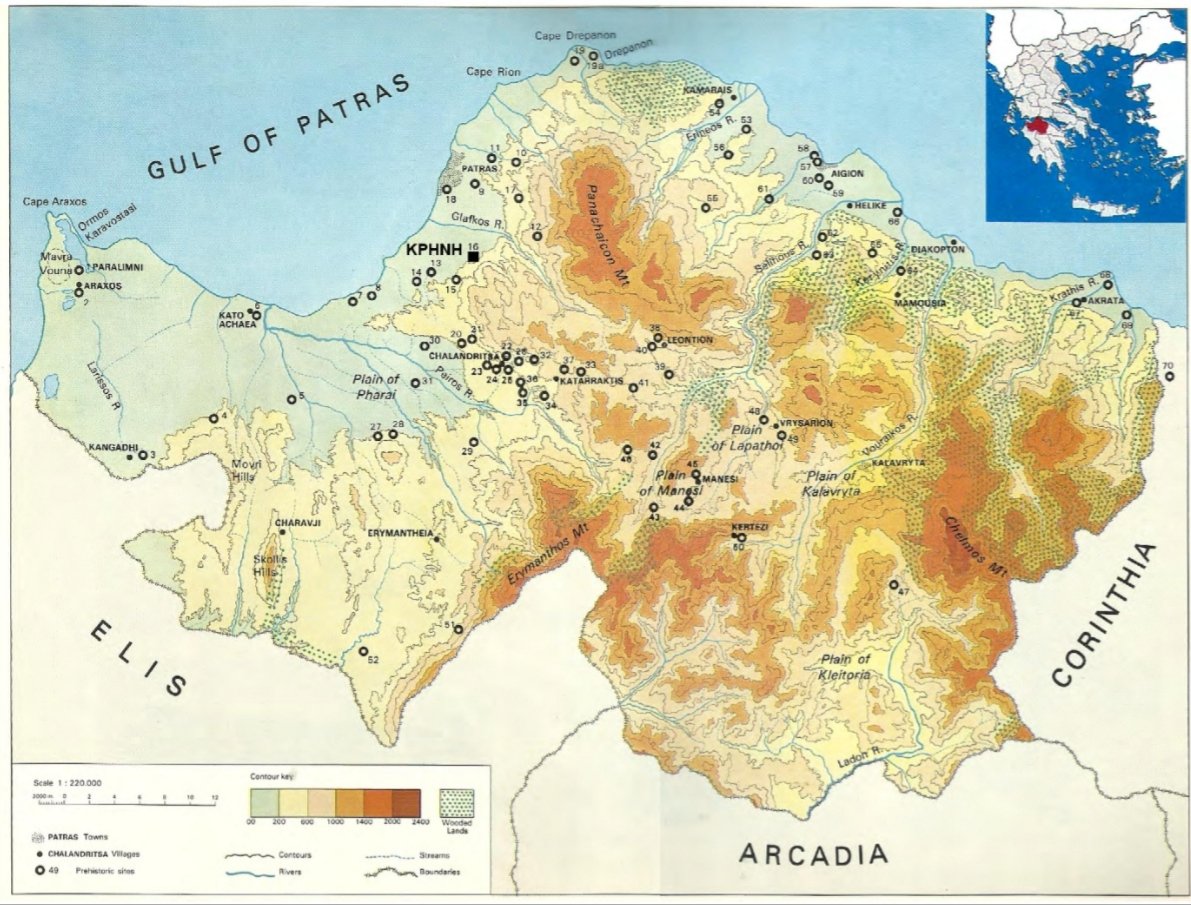
6/A typical example is LHIIIC Achaea, where a high frequency of warrior burials is observed. During the palatial period Achaea lived in the periphery of the Mycenaean world,without the existence of a palatial center and with suspicions that it was controlled by the Argolic elites
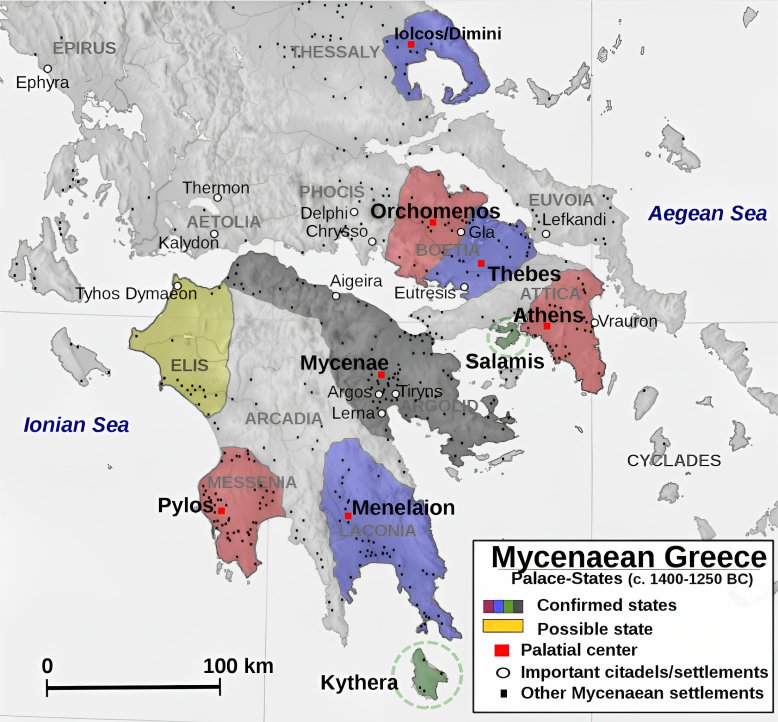
7/When the Mycenaean palaces are destroyed and the main Mycenaean provinces show signs of severe population decline (Argolid,
Messenia), Achaea follows a reverse course,showing a rapid population growth with the influx of refugee populations and an unexpected material prosperity.
Messenia), Achaea follows a reverse course,showing a rapid population growth with the influx of refugee populations and an unexpected material prosperity.
8/ It has been suggested that the refugees were members of the former palatial elite (something similar we also see in the Early LH IIIC fortified settlements of the Cyclades), who arrived in the once remote Achaea with their followers, instating some kind of Mycenaean type of 👉
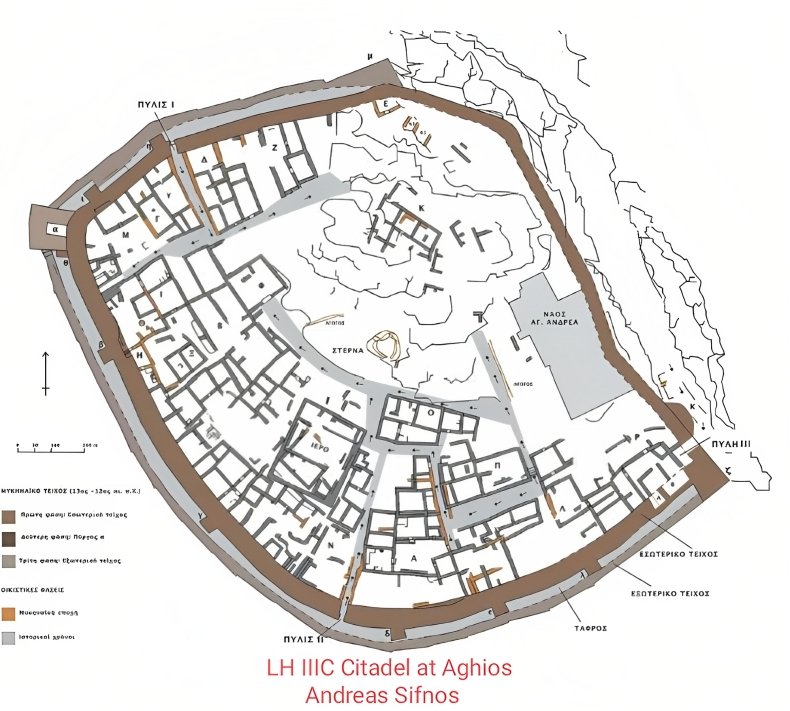
👉 sociopolitical system, based on a warlike elite centered on some heavily fortified site (Dymaean Wall?) or some former local Mycenaean kome (Trapeza Aigion?). The new communities of Achaea were well equipped, being ready to defend their existence.
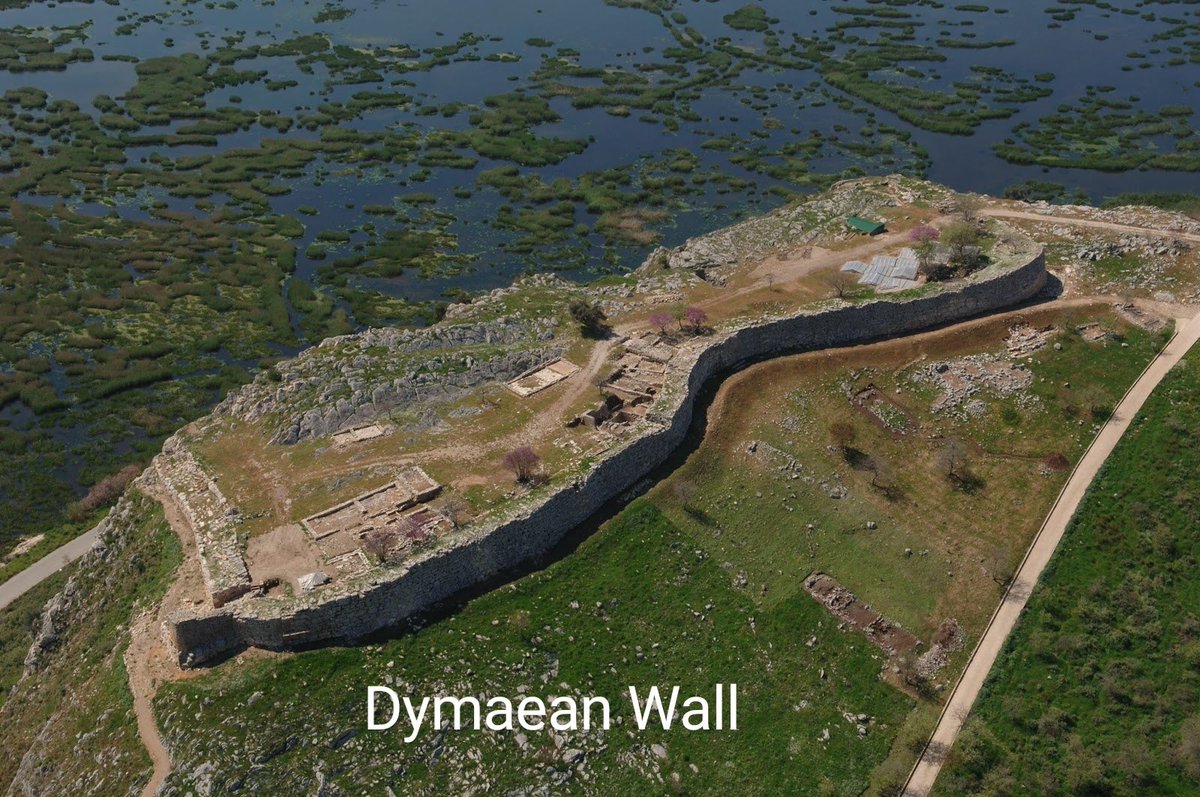
9/ However, layers of destruction at Dymaean Wall and Aegira, as well as the wide dispersion of warrior burials, even in remote settlements, indicate that perhaps the LH IIIC communities of Achaea had some degree of independence under the leadership of local warlords 👉
👉 and there was probably some kind of competition between them that in some cases led to local scale conflicts. However, it is not excluded that the layers of destruction are also due to foreign threats.
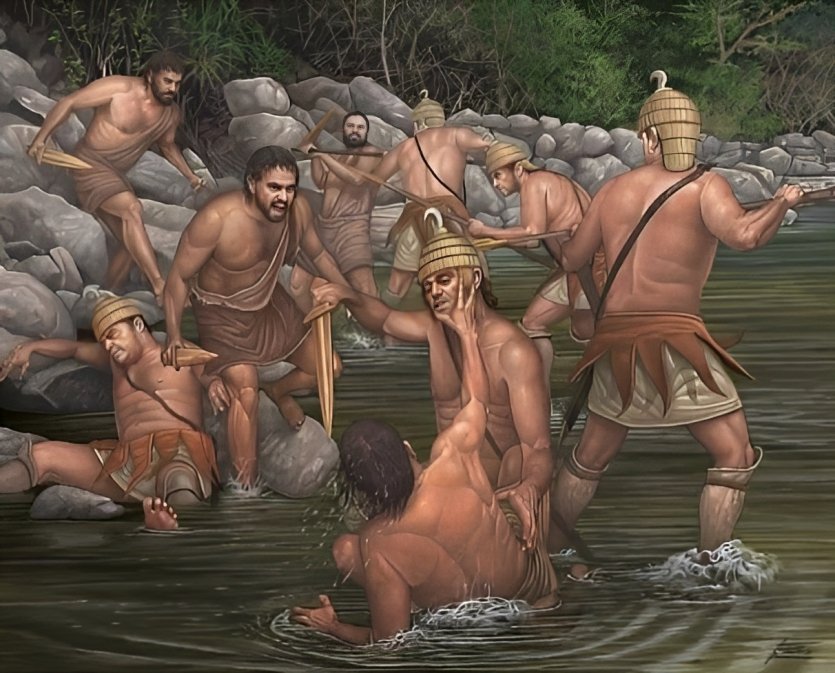
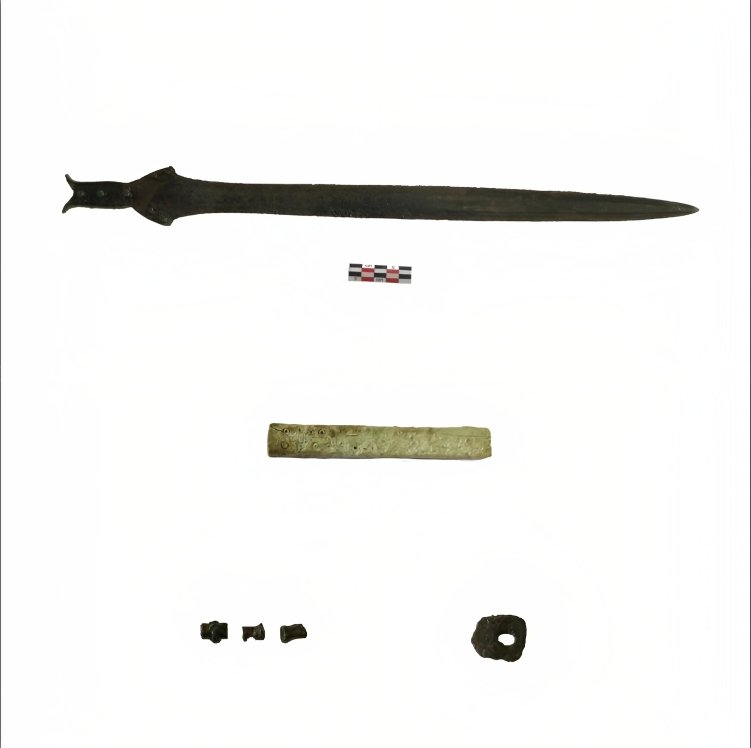
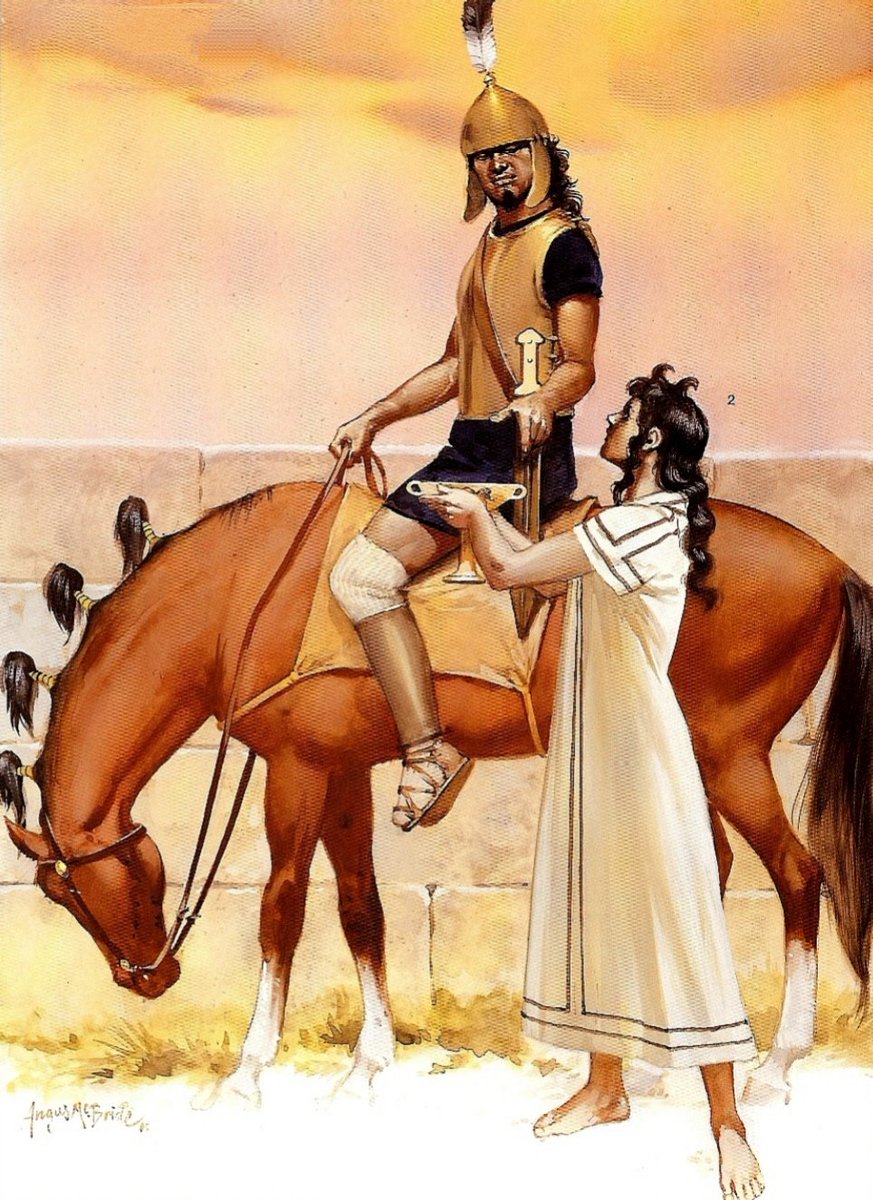
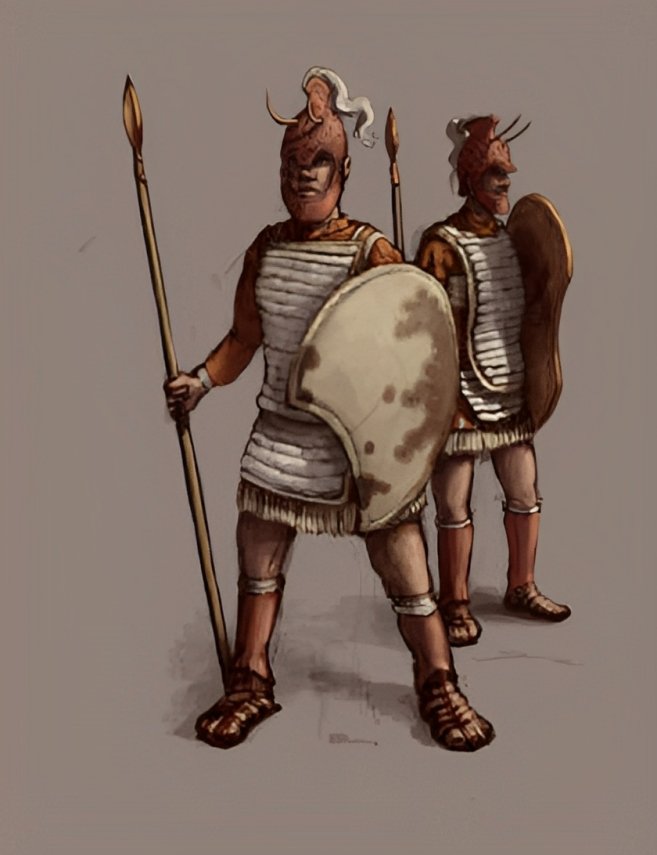
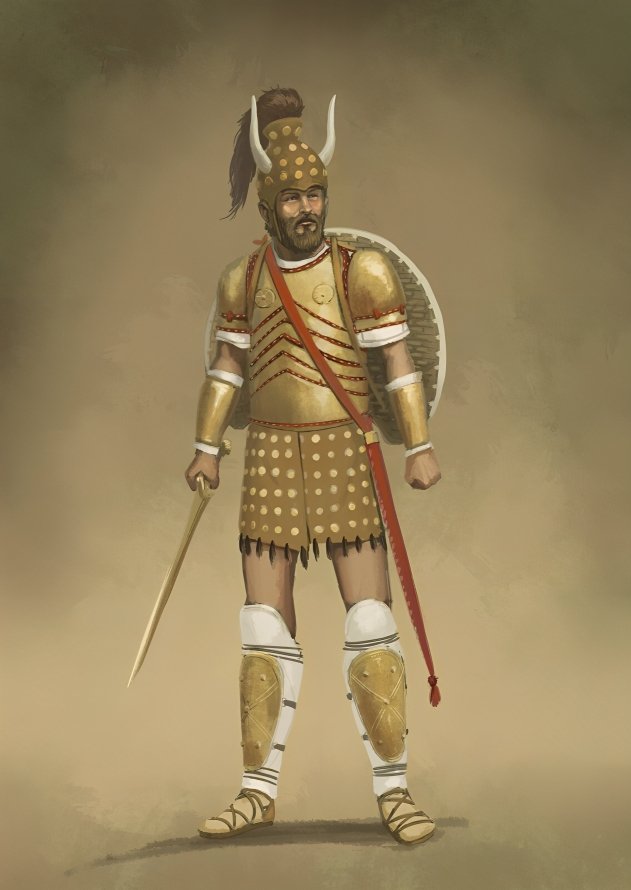
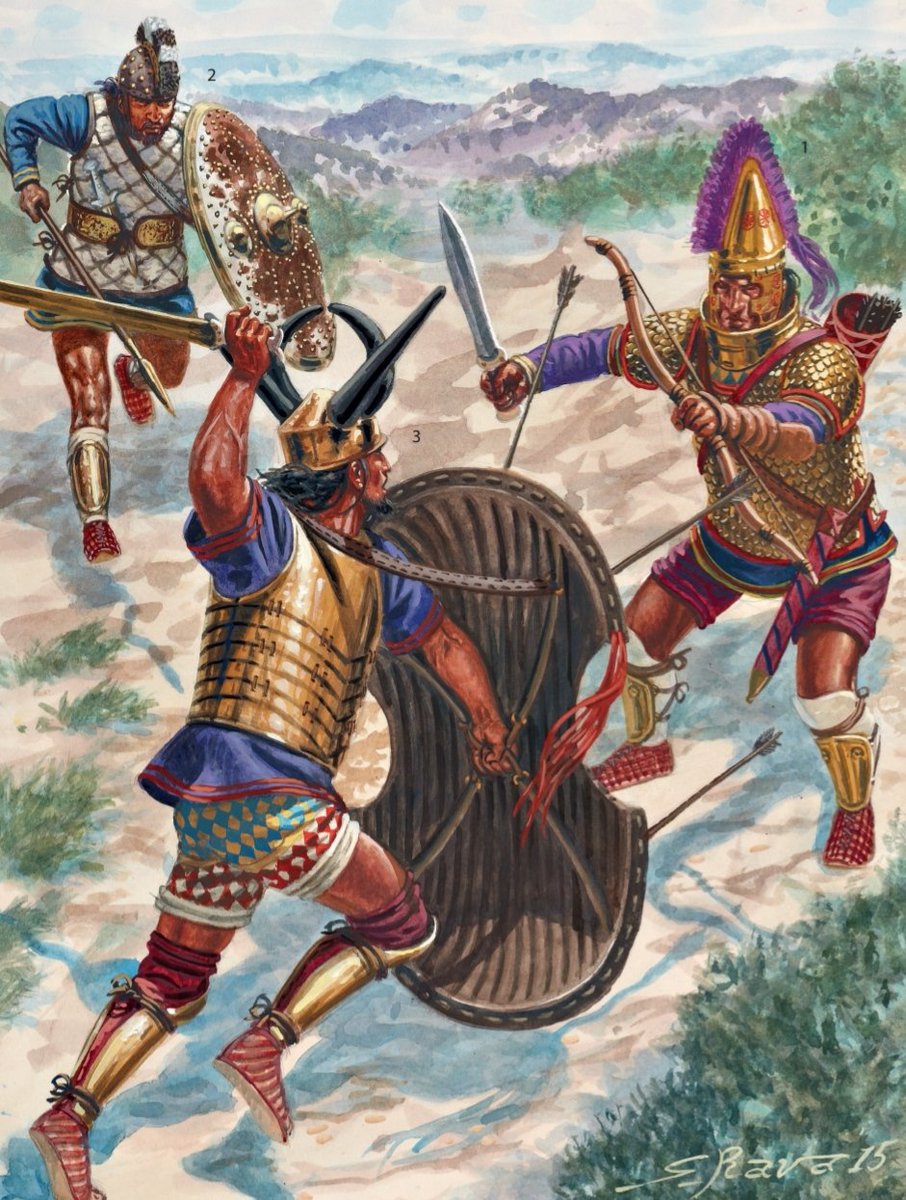
10/ The weaponry carried by the buried warriors is of great interest. Mycenaean-style boar's tusk helmet and bronze greaves coexist with the new unrivaled weapon of the elite Post-palatial warrior: the Naue II sword. 👉

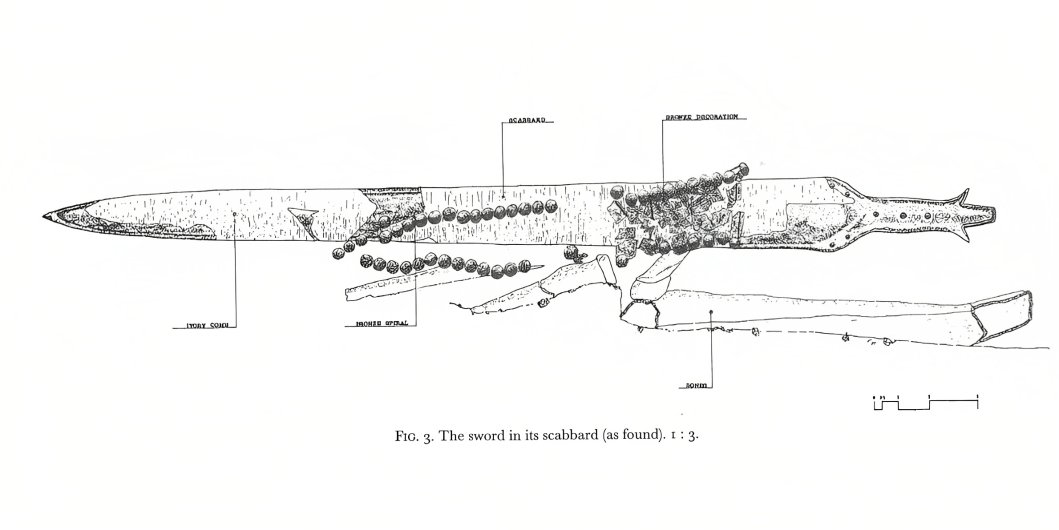
👉 This particular sword reflecting the strong metallurgical tradition of central Europe replaced all Aegean types of swords during the LH IIIC, measured between 60 and 80 cm in length and approximately 4 cm in width across the blade.
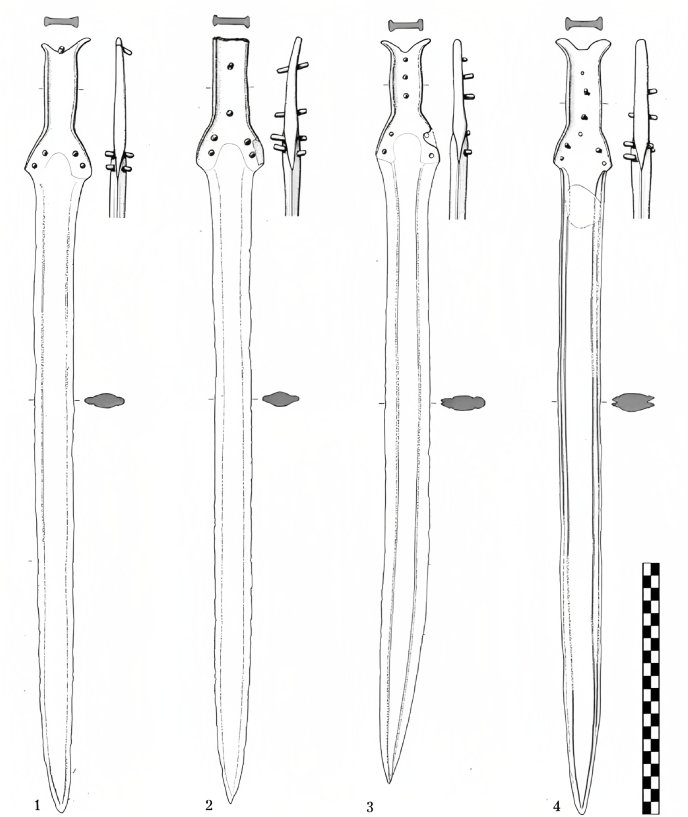
11/ The Naue II sword found in the Krini warrior burial along with the remains of its scabbard is a typical example of a well-made weapon that required special metalworking and indicated the high social status of its owner as a member of the new military elite. 👉
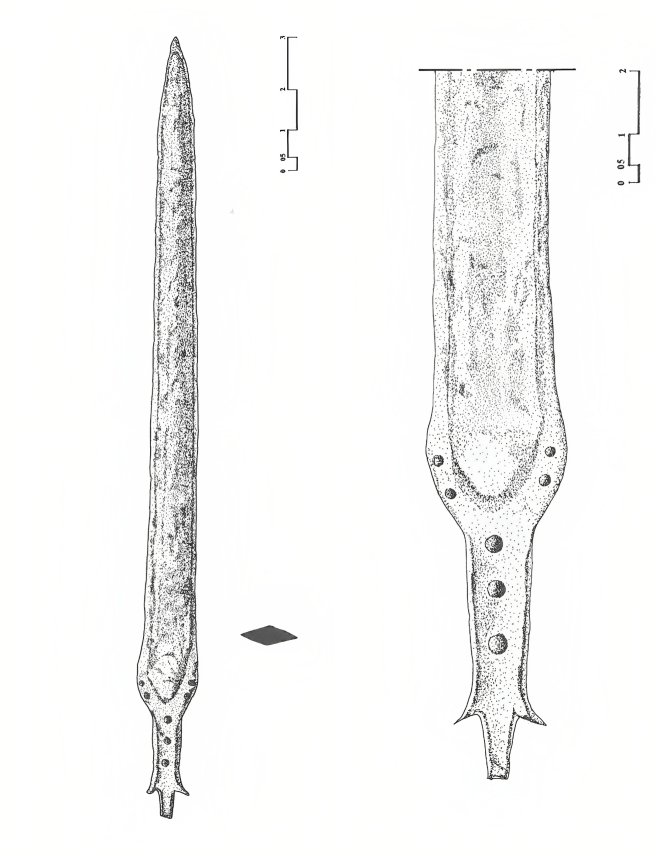
👉 It appears that the lower social classes used spears in battle, while the members of the elite carried highly elaborate - recognizable swords.
12/Another element is that while during the early Post-palatial period the warrior burials are evident,during the following phases their number increases with geometric progression, supporting the view that the exploits of the each warriors highlighted over time their military 👉
👉status within their communities. After the collapse of the Mycenaean system the warlords of Achaea took it upon themselves to protect their communities from the continuing threat of conflict that plagued the Aegean world,skyrocketing their prestige within the new social status.
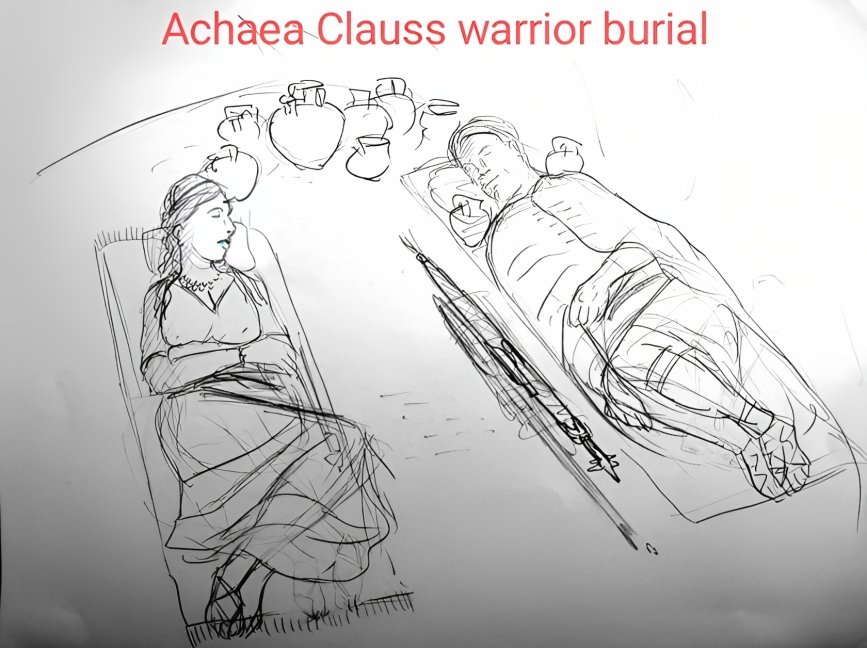
13/ The chamber tomb 3 of Krini is an excellent typical example of a Post-palatial warrior burial in Achaea. Within a chamber approximately 3 meters in diameter were two distinct layers of Early and Middle LH IIIC burials. In the uppermost layer four individuals were buried 👉
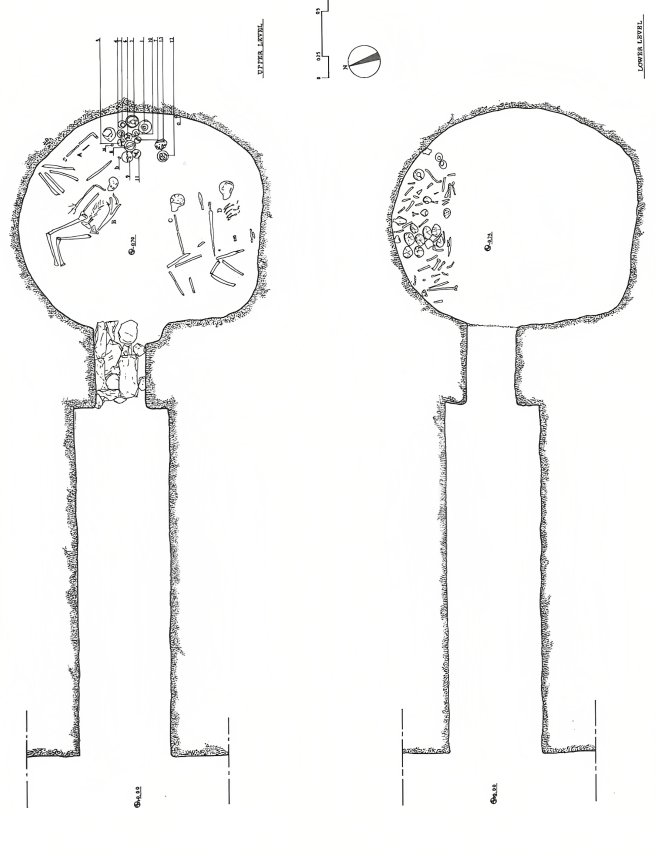
👉 parallel to each other, with the Burial D being the most interesting case, as a venerable elite warrior was buried in contracted position together with his weaponry and various valuable ornaments, while next to him his wife was placed that she had buried about the same time.
14/ The local warlords of Achaea, in combination with burial and iconographic data from other parts of the Aegean, were a phenomenon of the turbulent Post-palatial times, where valiance and martial virtue were decisive elements of survival, but above all of social advancement.
Loading suggestions...