

BREAKING: There is a confirmed outbreak of diphtheria in Abuja, Nigeria. It has already claimed the life of a 4-year-old boy out of the 8 reported cases. Here's what you need to know this serious disease and what to do. Read and share for others.
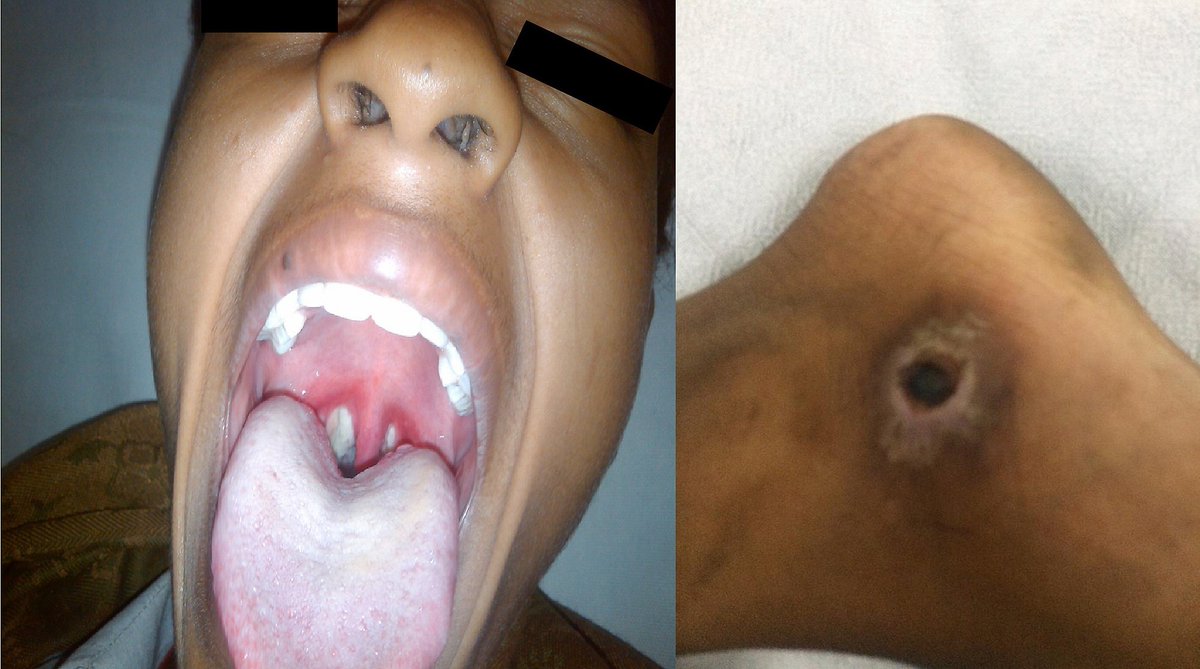
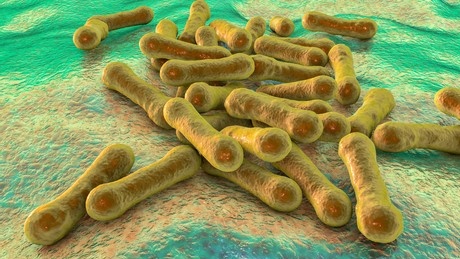
Diphtheria is a serious disease caused by a bacteria 🦠 known as Corynebacterium diphtheria.
It mostly affects the nose, tonsils, voice box and throat, making it difficult to breathe or swallow.
It mostly affects the nose, tonsils, voice box and throat, making it difficult to breathe or swallow.
Diptheria is transmitted through:
1. Respiratory droplets e.g. Coughing or sneezing
2. Objects infected with the bacteria e.g. toys
3. Contact with open wounds or infected clothes or beddings
1. Respiratory droplets e.g. Coughing or sneezing
2. Objects infected with the bacteria e.g. toys
3. Contact with open wounds or infected clothes or beddings

What are the symptoms of diptheria?
1. High fever
2. Sore throat and noisy breathing
3. Swollen glands in the neck
4. Body weakness
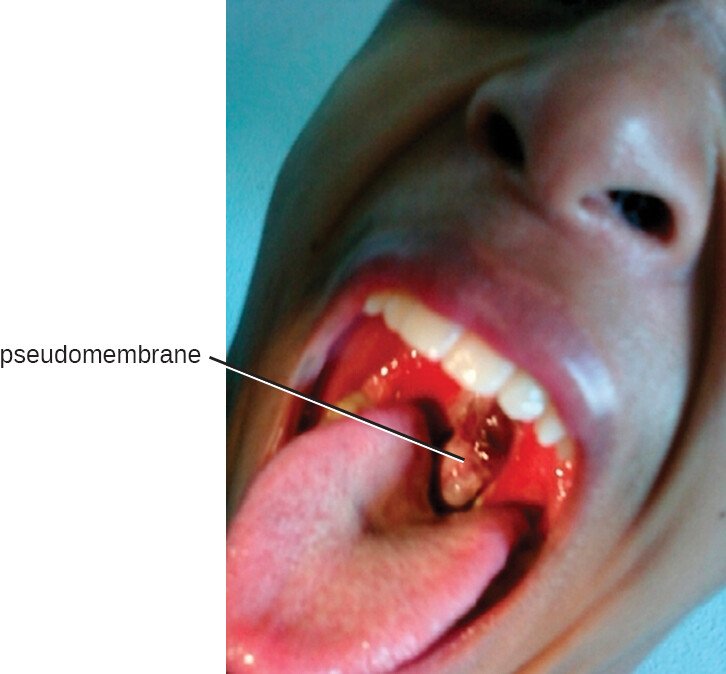
5. Thick grey membrane covering the back of the throat (which appears withing 2-3 days of illness) known as pseudomembrane
1. High fever
2. Sore throat and noisy breathing
3. Swollen glands in the neck
4. Body weakness
5. Thick grey membrane covering the back of the throat (which appears withing 2-3 days of illness) known as pseudomembrane
If diptheria is not treated quickly what can happen?
1. Difficulty in breathing
2. Heart failure
3. Paralysis
4. Death (if not quikly treated)
Although diptheria can be treated with diptheria antitoxin and strong antibiotics, prevention is far better than cure.
1. Difficulty in breathing
2. Heart failure
3. Paralysis
4. Death (if not quikly treated)
Although diptheria can be treated with diptheria antitoxin and strong antibiotics, prevention is far better than cure.
How can you prevent diptheria?
Through VACCINATION!
- Infants and toddlers: should take thier DTaP (Diptheria, Tetanus, Pertussis) vaccines at:
2 months
3 months
5 months, and
18 months of age
Through VACCINATION!
- Infants and toddlers: should take thier DTaP (Diptheria, Tetanus, Pertussis) vaccines at:
2 months
3 months
5 months, and
18 months of age
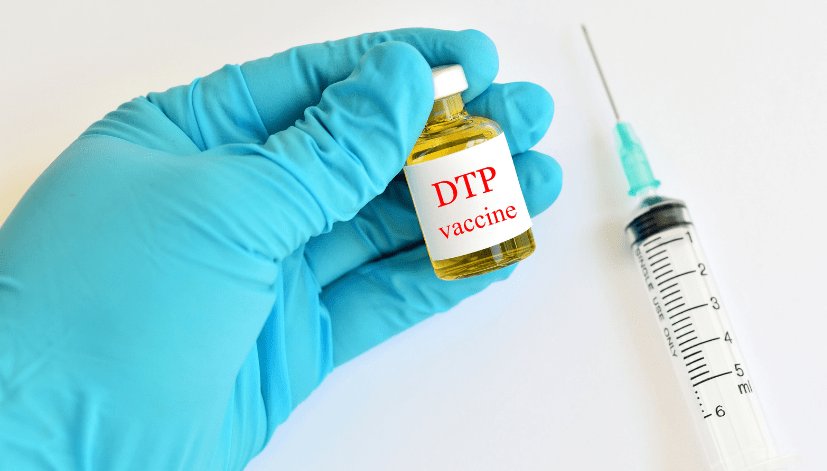
- Adults should have routine Diptheria booster doses every 10 years.
- Non-immumized or incompletely immunised people should have up-to-date vaccinations as soon as possible.
- Non-immumized or incompletely immunised people should have up-to-date vaccinations as soon as possible.
People at the highest risk of getting Diptheria are children and adults who are not up-to-date with their vaccinations. Please ensure you and yours are fully vaccination.
Also, report any suspected case of Diptheria to the nearest health centre. Stay safe out there!
You can also report suspected cases of diphtheria directly to the @NCDCgov or @Fmohnigeria.

Loading suggestions...