

The general Sittas was slain in 539 by Artabanes of the Arsacid family, an Armenian who had a remarkable career. In an odd twist of fate, Artabanes later took Sittas' old job in the Roman army. This 🧵 is about Artabanes. #Roman #Byzantine #Armenia 🇦🇲 #History

After killing Sittas and defeating the Romans at the Battle of Oinochalakon, Artabanes and the Armenian rebels withdrew to Persian Armenia. He defected to the Persians, and remained in Persian service for about five years. But in 545, he defected back to the Romans.

Now a Roman commander, Artabanes was sent all the way to North Africa. This is not surprising, as it was fairly common to send recently defected soldiers to fight on fronts with which they were unfamiliar, probably to discourage desertion or re-defection.

Not long after he arrived in Carthage, Artabanes was witness to a mutiny. A soldier named Gontharis rebelled, murdered the general Areobindus, and began to set himself up as tyrant. But Artabanes would have none of it, and personally assassinated Gontharis.
In recognition of this brave act, and in gratitude for restoring imperial rule to Carthage, Justinian promoted Artabanes to General of Africa in 546. This was quite an act of trust, given that Artabanes had joined the Romans not long before.
Artabanes was not satisfied with being a general in Africa, but cheekily requested a recall to Constantinople and an even better position. And he got it! Justinian brought Artabanes back to Constantinople and promoted him to General of the Army in the Emperor's Presence.
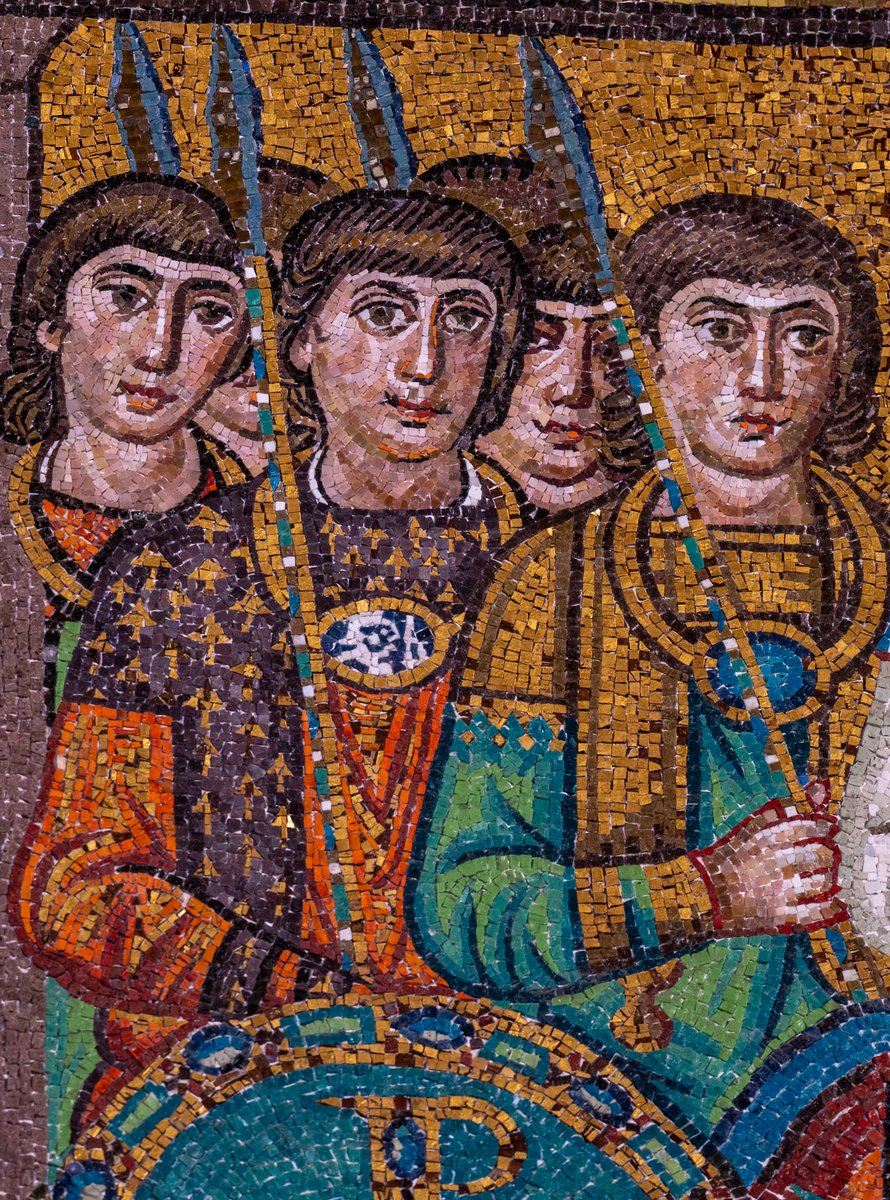
And so Artabanes, who had killed Sittas in battle less than ten years before, now occupied the same position in the Roman army that Sittas had held at the time of his death. What a fascinating twist of fate!
It's also worth pointing out that Artabanes had managed to spin the assassination of a rebel in Carthage into two promotions that catapulted him to the very top of the Roman military leadership. He hadn't even won a significant battle for the Romans!
Artabanes, however, eventually set his sights too high. He tried to join the imperial family by marrying Justinian's niece, only to find himself blocked by Theodora when it was discovered that, actually, Artabanes was already married (oops).

Frustrated at this reversal, Artabanes joined a conspiracy to murder Justinian. The plot was discovered in 549, and Artabanes was stripped of his position and imprisoned in the palace.
Even this did not end the career of the wily Artabanes, who managed to get a pardon in 550. He then finagled his way into a new command as General of Thrace, and was sent to the war against the Ostrogoths in Italy, where he would serve under Narses the Eunuch (also an Armenian).
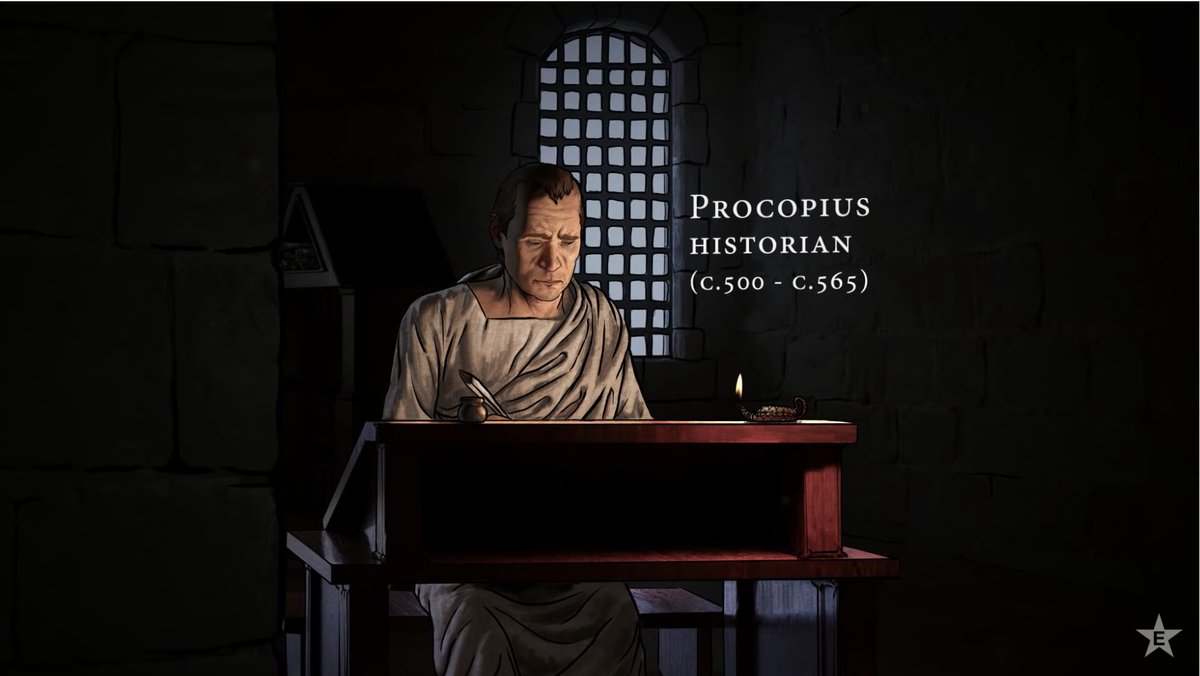
Procopius describes Artabanes like this: "He was tall and handsome, liberal in his character, and spoke little." The last comment is interesting - I would have thought Artabanes would have to speak a lot to convince Justinian to give him so many impressive commands.
The career of Artabanes neatly shows that members of the Armenian noble families could comfortably go from opposition to Roman administration, to joining the Roman military and quickly ascending the ranks to have remarkable careers in Roman service.
Loading suggestions...