

How to score from a Corner Kick?
I put hours and hours into this research to try and find out the answer.
In this mighty thread I explain what factors lead to a better than average corner kick performance and therefore more goals. (MEGA THREAD)
I put hours and hours into this research to try and find out the answer.
In this mighty thread I explain what factors lead to a better than average corner kick performance and therefore more goals. (MEGA THREAD)
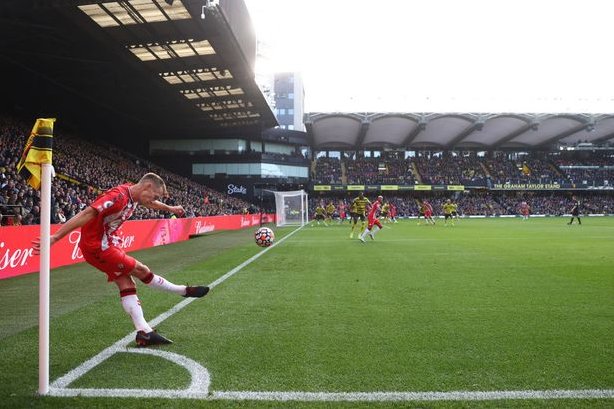
The study - 'Analysis of attacking corners in Division 1 of English football' analysed over 1200 corner kicks from the top 5 corner kick teams in EFL Division 1 to shed some light on the factors leading to shots on target and goals.
Lets look at all the outcomes first.
More than half of the attempted corners get cleared or are caught by the goalkeeper which is to be expected. What came as a surprise to me was that about 1 in every 3 corner resulted in a shot (32.75%).
More than half of the attempted corners get cleared or are caught by the goalkeeper which is to be expected. What came as a surprise to me was that about 1 in every 3 corner resulted in a shot (32.75%).
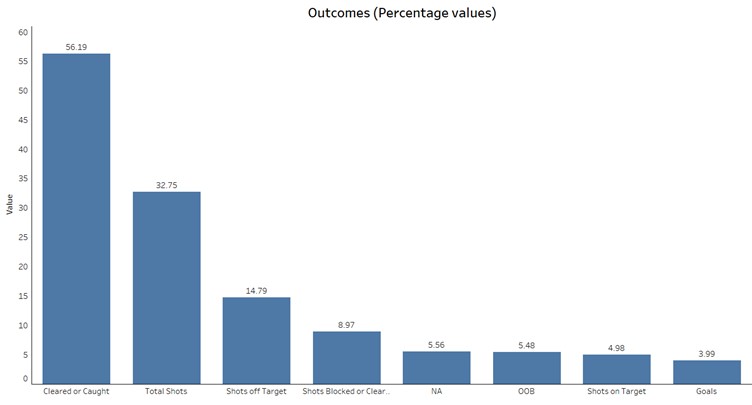
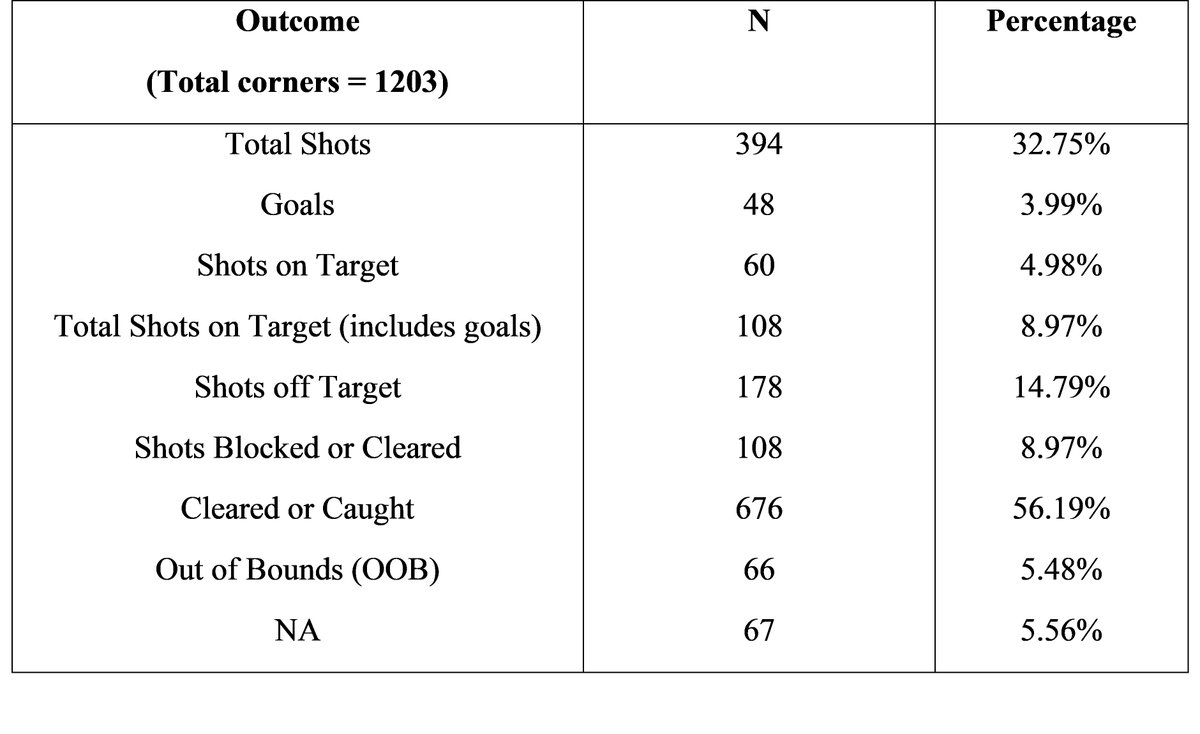
8.97% or nearly 1 in every 11 attempts lead to a shot on target and 3.99% or every 1 in 25 attempts lead to a goal. How? What? Why?
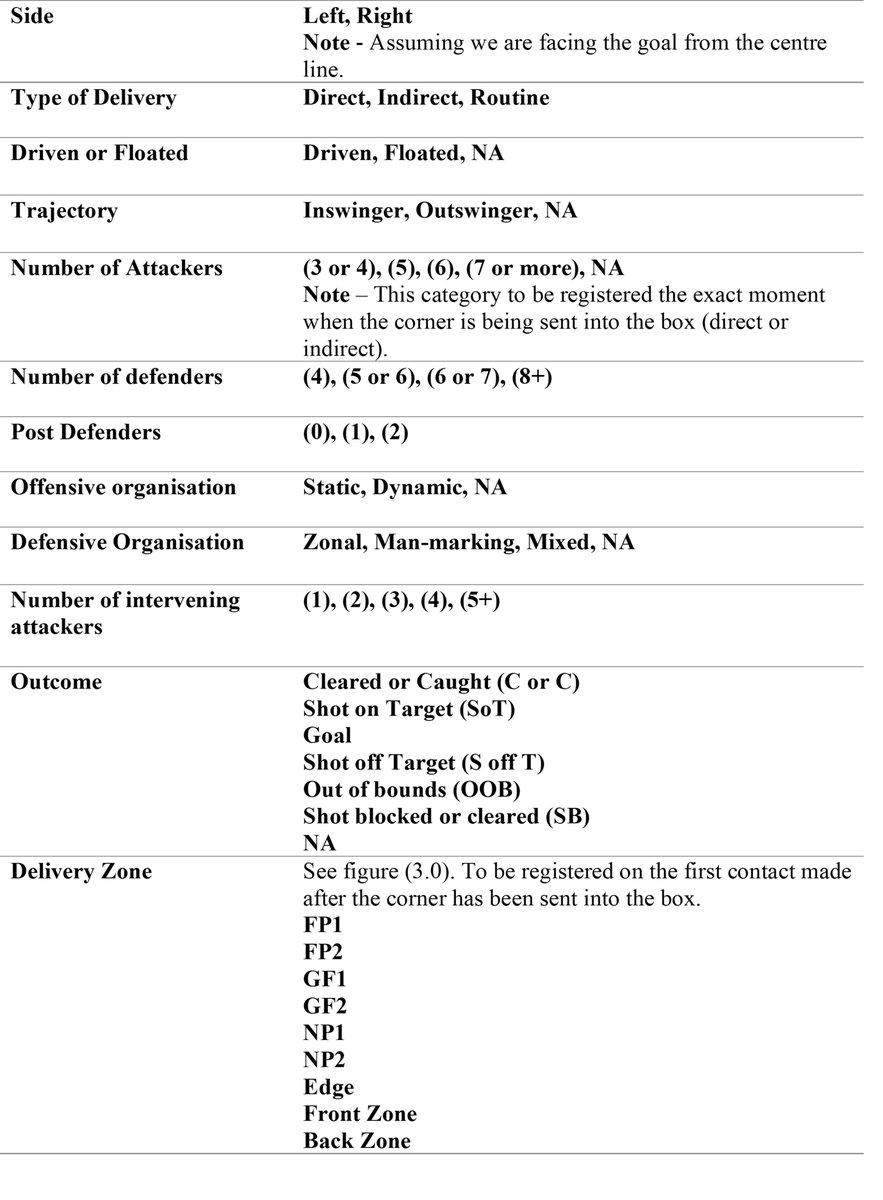
The following categories were analysed and compared to give us a clear idea.
The following categories were analysed and compared to give us a clear idea.
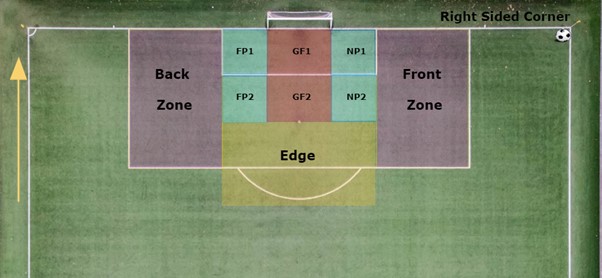
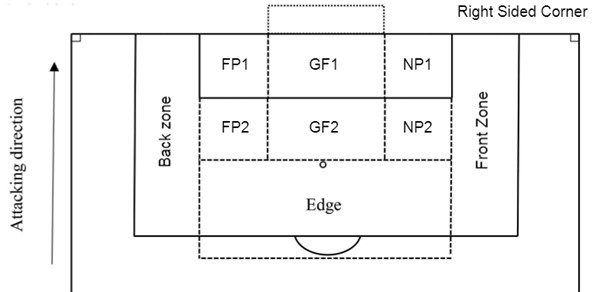
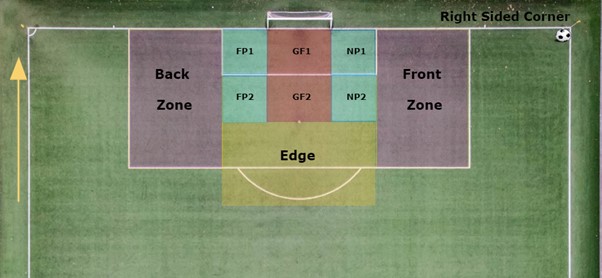
The Delivery Zones, one of the most important categories, was drawn onto the pitch in the following manner.
After manually tagging 1200+ corners it was found out that the following corner characteristics were the most common -
-Driven corners
-Inswingers
-6 players attacking the box
-Dynamic organization
-Delivery in zone GF2.
-Driven corners
-Inswingers
-6 players attacking the box
-Dynamic organization
-Delivery in zone GF2.
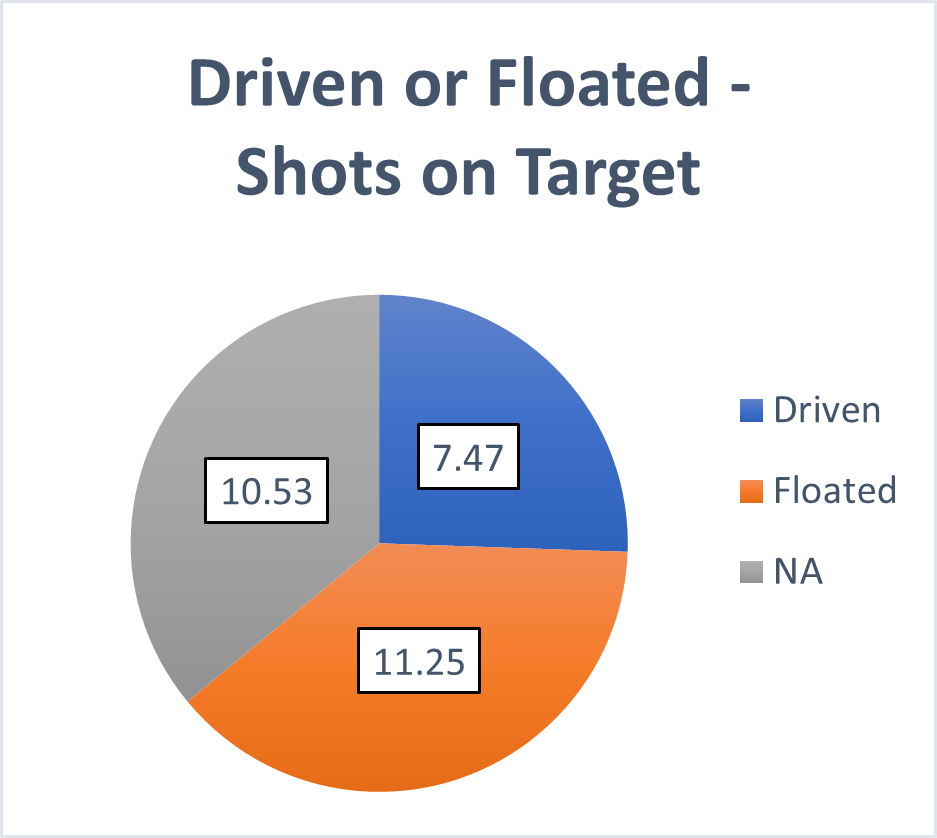
Yes but what kind of corner is the most effective. This is where it gets interesting as some peculiar results were seen in the data. Lets take for example Inswingers vs Outswingers. It was found that an Outswinger generally leads to more shots on target ...

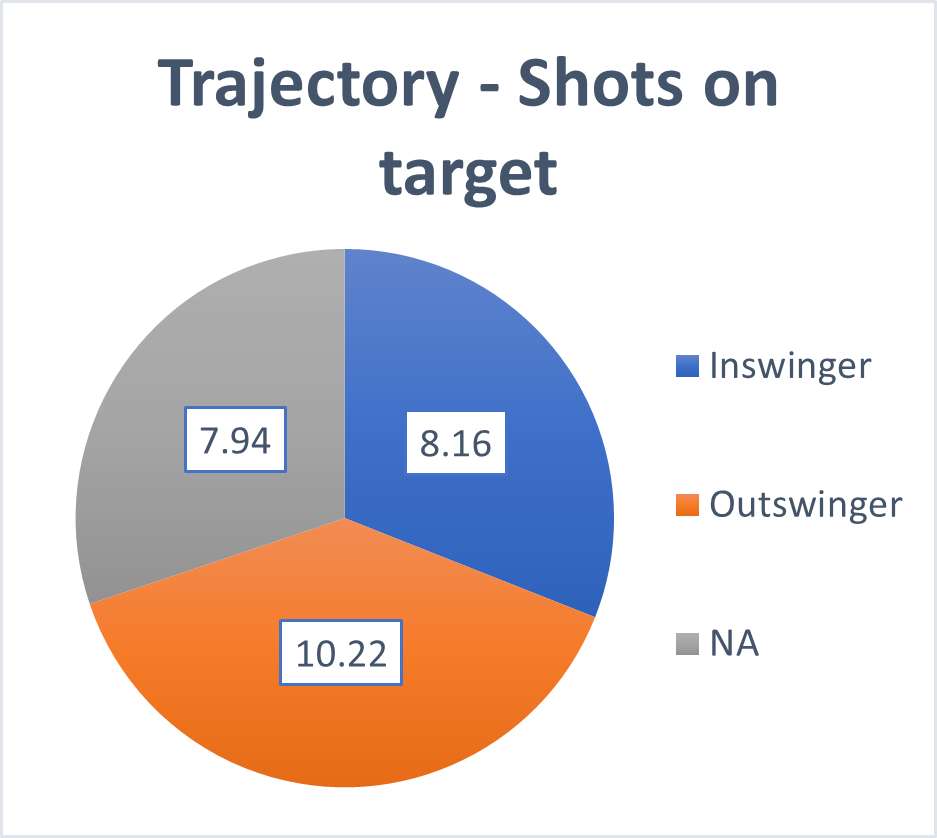
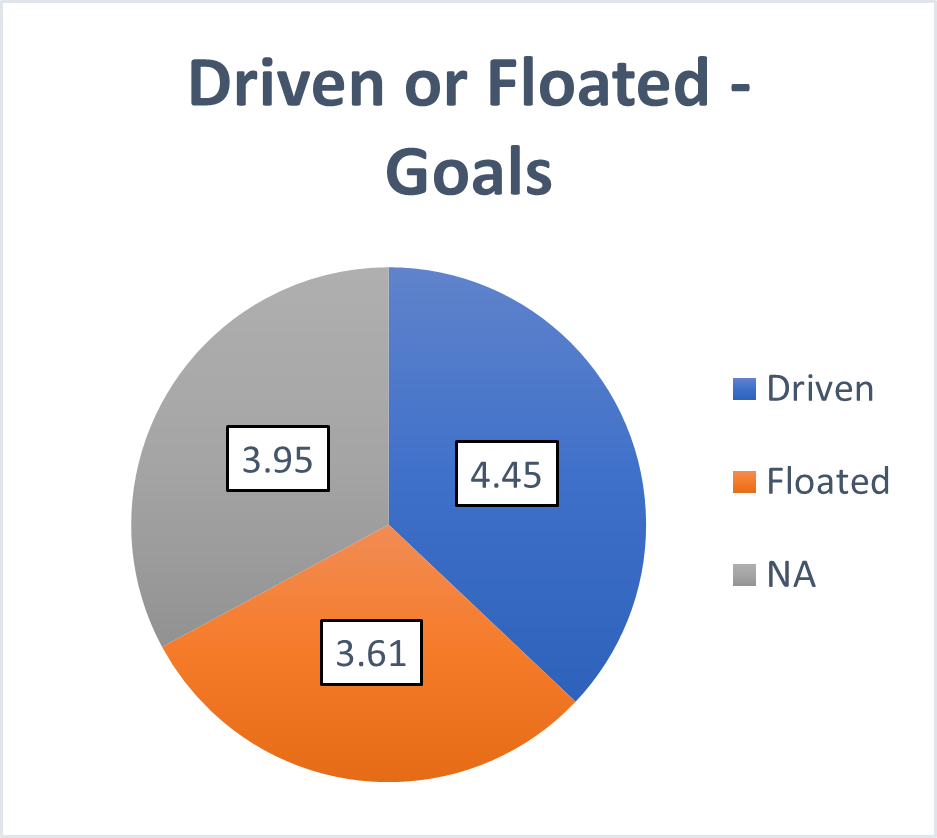
But Inswingers lead to more goals. A similar situation was also observed with Driven and Floated corners.
When there is just 1 intervening attacker in the whole phase of play, the chance of scoring a goal is quite high - 7.61%. And this rate doubles if there's intervening attackers and QUADRUPLES if there are 3.
This goes to show why top teams design fancy
This goes to show why top teams design fancy
corner kick routines instead of just punting the ball in the box and hoping for the best. There's lots more statistics that I could delve into here but I'd rather you take a look at my complete dissertation for that -
@wasi.ws453/analysis-of-attacking-corner-kicks-in-division-1-of-english-football-2f13766a30ab" target="_blank" rel="noopener" onclick="event.stopPropagation()">medium.com
@wasi.ws453/analysis-of-attacking-corner-kicks-in-division-1-of-english-football-2f13766a30ab" target="_blank" rel="noopener" onclick="event.stopPropagation()">medium.com

The data shows us an attacking side stands the best chance when they have 6 players in the box, deliver a driven inswinging corner with a dynamic organization into the GF2 zone and have as many attackers intervene as possible. The more the merrier.
The Delivery Zone.
A whole research project can be made into this one category and we still might not be able to see the full picture with this one. SO SO many variations possible. That haven't even been explored by coaches yet.
A whole research project can be made into this one category and we still might not be able to see the full picture with this one. SO SO many variations possible. That haven't even been explored by coaches yet.
Believe it or not but the highest goal conversion rate came from the zone you would least expect. The Edge of the box. Yes. A relatively small sample size but yeah an interesting observation. I rarely see teams experimenting with routines that lead to shots
from the edge of the box via corner kicks. An area of the sport that can be further delved into. The Front Zone also was not very far behind in terms of goal conversion. But given the sample size and my individual interpretation into this study, I believe
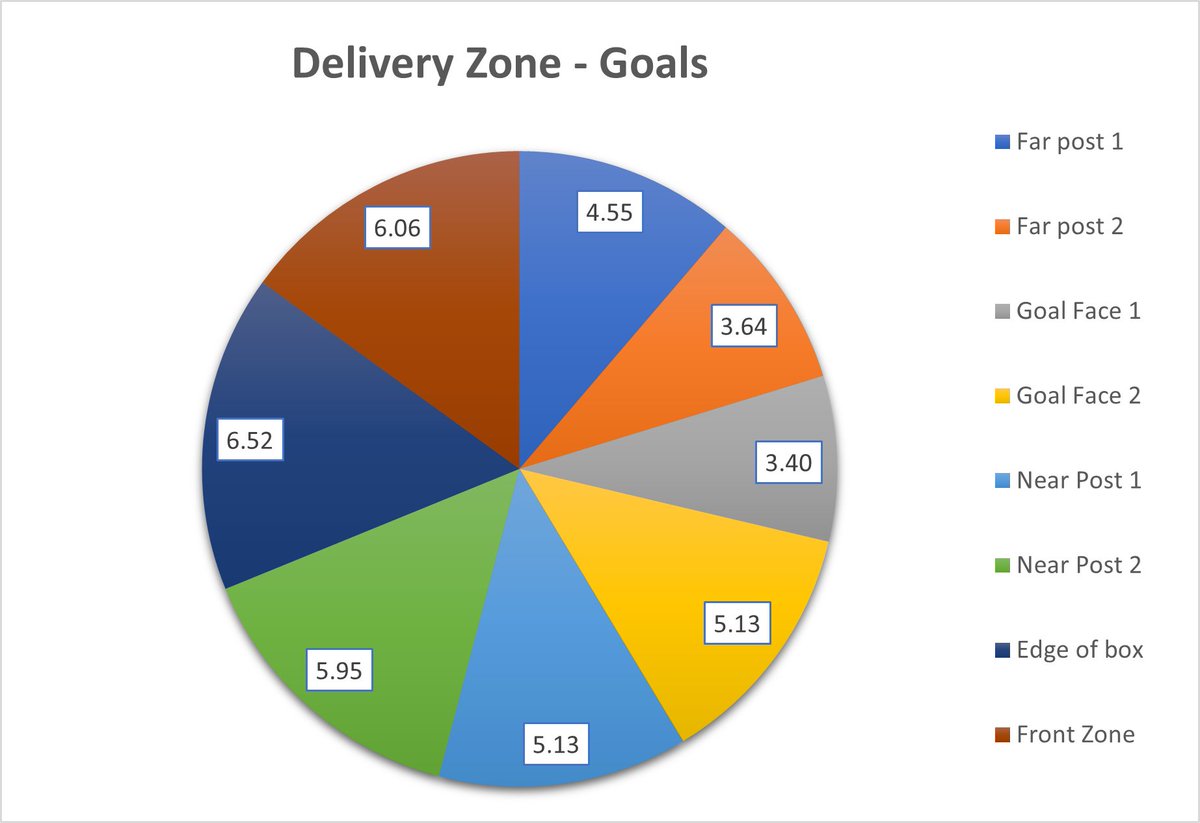
the GF2 zone at the present moment is producing the most efficient results. GF1 though had the most disappointing goal return. A zone I thought would be the best when starting out this project. This is the zone closest to the goal btw. Inside the six-yard box.
I believe coaches in professional and amateur setting can learn and implement some of the ideas from this project. So please share this for as much as possible.
If you've made it this far, I thank you sincerely.
Hope you enjoyed it.
If you've made it this far, I thank you sincerely.
Hope you enjoyed it.
For the full thingy you can click on the link below-
@wasi.ws453/analysis-of-attacking-corner-kicks-in-division-1-of-english-football-2f13766a30ab" target="_blank" rel="noopener" onclick="event.stopPropagation()">medium.com
@wasi.ws453/analysis-of-attacking-corner-kicks-in-division-1-of-english-football-2f13766a30ab" target="_blank" rel="noopener" onclick="event.stopPropagation()">medium.com
Loading suggestions...