

In 1984, India was shattered by the worst & deadliest Industrial disaster in the world
The Bhopal Gas Tragedy.
30 yrs later, you can still hear the cry and agony of 5lac+ people who were exposed to gas that night
But who’s to blame here?
Company, workers or government…A🧵:
The Bhopal Gas Tragedy.
30 yrs later, you can still hear the cry and agony of 5lac+ people who were exposed to gas that night
But who’s to blame here?
Company, workers or government…A🧵:
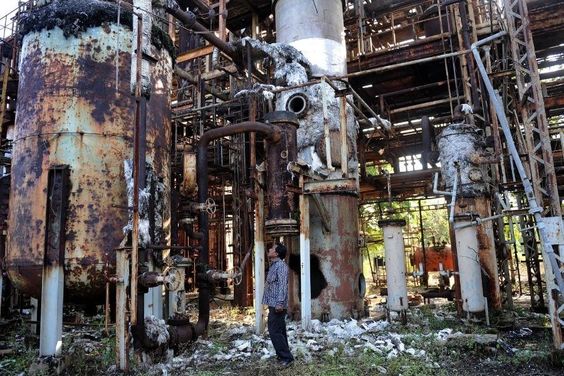
In the heart of India, a catastrophe unfolded on the chilling night of December 2nd 1984.
The people of Bhopal woke up to their nightmare…
It wasn't an act of god or an act of war.
This is the story of the worst deadliest industrial accident…
Let’s discuss in detail:
The people of Bhopal woke up to their nightmare…
It wasn't an act of god or an act of war.
This is the story of the worst deadliest industrial accident…
Let’s discuss in detail:
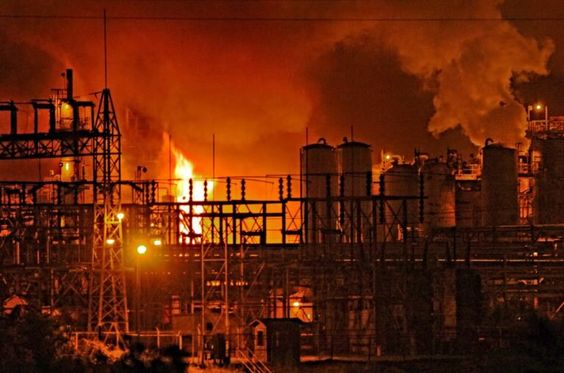
Bhopal, with its lakes and historical sites, was a city of contrasts.
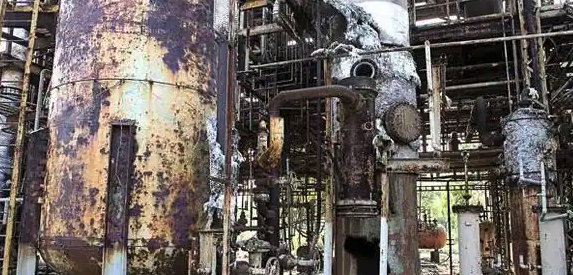
Amidst its beauty lay the Union Carbide India Limited (UCIL) pesticide plant.
The plant produced pesticides to help India's agricultural boom but was located dangerously close to densely populated areas.
Amidst its beauty lay the Union Carbide India Limited (UCIL) pesticide plant.
The plant produced pesticides to help India's agricultural boom but was located dangerously close to densely populated areas.
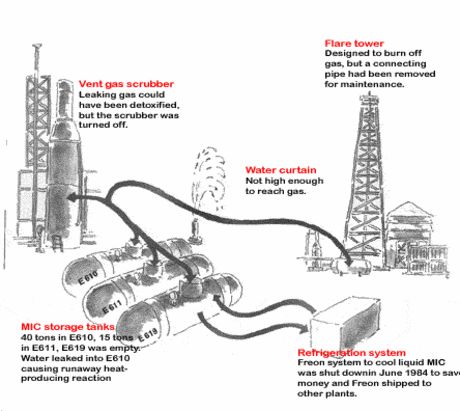
As the city slept, a small gas leak began in the plant's Tank 610, which contained 42 tons of methyl isocyanate (MIC), a highly toxic substance. A reaction, triggered by water entering the tank, led to an increase in temperature and pressure.
As the safety systems failed and alarms remained eerily silent, MIC began to leak into the atmosphere. Within hours, a dense cloud of toxic gas enveloped the surrounding areas. People were jolted awake, not by the sound of alarms, but by burning sensation in their eyes & throats.
By dawn, the immediate horror became visible. Thousands lay dead on the streets, while countless others, writhing in pain, sought medical help. Hospitals, ill-equipped to handle such a disaster, were overwhelmed. There was chaos, confusion, and an overpowering sense of grief.
The immediate death toll was estimated to be around 3,000, but this was just the beginning. Over the next few days and weeks, the number of casualties rose dramatically. Many suffered from respiratory issues, blindness, and other severe health complications.
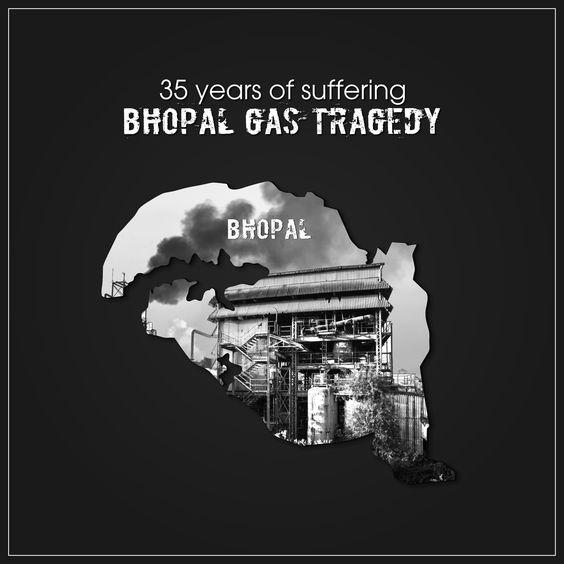
The gas leak didn't just claim lives; it altered them irrevocably. Pregnant women miscarried, children born after the tragedy had congenital disabilities, and the once-thriving communities around the plant became ghost towns.

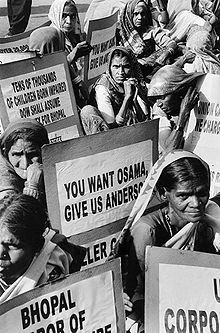
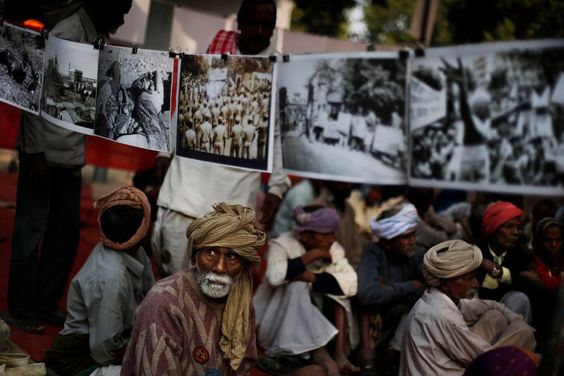
The grief was compounded by the struggle for justice and compensation. The affected people felt betrayed by their own, as they grappled with bureaucratic red tape and corporate denials.
Union Carbide Corporation (UCC), the US-based parent company of UCIL, faced global outrage.
In 1989, UCC and the Indian government reached a settlement of $470 million, a sum many believed was inadequate given the scale of the disaster.
In 1989, UCC and the Indian government reached a settlement of $470 million, a sum many believed was inadequate given the scale of the disaster.

Warren Anderson, the CEO of UCC at the time of the disaster, was arrested and released on bail by the Indian authorities. He left India, never to return, and lived the rest of his life in the US, despite multiple extradition requests.
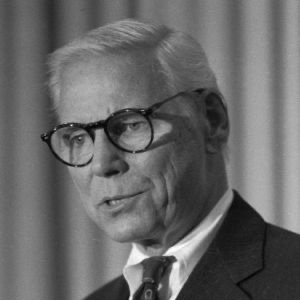
While UCC and UCIL bear a significant portion of the blame due to negligence and inadequate safety measures, the tragedy's magnitude was exacerbated by systemic failures at various levels of governance and oversight
Safety Standards: The safety standards at the Bhopal plant were reportedly inferior to those at a similar plant owned by UCC in West Virginia, USA. This has led to accusations that the company was more lax in its safety practices in developing countries.
Design Flaws: The plant had design flaws, including the absence of adequate safety measures to prevent the leak or to contain it once it started.
Maintenance Issues: The plant was not properly maintained. Critical systems like the MIC tank refrigeration system were not operational for an extended period before the disaster.
Emergency Training: The workers at the plant were not adequately trained to handle emergencies of this magnitude.
Delayed Response: Once the leak started, the response from UCIL was criticized for being slow and inadequate.
Delayed Response: Once the leak started, the response from UCIL was criticized for being slow and inadequate.
Expressing the profound agony and grief over the Bhopal gas tragedy, especially as an Indian, is a deeply emotional endeavour. The pain of such a monumental disaster, where thousands perished and many more continue to suffer, is immeasurable.
The tragedy is not just a historical event; it's a wound that still festers in the heart of the nation.
The lives lost were not mere numbers; they were fathers, mothers, children, friends – they were the very fabric of our society.
The lives lost were not mere numbers; they were fathers, mothers, children, friends – they were the very fabric of our society.
Every life has a story, dreams, hopes, and aspirations. The chilling winter night of December 2nd, 1984, snuffed out those dreams, leaving behind a void that no amount of compensation can ever fill.
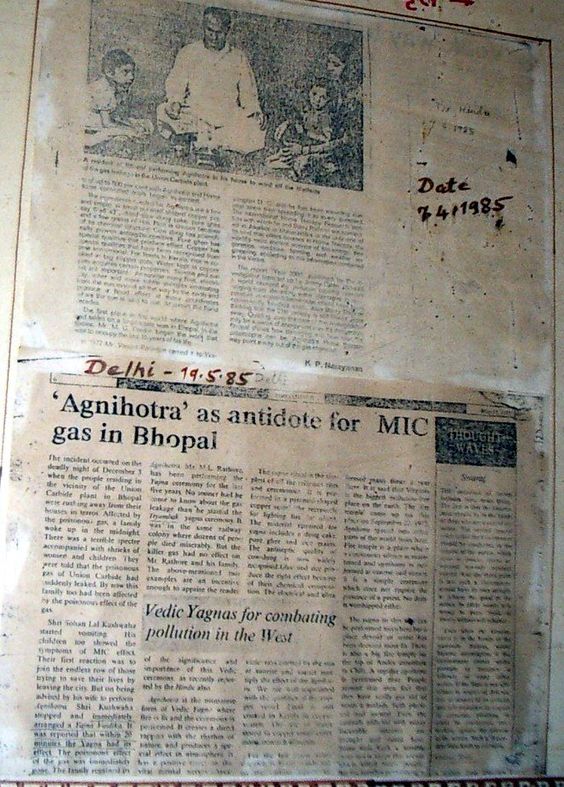
As an Indian, the question that lingers is, "Who will take responsibility for the lives lost?" While Union Carbide Corporation and its officials were directly involved, the tragedy's magnitude points to systemic failures at various levels.
Can a corporation's apathy towards safety standards be the only one to blame? What about the oversight by regulatory bodies? The lack of preparedness by local administration?
The subsequent legal battles and the quest for justice have only added to the anguish, with survivors and their families caught in a seemingly endless loop of bureaucracy and legalities.
In the end, the responsibility for the lives lost is collective. It's a burden that every Indian carries, a reminder of the price of negligence, and a call to ensure that such a tragedy never happens again. The souls of Bhopal deserve nothing less.

Follow @VivanVatsa for more doses of brutal breakdowns, history, research and philosophy.
Loading suggestions...