

In 2010, investors laughed at her business idea.
By 2015, she turned it into a $100M empire.
And 4 years later, she sold her haircare product business for $255M
The story of how Alli Webb made millions out of nothing but hot air 🧵
By 2015, she turned it into a $100M empire.
And 4 years later, she sold her haircare product business for $255M
The story of how Alli Webb made millions out of nothing but hot air 🧵

In March 2010, Alli started the first Drybar saloon with her brother.
Since then
• Scaled to 4K employees and 150+ salons
• Product line acquired by Helon of Troy ($255M)
• Salon franchise rights acquired by WellBizz (undisclosed)
Since then
• Scaled to 4K employees and 150+ salons
• Product line acquired by Helon of Troy ($255M)
• Salon franchise rights acquired by WellBizz (undisclosed)

Drybars are focused on blowouts — drying your hair after a wash to achieve a smooth style.
They've scaled fast by adopting the franchise model.
On average Drybar salons make $676K per year.
That's almost $100K more than what most salons make per year.
They've scaled fast by adopting the franchise model.
On average Drybar salons make $676K per year.
That's almost $100K more than what most salons make per year.

But how did she get the idea of Drybar?
Alli said - "There was this pretty massive hole in the marketplace, and there was nobody doing affordable blowouts in a cool space. It didn't exist back then."
But she didn't just open Drybar out of the blue.
Alli said - "There was this pretty massive hole in the marketplace, and there was nobody doing affordable blowouts in a cool space. It didn't exist back then."
But she didn't just open Drybar out of the blue.
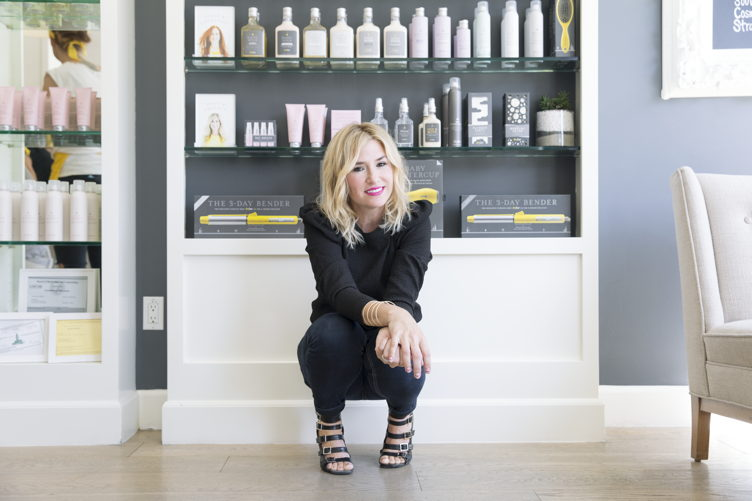
It started in 2008 when Alli was a stay-at-home mom taking care of her toddlers.
After spending 15 years as a professional stylist, she wanted to do something of her own.
So Alli began offering weekly in-house blowout services for her mommy friends.
After spending 15 years as a professional stylist, she wanted to do something of her own.
So Alli began offering weekly in-house blowout services for her mommy friends.
The whole blowout service would cost ~$45
It was a no-brainer offer so it grew quickly & she received tons of referrals.
It reached a point where she couldn't serve them all driving to each of their homes.
So she had to figure out how to scale.
It was a no-brainer offer so it grew quickly & she received tons of referrals.
It reached a point where she couldn't serve them all driving to each of their homes.
So she had to figure out how to scale.
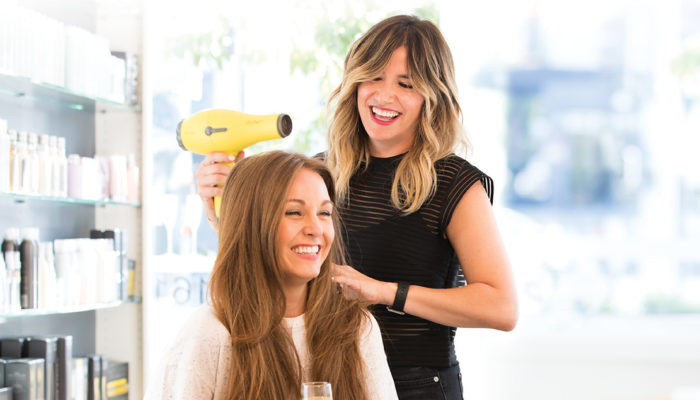
Having customers come into a salon instead of home visits was better for scaling.
But back then, blowouts were actually add-on services in traditional salons.
The concept didn't make sense to investors.
They laughed it off!
But back then, blowouts were actually add-on services in traditional salons.
The concept didn't make sense to investors.
They laughed it off!
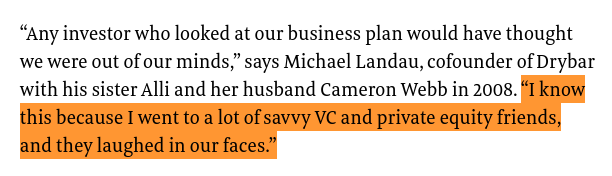
But she and her family were determined.
They launched the first salon with their own money.
But how did they scale to 150+ salons after that?
Here's the breakdown 👇
They launched the first salon with their own money.
But how did they scale to 150+ salons after that?
Here's the breakdown 👇
1. Great Customer Experience
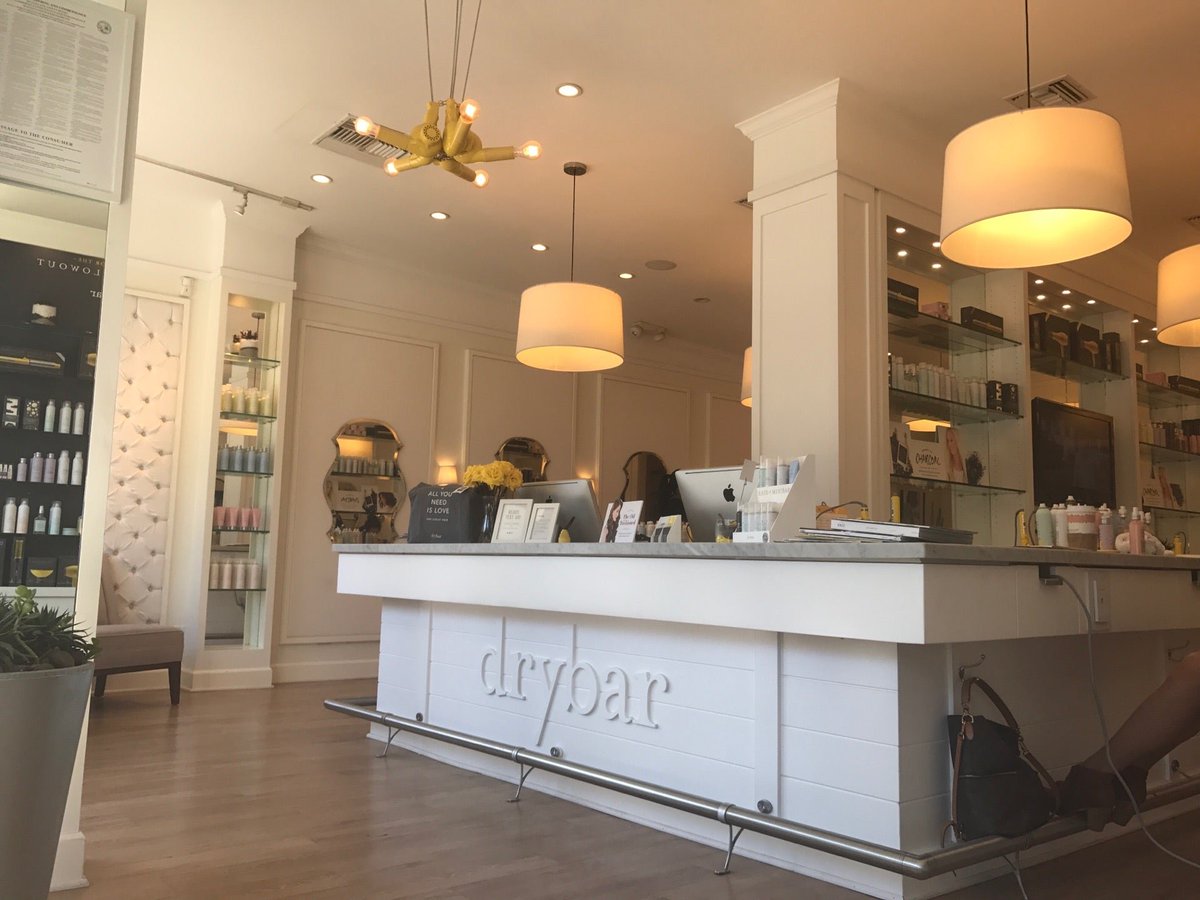
You enter a Drybar salon and are greeted by the elegant and lavish store design.
The comfy sofas and cushions make you feel pampered and cared for.
The white, yellow, and gray décor put you in a cheerful mood.
You enter a Drybar salon and are greeted by the elegant and lavish store design.
The comfy sofas and cushions make you feel pampered and cared for.
The white, yellow, and gray décor put you in a cheerful mood.
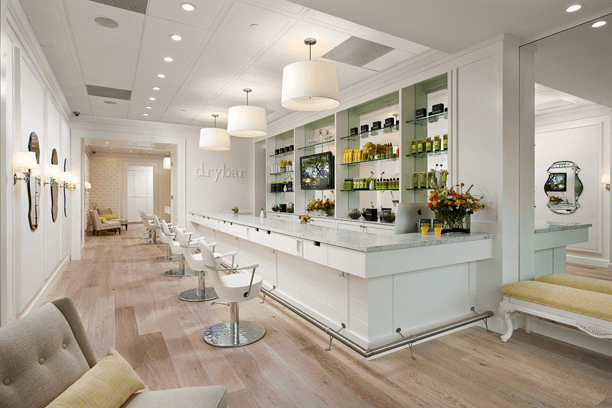
As soon as you sit on the sofa, you're handed a bar-themed "menu" of hairstyles to choose from
And the "menu" has a list of hair products named after different drinks.
The salon has fun, upbeat music to go along with TV screens.
Wait, are you in a bar or a salon?
And the "menu" has a list of hair products named after different drinks.
The salon has fun, upbeat music to go along with TV screens.
Wait, are you in a bar or a salon?
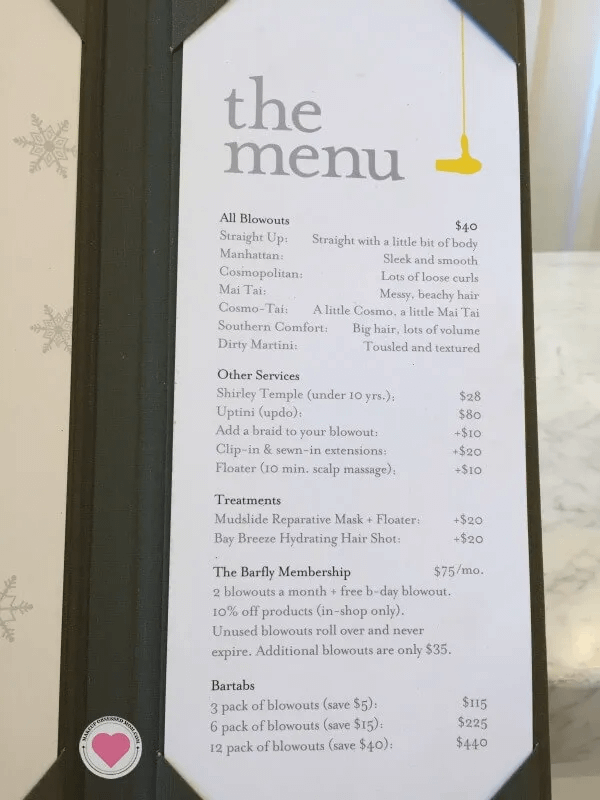
After seeing the name of the drinks, you want to have one.
You're greeted with a complimentary drink while you wait your turn.
This brings that local bar feeling in you - a place where you walk in and people already know you.
This customer experience journey is killer!
You're greeted with a complimentary drink while you wait your turn.
This brings that local bar feeling in you - a place where you walk in and people already know you.
This customer experience journey is killer!

2. The Dream Team
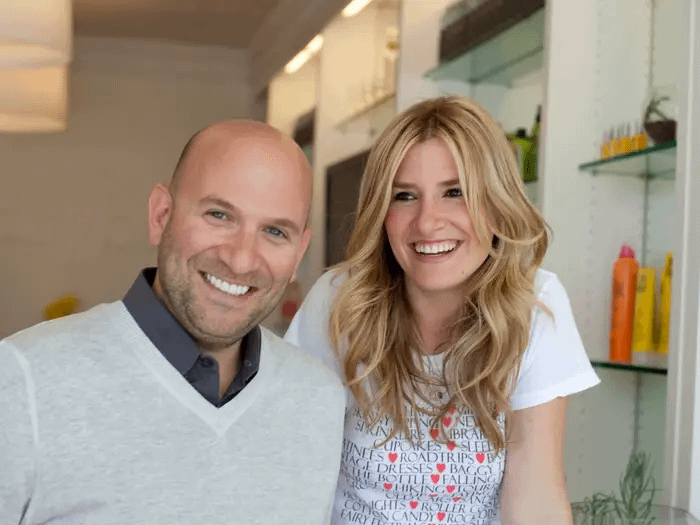
She built Drybar with her family members & boy were they the perfect team.
- Alli was a trained stylist.
- Her ex-husband Cameron was a creative director.
- Her brother Michael spent many years working for Yahoo and had entrepreneurial experience too.
She built Drybar with her family members & boy were they the perfect team.
- Alli was a trained stylist.
- Her ex-husband Cameron was a creative director.
- Her brother Michael spent many years working for Yahoo and had entrepreneurial experience too.
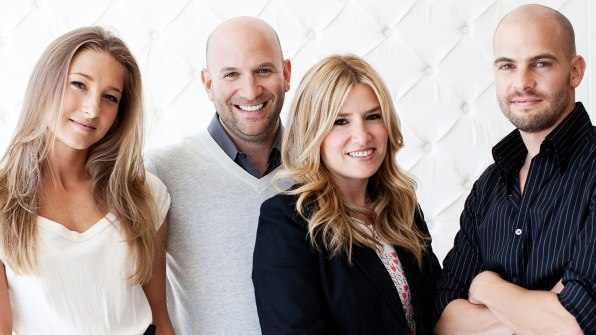
Michael worked on fundraising and negotiating deals for new locations.
Cameron crafted the in-salon customer experience that was about more than just getting your hair styled.
Alli had good instincts about what women want from a salon experience and her styling skills.
Cameron crafted the in-salon customer experience that was about more than just getting your hair styled.
Alli had good instincts about what women want from a salon experience and her styling skills.
3. Building A World-Class Brand
They invested $400K to build their first salon without knowing if it would work. The whole thing was risky.
But the team wanted the brand DryBar to be associated with luxury, comfort, and fun.
So the investment.
They invested $400K to build their first salon without knowing if it would work. The whole thing was risky.
But the team wanted the brand DryBar to be associated with luxury, comfort, and fun.
So the investment.
They bought expensive tufted paneled walls to give a luxurious feel.
Even the bathrooms were carefully designed to be cheery, with cute touches, such as the vintage photos on the walls.
But were these strategies enough?
Even the bathrooms were carefully designed to be cheery, with cute touches, such as the vintage photos on the walls.
But were these strategies enough?

They opened their salon, and things were a total chaos from Day 1 (in a good way)
Alli had to do everything
- Servicing customers
- Keeping a check on the cash register
- Greeting people and managing the stylists.
She struggled to do it all by herself.
Alli had to do everything
- Servicing customers
- Keeping a check on the cash register
- Greeting people and managing the stylists.
She struggled to do it all by herself.
Because the footfall was higher than expected, the team soon hired a manager.
After 6 months into operation, she wanted to expand to another store.
But her brother was skeptical and felt the first store was a bubble.
His fears came true (for a little while)
After 6 months into operation, she wanted to expand to another store.
But her brother was skeptical and felt the first store was a bubble.
His fears came true (for a little while)
There was a lower footfall in the second second store in Studio City.
Things were not working out and the cost of opening the store was huge.
But Alli had some marketing tricks up her sleeve.
Things were not working out and the cost of opening the store was huge.
But Alli had some marketing tricks up her sleeve.
She went to all the local high schools around the place and sold her services for cheap to get more eyeballs.
She called in every friend that lived around the place, called in every favor, and eventually, the store got footfall.
Talk about going all in!
She called in every friend that lived around the place, called in every favor, and eventually, the store got footfall.
Talk about going all in!
In Oct 2010, Drybar raised its first angel investment of $2.5M
The next couple of stores saw the same downturn because people thought it was a bar.
The team realized they needed to educate and make people aware of the product.
The next couple of stores saw the same downturn because people thought it was a bar.
The team realized they needed to educate and make people aware of the product.
So they started building buzz ahead of opening a new location.
They would
- Reach out to local influencers and community groups.
- Hosted free events and delivered sample products and services.
This generated excitement among the customers.
Word-of-mouth kicked in.
They would
- Reach out to local influencers and community groups.
- Hosted free events and delivered sample products and services.
This generated excitement among the customers.
Word-of-mouth kicked in.
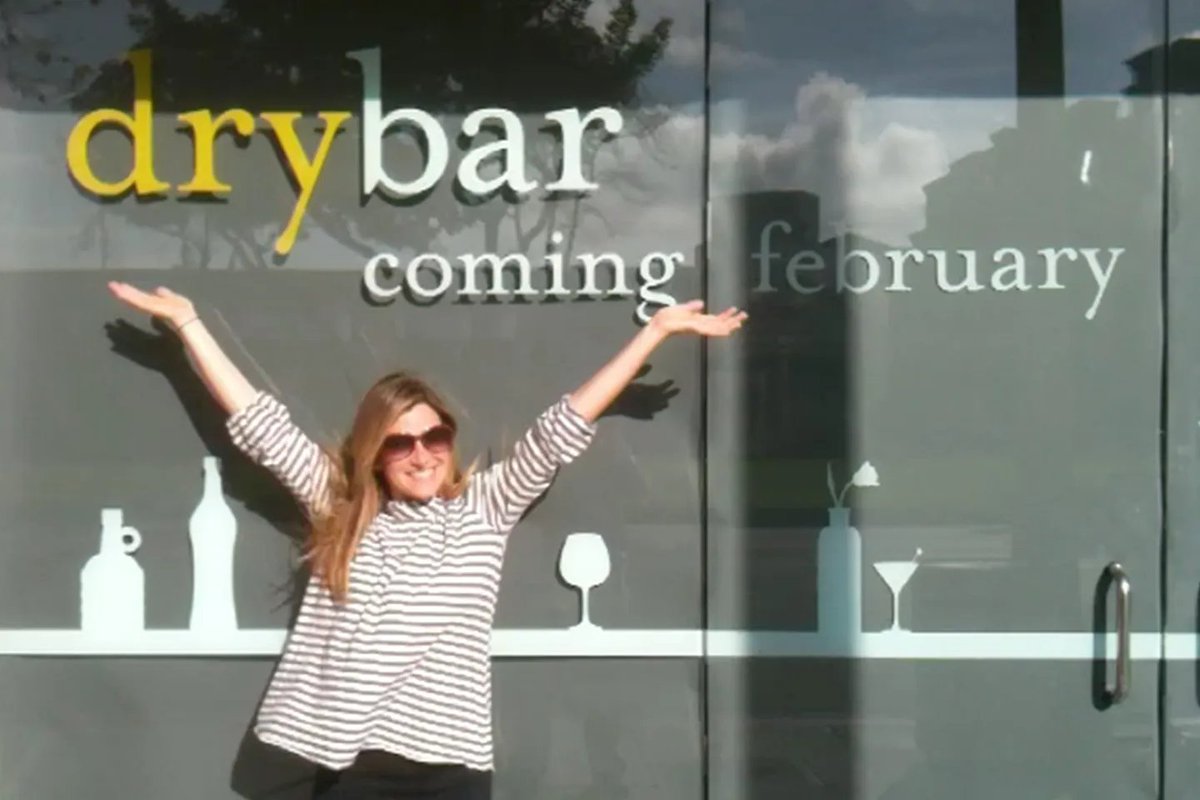
In the next 2 years, Drybar slowly became a known brand in the personal-care industry.
They began franchising in 2012 and raised another $6M from Castanea.
By the end of 2012, they had 26 salons in 6 states working with 1000+ stylists.
They began franchising in 2012 and raised another $6M from Castanea.
By the end of 2012, they had 26 salons in 6 states working with 1000+ stylists.
In March 2013, they launched the product line and raised another $10M.
They had 9 new hair products and 7 new styling tools to complement their in-store services.
Revenue jumped from $19M to $39M in one year.
They had 9 new hair products and 7 new styling tools to complement their in-store services.
Revenue jumped from $19M to $39M in one year.
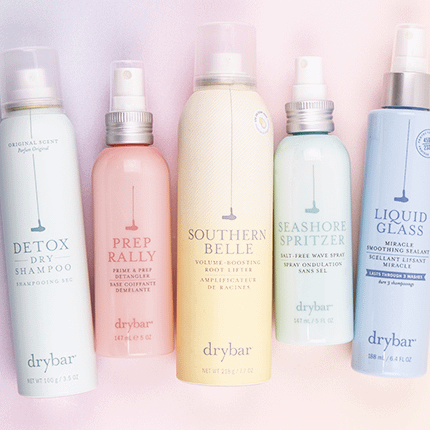
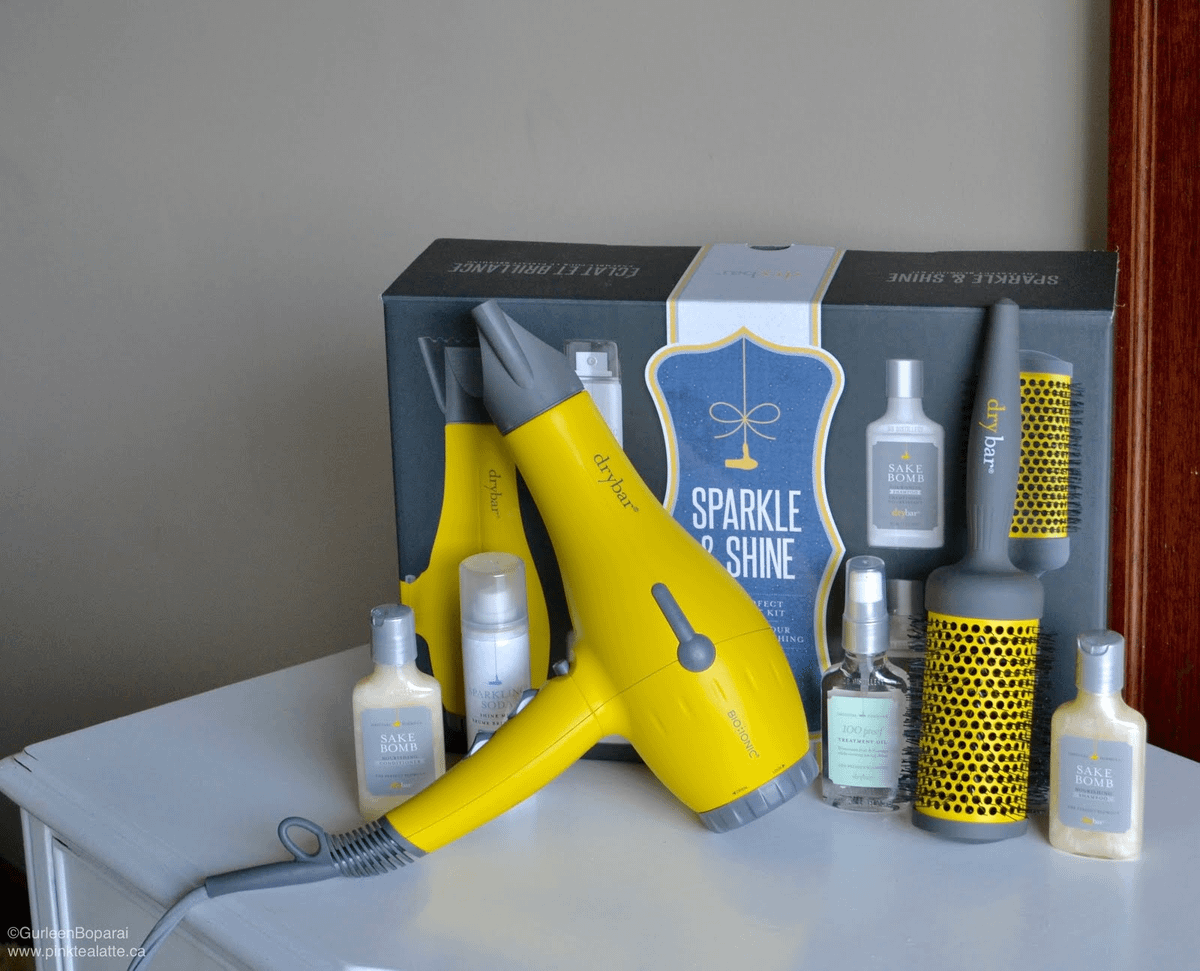
3 years later, Drybar hit $100M in revenue, and the product line accounted for ~25% of its revenue.
In 2019, their product line was acquired by Helen of Troy for $255M.
And WellBiz Brands acquired the franchise rights for Drybar stores in 2021.
In 2019, their product line was acquired by Helen of Troy for $255M.
And WellBiz Brands acquired the franchise rights for Drybar stores in 2021.
It's wonderful to me how Alli thought of opening a new business idea when the world was already heading into recession.
When people were shutting down, she was hustling to build for the future.
She decided to go ahead with the store and the rest is the story you just read.
When people were shutting down, she was hustling to build for the future.
She decided to go ahead with the store and the rest is the story you just read.
If you found this thread valuable
1. Follow @mrsharma for more content around DTC, eComm, and marketing.
2. Like and repost the first post below
1. Follow @mrsharma for more content around DTC, eComm, and marketing.
2. Like and repost the first post below
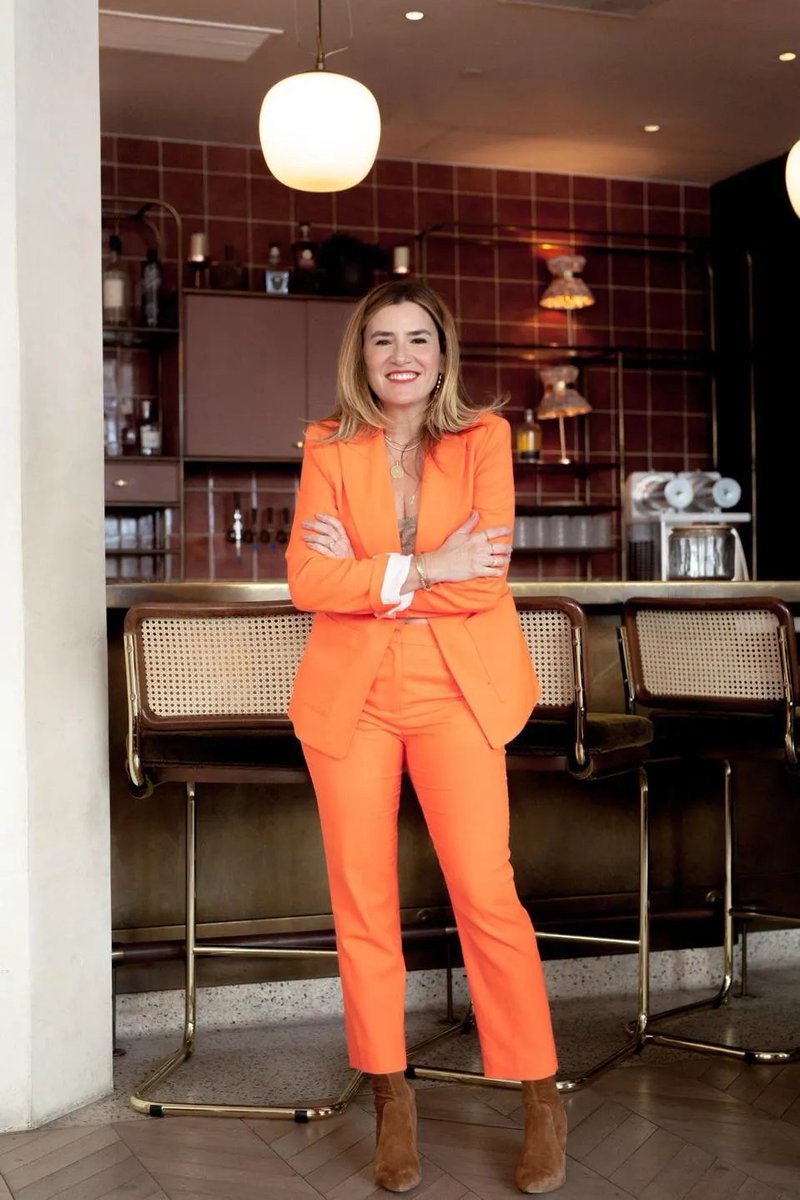
In 2019, Alli co-founded Squeeze - a personalized subscription-based massage chain.
And in 2021, she joined Canopy as President (@MasalaCapital invested)
I was totally star-struck when I first met Alli in person.
She's a beast of an entrepreneur and a hell of an operator.
And in 2021, she joined Canopy as President (@MasalaCapital invested)
I was totally star-struck when I first met Alli in person.
She's a beast of an entrepreneur and a hell of an operator.
Loading suggestions...