
In 1925 there was a proposal to build 18 identical skyscrapers in the middle of Paris.
It didn't happen, but this plan has since inspired real building projects all around the world.
Who came up with it? Le Corbusier, the man who (sort of) invented modern architecture...
It didn't happen, but this plan has since inspired real building projects all around the world.
Who came up with it? Le Corbusier, the man who (sort of) invented modern architecture...

If you want to understand Charles-Édouard Jeanneret (better known by his pseudonym Le Corbusier) then you only need to look at his hugely influential book "Towards a New Architecture", published in 1923.
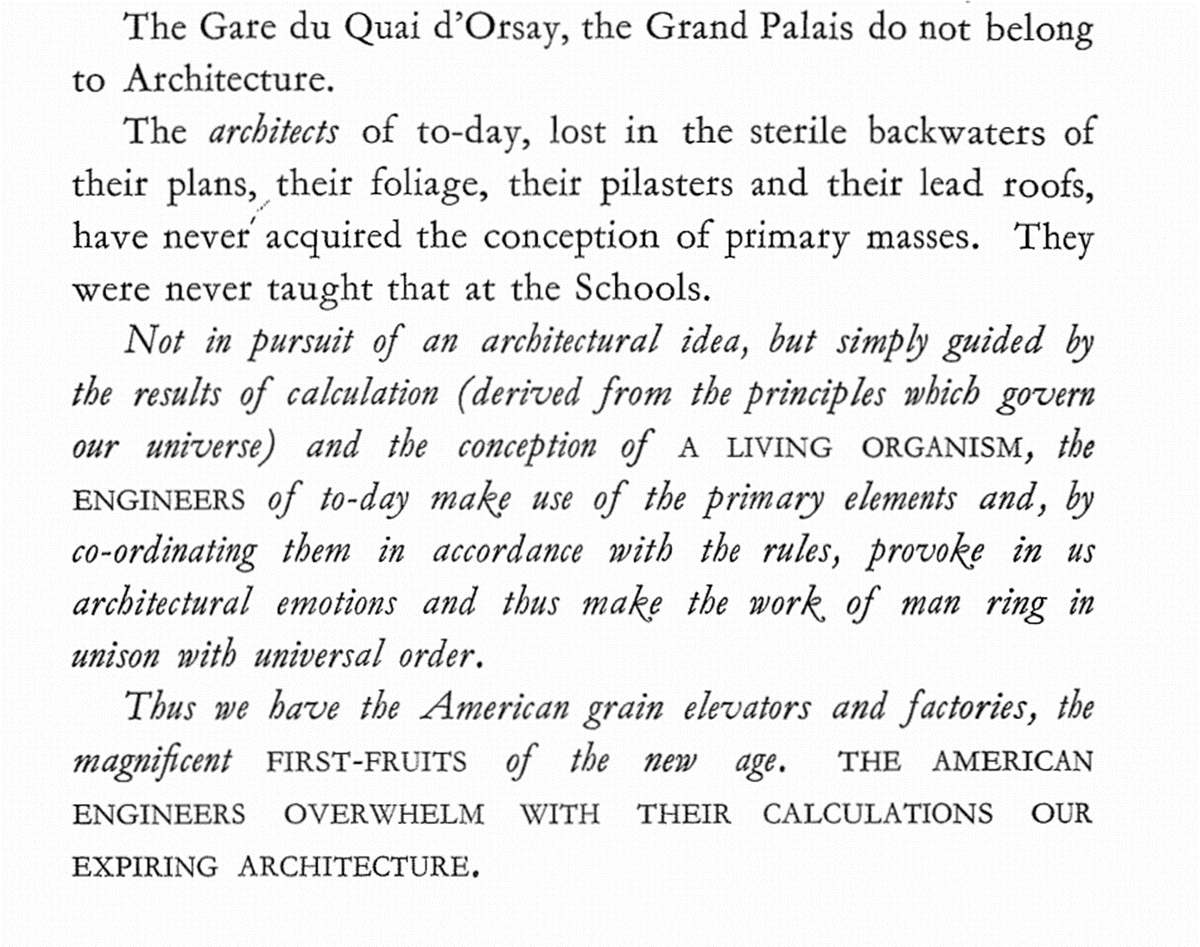
The world had changed and so architecture must also change:
The world had changed and so architecture must also change:

Le Corbusier wanted to create an entirely new form of architecture.
He lamented the state of architecture in his youth, whether Art Deco or Art Nouveau or the various forms of Historical Revivalism like Neo-Gothic and Neoclassicism.
As he said, "the styles are a lie".
He lamented the state of architecture in his youth, whether Art Deco or Art Nouveau or the various forms of Historical Revivalism like Neo-Gothic and Neoclassicism.
As he said, "the styles are a lie".

He argued that products of modern technology — aeroplanes, ocean liners, automobiles — should be the basis for this new, truly modern architecture.
Because these machines were not inhibited by ideas about "style"; they were the pure creation of an industrial age.
Because these machines were not inhibited by ideas about "style"; they were the pure creation of an industrial age.
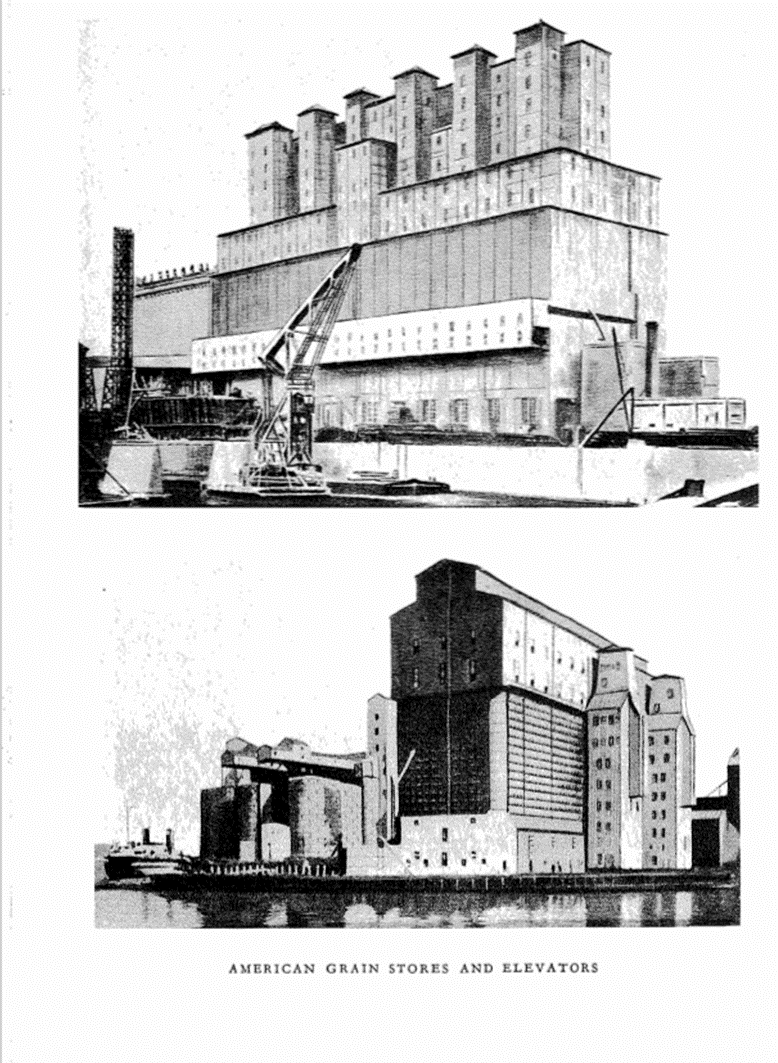
He held up grain silos as the perfect example of what architecture could and should be.
They used modern materials and technologies to solve specific problems — architecture must do the same.
They used modern materials and technologies to solve specific problems — architecture must do the same.
And so Le Corbusier created his "Five Points" — five principles, based on what new technology had made possible, which should guide all architecture:
1) Pilotis
Every building should be raised on a grid of reinforced concrete pillars, as at the Villa Savoye.
1) Pilotis
Every building should be raised on a grid of reinforced concrete pillars, as at the Villa Savoye.
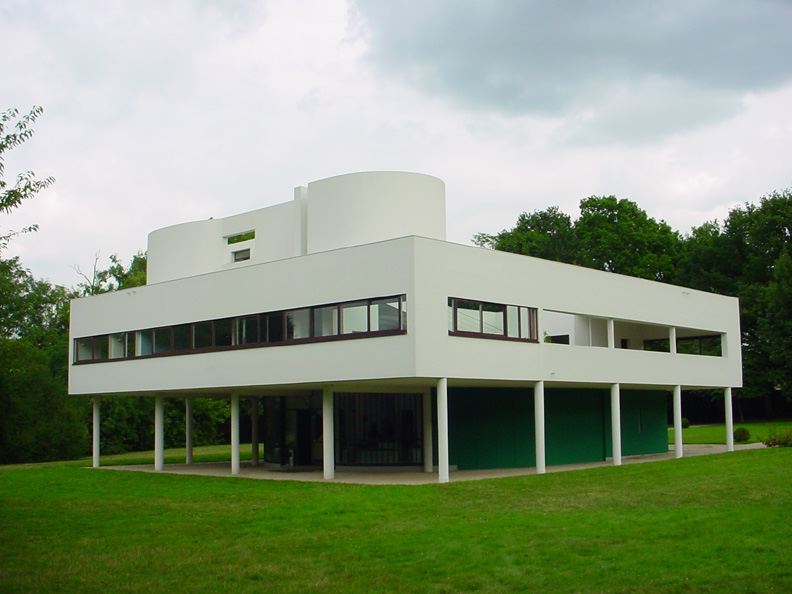
2) Open Ground Plan
Because the entire structural weight of a building is held up by the grid of reinforced pillars, there is no need for small rooms and supporting walls inside.
Hence interiors should be open and spacious, as at the Villa Savoye.
Because the entire structural weight of a building is held up by the grid of reinforced pillars, there is no need for small rooms and supporting walls inside.
Hence interiors should be open and spacious, as at the Villa Savoye.
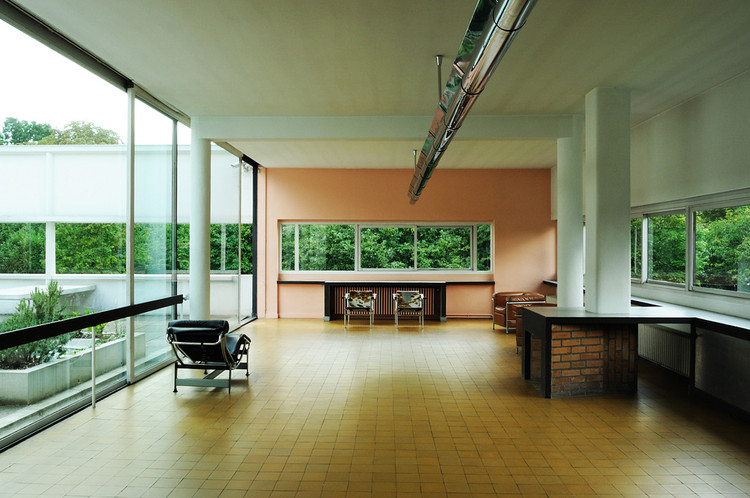
3. Free Façade
Again, because the weight of the building is held up by the pillars, its façade doesn't need to play any structural, load-bearing role.
You can do whatever you want with the façade, though ideally it should be minimal and open as possible.
Again, because the weight of the building is held up by the pillars, its façade doesn't need to play any structural, load-bearing role.
You can do whatever you want with the façade, though ideally it should be minimal and open as possible.
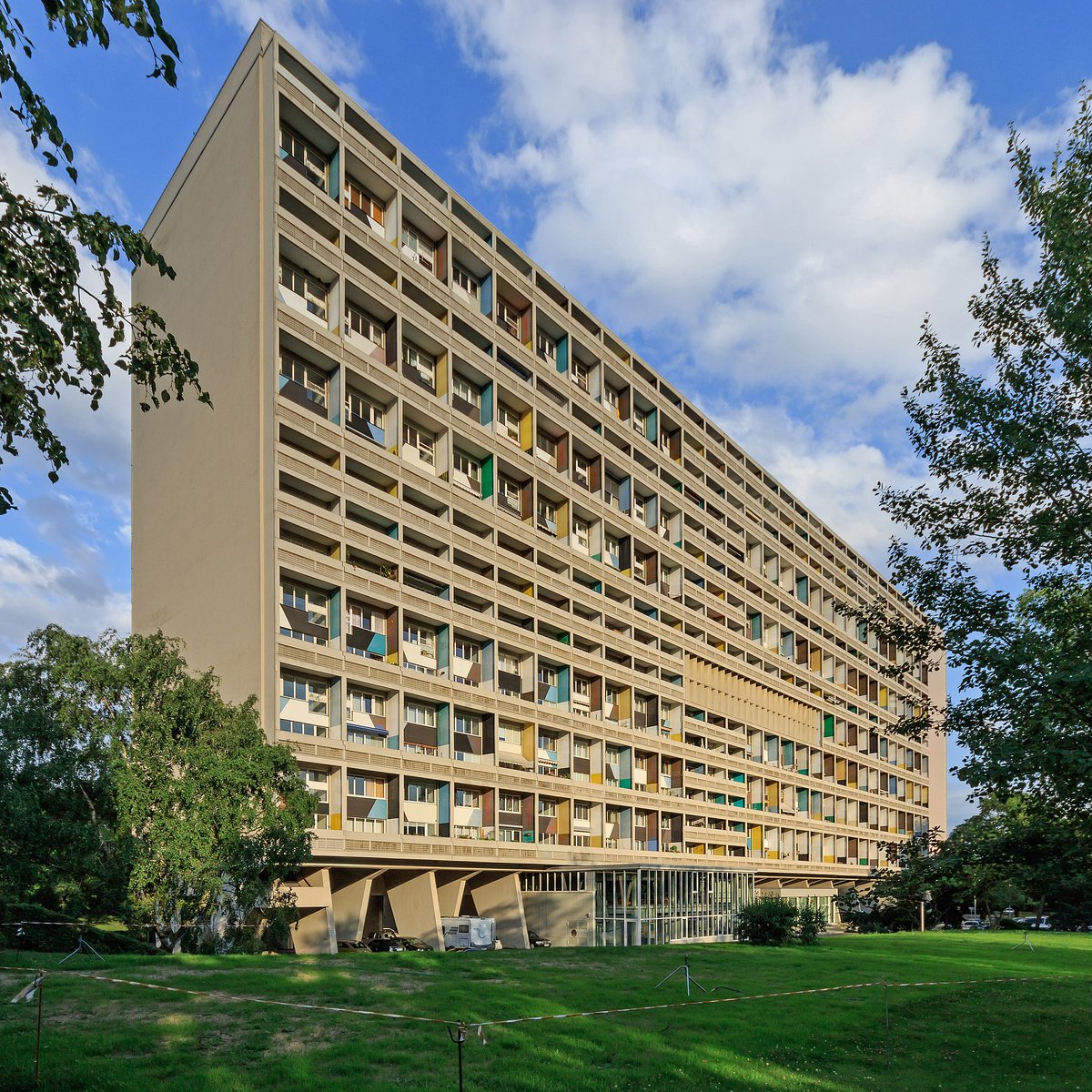
4. Horizontal Windows
There don't need to be any walls at all! Le Corbusier argued that buildings should have floor-to-ceiling windows right across the façade, providing both better lighting and better views.
There don't need to be any walls at all! Le Corbusier argued that buildings should have floor-to-ceiling windows right across the façade, providing both better lighting and better views.
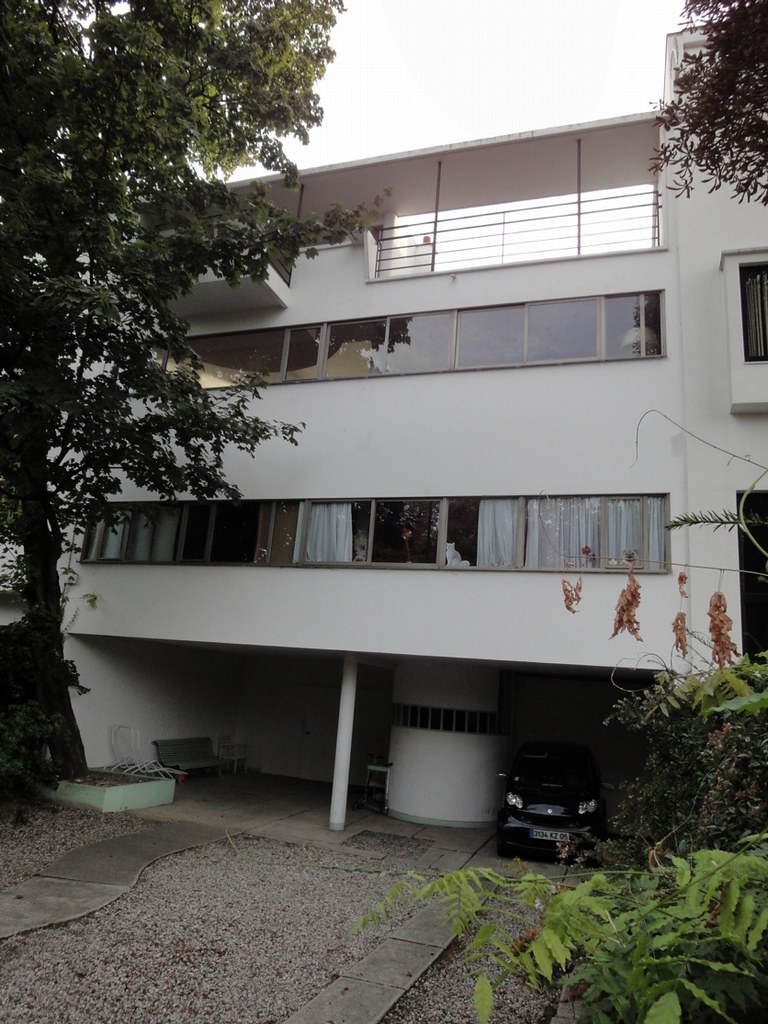
5. Roof Gardens
Le Corbusier argued that steep, gabled, tiled roofs were a waste of space. Why not have flat roofs with gardens instead?
Le Corbusier argued that steep, gabled, tiled roofs were a waste of space. Why not have flat roofs with gardens instead?
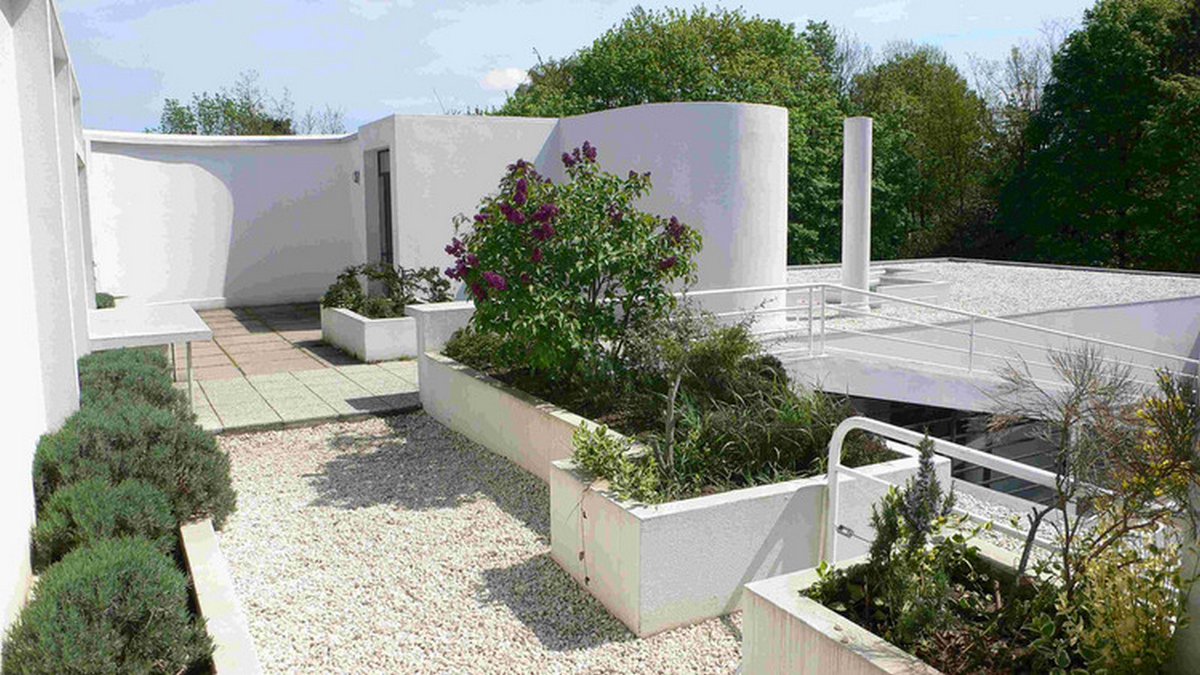
Though Le Corbusier himself strayed from these Five Points, they exercised a huge influence on the architecture of the 20th century.
But more influential than his ideas about individual buildings were his thoughts on urban design.
Le Corbusier was *obsessed* with "the plan".
But more influential than his ideas about individual buildings were his thoughts on urban design.
Le Corbusier was *obsessed* with "the plan".
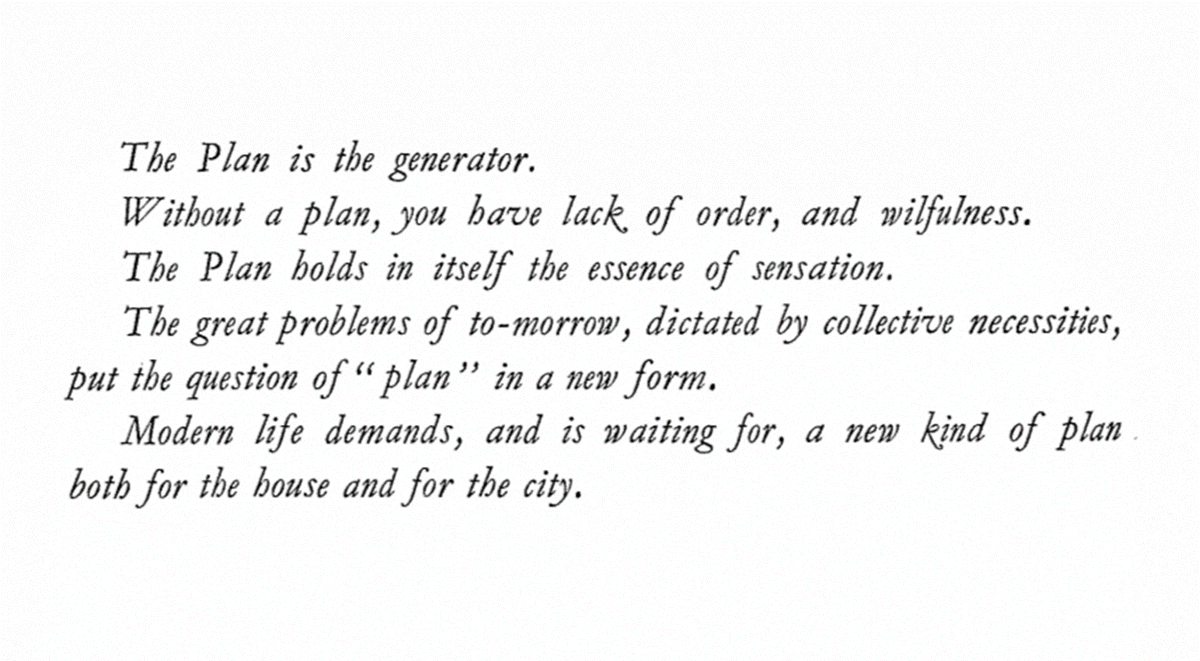
And so he developed an ideal urban environment, a perfectly planned city, fully adapted to the modern world.
What would it look like? Dozens of identical towers, each 60 storeys tall, separated by parks.
What would it look like? Dozens of identical towers, each 60 storeys tall, separated by parks.

This is the "Ville Radieuse", or "Radiant City". When Le Corbusier originally came up with the concept it was wildly futuristic and totally alien.
But by the end of his life, in 1965, it had become the basis for construction projects all around the world.
But by the end of his life, in 1965, it had become the basis for construction projects all around the world.
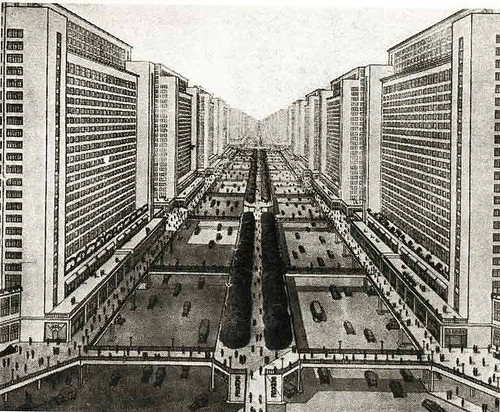
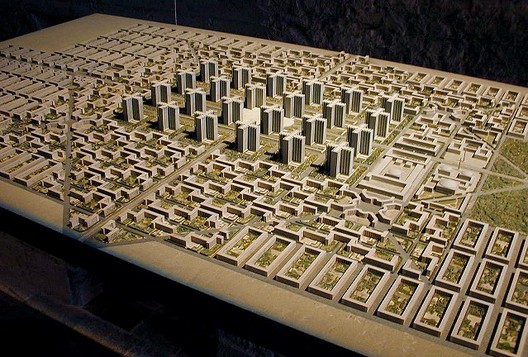
At one point Le Corbusier was even offered the chance to redesign part of Paris, and for it he created the "Plan Voisin", intended to solve economic segregation and improve public health.
It was never implemented, but the principles of the Plan Voisin lived on...
It was never implemented, but the principles of the Plan Voisin lived on...
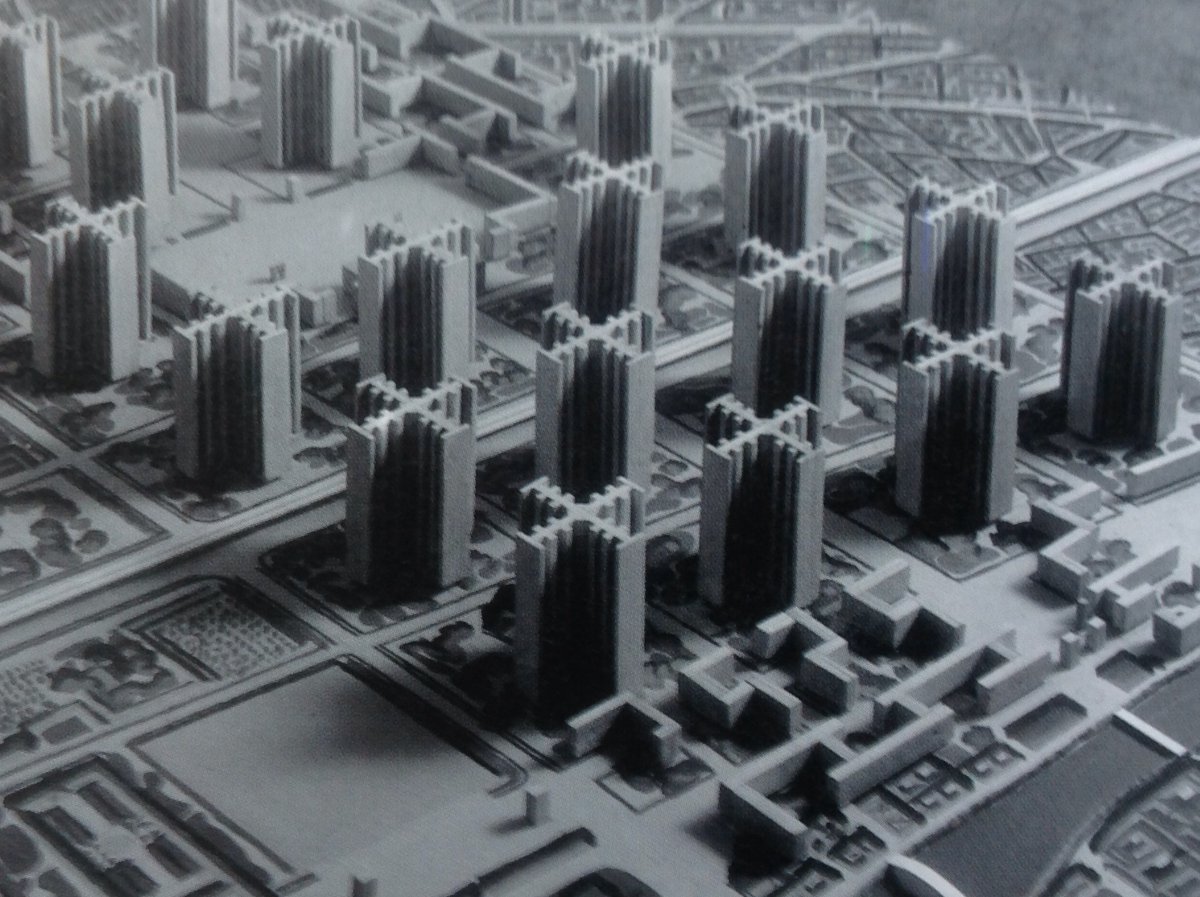
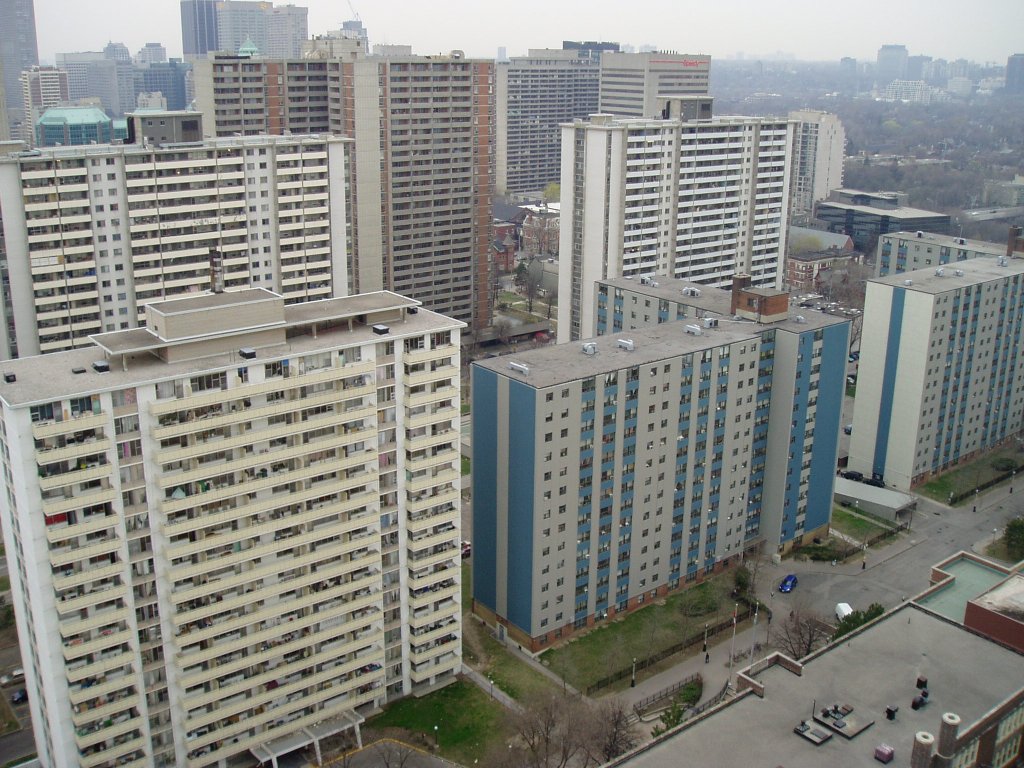
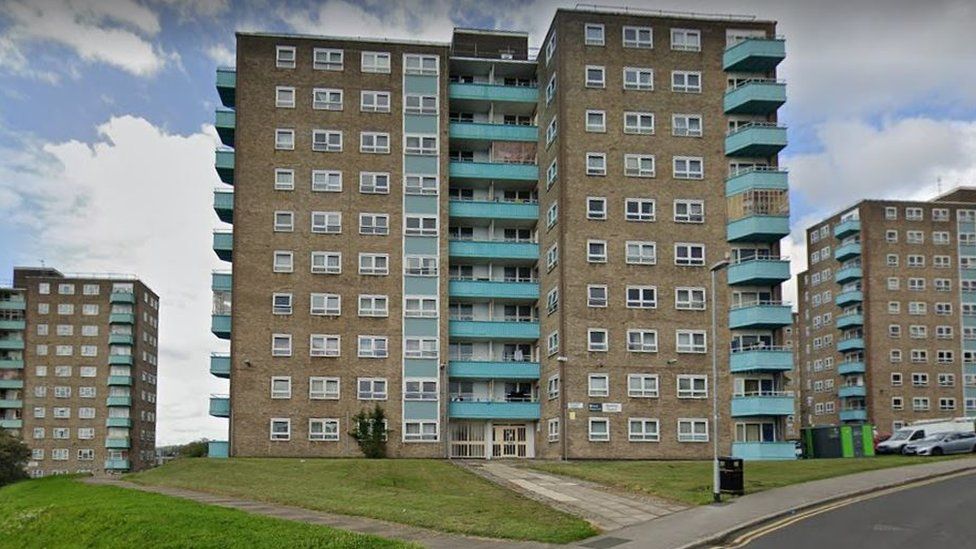
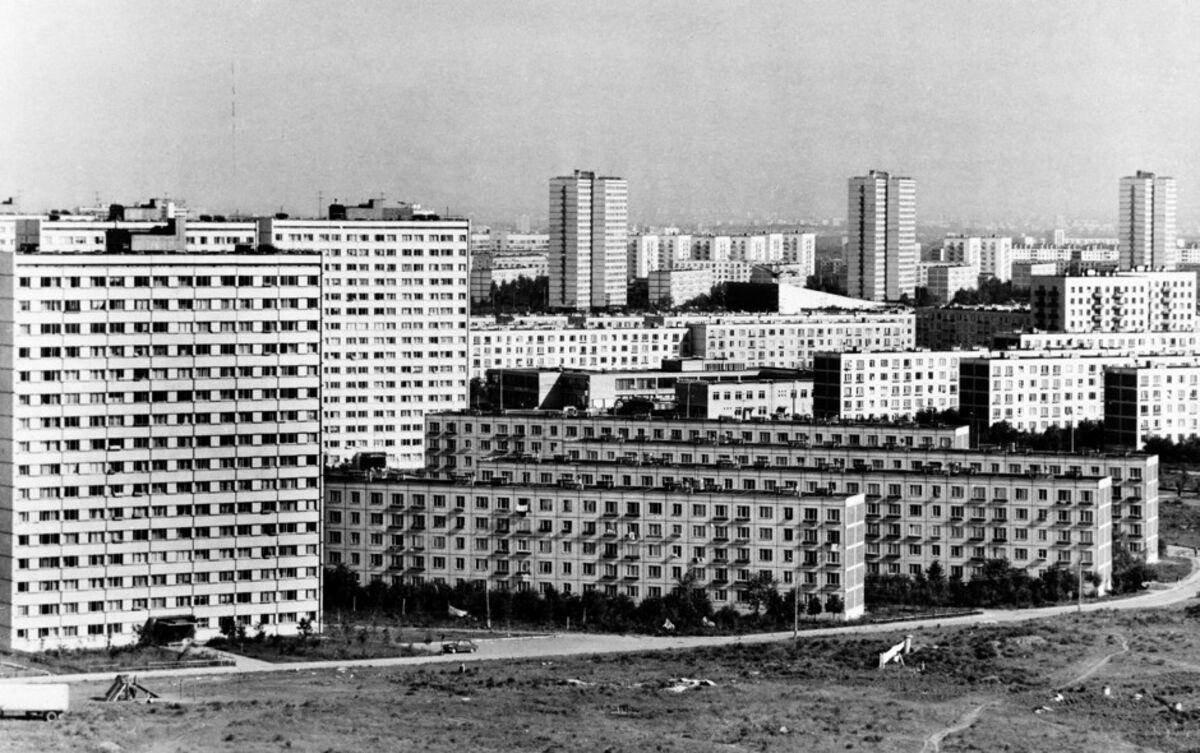
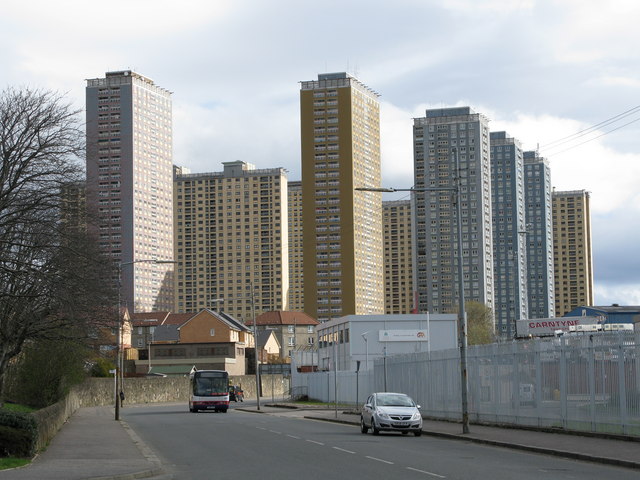
In the decades after WWII, when cities needed rebuilding and population was booming, architects and urban planners turned to Le Corbusier.
And so, for good or bad, the world was rebuilt in the image of Le Corbusier's ideal modern city of massive, standardised towers.
And so, for good or bad, the world was rebuilt in the image of Le Corbusier's ideal modern city of massive, standardised towers.
But Le Corbusier, despite his influence, has always been controversial.
Not least because his theories about architecture and urban design seem rather ill-suited to real human beings.
But that shouldn't be surprising; he thought of the house "a machine for living in."
Not least because his theories about architecture and urban design seem rather ill-suited to real human beings.
But that shouldn't be surprising; he thought of the house "a machine for living in."
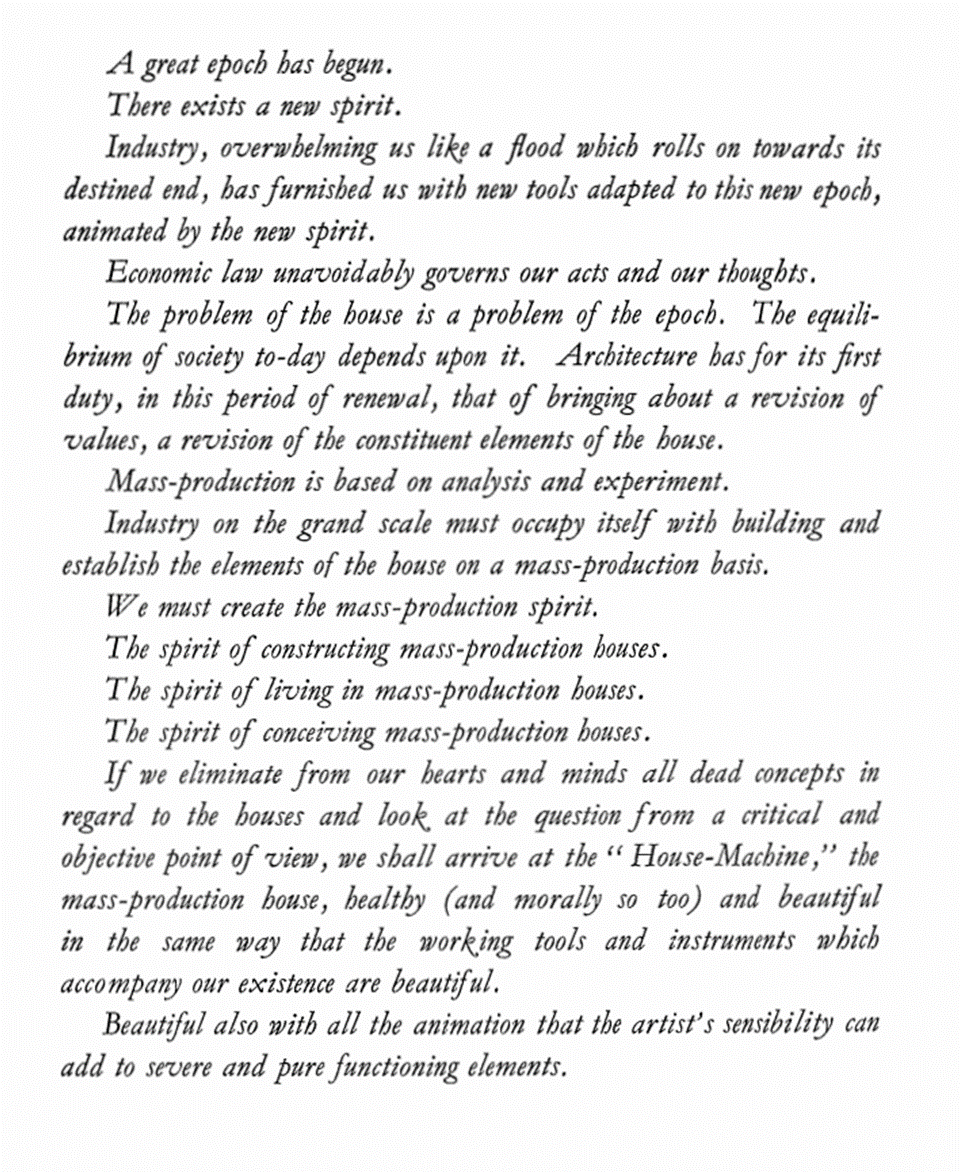
And when he writes "all men have the same needs", we start to see the problem.
There is something authoritarian about Le Corbusier, not helped by statements like "where order reigns, well-being begins."
He advocated for a single solution, imposed from above, to every problem.
There is something authoritarian about Le Corbusier, not helped by statements like "where order reigns, well-being begins."
He advocated for a single solution, imposed from above, to every problem.
It eventually became clear that Le Corbusier's vision for perfectly standardised cities, imposed on ordinary people by the all-powerful architect, had a tendency to shatter communities and make cities worse.
With each passing year more of those postwar towers are demolished.
With each passing year more of those postwar towers are demolished.
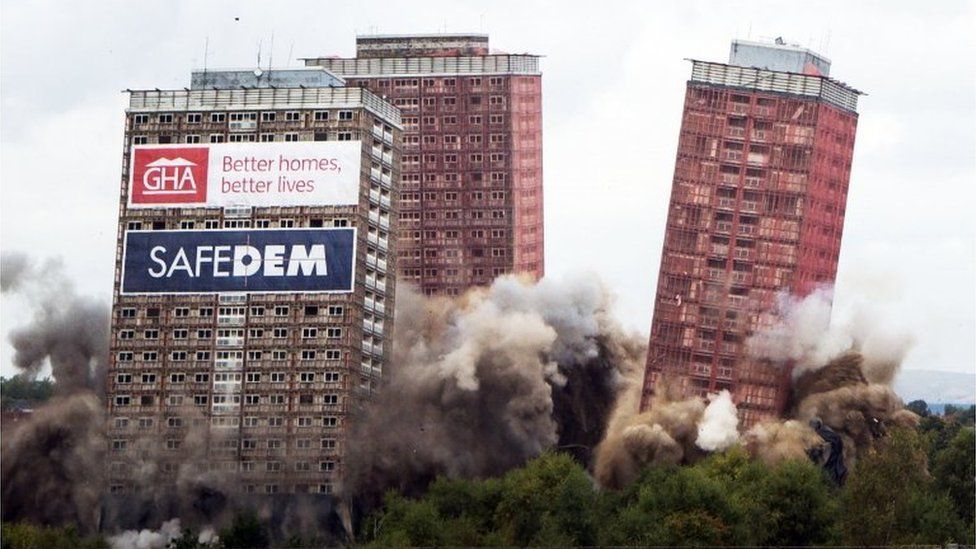
Toward a New Architecture is compelling, and in an age when we needed to build at great scale, cheaply and effectively, perhaps Le Corbusier had the right ideas at the right time... or not.
Well, hero or villain, he certainly changed the world — bon anniversaire Charles-Édouard!
Well, hero or villain, he certainly changed the world — bon anniversaire Charles-Édouard!
Loading suggestions...